

P0442 on 2020-2023 Cadillac CT4: EVAP Small Leak Causes and Fixes
For a 2020-2023 Cadillac CT4, code P0442 most often means you have a loose gas cap or a faulty EVAP purge solenoid. First, tighten or replace the gas cap. If the light returns, or if you experience long crank times after refueling, the purge solenoid is the next likely part to fail. Check for eligibility under GM's Special Coverage N232395310 for a potential free dealer repair on 2020 2.0L models.
- P0442 on your CT4 means there's a small leak in the fuel vapor system.
- Always check your gas cap first. Make sure it's tight and the seal isn't cracked. This is the most common and cheapest fix.
- If the gas cap isn't the problem, the EVAP purge solenoid or vent solenoid are the next most likely culprits.
- You can continue to drive the car without causing damage, but you will not pass an emissions inspection until the issue is resolved.
- For leaks that are difficult to find, a smoke test performed by a mechanic is the most reliable diagnostic method.
What's Unique About the 2020-2023 Cadillac CT4
While P0442 is a generic code, General Motors has issued a Technical Service Bulletin (TSB #21-NA-124) that applies to the 2020-2021 CT4. This bulletin provides specific diagnostic tips, emphasizing checking for improperly seated tube connections before suspecting faulty components. More importantly, GM has a Special Coverage bulletin (N232395310) for the 2020 CT4 with the 2.0L LSY engine, extending the warranty on the 'evaporative emissions purge pump' to 15 years or 150,000 miles, acknowledging a potential known issue with this part.
Diagnostic Flowchart
Tap your situation to follow the diagnostic path that matches what you're seeing on this vehicle.
Symptoms You May Notice
- Check Engine Light is on
- A faint fuel smell may be noticeable in some cases
- Difficulty starting or long crank time immediately after refueling (strong indicator of a faulty purge valve)
- Replacing the O2 sensors. Oxygen sensors are not part of the EVAP system and will not cause a P0442 code.
- Replacing the catalytic converter. This is an expensive repair related to different emissions codes (like P0420) and has no connection to EVAP leaks.
Most Likely Causes
- Loose or Faulty Gas Cap 🔴 High Probability → Shop Fuel Tank Cap This is the most common cause for a P0442 code on any vehicle, as the cap seal can degrade over time or simply not be tightened correctly after refueling.
How to confirm: Ensure the gas cap clicks at least three times when tightened. Remove the cap and inspect the rubber O-ring seal for any cracks, dirt, hardening, or signs of wear.
Typical fix: Tighten the cap. If the seal is damaged or the cap is old, replace it with a new OEM-quality cap. After replacement, the code may need to be cleared with a scanner, or it may clear on its own after several drive cycles.
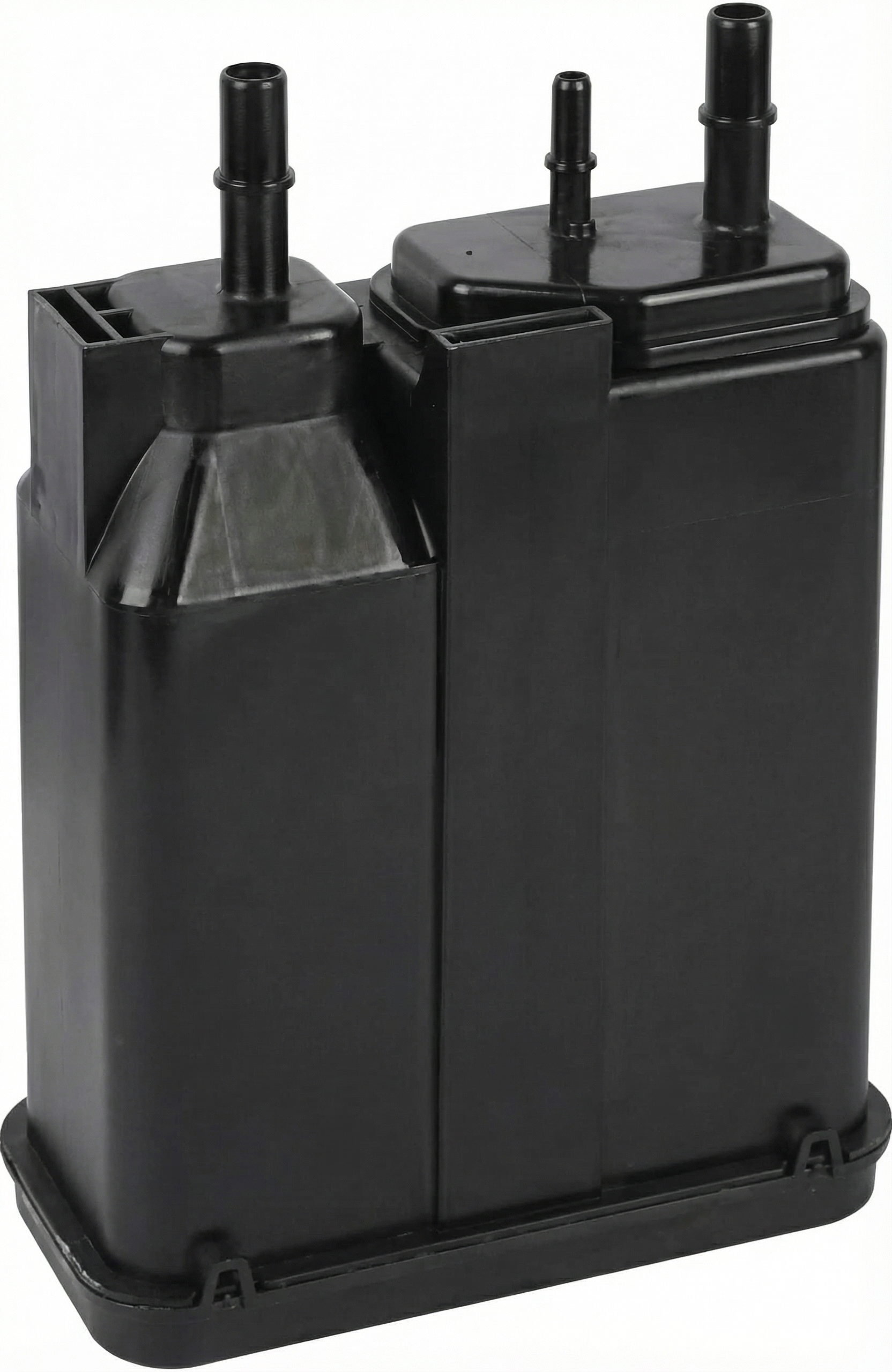
Est. part cost: $15-$40 - Failing EVAP Purge Solenoid/Valve 🟡 Medium Probability → Shop Vapor Canister The purge valve is a very common failure point on many modern GM vehicles. It can become stuck slightly open, causing a small leak. GM has acknowledged this with a Special Coverage (N232395310) for the 2020 CT4 2.0L, extending the warranty on this part. TSB #21-NA-124 also lists this as a potential cause.
How to confirm: A primary symptom is the engine cranking for a long time before starting right after you fill up the gas tank. You can also remove the valve (typically located on the engine) and try to blow through it when it is unpowered; if any air passes, it is stuck open and has failed. A professional can command the valve open and closed with a scan tool to test its function.
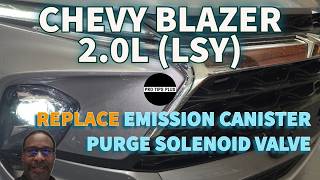
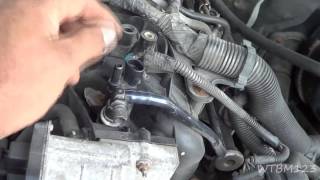
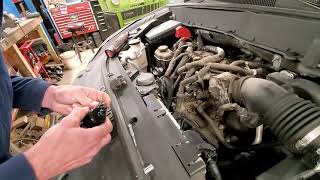
Typical fix: Replace the purge solenoid. It is typically located in the engine bay and is accessible for DIY replacement. For eligible vehicles (2020 CT4 2.0L), this repair may be covered 🎬 See this walkthrough for the 2.0L LSY purge valve replacement by the dealer under Special Coverage N232395310.
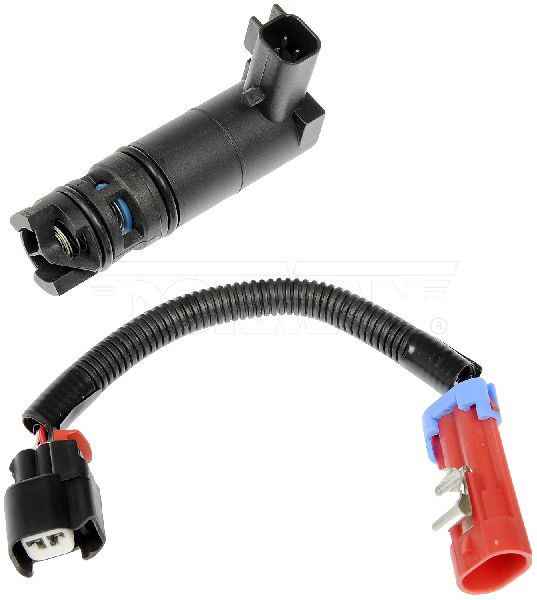
Est. part cost: $40-$70 - Failing EVAP Vent Solenoid/Valve 🟡 Medium Probability → Shop Vapor Canister This valve is located near the fuel tank and charcoal canister, making it susceptible to road debris, dust, and moisture, which can cause it to stick open or its filter to clog.
How to confirm: The valve can be removed and tested to see if it holds vacuum/pressure when commanded closed by a scan tool. Visually inspect the valve and its filter for dirt or debris. A smoke test is often the best way to confirm a leak from this component.
Typical fix: Replace the vent solenoid. Accessing it requires lifting the vehicle and may involve removing a fender liner or lowering the spare tire on some vehicles.
Est. part cost: $20-$50 - Cracked or Disconnected EVAP Hose ⚪ Low Probability Plastic and rubber lines can become brittle over time from heat and age, leading to small cracks, especially at connection points. TSB #21-NA-124 specifically calls out checking for unseated tube connections as the very first diagnostic step.
How to confirm: Perform a thorough visual inspection of all accessible EVAP lines between the engine, charcoal canister, and fuel tank. A smoke test is the most reliable method to find a small hose leak, as cracks can be nearly invisible.
Typical fix: Replace the damaged section of hose or the entire line assembly.
Est. part cost: $10-$100 depending on the hose assembly
Rare But Worth Checking
- Cracked EVAP Charcoal Canister: → Shop Vapor Canister A crack in the plastic housing of the canister itself can cause a small leak. This is less common than valve or hose failures but is a possibility, especially if there is evidence of impact to the undercarriage.
- Leaking Fuel Tank Filler Neck: → Shop Fuel Tank Corrosion or damage to the metal pipe leading from the gas cap to the tank can cause a leak that will trigger a P0442 code.
Diagnosis Steps
- Check the gas cap. Remove it, inspect the seal for damage, and reinstall it, ensuring it clicks several times. Clear the code and drive for a few days to see if it returns.
- If the code returns, check for other symptoms. If you experience hard starting after refueling, the purge valve is the most likely cause.
- Check for GM Special Coverage. If you have a 2020 CT4 with the 2.0L engine, contact a GM dealer with your VIN to see if the purge pump replacement is covered under warranty extension N232395310.
- Follow TSB #21-NA-124's diagnostic flow: 1) Visually inspect all EVAP line connections for proper seating. 2) Inspect lines for obvious cracks or damage. 3) Investigate the vent valve. 4) Investigate the purge valve.
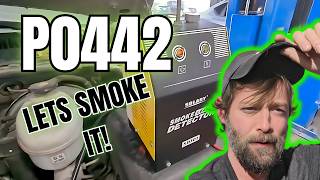
- If the leak is not apparent, the most effective method is to have a professional perform a smoke test. This involves filling the EVAP system with a harmless, visible smoke and looking for where it escapes. 🎬 Watch: How to find a small EVAP leak using smoke
Parts You'll Likely Need
- Gas Cap
(OEM #13548316 (unconfirmed, based on related platform))— This is the most frequent cause of a P0442 code due to a worn seal or improper tightening. It is the cheapest and easiest part to replace first.
Trusted brands: ACDelco, GM Genuine Parts
OEM price range: $25-$40
Aftermarket price range: $15-$25 - Vapor Canister Purge Solenoid/Valve
(OEM #12666845)— A very common failure point on modern GM vehicles that causes a small leak when it gets stuck open. A hard start after refueling is a key symptom. This part is subject to a warranty extension on some 2020 2.0L models.
Trusted brands: ACDelco, GM Genuine Parts, Standard Motor Products
OEM price range: $50-$70
Aftermarket price range: $35-$55 - Vapor Canister Vent Solenoid/Valve — This valve can get stuck open due to its location under the car, creating a persistent small leak. It is often the culprit if a smoke test shows smoke exiting from the rear of the vehicle near the canister.
Trusted brands: ACDelco, Dorman, Wells
OEM price range: $30-$50
Aftermarket price range: $20-$40
Related Codes That Often Appear With This One
- P0455 — Indicates a large EVAP leak. If a component like a purge or vent valve fails intermittently, it can trigger both small (P0442) and large (P0455) leak codes at different times. TSB 21-NA-124 covers diagnostics for both codes.
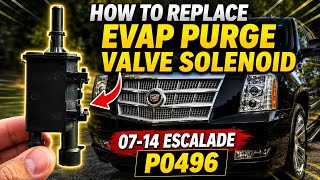
- P0496 — Indicates EVAP flow during a non-purge condition. This code strongly points to a purge valve that is stuck open. Seeing this with P0442 makes the purge valve the primary suspect. GM has issued bulletins for this code on related platforms.
- P0446 — Indicates a fault in the EVAP vent control circuit. Seeing this with P0442 strongly suggests the problem is with the vent valve or its wiring.
Technical Service Bulletins (TSBs) & Recalls
- 21-NA-124: Diagnostic Tip for Malfunction Indicator Lamp (MIL) Illuminated - DTC P0442 and/or P0455 Set. This bulletin provides a diagnostic flow for finding EVAP leaks on various GM vehicles, including the 2020-2021 CT4.
- N232395310: Special Coverage Adjustment. This bulletin extends the warranty on the evaporative emissions purge pump for certain 2020 CT4 models with the 2.0L engine to 15 years/150,000 miles.
Platform-Specific Known Issues
- GM Special Coverage N232395310: For certain 2020 Cadillac CT4 models with the 2.0L LSY engine, GM has extended the warranty for the 'evaporative emissions purge pump' to 15 years or 150,000 miles. If diagnosed with a faulty purge valve, owners should check with a dealer for potential free replacement.
- TSB #21-NA-124: This bulletin for P0442/P0455 provides a specific diagnostic order: 1) Inspect all EVAP line connections for proper seating. 2) Inspect lines for damage. 3) Investigate the vent valve for being stuck open. 4) Investigate the purge valve for being stuck open.
Mechanic-Grade Diagnostic Values
- Fuel Tank Pressure (FTP) Sensor Voltage (Key On, Engine Off, system at atmospheric pressure) — expected: Approximately 1.3V - 1.7V, with 1.5V being a typical known-good value on GM vehicles.. Failure: Voltage is stuck high (e.g., 5V) or low (e.g., 0V), or does not change when vacuum is applied to the system.
- FTP Sensor 5-Volt Reference Circuit — expected: 4.8V - 5.2V between the reference circuit pin and a known good ground.. Failure: Low or no voltage suggests a wiring or ECM problem.
- EVAP Purge Solenoid Resistance (general GM spec) — expected: 20-50 Ohms.. Failure: An open circuit (infinite resistance) or a reading significantly outside the expected range indicates a faulty solenoid coil.
- EVAP Vent Solenoid Resistance (general GM spec) — expected: 15-30 Ohms.. Failure: An open circuit (infinite resistance) or a reading outside the expected range indicates a faulty solenoid coil.
Scan Tool Commands That Help
- GDS2 / Tech2 (or equivalent professional scanner): EVAP Service Bay Test — This is a comprehensive, automated test that forces the EVAP monitor to run under controlled conditions, verifying a repair without needing to perform a full drive cycle. It can be used to confirm the system is sealed after a fix.
- GDS2 / Tech2 (or equivalent professional scanner): Purge/Seal — This bidirectional command allows a technician to manually seal the EVAP system (by closing the vent valve) and command the purge valve open to draw a vacuum. By watching the FTP sensor voltage, the technician can confirm the purge valve is working and see how well the system holds vacuum, helping to isolate a leak.
- GDS2 / Tech2 (or equivalent professional scanner): Vent Solenoid Command — Allows for the manual opening and closing of the EVAP vent solenoid. This is critical during a smoke test to seal the system and to verify the solenoid itself is not stuck open or closed.
"I Checked Everything" — The Actual Cause
- An intermittently sticking purge or vent solenoid may pass a smoke test when cold, but then fail to seal completely when hot or after being cycled multiple times, causing a P0442 to set. A technician may need to cycle the solenoid repeatedly with a scan tool to induce the failure.
- A faulty Fuel Tank Pressure (FTP) sensor that does not accurately report changes in system pressure can cause the ECM to incorrectly flag a leak, even when the system is perfectly sealed and would pass a smoke test.
Helpful Videos

Used OEM Parts in Stock
New Aftermarket Parts Available


The information in this article is provided for general reference and educational purposes only. Vehicle specifications, procedures, and part compatibility can vary by production date, trim level, and region. Always consult your vehicle's factory service manual and verify part numbers before purchasing or performing repairs. Safety-critical components such as airbags, seat belts, and braking systems should be installed by a qualified professional.
- Cadillac CT4:
- 🧭 Diagnostic Flowchart
- 🎬 Helpful Videos
- 🛍️ Shop This Part
- What's Unique About the 2020-2023 Cadillac CT4
- Symptoms You May Notice
- Most Likely Causes
- Rare But Worth Checking
- Diagnosis Steps
- Parts You'll Likely Need
- Related Codes That Often Appear With This One
- Technical Service Bulletins (TSBs) & Recalls
- Platform-Specific Known Issues
- Mechanic-Grade Diagnostic Values
- Scan Tool Commands That Help
- "I Checked Everything" — The Actual Cause
- 🎟️ Get 5% Off