

P0442 on 2002-2009 Cadillac Escalade: Causes and Fixes for Small EVAP Leak
The P0442 code on a Cadillac Escalade indicates a small leak in the EVAP system. The most common and cheapest fix is replacing a worn or loose gas cap. If that doesn't work, the next most likely culprits are the EVAP vent solenoid near the spare tire (often due to a cracked or kinked hose) or the purge valve on the engine.
- Always start with the simplest and cheapest fix: check and tighten the gas cap. If it's old, replace it.
- The second most likely cause is the EVAP vent solenoid, located near the spare tire. This part is a known failure point on GM trucks and SUVs.
- If you've checked the cap and common valves, a smoke test is the most reliable way to find the exact source of a small leak without guessing and replacing unnecessary parts.
- The P0442 code will not leave you stranded but will cause an automatic failure on an emissions test.
- The issue spans two generations of Escalade (2002-2006 and 2007-2009), so always confirm parts for your specific model year.
What's Unique About the 2002-2009 Cadillac ESCALADE

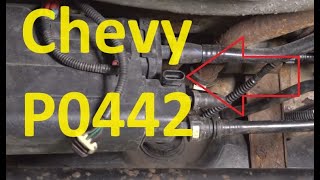
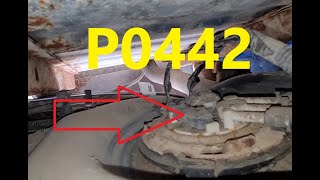
On the 2002-2009 Cadillac Escalade, which spans two vehicle generations (GMT800 and GMT900), the P0442 code is frequently caused by components exposed to the elements. The EVAP vent solenoid, a very common failure point, is located near the spare tire, making it susceptible to road grime, moisture, and damage. A specific issue noted by owners is that the hose connected to this solenoid can become kinked or stretched due to its routing, leading to cracks and leaks. 🎬 Watch: The hidden Escalade EVAP fix most people miss. Additionally, the long wheelbase of the Escalade means there are extensive EVAP lines running the length of the vehicle, providing more opportunities for cracks and hose deterioration over time, especially on older models.
Diagnostic Flowchart

Tap your situation to follow the diagnostic path that matches what you're seeing on this vehicle.
Generation note: The 2002-2009 range covers two Escalade generations: the second generation (GMT800, 2002-2006) and the third generation (GMT900, 2007-2009). While the causes for P0442 are similar, the exact part numbers and locations for components like the vent and purge solenoids can differ slightly between these generations. Always verify the part for your specific year. For example, the vent solenoid design and its associated wiring harness were updated in later models. The GMT900 platform introduced rack-and-pinion steering and a more refined interior, but the core EVAP system principles remained similar.
Symptoms You May Notice
- Check Engine Light is on
- A faint smell of fuel, particularly around the rear of the vehicle
- A 'Tighten Gas Cap' message may appear on the driver information center
- Difficulty starting the engine immediately after refueling (points to a stuck-open purge valve).
- Replacing the charcoal canister when only the vent solenoid is bad. The vent solenoid is a separate, serviceable part that is much cheaper to replace.
- Immediately replacing expensive parts without first checking the gas cap, which is the most frequent and cheapest fix.
- Replacing the vent solenoid when the actual problem is a simple cracked or kinked rubber hose connected to it.
Most Likely Causes

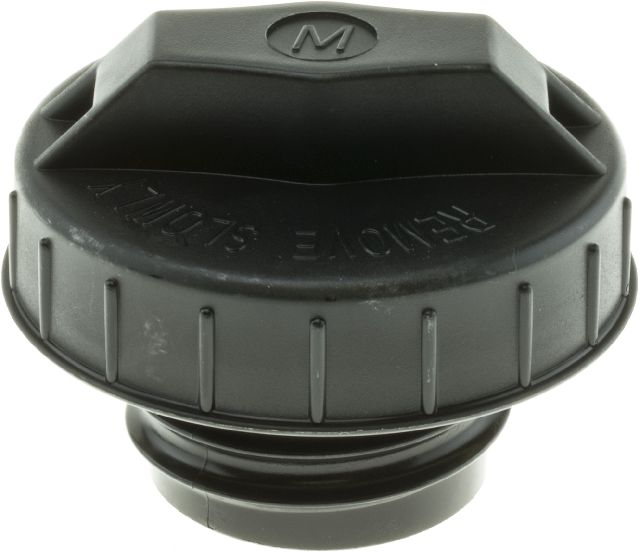
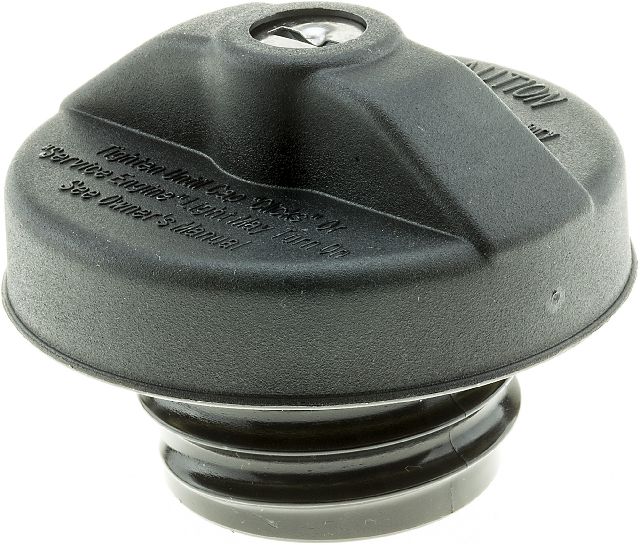
- Loose or Faulty Gas Cap 🔴 High Probability → Shop Fuel Tank Cap The gas cap seal is a rubber O-ring that degrades over time due to fuel vapor exposure and weather, leading to small cracks that break the EVAP system's seal. This is the most common cause across all vehicles.
How to confirm: First, ensure the cap is tightened until it clicks several times. If the code returns, visually inspect the rubber O-ring on the cap for any cracks, brittleness, or deformities. The filler neck should also be inspected for rust or debris that could prevent a good seal.
Typical fix: Replace the gas cap. It is highly recommended to use an OEM part (like ACDelco) as some aftermarket caps may not seal correctly.
Est. part cost: $15-$35 - Faulty EVAP Vent Solenoid or Associated Hose 🔴 High Probability → Shop Vapor Canister The vent solenoid is located near the spare tire, exposing it to water, salt, and road debris, which can cause the valve to stick open or its electrical components to fail. The hose attached to it is also a known failure point, often becoming kinked and cracked right at the connection to the valve.
How to confirm: The solenoid can be tested with a scan tool that can command it to open and close. A definitive diagnosis often requires a smoke test. Lower the spare tire and visually inspect the valve and, crucially, the hose connected to it for kinks, cracks, or looseness. The valve itself can be tested with a 12V power source; it should be normally open and should close (and hold vacuum) when power is applied.
Typical fix: Replace the EVAP vent solenoid and/or the damaged hose. Many owners find the hose is the true culprit. Some aftermarket kits include an updated wiring harness adapter. In one documented case, an owner modified the mounting bracket to relieve tension on the hose, preventing future failure.
Est. part cost: $40-$100 - Faulty EVAP Purge Valve/Solenoid 🟡 Medium Probability → Shop Vapor Canister This valve is located on the engine intake manifold and can get stuck open or closed over time, or develop a weak seal, allowing a small, unmetered amount of vapor to flow when it shouldn't. Sometimes, charcoal pellets from a deteriorating canister can get lodged in the valve, holding it open.
How to confirm: The valve is normally closed. Remove it from the vehicle and try to blow through it; if any air passes, it is stuck open and faulty. For a more sensitive test, a handheld vacuum pump can be used; the valve should hold vacuum without power. A symptom of a stuck-open purge valve is difficulty starting after filling the gas tank.
Typical fix: Replace the purge valve. This is typically an easy repair located on top of the engine intake.
Est. part cost: $25-$75 - Cracked or Disconnected EVAP Hoses 🟡 Medium Probability Rubber and plastic hoses become brittle with age and heat cycles. A small crack can develop anywhere along the line. A common failure point is the hose near the vent solenoid, which can get kinked.
How to confirm: A visual inspection may reveal obvious cracks, but a professional smoke test is the most effective way to find a small hose leak. Pay close attention to rubber elbows and connection points, bending them slightly to reveal hidden cracks.
Typical fix: Replace the damaged section of hose or the entire line if necessary.
Est. part cost: $10-$50
Rare But Worth Checking
- Leaking Charcoal Canister: → Shop Vapor Canister The plastic housing of the canister itself can develop a hairline crack, causing a leak. This is less common than the valves attached to it failing.
- Faulty Fuel Tank Pressure Sensor: → Shop Fuel Tank While rare for a P0442, the sensor that monitors the EVAP system pressure can fail and provide incorrect readings, leading the computer to believe there is a leak when there isn't one. This will often be accompanied by other specific sensor codes like P0452 (low voltage) or P0453 (high voltage).
- Small Leak in Fuel Filler Neck: → Shop Fuel Filler Neck Corrosion can create small pinholes in the metal tube that leads from the gas cap to the fuel tank, causing a leak that mimics a bad gas cap.
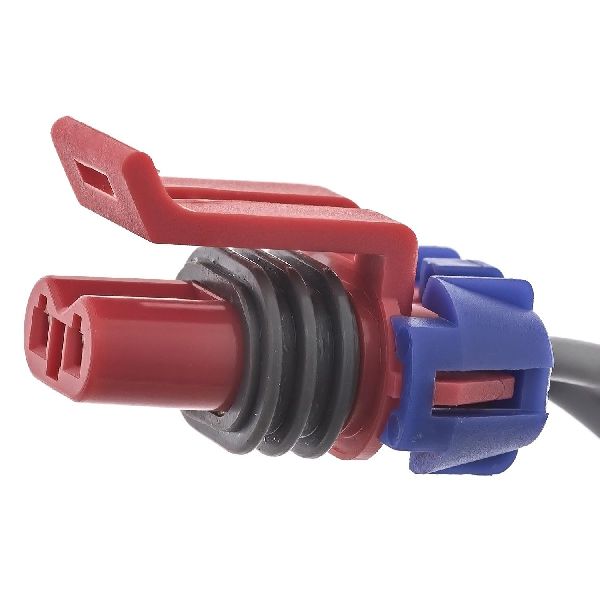
- Faulty EVAP Vent Solenoid Wiring Connector: → Shop Vapor Canister The electrical connector for the vent solenoid, being exposed to the elements, can corrode or fail, preventing the solenoid from operating correctly even if the solenoid itself is good.
Diagnosis Steps
- Check the gas cap. Ensure it is tight and clicks. Inspect the rubber seal for cracks or damage. If in doubt, replace it with an OEM cap, clear the codes, and drive for a few days.
- If the code returns, perform a thorough visual inspection of all accessible EVAP hoses and lines from the engine bay to the rear of the vehicle. Look for any cracks, kinks, or loose connections, paying special attention to the hoses around the vent solenoid by the spare tire.
- Locate the EVAP purge valve on the engine. With the engine off, disconnect it and try to blow through it. If air passes, the valve is faulty. For a more accurate test, use a hand vacuum pump to see if it holds vacuum. Also check for charcoal pellets inside the valve.
- Lower the spare tire to access the EVAP vent solenoid. Inspect the solenoid and its connected hoses for any visible damage, especially cracks or sharp kinks in the hose right at the valve inlet.
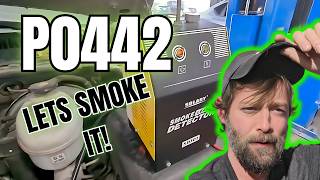
- If no obvious issues are found, the most effective next step is a professional smoke test. A machine fills the EVAP system with a visible vapor, which will escape from the location of the leak, making it easy to pinpoint.
Parts You'll Likely Need
- Gas Cap — This is the most common cause for P0442 due to the seal wearing out over time. It's the first and cheapest part to check and replace.
Trusted brands: ACDelco, Stant
OEM price range: $20-$35
Aftermarket price range: $15-$25 - EVAP Vent Solenoid / Valve
(OEM #25932571 (supersedes 10382105, 15750484, 22728634))— Its location near the spare tire makes it highly susceptible to failure from road debris and moisture. It frequently gets stuck open or the connected hose cracks, causing a small leak.
Trusted brands: ACDelco (OEM), Dorman (e.g., 911-070, often includes relocation kit)
OEM price range: $45-$60
Aftermarket price range: $35-$50 - EVAP Purge Valve / Solenoid
(OEM #12597567)— Located on the engine, this valve can fail by sticking open or developing a small internal leak, allowing unmetered vapor flow and triggering a leak code.
Trusted brands: ACDelco (OEM), Standard Motor Products (SMP), Dorman
OEM price range: $30-$50
Aftermarket price range: $25-$40
Related Codes That Often Appear With This One
- P0455 — This code indicates a large EVAP leak. It can appear with P0442 if the small leak worsens or if the system test fails in different ways on subsequent drive cycles. TSB #21-NA-124 provides a diagnostic procedure for both codes together.
- P0449 — This code specifically points to a fault in the EVAP vent solenoid valve control circuit. If you have P0442 and P0449 together, the vent solenoid or its wiring is almost certainly the problem.
- P0496 — Indicates EVAP flow during a non-purge condition. This code strongly points to a purge valve that is stuck open or leaking, as it's allowing fuel vapor into the intake manifold when it shouldn't be.
Technical Service Bulletins (TSBs) & Recalls
- Bulletin #21-NA-124: Provides diagnostic tips for P0442 and P0455. It emphasizes checking for properly seated/undamaged EVAP lines first, then testing the vent valve, and finally the purge valve.
- Bulletin #PIT4943D: Directs technicians to a specific article on using an EVAP tester, suggesting that proper tooling is key to diagnosing this code accurately on these vehicles.
Platform-Specific Known Issues
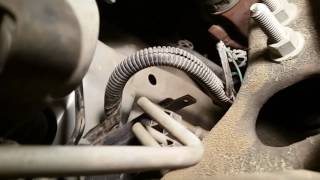
- Kinked Vent Solenoid Hose: A very common issue on these GMT800/900 platforms is the rubber hose connecting to the vent solenoid becoming kinked where it attaches to the valve. This stress eventually causes a crack, creating a small leak. Some owners have fixed this by modifying the mounting bracket to give the hose more slack.
- TSB #21-NA-124 Diagnostic Order: This GM bulletin, which applies to a wide range of vehicles including the Escalade, advises a specific diagnostic order for P0442/P0455. Technicians are instructed to first inspect all EVAP lines and connections, then investigate the vent valve for malfunction, and finally, check the purge valve.
Mechanic-Grade Diagnostic Values
- Fuel Tank Pressure (FTP) Sensor Voltage — expected: Around 1.5V with the gas cap off (atmospheric pressure). Should change to ~2.5V (vacuum) during a purge cycle and hold steady during a leak test.. Failure: Voltage that is stuck high (e.g., >4.5V, code P0453) or low (e.g., <0.5V, code P0452) indicates a sensor or wiring fault, not necessarily a leak.
- EVAP System Test Trigger Conditions — expected: Fuel level between 15-85%, Engine Coolant Temp (ECT) and Intake Air Temp (IAT) between 39-86°F (4-30°C), and both temps must be within 16°F (9°C) of each other at startup.. Failure: The EVAP monitor will not run if these conditions are not met, which can delay diagnosis, especially in very hot or cold climates.
Scan Tool Commands That Help
- GM Tech2 / GDS2: EVAP System Test (Service Bay Test) — This is a forced, comprehensive test that commands the purge and vent solenoids to seal the system, draws a vacuum, and monitors for decay. It allows a technician to confirm a leak exists without waiting for the natural EVAP monitor to run during a drive cycle.
- GM Tech2 / GDS2: EVAP Purge/Seal — This function allows manual control of the purge and vent solenoids. A technician can use this to seal the system (close both valves) before introducing smoke from a smoke machine, ensuring the test is accurate.
- GM Tech2 / GDS2: Vent Solenoid Command — Used to individually command the vent solenoid closed (energized) to confirm it is functioning electrically and mechanically. This is crucial when performing a smoke test, as the vent solenoid is normally open and must be closed to pressurize the system.
Wiring & Ground Locations
- EVAP Vent Solenoid Connector — At the vent solenoid, located near the spare tire. The harness runs along the driver's side frame rail.. The wiring at this location is exposed to the elements. A break or corrosion in the power (Orange/White wire) or control (White wire) can cause a P0449 and prevent the valve from closing, leading to a P0442 or P0455 leak code.
- Harness Connector above Transmission — There is a junction connector for the rear body harness located on top of the transmission/transfer case area.. In at least one documented case, a wire for the vent solenoid was found broken inside this connector loom, causing an intermittent failure that was difficult to trace from either end of the harness.
- G103 — Ground point located on the front of the right cylinder head (for 2007 models).. While not directly for the EVAP system, this is a major engine ground. Poor grounds can cause unpredictable behavior in various sensors and solenoids controlled by the ECM.
Real Owner Repair Stories
- YouTube user 'shadetreemechanic' (2007 Cadillac Escalade) — Check Engine Light with code P0442.
❌ Tried (didn't work) Initial assumption was a bad vent valve or purge valve.
✅ What actually fixed it The hose connected to the EVAP vent valve was severely kinked and stretched where it attached to the valve nipple. The owner modified the valve's mounting bracket to extend it, providing more slack for the hose and relieving the tension. This allowed the hose to seal properly and resolved the code without replacing any parts. - Tahoe Yukon Forum user (GMT900 SUV (similar to Escalade)) — P0442 and later P0455 (large leak).
❌ Tried (didn't work) Initial diagnosis was inconclusive.
✅ What actually fixed it Using a Tech2 scanner, the owner found the purge solenoid was being held open by charcoal pellets from a deteriorating EVAP canister. Replacing the purge solenoid fixed the problem.
OEM Part Supersession History
10382105, 15750484, 22728634→25932571— Component revision and consolidation by GM.
Heads up: The latest part number, 25932571, has been redesigned. Some parts suppliers warn that it may not be a direct fit for all older vehicles and recommend verifying with a VIN before purchase. Aftermarket kits (like Dorman 911-070) often include a relocation bracket and new hose to accommodate design changes.
Model Year Variations Within This Range
- 2002-2006 (GMT800): These models use a 4-speed automatic transmission (4L60-E/4L65-E) and have a different interior and chassis design. While EVAP components are similar in function, their exact placement and part numbers may differ from the later generation.
- 2007-2009 (GMT900): Introduced a more modern interior, rack-and-pinion steering, and often a 6-speed automatic (6L80). The EVAP system is largely the same concept but may use updated part numbers for solenoids and sensors. The vent solenoid wiring harness connector was a known update area.
Helpful Videos
![How to Fix P0442 Engine Code in 7 Minutes [6 DIY Methods / Under $3.67]](https://img.youtube.com/vi/KISPTedKJmQ/mqdefault.jpg)


Used OEM Parts in Stock
New Aftermarket Parts Available


The information in this article is provided for general reference and educational purposes only. Vehicle specifications, procedures, and part compatibility can vary by production date, trim level, and region. Always consult your vehicle's factory service manual and verify part numbers before purchasing or performing repairs. Safety-critical components such as airbags, seat belts, and braking systems should be installed by a qualified professional.
- Cadillac ESCALADE:
- 🧭 Diagnostic Flowchart
- 🎬 Helpful Videos
- 🛍️ Shop This Part
- What's Unique About the 2002-2009 Cadillac ESCALADE
- Symptoms You May Notice
- Most Likely Causes
- Rare But Worth Checking
- Diagnosis Steps
- Parts You'll Likely Need
- Related Codes That Often Appear With This One
- Technical Service Bulletins (TSBs) & Recalls
- Platform-Specific Known Issues
- Mechanic-Grade Diagnostic Values
- Scan Tool Commands That Help
- Wiring & Ground Locations
- Real Owner Repair Stories
- OEM Part Supersession History
- Model Year Variations Within This Range
- 🎟️ Get 5% Off