

P0442 on 2019-2023 Cadillac Escalade ESV: EVAP Small Leak Causes and Fixes
The P0442 code on a Cadillac Escalade ESV indicates a small leak in the evaporative emissions (EVAP) system. The most common and cheapest fix is to inspect and tighten or replace the gas cap (on 2019-2020 models) or clean the capless fuel filler neck (on 2021+ models). If that doesn't work, the next likely culprits are the EVAP purge or vent valves, which are known failure points on this platform.
- P0442 is a minor issue indicating a small leak in the emissions system; your Escalade is safe to drive.
- Always start with the simplest fix: check that your gas cap is tight and the seal is not cracked. This resolves the issue a surprising amount of the time.
- If the gas cap isn't the problem, the EVAP purge valve (on the engine) or the vent valve (near the gas tank) are the next most likely culprits.
- A professional smoke test is the fastest and most accurate way to find the leak if it's not obvious, saving you from replacing unnecessary parts.
What's Unique About the 2019-2023 Cadillac ESCALADE ESV
For this generation of Escalade and its GM truck platform mates (Tahoe, Yukon, Suburban), the EVAP system components are common points of failure. GM has issued Technical Service Bulletin (TSB) 21-NA-124, which provides a specific diagnostic hierarchy for codes P0442 and P0455 (large leak). The bulletin explicitly advises technicians to first inspect seven critical EVAP line connections for proper seating before suspecting component failure. The recommended order of investigation is: 1) EVAP line connections, 2) Vent Valve, 3) Purge Valve. This suggests a known pattern of improperly seated lines from the factory or during service, in addition to valve failures.
Diagnostic Flowchart
Tap your situation to follow the diagnostic path that matches what you're seeing on this vehicle.
Generation note: The 2019-2023 range covers two Escalade ESV generations: the end of the 4th generation (2019-2020) and the start of the 5th generation (2021-2023). A key difference is the fuel filler: 2019-2020 models use a traditional gas cap, while 2021-2023 models feature a capless fuel filler system. This introduces a new failure point for the newer generation, where dirt and debris can prevent the filler neck's internal flap from sealing properly, causing a P0442 code. While the fundamental EVAP system design is similar, specific part numbers for components like the vent solenoid differ between these two generations.
Symptoms You May Notice
- Check Engine Light is on
- A faint smell of gasoline, particularly around the rear of the vehicle or after refueling
- Potentially failing a state emissions inspection
- On 2019-2020 models, a 'Tighten Gas Cap' message may appear on the driver information center, even if the cap is tight.
- Replacing the O2 sensors. Oxygen sensors are not part of the EVAP system and will not cause a P0442 code.
- Replacing the charcoal canister when only a valve is bad. The valves are often sold separately and are much more likely to fail than the canister itself, unless the canister is confirmed to be cracked or leaking charcoal pellets.
Most Likely Causes
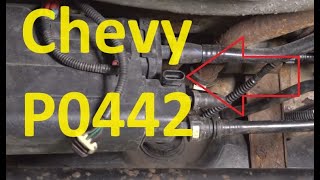
- Loose/Faulty Gas Cap or Dirty Capless Fuel Filler 🔴 High Probability → Shop Fuel Tank Cap This is the most common cause. 🎬 Watch: Overview of common P0442 causes and fixes for GM trucks. For 2019-2020 models, the cap's rubber seal can degrade or the cap isn't tightened correctly. In some cases, the entire filler neck can recede slightly into its housing, preventing a good seal. For 2021+ capless models, dirt and gunk can accumulate on the spring-loaded flap, preventing it from closing completely and causing a small leak.
How to confirm: For 2019-2020: Inspect the gas cap's O-ring for cracks. Ensure it clicks when tightened. For 2021+: Visually inspect the capless filler opening for debris. Use the funnel provided with the vehicle to work the flap back and forth to check for smooth operation.
Typical fix: 2019-2020: Tighten or replace the gas cap. 2021+: Clean the filler neck opening with a rag and solvent, then lubricate the seal with a silicone-based spray. Work the funnel in and out to distribute the lubricant and dislodge debris.
Est. part cost: $15-$40 for a new cap; $5 for lubricant. - Faulty EVAP Purge Valve/Solenoid 🟡 Medium Probability → Shop Vapor Canister The purge valve is a frequently replaced component on many GM vehicles. It can get stuck open or closed, or fail intermittently, causing a leak. Some owners have reported poor quality control on replacement parts, with new valves failing out of the box.
How to confirm: With the engine off, disconnect the valve and try to blow through it; if air passes, it's stuck open and faulty. A scan tool can also command the valve to open and close while monitoring system pressure.
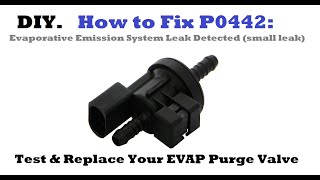
Typical fix: Replace the purge valve. It is typically located on the engine's intake manifold and is relatively easy to access. 🎬 See how to test and replace the EVAP purge valve.
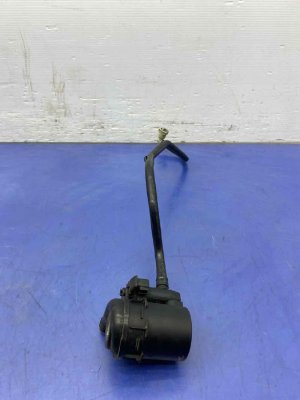
Est. part cost: $25-$60 - Faulty EVAP Vent Valve/Solenoid 🟡 Medium Probability → Shop Vapor Canister Located near the charcoal canister by the fuel tank, this valve is exposed to road debris and can fail, getting stuck open and creating a leak. This is a known issue on GM trucks and SUVs.
How to confirm: A smoke test is the most effective way to confirm a leak at the vent valve. A technician can also use a scan tool to command the valve closed and see if it holds pressure.
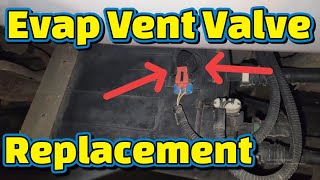
Typical fix: Replace the vent valve. Accessing it often requires lowering the spare tire. 🎬 Watch: Step-by-step guide to replacing the EVAP vent valve. The part number differs between the 2019-2020 and 2021+ generations.
Est. part cost: $45-$120 - Cracked or Disconnected EVAP Hose ⚪ Low Probability Hoses can become brittle and crack from heat and age. More specific to this platform, TSB 21-NA-124 highlights that lines are often found to be improperly seated. In one documented case, a hose near the vent valve was kinked from the factory, eventually leading to a crack.
How to confirm: A visual inspection may reveal obvious cracks or disconnected lines, especially at the seven key connection points outlined in TSB 21-NA-124. A smoke test is the definitive method, as it will force smoke out of any small cracks or loose fittings.
Typical fix: Replace the damaged section of hose or reconnect it securely. In some cases, modifying a bracket to relieve tension on a kinked hose can be a no-cost fix.
Est. part cost: $10-$50
Rare But Worth Checking
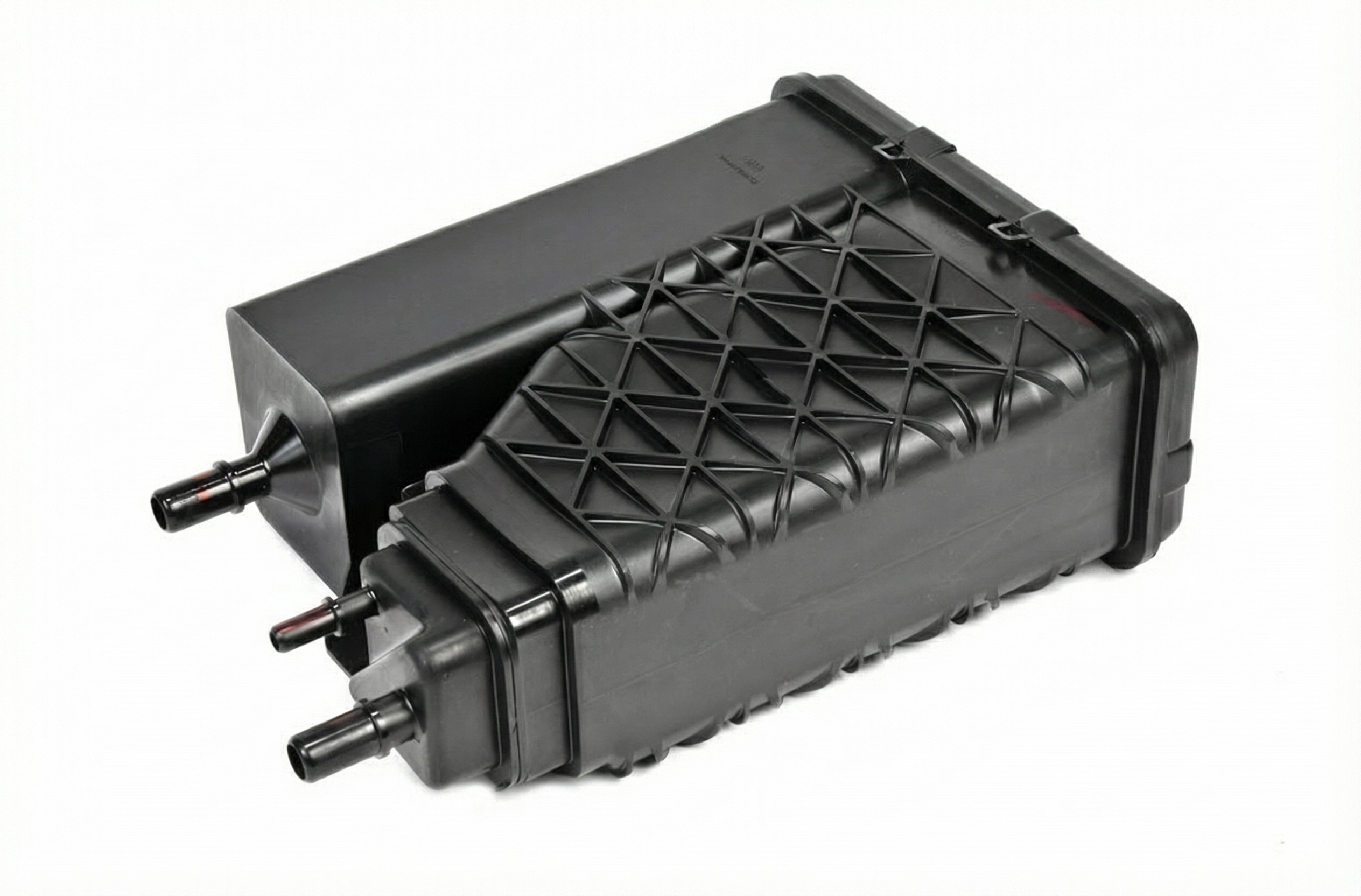
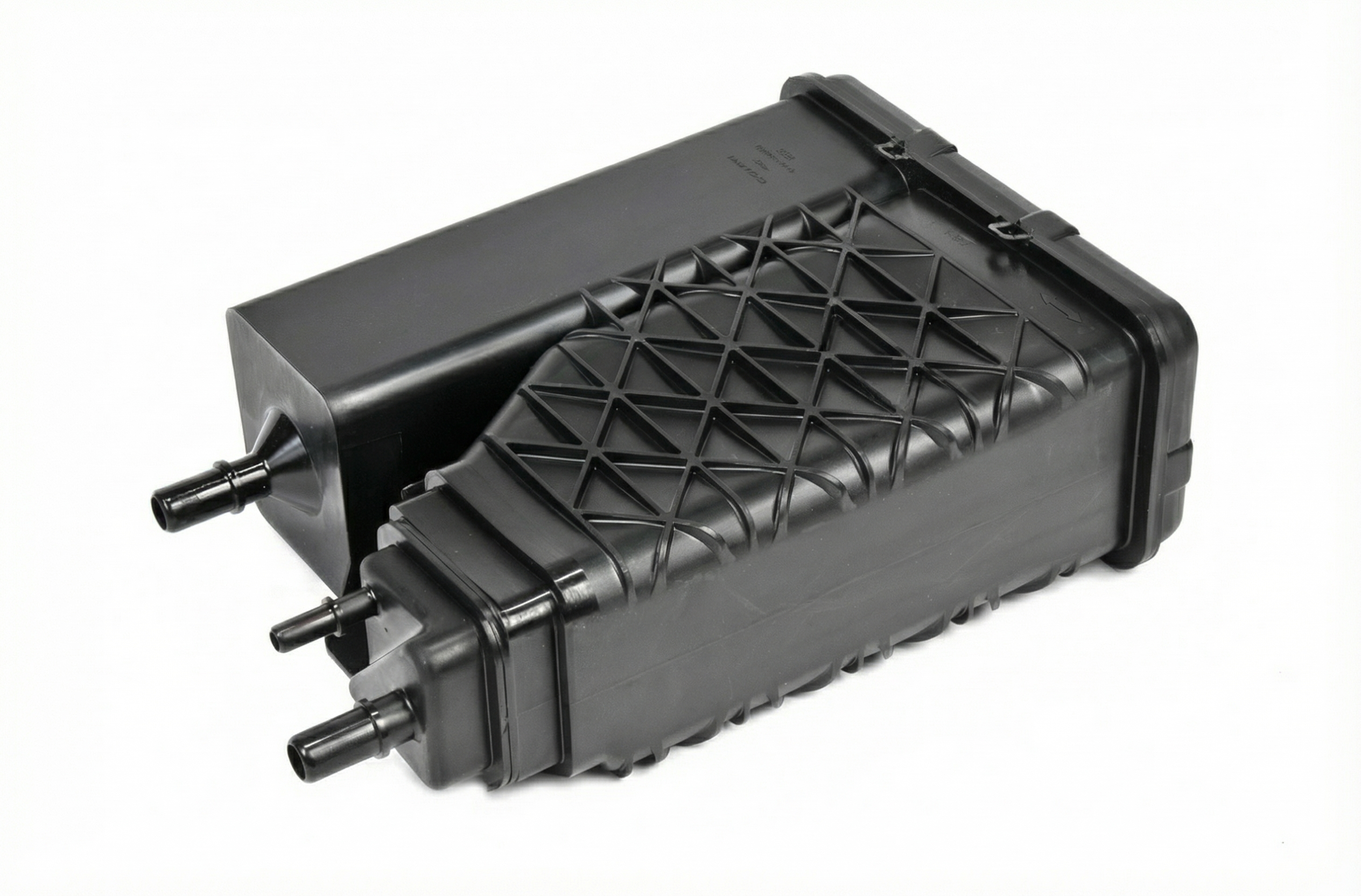
- Leaking Charcoal Canister: → Shop Vapor Canister While less common, the plastic housing of the charcoal canister itself can develop small cracks. More frequently, the canister can degrade internally, sending small charcoal pellets into the EVAP lines, which can hold the purge valve open and cause a P0442 or P0455 code. This is usually found with a smoke test or by finding pellets in the purge valve.
- Leaking Fuel Tank or Filler Neck: → Shop Fuel Tank Rust or physical damage can cause a small leak in the fuel tank or the filler neck where you insert the gas nozzle. This is more common in regions with heavy road salt use and is typically a more expensive repair.
- Faulty Fuel Tank Pressure Sensor: → Shop Fuel Tank A failing fuel tank pressure (FTP) sensor can send incorrect data to the ECM, making it think there is a leak when there isn't one. This is less common than a physical leak but should be considered if all other components test good.
Diagnosis Steps
- Check the Fuel Cap / Filler Neck. On 2019-2020 models, remove the gas cap, inspect the seal for cracks, and retighten it until it clicks. On 2021+ models, inspect the capless filler for debris, clean it with a cloth, and use the emergency funnel to work the flap. Clear the code and drive to see if it returns.
- Perform a Visual Inspection per TSB 21-NA-124. Before suspecting parts, GM recommends checking the seven critical EVAP line connections for proper seating and damage: 1) Purge valve at intake, 2) Purge tube at rear of engine, 3) Chassis line at canister, 4) Fuel tank line at canister, 5) Vent valve line, 6) Fuel tank jumper connection, 7) Fuel filler neck.
- If the visual inspection reveals no issues, perform a Smoke Test. This is the most effective way to find a small leak. A machine fills the EVAP system with harmless, visible smoke under low pressure via the service port. Smoke will escape from the point of the leak, making it easy to spot.
- Test the EVAP Vent Valve. If a smoke test shows no obvious hose leaks, the vent valve is the next suspect per the TSB. A technician can use a bidirectional scan tool to command the valve closed and see if it holds pressure or smoke.
- Test the EVAP Purge Valve. If the vent valve is good, test the purge valve. Disconnect it and try to blow through it; if air passes, it's stuck open. Check for charcoal pellets inside the valve, which would indicate a failing canister.
- Based on the results, replace the identified faulty component.
Parts You'll Likely Need
- Vapor Canister Purge Valve
(OEM #12737252 (supersedes 12690512))— This valve, located on the engine, frequently gets stuck open. It's a very common failure point on GM vehicles. The original part number 12690512 has been updated by GM to 12737252.
Trusted brands: ACDelco, Dorman
OEM price range: $40-$60
Aftermarket price range: $25-$45 - Vapor Canister Vent Valve/Solenoid (2019-2020)
(OEM #23481275)— For the 4th generation Escalade, this valve near the tank is a common failure. It gets stuck open, causing a leak code.
Trusted brands: ACDelco, Dorman
OEM price range: $70-$115
Aftermarket price range: $45-$80 - Vapor Canister Vent Valve/Solenoid (2021-2023)
(OEM #84718335)— For the 5th generation Escalade with the capless fuel filler, the vent valve assembly was updated. Failure is still common, but it is a different part than the prior generation.
Trusted brands: ACDelco, Dorman
OEM price range: $80-$120
Aftermarket price range: $50-$90 - Fuel Cap (2019-2020)
(OEM #FC240)— The seal on the gas cap is the most common and simple failure point. An aftermarket cap that doesn't meet OEM specs can also cause the code.
Trusted brands: ACDelco, Gates
OEM price range: $20-$40
Aftermarket price range: $15-$25
Related Codes That Often Appear With This One
- P0455 — This code indicates a large EVAP leak. If a component like a vent or purge valve fails completely or a line is disconnected, it can trigger both a small leak (P0442) and a large leak (P0455) code at different times during the ECM's testing cycle.
- P0496 — This code indicates 'EVAP Flow During a Non-Purge Condition,' which often points directly to a purge valve that is stuck open. If you have P0442 and P0496 together, the purge valve is the most likely suspect.
Technical Service Bulletins (TSBs) & Recalls
- 21-NA-124: Diagnostic Tip for Malfunction Indicator Lamp (MIL) Illuminated - DTC P0442 and/or P0455 Set.
Platform-Specific Known Issues
- GM TSB #21-NA-124: This bulletin is critical for diagnosing P0442 on these vehicles. It lists seven specific connection points to inspect for improper seating before replacing any parts: 1. Purge tube to purge valve, 2. Purge tube to chassis EVAP line (rear of engine), 3. Chassis EVAP line to canister, 4. Fuel tank load line to canister, 5. Vent valve line to vent valve, 6. Fuel tank load line jumper connection, 7. Fuel tank cap/filler neck.
- Capless Fuel Filler (2021+): The 5th generation's capless system is a frequent source of small EVAP leaks. Debris preventing the internal door from sealing is a common cause that doesn't involve faulty parts, only cleaning.
Mechanic-Grade Diagnostic Values
- Fuel Tank Pressure (FTP) Sensor Voltage — expected: Normal signal range is between 0.5 and 4.5 volts. At atmospheric pressure (key on, engine off, cap removed), the voltage should be approximately 2.5V.. Failure: A signal stuck below 0.5V (P0453) or above 4.5V (P0452) indicates a sensor or circuit fault. Readings that are erratic or do not change with pressure/vacuum also indicate a failure.
Scan Tool Commands That Help
- GDS2 / Tech2: EVAP Service Bay Test — This is a guided test to verify the integrity of the entire EVAP system after a repair or to force the system's readiness monitor to run. It will only initiate if the fuel level is between 15-85% and the engine is cool (coolant temp below ~158°F / 70°C). The test requires holding the engine at a steady elevated RPM (e.g., 2000 RPM) for several minutes.
- GDS2 / Tech2 (or other professional bidirectional scanner): EVAP Purge/Seal — Used during a smoke test to seal the system. The command closes the normally-open EVAP Vent Valve, allowing the system to be pressurized with smoke to find leaks. This also simultaneously tests the function of the vent valve itself.
- GDS2 / Tech2: EVAP Drive Cycle Procedure — After a repair, the ECM needs to verify the fix. If the Service Bay Test is not available, a specific drive cycle must be performed. This can take multiple trips over several days, requiring the vehicle to sit for hours between cycles to allow for natural pressure changes. Using the scan tool can guide the technician through the required steps to complete the monitor more quickly.
Wiring & Ground Locations
- G302 — Below the left rear seat area.. A wiring diagram for a similar GM platform shows the EVAP Purge Solenoid is grounded at G302. A poor ground at this location could cause intermittent or incorrect operation of the purge solenoid, potentially leading to a P0442 code.
Real Owner Repair Stories
- YouTube user documenting a fix on a 2007 Cadillac Escalade (2007 Cadillac Escalade (similar platform, older generation)) — Check Engine Light with code P0442.
❌ Tried (didn't work) Initial diagnosis pointed towards common culprits like the purge valve or vent valve.
✅ What actually fixed it The hose leading to the EVAP vent valve was found to be kinked and cracked due to tension from the factory. Instead of just replacing the hose which might fail again, the owner modified the valve's mounting bracket to provide more slack for the hose, permanently relieving the tension and fixing the leak. The repair required dropping the spare tire for access.
"I Checked Everything" — The Actual Cause
- If a smoke test is performed correctly (with the vent valve commanded closed) and no smoke is visible, the leak is likely internal to a component. The most common cause in this scenario is a faulty EVAP Purge Valve that is not sealing completely, allowing vacuum from the intake manifold to constantly pull on the EVAP system. This creates a leak that a smoke test (which applies positive pressure) may not show. The secondary cause is a vent valve that fails to seal completely when commanded closed by the scan tool.
OEM Part Supersession History
12690512→12737252— Updated design for the Vapor Canister Purge Valve.
Model Year Variations Within This Range
- 2021-2023: The introduction of the capless fuel filler system creates a new, common failure point not present on 2019-2020 models. Debris in the filler neck flap can prevent a proper seal, causing a P0442 code that would be misdiagnosed if only looking at traditional EVAP components.
Helpful Videos
Used OEM Parts in Stock

New Aftermarket Parts Available


The information in this article is provided for general reference and educational purposes only. Vehicle specifications, procedures, and part compatibility can vary by production date, trim level, and region. Always consult your vehicle's factory service manual and verify part numbers before purchasing or performing repairs. Safety-critical components such as airbags, seat belts, and braking systems should be installed by a qualified professional.
- Cadillac ESCALADE ESV:
- 🧭 Diagnostic Flowchart
- 🎬 Helpful Videos
- 🛍️ Shop This Part
- What's Unique About the 2019-2023 Cadillac ESCALADE ESV
- Symptoms You May Notice
- Most Likely Causes
- Rare But Worth Checking
- Diagnosis Steps
- Parts You'll Likely Need
- Related Codes That Often Appear With This One
- Technical Service Bulletins (TSBs) & Recalls
- Platform-Specific Known Issues
- Mechanic-Grade Diagnostic Values
- Scan Tool Commands That Help
- Wiring & Ground Locations
- Real Owner Repair Stories
- "I Checked Everything" — The Actual Cause
- OEM Part Supersession History
- Model Year Variations Within This Range
- 🎟️ Get 5% Off