

P0442 on 2007-2013 Cadillac Escalade EXT: EVAP Small Leak Causes and Fixes
P0442 on a 2007-2013 Escalade EXT most often means you have a loose gas cap or a failing EVAP component like the vent or purge solenoid. Always check the gas cap first; if that's not it, the next most likely culprits are the EVAP vent solenoid (by the spare tire) or purge valve (on the engine), which are common failure points on this platform and its GMT900 siblings like the Tahoe and Yukon.
- P0442 means your Escalade has a small leak in the fuel vapor system.
- Always start with the simplest fix: check that your gas cap is tight and its seal is not cracked.
- The most common parts to fail on this truck are the EVAP vent solenoid (by the tank) and the EVAP purge valve (on the engine).
- A smoke test is the fastest and most accurate way to find the leak without guessing and replacing unnecessary parts.
- You can continue driving with this code, but you will not pass an emissions test until it is resolved.
What's Unique About the 2007-2013 Cadillac ESCALADE EXT
On this generation of GM trucks and SUVs (the GMT900 platform), including the Escalade EXT, Chevrolet Tahoe/Silverado, and GMC Yukon/Sierra, the EVAP vent and purge solenoids are well-documented, common failure items. GM has issued multiple Technical Service Bulletins (TSBs) that guide technicians in diagnosing P0442, often pointing towards these specific components or requiring a smoke test to find the leak. 🎬 Watch: How to perform a professional EVAP smoke test. This suggests a higher-than-average failure rate for these parts compared to a simple loose gas cap, a fact corroborated by countless owner forums.
Diagnostic Flowchart
Tap your situation to follow the diagnostic path that matches what you're seeing on this vehicle.
Symptoms You May Notice
- Check Engine Light is on
- A faint smell of fuel, particularly when idling or after refueling.
- Difficulty starting the engine immediately after filling the gas tank (more common with a faulty purge valve).
- Difficulty filling the fuel tank without the gas pump nozzle repeatedly shutting off. This is a classic symptom of a clogged or failed EVAP vent solenoid or a blockage in the vent line.
- Replacing the purge valve when the vent valve is the actual problem (or vice-versa). A proper smoke test is crucial to avoid replacing the wrong part.
- Replacing a solenoid when the actual problem is a cracked, kinked, or disconnected hose attached to it.
Most Likely Causes
- Loose or Worn Gas Cap 🔴 High Probability → Shop Fuel Tank Cap The gas cap is a frequently used part and its rubber O-ring can degrade, crack, or get dirty over time, preventing a proper seal. This is the easiest and most common cause for any EVAP code on any vehicle.
How to confirm: Remove the gas cap, inspect the rubber O-ring for cracks or brittleness, and check the filler neck for rust or debris. Reinstall the cap, ensuring it clicks several times. Clear the code and drive for a few days to see if it returns. A temporary test can be done by placing a plastic bag over the filler neck under the cap to create a better seal.
Typical fix: Tighten or replace the gas cap. It is highly recommended to use an OEM or high-quality aftermarket cap, as cheap alternatives are known to seal improperly.
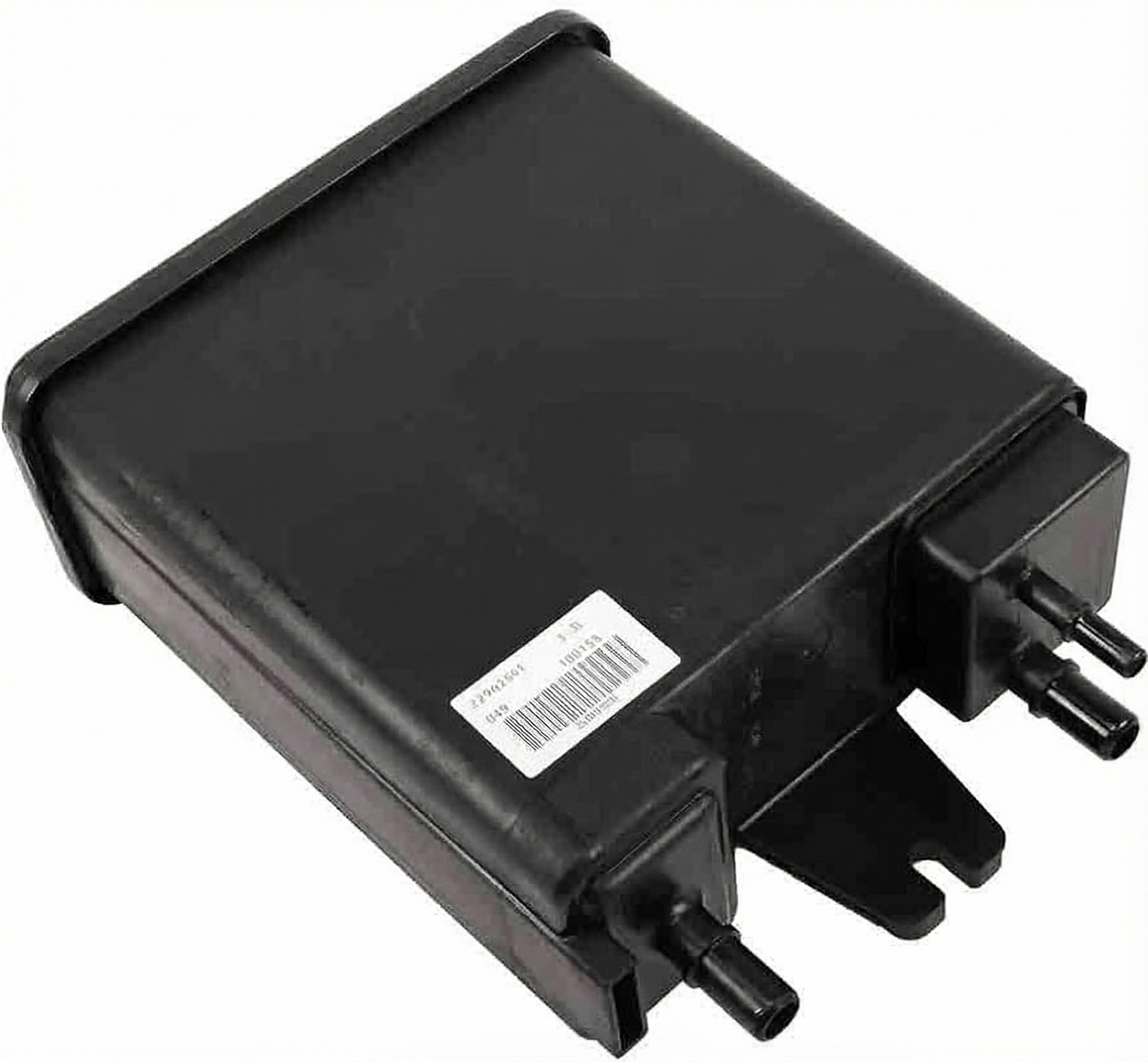
Est. part cost: $15-$55 - Failing EVAP Vent Solenoid 🔴 High Probability → Shop Vapor Canister This is a very common failure point on GMT900 trucks. The solenoid is located near the charcoal canister by the fuel tank, an area exposed to road debris and moisture. It can get stuck open or closed, causing a leak. GM TSB 21-NA-124 identifies this as a primary cause for P0442. In dusty environments, the filter for the vent can become clogged, leading to codes; a TSB even exists for a filter relocation kit.
How to confirm: The vent solenoid is located near the spare tire; you will need to lower the spare for access. A smoke test is the most definitive method. If smoke exits the vent solenoid when it's commanded closed by a scan tool, the part has failed. You can also test the solenoid coil for resistance with a multimeter; an open circuit (no resistance) indicates the coil has burned out.
Typical fix: Replace the EVAP vent solenoid and its associated hose/filter assembly. To access it, you must lower the spare tire. The part is held by a single 13mm bolt.
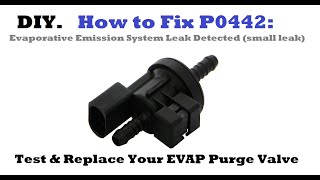
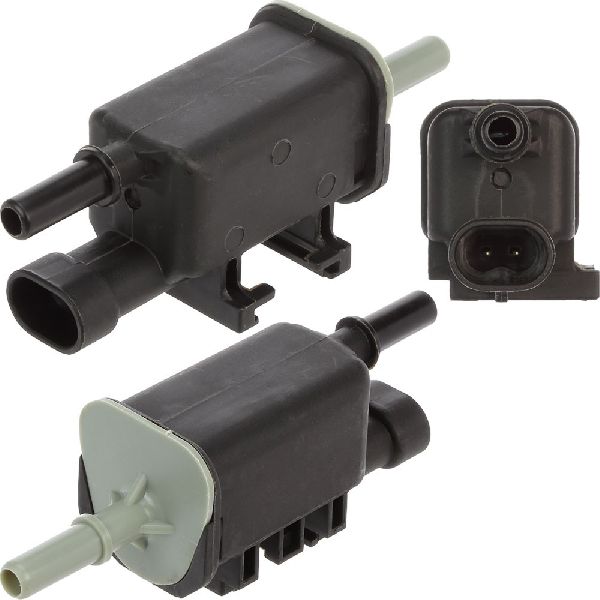
Est. part cost: $40-$115 - Failing EVAP Purge Solenoid (Purge Valve) 🟡 Medium Probability → Shop Vapor Canister This valve, located on the engine's intake manifold, can get stuck open or fail to seal properly, creating a constant vacuum leak into the EVAP system. It's a known issue and a relatively easy part to replace due to its accessible location.
How to confirm: With the engine off, disconnect the valve and try to blow through it; if air passes, it's stuck open and has failed. A scan tool can also command the valve to check for an audible click, but a mechanical leak can occur even if the solenoid clicks. TSB PIT4943D suggests monitoring fuel tank pressure with a scan tool while the engine runs; if vacuum develops, the purge valve is leaking internally.
Typical fix: Replace the purge solenoid. It is located on the driver's side of the engine intake and is typically held on by a single bolt.
Est. part cost: $30-$140 - Cracked or Disconnected EVAP Hoses ⚪ Low Probability Rubber and plastic hoses become brittle and crack over time due to heat cycles and age. A small crack anywhere in the network of EVAP lines can cause a P0442 code. One owner found the hose leading to the vent valve was kinked from the factory, eventually causing it to crack and throw a P0442 code.
How to confirm: A thorough visual inspection of all accessible EVAP lines is the first step. The definitive diagnosis is a smoke test, which will make smoke visibly exit from any crack or poor connection. Pay close attention to the hose connected to the vent solenoid near the spare tire, as it can be stressed or damaged.
Typical fix: Replace the cracked section of hose or the entire hose assembly.
Est. part cost: $10-$50
Rare But Worth Checking
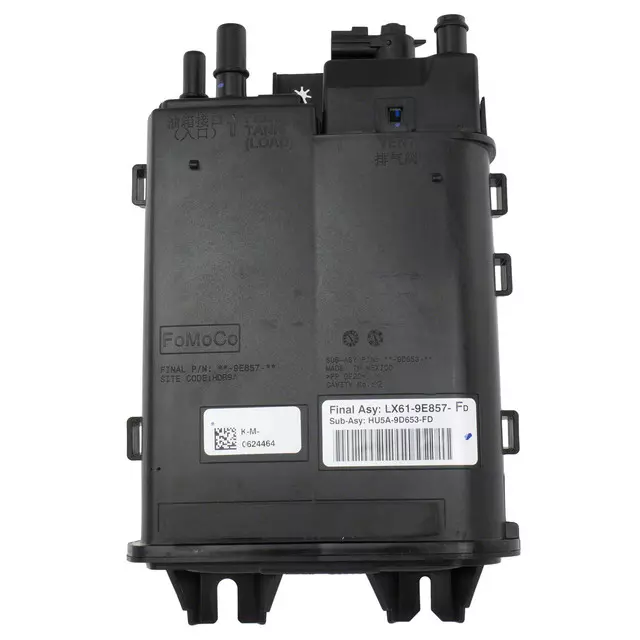
- Leaking Charcoal Canister: → Shop Vapor Canister The plastic housing of the canister itself can develop cracks. More insidiously, the canister can break down internally, sending small charcoal pellets into the EVAP lines. These pellets can travel to the purge or vent solenoid, causing them to stick open and trigger codes. If you find black pellets when replacing a valve, the canister is failing and must be replaced.
- Faulty Fuel Tank Pressure (FTP) Sensor: → Shop Fuel Tank While rare, the sensor that measures the pressure in the tank can fail and give a false reading, leading the computer to believe there is a leak when there isn't one. This is usually diagnosed after all other possibilities have been ruled out and is often accompanied by other FTP sensor-specific codes.
- Rusted or Cracked Fuel Filler Neck: → Shop Fuel Filler Neck In areas where road salt is used, the metal fuel filler neck can rust through, creating a leak that is often only apparent when refueling. One owner confirmed a rusted-out filler neck was the cause of their persistent P0442 code.
Diagnosis Steps
- Check the Gas Cap: Remove, inspect the seal for damage, and reinstall it, ensuring it clicks multiple times. Clear the code and see if it returns after a few drive cycles.
- Visual Inspection: Carefully inspect all visible EVAP hoses running from the engine bay to the rear of the vehicle for obvious cracks, disconnections, or damage. Pay special attention to the lines around the purge valve (on the engine) and the vent valve (by the spare tire).
- Inspect the Purge Valve: Locate the purge valve on the engine's intake manifold. With the engine off, disconnect it and try to blow through it. If air passes, it has failed. For a more advanced check, use a scan tool to monitor fuel tank pressure while the engine is running; if it shows a vacuum, the purge valve is likely leaking internally (per TSB PIT4943D).
- Perform a Smoke Test: This is the most effective step. A smoke machine is connected to the EVAP service port. The system is filled with a harmless, visible smoke under low pressure. Any leaks from hoses, the canister, or solenoids will be immediately visible. Command the vent valve closed with a scan tool during the test to ensure it's sealing.
- Test Solenoids with a Scan Tool: A bi-directional scan tool can command the vent and purge solenoids to open and close. This helps verify electrical function, though it may not detect a mechanical leak within the valve itself. TSB 21-NA-124 recommends a specific diagnostic order: check lines, then vent valve, then purge valve.
- Replace Leaking Component: Based on the smoke test and diagnostic results, replace the component that is failing (e.g., vent solenoid, purge valve, gas cap, or hose).
Parts You'll Likely Need
- Fuel Cap
(OEM #20915990)— The seal wears out over time, causing a leak. It's the easiest and most common fix for P0442.
Trusted brands: ACDelco (OEM), Stant
OEM price range: $25-$55
Aftermarket price range: $15-$30 - EVAP Vent Solenoid / Valve
(OEM #25932571 (May be superseded or part of a kit like 23481275))— A very common failure item on this platform, located near the fuel tank. It often gets stuck or its filter clogs, causing a persistent leak detected by the system self-test. This part has several replacing part numbers including 10382105 and 22728634.
Trusted brands: ACDelco (OEM), Dorman, Standard Motor Products
OEM price range: $45-$70
Aftermarket price range: $35-$65 - EVAP Purge Solenoid / Valve
(OEM #12597567)— Located on the engine, this valve is prone to getting stuck open, causing a constant small vacuum leak. It's a frequent cause for P0442 and especially P0496.
Trusted brands: ACDelco (OEM), Standard Motor Products, Gates
OEM price range: $45-$90
Aftermarket price range: $30-$65
Related Codes That Often Appear With This One
- P0455 — This code indicates a large EVAP leak. It often appears with P0442 if a component fails completely, such as a purge valve stuck wide open or a disconnected hose. The provided TSBs #21-NA-124 and #15-NA-019 mention both codes appearing together.
- P0496 — This code means 'EVAP Flow During Non-Purge Condition' and almost always points directly to a faulty purge valve that is stuck open. If you see P0496 along with P0442, the purge valve is the most likely culprit.
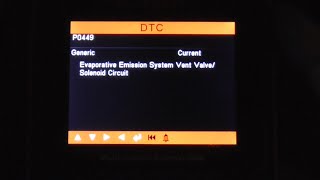
- P0449 — This code indicates a fault in the EVAP Vent Solenoid Control Circuit. If you see this code along with P0442, it strongly suggests the problem is with the vent solenoid near the fuel tank or its wiring, rather than a random leak elsewhere.
Technical Service Bulletins (TSBs) & Recalls
- 21-NA-124: Diagnostic tips for EVAP leaks causing P0442/P0455.
- PIT4943D: Information regarding SES lamp and P0442, referencing a Techlink article for diagnosis using a scan tool to detect a leaking purge valve.
- 15-NA-019: Connects fuel odor complaints with P0442 or P0455 codes.
- 02-06-04-037J: Recommends relocating the vent valve solenoid filter box on vehicles in dusty environments to prevent repeat failures.
Platform-Specific Known Issues
- TSB 21-NA-124: Diagnostic Order of Operations: This bulletin provides technicians with specific diagnostic tips for P0442/P0455. It recommends a chronological investigation: 1. Inspect all EVAP lines for proper seating. 2. Inspect lines for damage. 3. Investigate the vent valve for malfunction. 4. Investigate the purge valve for malfunction.
- TSB PIT4943D: Advanced Purge Valve Diagnosis: → Shop Vapor Canister This bulletin addresses hard-to-find leaks. It instructs technicians to use a scan tool to monitor the fuel tank pressure sensor while the engine is running. If the sensor shows a vacuum being pulled, it indicates the purge valve on the engine is leaking, even if it passes other tests.
- TSB 02-06-04-037J: Vent Valve Filter Relocation: For vehicles operated in dusty environments, dust can clog the EVAP canister vent solenoid filter. This TSB provides a service kit to relocate the filter to a cleaner location, preventing recurring P0442, P0446, or P0449 codes.
Mechanic-Grade Diagnostic Values
- Fuel Tank Pressure (FTP) Sensor Voltage — expected: Signal voltage can vary between 0.1-4.9 V. A high voltage indicates low pressure or vacuum, while a low voltage indicates high pressure.. Failure: A voltage reading that is stuck high or low, or does not change when the system is tested (e.g., during a smoke test or when commanding solenoids), can indicate a faulty sensor.
- EVAP Vent Solenoid Coil Resistance — expected: A specific ohm value is not consistently published, but a functional coil should show some resistance.. Failure: A reading of infinite resistance or an open circuit (OL) on a multimeter indicates the internal coil has burned out and the solenoid needs replacement.
Scan Tool Commands That Help
- Tech2 / GDS2: EVAP System Service Bay Test — This is a guided, automated test to force the EVAP monitor to run and verify the integrity of the entire system. It's extremely useful for confirming a repair or for diagnosing an intermittent leak without having to perform multiple drive cycles. The test commands the solenoids and monitors the FTP sensor to check for leaks.
- Tech2 / GDS2: EVAP Purge/Seal — This function allows a technician to manually command the vent solenoid closed (to seal the system) and then command the purge solenoid open and closed. This is essential during a smoke test to isolate different parts of the system and confirm if the solenoids are operating and sealing correctly.
Wiring & Ground Locations
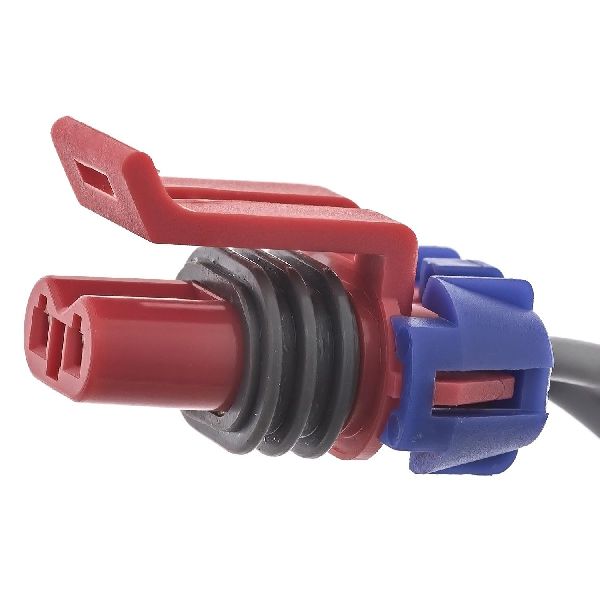
- EVAP Purge Solenoid Connector — On the driver's side of the intake manifold, on top of the engine.. This 2-pin connector provides power and control to the purge solenoid. A poor connection or damaged wiring here can prevent the valve from operating correctly, mimicking a failed valve.
- EVAP Vent Solenoid Connector — Near the spare tire, attached to the vent solenoid on its bracket.. This 2-pin connector is in a location exposed to road spray and debris, making it susceptible to corrosion or damage. A bad connection can cause a P0449 (circuit fault) but could also cause intermittent P0442 issues if the valve isn't sealing reliably.
Real Owner Repair Stories
- YouTube user Tim S (2007 Cadillac Escalade) — P0442 check engine light.
❌ Tried (didn't work) The owner investigated before replacing parts.
✅ What actually fixed it The hose leading to the EVAP vent valve (near the spare tire) was kinked and under tension, which eventually caused a slit/crack to form. The owner modified the mounting bracket to relieve tension on the hose and repaired the cracked section, which resolved the code without replacing the expensive solenoid assembly. - Tahoe Yukon Forum (2008 Tahoe LT (GMT900 sibling) with 152k miles) — P0442 code and a "tighten gas cap" message on the dash.
❌ Tried (didn't work) Replacing the gas cap., Replacing the EVAP component near the spare tire (vent solenoid).
✅ What actually fixed it The user reported that after replacing the common parts, the next logical step suggested by forum members was to inspect all EVAP hoses for cracks or deterioration, or consider replacing the charcoal canister itself due to the vehicle's mileage. One user noted their similar issue was ultimately a deteriorated vent hose.
"I Checked Everything" — The Actual Cause
- In one documented case on a 2012 Escalade Hybrid, a smoke test revealed a leak coming from the top of the fuel tank. The leak was not from a hose or the filler neck, but from the seal/O-ring for the fuel pump module, which requires dropping the tank to replace. This is an uncommon leak source that can be missed if the smoke test focuses only on the more common EVAP components.
OEM Part Supersession History
10382105, 15750484, 22728634→25932571— This is the EVAP Vent Solenoid. GM frequently updates part numbers for design improvements or supplier changes. 25932571 is a common replacement number for many earlier versions on the GMT900 platform.10357992, 15077742, 15105998, and others→19207763— This is another common EVAP Vent Valve assembly with a long list of superseded numbers, reflecting multiple revisions over the years for GM trucks and SUVs.
Heads up: Always verify the correct part for your specific VIN, as some kits come with different hoses or electrical pigtails depending on the original configuration.12597566, 12606684→12597567— This is the EVAP Purge Solenoid located on the engine. Part numbers are often updated for this common failure item.
Helpful Videos
![How to Fix P0442 Engine Code in 3 Minutes [2 DIY Methods / Only $4.67]](https://img.youtube.com/vi/73AR8Tl6YZU/mqdefault.jpg)
![How to Fix P0442 Engine Code in 7 Minutes [6 DIY Methods / Under $3.67]](https://img.youtube.com/vi/KISPTedKJmQ/mqdefault.jpg)


Used OEM Parts in Stock
New Aftermarket Parts Available


The information in this article is provided for general reference and educational purposes only. Vehicle specifications, procedures, and part compatibility can vary by production date, trim level, and region. Always consult your vehicle's factory service manual and verify part numbers before purchasing or performing repairs. Safety-critical components such as airbags, seat belts, and braking systems should be installed by a qualified professional.
- Cadillac ESCALADE EXT:
- 🧭 Diagnostic Flowchart
- 🎬 Helpful Videos
- 🛍️ Shop This Part
- What's Unique About the 2007-2013 Cadillac ESCALADE EXT
- Symptoms You May Notice
- Most Likely Causes
- Rare But Worth Checking
- Diagnosis Steps
- Parts You'll Likely Need
- Related Codes That Often Appear With This One
- Technical Service Bulletins (TSBs) & Recalls
- Platform-Specific Known Issues
- Mechanic-Grade Diagnostic Values
- Scan Tool Commands That Help
- Wiring & Ground Locations
- Real Owner Repair Stories
- "I Checked Everything" — The Actual Cause
- OEM Part Supersession History
- 🎟️ Get 5% Off