

P0442 on 2017-2023 Cadillac XT5: Causes and Fixes for a Small EVAP Leak
The P0442 code on a Cadillac XT5 almost always points to a loose or faulty gas cap. Before buying any parts, tighten the cap until it clicks and clear the code. If it returns, a new OEM-style gas cap costs about $15-$45 and is the most likely fix. The next most common culprit is the EVAP purge solenoid valve on the engine, which is a known issue on many GM vehicles.
- P0442 means your Cadillac XT5 has a small leak in the fuel vapor system.
- Always check the gas cap first. Make sure it's tight and the seal is intact. A new cap is an inexpensive and very common fix.
- If the gas cap isn't the issue, the next most likely culprits are the EVAP purge valve (on the engine) or the vent valve (near the fuel tank).
- You can safely drive with this code, but you won't be able to pass an emissions inspection.
- For hard-to-find leaks, a smoke test performed by a professional is the quickest way to pinpoint the source.
What's Unique About the 2017-2023 Cadillac XT5
For the Cadillac XT5 and its platform mates (like the GMC Acadia and Chevy Traverse), GM has been actively monitoring EVAP system performance, as evidenced by multiple Technical Service Bulletins (TSBs). Bulletin #21-NA-124 specifically provides diagnostic tips for P0442, instructing technicians to first inspect all EVAP line connections for proper seating before suspecting faulty components. It prioritizes checking for unseated tubes, damaged lines, a stuck-open vent valve, and finally a stuck-open purge valve, in that order. This suggests that connection issues are a notable problem. An earlier bulletin, #PIE0528, was created to gather field data on a range of EVAP codes, including P0442, indicating a pattern of issues with components like purge or vent valves.
Diagnostic Flowchart
Tap your situation to follow the diagnostic path that matches what you're seeing on this vehicle.
Symptoms You May Notice
- Check Engine Light is on.
- A faint smell of fuel, particularly around the gas cap area or after parking the vehicle.
- Difficulty starting the engine immediately after refueling. 🎬 Watch: How to fix rough starts after filling up your tank. The engine may crank for an extended period before starting. This strongly points to a faulty purge valve.
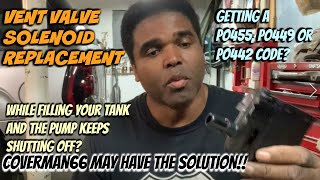
- Difficulty during refueling where the pump clicks off before the tank is full (this is more common with vent valve issues but can be related).
- Replacing the purge or vent valve without first checking the gas cap. Always start with the simplest and most common fix.
- Replacing the fuel tank pressure sensor. While possible, this sensor is more likely to set its own specific performance codes rather than a small leak code. A faulty sensor may also cause the system to fail a smoke test even with no leak present.
- Replacing parts without confirming the failure. For example, replacing a purge valve that correctly holds vacuum when tested is unnecessary. A smoke test is the best way to avoid guessing.
Most Likely Causes
- Loose or Faulty Gas Cap 🔴 High Probability → Shop Fuel Tank Cap This is the most common cause for a P0442 on any vehicle. The rubber O-ring seal on the cap can crack, harden, or get dirty over time, preventing a proper seal. Using a non-OEM or worn-out cap is a frequent trigger.
How to confirm: First, ensure the cap is tightened until it clicks several times. Inspect the rubber seal for any cracks, tears, or debris. Check the fuel filler neck for rust or debris that could prevent a good seal.
Typical fix: Replace the gas cap. It is highly recommended to use an OEM (GM Part #22944930) or high-quality aftermarket cap to ensure a proper seal.
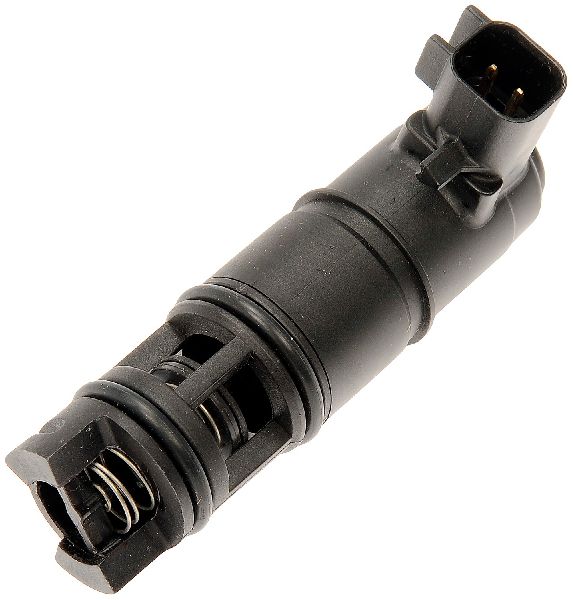
Est. part cost: $15-$45 - EVAP Purge Solenoid/Valve Failure 🔴 High Probability → Shop Vapor Canister The purge valve is a very common failure point on the GM 3.6L engine family. It can get stuck open, causing a constant small leak that the system detects. This failure often triggers a P0496 (High Purge Flow) code alongside the P0442.
How to confirm: With the engine off, disconnect the vapor line from the valve. If you can blow air through it, the valve is stuck open and needs to be replaced. A more definitive test is to start the engine, let it idle, and disconnect the hose running from the valve towards the charcoal canister. If you feel vacuum suction at the valve's port with your finger, it's faulty. A scan tool can also command the valve closed and monitor system pressure.
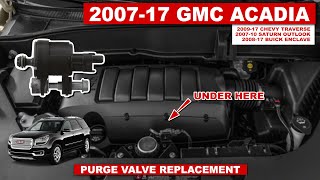
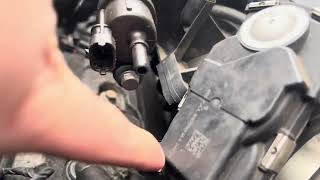
Typical fix: Replace the EVAP purge solenoid valve. It is located on top of the engine and is typically held by a single 10mm bolt, making it an easy DIY repair.
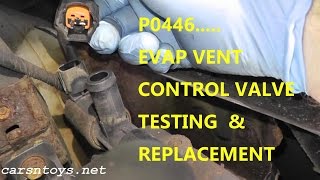
Est. part cost: $25-$85 - EVAP Vent Solenoid/Valve Failure 🟡 Medium Probability → Shop Vapor Canister The vent solenoid is normally open and closes during system self-tests. It is located near the charcoal canister at the rear of the vehicle, exposing it to road dirt and debris which can cause it to stick or fail to seal completely.
How to confirm: The valve can be tested with a scan tool to command it closed while a smoke test is performed. If smoke escapes from the vent valve, it is not sealing. You can also remove the valve and apply 12V power to see if it actuates correctly; it should click closed.
Typical fix: Replace the vent solenoid. Sometimes the solenoid and canister are replaced as an assembly, especially if charcoal pellets are found in the lines.
Est. part cost: $30-$75 - Cracked or Disconnected EVAP Hose ⚪ Low Probability The plastic and rubber lines that carry fuel vapor can become brittle over time due to heat and age, leading to small cracks, especially at connection points or elbows. TSB #21-NA-124 highlights that improperly seated line connections are a key area to inspect.
How to confirm: A visual inspection may reveal obvious cracks or loose connections, particularly around the purge valve on the engine and the canister area at the rear. The most effective method is a smoke test, which forces smoke into the EVAP system, making even the smallest leaks visible as smoke escapes from the cracked hose or fitting.
Typical fix: Replace the damaged section of the hose or the entire line. Ensure new connections are fully seated.
Est. part cost: $10-$50
Rare But Worth Checking
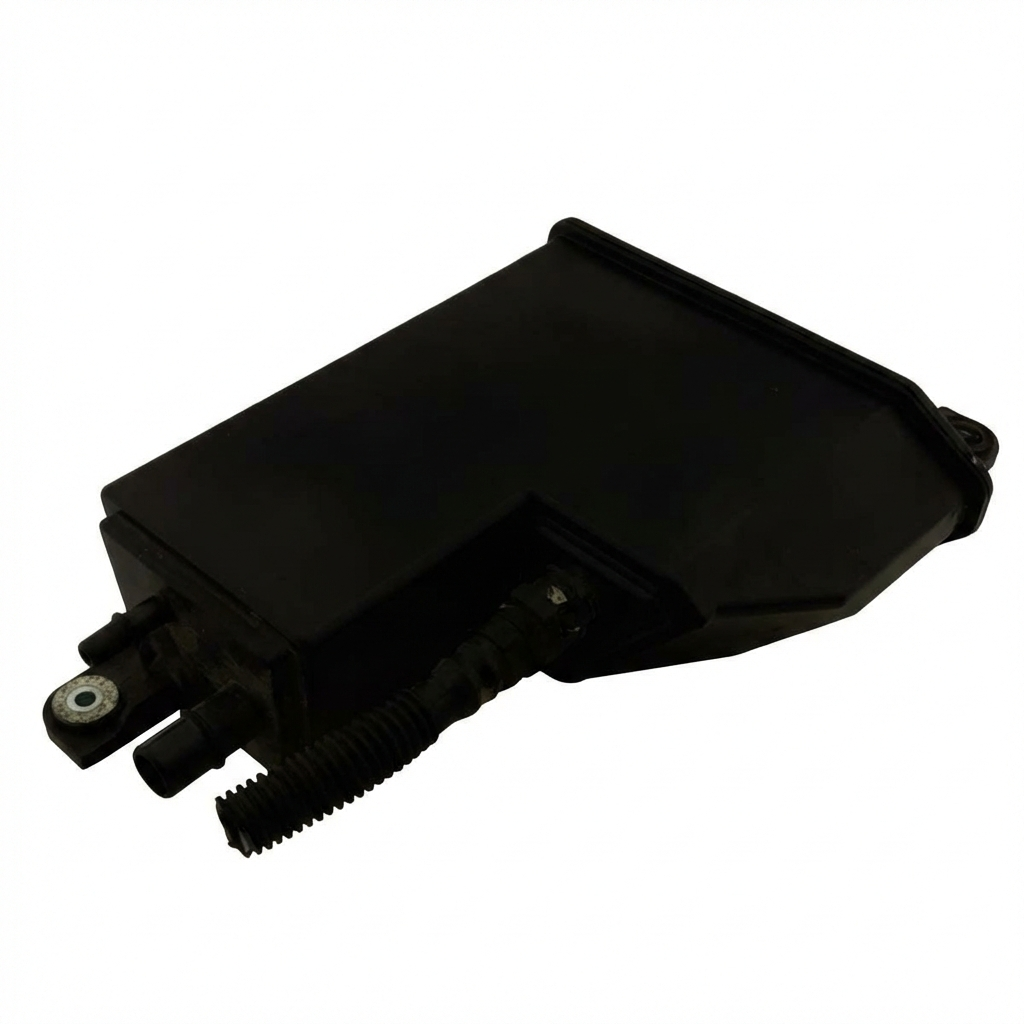
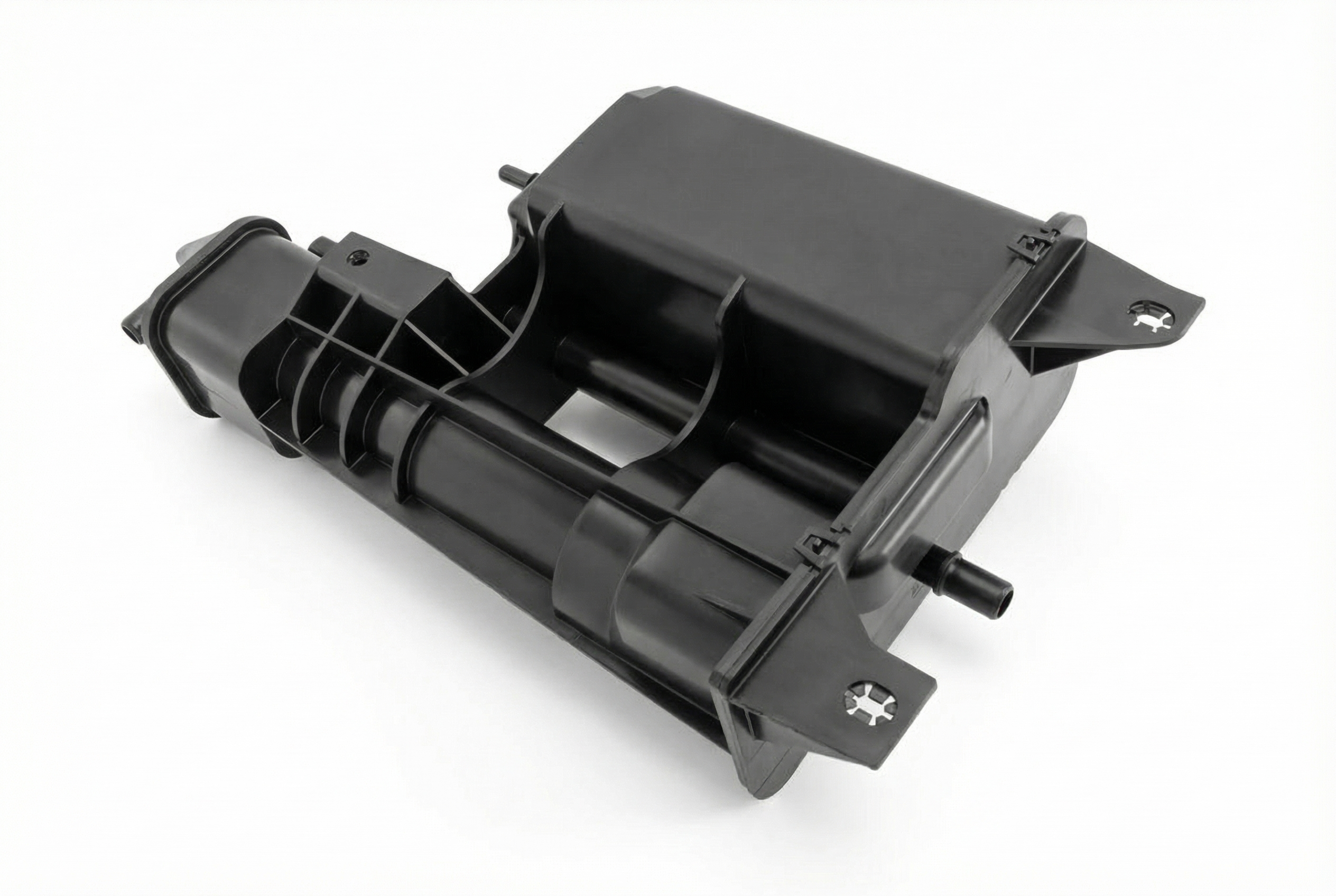
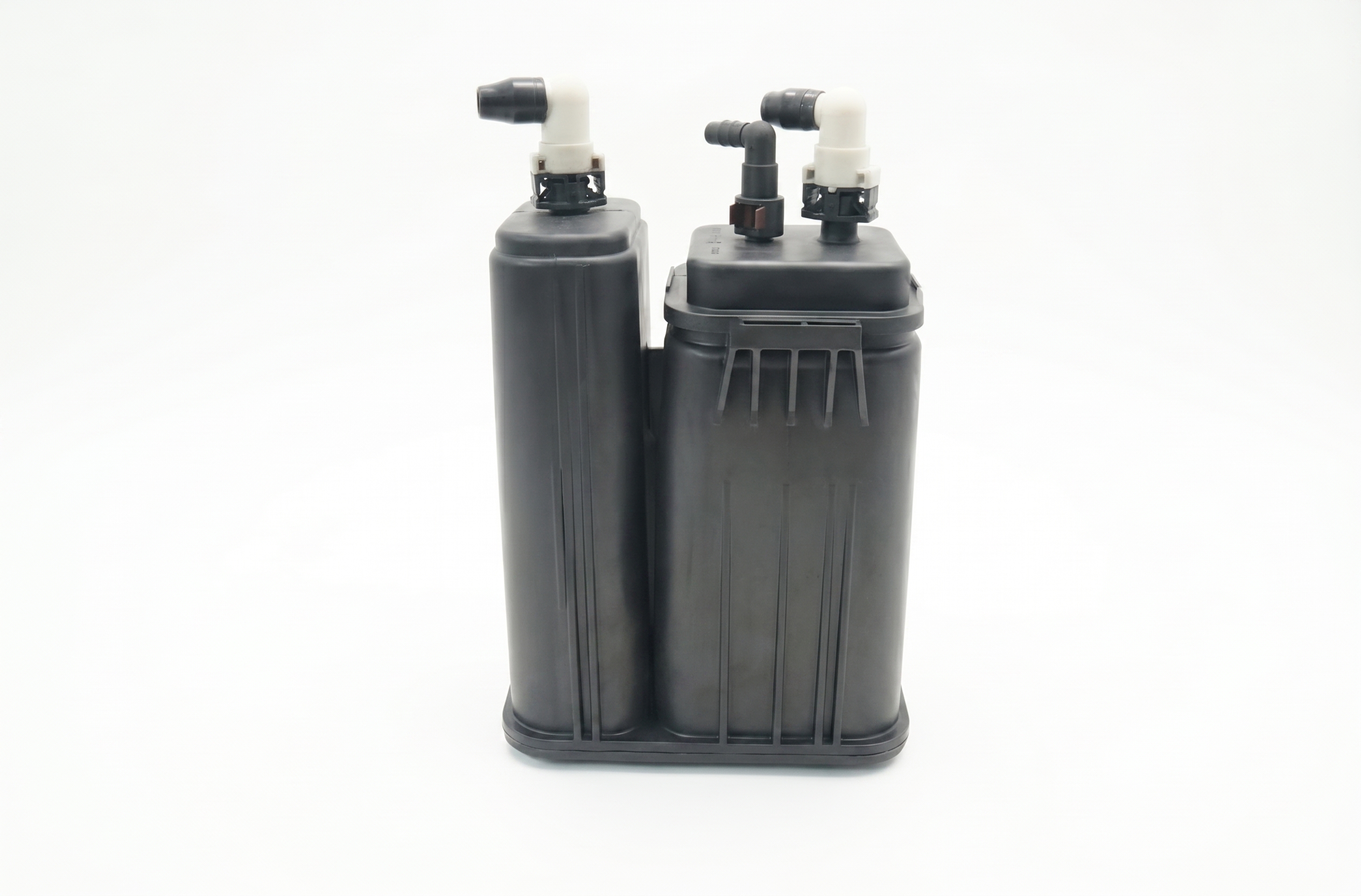
- Cracked EVAP Charcoal Canister: → Shop Vapor Canister The plastic housing of the canister can develop hairline cracks from road debris or age. This is often found during a smoke test if all other components check out. Over-filling the fuel tank repeatedly can also saturate the canister with raw fuel, causing it to fail and release charcoal pellets that clog the vent and purge valves.
- Leaking Fuel Tank or Filler Neck: → Shop Fuel Tank Rust or physical damage to the fuel tank or the filler neck where the gas cap seals can cause a P0442 code. This is uncommon but should be considered if the fuel smell is strong or if other causes have been ruled out, especially in regions with heavy road salt use.
Diagnosis Steps
- Check the gas cap. Remove it, inspect the seal for cracks or damage, and reinstall it, ensuring it clicks at least three times. Clear the code and drive for a few days to see if it returns.
- If the code returns, consider replacing the gas cap with an OEM part as a low-cost, high-probability fix.
- Inspect the EVAP Purge Valve on the engine. With the engine running at idle, disconnect the EVAP line from the valve and check for suction with your finger. There should be no suction at idle. If there is, the valve is stuck open and must be replaced.
- Perform a thorough visual inspection of all accessible EVAP hoses and lines, per TSB #21-NA-124. Pay close attention to connection points at the purge valve and near the charcoal canister at the rear of the vehicle.
- If the leak source is still not found, the most effective next step is to have a professional smoke test performed. 🎬 Watch: How to perform a smoke test to find leaks. This will pressurize the system with visible smoke, revealing the exact location of any small leaks from hoses, the canister, or the vent valve.
Parts You'll Likely Need
- Fuel Cap
(OEM #22944930)— This is the most frequent cause of a P0442 code due to seal degradation over time.
Trusted brands: ACDelco, Gates, Duralast
OEM price range: $25-$45
Aftermarket price range: $15-$30 - Vapor Canister Purge Solenoid Valve
(OEM #12690512)— This valve is a very common failure point on the 3.6L V6 that gets stuck open, causing a constant small leak. The original part number 12666845 has been superseded by 12690512.
Trusted brands: ACDelco (GM Genuine), Standard Motor Products, Dorman
OEM price range: $30-$50
Aftermarket price range: $20-$40 - Vapor Canister Vent Solenoid
(OEM #25932571)— This valve, located near the fuel tank, can fail to seal properly during the EVAP system test due to dirt ingress or internal failure. The ACDelco service part number is 25932571.
Trusted brands: ACDelco, Standard Motor Products, Dorman
OEM price range: $40-$60
Aftermarket price range: $30-$50
Related Codes That Often Appear With This One
- P0496 — Indicates 'High Purge Flow'. This code is very commonly seen with P0442 and almost always points directly to a purge valve that is stuck open. If you have both codes, the purge valve is the prime suspect.
- P0455 — This code indicates a large EVAP leak. It can appear with P0442 if the leak is intermittent or on the borderline between small and large. The provided TSB #21-NA-124 mentions diagnosing P0442 and P0455 together.
- P0449 — This code points specifically to a fault in the EVAP vent valve control circuit. If you have P0442 and P0449 together, the vent valve or its wiring is the primary suspect.
Technical Service Bulletins (TSBs) & Recalls
- 21-NA-124: Provides diagnostic tips for EVAP system leaks related to DTCs P0442 and P0455.
- PIE0528: An informational bulletin requesting field data on several EVAP codes, including P0442, related to canister performance.
Platform-Specific Known Issues
- GM Technical Service Bulletin #21-NA-124 provides a specific diagnostic hierarchy for P0442/P0455: 1) Check all EVAP line connections are fully seated, 2) Inspect lines for damage, 3) Test the vent valve, and 4) Test the purge valve.
- An earlier informational bulletin, #PIE0528, was released to gather data from the field regarding EVAP codes including P0442, P0455, and P0446, indicating GM's awareness of a pattern of component issues on this platform.
- The combination of P0442 and P0496 is extremely common on the XT5 and its platform mates, and strongly indicates a failed purge valve on the engine.
Mechanic-Grade Diagnostic Values
- EVAP Purge or Vent Solenoid Coil Resistance — expected: 15-50 Ohms. Failure: A reading far outside this range, or an open circuit (infinite resistance), indicates a failed solenoid coil.
- Fuel Tank Pressure (FTP) Sensor Voltage/Reading with Gas Cap Off — expected: 0 inches H2O (or corresponding voltage, typically ~1.5V). Failure: If the sensor shows a significant pressure or vacuum reading with the system open to the atmosphere, the sensor itself is likely faulty.
Scan Tool Commands That Help
- GDS2 / Tech 2 / Professional Scan Tool: EVAP Service Bay Test — This is an automated function that allows a technician to command the vehicle's ECM to run the entire EVAP self-test sequence in the service bay, verifying the integrity of a repair without needing a full drive cycle.
- GDS2 / Professional Scan Tool: EVAP Vent Valve Solenoid Control — Used to command the normally-open vent valve to close ('Not Venting'). This is a required step to seal the system before introducing smoke for a leak test. It also confirms the valve's electronic components are responding.
- GDS2 / Professional Scan Tool: EVAP Purge Valve Solenoid Control — Allows the technician to command the purge valve open by a certain percentage (e.g., 70%) to verify it is actuating and that the engine is drawing vacuum through the EVAP line.
Wiring & Ground Locations
- X50A Fuse Block - Underhood — The main fuse block located in the engine compartment.. This fuse block is a central hub for many powertrain circuits. Wiring diagrams show that control and power circuits for EVAP components, like the purge solenoid, run through its connectors (e.g., connector X2). A poor connection or corrosion here can cause intermittent circuit faults for the EVAP system.
- G100-Series Grounds — Various points in the engine bay, typically on the engine block, radiator core support, or firewall.. According to GM's grounding scheme, G1xx grounds are for the engine compartment. A faulty ground for the ECM or related sensors can cause erratic behavior and false codes. For example, G103 is often a key ground for the BCM and other modules on the cowl.
Real Owner Repair Stories
- GM Forum user 'Bretton65' (Buick (GM Platform with similar EVAP system)) — Persistent P0442 code and a gasoline smell.
❌ Tried (didn't work) Replaced vapor canister purge valve., Replaced canister vent solenoid.
✅ What actually fixed it Replaced the fuel tank pressure sensor and the fuel pump 'sending unit' gasket. The user suspected the gasket was the primary cause due to the strong fuel odor near the fuel tank access cover, which disappeared after replacement.
"I Checked Everything" — The Actual Cause
- In some cases, a technician may run a smoke test and find no visible leaks, with the machine's flow meter indicating a sealed system. However, the P0442 code can still be set. This occurs when the leak is not the issue, but rather the system's inability to detect a pressure change. The primary cause in this scenario is often a faulty Fuel Tank Pressure (FTP) sensor that is not reporting pressure changes to the ECM, making the computer believe the system is not sealed when it actually is.
OEM Part Supersession History
12610560, 12661763→12690512, which is now superseded by 12737252— GM periodically updates parts to improve reliability or change suppliers. This is a common failure item.
Heads up: The parts are generally interchangeable, but using the latest part number (12737252) is always recommended to get the most recent revision.
Model Year Variations Within This Range
- 2020 (with 2.0L LSY Engine): For 2020 XT5 models with the 2.0L Turbo engine, GM has issued a special coverage warranty (N232395300) extending the warranty on the 'evaporative emissions purge pump' to 15 years or 150,000 miles. This is a separate component from the purge solenoid valve on the 3.6L V6. Failure of this pump can illuminate the check engine light.
Helpful Videos
Used OEM Parts in Stock
New Aftermarket Parts Available


The information in this article is provided for general reference and educational purposes only. Vehicle specifications, procedures, and part compatibility can vary by production date, trim level, and region. Always consult your vehicle's factory service manual and verify part numbers before purchasing or performing repairs. Safety-critical components such as airbags, seat belts, and braking systems should be installed by a qualified professional.
- Cadillac XT5:
- 🧭 Diagnostic Flowchart
- 🎬 Helpful Videos
- 🛍️ Shop This Part
- What's Unique About the 2017-2023 Cadillac XT5
- Symptoms You May Notice
- Most Likely Causes
- Rare But Worth Checking
- Diagnosis Steps
- Parts You'll Likely Need
- Related Codes That Often Appear With This One
- Technical Service Bulletins (TSBs) & Recalls
- Platform-Specific Known Issues
- Mechanic-Grade Diagnostic Values
- Scan Tool Commands That Help
- Wiring & Ground Locations
- Real Owner Repair Stories
- "I Checked Everything" — The Actual Cause
- OEM Part Supersession History
- Model Year Variations Within This Range
- 🎟️ Get 5% Off