

P0442 on 2020-2023 Cadillac XT6: Causes and Fixes for a Small EVAP Leak
The P0442 code on a 2020-2023 Cadillac XT6 indicates a small leak in the evaporative emissions (EVAP) system. Since this vehicle has a capless fuel system, the most common cause is not a loose gas cap but a faulty EVAP purge valve, which is a known high-failure part on GM's 3.6L V6 engine. Other likely causes include a dirty or damaged fuel filler neck seal or a faulty EVAP vent solenoid.
- P0442 signifies a small leak in the fuel vapor system.
- Always check the gas cap first; ensure it's tight or replace it if the seal is worn.
- If the gas cap isn't the issue, the purge valve (in the engine bay) or vent valve (near the fuel tank) are the next most likely causes.
- A symptom of a bad purge valve is often difficulty starting the car right after you get gas.
- While the code doesn't affect drivability, it will cause an automatic failure on an emissions test.
What's Unique About the 2020-2023 Cadillac XT6
For the 2020-2023 Cadillac XT6, which uses a capless fuel filler system, the traditional 'loose gas cap' cause is replaced by potential issues with the sealing flap in the filler neck. More importantly, this platform shares the 3.6L V6 engine with other GM vehicles where the EVAP purge valve is a documented high-failure item, often causing a P0442 code accompanied by difficulty starting after refueling. General Motors has issued a broad Technical Service Bulletin (TSB #21-NA-124) that provides dealers with specific diagnostic advice for both small (P0442) and large (P0455) EVAP leaks, recommending a specific order of checks: lines, vent valve, then purge valve.
Diagnostic Flowchart
Tap your situation to follow the diagnostic path that matches what you're seeing on this vehicle.
Symptoms You May Notice
- Check Engine Light is on
- A faint smell of fuel, particularly around the rear of the vehicle.
- Difficulty starting the engine immediately after refueling (a very common symptom pointing directly to a faulty purge valve stuck open). 🎬 See why your engine struggles to start after refueling.
- Remote start feature may be disabled while the Check Engine Light is active.
- Replacing the oxygen (O2) sensors. O2 sensors are not part of the EVAP system and will not cause a P0442 code.
- Replacing the catalytic converter. This is an expensive exhaust component that has no connection to the fuel vapor system.
Most Likely Causes
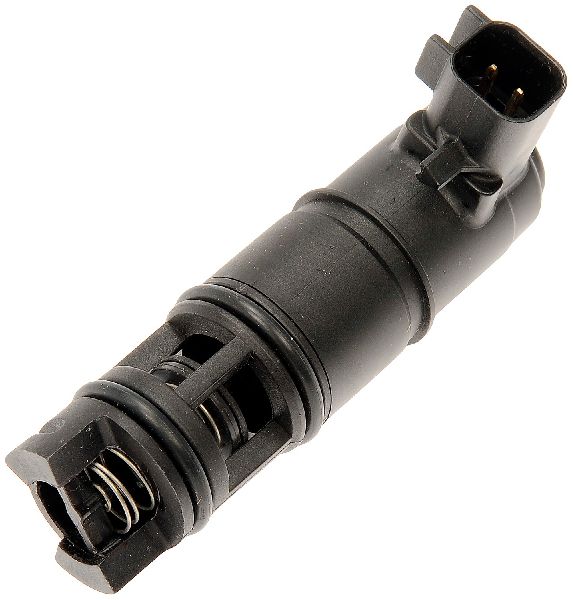
- EVAP Purge Valve/Solenoid Failure Very high Probability → Shop Vapor Canister The purge valve is a very common failure item on the GM 3.6L V6 engine used in the XT6 and its platform mates (Chevy Traverse, Buick Enclave). It cycles constantly and can get stuck partially open, creating a small, constant leak that the system detects. This is the most likely cause, especially if accompanied by code P0496 or hard starting after refueling.
How to confirm: A key symptom is difficulty starting after filling the gas tank. A mechanic can command the valve open and closed with a scan tool while monitoring system pressure. It can also be removed and tested; with the valve de-energized, you should not be able to blow through it or pull a vacuum on it.
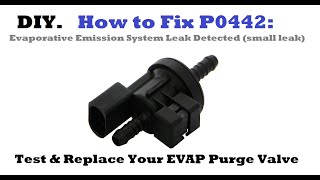
Typical fix: Replacement of the purge valve. It is located on the engine, is relatively easy to access by removing the engine cover, and is a common DIY repair. 🎬 Watch: Step-by-step purge valve replacement on the GM 3.6L engine.
Est. part cost: $25-$75 - Fuel Filler Neck Seal Issue (Capless System) 🟡 Medium Probability → Shop Fuel Filler Neck Instead of a traditional gas cap, the XT6 has a spring-loaded flap in the fuel filler neck. Dirt, debris, or damage to this flap or its sealing surface can prevent a proper seal, causing a leak.
How to confirm: Visually inspect the internal flap in the fuel filler neck. Ensure it moves freely and that there is no debris, rust, or grime on the sealing surface that could prevent it from closing tightly.
Typical fix: Clean the sealing area of the filler neck with a rag and a small amount of solvent. If the flap mechanism is damaged, the entire fuel filler neck may need to be replaced.
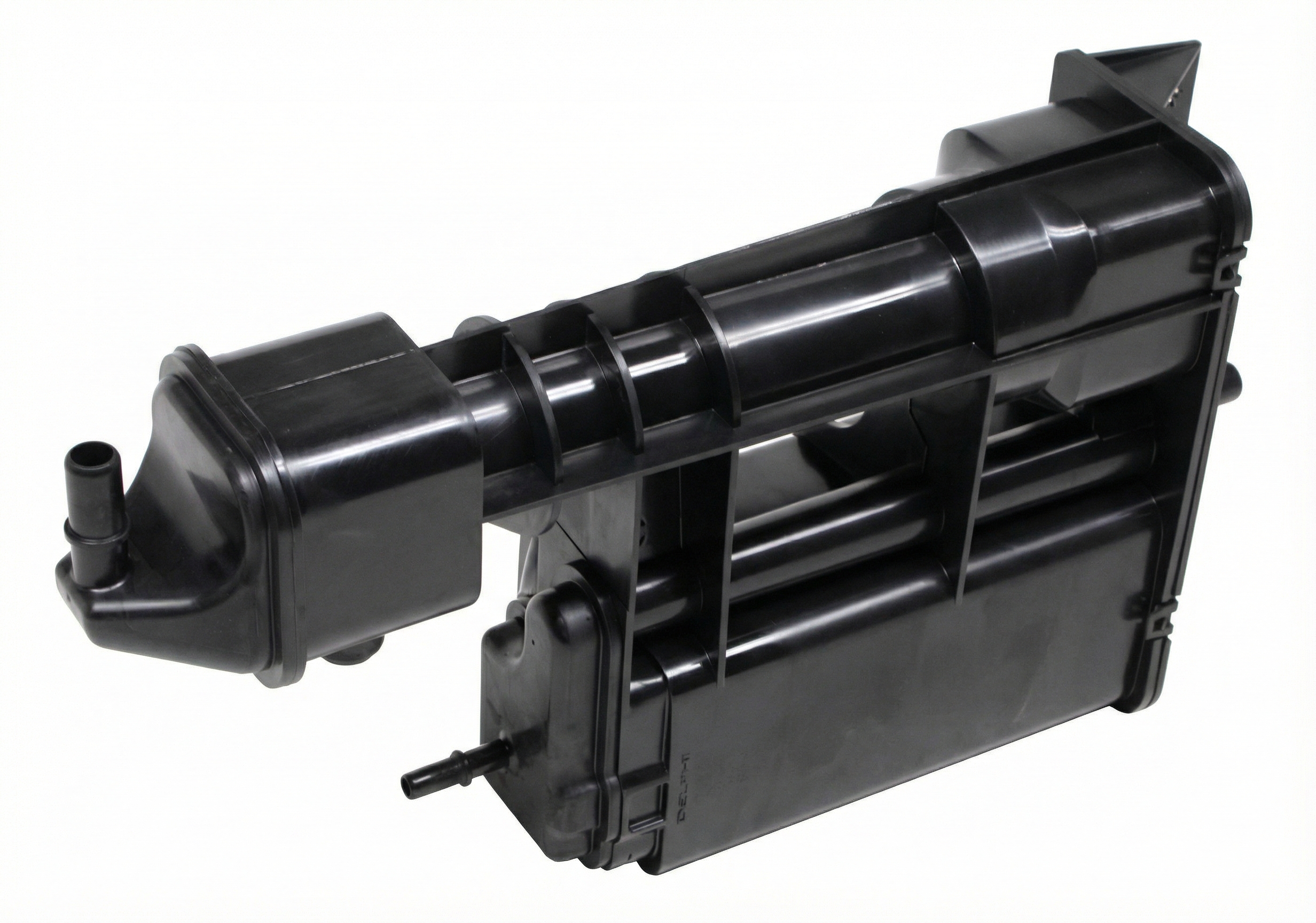
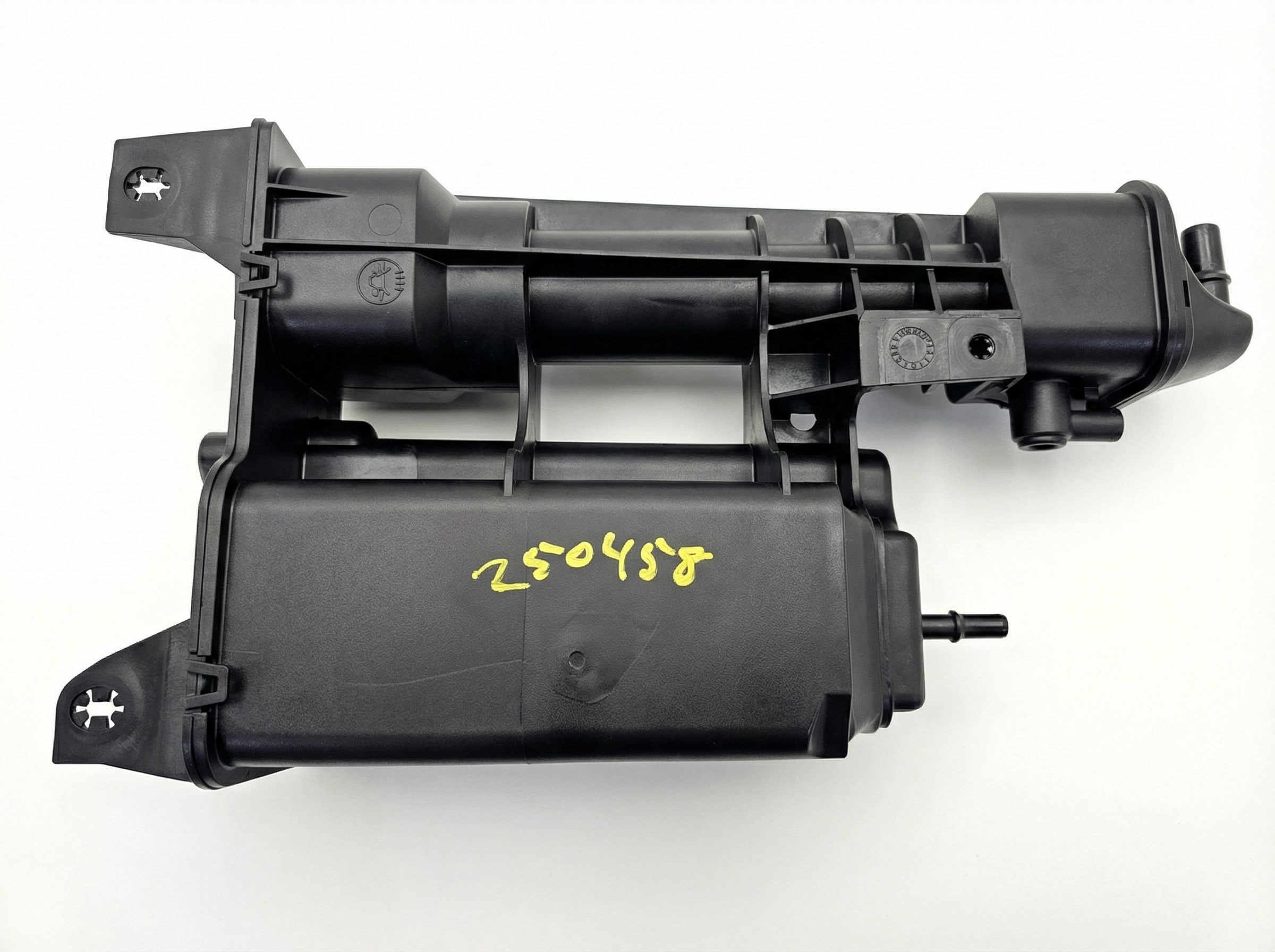
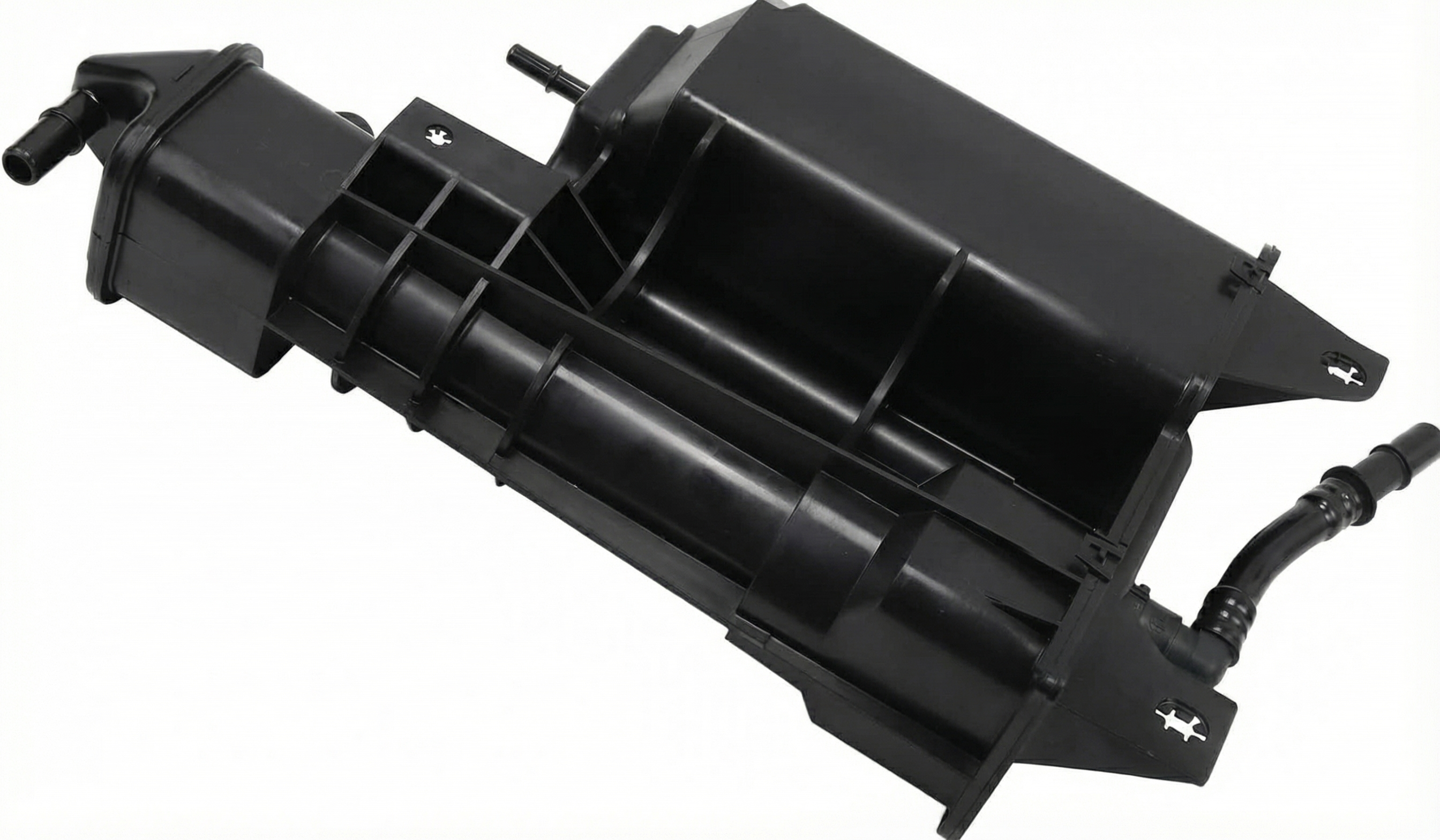
Est. part cost: $0 for cleaning, $150-$300 for filler neck replacement. - EVAP Vent Valve/Solenoid Failure 🟡 Medium Probability → Shop Vapor Canister Located near the charcoal canister at the rear of the vehicle, this valve is exposed to road debris and moisture, which can cause it to fail by sticking open or closed, or developing a leak. It is the second component to check after the EVAP lines per TSB 21-NA-124.
How to confirm: Diagnosis typically requires a scan tool to command the valve shut during a smoke test to see if it's leaking. It can also be removed and tested for function by applying 12v power; the valve should audibly click. A GM-specific service bulletin notes that this valve can sometimes pass a pressure test but fail under vacuum, which is the condition during the P0442 self-test.
Typical fix: Replacement of the vent valve assembly. This part is located near the EVAP canister by the fuel tank and may require raising the vehicle for access.
Est. part cost: $40-$100 - Cracked or Disconnected EVAP Hose ⚪ Low Probability Rubber and plastic lines can become brittle over time due to heat and age, leading to small cracks. This is less common on newer vehicles like the 2020-2023 XT6 but is the first thing TSB 21-NA-124 recommends inspecting.
How to confirm: A visual inspection may reveal an obvious crack or disconnected line, particularly at connection points. The most effective method is a smoke test, which fills the EVAP system with a visible vapor to pinpoint the exact location of the leak.
Typical fix: Repairing the specific section of the hose that is leaking or replacing the entire hose assembly.
Est. part cost: $10-$50
Rare But Worth Checking
- Leaking EVAP Charcoal Canister: → Shop Vapor Canister The plastic housing of the canister itself can develop hairline cracks, causing a leak. This is usually found only with a smoke test after other, more common components have been ruled out. Overfilling the fuel tank past the automatic shutoff can also saturate and ruin the canister.
- Leaking Fuel Tank or Filler Neck: → Shop Fuel Tank Rust or physical damage can cause a small leak in the fuel tank or the pipe leading to it. This is a more serious issue and almost always requires a smoke test to confirm.
- Faulty Fuel Tank Pressure (FTP) Sensor: → Shop Fuel Tank The FTP sensor measures pressure and vacuum inside the fuel tank for the EVAP self-test. If the sensor provides an incorrect reading, the ECM may falsely believe there is a leak. This can sometimes be accompanied by a P0452 code for the FTP sensor itself.
Diagnosis Steps
- Inspect the capless fuel filler neck. Open the fuel door and examine the internal sealing flap. Clean away any dirt or debris and ensure it closes flush. Clear the code and drive for a few days to see if it returns.
- Per TSB 21-NA-124, perform a thorough visual inspection of all accessible EVAP hoses and lines in the engine bay and around the fuel tank for obvious cracks, damage, or disconnections.
- If you have experienced hard starting after refueling, the purge valve is the prime suspect. Test the purge valve. It can be removed from the engine and tested with a hand-held vacuum pump or by trying to blow through it (it should be sealed when de-energized).
- If the purge valve is good, the next step per the TSB is to check the vent valve, located near the charcoal canister at the rear of the vehicle. It can be tested with a scan tool and/or by applying 12v to check its operation.
- If no obvious cause is found, the most reliable way to find the leak is with an EVAP smoke machine. A technician will inject pressurized smoke into the system and look for where it escapes. 🎬 Watch: How to find a hidden leak using a smoke machine. This can accurately pinpoint leaks in the vent valve, canister, hoses, or filler neck.
Parts You'll Likely Need
- Vapor Canister Purge Valve / Solenoid
(OEM #ACDelco 12630282)— This valve is a very common failure point on the GM 3.6L engine and can get stuck open, causing a leak and often leading to hard starts after refueling.
Trusted brands: ACDelco, Bosch, Dorman
OEM price range: $40-$80
Aftermarket price range: $25-$50 - Fuel Filler Cap — Not applicable for this vehicle as it has a capless system. The equivalent check is cleaning/inspecting the fuel filler neck's internal seal.
OEM price range: $0
Aftermarket price range: $0 - Vapor Canister Vent Valve / Solenoid
(OEM #ACDelco 13575701 (verify fitment))— This valve, located near the fuel tank, is exposed to the elements and can fail, causing a leak. It's a common cause for P0442 if the purge valve and filler neck seal are okay.
Trusted brands: ACDelco, Dorman
OEM price range: $50-$120
Aftermarket price range: $40-$80
Related Codes That Often Appear With This One
- P0455 — This code indicates a large EVAP leak. If a component fails significantly or a leak is on the borderline between small and large, both codes can be triggered. TSB #21-NA-124 specifically addresses diagnostics for both codes together.
- P0496 — This indicates 'EVAP Flow During a Non-Purge Condition,' which is almost always caused by a purge valve that is stuck open. A stuck-open purge valve is also a leak path, which can trigger P0442 simultaneously. Seeing both codes together makes the purge valve the primary suspect.
Technical Service Bulletins (TSBs) & Recalls
- 21-NA-124: Provides diagnostic tips and a recommended testing order (lines, then vent valve, then purge valve) for EVAP system leaks related to DTCs P0442 and/or P0455.
Platform-Specific Known Issues
- The 2020-2023 XT6 uses a capless fuel system, so instead of a faulty gas cap, the leak source can be the internal flap/seal in the fuel filler neck.
- The 3.6L V6 (LGX) engine used in the XT6 and its platform mates has a widely reported issue with the EVAP purge valve failing, making it the most probable cause of a P0442 code, especially when paired with a P0496 code or hard starting after fueling.
Mechanic-Grade Diagnostic Values
- EVAP Canister Vent Solenoid Voltage — expected: ~12V (Battery Voltage). Failure: No voltage at the harness connector (with ignition on) indicates a wiring or fuse issue, not a failed solenoid.
- Fuel Tank Pressure (FTP) Sensor Feedback — expected: The sensor should show a stable pressure value when the system is sealed and a vacuum developing when the purge valve is commanded open.. Failure: If the sensor value does not change as expected during a commanded test, or if it provides erratic readings, the sensor itself may be faulty.
Scan Tool Commands That Help
- GDS2 (GM Dealer Scan Tool): EVAP Purge/Seal — This function is used to command the purge valve open and the vent valve closed, sealing the system. The technician then monitors the Fuel Tank Pressure (FTP) sensor to see if the system holds the vacuum created by the engine. A rapid loss of vacuum indicates a leak.
- GDS2 (GM Dealer Scan Tool): Cycle Canister Vent Solenoid — This command is used to repeatedly open and close the vent solenoid while performing a smoke or vacuum test. According to TSB 21-NA-124, cycling the valve can help reveal an intermittent leak that may not be apparent when the valve is static.
- GDS2 (GM Dealer Scan Tool): EVAP Service Bay Test — This is an automated test sequence that commands the EVAP system components through their functions to check for leaks without having to perform a full drive cycle. It's used in a workshop setting to verify a repair or pinpoint a leak source more quickly.
Wiring & Ground Locations
- EVAP Canister Vent Solenoid Connector — At the EVAP canister vent solenoid, located near the fuel tank at the rear of the vehicle.. This 2-pin connector provides power and ground to the vent solenoid. Corrosion or damage to the connector or its wiring can prevent the solenoid from closing properly, creating a leak path that sets P0442. Aftermarket pigtail connectors (like Standard Motor Products S-824) are available for repair.
- EVAP System Wiring Harness — Runs from the engine bay (for the purge valve) to the rear of the vehicle (for the vent valve and FTP sensor), often routed along the frame rail.. Damage to this harness can cause a loss of power or control to the EVAP components. A common diagnostic step after checking components is to verify power at the connector; a lack of power points to a wiring issue.
Real Owner Repair Stories
- Tahoe Yukon Forum user (Chevrolet Tahoe (platform with similar EVAP system)) — Persistent P0442 code that would set overnight. Later accompanied by a P0452 (Fuel Tank Pressure Sensor Circuit Low Voltage).
❌ Tried (didn't work) Testing the purge and vent valves with a Tech-2 scan tool, which showed no leaks between them.
✅ What actually fixed it The user suspected the Fuel Tank Pressure (FTP) sensor or the vapor tube connecting it to the canister was the issue, as the P0452 code appeared alongside the P0442. The resolution pointed towards dropping the fuel tank to inspect the sensor and related lines.
"I Checked Everything" — The Actual Cause
- A GM service bulletin for a similar platform describes a scenario where a P0442 is set, but no leak is found using a standard pressure smoke test. The cause was an EVAP Canister Vent Solenoid (CVS) that would leak under vacuum (the condition during the ECM's self-test) but would seal properly under pressure (the condition during a smoke test). The fix was to replace the vent solenoid.
Helpful Videos


Used OEM Parts in Stock

New Aftermarket Parts Available


The information in this article is provided for general reference and educational purposes only. Vehicle specifications, procedures, and part compatibility can vary by production date, trim level, and region. Always consult your vehicle's factory service manual and verify part numbers before purchasing or performing repairs. Safety-critical components such as airbags, seat belts, and braking systems should be installed by a qualified professional.
- Cadillac XT6:
- 🧭 Diagnostic Flowchart
- 🎬 Helpful Videos
- 🛍️ Shop This Part
- What's Unique About the 2020-2023 Cadillac XT6
- Symptoms You May Notice
- Most Likely Causes
- Rare But Worth Checking
- Diagnosis Steps
- Parts You'll Likely Need
- Related Codes That Often Appear With This One
- Technical Service Bulletins (TSBs) & Recalls
- Platform-Specific Known Issues
- Mechanic-Grade Diagnostic Values
- Scan Tool Commands That Help
- Wiring & Ground Locations
- Real Owner Repair Stories
- "I Checked Everything" — The Actual Cause
- 🎟️ Get 5% Off