

P0442 on 2004-2008 Chevrolet Aveo: Small EVAP Leak Causes and Fixes
For a 2004-2008 Chevy Aveo, a P0442 code is most often caused by a loose or worn-out gas cap. This is the cheapest and easiest fix, so always check it first. If the cap is good, the next most likely culprit is a faulty EVAP purge valve in the engine bay or a small, cracked vacuum hose connected to it.
- P0442 means your Aveo has a small leak in the emissions system that captures fuel vapors.
- Always check the gas cap first. Make sure it's tight and the seal isn't cracked. This is the #1 cause.
- If the gas cap is okay, the next most likely parts to fail are the purge valve (in the engine bay) or the vent valve (near the gas tank).
- Driving with this code is safe, but you won't pass an emissions test until it's fixed.
- A smoke test is the fastest and most accurate way for a mechanic to find the leak if it's not an obvious part like the gas cap.
What's Unique About the 2004-2008 Chevrolet AVEO
The EVAP system on the first-generation Aveo is a relatively simple, common GM design. Given the vehicle's age, the plastic and rubber components like hoses, O-rings, and valve seals are prone to becoming brittle and cracking from years of heat cycles and exposure. This material degradation is a frequent source of the small leaks that trigger a P0442 code. The two TSBs issued by GM for this code focus on the diagnostic process rather than a single faulty part, confirming that the cause can be any of several components within this aging system. Forum discussions among Aveo owners frequently point to specific small hoses near the purge valve as a common, often-overlooked failure point.
Diagnostic Flowchart
Tap your situation to follow the diagnostic path that matches what you're seeing on this vehicle.
Generation note: The 2004-2008 range covers the first generation Aveo, known as the T200. This includes the T250 facelift which began in 2006 for the sedan and 2008 for the hatchback. While there were cosmetic differences, the underlying EVAP system components, including the relevant valves and hoses, are generally the same or very similar across these model years.
Symptoms You May Notice
- Check Engine Light is on
- A faint fuel smell, particularly around the outside of the car or in a garage.
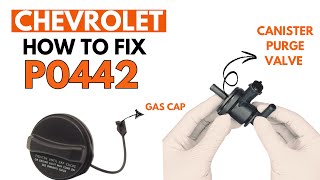
- Difficulty starting the engine immediately after refueling (this points specifically to a stuck-open purge valve, which floods the engine with vapors). 🎬 Watch: A breakdown of P0442 causes, symptoms, and fixes.
- When refueling, the gas pump nozzle clicks off repeatedly before the tank is full (this can indicate a blocked vent valve or hose).
- Replacing the oxygen sensors. O2 sensors are not related to the EVAP system and will not fix this code.
- Replacing the charcoal canister when only a valve or hose is bad. The canister is often the most expensive part of the system and should only be replaced if it is confirmed to be cracked.
Most Likely Causes
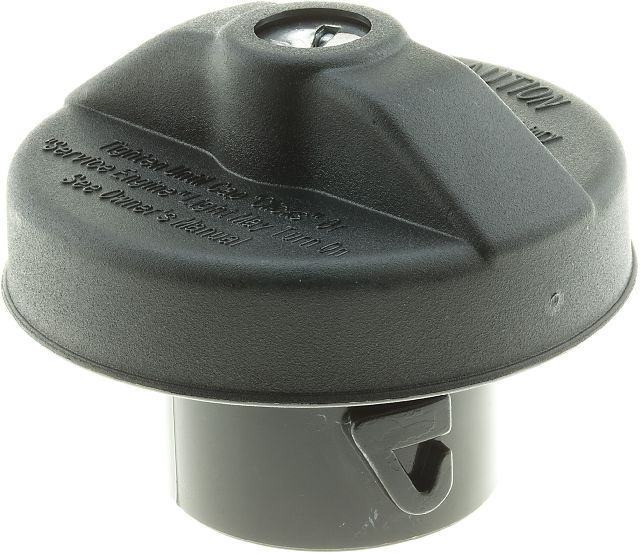
- Loose or Faulty Gas Cap 🔴 High Probability → Shop Fuel Tank Cap The rubber O-ring seal on the gas cap degrades over time, becoming hard, cracked, and losing its ability to create a perfect seal. This is the most common failure point for any EVAP system and the first thing to check.
How to confirm: Ensure the cap is tightened until it clicks at least once. Inspect the rubber seal on the cap for cracks, stiffness, or damage. Check the fuel filler neck for rust or debris that could prevent a good seal; clean it with a wire brush if necessary.
Typical fix: Replace the gas cap. It is highly recommended to use a genuine OEM part (ACDelco/GM) to ensure a proper seal, as some aftermarket caps are known to cause issues.
Est. part cost: $15-$35 - Faulty EVAP Canister Purge Valve/Solenoid 🟡 Medium Probability → Shop Vapor Canister This valve is located in the engine bay and cycles frequently. Over time, it can wear out and get stuck partially open, creating a small, constant leak that the system detects.
How to confirm: With the engine off, disconnect the valve and try to blow through it. It should be normally closed, so no air should pass. If you can blow through it, it's faulty and needs replacement. A professional can also command it with a scan tool to check its function.
Typical fix: Replace the purge valve. On the Aveo, it is located in the engine bay, sometimes tucked away, making it accessible from underneath the car. 🎬 See this walkthrough on replacing the purge solenoid valve.
Est. part cost: $25-$60 - Cracked or Disconnected EVAP Hoses 🟡 Medium Probability The small-diameter plastic and rubber hoses become brittle with age and exposure to engine heat. Small cracks can easily form, especially at connection points and elbows.
How to confirm: Visually inspect all EVAP lines running from the engine bay to the charcoal canister near the tank. Pay close attention to the rubber elbows and connectors. A smoke test is the most effective way to find a small hose leak, as the smoke will visibly escape from any cracks.
Typical fix: Replace the cracked section of hose or the entire hose assembly. Sometimes just the rubber elbow connector needs replacement.
Est. part cost: $10-$50 - Faulty EVAP Canister Vent Valve/Solenoid ⚪ Low Probability → Shop Vapor Canister Located near the fuel tank and charcoal canister, this valve is exposed to road debris, salt, and moisture, which can cause it to fail, get stuck, or its filter to clog.
How to confirm: This valve is normally open. A scan tool can command it closed to test it. You can also apply 12V power to the terminals; you should hear a click, and the valve should close (preventing air from passing through).
Typical fix: Replace the vent valve. It is typically located on or near the charcoal canister, above the rear axle.
Est. part cost: $20-$50
Rare But Worth Checking
- Cracked Charcoal Canister: → Shop Vapor Canister The plastic body of the canister itself can develop hairline cracks from age or impact from road debris. This is almost always found with a smoke test as the cracks are often too small to see.
- Leaking Fuel Tank Gasket: → Shop Fuel Tank The seal around the fuel pump/sending unit on top of the tank can degrade and cause a small leak. This is less common for a P0442 and may be accompanied by a stronger fuel smell.
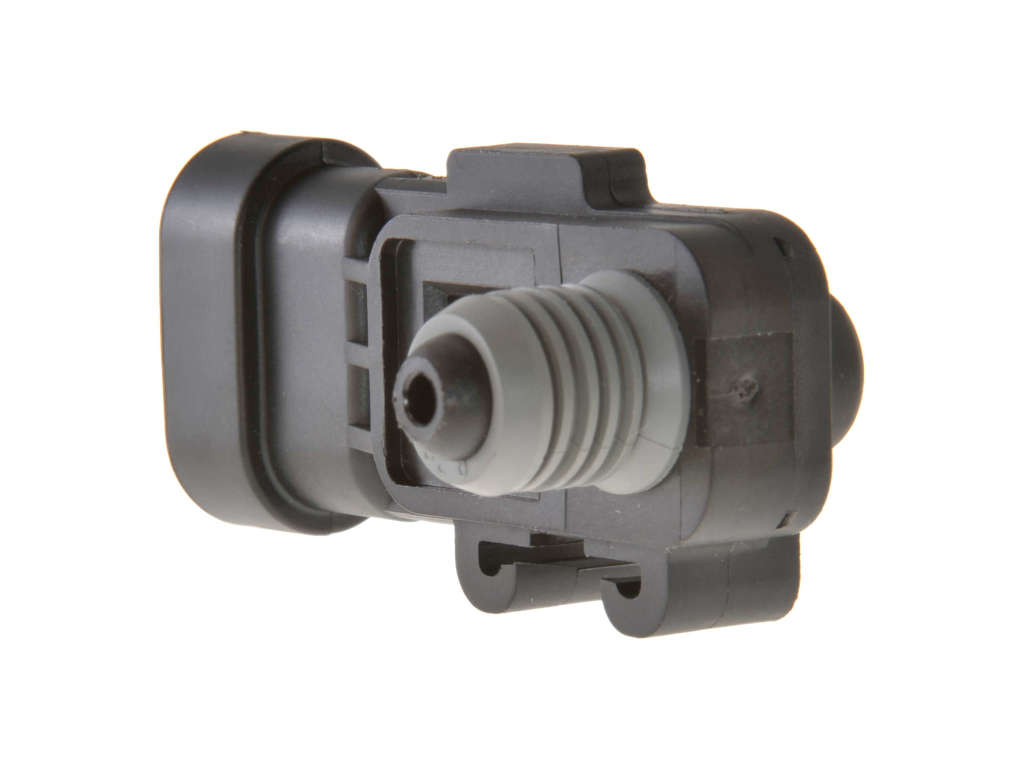
- Faulty Fuel Tank Pressure Sensor: → Shop Fuel Tank In rare cases, the system may not have a leak at all. The sensor that monitors the pressure could be faulty, sending incorrect data to the computer. This is usually diagnosed after a smoke test shows no leaks.
Diagnosis Steps
- Read the code with an OBD-II scanner to confirm P0442 is present.
- Inspect the gas cap. Remove it, check the rubber seal for cracks, and clean the sealing surface on the fuel filler neck. Tighten it until it clicks several times.
- Clear the code and drive for a few days to see if it returns. If it doesn't, the gas cap was the issue.
- If the code returns, perform a thorough visual inspection of all EVAP hoses and lines. In the engine bay, focus on the small hoses connected to the purge valve. Under the car, check the lines running to and from the charcoal canister, which is located near the fuel tank.
- Locate the purge valve on the engine. On the Aveo, it may be easier to access from underneath. With the car off, disconnect the hoses and try to blow through it. If air passes, the valve is stuck open and needs to be replaced.
- If the above steps do not reveal the problem, the most reliable method is to have a smoke test performed. A machine fills the EVAP system with a harmless, visible smoke, and the leak will be revealed by where the smoke escapes. 🎬 Watch: How to perform a professional EVAP smoke test. This is the definitive way to find tiny cracks in hoses or the canister.
Parts You'll Likely Need
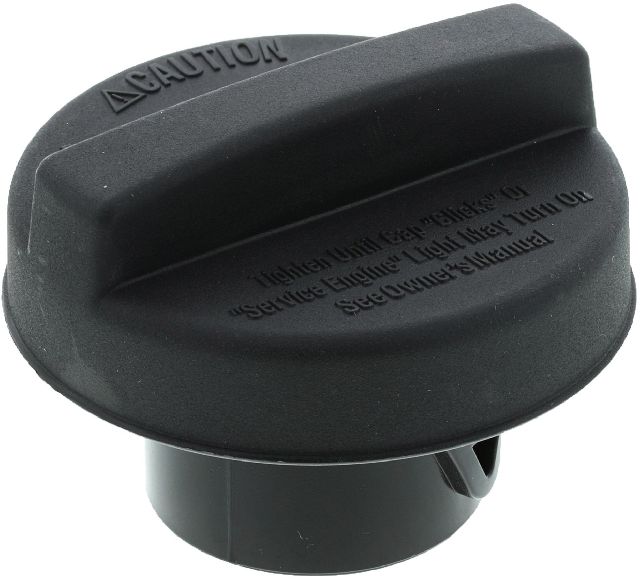
- Fuel Tank Cap
(OEM #19432733)— This is the most frequent cause of a P0442 code. The seal wears out over time, preventing the system from holding pressure. Using an OEM cap is strongly recommended.
Trusted brands: ACDelco (GM Genuine), Stant, Motorad
OEM price range: $25-$40
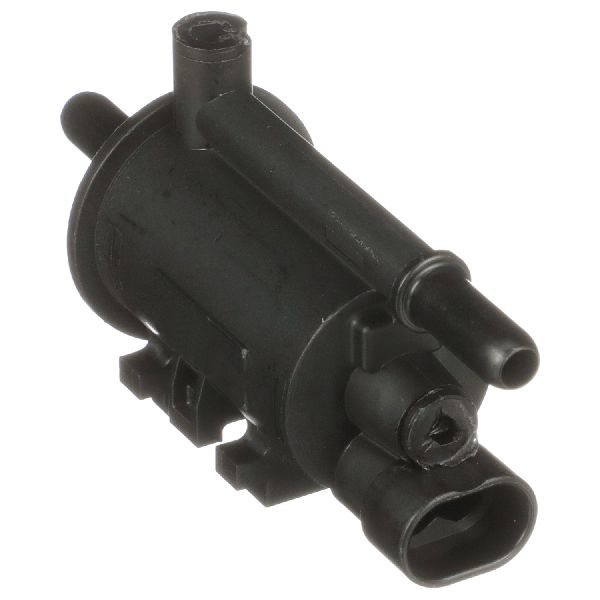
Aftermarket price range: $15-$25 - Vapor Canister Purge Valve / Solenoid
(OEM #96553403)— A very common failure point. This valve gets stuck open, creating a small leak. It can also cause hard starting after refueling.
Trusted brands: ACDelco (GM Genuine), Duralast, Standard Motor Products
OEM price range: $40-$60
Aftermarket price range: $25-$45 - Vapor Canister Vent Valve / Solenoid
(OEM #214-2164)— Less common than the purge valve, but this part fails due to its location under the car, where it is exposed to the elements. This part number also fits the Pontiac Wave/G3.
Trusted brands: ACDelco (GM Genuine), Dorman, SKP
OEM price range: $30-$50
Aftermarket price range: $20-$40
Related Codes That Often Appear With This One
- P0455 — This indicates a large EVAP leak. Seeing it with P0442 can suggest an intermittent or borderline leak that the computer has trouble classifying, or a component that has failed completely, like a gas cap left off.
- P0449 — This code specifically points to a fault in the EVAP vent valve solenoid circuit, which can be the root cause of the P0442 leak code.
Technical Service Bulletins (TSBs) & Recalls
- Bulletin #21-NA-124: Dated 2022-12-14 for the 2008 model year, this TSB provides diagnostic tips for testing EVAP leaks related to codes P0442 and/or P0455.
- Bulletin #PIT4943D: Dated 2015-12-09 for the 2005 model year, this TSB provides information on diagnosing P0442 and references a Techlink article on using an EVAP system tester.
Platform-Specific Known Issues
- Cracked Purge Valve Hoses: → Shop Vapor Canister Owners on forums specifically mention that the small rubber hoses connected directly to the EVAP purge solenoid in the engine bay are a frequent failure point. They become hard and brittle from engine heat and develop small cracks right at the connection points, which are hard to see without removing the hose and flexing it.
- Aftermarket Gas Cap Incompatibility: → Shop Fuel Tank Cap There are multiple reports from owners who tried to fix a P0442 with a cheap aftermarket gas cap, only for the code to remain. The issue was only resolved after switching to a genuine GM/ACDelco cap (Part No. 19432733), which provides a more reliable seal.
Mechanic-Grade Diagnostic Values
- EVAP Canister Purge Valve resistance — expected: 30 to 38 ohms (when engine is cool). Failure: A reading significantly outside this range indicates an internal electrical fault in the valve's solenoid.
- EVAP Canister Vent Solenoid resistance — expected: 48 to 65 ohms. Failure: A reading outside this range suggests the vent solenoid coil is faulty.
- Fuel Tank Pressure (FTP) Sensor voltage, key on, engine off, gas cap removed — expected: 1.3 to 1.7 Volts (atmospheric pressure). Failure: A voltage that is stuck low (e.g., 0.2V) or high (e.g., 5V) and does not change when the gas cap is removed points to a faulty sensor or a wiring issue.
Scan Tool Commands That Help
- GM Tech 2 / GDS2: EVAP Service Bay Test — This function allows a technician to force the vehicle's computer to run the entire EVAP self-test sequence while in the garage, without needing to perform a full drive cycle. It commands the purge and vent valves to seal the system, pulls a vacuum, and monitors for decay, which can quickly confirm if a leak is present or if a repair was successful.
- GM Tech 2 / GDS2: Purge/Seal — This is a bidirectional control within the engine control module data that allows the user to manually command the vent valve closed and the purge valve open. This is used during a smoke test to fill the entire system with smoke and check for leaks.
Wiring & Ground Locations
- G101 — Under the Engine Control Module (ECM) in the engine bay.. This is a primary ground for the engine control systems. A poor connection here can cause erratic behavior from sensors and solenoids controlled by the ECM, including the EVAP purge valve.
- G401 — On the left side of the rear compartment panel (trunk area).. This is a main body ground in the rear of the vehicle. It serves as the ground point for components located near the fuel tank, such as the EVAP vent valve and the fuel tank pressure sensor. Corrosion or a loose connection here can cause incorrect readings or failure of these parts.
- G402 — On the right side of the rear compartment panel (trunk area).. Similar to G401, this ground serves rear-body components. Verifying the integrity of both G401 and G402 is crucial when diagnosing EVAP components located at the rear of the car.
- EVAP Canister Purge Solenoid Circuit — Wiring harness running from the ECM to the purge solenoid, located on the back of the engine near the firewall.. The wires for the purge solenoid can become brittle from engine heat, leading to intermittent opens or shorts. This can cause a P0443 (circuit code) in addition to the P0442 leak code.
Real Owner Repair Stories
- Chevrolet Forum user (2007 Chevrolet Aveo) — Check Engine Light with P0442 code.
❌ Tried (didn't work) Replacing the gas cap., Replacing the EVAP vent solenoid valve located near the canister.
✅ What actually fixed it The problem was ultimately resolved by replacing the EVAP purge solenoid/valve located in the engine bay. The user suspected this after the other common fixes failed. - AveoForum.com user 'snrusnak' (2007 Chevrolet Aveo with ~100,000 miles) — Check Engine Light with P0442 code. Also noted a greasy, black residue around the gas cap area when washing the car.
❌ Tried (didn't work) Initial diagnosis and discussion.
✅ What actually fixed it The user replaced the gas cap with a new Stant-branded cap, which resolved the code. This confirms that even if the cap seems tight, a worn seal can be the sole cause.
"I Checked Everything" — The Actual Cause
- In some cases, a smoke test may not reveal a leak, but the P0442 code persists. The cause can be a faulty Fuel Tank Pressure (FTP) sensor. The sensor may be providing an incorrect voltage reading to the ECM, making the computer believe there is a leak when the system is actually sealed. If the FTP sensor voltage is stuck low (e.g., under 1.0V) even with the gas cap off, it indicates the sensor itself is bad, not that there is a physical leak.
OEM Part Supersession History
Not specified, but multiple older numbers exist.→96553403 (for Purge Valve)— Part consolidation and design updates by GM.
Heads up: Part number 96553403 is the specified OEM replacement for the entire 2004-2008 Aveo range, ensuring compatibility.
Helpful Videos

We Have This Part in Stock


The information in this article is provided for general reference and educational purposes only. Vehicle specifications, procedures, and part compatibility can vary by production date, trim level, and region. Always consult your vehicle's factory service manual and verify part numbers before purchasing or performing repairs. Safety-critical components such as airbags, seat belts, and braking systems should be installed by a qualified professional.
- Chevrolet AVEO:
- 🧭 Diagnostic Flowchart
- 🎬 Helpful Videos
- 🛍️ Shop This Part
- What's Unique About the 2004-2008 Chevrolet AVEO
- Symptoms You May Notice
- Most Likely Causes
- Rare But Worth Checking
- Diagnosis Steps
- Parts You'll Likely Need
- Related Codes That Often Appear With This One
- Technical Service Bulletins (TSBs) & Recalls
- Platform-Specific Known Issues
- Mechanic-Grade Diagnostic Values
- Scan Tool Commands That Help
- Wiring & Ground Locations
- Real Owner Repair Stories
- "I Checked Everything" — The Actual Cause
- OEM Part Supersession History
- 🎟️ Get 5% Off