

P0442 on 2013-2020 Chevrolet Corvette: EVAP Small Leak Causes & Fixes
Code P0442 on a Corvette indicates a small leak in the evaporative emissions system. For the 2013 C6, the most common cause is a loose or faulty gas cap (OEM Part #15832215). For the capless C7 and C8 generations (2014-2020), the issue often points to a faulty EVAP purge or vent solenoid. A new gas cap costs around $20-$45, while solenoids are typically in the $30-$80 range. Many owners on CorvetteForum report fixing the issue with these simple replacements.
- For a 2013 Corvette (C6), the first and most likely fix is to inspect and replace the gas cap.
- For 2014-2020 Corvettes (C7/C8), the capless fuel system means the EVAP purge and vent solenoids are the most probable culprits.
- This code does not affect the car's safety or performance, but it will cause an automatic failure on an emissions test.
- If simple fixes don't work, a professional smoke test is the most efficient way to find the small leak, as recommended by GM's own service bulletins.
What's Unique About the 2013-2020 Chevrolet CORVETTE

The 2013-2020 year range covers three distinct Corvette generations: the end of the C6 (2013), the entire C7 (2014-2019), and the beginning of the mid-engine C8 (2020). The most common cause for P0442 differs by generation. The C6 uses a traditional gas cap, which is a frequent culprit. The C7 and C8 feature a capless fuel filler system, shifting the focus to other components like the purge valve, vent solenoid, or the filler neck's sealing flap. Component locations also vary significantly between the front-engine C6/C7 and the mid-engine C8 platforms, where EVAP components are packaged around the rear trunk and engine bay.
Diagnostic Flowchart

Tap your situation to follow the diagnostic path that matches what you're seeing on this vehicle.
Generation note: This range covers the C6 (2013), C7 (2014-2019), and C8 (2020) generations. The C6 has a standard gas cap, while the C7 and C8 have capless systems. The physical location of EVAP components, like the purge and vent valves, differs across these generations. On the C6/C7, the purge valve is in the engine bay, while the vent valve is at the rear near the passenger side. On the C8, EVAP components are located around the mid-engine assembly.
Symptoms You May Notice
- Check Engine Light is on.
- A faint smell of gasoline, particularly after refueling, may be present.
- No noticeable effect on engine performance or drivability in most cases.
- For C7 models, a rough or surging idle may occur if the leak is from a disconnected vacuum line related to the EVAP system, as noted by one owner after a header installation.
- Replacing oxygen sensors, which are part of the exhaust system and unrelated to the EVAP system.
- Replacing the fuel tank pressure sensor, which typically sets its own specific trouble codes if it fails, though a faulty sensor can theoretically provide bad data.
- Assuming a smoke test leak from the vent solenoid means the solenoid is bad, without first commanding it closed with a scan tool, as it is a normally open valve.
Most Likely Causes

- Loose or Faulty Gas Cap (2013 C6) 🔴 High Probability → Shop Fuel Tank Cap The gas cap seal is a common wear item and is the first and easiest part of the EVAP system to check. Many owners on CorvetteForum report that simply re-tightening or replacing the cap resolves the code. Some owners note that even a cap that looks good can be faulty and fail to seal, and that an OEM cap is often required after an aftermarket one fails.
How to confirm: Inspect the gas cap's rubber seal for cracks, stiffness, or damage. Ensure it is tightened until it clicks at least once. A forum user reported a faulty cap that could be pulled straight off even after clicking. If the seal is damaged or the cap feels loose, replacement is recommended.
Typical fix: Replace the gas cap with a new, high-quality OEM part (ACDelco #15832215).
Est. part cost: $20-$45 - Faulty EVAP Purge Solenoid/Valve 🟡 Medium Probability → Shop Vapor Canister
How to confirm: The purge valve is normally closed. It can be tested by removing it and trying to blow through it; if air passes, it's stuck open and faulty. On C6/C7 models, it is located on the driver's side of the engine intake manifold and can be accessed from the top. A scan tool can also be used to command the valve and check for a change in fuel tank pressure.
Typical fix: Replace the purge solenoid. On C6/C7 models, it is typically located on the driver's side of the engine.
Est. part cost: $25-$70 - Faulty EVAP Vent Solenoid/Valve 🟡 Medium Probability → Shop Vapor Canister This valve, located near the EVAP canister at the rear of the car, can get stuck open due to dirt or age, creating a leak. A forum member with a 2013 model had this part replaced (Part #13575703) along with the gas cap to solve the issue. It is located on the right rear of the car, near the muffler, and can be difficult to access.
How to confirm: Diagnosis often requires a bidirectional scan tool to command the valve closed, followed by a smoke test to see if it's leaking. Since the valve is normally open, smoke will exit from it during a standard smoke test unless it is commanded shut electronically.
Typical fix: Replace the vent solenoid. This is often located near the charcoal canister by the fuel tank. On a C6, this requires jacking up the rear of the car and removing the passenger-side rear wheel for access.
Est. part cost: $30-$80 - Leaking Capless Fuel Filler Neck (2014-2020 C7/C8) ⚪ Low Probability → Shop Fuel Filler Neck The spring-loaded flap inside the capless filler neck must create a perfect seal. Debris or wear can prevent this, causing a leak. A recall was issued for some early 2014 models for a similar issue. A C8 owner reported a P0442 after refueling, which can be caused by the inner sealing flap not closing properly.
How to confirm: Visually inspect the filler neck opening for debris or damage to the seal. Exercising the flap with the provided fuel funnel a few times may help it reseat. A smoke test is the definitive way to confirm a leak at the neck.
Typical fix: Cleaning the sealing surface may work temporarily. Some owners have had success with a small spray of silicone lubricant on the inner flap. If the internal seal is faulty, the entire fuel filler neck assembly must be replaced.
Est. part cost: $200-$400 - Cracked or Disconnected EVAP Hose ⚪ Low Probability
How to confirm: Visually inspect all accessible EVAP lines, especially around the engine bay and near the canister. A C7 owner found a broken vacuum line connector on the passenger side valve cover was the source of their P0442 after a header installation. A professional smoke test is the most effective way to find a small crack in a hose.
Typical fix: Replace the cracked or broken hose section.
Est. part cost: $10-$50
Rare But Worth Checking
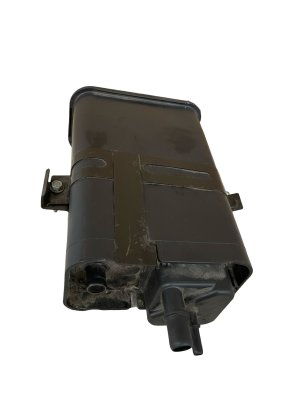
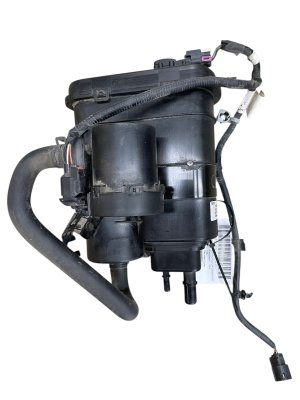
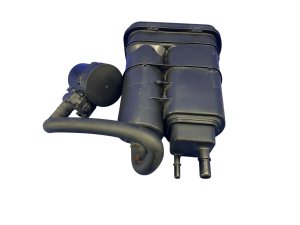
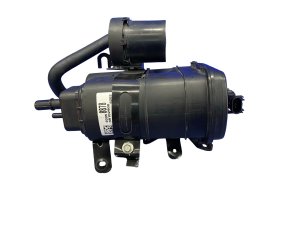
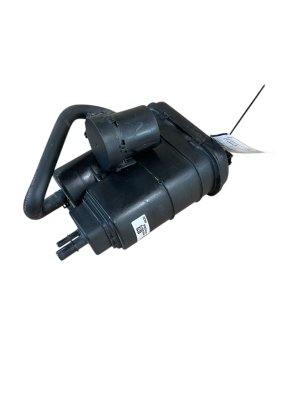
- Leaking EVAP Charcoal Canister: → Shop Vapor Canister The plastic housing of the canister itself can develop hairline cracks over time, leading to a small leak. This is usually found only with a smoke test after all other common components have been checked. A smoke test on one owner's car revealed a leak from the top of the right-side fuel tank, which could be a cracked canister or a bad seal.
Diagnosis Steps
- For 2013 models, inspect the gas cap seal for damage and ensure it's tightened until it clicks. Consider replacing it with an OEM cap even if it looks good, as this is the most common fix.
- For 2014-2020 models, inspect the capless filler neck for debris. Use the emergency fuel funnel to work the internal flap open and closed a few times to ensure it's seating correctly.
- Clear the code with a scanner and perform a drive cycle to see if it returns. Note that the EVAP monitor may take several drive cycles to run its test.
- If the code returns, visually inspect all accessible EVAP hoses and lines in the engine bay for obvious cracks or disconnections, particularly around the intake manifold and valve covers.
- Locate and test the EVAP purge solenoid, which is on the driver's side of the engine. With the engine off, remove it and try to blow through it. If air passes, it is stuck open and needs replacement.
- If the purge valve is good, the next suspect is the vent solenoid near the fuel tank on the passenger side rear.
- If the cause is still not found, a professional smoke test is the most reliable method. This involves injecting vaporized smoke into the EVAP system to visually pinpoint the source of the leak. TSB #21-NA-124 advises checking line connections first, then the vent valve, and finally the purge valve. When smoking the system, a bidirectional scanner is needed to command the normally-open vent valve closed to properly test the rest of the system.
Parts You'll Likely Need
- Gas Cap (for 2013 C6)
(OEM #15832215)— The seal on the gas cap is the most common failure point for P0442 on the C6 generation. Owners strongly recommend using the OEM ACDelco part over aftermarket versions for a reliable seal.
Trusted brands: ACDelco
OEM price range: $25-$45
Aftermarket price range: $15-$30 - EVAP Vapor Canister Purge Valve
(OEM #12690512)— This solenoid is a very common failure point on many GM vehicles, often getting stuck open and causing a small leak. It is located on the engine and is relatively easy to replace.
Trusted brands: ACDelco, Dorman
OEM price range: $40-$70
Aftermarket price range: $25-$50 - EVAP Vapor Canister Vent Valve/Solenoid
(OEM #13575703)— This valve, exposed to the elements near the rear of the car, can fail due to dirt and corrosion, or the internal coil can fail. On the C6, some replacement parts require a wiring harness adapter.
Trusted brands: ACDelco, Dorman
OEM price range: $30-$80
Aftermarket price range: $20-$50
Related Codes That Often Appear With This One
- P0455 — This code indicates a large EVAP leak. It can appear with P0442 if the size of the leak is intermittent or on the borderline between 'small' and 'large'. TSB #21-NA-124 mentions diagnosing these codes together.
- P0449 — This code specifically points to a fault in the EVAP vent solenoid control circuit, which can help pinpoint the problem to the vent solenoid or its wiring. A CorvetteForum guide for a 'loose gas cap' issue actually details replacing the vent solenoid to fix a P0449.
Technical Service Bulletins (TSBs) & Recalls
- 21-NA-124: Provides diagnostic tips on testing for EVAP leaks to correct DTCs P0442 and/or P0455. It advises a chronological investigation: 1. Check all EVAP line connections. 2. Inspect lines for damage. 3. Investigate the vent valve for malfunction. 4. Investigate the purge valve.
- PIT4943D: Directs technicians to use an Evaporative Emissions System Tester to properly diagnose a P0442 code. This TSB references a May 2013 Techlink article on using the specialized tester.
Platform-Specific Known Issues
- A 2013 Corvette owner reported a strong gasoline odor after filling the tank, which was associated with a P0442 code. This was also mentioned in NHTSA complaint #11222826.
- On C7 models (2014-2019), a recall was issued for some early 2014 models related to the fuel filler neck, which could cause EVAP codes.
- Owners on CorvetteForum have frequently resolved P0442 on C6 models by replacing the gas cap, sometimes needing to try an OEM cap after an aftermarket one failed to seal properly.
- For C7 and C8 models with capless fuel systems, owners have reported the code appearing after refueling, sometimes resolved by exercising the filler neck flap with the fuel funnel to ensure a good seal.
- A C7 owner traced their P0442 code to a broken vacuum line connector on the passenger side valve cover, which was likely damaged during a long-tube header installation.
Mechanic-Grade Diagnostic Values
- C7 Fuel Tank Pressure (FTP) Sensor Voltage — expected: ~1.5 Volts at atmospheric pressure (key on, engine off).. Failure: Voltage drops to 0.15V for more than 10 seconds, which will set a P0452 code but indicates pressure problems relevant to P0442.
- C7 Fuel Tank Pressure (FTP) Sensor Reference Voltage — expected: 5 Volts on the yellow/red wire when the connector is unplugged.. Failure: No or low voltage indicates a wiring or ECM issue.
- C6 EVAP Canister Vent Solenoid Resistance — expected: ~22 Ohms.. Failure: An 'open' reading on a multimeter indicates a failed solenoid coil.
- EVAP Purge Valve Solenoid Resistance — expected: Approximately 14-30 Ohms.. Failure: A reading of 'open' or significantly outside the expected range.
Scan Tool Commands That Help
- GDS2 / Tech2 (or advanced bidirectional scanner): EVAP Vent Valve Close Command — This command is essential before performing a smoke test. The vent valve is normally open, so it must be commanded shut electronically to allow the rest of the system to be pressurized and checked for leaks.
- Tech2: EVAP Service Bay Test — To force the EVAP monitor to run and verify a repair without waiting for multiple natural drive cycles. The test guides the user through engine-on, driving, and engine-off phases and completes in about an hour.
Wiring & Ground Locations
- G109 and G103 — On a C7, G109 is on the driver's side of the engine block and grounds to G103 on the driver's side frame rail.. A poor engine-to-chassis ground can cause a variety of intermittent electrical issues for engine-mounted sensors and solenoids, including the EVAP purge valve.
- G303 — On a C7, this is the main battery negative cable connection to the passenger side frame rail.. This is the primary ground point for the entire vehicle's electrical system. Corrosion or a loose connection here can cause widespread, unpredictable electronic faults.
- C7 FTP Sensor Wiring — At the Fuel Tank Pressure sensor, located in the rear passenger wheel well on a C7.. Knowing the wire colors allows for direct testing: Signal is Light Blue/White, 5V Reference is Yellow/Red, and Ground is Black/Light Green.
Real Owner Repair Stories
- CorvetteForum user C7BlackOnBat (2015 Corvette Z51) — Intermittent P0442 code after long tube header installation, followed by a rough, surging idle.
❌ Tried (didn't work) Initial checks of vacuum hoses did not reveal the problem.
✅ What actually fixed it A more thorough inspection revealed a broken vacuum line connector on the passenger side valve cover, which was likely damaged during the header install. Reseating the connection resolved the idle issue and the code.
When the Usual Fixes Don't Work
- While common causes for a P0442 on a C7 Corvette point to the capless fuel system or EVAP solenoids, service history should not be overlooked. In one documented case, a P0442 with a surging idle appeared after a header installation. The root cause was not a standard EVAP component failure, but a vacuum line connector on the valve cover that was broken during the installation, creating a vacuum leak that the EVAP system test detected.
OEM Part Supersession History
12610560→12690512— Standard part evolution for the EVAP Purge Valve.10293954, 10337458, 20761332→13575703— Standard part evolution for the EVAP Vent Solenoid.
Heads up: On C6 models, replacing an older vent solenoid with a newer part may require a wiring harness adapter due to a different electrical connector design.
Model Year Variations Within This Range
- 2014-2019 vs 2020: The EVAP Purge Solenoid on the C7 (2014-2019) is easily accessible on the passenger side valve cover. On the C8 (2020), it is in a different, less accessible location due to the mid-engine layout.
- 2013 (C6) vs 2014+ (C7/C8): The Fuel Tank Pressure (FTP) sensor is a different part number between generations. C7 OEM part numbers include 13502903 and 13516496.
Helpful Videos

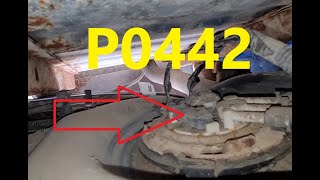
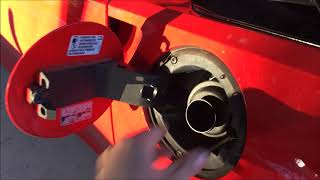

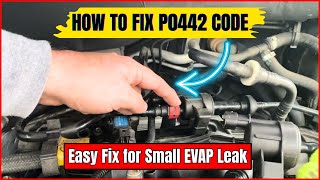
We Have This Part in Stock

The information in this article is provided for general reference and educational purposes only. Vehicle specifications, procedures, and part compatibility can vary by production date, trim level, and region. Always consult your vehicle's factory service manual and verify part numbers before purchasing or performing repairs. Safety-critical components such as airbags, seat belts, and braking systems should be installed by a qualified professional.
- Chevrolet CORVETTE:
- 🧭 Diagnostic Flowchart
- 🎬 Helpful Videos
- 🛍️ Shop This Part
- What's Unique About the 2013-2020 Chevrolet CORVETTE
- Symptoms You May Notice
- Most Likely Causes
- Rare But Worth Checking
- Diagnosis Steps
- Parts You'll Likely Need
- Related Codes That Often Appear With This One
- Technical Service Bulletins (TSBs) & Recalls
- Platform-Specific Known Issues
- Mechanic-Grade Diagnostic Values
- Scan Tool Commands That Help
- Wiring & Ground Locations
- Real Owner Repair Stories
- When the Usual Fixes Don't Work
- OEM Part Supersession History
- Model Year Variations Within This Range
- 🎟️ Get 5% Off