

P0442 on 2000-2004 Chevrolet Express: EVAP Small Leak Causes and Fixes
For a 2000-2004 Chevy Express, code P0442 usually means you have a bad gas cap or a faulty EVAP vent solenoid. Start by replacing the gas cap for about $15-$30. If that doesn't work, the vent solenoid is the next most likely cause, costing around $25-$50 for the part. On these vans, also pay close attention to the fuel filler neck, which is known to rust and cause this code.
- P0442 means your van has a small leak in the fuel vapor system.
- Always start with the simplest and cheapest fix: check that your gas cap is tight and its seal isn't cracked. A new OEM-spec gas cap is often the solution.
- If the gas cap isn't the issue, the EVAP vent solenoid or purge valve are the next most likely culprits.
- Finding the leak without a smoke machine can be difficult. If you can't find the problem with a visual inspection, a professional diagnosis with a smoke test is the most efficient way to find the leak.
- This code will not stop you from driving, but it will cause an automatic failure of an emissions test.
What's Unique About the 2000-2004 Chevrolet EXPRESS
On this generation of Chevrolet Express vans, the EVAP system components are known to fail due to age and their exposure to the elements. As work vehicles, these vans often endure harsh conditions which can accelerate the wear of plastic and rubber parts. The EVAP vent solenoid, a common failure point, is located under the van near the fuel tank, making it susceptible to rust, dirt, and road debris. A particularly notorious issue on these vans is the steel fuel filler neck rusting through, 🎬 See how a rusted filler neck causes these EVAP leaks. creating a leak that perfectly matches the P0442 criteria. GM has issued Technical Service Bulletins (TSBs) for this issue, highlighting the need for proper diagnostic steps to pinpoint the leak accurately.
🎬 Watch a professional diagnostic and repair for the P0442 code.Diagnostic Flowchart
Tap your situation to follow the diagnostic path that matches what you're seeing on this vehicle.
Generation note: The 2000-2004 year range covers the end of the first generation (pre-facelift, 1996-2002) and the beginning of the facelifted generation (2003-present). While the core EVAP system is similar, some part numbers, like for the vent solenoid, changed around the 2003 model year. The vent solenoid for 2003+ models is typically ACDelco 214-2149. Always verify parts fitment for your specific year.
Symptoms You May Notice
- Check Engine Light is on.
- A faint smell of fuel, especially around the gas cap area or driver's side of the vehicle.
- Failing a state emissions test.
- In some cases, an extended 4-6 second crank time before the engine starts, which may occur when the purge valve fails.
- Replacing the O2 sensors. P0442 is strictly an EVAP system code and is unrelated to the oxygen sensors.
- Replacing the charcoal canister when only a hose or solenoid is bad. The canister itself is often durable; the leak is usually in a connected component like the vent solenoid or a nearby hose.
Most Likely Causes
- Loose or Faulty Gas Cap 🔴 High Probability → Shop Fuel Tank Cap The gas cap seal is a rubber component that degrades over time, cracking and losing its ability to seal. This is the most common and easiest-to-fix cause for a P0442 code. Owners on forums often report fixing their code with a new OEM cap after finding the old one's seal was dried out.
How to confirm: First, ensure the cap is tightened until it clicks several times. Inspect the rubber O-ring on the cap for any cracks, tears, or signs of drying out. Also, check the fuel filler neck for rust or debris that could prevent a good seal. Using an OEM cap (like ACDelco) is highly recommended as some aftermarket caps are known to not seal correctly.
Typical fix: Replace the gas cap. It's recommended to use an OEM or high-quality aftermarket cap to ensure a proper seal.
Est. part cost: $15-$30 - EVAP Vent Solenoid Failure 🔴 High Probability → Shop Vapor Canister The vent solenoid is located under the vehicle near the fuel tank, exposing it to water, salt, and road debris which causes corrosion and failure. It can get stuck open or closed. This is a very common failure on GM trucks and vans of this era.
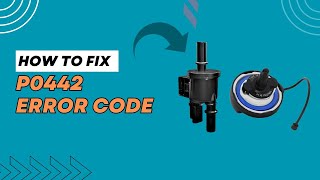
How to confirm: The solenoid can be tested with a capable scan tool that can command it to close. A more common method is to remove it and test it by applying 12V power to see if the valve actuates. A smoke test will definitively show a leak from the vent if the valve is stuck open. A video from 1A Auto shows the replacement process on a 2003 Express, which involves prying two locking clips to release the hose.
Typical fix: Replace the EVAP vent solenoid. It is typically mounted on a bracket on the frame rail near the charcoal canister.
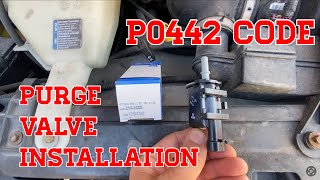
Est. part cost: $25-$50 - EVAP Purge Valve (Purge Solenoid) Failure 🟡 Medium Probability → Shop Vapor Canister This valve is located in the engine bay and can get stuck open, creating a constant vacuum leak into the EVAP system and triggering a leak code. On the Express van, its location is notoriously difficult to access, tucked behind the alternator.
How to confirm: With the engine off, disconnect the vapor line from the purge valve. Try to blow through it; if air passes, the valve is stuck open and needs to be replaced. You can also use a hand vacuum pump to see if it holds a vacuum when not energized. TSB PIT4943D specifically mentions that an intermittent purge solenoid leak might only be found by testing under vacuum.
Typical fix: Replace the purge valve. On these vans, this requires removing the interior engine cover ('dog house') to gain access, as it is nearly impossible to reach from under the hood.
Est. part cost: $20-$60 - Cracked or Rotted EVAP Hoses 🟡 Medium Probability Over many years, the rubber and plastic hoses that make up the EVAP system can become brittle, crack, and leak, especially at connection points and bends.
How to confirm: A visual inspection may reveal obvious cracks, but small leaks are often invisible. A smoke test is the most effective way to find a hose leak. A DIY method mentioned on forums is to gently blow into disconnected lines; if you can blow freely, you've found a leaking circuit.
Typical fix: Replace the damaged section of hose.
Est. part cost: $5-$25
Rare But Worth Checking
- Rusted Fuel Filler Neck: → Shop Fuel Filler Neck On older vehicles in rust-prone areas, the metal filler neck where the gas cap seals can rust through, creating a small hole that causes a P0442 code. This is a very well-documented issue on these vans and should be considered a primary suspect if the gas cap doesn't fix it. A visual inspection and smoke test can confirm this.
- Cracked Charcoal Canister: → Shop Vapor Canister The plastic housing of the charcoal canister can develop cracks from age or impact from road debris, leading to a leak. This is usually found with a smoke test after more common components are ruled out.
- Leaking Fuel Pump Module Gasket: → Shop Fuel Pump The gasket that seals the fuel pump/sending unit assembly to the top of the fuel tank can degrade and leak. This will cause a P0442 and often a noticeable fuel smell. One owner on a forum fixed his long-standing P0442 by replacing the fuel pump assembly and its gasket after other fixes failed.
- Faulty Fuel Tank Pressure Sensor: → Shop Fuel Tank Rarely, the sensor that detects the pressure in the system can fail, leading the computer to believe there is a leak when there isn't one. This usually requires more advanced diagnostics, as a tech forum post explains that a bad sensor can cause the test to fail even with no physical leak.
Diagnosis Steps
- Check the gas cap. Remove it, inspect the seal for cracks, and clean the filler neck surface. Reinstall it, ensuring it clicks several times. Clear the code and drive for a few days. This is the most common fix.
- If the code returns, perform a thorough visual inspection of the fuel filler neck for any signs of rust, flaking, or pinholes, as this is a known weak point on Express vans.
- Perform a visual inspection of all accessible EVAP hoses and lines from the engine bay to the fuel tank, looking for obvious cracks, loose connections, or damage.
- Locate the EVAP purge solenoid in the engine bay (access requires removing the interior engine cover). With the engine off, disconnect it and test if it's stuck open by trying to blow through it.
- Locate the EVAP vent solenoid under the van near the fuel tank. Inspect it and its wiring for corrosion or damage.
- If the simple checks do not reveal the issue, the most effective next step is to have a smoke test performed. This test will pressurize the system with visible smoke, making even very small leaks easy to pinpoint.
Parts You'll Likely Need
- Fuel Tank Cap
(OEM #15763227)— This is the most frequent cause due to the rubber seal wearing out over time. It's the cheapest and easiest part to replace first. An OEM cap is strongly recommended.
Trusted brands: ACDelco, Stant
OEM price range: $20-$30
Aftermarket price range: $15-$25 - Vapor Canister Vent Solenoid
(OEM #214-2149 (for 2003+ models))— This part is a very common failure on GM trucks and vans of this era. Its exposed location under the vehicle leads to corrosion and malfunction. Note: This ACDelco part number fits 2003+ models; pre-2003 may use a different part. Always verify by VIN.
Trusted brands: ACDelco, Dorman
OEM price range: $35-$50
Aftermarket price range: $25-$40 - Vapor Canister Purge Valve
(OEM #214-1680)— This valve can get stuck, causing a leak. It's a common failure point across many GM vehicles, but on the Express van, it is very difficult to access, requiring removal of the interior engine cover.
Trusted brands: ACDelco, Delphi
OEM price range: $40-$60
Aftermarket price range: $20-$40
Related Codes That Often Appear With This One
- P0455 — P0455 indicates a large EVAP leak. If a small leak (P0442) gets worse, it can trigger a P0455. The TSB #21-NA-124 specifically mentions diagnosing both codes together.
- P0449 — P0449 is a specific code for a fault in the EVAP vent solenoid valve/solenoid circuit. If you have P0449 along with P0442, the vent solenoid is almost certainly the problem.
Technical Service Bulletins (TSBs) & Recalls
- Bulletin #21-NA-124: Provides diagnostic tips for testing EVAP leaks related to DTCs P0442 and/or P0455.
- Bulletin #PIT4943D: Advises technicians on diagnosing P0442 when a leak is not easily found. It suggests using a specific EVAP tester (GE 41413-A) and checking for leaks that may only occur under vacuum, such as from an intermittent purge solenoid.
Platform-Specific Known Issues
- The provided TSB #21-NA-124 from GM gives specific diagnostic tips for finding EVAP leaks that cause P0442, indicating it's a known issue requiring careful diagnosis.
Mechanic-Grade Diagnostic Values
- Fuel Tank Pressure (FTP) Sensor Voltage — expected: Approximately 1.5 Volts with the system vented to atmosphere (e.g., gas cap off or vent solenoid open).. Failure: Voltage that is stuck high or low and does not change when pressure is introduced or released indicates a faulty sensor or wiring issue.
- EVAP Purge Valve Solenoid Resistance — expected: Between 14 and 30 Ohms.. Failure: A reading significantly outside this range, or an open circuit (infinite resistance), indicates a failed solenoid coil.
- EVAP Vent Valve Solenoid Resistance — expected: Between 20 and 50 Ohms.. Failure: A reading outside this range or an open circuit indicates a bad coil winding.
Hidden / Shadow Codes Worth Checking
- Mode 6, Test ID $86: On some GM platforms, this test ID within Mode 6 data relates to the Engine Off Natural Vacuum (EONV) diagnostic. It monitors the fuel tank pressure decay after the engine is shut off to detect small leaks. A failing value here can precede the P0442 code or confirm the system is failing its self-test. (see via A professional scan tool capable of displaying Mode 6 test data.)
Scan Tool Commands That Help
- Tech2 / Professional Bidirectional Scanner: EVAP Purge/Seal Test — This is a guided diagnostic function that commands the vent solenoid to close and the purge solenoid to open, applying engine vacuum to the EVAP system. It then seals the system and monitors the FTP sensor to see if the vacuum holds, quickly verifying if a leak is present.
- Tech2 / Professional Bidirectional Scanner: EVAP Vent Solenoid Command (On/Off) — The vent solenoid is normally open. This command forces it closed, which is necessary to seal the system for a smoke test. A technician can command it closed and listen for a click, or see if smoke stops exiting the vent filter, to confirm the solenoid is working.
- Tech2 / Professional Bidirectional Scanner: O2 Sensor Heater Learn Reset — While not directly for P0442, if other codes were present and repairs were made to sensors or wiring, this function resets learned values in the PCM. In one documented case involving multiple codes, this was performed after repairs were completed.
Wiring & Ground Locations
- G102 — On the left rear of the engine.. This is a primary engine ground. A poor connection here can cause erratic behavior in various sensors and solenoids controlled by the PCM, potentially leading to incorrect diagnostic codes.
- G103 — On the right rear of the engine.. Similar to G102, this is a critical engine ground. The PCM and its network of sensors, including those for the EVAP system, rely on solid ground connections to function correctly.
- CAN VENT FUSE 34 — A 10A fuse located in the underhood fuse block (for 2004 models).. This fuse supplies power to the EVAP canister vent solenoid. If this fuse is blown, the solenoid cannot be commanded closed, which will prevent the EVAP leak test from running correctly and can set codes like P0449.
- EVAP Purge Solenoid — On top of the engine, near the throttle body, often tucked behind the alternator.. Knowing the physical location is key for testing. On the Express, it's notoriously hard to reach from the top and often requires removing the interior engine cover ('dog house') for access.
Real Owner Repair Stories
- YouTube channel 'Scrap Daddy's Garage' (2009 Chevrolet Express 3500 4.8L (similar EVAP system)) — Check Engine Light with code P0442.
❌ Tried (didn't work) The owner knew the gas cap was good and not the issue.
✅ What actually fixed it The EVAP purge valve was faulty. The technician replaced the purge valve, which was located behind the alternator and required removing the interior engine cover ('dog house') to access and complete the repair. - YouTube channel 'Advanced Level Diagnostics' (Chevrolet Express Van) — Check Engine Light with codes P0442 and P2270 (O2 sensor code).
❌ Tried (didn't work) A smoke test was performed on the EVAP system and it passed, showing no leaks at the time of the test.
✅ What actually fixed it After fixing the separate O2 sensor issue, the technician suspected an intermittent leak from the gas cap (e.g., not being tightened correctly by the driver). As a preventative measure, he replaced the gas cap. After clearing the codes and a test drive, the check engine light remained off, indicating the P0442 was resolved.
"I Checked Everything" — The Actual Cause
- In a documented case, a Chevy Express passed a smoke test, meaning no physical leak was present at that moment. The technician concluded the P0442 was likely caused by an intermittent issue, such as the driver not consistently tightening the gas cap. A new gas cap was installed as a precaution, and the code did not return, suggesting the issue was either the old cap's seal being weak under certain conditions or user error.
- A smoke test will pass if the leak is within a component that only fails under specific conditions (e.g., a purge valve that doesn't seal perfectly under vacuum) or if the failure is electronic. If a smoke test is clean, the next step is to suspect the Fuel Tank Pressure (FTP) sensor itself is providing a false reading to the computer, making it believe a leak exists when one does not.
OEM Part Supersession History
ACDelco 214-1680 (Purge Valve)→GM 12735397— Standard part lifecycle update by the manufacturer.
Heads up: This part also cross-references to GM 12597567. Always verify fitment with the vehicle's VIN as there can be variations.N/A (Pre-2003 Vent Solenoid)→ACDelco 214-2149 (Vent Solenoid)— Part design changed with the 2003 model year refresh.
Heads up: The ACDelco 214-2149 vent solenoid fits 2003 and newer Express vans. Pre-2003 models use a different part number and design; this part is not backward compatible.
Model Year Variations Within This Range
- 2003-2004: The EVAP vent solenoid was updated for the 2003 model year facelift. These vans use the newer style solenoid, commonly ACDelco part 214-2149.
- 2000-2002: These pre-facelift models use a different EVAP vent solenoid part number than the 2003+ models. While the operating principle is the same, the physical part is different and not interchangeable with the 214-2149.
Helpful Videos

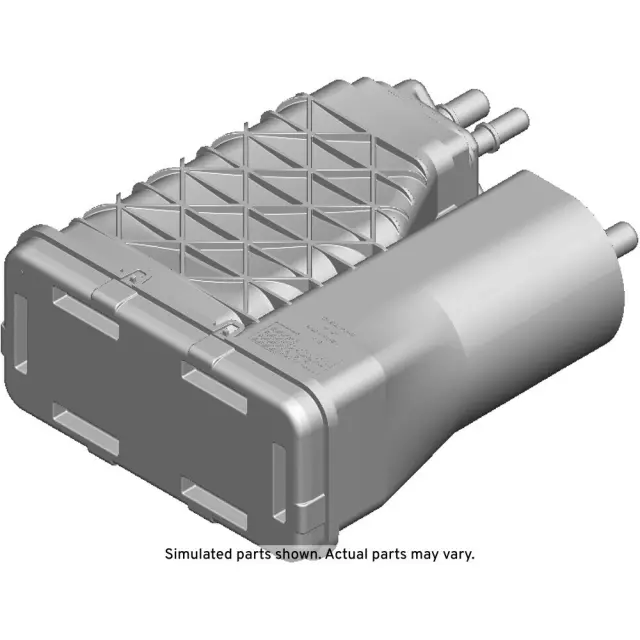
Used OEM Parts in Stock

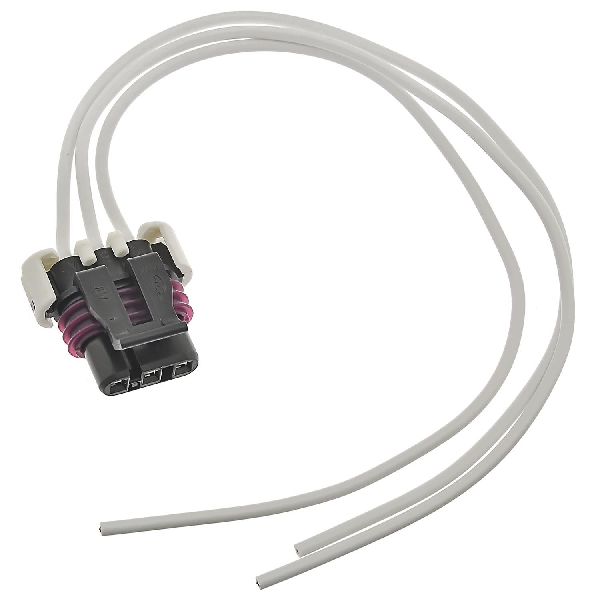
New Aftermarket Parts Available


The information in this article is provided for general reference and educational purposes only. Vehicle specifications, procedures, and part compatibility can vary by production date, trim level, and region. Always consult your vehicle's factory service manual and verify part numbers before purchasing or performing repairs. Safety-critical components such as airbags, seat belts, and braking systems should be installed by a qualified professional.
- Chevrolet EXPRESS:
- 🧭 Diagnostic Flowchart
- 🎬 Helpful Videos
- 🛍️ Shop This Part
- What's Unique About the 2000-2004 Chevrolet EXPRESS
- Symptoms You May Notice
- Most Likely Causes
- Rare But Worth Checking
- Diagnosis Steps
- Parts You'll Likely Need
- Related Codes That Often Appear With This One
- Technical Service Bulletins (TSBs) & Recalls
- Platform-Specific Known Issues
- Mechanic-Grade Diagnostic Values
- Hidden / Shadow Codes Worth Checking
- Scan Tool Commands That Help
- Wiring & Ground Locations
- Real Owner Repair Stories
- "I Checked Everything" — The Actual Cause
- OEM Part Supersession History
- Model Year Variations Within This Range
- 🎟️ Get 5% Off