

P0442 on 2016-2022 Chevrolet Spark: EVAP Small Leak Causes and Fixes
For a 2016-2022 Chevy Spark, code P0442 is most often caused by a loose or faulty gas cap. If tightening or replacing the gas cap (~$15-$30) doesn't work, the next most likely culprit is a failed canister purge valve (~$27-$80), a common failure item. A smoke test is the most reliable way to find less obvious leaks.
- P0442 means your 2016-2022 Chevy Spark has a small leak in its fuel vapor system.
- Always check the gas cap first. Make sure it's tight and the seal is not cracked. This is the cheapest and most common fix.
- If the gas cap isn't the problem, the canister purge valve is the next most likely part to fail.
- You can continue to drive the car, but it will not pass an emissions inspection until the issue is resolved.
- A professional smoke test is the fastest way to find the leak if it's not obvious.
What's Unique About the 2016-2022 Chevrolet SPARK
The 2016-2022 Chevrolet Spark (M400 generation) uses a common and straightforward EVAP system design. There are no widespread, unique failures specific to the Spark that differ significantly from other GM vehicles like the Cruze or Trax which share similar components. However, the compact packaging of the engine bay and undercarriage can make accessing components like the vapor canister and vent valve slightly more challenging than on a larger truck or SUV. The provided TSBs confirm that standard diagnostic procedures for finding EVAP leaks apply directly to this model, with a focus on checking the purge and vent valves after confirming the gas cap is secure.
Diagnostic Flowchart
Tap your situation to follow the diagnostic path that matches what you're seeing on this vehicle.
Symptoms You May Notice
- Check Engine Light is illuminated.
- A faint fuel odor may be noticeable, though this is uncommon with a small leak.
- Difficulty refueling (fuel pump nozzle clicks off repeatedly) can occur if the vapor canister or vent valve is clogged, which can be related to other EVAP codes but is less common for a simple P0442 leak.
- Remote start may be disabled by the system when the Check Engine Light is on.
- Replacing the O2 sensors. O2 sensors are not related to the EVAP system.
- Replacing the charcoal canister when only a hose or valve is leaking. The canister itself is often just a box of charcoal and only fails if it's physically cracked or saturated with liquid fuel from overfilling the tank.
Most Likely Causes
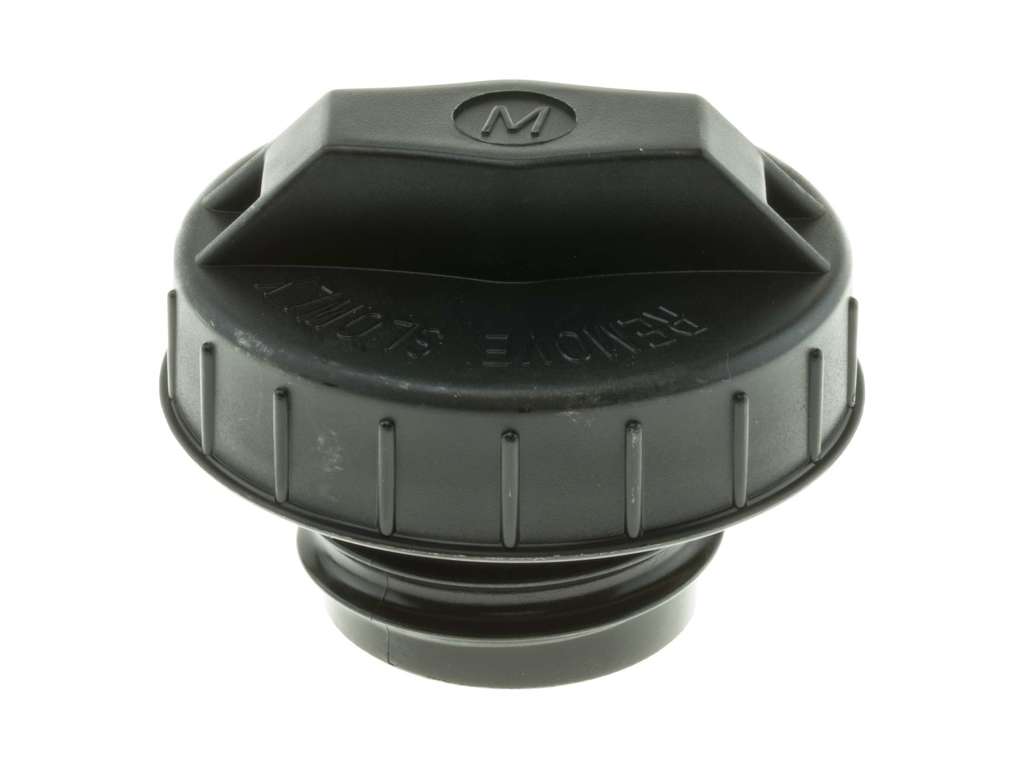
- Loose or Faulty Gas Cap 🔴 High Probability → Shop Fuel Tank Cap This is the most common cause for P0442 on almost all vehicles due to user error (not tightening until it clicks) or the natural wear of the cap's rubber seal over time. Aftermarket or locking gas caps are also frequently reported to cause sealing issues.
How to confirm: Ensure the gas cap is tightened until it clicks at least once. Inspect the rubber O-ring on the cap for any cracks, hardening, or damage. An OEM replacement is recommended as some aftermarket caps may not seal correctly.
Typical fix: Tighten the cap. If the code returns or the seal is visibly bad, replace the gas cap with a new OEM or equivalent part. After replacement, the code may take several drive cycles to clear.
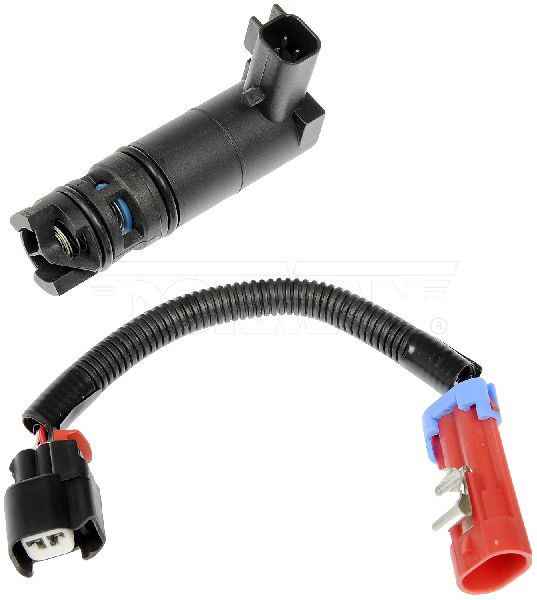
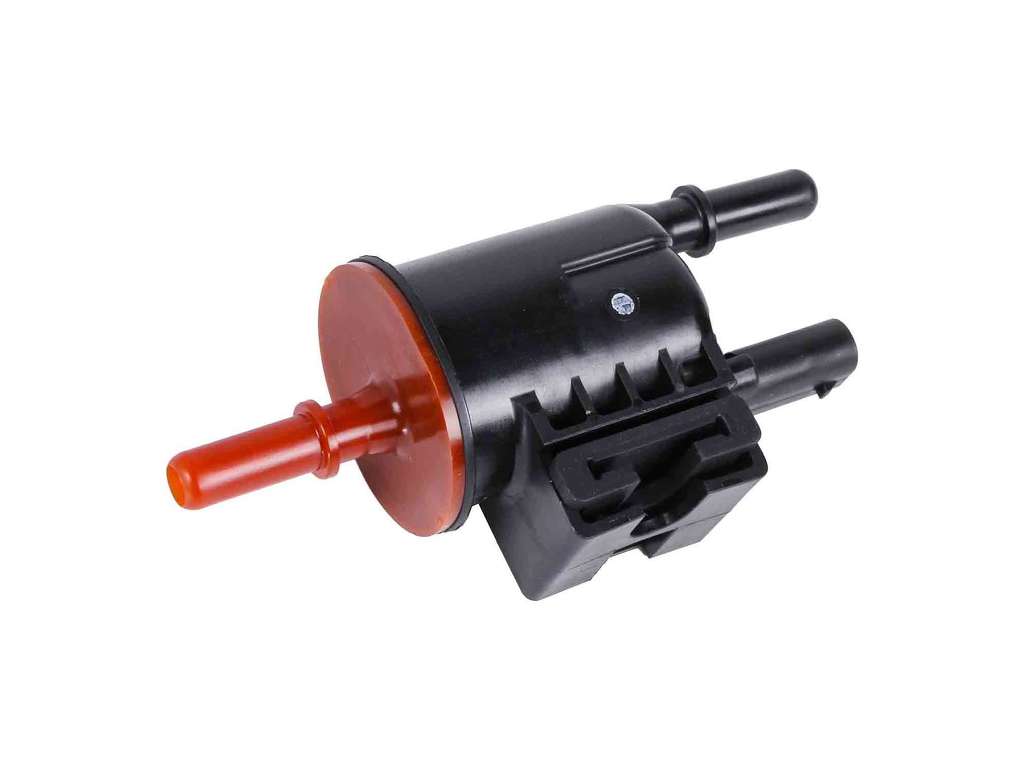
Est. part cost: $15-$30 - Faulty EVAP Canister Purge Valve (Solenoid) 🟡 Medium Probability → Shop Vapor Canister The purge valve, which controls the flow of vapors to the engine, cycles thousands of times and can get stuck open, closed, or develop a small leak in its diaphragm. It's a very common failure point on many modern GM vehicles, including the Spark and its relatives.
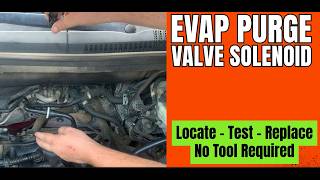
How to confirm: The purge valve is located in the engine bay, on the back of the intake manifold. 🎬 Watch: Easy purge valve solenoid fix you can do at home. With the engine off, you can remove the valve and try to blow through it; it should be closed and not allow air to pass. A more definitive test involves using a scan tool to command it open and closed while monitoring system pressure or applying a vacuum to see if it holds.
Typical fix: Replace the purge valve. It is typically held in place by one or two bolts and has two hose connections and one electrical connector, making it a relatively simple DIY job.
Est. part cost: $27-$80 - Cracked or Disconnected EVAP Hose 🟡 Medium Probability Rubber and plastic hoses in the engine bay and under the car are exposed to heat, vibration, and road debris, causing them to become brittle and crack over time. A small, hard-to-see crack is a classic cause of a P0442.
How to confirm: Visually inspect all accessible EVAP lines from the engine bay to the charcoal canister near the fuel tank. Look for obvious cracks, splits, or connections that have come loose. A smoke test is the most effective way to find a leak that isn't visually apparent.
Typical fix: Replace the damaged section of hose. Small cracks can sometimes be repaired, but replacement is the best long-term solution.
Est. part cost: $5-$30 for hose, clamps - Faulty EVAP Vent Valve/Solenoid ⚪ Low Probability → Shop Vapor Canister The vent valve, located near the charcoal canister under the rear of the car, is responsible for sealing the EVAP system for pressure testing. It's exposed to road grime and moisture, which can lead to corrosion and failure, preventing it from closing properly.
How to confirm: This valve is normally open and closes when the system runs its self-test. A scan tool can command it closed for testing. A smoke test will quickly reveal if the valve is leaking when it should be closed.
Typical fix: On the 2016-2022 Chevrolet Spark, the vent valve is typically integrated into the vapor canister assembly and is not sold separately. If the vent valve is the cause of the leak, the entire vapor canister assembly must be replaced. 🎬 See how to remove the charcoal canister without dropping the tank.
Est. part cost: $150-$220 (since the entire canister assembly must be replaced)
Rare But Worth Checking
- Cracked Charcoal Canister: → Shop Vapor Canister The plastic housing of the canister can be damaged by road debris or develop hairline cracks, causing a leak. This is almost always found with a smoke test.
- Leaking Fuel Tank or Filler Neck: → Shop Fuel Tank Rust or physical damage can cause a small leak in the fuel tank or the filler neck, which is part of the EVAP system. This is a more serious and expensive repair, often accompanied by a strong fuel smell.
- Faulty Fuel Tank Pressure (FTP) Sensor: → Shop Fuel Tank The sensor that monitors the EVAP system pressure can fail, leading the computer to believe there is a leak when there isn't one. This is uncommon and usually diagnosed after a smoke test shows no leaks.
Diagnosis Steps
- Check for other codes. If other EVAP codes like P0496 or P0449 are present, they can help narrow down the search significantly.
- Inspect the gas cap. Remove it, check the seal for cracks or hardness, and reinstall it, ensuring it clicks several times. Clear the code.
- Clear the code with a scanner and drive for a few days to see if it returns. Many drive cycles may be needed for the EVAP monitor to run again.
- If the code returns, perform a thorough visual inspection of all EVAP hoses and lines in the engine bay and under the vehicle, between the engine and the fuel tank.
- Inspect the purge valve in the engine bay (on the back of the intake manifold). Check for visible cracks and ensure connectors are secure. You can test it by removing it and seeing if you can blow air through it (you shouldn't be able to).
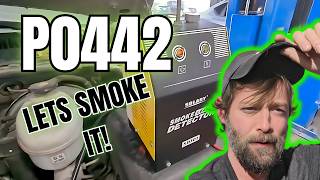
- If no obvious issues are found, the most effective next step is to have the system smoke tested. A mechanic will inject low-pressure smoke into the EVAP system via a service port, and the leak will be visible as smoke escapes 🎬 Watch this pro tip on finding small leaks with a smoke test. from the faulty component. This is the definitive way to find small, hidden leaks.
Parts You'll Likely Need
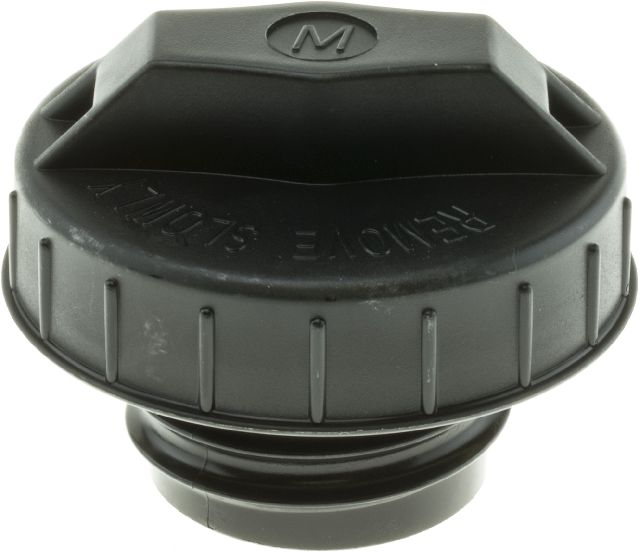
- Gas Cap
(OEM #13593347 (Supersedes to 13533534))— This is the most frequent cause. The seal wears out over time or the cap is not tightened correctly. Using an OEM cap is highly recommended for a proper seal.
Trusted brands: ACDelco (GM Genuine)
OEM price range: $20-$30
Aftermarket price range: $10-$20 - Vapor Canister Purge Valve
(OEM #12632174 (May be superseded by 12690512))— This is a common failure item that gets stuck or develops a leak, causing P0442 and sometimes P0496. It's a relatively easy part to access and replace.
Trusted brands: ACDelco, Dorman, Bosch
OEM price range: $50-$80
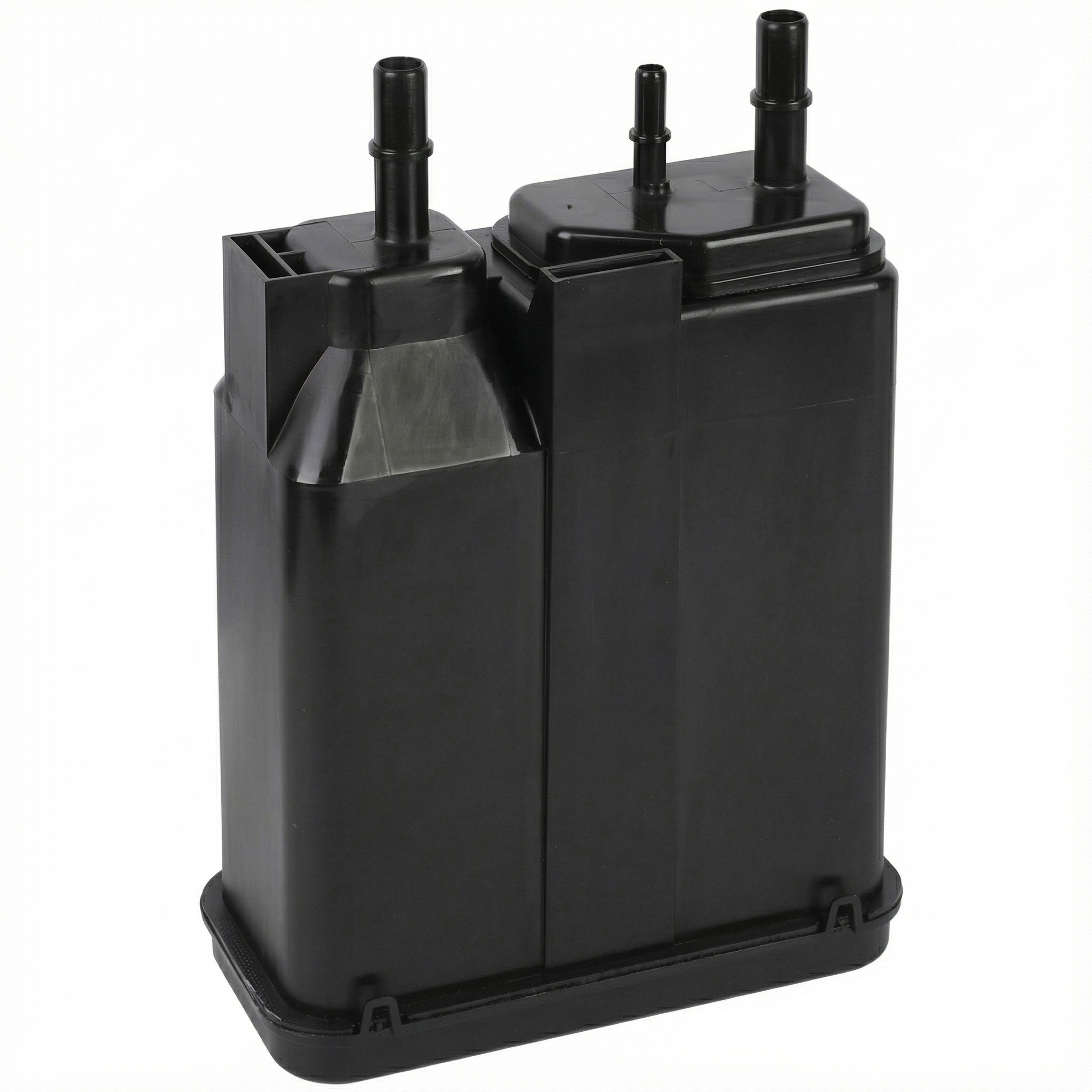
Aftermarket price range: $27-$60 - Vapor Canister
(OEM #42781707)— Replaced if the canister body is cracked or if the integrated vent valve has failed. Often damaged by over-filling the fuel tank or road debris.
Trusted brands: ACDelco
OEM price range: $150-$220
Aftermarket price range: $100-$160
Related Codes That Often Appear With This One
- P0455 — This code indicates a large EVAP leak. If both P0442 and P0455 are present, it may point to a component that has failed completely, like a gas cap left off or a large, disconnected hose.
- P0449 — This code specifically points to a fault in the vent valve/solenoid circuit. If seen with P0442, it strongly suggests the problem is with the vent valve or its wiring.
- P0496 — This indicates a high purge flow condition, often caused by a purge valve that is stuck open. A stuck-open purge valve will also cause a P0442 leak code, and seeing both together makes the purge valve the primary suspect.
Technical Service Bulletins (TSBs) & Recalls
- Bulletin #21-NA-124: Provides diagnostic tips for testing EVAP leaks related to DTCs P0442 and/or P0455. It advises a specific order of operations: check lines and connections first, then test the vent valve, and finally the purge valve.
- Bulletin #PIT4943D: Directs technicians to review a Techlink article on using an Evaporative Emissions System Tester (smoke machine) for diagnosing P0442. It emphasizes using the correct GM-approved tools to avoid misdiagnosis and testing for intermittent valve leaks by cycling them with a scan tool.
Platform-Specific Known Issues
- Purge Valve Location and Replacement: → Shop Vapor Canister On the 1.4L LV7 engine in the Spark, the purge valve is located on the rear of the intake manifold. Access is straightforward, typically requiring only the removal of a few clips and bolts.
Mechanic-Grade Diagnostic Values
- Fuel Tank Pressure (FTP) Sensor Signal Voltage — expected: 1.5 V at atmospheric pressure. Less than 1.5 V indicates positive pressure. More than 1.5 V indicates negative pressure (vacuum).. Failure: A voltage reading that is stuck or does not change appropriately when the system is tested may indicate a faulty sensor, even if no leak is present.
Scan Tool Commands That Help
- GDS2 (Global Diagnostic System 2): EVAP Service Bay Test — This is a guided diagnostic function that automatically commands the purge and vent valves to seal the system and then monitors the FTP sensor for pressure decay. It's the official GM procedure to confirm a leak exists before starting a manual search with a smoke machine.
- GDS2 (Global Diagnostic System 2): EVAP Purge/Seal — Allows a technician to manually command the vent solenoid closed and the purge solenoid open/closed to test individual component function and to seal the system for a smoke test.
Wiring & Ground Locations
- ECM Connector Pin 4 — On the main Engine Control Module (ECM).. This pin, typically a Dark Green/White wire with circuit number 428, is the control circuit for the EVAP Canister Purge Valve Solenoid. A technician can test for voltage/command signal at this pin to verify the ECM is attempting to control the valve, helping to distinguish between a wiring/ECM issue and a failed valve itself.
- Fuel Pump Relay (RLY3) — In the engine compartment fuse box.. While not directly part of the EVAP system, the fuel pump's operation is a prerequisite for the EVAP monitor to run. Ensuring this relay and its circuit are functioning is a background step in complex diagnoses.
Real Owner Repair Stories
- YouTube video by a professional technician (Chevrolet Tahoe (similar GM EVAP system)) — P0442 code for a small EVAP leak.
❌ Tried (didn't work) Full system smoke test, which showed no visible leaks from the gas cap, lines, vent valve, or charcoal canister.
✅ What actually fixed it The EVAP purge valve was faulty. Even though it wasn't leaking externally (which a smoke test would show), it was not sealing correctly internally, causing the small leak detected by the system's pressure sensor. Replacing the purge valve resolved the code.
"I Checked Everything" — The Actual Cause
- In some cases, a vehicle can pass a smoke test but still have a P0442 code. This often points to an intermittent or temperature-related leak in a valve. The most common culprit in this scenario is the EVAP purge valve, which may only leak internally when commanded under specific conditions not replicated during a static smoke test. Another possibility is a faulty Fuel Tank Pressure (FTP) sensor that is giving an incorrect reading, making the ECM believe there is a leak when the system is actually sealed.
OEM Part Supersession History
42622696→42781707— Standard part revision and supplier change over the model years.
Model Year Variations Within This Range
- 2016-2022: There are no significant documented changes to the function or primary components of the 1.4L LV7 EVAP system within this generation. A minor facelift in 2019 did not alter the emissions system components or their common failure points. Part numbers for valves and canisters remain consistent across the entire range.
Helpful Videos
Used OEM Parts in Stock
New Aftermarket Parts Available


The information in this article is provided for general reference and educational purposes only. Vehicle specifications, procedures, and part compatibility can vary by production date, trim level, and region. Always consult your vehicle's factory service manual and verify part numbers before purchasing or performing repairs. Safety-critical components such as airbags, seat belts, and braking systems should be installed by a qualified professional.
- Chevrolet SPARK:
- 🧭 Diagnostic Flowchart
- 🎬 Helpful Videos
- 🛍️ Shop This Part
- What's Unique About the 2016-2022 Chevrolet SPARK
- Symptoms You May Notice
- Most Likely Causes
- Rare But Worth Checking
- Diagnosis Steps
- Parts You'll Likely Need
- Related Codes That Often Appear With This One
- Technical Service Bulletins (TSBs) & Recalls
- Platform-Specific Known Issues
- Mechanic-Grade Diagnostic Values
- Scan Tool Commands That Help
- Wiring & Ground Locations
- Real Owner Repair Stories
- "I Checked Everything" — The Actual Cause
- OEM Part Supersession History
- Model Year Variations Within This Range
- 🎟️ Get 5% Off