

P0442 on 2011-2018 Chevrolet Volt: EVAP Small Leak Causes and Fixes
On a 2011-2018 Chevy Volt, the P0442 code is most often caused by a known issue where an EVAP pipe chafes and develops a small hole. The fix, covered by a GM service bulletin, involves inspecting the pipe, adding a protective bumper, and replacing the pipe if it's damaged.
- For a 2016-2018 Chevy Volt, P0442 is very likely caused by a chafed EVAP purge pipe, an issue covered by a GM recall.
- Before replacing any parts, inspect the EVAP purge pipe for signs of rubbing against an A/C hose.
- While a loose gas cap is a possible cause, do not assume it's the fix without first checking for the known pipe issue.
- A smoke test is the most reliable way to diagnose the leak if a visual inspection is inconclusive.
- The official fix involves installing a protective bumper on the pipe and replacing the pipe only if it's already damaged.
What's Unique About the 2011-2018 Chevrolet VOLT

The Chevrolet Volt, particularly from 2016-2019, is highly susceptible to a specific failure that causes the P0442 code. The EVAP purge pipe that connects to the inlet of the purge valve can rub against an air conditioning hose connector, eventually wearing a small hole in the pipe. This issue is so common that General Motors issued a voluntary emissions recall (N192273600) and multiple Technical Service Bulletins (TSBs) to address it. While other causes like a loose gas cap are possible, this chafing pipe is a well-documented weak point on the Gen 2 Volt and should be the first place to inspect.
Diagnostic Flowchart

Tap your situation to follow the diagnostic path that matches what you're seeing on this vehicle.
Generation note: The 2011-2018 year range covers two generations of the Chevrolet Volt (Gen 1: 2011-2015, Gen 2: 2016-2019). The most documented issue, a chafing EVAP pipe, is specifically called out in recalls and TSBs for the 2016-2019 models (Gen 2). However, general EVAP system components like purge valves, vent valves, and hoses can fail on either generation. A cracked fuel pump gasket has been noted as a rare cause on a 2014 Gen 1 model.
Symptoms You May Notice
- Check Engine Light is on
- Possible faint fuel smell (less common than with larger leaks)
- Difficulty starting immediately after refueling (if the purge valve is stuck open)
- Replacing the gas cap when the actual problem is the known chafing purge pipe on Gen 2 models.
- Replacing the purge valve or other components before performing a smoke test to pinpoint the actual leak location.
Most Likely Causes

- Worn/Chafed EVAP Purge Pipe 🔴 High Probability A design issue on 2016-2019 models allows the EVAP purge pipe to rub against an A/C hose connector near the purge valve, causing a hole to wear through over time. This is documented in GM recall N192273600 and TSB 17197.
How to confirm: Visually inspect the EVAP purge pipe where it runs near the A/C lines for signs of rubbing, chafing, or a visible hole. The contact point is on the underside of the pipe near the purge valve itself. A smoke test will definitively show smoke exiting from the damaged area.
Typical fix: Dealers will inspect the pipe, install a protective bumper (Part No. 84308760), and replace the purge pipe if it is already damaged. This repair is covered at no charge under the recall.
Est. part cost: $50-$150 - Loose or Faulty Gas Cap 🟡 Medium Probability → Shop Fuel Tank Cap This is a common cause for EVAP codes on all vehicles. The seal can degrade over time or the cap may not have been tightened properly after refueling. The capless fuel filler on some models can also have a faulty sealing flap.
How to confirm: Ensure the gas cap clicks several times when tightened. Inspect the rubber O-ring seal on the cap for cracks, hardening, or damage. For capless systems, inspect the filler neck flap for debris or damage.
Typical fix: Tighten the cap correctly. If the seal is bad, replace the gas cap with a new OEM part. Clean the filler neck sealing surface if it's corroded.
Est. part cost: $15-$40 - Faulty EVAP Purge Valve/Solenoid 🟡 Medium Probability → Shop Vapor Canister The purge valve is a moving part that can get stuck open or closed, or develop a leak over time. This is a common failure point in many modern EVAP systems.
How to confirm: With the engine off, the valve should be closed; if you can blow air through it, it has failed. A scan tool can command the valve to open and close while observing system pressure. A symptom of a stuck-open purge valve is a long crank or rough idle after refueling.
Typical fix: Replace the faulty purge valve. It is located on top of the engine and is relatively easy to access.
Est. part cost: $40-$300 - Faulty EVAP Vent Valve/Solenoid ⚪ Low Probability → Shop Vapor Canister Similar to the purge valve, the vent valve can fail and get stuck open, causing a leak to be detected. It is located near the charcoal canister.
How to confirm: A smoke test is the most effective method. With the vent valve commanded closed, smoke should not escape from it. If it does, the valve is faulty. It can also be bench-tested by applying power and seeing if it seals.
Typical fix: Replace the EVAP vent solenoid. On the Volt, this is often located near the rear of the vehicle, above the fuel tank.
Est. part cost: $30-$100 - Cracked or Disconnected EVAP Hose ⚪ Low Probability
How to confirm: Perform a visual inspection of all accessible EVAP lines, especially rubber elbows and connectors which can dry rot and crack. A smoke test is the best method to find small, hard-to-see cracks in hoses.
Typical fix: Replace the damaged section of hose or the entire line if necessary.
Est. part cost: $10-$50
Rare But Worth Checking
- Cracked Fuel Pump Gasket: → Shop Fuel Pump One owner of a 2014 Volt reported chasing a P0442 leak by replacing many parts, and eventually found the cause to be cracks on the fuel pump gasket mating surface on the tank itself. This was only found after dropping the fuel tank and required replacing the fuel pump assembly.
Diagnosis Steps

- Check the gas cap. Remove it, inspect the seal for damage, and reinstall it, ensuring it clicks multiple times. Clear the code and drive for a few days to see if it returns.
- For 2016-2019 models, perform a thorough visual inspection of the EVAP purge pipe, specifically looking for contact with an A/C hose as described in recall #N192273600. The rub point is on the underside of the pipe near the purge valve.
- Visually inspect all other accessible EVAP hoses and connections for obvious cracks, damage, or disconnections. Pay close attention to rubber elbows and plastic lines.
- If no obvious issues are found, the most effective diagnostic step is to have a smoke test performed. A machine fills the EVAP system with a harmless, visible smoke under low pressure.
- The smoke will escape from the leak point, making it easy to identify whether the cause is a cracked hose, a faulty valve, the purge pipe, or a bad seal.
- With a capable scan tool, command the EVAP purge and vent valves to close during the smoke test to verify they are sealing correctly. This helps isolate a leaking valve from a leaking hose.
Parts You'll Likely Need
- EVAP Emissions Purge Pipe
(OEM #84723370)— This part is known to chafe and develop a hole, which is the most specific and common cause for P0442 on the Gen 2 Volt. This part number supersedes previous versions 84266671 and 84606124.
Trusted brands: ACDelco, GM Genuine
OEM price range: $70-$150
Aftermarket price range: $50-$100 - EVAP Purge Pipe Protector/Bumper
(OEM #84308760)— This is the official part used in the recall to prevent the purge pipe from rubbing against other components. It is installed during the recall service.
Trusted brands: GM Genuine
OEM price range: $5-$15 - Vapor Canister Purge Valve
(OEM #12690512)— This valve controls the flow of fuel vapors to the engine and is a common failure item that can stick open and cause a leak. This part number is a common replacement for the original valve on many GM vehicles.
Trusted brands: ACDelco, Bosch
OEM price range: $40-$80
Aftermarket price range: $25-$50 - Fuel Cap
(OEM #19432734 (Example for similar GM vehicles))— A worn out or loose gas cap is a simple and common cause for all EVAP leak codes. Always recommend an OEM cap for best fit.
Trusted brands: ACDelco, Gates
OEM price range: $25-$40
Aftermarket price range: $15-$25
Related Codes That Often Appear With This One
- P0455 — P0455 indicates a large EVAP leak. It can appear alongside P0442 if a small leak worsens or if the system has multiple leak points. TSB #21NA124 addresses diagnostics for both codes.
- P0449 — P0449 indicates an issue with the EVAP vent valve solenoid circuit. If this code is present with P0442, it strongly suggests the vent valve is the source of the problem.
Technical Service Bulletins (TSBs) & Recalls
- N192273600: Voluntary emissions recall for 2016-2019 models where the EVAP pipe chafes against an A/C hose, causing a small hole and setting code P0442.
- 17197: Details the concern of a hose contacting the EVAP purge pipe on 2016-2017 models, wearing a hole, and causing P0442. The fix is to install a bumper (84308760) and/or replace the pipe (84266671, later superseded).
- 21NA124: Provides general diagnostic tips for finding EVAP leaks that cause P0442 and P0
Platform-Specific Known Issues
- A voluntary emissions recall (#N192273600) was issued for 2016-2019 models because the EVAP pipe can rub against an A/C hose, causing a chafe that leads to a small hole and triggers code P0442. The fix is performed at no charge by dealers.
- TSB #17197 also describes this issue for 2016-2017 models, instructing dealers to inspect the pipe for wear, install a bumper, and replace the pipe if necessary.
Mechanic-Grade Diagnostic Values
- EVAP Purge or Vent Solenoid Coil Resistance — expected: 20-50 Ohms. Failure: A reading of 0 Ohms indicates a short, while an infinite (O.L.) reading indicates an open circuit in the coil.
- EVAP Solenoid Connector Voltage (Ground-Side Switched) — expected: With the key on and connector unplugged, both pins should read 12V relative to a good ground.. Failure: Reading 12V on the power feed pin but 0V on the control pin indicates an open circuit inside the solenoid's coil.
Scan Tool Commands That Help
- GDS2 (GM Global Diagnostic System 2): EVAP Purge/Seal — During a smoke test, a technician can use this function to command the purge and vent solenoids to open or close, helping to isolate a leak to a specific component or section of the EVAP system. TSB 21-NA-124 recommends cycling the solenoids with GDS2 to check for sticking valves.
Wiring & Ground Locations
- EVAP Canister Purge Solenoid — Located directly on top of the engine, typically held by a single 10mm bolt, making it very easy to access after removing the plastic engine cover.. This is a primary component for testing. Knowing its accessible location allows for quick electrical tests (resistance, voltage) and replacement.
- EVAP Canister Vent Solenoid — Located at the rear of the vehicle near the charcoal canister and fuel tank. On Gen 1 models (e.g., 2013), it is under a protective plastic skid plate that must be removed for access.. This valve is a common failure point but is harder to access than the purge valve. A fault here can cause the P0442 code, and its location is critical for diagnosis and replacement.
Real Owner Repair Stories
- Reddit user in /r/MechanicAdvice (2014 Chevrolet Volt (Gen 1)) — Persistent P0442 code.
❌ Tried (didn't work) Replaced gas cap, Replaced vent valve, Replaced purge valve, Replaced charcoal canister with sensor, Replaced emissions vacuum pump, Performed smoke test which found no visible leaks, though pressure would bleed down.
✅ What actually fixed it After isolating the system and confirming the tank side would not hold pressure, the owner dropped the fuel tank and found the fuel pump gasket mating surface on the plastic tank itself had multiple cracks. Replacing the fuel pump assembly (which includes the gasket surface) resolved the leak.
"I Checked Everything" — The Actual Cause
- In one documented case on a 2014 Volt, a smoke test showed no visible leaks, yet the system would not hold pressure. The root cause was found to be fine cracks on the fuel pump's plastic gasket mating surface on the fuel tank itself. This type of leak can be missed by a low-pressure smoke test and was only discovered after dropping the tank for a close inspection.
When the Usual Fixes Don't Work
- While the chafing purge pipe is the most common cause on Gen 2 Volts, and a loose gas cap is a common cause on all vehicles, there are confirmed cases where neither was the issue. One 2014 Volt owner replaced nearly every component in the EVAP system and passed a smoke test, only to find the true cause was cracks in the plastic fuel tank itself where the fuel pump assembly mounts, a repair that required dropping the tank.
OEM Part Supersession History
12610560, 12661763→12690512— Standard part evolution and consolidation for the Vapor Canister Purge Valve across many GM models.84266671, 84606124→84723370— Updated design for the EVAP Emissions Purge Pipe, likely to improve durability or routing related to the chafing issue.
Model Year Variations Within This Range
- 2016-2018 (Gen 2): These models are subject to recall N192273600 and TSB 17197 for an EVAP purge pipe that chafes against an A/C line. This is the most common cause of P0442 on Gen 2 Volts.
- 2011-2015 (Gen 1): The EVAP vent valve is located under a protective plastic cover at the rear of the vehicle that must be removed for service. These models are not affected by the chafing pipe issue but are susceptible to general EVAP component failures like valves, hoses, and in rare cases, fuel tank cracks.
Used OEM Parts in Stock
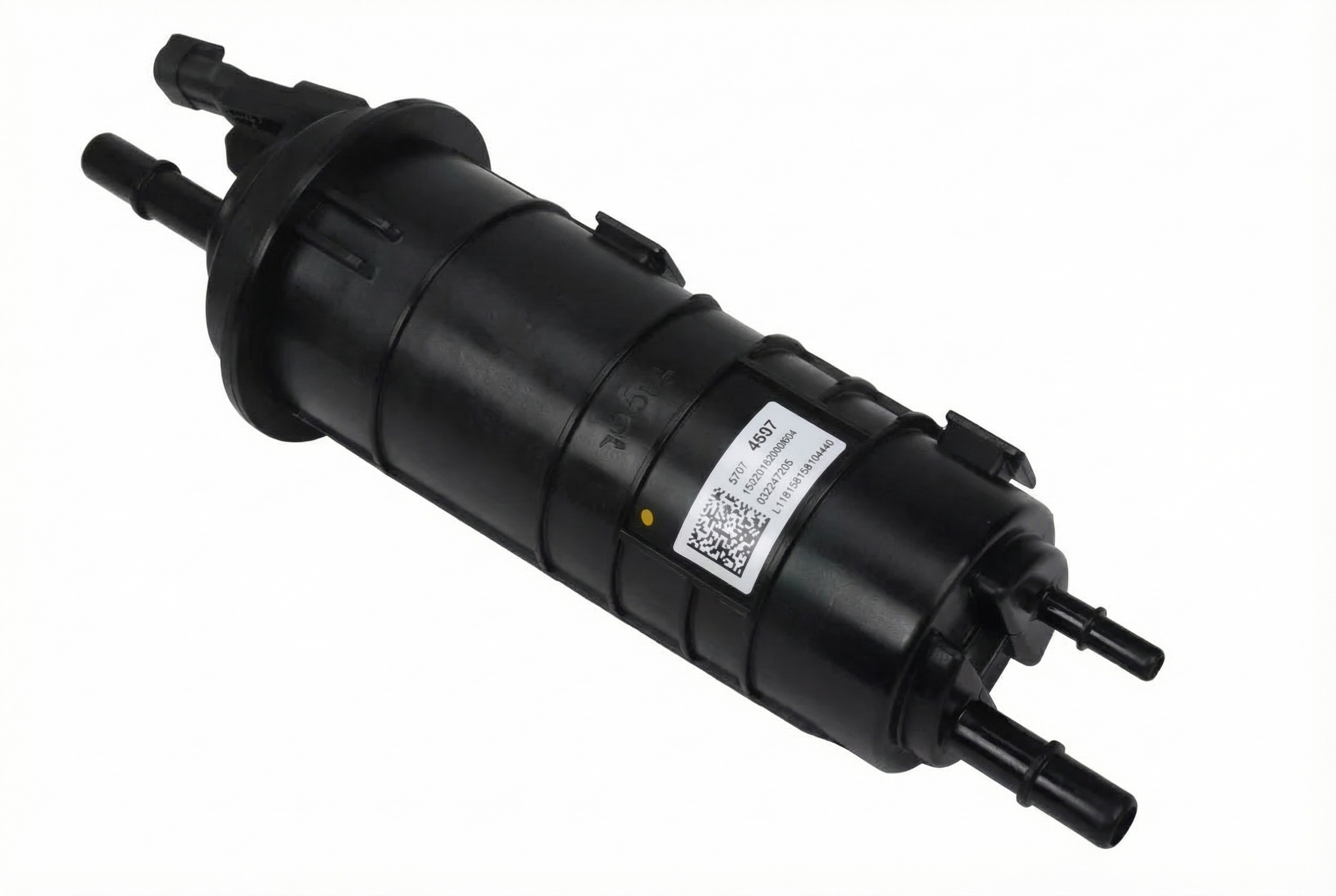

New Aftermarket Parts Available


The information in this article is provided for general reference and educational purposes only. Vehicle specifications, procedures, and part compatibility can vary by production date, trim level, and region. Always consult your vehicle's factory service manual and verify part numbers before purchasing or performing repairs. Safety-critical components such as airbags, seat belts, and braking systems should be installed by a qualified professional.
- Chevrolet VOLT:
- 🧭 Diagnostic Flowchart
- 🛍️ Shop This Part
- What's Unique About the 2011-2018 Chevrolet VOLT
- Symptoms You May Notice
- Most Likely Causes
- Rare But Worth Checking
- Diagnosis Steps
- Parts You'll Likely Need
- Related Codes That Often Appear With This One
- Technical Service Bulletins (TSBs) & Recalls
- Platform-Specific Known Issues
- Mechanic-Grade Diagnostic Values
- Scan Tool Commands That Help
- Wiring & Ground Locations
- Real Owner Repair Stories
- "I Checked Everything" — The Actual Cause
- When the Usual Fixes Don't Work
- OEM Part Supersession History
- Model Year Variations Within This Range
- 🎟️ Get 5% Off