

P0442 on 1999-2004 Chrysler 300M: Causes and Fixes for a Small EVAP Leak
For a 1999-2004 Chrysler 300M, the P0442 code is most often caused by a loose or faulty gas cap. If that's not the issue, check for cracked rubber EVAP hoses, which are common on this aging platform, particularly the lines running from the canister to the engine. A new OEM Mopar gas cap costs around $20-$40. A smoke test is the most reliable way to find the exact source of the leak.
- P0442 indicates a small leak in the fuel vapor recovery system.
- Always start with the simplest fix: check that the gas cap is tight and its seal is intact. This resolves the issue a majority of the time.
- On a 20+ year-old 300M, cracked rubber EVAP hoses are a very high-probability cause. Inspect them carefully.
- If the simple fixes don't work, a smoke test is the most reliable way to find the leak's source without guessing and replacing unnecessary parts.
- This code will not stop you from driving the car, but it will cause an automatic failure on an emissions test.
What's Unique About the 1999-2004 Chrysler 300M
The Chrysler 300M and other vehicles on the LH platform from this era (like the Dodge Intrepid and Chrysler Concorde) use a specific component called a Leak Detection Pump (LDP) to test the EVAP system's integrity. This LDP itself is a known failure point on many Chrysler products and can be the source of the P0442 code. Additionally, due to the age of these vehicles, the rubber hoses throughout the EVAP system are highly susceptible to drying out, cracking, and causing the small leaks that trigger this code. Forum users on platforms like ChryslerForum have noted that hoses near the top of the fuel tank can be particularly prone to failure.
Symptoms You May Notice
- Check Engine Light is on.
- A faint fuel odor may be present, especially when parked in an enclosed space like a garage.
- No noticeable impact on vehicle performance or drivability.
- In some cases, if the purge valve is stuck open, the car may be difficult to start immediately after refueling due to fuel vapors flooding the engine.
- Replacing the O2 sensors. O2 sensors are not related to the EVAP system and will not fix a P0442 code.
- Replacing the catalytic converter. This is an expensive repair for exhaust issues (like P0420) and has no connection to the EVAP system.
Most Likely Causes
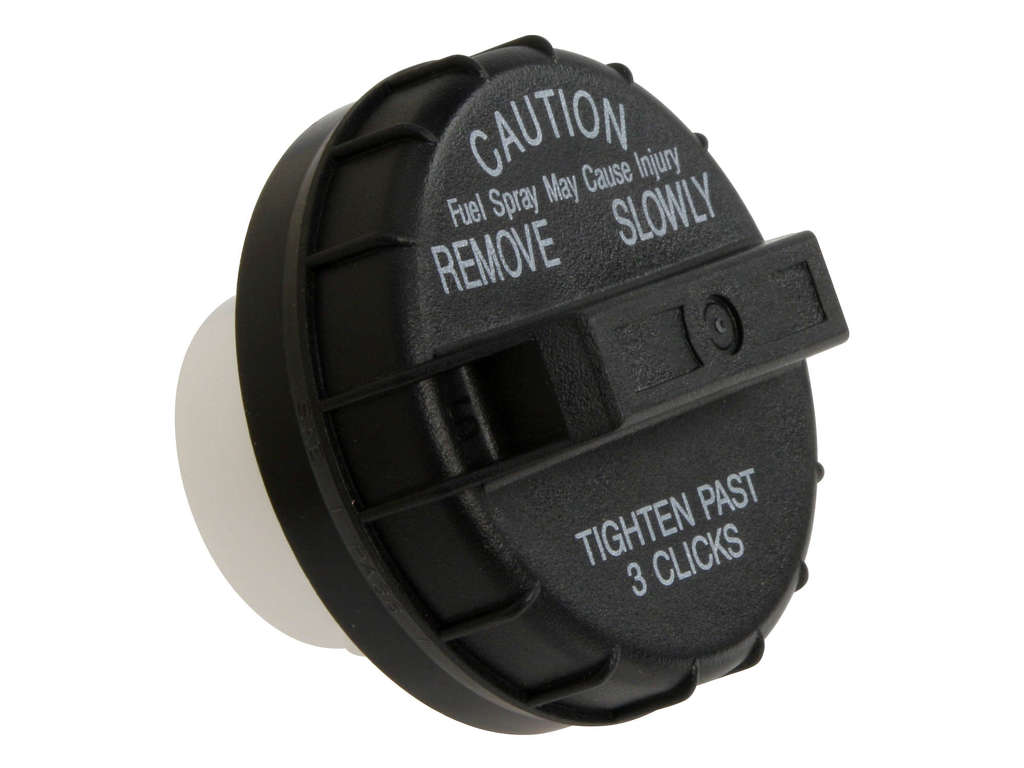
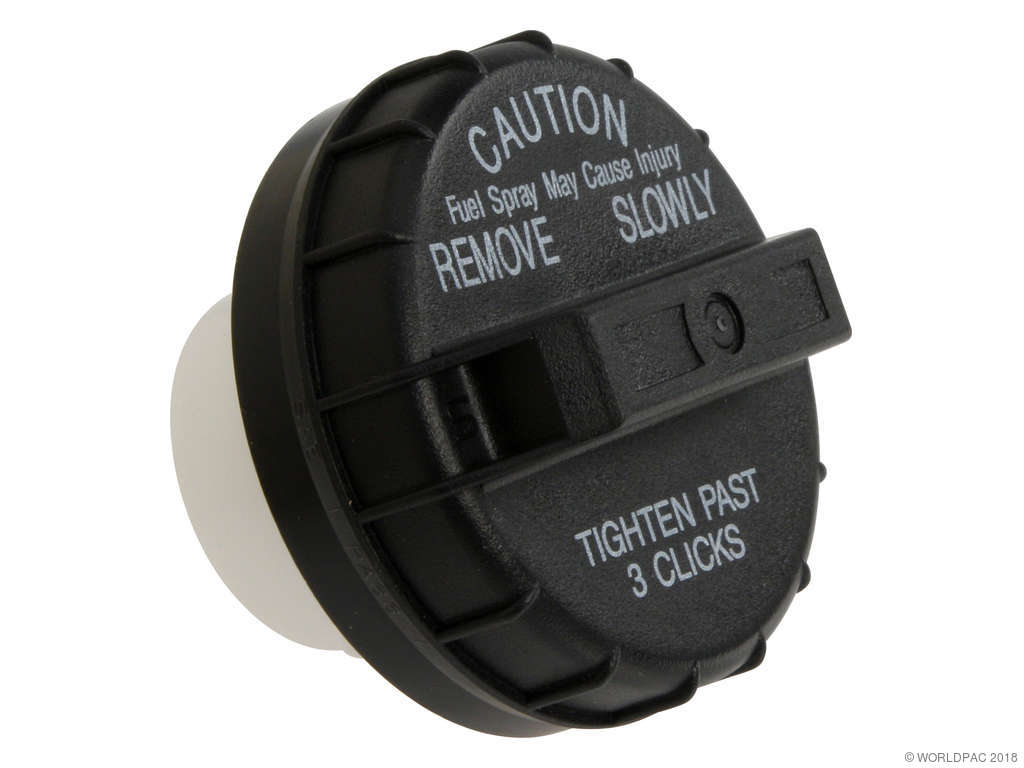
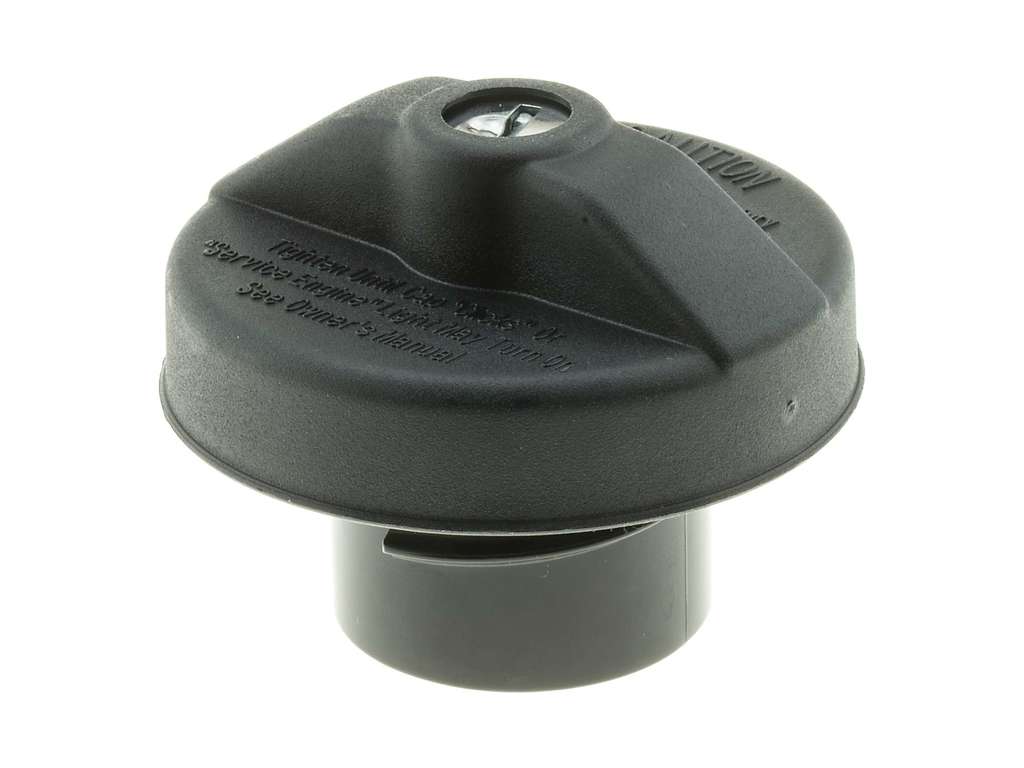
- Loose, Worn, or Incorrect Gas Cap 🔴 High Probability → Shop Fuel Tank Cap This is the most common cause for a P0442 code on almost any vehicle, including the 300M. The rubber seal on the cap can crack or degrade over time, preventing a proper seal. Using a non-OEM cap can also cause sealing issues.
How to confirm: Ensure the cap is tightened until it clicks several times. Inspect the rubber O-ring or seal on the cap for any cracks, stiffness, or damage. Check the fuel filler neck for rust or debris that could prevent a good seal; cleaning the surface with a wire brush can help.
Typical fix: Tighten the cap. If the seal is damaged or the cap is not the correct OEM-spec part, replace it with a genuine Mopar part for best results.
Est. part cost: $15-$40 - Cracked or Disconnected EVAP Hoses 🔴 High Probability As a vehicle from the 1999-2004 model years, its rubber and plastic components have been exposed to heat and time, making them brittle and prone to cracking. These hoses run the length of the car, from the tank to the engine bay.
How to confirm: Visually inspect all accessible EVAP lines, especially the rubber elbows and connectors near the engine's purge solenoid and back by the charcoal canister. Bend the hoses slightly to reveal hidden cracks. A forum user reported finding a burnt plastic hose on the top right side of the fuel tank causing this code.
Typical fix: Replace the cracked section of hose or the damaged connector. Small hose sections are inexpensive and can be purchased at any auto parts store.
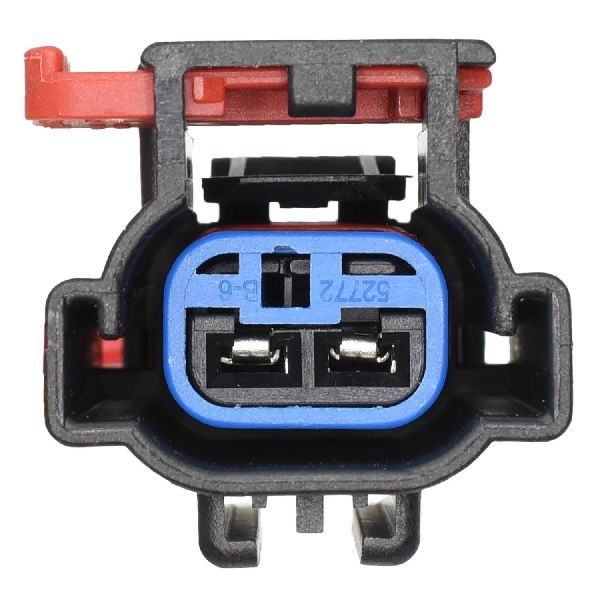
Est. part cost: $5-$50 - Faulty EVAP Purge Solenoid/Valve 🟡 Medium Probability → Shop Vapor Canister This valve is constantly working while the engine runs and can fail by getting stuck partially open, creating a small leak path. This is a common failure part across many Chrysler models.
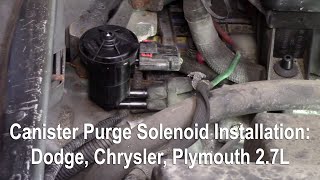
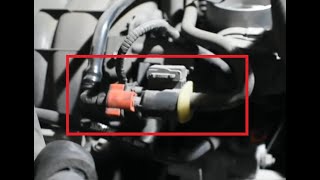
How to confirm: With the engine off, remove the valve and try to blow through it; it should be closed and not allow air to pass. A scan tool can also be used to command the valve open and closed to check for proper function. It is typically located on the passenger side of the engine bay near the firewall. 🎬 Watch: How to install a new purge solenoid on this engine.
Typical fix: Replace the purge solenoid. An OEM part is recommended.
Est. part cost: $30-$90 - Faulty Leak Detection Pump (LDP) 🟡 Medium Probability → Shop Evaporative Emissions System Leak Detection Pump This is a known common failure item on Chrysler products of this era. The internal diaphragm can fail, or the seals can leak, causing the system to fail its self-test.
How to confirm: Diagnosis often requires a bi-directional scan tool to activate the pump and monitor system pressure. A smoke test is the most effective way to reveal a leak at the LDP housing or its connections. The LDP is located near the charcoal canister in the rear of the vehicle.
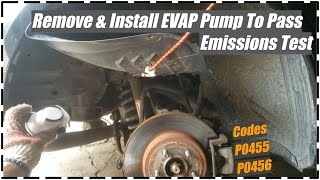
Typical fix: Replace the Leak Detection Pump assembly. 🎬 See this detailed walkthrough on removing the leak detection pump.
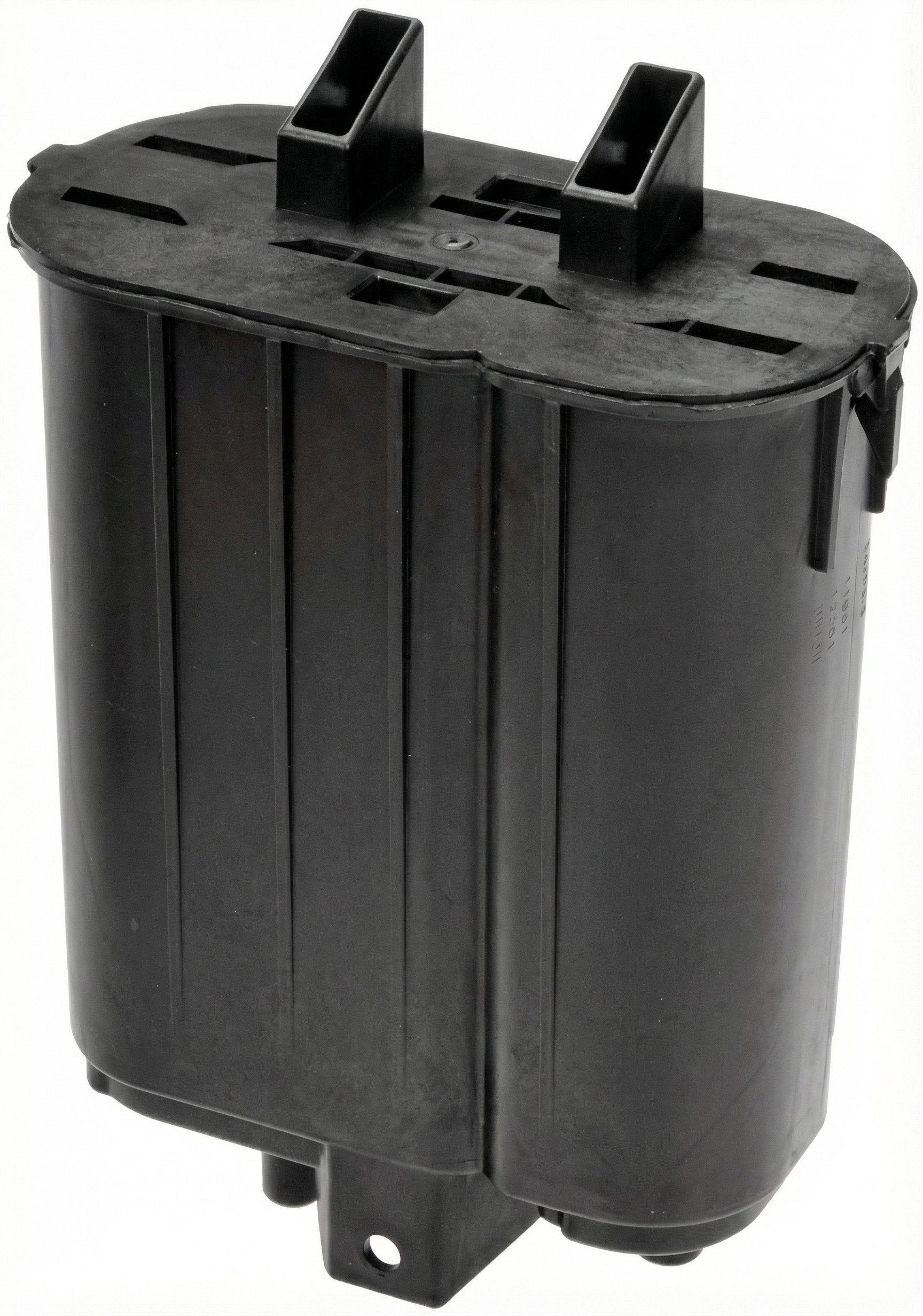
Est. part cost: $70-$150 - Cracked EVAP Charcoal Canister ⚪ Low Probability → Shop Vapor Canister The plastic housing of the canister can develop hairline cracks from age, vibration, or impact from road debris.
How to confirm: A smoke test is the most effective way to confirm a leak in the canister body. A visual inspection may reveal obvious cracks. The canister is located in the rear of the vehicle, near the spare tire well.
Typical fix: Replace the charcoal canister.
Est. part cost: $100-$200
Rare But Worth Checking
- Rusted Fuel Filler Neck: → Shop Fuel Filler Neck In areas where road salt is used, the metal fuel filler neck can rust through, creating a leak where the gas cap seals or along the pipe itself. This prevents the cap from making a proper seal and will trigger the P0442 code. Replacement filler necks are available.
- Leaking Fuel Tank Gasket: → Shop Fuel Tank The gasket for the fuel pump/sending unit on top of the gas tank can degrade and cause a small leak. This is more likely if the fuel pump has been replaced previously.
Diagnosis Steps
- Read the code with an OBD-II scanner to confirm P0442 is the only code present.
- Inspect the gas cap. Remove it, check the seal for cracks, and ensure it's the correct OEM part for the vehicle. Clean the fuel filler neck sealing surface with a wire brush if corroded. Reinstall the cap, making sure it clicks several times.
- Clear the code and drive the vehicle for a few days to see if the light returns. Some vehicles require a specific drive cycle of up to 200 miles to re-run the EVAP monitor.
- If the code returns, perform a thorough visual inspection of all EVAP hoses and lines, from the engine bay to the charcoal canister near the fuel tank. Pay close attention to rubber elbows and connection points, especially on top of the fuel tank.
- Locate the purge solenoid in the engine bay (passenger side, near firewall) and inspect its connections. Test for proper operation by attempting to blow through it when de-energized; it should be closed.
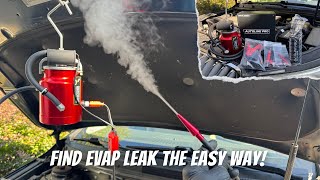
- If no visible leaks are found, the most effective next step is to have a smoke test performed. This involves injecting pressurized smoke into the EVAP system and looking for where it escapes. 🎬 Watch: How to find small leaks using a smoke machine.
- The smoke test will pinpoint the exact location of the leak, whether it's a tiny hose crack, the purge valve, the LDP, the canister, or the fuel tank itself. This is the most reliable diagnostic method.
Parts You'll Likely Need
- Fuel Cap
(OEM #52124512AA (replaces 5278632AG))— This is the most frequent cause of a P0442 code due to its seal wearing out over time. An OEM cap is strongly recommended for a proper seal.
Trusted brands: Mopar, Stant
OEM price range: $20-$40
Aftermarket price range: $15-$25 - EVAP System Purge Solenoid
(OEM #4669569)— A common failure point that can get stuck open, causing a persistent small leak. Aftermarket versions are available from multiple brands.
Trusted brands: Mopar, Dorman, Standard Motor Products (SMP), API
OEM price range: $50-$90
Aftermarket price range: $30-$70 - EVAP System Leak Detection Pump (LDP)
(OEM #4891391AA)— This Chrysler-specific part is a known weak point and a common source of EVAP leaks on this platform.
Trusted brands: Mopar, Bosch
OEM price range: $100-$180
Aftermarket price range: $70-$150 - EVAP Vacuum Hose — The rubber hoses become brittle and crack with age, representing a very high-probability failure on a 20+ year old vehicle. Hoses can be bought by the foot and cut to size.
OEM price range: $10-$50
Aftermarket price range: $5-$25
Technical Service Bulletins (TSBs) & Recalls
- While no specific TSB for the 300M and P0442 was found, a general GM bulletin (21-NA-124) for P0442 highlights the importance of checking for properly seated EVAP line connections and verifying purge/vent valve function, which is directly applicable.
Platform-Specific Known Issues
- Hoses on top of the fuel tank are a common, but difficult to access, failure point. A user on a Chrysler forum reported finding a 'burnt' plastic hose in this location that solved their P0442 code.
- The purge solenoid is located on the passenger side of the engine bay, near the firewall, and can be difficult to remove if stuck.
- The charcoal canister and Leak Detection Pump (LDP) are located in the rear of the vehicle, near the spare tire well and driver's side rear wheel.
Mechanic-Grade Diagnostic Values
- EVAP Purge Solenoid/Valve Coil Resistance — expected: 15 to 30 Ohms. Failure: A reading far outside this range, such as infinite resistance (open circuit) or zero resistance (short circuit), indicates a faulty solenoid coil.
Scan Tool Commands That Help
- Chrysler DRB III or equivalent bidirectional scanner: EVAP System Test / Vent Valve Actuation — This command is used to manually close the EVAP vent valve, which is normally open when the vehicle is off. Sealing the system this way is a required first step before performing a smoke test, allowing the system to be pressurized and leaks to be found.
Wiring & Ground Locations
- EVAP/Purge Solenoid — Located in the engine bay, attached to a bracket near the air cleaner assembly.. This solenoid is a common failure point. Knowing its location is critical for visual inspection, electrical testing, and replacement.
- Leak Detection Pump (LDP) — Located at the rear of the vehicle, mounted on the EVAP canister's upper bracket, which is near the fuel tank.. The LDP is a Chrysler-specific component that is a frequent cause of P0442. Accessing it requires lifting the rear of the vehicle.
- G106 — A primary ground point located behind the left (driver's side) headlamp assembly.. The Powertrain Control Module (PCM) and various engine sensors rely on clean ground connections. A corroded or loose G106 ground could potentially cause erratic behavior in the EVAP monitoring system, although it is not a primary cause for a leak code.
Model Year Variations Within This Range
- 2002-2004: The 300M 'Special' trim was introduced, featuring a performance-tuned suspension and a slight horsepower increase to 255 HP. However, it used the same 3.5L V6 engine block and core EVAP system, making the diagnosis for P0442 identical to the base model.
Diagnostic Flowchart
Real Owner Stories
Aggregated from forums and TSBs cited above. Mileages and costs reflect what owners reported in those sources.
2001 Chrysler 300M
Symptoms: Check Engine Light on, failed smog test due to MIL functional test. Disconnected battery but drove only 50 miles before smog check.
What fixed it: The user had not yet found a fix and was advised to continue driving to allow emission monitors to set. Diagnostic dead ends included checking for a loose gas cap and visually inspecting under-hood hoses.
Source hint: smogtips.com - P0442 2001 Chrysler 300M P0442 EVAP Trouble Code
1999-2004 Chrysler 300M
Symptoms: Check Engine Light illuminated with a P0442 code.
What fixed it: Replaced a 'burnt' plastic EVAP hose located on the top right side of the fuel tank, which is a difficult-to-access failure point.
Source hint: Chrysler forum user report
1999-2004 Chrysler 300M
Symptoms: Persistent P0442 code due to EVAP system failing its self-test.
What fixed it: Replaced the Leak Detection Pump (LDP) assembly. This was corroborated as a very common failure on Chrysler products of this era due to internal diaphragm or seal failure.
Source hint: RepairPal
Related OBD-II Codes
Frequently Asked Questions
Where is the EVAP purge solenoid located on my 1999-2004 Chrysler 300M?
I replaced the gas cap on my 300M, but the P0442 code came back. What is the most common failure point specific to this car?
Where are the charcoal canister and Leak Detection Pump (LDP) located on the 300M?
Will an aftermarket gas cap work to fix the P0442 code on my Chrysler 300M?
Are there any specific TSBs for the Chrysler 300M regarding the P0442 code?
Why is my 300M hard to start immediately after refueling?
Helpful Videos
![How to Fix P0442 Engine Code in 7 Minutes [6 DIY Methods / Under $3.67]](https://img.youtube.com/vi/KISPTedKJmQ/mqdefault.jpg)
Used OEM Parts in Stock
New Aftermarket Parts Available


The information in this article is provided for general reference and educational purposes only. Vehicle specifications, procedures, and part compatibility can vary by production date, trim level, and region. Always consult your vehicle's factory service manual and verify part numbers before purchasing or performing repairs. Safety-critical components such as airbags, seat belts, and braking systems should be installed by a qualified professional.
- Chrysler 300M:
- 🧭 Diagnostic Flowchart
- 🎬 Helpful Videos
- 🛍️ Shop This Part
- What's Unique About the 1999-2004 Chrysler 300M
- Symptoms You May Notice
- Most Likely Causes
- Rare But Worth Checking
- Diagnosis Steps
- Parts You'll Likely Need
- Technical Service Bulletins (TSBs) & Recalls
- Platform-Specific Known Issues
- Mechanic-Grade Diagnostic Values
- Scan Tool Commands That Help
- Wiring & Ground Locations
- Model Year Variations Within This Range
- Real Owner Stories
- 2001 Chrysler 300M
- 1999-2004 Chrysler 300M
- 1999-2004 Chrysler 300M
- Related OBD-II Codes
- Frequently Asked Questions
- 🎟️ Get 5% Off