

P0442 on 2011-2023 Dodge Charger: Causes and Fixes for an EVAP Small Leak
For a P0442 code on a Dodge Charger, the most likely fix is simply tightening or replacing the gas cap. If the light returns, the next most common culprit is a faulty EVAP purge valve located in the engine bay. A new OEM Mopar gas cap costs around $20-$35, and a purge valve is about $25-$60.
- Always start with the simplest fix: check that your gas cap is tight. If the light comes back, replace the gas cap with an OEM part.
- If the gas cap isn't the issue, the EVAP purge valve is the next most likely part to have failed. Listen for a long crank after getting gas as a key clue.
- Do not replace random parts. If the gas cap and purge valve are good, a smoke test is the most cost-effective way to find the exact location of the leak.
- This code will cause an automatic failure on an emissions test, so it needs to be resolved to keep the vehicle registration current in most states.
What's Unique About the 2011-2023 Dodge Charger
On the 2011-2023 Dodge Charger, P0442 issues are very frequently traced back to just two components: the gas cap and the EVAP purge valve. While EVAP systems are complex, owner experiences with this platform show these two parts fail more often than others. The other key component, the leak detection pump (ESIM), is consistently located in the rear passenger-side wheel well across this entire model year range, making it predictable to find if a smoke test leads you there. A video from "Know Your Parts" on YouTube demonstrates this exact location and replacement process on a Charger.
Generation note: The 2011-2023 Dodge Charger is the seventh (LD) generation. It received a major facelift for the 2015 model year, changing its exterior and interior styling. However, the fundamental EVAP system components and their locations, such as the purge valve and rear-mounted charcoal canister/leak detection pump, remain consistent across this year range. The platform is shared with the Dodge Challenger and Chrysler 300, which exhibit identical P0442 failure patterns.
Symptoms You May Notice
- Check Engine Light is on.
- A faint smell of fuel, particularly around the rear of the car (less common).
- Difficulty starting or a long cranking time immediately after refueling (this specifically points towards a faulty, stuck-open purge valve).
- Needing to clear the code repeatedly, only for it to return after a few weeks, is a common owner complaint.
- Replacing the fuel tank pressure sensor. While this sensor is part of the EVAP system, it is more likely to set its own specific fault codes (like P0451-P0454) if it fails, rather than a P0442 leak code.
- Replacing the oxygen sensors. O2 sensors are part of the exhaust system and have no direct relationship with the EVAP system.
- Overfilling the fuel tank. While repeatedly overfilling can saturate the charcoal canister and potentially lead to other EVAP codes or drivability issues, it is not a direct cause of a leak code like P0442.
Most Likely Causes
- Loose, Worn, or Incorrect Gas Cap 🔴 High Probability → Shop Fuel Tank Cap The gas cap is a frequently used part, and its rubber O-ring seal naturally degrades over time from exposure to fuel vapors and weather, leading to a poor seal. Using a non-OEM, aftermarket cap is a very common trigger for this code, as they often don't seal correctly.
How to confirm: First, ensure the cap is tightened until it clicks several times. Clear the code and drive for a few days. If the light returns, remove the cap and inspect the rubber seal for cracks, stiffness, or damage. A cracked o-ring is a definitive sign the cap is bad.
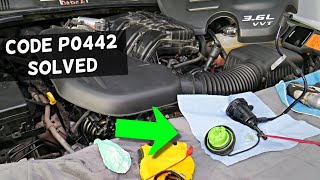
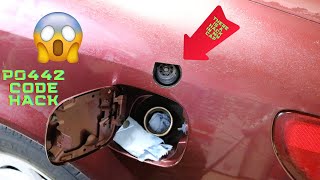
Typical fix: Replace the gas cap with a new, OEM (Mopar) part to ensure a perfect seal. This is the cheapest and easiest first step. 🎬 Watch: Step-by-step guide to fixing P0442 with a gas cap.
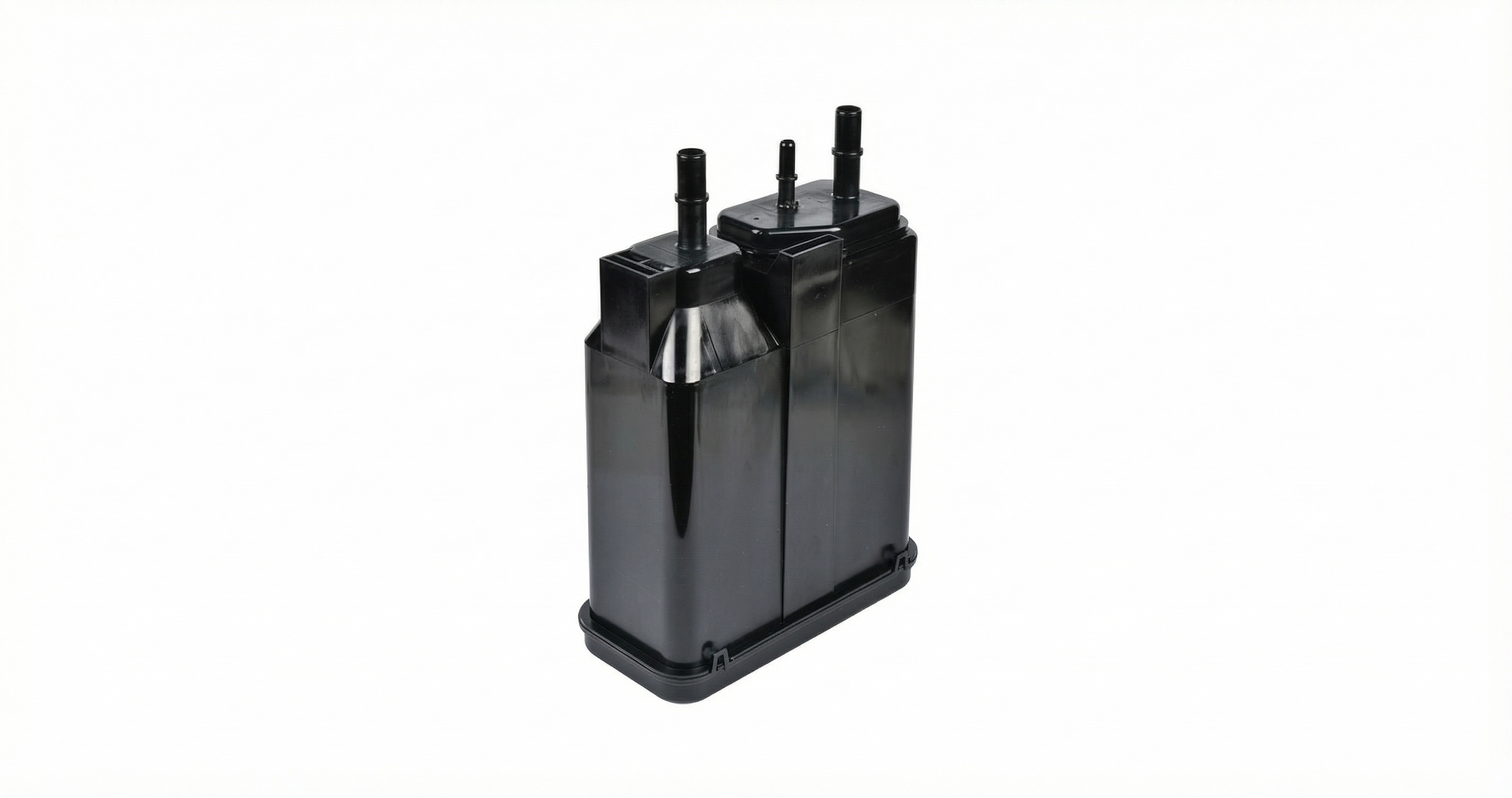
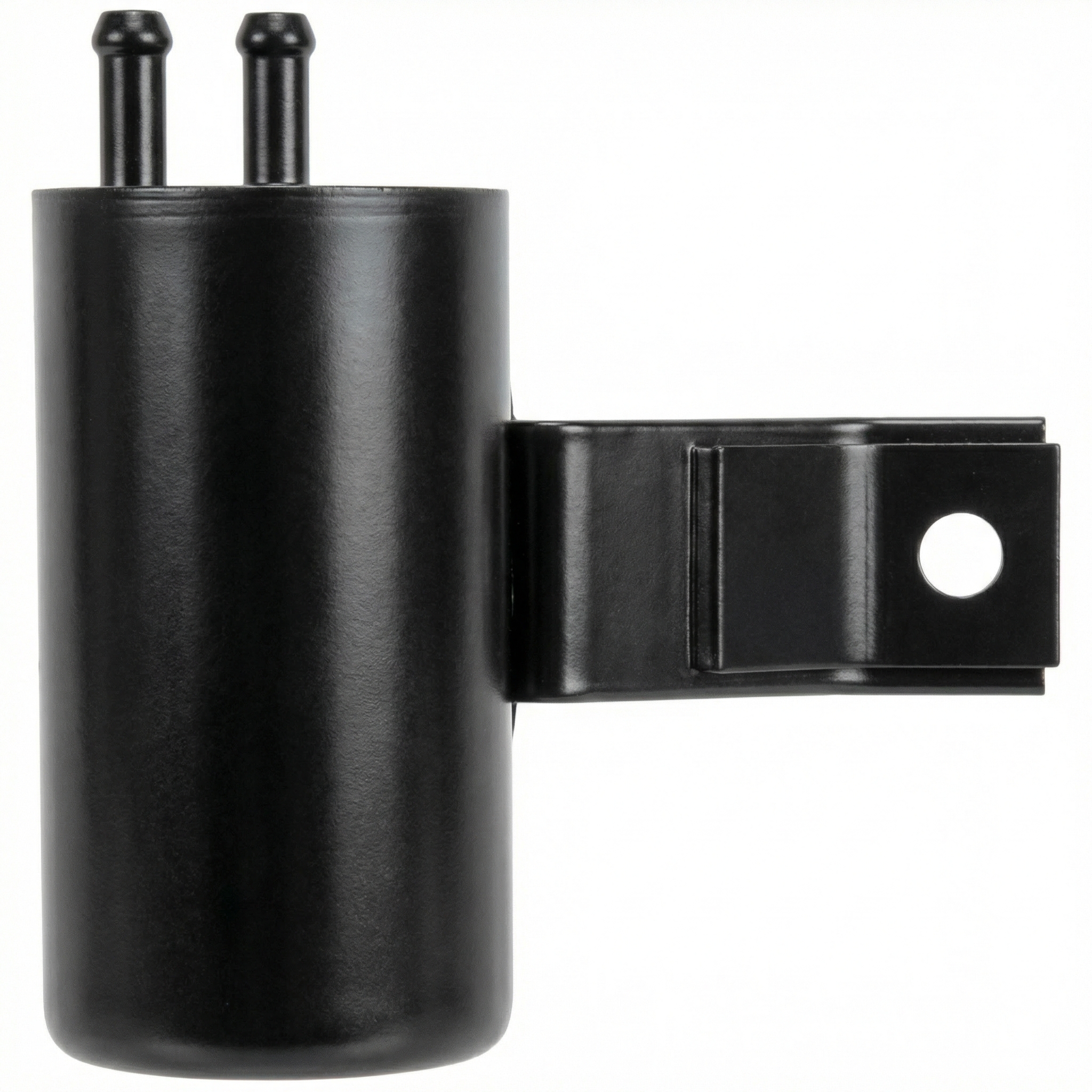
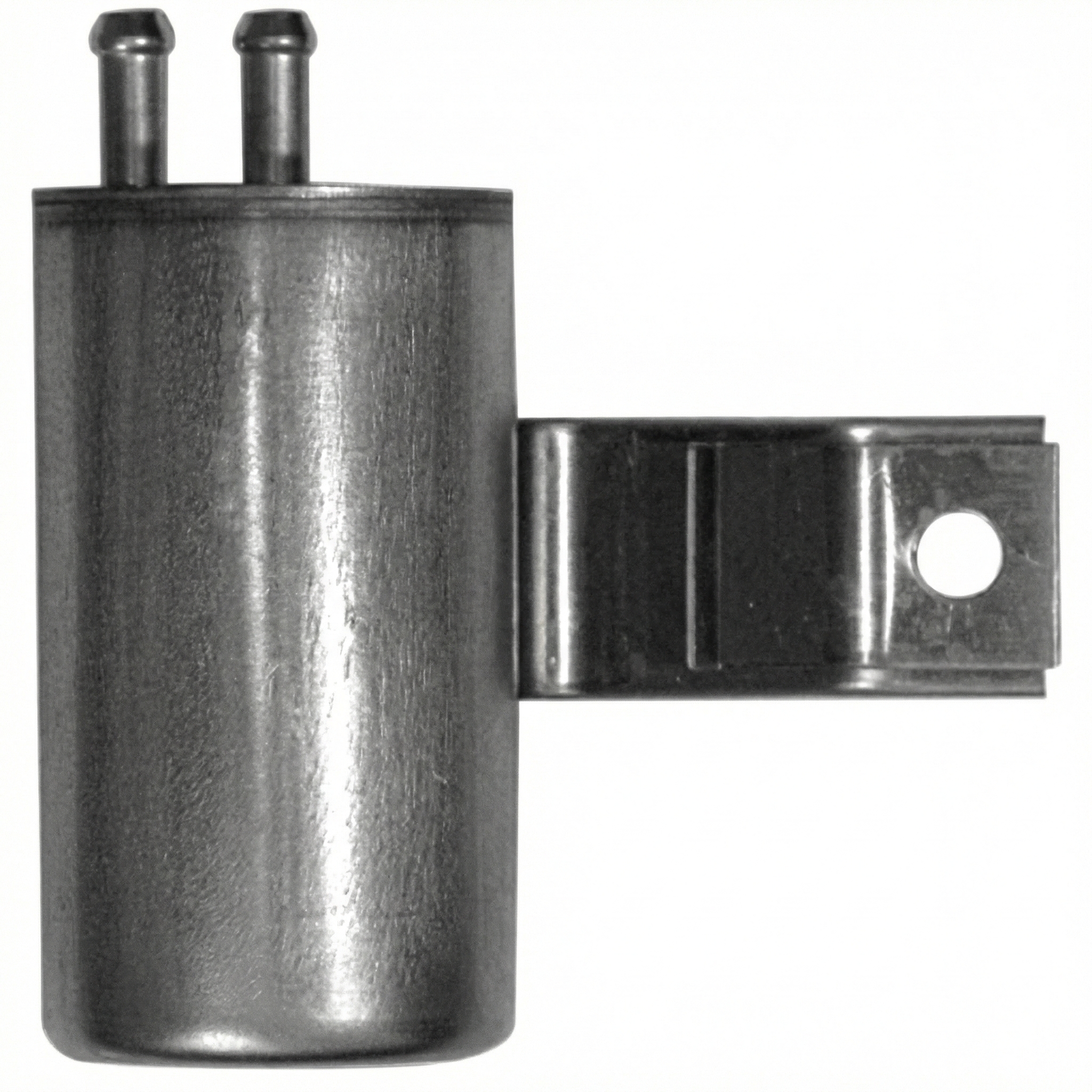
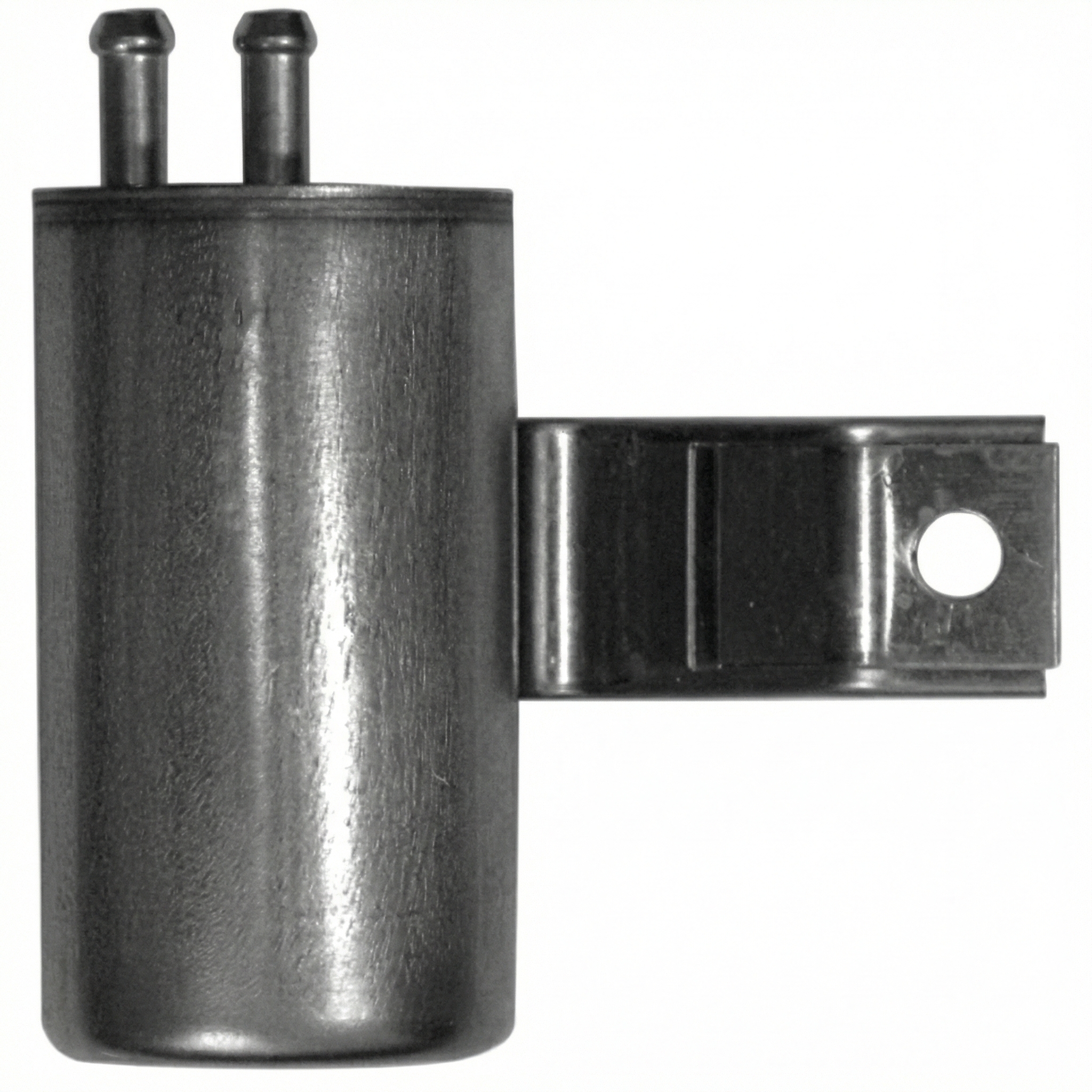
Est. part cost: $20-$35 - Faulty EVAP Purge Valve / Solenoid 🟡 Medium Probability → Shop Vapor Canister The purge valve is an electromechanical part that cycles frequently. Over time, it can weaken and fail to close completely, creating a small, permanent leak in the system. This is a common failure point on many Chrysler/Dodge vehicles and their platform mates.
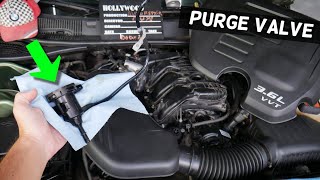
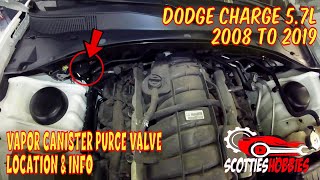
How to confirm: The valve is typically located in the engine bay, on top of the engine. A key symptom is a long crank after refueling. To test it, disconnect the valve and try to blow through it; if air passes, it's stuck open and faulty. A mechanic can also command it open and closed with a scan tool to check its function.
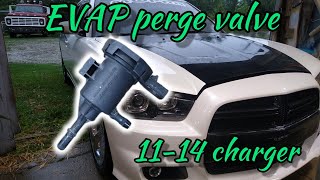
Typical fix: Replace the purge valve. It is usually held by one or two bolts and has two hoses and an electrical connector, making it a straightforward DIY job. 🎬 See this walkthrough for replacing the 5.7 Hemi purge valve.
Est. part cost: $25-$60 - Cracked or Disconnected EVAP Hoses 🟡 Medium Probability
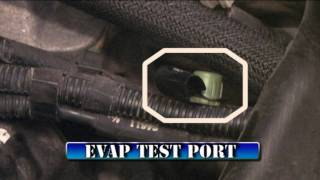
How to confirm: Visually inspect all accessible EVAP lines running from the engine bay to the rear of the vehicle for any obvious cracks, brittleness, or loose connections. The definitive method is to have a mechanic perform a smoke test, which forces smoke through the EVAP system and makes even the smallest leak visible. 🎬 Watch: How to find a small EVAP leak using smoke. Smoke will be seen escaping from the point of the leak.
Typical fix: Replace the cracked section of hose or the entire hose assembly if the damage is extensive. Ensure all connections are secure.
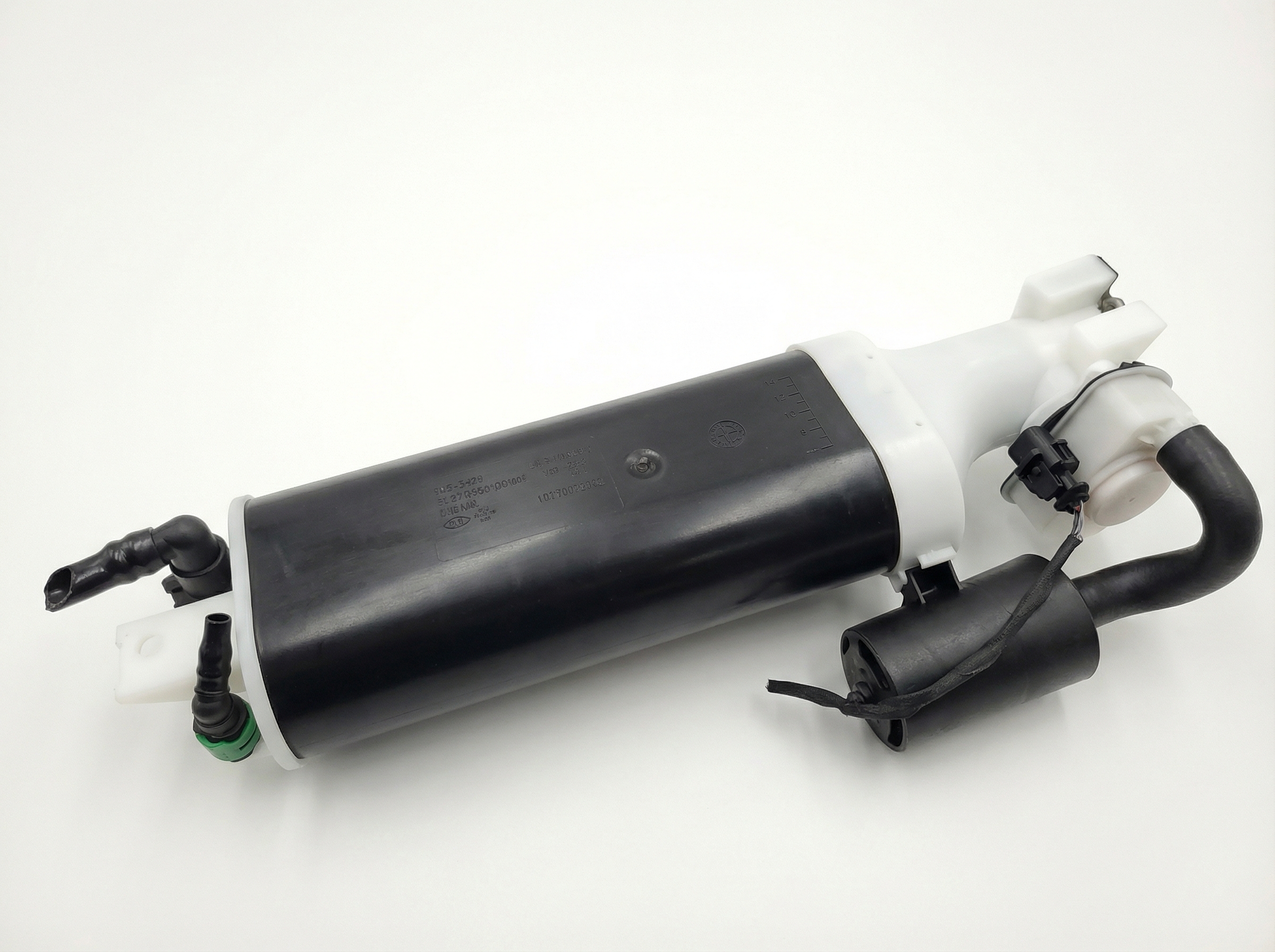
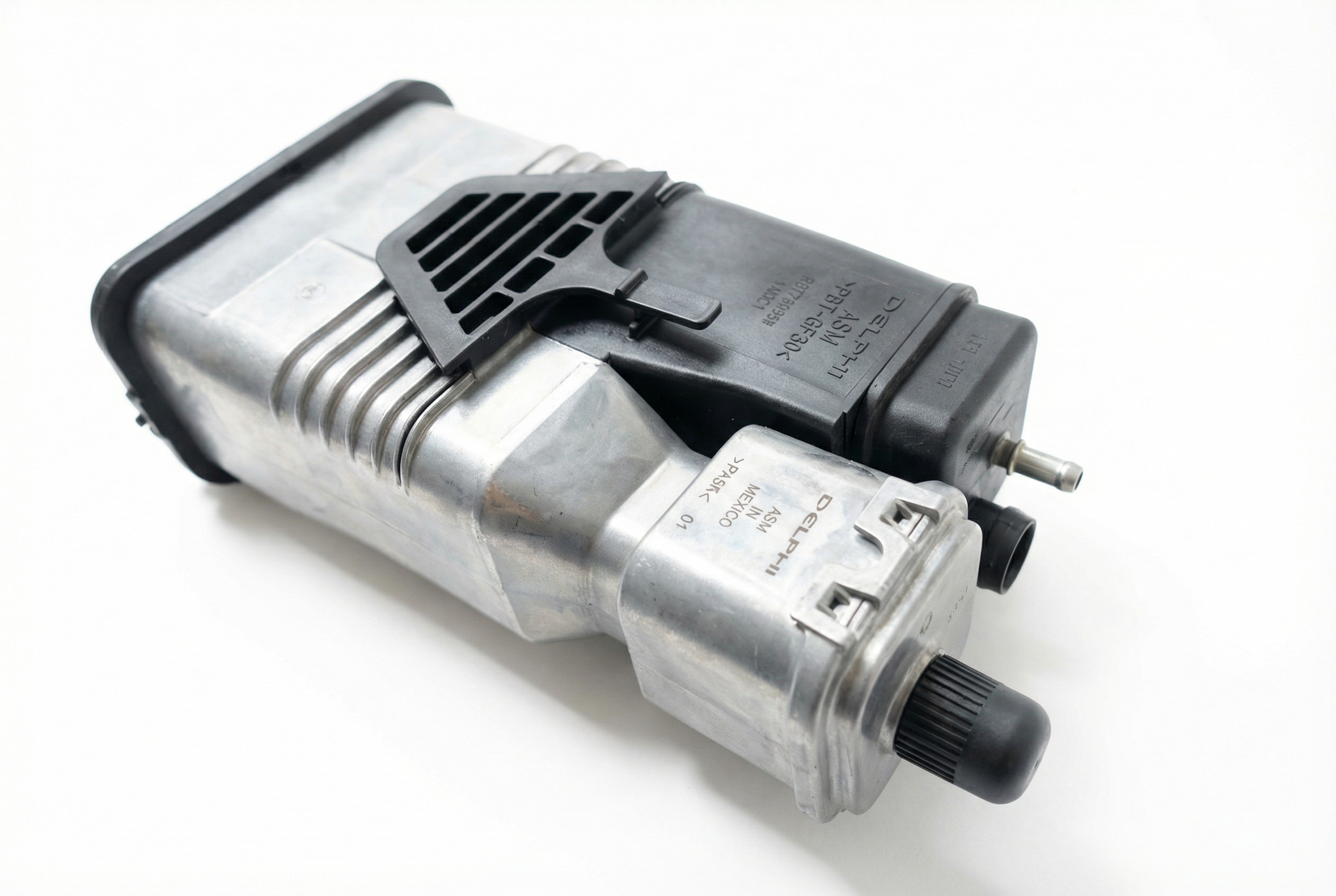
Est. part cost: $10-$60 - Faulty Leak Detection Pump (ESIM) or Seal ⚪ Low Probability → Shop Evaporative Emissions System Leak Detection Pump This component, also called an Evaporative System Integrity Monitor (ESIM), is located in the rear passenger wheel well area, often on top of the charcoal canister. The internal diaphragm can fail, or the O-ring that seals it to the canister can dry out and crack, causing a leak. The seal itself is a common failure point.
How to confirm: This is typically found with a smoke test, where smoke will be seen escaping from the pump housing or its seal. Access requires removing the rear passenger wheel and fender liner. A YouTube video by user "boosted Scat" shows the replacement process on a 2013 Charger.
Typical fix: Replace the leak detection pump module and its sealing O-ring. This requires removing the rear passenger wheel and fender liner for access. It is critical to install the new ESIM in the correct orientation as it contains weighted switches.
Est. part cost: $30-$70
Rare But Worth Checking
- Cracked Charcoal Canister: → Shop Vapor Canister The plastic body of the charcoal canister itself can develop hairline cracks from road debris impact or age, creating a leak. This is usually found during a smoke test.
- Cracked Fuel Filler Neck: → Shop Fuel Filler Neck The pipe leading from the gas cap to the fuel tank can rust or crack, causing an EVAP leak. This is more common in regions with heavy road salt use and can sometimes cause a visible fuel leak when refueling.
Diagnosis Steps
- Check the Gas Cap: Remove and reinstall the gas cap, ensuring it clicks multiple times. Clear the code. If it returns, inspect the cap's rubber seal for damage and replace it with an OEM Mopar part if it looks worn.
- Visual Inspection: Carefully inspect all visible EVAP hoses and lines in the engine bay and under the car. Look for any signs of cracking, brittleness, or loose connections, especially at connection points.
- Test the Purge Valve: Locate the purge valve in the engine bay. Disconnect it and attempt to blow through it. If air passes, the valve is stuck open and must be replaced. A stuck-open purge valve can also cause difficulty starting after refueling.
- Perform a Smoke Test: If the previous steps do not reveal the cause, the most effective next step is a smoke test. A machine is used to fill the EVAP system with a harmless, visible smoke. The leak will be identified by where the smoke escapes. Pay close attention to the leak detection pump (ESIM) area in the rear passenger wheel well, the fuel filler neck, and all hose connections during this test.
- Inspect Components Identified by Smoke Test: Once the smoke reveals the leak's location (e.g., a hose, the charcoal canister, or the ESIM pump), replace the faulty component.
Parts You'll Likely Need
- Fuel Cap
(OEM #52129436AF (example, verify for specific year))— This is the most common cause of a P0442 code due to its seal wearing out over time. Always use an OEM Mopar cap for best results.
Trusted brands: Mopar
OEM price range: $20-$35
Aftermarket price range: $10-$25 - EVAP Purge Valve / Solenoid
(OEM #4627694AB (V6/V8, 2015+), 04891741AA (V6/V8, ~2011-2017), 4891738AD (V6, ~2016-2019))— This valve frequently gets stuck partially open, causing a persistent small leak. Part numbers vary by engine and year.
Trusted brands: Mopar, Bosch, Standard Motor Products, Autopart Premium
OEM price range: $40-$60
Aftermarket price range: $25-$50 - EVAP Leak Detection Pump (ESIM)
(OEM #04862314AD (example, verify for specific year))— The seal on this pump can fail, or the pump itself can malfunction, creating a leak. It's a common failure point found during a smoke test.
Trusted brands: Mopar, Dorman
OEM price range: $50-$80
Aftermarket price range: $30-$70 - ESIM to Canister Seal / O-Ring
(OEM #52129436AB)— Often, only the rubber O-ring that seals the ESIM to the charcoal canister fails. This is a cheap part that can solve the leak without replacing the entire ESIM pump.
Trusted brands: Mopar
OEM price range: $5-$15
Aftermarket price range: $5-$10
Related Codes That Often Appear With This One
- P0456 — P0456 indicates a 'very small leak.' You might see this code along with P0442 if the leak is on the borderline between the two detection thresholds.
- P0455 — P0455 indicates a 'large leak.' If a small leak from a cracked hose or failing seal suddenly gets worse, it can trigger a P0455 code.
Technical Service Bulletins (TSBs) & Recalls
- UB4 - Emissions Recall for Evaporative Emissions Canister on 2015-2016 models.
Platform-Specific Known Issues
- Emissions Recall UB4 was issued for 2015-2016 Dodge Chargers because the evaporative emissions canister might not absorb enough fuel vapors, but this typically sets other codes, not P0442.
Mechanic-Grade Diagnostic Values
- Fuel Tank Pressure (FTP) Sensor Voltage — expected: Approximately 1.5 Volts with the system at atmospheric pressure (engine running, system vented).. Failure: A reading that does not change when the EVAP system is sealed and a vacuum is applied via a scan tool command may indicate a faulty sensor or a significant leak.
Scan Tool Commands That Help
- wiTECH (Chrysler/Dodge/Jeep OEM tool) or equivalent advanced scanner: EVAP System Test / Purge/Seal Test — This function is used to command the EVAP vent valve closed and the purge valve open, applying engine vacuum to the entire system. The scan tool then monitors the Fuel Tank Pressure (FTP) sensor to see if the system holds the vacuum. A rapid loss of vacuum confirms a leak is present without needing a smoke machine for initial verification.
- wiTECH or equivalent advanced scanner: Vent Valve Control — During a smoke test, the vent valve is normally open. This command allows the technician to close the vent valve electronically, sealing the system so the smoke machine can build pressure and reveal leaks. This is critical for accurately performing a smoke test.
Wiring & Ground Locations
- G300 — Below the left (driver's side) 'B' pillar.. While not directly part of the EVAP circuit, poor chassis grounds can cause erratic behavior in various electronic modules and sensors. Ensuring the main body grounds like G300 are clean and secure is a good practice if electrical issues are suspected with EVAP components.
- Battery Negative to Chassis Ground — The main battery is in the trunk, next to the spare tire. There is a primary ground connection there. An auxiliary negative terminal post for jumping is located in the engine bay.. The entire EVAP system relies on a stable ground reference. The purge solenoid and ESIM pump are controlled by the PCM, which needs a solid ground to function correctly. A poor main ground could theoretically cause intermittent faults in these components.
Real Owner Repair Stories
- Forum user on ChargerForums (Not specified, but within the 2011-2023 generation) — Persistent P0442 code.
❌ Tried (didn't work) Replaced gas cap, Replaced purge valve
✅ What actually fixed it After a smoke test, a small, hard-to-see crack was found in a hose right at the charcoal canister connection. The hose looked fine on visual inspection but leaked under pressure. - Dodge Owner Complaint — An owner reported taking their vehicle to the dealer three times for the same P0442 error code, where the dealer replaced several emission parts to resolve the issue (NHTSA ODI #746191).
"I Checked Everything" — The Actual Cause
- In a documented case on a similar Dodge vehicle, a smoke test showed no leaks with the wiring harness connected to the leak detection pump (ESIM). However, when the electrical connector was disconnected from the pump, smoke began pouring out of the connector itself, indicating an internal failure of the pump was allowing vapor to pass through the electrical pins.
OEM Part Supersession History
4891741AA→4891741AC— Part revision and update by the manufacturer. The -AC version is the current replacement for the -AA.
Heads up: The 4891741AC is the correct universal replacement for 4891741AA. Using a visually similar part with a different number could lead to incorrect spring tension and continued failure.
Model Year Variations Within This Range
- 2007-2023: While the location of the charcoal canister and leak detection pump (ESIM) remains in the passenger rear wheel well, the physical shape of the canister and the style of the ESIM pump may differ. Earlier models (pre-2011) may have a different style pump, but models from 2011-2023 generally use a similar square-box style ESIM, even if the canister itself varies in shape (boxy vs. cylindrical).
Diagnostic Flowchart
Real Owner Stories
Aggregated from forums and TSBs cited above. Mileages and costs reflect what owners reported in those sources.
Dodge (Model Unspecified)
Symptoms: Triggered a P0442 code after using a bad aftermarket gas cap.
What fixed it: Replaced the aftermarket gas cap with an OEM part and cleared the code.
Source hint: RamForum.com - 'P0442 DODGE - Evaporative Emission Control Small Leak Detected' (2018)
2002 Jeep Grand Cherokee
Symptoms: Experienced a frustrating, persistent P0442 code that was difficult to track down.
What fixed it: Replaced the gas cap, canister, and leak detection pump, ultimately determining that a smoke test was required to find the actual leak.
Source hint: Reddit r/Cartalk - '2002 Jeep Grand Cherokee P0442...' (2017)
2013 Dodge Charger
Symptoms: Needed to diagnose and repair an EVAP system leak located at the rear of the vehicle.
What fixed it: Replaced the ESIM (leak detection pump) located in the rear passenger wheel well.
Source hint: YouTube - 'Replacing ESIM Dodge charger' by boosted Scat (2021)
Related OBD-II Codes
Frequently Asked Questions
Does Emissions Recall UB4 apply to my Dodge Charger for code P0442?
Why does my Charger have a long crank time after refueling with this code?
Where is the Leak Detection Pump (ESIM) located on the Charger?
Can I use an aftermarket gas cap to fix P0442 on my Charger?
How can I test the purge valve on my engine?
What part number do I need for the ESIM seal on my Charger?
Helpful Videos

We Have This Part in Stock

The information in this article is provided for general reference and educational purposes only. Vehicle specifications, procedures, and part compatibility can vary by production date, trim level, and region. Always consult your vehicle's factory service manual and verify part numbers before purchasing or performing repairs. Safety-critical components such as airbags, seat belts, and braking systems should be installed by a qualified professional.
- Dodge Charger:
- 🧭 Diagnostic Flowchart
- 🎬 Helpful Videos
- 🛍️ Shop This Part
- What's Unique About the 2011-2023 Dodge Charger
- Symptoms You May Notice
- Most Likely Causes
- Rare But Worth Checking
- Diagnosis Steps
- Parts You'll Likely Need
- Related Codes That Often Appear With This One
- Technical Service Bulletins (TSBs) & Recalls
- Platform-Specific Known Issues
- Mechanic-Grade Diagnostic Values
- Scan Tool Commands That Help
- Wiring & Ground Locations
- Real Owner Repair Stories
- "I Checked Everything" — The Actual Cause
- OEM Part Supersession History
- Model Year Variations Within This Range
- Real Owner Stories
- Dodge (Model Unspecified)
- 2002 Jeep Grand Cherokee
- 2013 Dodge Charger
- Related OBD-II Codes
- Frequently Asked Questions
- 🎟️ Get 5% Off