

P0442 on 2006-2010 Ford Explorer 4.0L: Causes and Fixes for EVAP Small Leaks
This code indicates a small leak in the evaporative emissions (EVAP) system. The most common causes are a faulty gas cap, a failing canister purge valve located on the engine, or a bad vent solenoid near the fuel tank. A rusted fuel filler neck is also a very frequent and often overlooked cause on these specific vehicles. Start by checking the gas cap for a good seal.
- Code P0442 on your 2006-2010 Explorer means the EVAP system has a small leak.
- Always check the gas cap first. A loose or worn cap is the most common and cheapest fix.
- If the gas cap isn't the issue, the next most likely culprits are the canister purge valve (on the engine) or the vent solenoid (near the tank).
- The vehicle is safe to drive, but you won't be able to pass an emissions test until the leak is repaired.
- For hard-to-find leaks, a professional smoke test is the most reliable diagnostic method.
What's Unique About the 2006-2010 Ford Explorer

The fourth-generation Explorer (2006-2010) uses a traditional fuel cap, which is a very common source for this code. Unlike later models with a capless system, simply ensuring your gas cap is tight and the seal is not cracked can often resolve the issue. More significantly, a widely-known issue on these Explorers and their platform mates is the steel fuel filler neck's tendency to rust through, creating a small hole that triggers a P0442 code and is best found with a smoke test.
Symptoms You May Notice
- Check Engine Light is on
- A faint smell of gasoline, especially after refueling or when walking past the rear of the vehicle
- Difficulty refueling or fuel pump nozzle clicks off repeatedly before the tank is full (can indicate a clogged canister or vent valve).
- Replacing the fuel tank pressure (FTP) sensor. While the FTP sensor reports the pressure, it rarely is the cause of the leak itself. It is more likely to trigger other codes if it fails.
- Immediately replacing the charcoal canister without testing the vent solenoid function. The solenoid is the more common failure point, but on this vehicle, it requires replacing the whole canister assembly.
Most Likely Causes


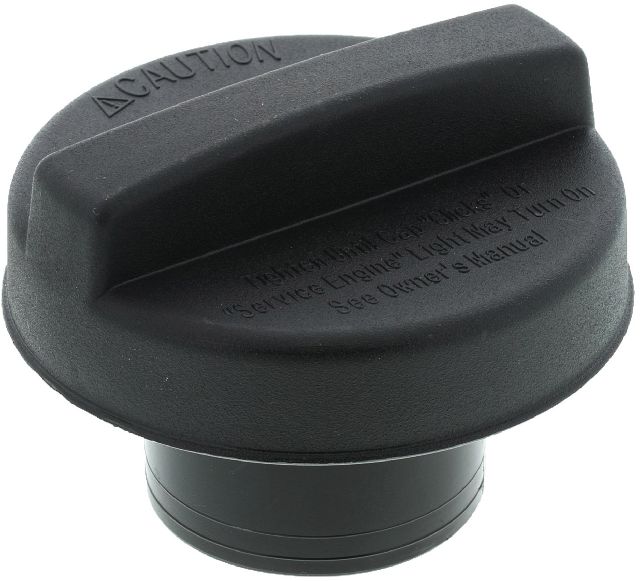
- Loose, Worn, or Incorrect Gas Cap 🔴 High Probability → Shop Fuel Tank Cap The gas cap seal is made of rubber that can dry out, crack, and lose its sealing ability over time. Using a non-OEM cap can also lead to an improper seal. This is the easiest and cheapest part to check first.
How to confirm: First, ensure the cap is tightened until it clicks at least three times. Inspect the rubber O-ring seal on the cap for cracks, stiffness, or damage. Check the metal rim of the filler neck for rust or debris that could prevent a good seal.
Typical fix: Replace the gas cap with a new, high-quality OEM or equivalent part. The Motorcraft FC1084 is a common replacement.
Est. part cost: $10-$25 - Damaged or Rusted Fuel Filler Neck 🔴 High Probability → Shop Fuel Filler Neck The metal fuel filler neck on the 2006-2010 Explorer is highly susceptible to rusting, especially in regions that use road salt. A small pinhole can develop, typically near the mounting bracket or along the pipe's length, causing a textbook P0442 leak.
How to confirm: Visually inspect the entire length of the fuel filler neck, from the gas cap area down to the tank. Pay close attention to the area around the mounting bracket and any bends. Flaking paint or visible rust is a major red flag. A smoke test is the most definitive way to confirm a leak in the filler neck.
Typical fix: Replace the entire fuel filler neck assembly. Aftermarket options from brands like Dorman or Spectra are widely available.
Est. part cost: $100-$200 - Faulty EVAP Canister Purge Valve 🟡 Medium Probability → Shop Vapor Canister This valve, located in the engine bay on the passenger side, can get stuck open or closed, or develop a leak in its diaphragm over time. If stuck open, it creates a constant vacuum leak into the intake manifold.
How to confirm: With the engine off, remove the valve and try to blow through it. If air passes through, the valve is stuck open and needs replacement. A scan tool can also be used to command the valve open and closed to check its function.
Typical fix: Replace the canister purge valve. It is mounted on the engine's intake manifold and is connected by two hoses and an electrical connector. The OEM part is Ford 4L2Z-9C915-AA (Motorcraft CX-2082).
Est. part cost: $30-$60 - Faulty EVAP Vent Solenoid/Valve 🟡 Medium Probability → Shop Vapor Canister On this Explorer, the vent solenoid is integrated into the charcoal canister assembly located near the fuel tank. It is exposed to road debris and moisture, which can cause it to fail or its seals to leak.
How to confirm: The valve is normally open. A diagnostic scan tool can command it to close during a smoke test. If it fails to close or if smoke exits the vent port when commanded closed, the solenoid (and thus the canister assembly) is faulty.
Typical fix: Replace the entire EVAP charcoal canister assembly. This often involves lowering the spare tire for access. The OEM part is Ford 6L2Z-9C915-A (Motorcraft CX-2116).
Est. part cost: $150-$250 - Cracked or Disconnected EVAP Hoses ⚪ Low Probability The plastic and rubber hoses that make up the EVAP system can become brittle and crack with age and exposure to heat cycles, particularly the connections at the purge valve and canister.
How to confirm: Visually inspect all accessible EVAP lines between the engine, charcoal canister, and fuel tank for obvious cracks, disconnections, or damage. A smoke test is the most effective way to find small, hard-to-see leaks in hoses.
Typical fix: Replace the damaged section of hose or reconnect it securely.
Est. part cost: $5-$50
Rare But Worth Checking
- Cracked EVAP Charcoal Canister: → Shop Vapor Canister The canister housing itself can develop a hairline crack from road debris impact or age, creating a leak. This is usually found only with a smoke test after other common causes have been ruled out.
- Leaking Fuel Tank Gasket/Seal: → Shop Fuel Tank The seal for the fuel pump and sending unit on top of the tank can degrade or be improperly seated after a fuel pump replacement, causing a small EVAP leak.
- Severed Fuel Lines: → Shop Fuel Line In some Ford truck platforms, a smoke test has identified a severed fuel line on top of the tank as the source of a P0442 code (NHTSA ODI #10351913).
Diagnosis Steps

- Check the Gas Cap: Remove, inspect the seal for cracks or damage, and reinstall it, ensuring it clicks several times. Clean any rust off the filler neck rim with a wire brush or Scotch-Brite pad. Clear the code and drive for a few days to see if it returns.
- Visual Inspection: Thoroughly inspect the full length of the metal fuel filler neck for rust, especially around the mounting bracket. Inspect all visible EVAP hoses in the engine bay and under the vehicle near the fuel tank for obvious cracks, breaks, or disconnections. Check for any chaffing or rubbing between the fuel vapor canister line and the air vent hose, a condition noted in manufacturer TSB 25-2308.
- Test the Purge Valve: Locate the purge valve on the passenger side of the engine. With the vehicle off, disconnect it and try to blow through it. If air passes, it's faulty and needs replacement.
- Perform a Smoke Test: This is the most definitive diagnostic step. A smoke machine forces low-pressure smoke into the EVAP system. Connect the smoke machine to the EVAP service port, often a green-capped port in the engine bay. The smoke will escape from the location of the leak, making it easy to spot. This will definitively identify leaks in the filler neck, hoses, canister, or seals.
- Test the Vent Solenoid: During the smoke test, use a scan tool to command the vent solenoid closed. If smoke continues to come out of the vent solenoid's filter box (located near the canister), it has failed and the canister assembly needs to be replaced.
Parts You'll Likely Need

- Canister Purge Valve
(OEM #4L2Z-9C915-AA)— This valve is a common failure point, getting stuck open and causing a constant small leak in the system. Motorcraft service part number is CX-2082.
Trusted brands: Motorcraft, Bosch, Dorman
OEM price range: $40-$60
Aftermarket price range: $25-$45 - Fuel Cap
(OEM #FC1084 (Motorcraft))— The seal on the gas cap is the most frequent and cheapest-to-fix cause of a P0442 code. It degrades over time, losing its ability to seal.
Trusted brands: Motorcraft, Stant
OEM price range: $20-$30
Aftermarket price range: $10-$20 - EVAP Vapor Canister
(OEM #6L2Z-9C915-A)— The integrated vent valve fails, or the canister housing itself can crack. Since the vent valve is not sold separately, the entire assembly must be replaced. Motorcraft service part number is CX-2116.
Trusted brands: Motorcraft, Dorman
OEM price range: $200-$250
Aftermarket price range: $150-$200 - Fuel Filler Neck
(OEM #FN788 (Dorman Aftermarket Example))— Highly prone to rusting through, creating a small leak that is difficult to see without a smoke test or close inspection.
Trusted brands: Dorman, Spectra Premium
OEM price range: $150-$250
Aftermarket price range: $80-$150
Related Codes That Often Appear With This One
- P0455 — A large leak was detected. This can sometimes appear with P0442 if the leak is intermittent or on the borderline between small and large, such as a failing purge valve that sometimes sticks wide open.
- P0456 — A very small leak was detected. Similar to P0442, this points to a leak in the EVAP system, just of a different size threshold. It often has the same root causes.
Technical Service Bulletins (TSBs) & Recalls
- While no specific TSB was found for P0442 on this exact model, a customer satisfaction program (13N01) was issued for later Ford vehicles with capless fuel fillers that would not seal properly and cause EVAP codes. Though this Explorer has a traditional cap, the program highlights Ford's acknowledgment of filler neck sealing issues causing these codes. For the 2006-2010 models, the issue is less about a faulty mechanism and more about simple corrosion.
- Manufacturer Bulletin #SSM 49313 notes that for some Ford vehicles, EVAP codes including P0442 may be due to damage to the carbon canister that occurred during vehicle transportation.
- Manufacturer Bulletin #TSB 25-2308 indicates that an illuminated MIL with code P0442 may be due to a chaffing or rubbing condition between the fuel vapor canister line and the air vent hose.
Platform-Specific Known Issues
- Fuel Filler Neck Rust: → Shop Fuel Filler Neck The most significant vehicle-specific issue for P0442 on the 2006-2010 Explorer is rust forming on the steel fuel filler neck. Owners in the rust belt frequently report this as the cause after trying a new gas cap and purge valve. The rust creates pinhole leaks that are the exact size to trigger the small leak code.
Mechanic-Grade Diagnostic Values
- EVAP Canister Purge Valve (CPV) Resistance — expected: 30 to 38 Ohms. Failure: A reading significantly outside this range indicates a faulty internal coil.
- EVAP Canister Vent Solenoid (CVS) Resistance — expected: 48 to 65 Ohms. Failure: A reading outside this range suggests the solenoid coil is damaged.
- Fuel Tank Pressure (FTP) Sensor Voltage — expected: Approximately 2.6 volts with the system open (no vacuum). Should drop to 1.0 volt or less when vacuum is applied during a system test.. Failure: Voltage that does not change, or a reading that drifts up after vacuum is applied and sealed, can indicate a leak or a faulty sensor.
Scan Tool Commands That Help
- Ford IDS, Forscan, or equivalent professional scanner: EVAP System Test (Service Bay Test) — This is a PCM-controlled routine that automatically closes the vent valve, opens the purge valve to pull a vacuum, and monitors for leak-down. It's the official way to verify a repair or test the system's integrity without a smoke machine.
- Ford IDS, Forscan, or equivalent professional scanner: Output State Control (OSC) / Active Commands — Allows for manual, bidirectional control of individual components. Use this to command the EVAP Canister Vent Solenoid closed during a smoke test to isolate parts of the system. You can also command the EVAP Purge Valve on and off to verify its mechanical function (listening for a click).
Wiring & Ground Locations
- G105 / G106 — Located in the engine compartment on the right-hand (passenger) side.. These are primary engine bay grounds. A poor connection here can affect the operation of the PCM and the Canister Purge Valve, causing erratic behavior or incorrect readings.
- G402 — Located at the right rear corner of the vehicle.. This ground is critical for components at the rear of the vehicle, including the EVAP canister vent solenoid and the fuel tank pressure sensor. Corrosion at this point is common and can cause intermittent failures of these parts.
- Inertia Fuel Shutoff (IFS) Switch Connector — Located behind the right kick panel in the passenger footwell.. The power feed for the fuel pump driver module and other related circuits runs through this area. While not a ground, checking for corrosion or damage at this common connection point can solve related electrical issues.
"I Checked Everything" — The Actual Cause
- A known, but rare, issue on some Ford vehicles is an internal short in the Power Steering Pressure (PSP) sensor. The PSP sensor can share a signal return wire with the Fuel Tank Pressure (FTP) sensor. If the PSP sensor shorts, it can send erroneous voltage down the shared line, causing the PCM to misinterpret the FTP sensor's reading as a leak, even when the EVAP system is perfectly sealed. The diagnostic step is to disconnect the PSP sensor's electrical connector and re-run the EVAP test; if the code no longer sets or the FTP voltage stabilizes, the PSP sensor is the culprit.
OEM Part Supersession History
4L2Z-9C915-AA (Motorcraft CX-2082)→6L3Z-9C915-A is a superseding part number for some applications in this era.— Often due to minor design updates or supplier changes.
Heads up: While multiple part numbers may be listed for the purge valve, it is critical to verify the correct part for the 4.0L V6 engine specifically, as V8 models used different components. Always confirm fitment with a VIN.
Diagnostic Flowchart
Real Owner Stories
Aggregated from forums and TSBs cited above. Mileages and costs reflect what owners reported in those sources.
2008 Ford Explorer 4.0L V6
Symptoms: Reported a pending P0442 code on a vehicle equipped with a capless fuel system.
What fixed it: Discussion highlighted the fuel filler neck area as the primary suspect for leaks, requiring inspection of the neck assembly rather than just the cap area.
Source hint: Ford Truck Enthusiasts Forum thread titled '08 explorer w/o gas cap p0442 4.0 v6 4wd'
2006 Ford Explorer
Symptoms: Replaced the gas cap and the purge valve, but the P0442 code returned shortly after.
What fixed it: Community consensus pointed the owner towards a smoke test to find the true source, identifying a rusted fuel filler neck as the most likely culprit for this specific vehicle.
Source hint: ExplorerForum.com thread titled 'P0442 code again'
2006 Ford Explorer
Symptoms: Changed the gas cap and tested the purge solenoid, but the EVAP code persisted without success.
What fixed it: Expert response reinforced the need for a smoke test to find the leak, confirming that throwing the most common parts at the vehicle does not always resolve the issue.
Source hint: 2CarPros.com question 'ford explorer 2006 ford explorer p0442 emission evap code'
Ford Owner Report (NHTSA ODI #10852382)
Symptoms: The check engine light came on with code P0442 and a scent of gas was present.
What fixed it: The owner changed the fuel cap, but the issue remained unresolved.
Ford Owner Report (NHTSA ODI #11540072)
Symptoms: Check engine light illuminated due to code P0442.
What fixed it: The failure was caused by a faulty purge valve, which the owner noted had been a subject of a previous recall.
Related OBD-II Codes
Frequently Asked Questions
Is there a TSB or recall for the P0442 code on my 2006-2010 Ford Explorer?
I already replaced the gas cap on my Explorer but the P0442 code came back. What should I check next?
What is the correct OEM replacement gas cap for the 2006-2010 Explorer?
Where is the EVAP canister purge valve located on the 4.0L V6 Explorer?
How do I access the EVAP vent solenoid to test it?
Why does the gas pump keep clicking off when I try to refuel my Explorer?
Used OEM Parts in Stock

New Aftermarket Parts Available


The information in this article is provided for general reference and educational purposes only. Vehicle specifications, procedures, and part compatibility can vary by production date, trim level, and region. Always consult your vehicle's factory service manual and verify part numbers before purchasing or performing repairs. Safety-critical components such as airbags, seat belts, and braking systems should be installed by a qualified professional.
- Ford Explorer:
- 🧭 Diagnostic Flowchart
- 🛍️ Shop This Part
- What's Unique About the 2006-2010 Ford Explorer
- Symptoms You May Notice
- Most Likely Causes
- Rare But Worth Checking
- Diagnosis Steps
- Parts You'll Likely Need
- Related Codes That Often Appear With This One
- Technical Service Bulletins (TSBs) & Recalls
- Platform-Specific Known Issues
- Mechanic-Grade Diagnostic Values
- Scan Tool Commands That Help
- Wiring & Ground Locations
- "I Checked Everything" — The Actual Cause
- OEM Part Supersession History
- Real Owner Stories
- 2008 Ford Explorer 4.0L V6
- 2006 Ford Explorer
- 2006 Ford Explorer
- Ford Owner Report (NHTSA ODI #10852382)
- Ford Owner Report (NHTSA ODI #11540072)
- Related OBD-II Codes
- Frequently Asked Questions
- 🎟️ Get 5% Off