

P0442 on 1997-2004 Ford F-150: Causes and Fixes for a Small EVAP Leak
For a 1997-2004 F-150, code P0442 most often points to a bad gas cap seal or a rotted fuel filler neck. Start by inspecting the gas cap and the metal filler neck for rust. If those are fine, check for cracked rubber EVAP hoses, especially the elbows in the engine bay near the purge valve and the lines running near the charcoal canister under the truck.
- Always start with the simplest and cheapest fix: inspect, clean, and properly tighten the gas cap.
- On a 1997-2004 F-150, a rusted fuel filler neck is a very common cause for P0442. Inspect it carefully before buying any parts.
- If the gas cap and filler neck are good, the next most likely culprits are age-related cracks in the rubber EVAP hoses.
- A smoke test is the most reliable way to find the exact source of a small leak if a visual inspection doesn't reveal the problem.
What's Unique About the 1997-2004 Ford F-150
On the 10th generation F-150 (1997-2003/2004 Heritage), the EVAP system components are generally robust, but the truck's age makes certain parts prone to failure. The steel fuel filler neck is a common weak point, often rusting through where the gas cap seals or along the pipe itself, causing a leak that the gas cap can't seal. Additionally, the numerous rubber and plastic hoses throughout the system become brittle and crack over two-plus decades, creating the small leaks that trigger this specific code. Forum users frequently report finding cracked rubber elbows on the EVAP lines in the engine bay.
Generation note: This guide covers the 10th generation Ford F-150, produced from 1997 to 2003. It also applies to the 2004 "Heritage" model, which was a continuation of the 10th generation sold alongside the redesigned 11th generation F-150.
Symptoms You May Notice
- Check Engine Light is on
- A faint smell of fuel, particularly around the rear of the truck or near the driver's side front wheel well (near the purge valve).
- A whooshing sound of pressure or vacuum when removing the gas cap (or a complete lack of the normal hiss).
- Difficulty starting or a rough idle immediately after refueling (can indicate a stuck-open purge valve).
- The 'Check Gas Cap' light or message may appear on the dashboard in some models.
- Replacing the charcoal canister when the problem is just a hose or valve. The canister itself (the box of charcoal) rarely fails unless it has been physically damaged or flooded with liquid fuel from overfilling the tank.
- Immediately replacing parts without diagnosis. Many owners have replaced multiple parts like the purge valve and vent solenoid only to find the issue was a simple cracked hose or bad gas cap.
Most Likely Causes
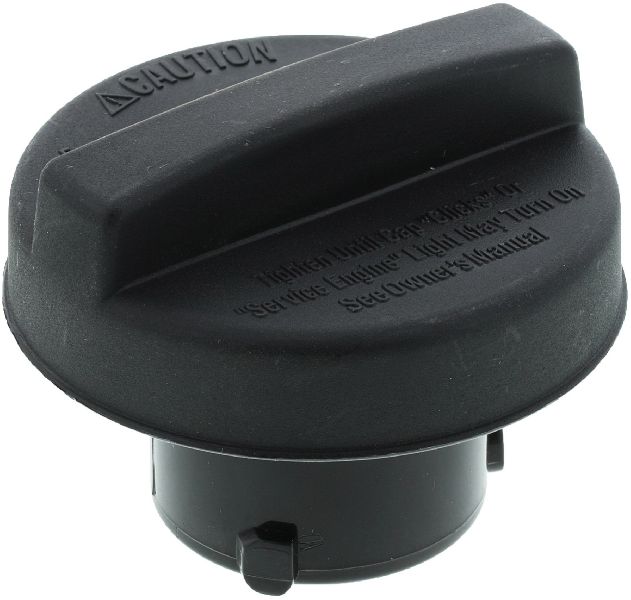
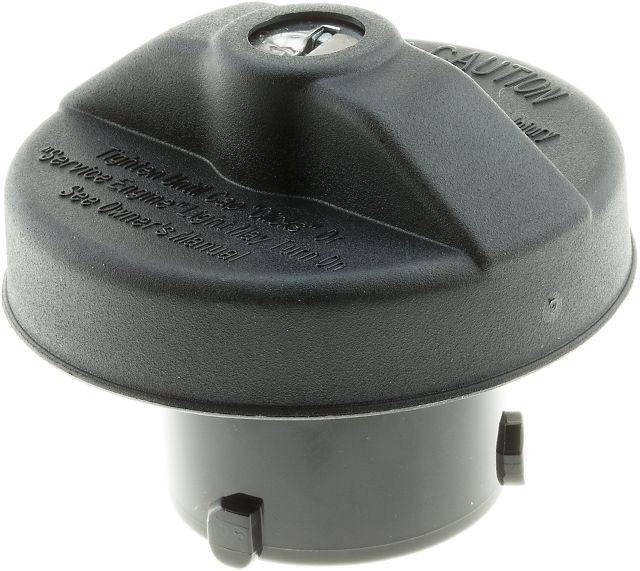
- Loose, Worn, or Incorrect Gas Cap 🔴 High Probability → Shop Fuel Tank Cap The gas cap is the most frequently used part of the EVAP system. Its rubber O-ring seal can dry out, crack, or get dirty over time, preventing a proper seal. Many owners on forums report that using a non-OEM cap caused the P0442 code, which was resolved by switching to a genuine Motorcraft cap.
How to confirm: Inspect the gas cap's rubber seal for cracks, stiffness, or damage. Ensure it clicks multiple times when tightened. Clean the sealing surface on both the cap and the filler neck. A worn-out seal is a very common cause.
Typical fix: Clean the cap and filler neck sealing surfaces. If the seal is damaged or the cap is a cheap aftermarket version, replace it. It's highly recommended to use an OEM (Motorcraft) gas cap for the best seal.
Est. part cost: $15-$35 - Rusted or Damaged Fuel Filler Neck 🔴 High Probability → Shop Fuel Filler Neck The metal fuel filler neck is highly susceptible to rust, especially in regions that use road salt. Rust creates a rough, pitted surface that the gas cap cannot seal against, or pinholes can form in the neck itself. This is a widely documented failure on 10th gen F-150 forums.
How to confirm: Visually inspect the rim and the inside of the filler neck where the gas cap seal makes contact. Feel for pitting, rust flakes, or holes. A smoke test will clearly show smoke escaping from the rusted area if there's a hole.
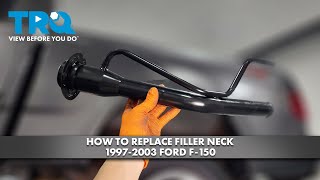
Typical fix: Minor surface rust can be cleaned with sandpaper or a wire brush, but this is often a temporary fix. If the neck is corroded, pitted, or has holes, it must be replaced. Aftermarket replacements are widely available. 🎬 Watch: Step-by-step guide to replacing a rusted fuel filler neck.
Est. part cost: $50-$150 - Cracked or Disconnected EVAP Hoses 🟡 Medium Probability After 20+ years, the rubber and plastic EVAP lines become brittle from heat and age. Hoses and rubber elbows in the engine bay near the purge valve and the lines running along the frame to the charcoal canister are common failure points. Owners often find small, hard-to-see cracks in the rubber elbows. A manufacturer service bulletin for other Ford models, TSB Bulletin #TSB 25-2308, notes that P0442 can be caused by a chaffing or rubbing condition between the fuel vapor canister line and the air vent hose.
How to confirm: Visually inspect all accessible EVAP hoses for cracks, especially at connection points and bends. Pay close attention to the rubber lines connected to the purge valve on the firewall. A smoke test is the most effective way to find a small hose leak.
Typical fix: Replace the cracked section of hose or the entire pre-formed hose assembly. Standard vacuum hose of the correct diameter can often be used for simple sections.
Est. part cost: $10-$75 - Faulty EVAP Canister Purge Valve ⚪ Low Probability → Shop Vapor Canister The purge valve (or solenoid) can get stuck slightly open or the internal diaphragm can fail, creating a constant small leak. While it can fail, it's less common for this specific code than a gross leak or flow code, but it does happen. An owner reported in NHTSA ODI #11540072 that their check engine light for code P0442 was caused by a faulty purge valve.
How to confirm: The purge valve is located in the engine bay, usually on the passenger side of the firewall. With the engine off, disconnect the hose leading from the valve to the intake manifold and try to blow through the valve. It should be closed and not allow air to pass. A hand vacuum pump can also be used to see if it holds a vacuum.
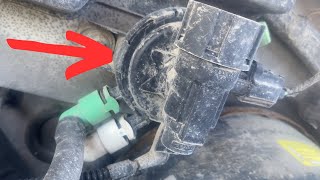
Typical fix: Replace the purge valve. It's typically held by a bracket and has two hoses and an electrical connector. The replacement is straightforward. 🎬 See this walkthrough for locating and replacing the purge solenoid.
Est. part cost: $30-$80 - Faulty EVAP Canister Vent Solenoid ⚪ Low Probability → Shop Vapor Canister Located near the charcoal canister under the truck, this valve can get stuck or fail to seal completely due to dirt, debris, and corrosion from its exposed location. While this is a very common failure, it more often produces other codes like P0446 (Vent Control Circuit).
How to confirm: The vent solenoid is normally open and closes when 12V is applied. It is located under the truck, often mounted to the charcoal canister bracket, between the spare tire and the gas tank. A scan tool can command it closed for testing. A DIY method involves applying 12V to its terminals to see if it clicks closed, then testing if it holds a seal.
Typical fix: Replace the vent solenoid. Its location under the truck can make it dirty, but replacement is generally simple.
Est. part cost: $40-$90
Rare But Worth Checking
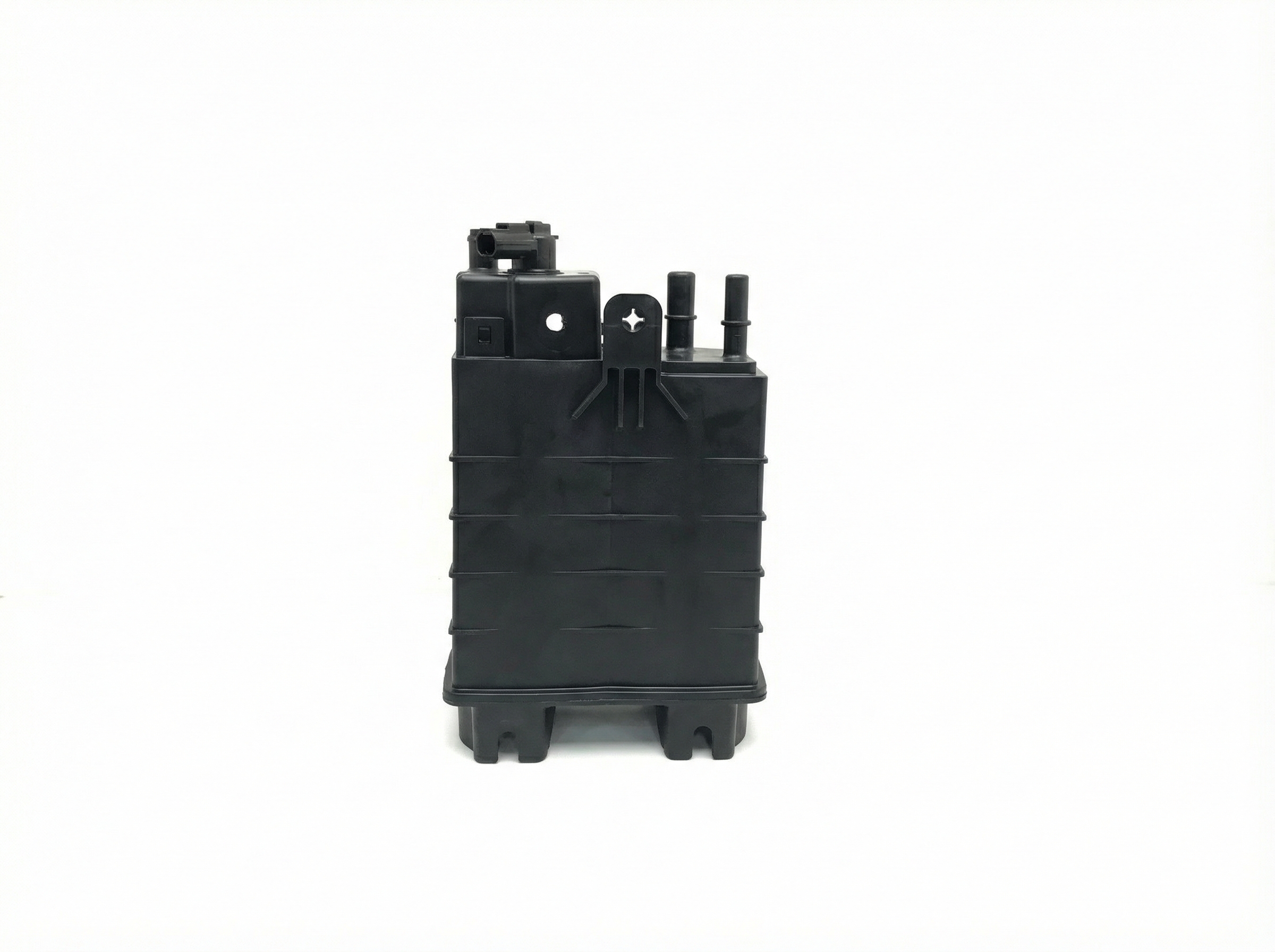
- Cracked Charcoal Canister: → Shop Vapor Canister The plastic housing of the canister itself can develop a hairline crack from age or road debris impact. Manufacturer bulletin #SSM 49313 notes that damage to the carbon canister, sometimes occurring during vehicle transport, can trigger P0442.
- Leaking Fuel Tank Pressure (FTP) Sensor Seal: → Shop Fuel Tank The FTP sensor is mounted on the fuel tank or fuel pump assembly. The O-ring that seals it can degrade over time, causing a small leak.
- Rusted EVAP lines along frame: In rust-prone areas, the metal sections of the EVAP lines that run along the frame rail can rust through, creating a small leak. This was mentioned by an owner on F150online forums as a potential issue.
Diagnosis Steps
- Check the Gas Cap: Remove the gas cap. Inspect the rubber seal for any cracks, stiffness, or damage. Ensure you are using a high-quality, OEM-spec cap (Motorcraft is recommended).
- Clean and Tighten: Clean the sealing surface of the fuel filler neck with a rag or light-duty wire brush to remove any rust or debris. Reinstall the cap, making sure it clicks several times. Clear the code and drive for a few days to see if it returns.
- Visual Inspection: Carefully inspect all visible EVAP hoses in the engine bay (especially around the purge valve on the firewall) and along the frame rails leading back to the fuel tank. Look for obvious cracks, disconnections, or rot, paying special attention to rubber elbows.
- Inspect the Fuel Filler Neck: Thoroughly examine the entire fuel filler neck for any signs of rust, corrosion, or holes, which is a very common issue on these trucks.
- Test the Purge Valve: Locate the EVAP purge valve in the engine bay. Disconnect it and test if it's properly sealed when not energized. It should not allow air to pass through. You can try blowing through it or use a hand vacuum pump.
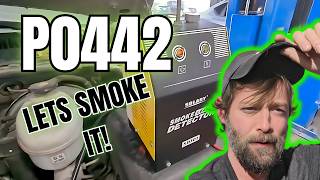
- Perform a Smoke Test: If the leak is not obvious, the most effective diagnostic step is an EVAP smoke test. A machine injects low-pressure smoke into the system 🎬 Watch: How to find a small EVAP leak using smoke. via the service port (often marked with a green cap). The leak will be revealed by the escaping smoke. This is the best way to find hairline cracks in hoses, the canister, or around seals.
Parts You'll Likely Need
- Fuel Cap
(OEM #Motorcraft FC964 (replaces F65Z-9030-A))— This is the most common and cheapest fix. The seal wears out over time, causing a small leak. Owners strongly recommend using an OEM Motorcraft cap for a reliable seal. - Fuel Filler Neck — The original steel filler neck is prone to rusting out, especially the lip where the gas cap seals. Replacing the entire neck is often the only permanent fix for a corroded sealing surface.
- EVAP Canister Purge Valve
(OEM #Motorcraft CX-1597)— This valve, located in the engine bay, can fail by sticking slightly open, creating a small, constant leak. It's a common point of failure identified by smoke tests. - EVAP Hose/Elbow — Aged rubber hoses, particularly the small elbows connected to the purge valve and other components, become brittle and develop hairline cracks that are perfect sources for a P0442 leak.
Related Codes That Often Appear With This One
- P0455 — Indicates a large EVAP leak. If you see both, it may mean an intermittent large leak (like a very loose gas cap) is sometimes detected as a small one, or you may have multiple leaks of different sizes.
- P0456 — Indicates a very small EVAP leak. This is a more sensitive test than P0442. Seeing both could point to a leak that is on the borderline between the two thresholds.
- P0457 — Specifically indicates a leak detected due to a loose or missing fuel cap. This often appears right after refueling if the cap isn't tightened properly.
Platform-Specific Known Issues
- Fuel Filler Neck Rust: → Shop Fuel Filler Neck The most notorious issue for this generation F-150 leading to a P0442 code is the fuel filler neck rusting out. The rust creates a poor sealing surface for the gas cap. In a forum thread on F150online.com, a user from a rust-prone state noted their overflow line on the filler neck had rusted through, causing a leak. Another user on YouTube demonstrated cleaning the rust off with sandpaper and acid before repainting as a temporary fix. Replacement is the only permanent solution for a corroded neck.
- Brittle EVAP Hoses and Elbows: After two decades, the small rubber hoses and particularly the 90-degree elbows in the EVAP system become hard and crack. A common failure point mentioned on expeditionforum.com is the hose running from the purge valve (on the firewall) to the intake. Visually they may look fine, but flexing them often reveals small cracks that are enough to trigger the P0442 code.
Mechanic-Grade Diagnostic Values
- EVAP Canister Purge Valve Resistance — expected: 30 - 38 Ohms. Failure: A reading outside this range indicates a faulty solenoid coil.
- EVAP Canister Vent Solenoid Resistance — expected: 48 - 65 Ohms. Failure: A reading outside this range suggests the solenoid coil is bad.
- Fuel Tank Pressure (FTP) Sensor Voltage — expected: Approximately 2.6V with system open (engine off). Drops to 1.0V or less during a vacuum test.. Failure: If voltage rises after the system is sealed during a test, it indicates a leak. An abnormally high reading at rest could indicate a sensor or wiring fault.
Hidden / Shadow Codes Worth Checking
- Mode $06, Test ID $81: This is not a separate trouble code, but a view into the raw data from the PCM's self-test for the 0.040" (P0442) leak monitor. Technicians can view the test value and compare it to the minimum/maximum thresholds to see how close the system is to failing, even before a CEL is triggered. (see via A professional scan tool capable of displaying Mode $06 data.)
Scan Tool Commands That Help
- Ford IDS (or equivalent professional scanner): EVAP System Test / Performance Test — This is a key bidirectional function used to verify a leak or confirm a repair. The tool commands the purge and vent solenoids to seal the system, then uses the engine to pull a vacuum and monitors the FTP sensor to see if the vacuum holds. A failure on this test confirms an active leak.
- Ford IDS (or equivalent professional scanner): Output State Control (OSC) — This function allows a technician to manually command individual components like the purge valve or vent solenoid on and off. This is used to isolate a faulty component, for example, by commanding the vent solenoid closed and then attempting to introduce smoke to see if it leaks.
Wiring & Ground Locations
- EVAP Purge Valve Ground — The purge valve is typically grounded through the PCM. The power wire often comes from the main power distribution box under the hood.. A poor connection or high resistance on the power or ground circuit can prevent the valve from operating correctly, though this would more commonly set a circuit code (P0443).
- EVAP Vent Solenoid Wiring — The wiring harness leading to the vent solenoid, located near the spare tire, runs along the frame and is exposed to the elements.. The wires in this location, particularly the power wire, are known to corrode and break, sometimes inside the insulation. This will typically cause a vent control circuit code (like P0446 or P1451) but can lead to intermittent sealing issues.
Real Owner Repair Stories
- Ford Truck Enthusiasts forum user (Approx. 1997 F-150 (10 years old at time of post)) — P0442 code
❌ Tried (didn't work) Previous repairs included replacing vent solenoids and the fuel filler neck.
✅ What actually fixed it A smoke test was performed which identified a leaking EVAP canister purge valve. Replacing the purge valve resolved the code. - Ford F150 Forum user (2000 F-150 XLT) — P0442 code, often reappearing after refueling.
❌ Tried (didn't work) Inspecting and cleaning the gas cap.
✅ What actually fixed it The owner discovered a chip in the plastic sleeve of the fuel filler neck, which prevented the gas cap from creating a proper seal. The final fix is replacing the fuel filler neck assembly. - NHTSA ODI #10351913 — An owner reported the check engine light came on with code P0442. A mechanic performed a smoke test and found a severed fuel line on top of the fuel tank.
- NHTSA ODI #10852382 — A driver noted the scent of gas was present along with the P0442 code. Despite changing the fuel cap, the issue remained.
"I Checked Everything" — The Actual Cause
- A P0442 code can be set even if the EVAP system passes a smoke test and holds vacuum perfectly. On some Ford vehicles, the Fuel Tank Pressure (FTP) sensor shares a signal return wire with the Power Steering Pressure (PSP) sensor. If the PSP sensor internally shorts, it can increase the voltage on this shared circuit. The PCM misinterprets this higher voltage from the FTP sensor as a pressure rise (a leak), setting code P0442. The diagnostic step is to disconnect the PSP sensor, clear codes, and re-run the EVAP monitor test. If the code does not return, the faulty PSP sensor is the cause.
Model Year Variations Within This Range
- 2000-2003: The EVAP Canister Vent Solenoid part number appears to be different for the 2000-2003 model years compared to the 1997-1999 and 2004 Heritage models. Aftermarket parts listings often show this specific split, indicating a design change. Buyers must ensure they are purchasing the correct valve for their specific year.
Diagnostic Flowchart
Real Owner Stories
Aggregated from forums and TSBs cited above. Mileages and costs reflect what owners reported in those sources.
1997-2004 Ford F-150 V8
Symptoms: Check Engine Light on with a P0442 small leak code. Discovered a severe rust issue on the fuel filler neck.
What fixed it: Found that the overflow line on the metal fuel filler neck had completely rusted through due to living in a rust-prone state. Replaced the entire fuel filler neck assembly.
Source hint: F150online.com forum thread 'P0442 evap system small leak help'
1997-2002 Ford Expedition
Symptoms: P0442 code triggered by small, hard-to-see cracks in the EVAP lines that only became visible when the hoses were flexed.
What fixed it: Found and replaced a cracked, brittle rubber hose running from the purge valve on the firewall to the intake manifold.
Source hint: Expeditionforum.com thread 'P0442 evap system'
1997-2004 Ford F-150
Symptoms: Poor gas cap seal causing a P0442 code due to heavy rust buildup on the filler neck rim.
What fixed it: Cleaned the rust off the filler neck sealing surface using sandpaper and acid, then repainted it to restore a smooth surface for the gas cap O-ring to seal against.
Source hint: YouTube user demonstration mentioned in vehicle-specific issues
2001 Ford F-150 5.4L
Symptoms: Persistent P0442 trouble code that would not clear with a standard aftermarket gas cap.
What fixed it: Switched to a genuine OEM Motorcraft gas cap, which provided the correct seal and permanently resolved the code.
Source hint: Ford-Trucks.com thread 'Trouble code P0442 on 01 F-150 5.4'
Related OBD-II Codes
Frequently Asked Questions
Why does my 1997-2004 F-150 keep throwing P0442 even after I bought a new gas cap at the auto parts store?
I live in a state that uses road salt. Could this cause a P0442 on my 10th Gen F-150?
Where is the EVAP purge valve located on my F-150 so I can check for cracked hoses?
Can a P0442 cause my F-150 to idle roughly or have trouble starting?
How can I test the EVAP canister vent solenoid on my F-150?
Is there a temporary fix for a rusted fuel filler neck on my F-150?
Helpful Videos
![How to Fix P0442 Engine Code in 3 Minutes [2 DIY Methods / Only $4.67]](https://img.youtube.com/vi/73AR8Tl6YZU/mqdefault.jpg)
Used OEM Parts in Stock
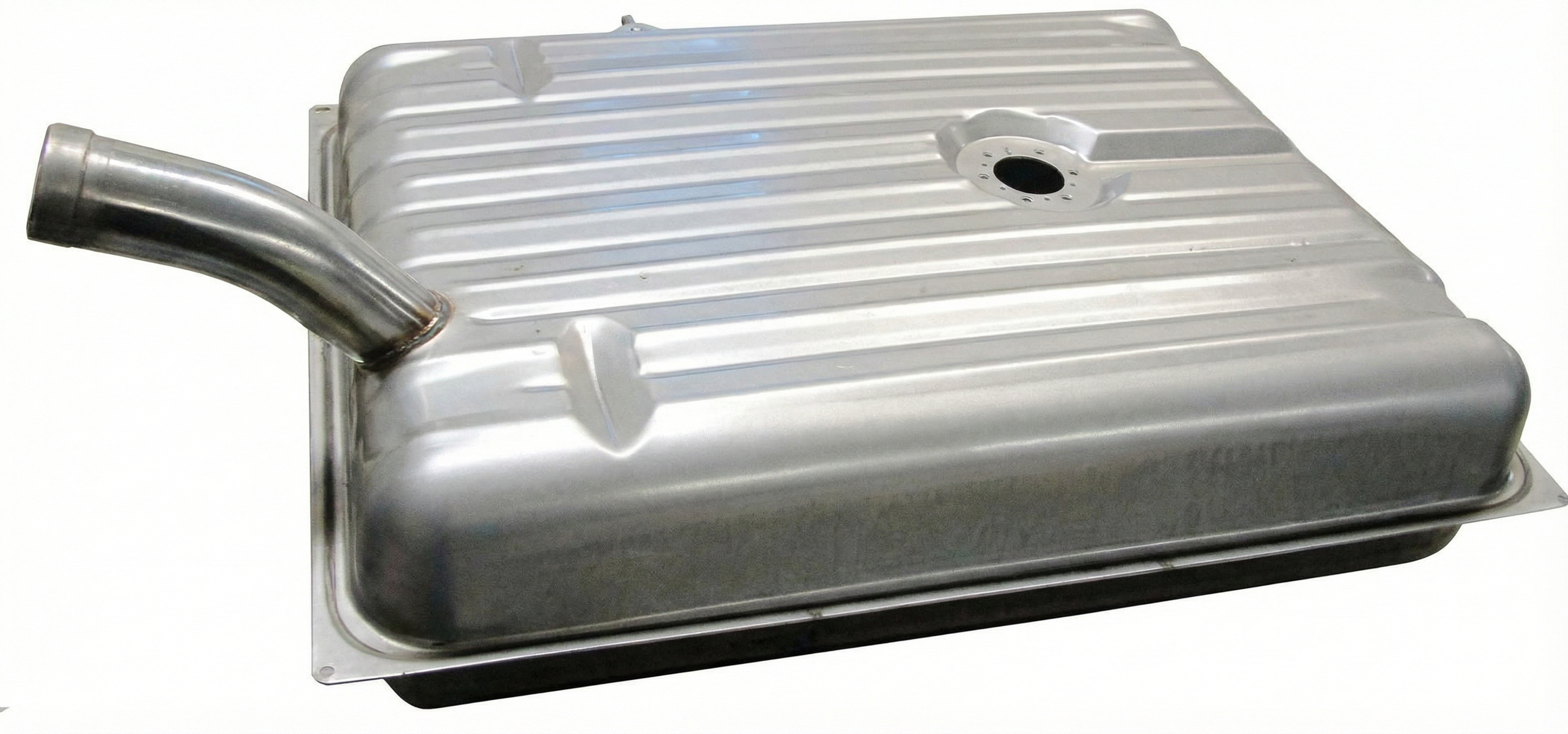
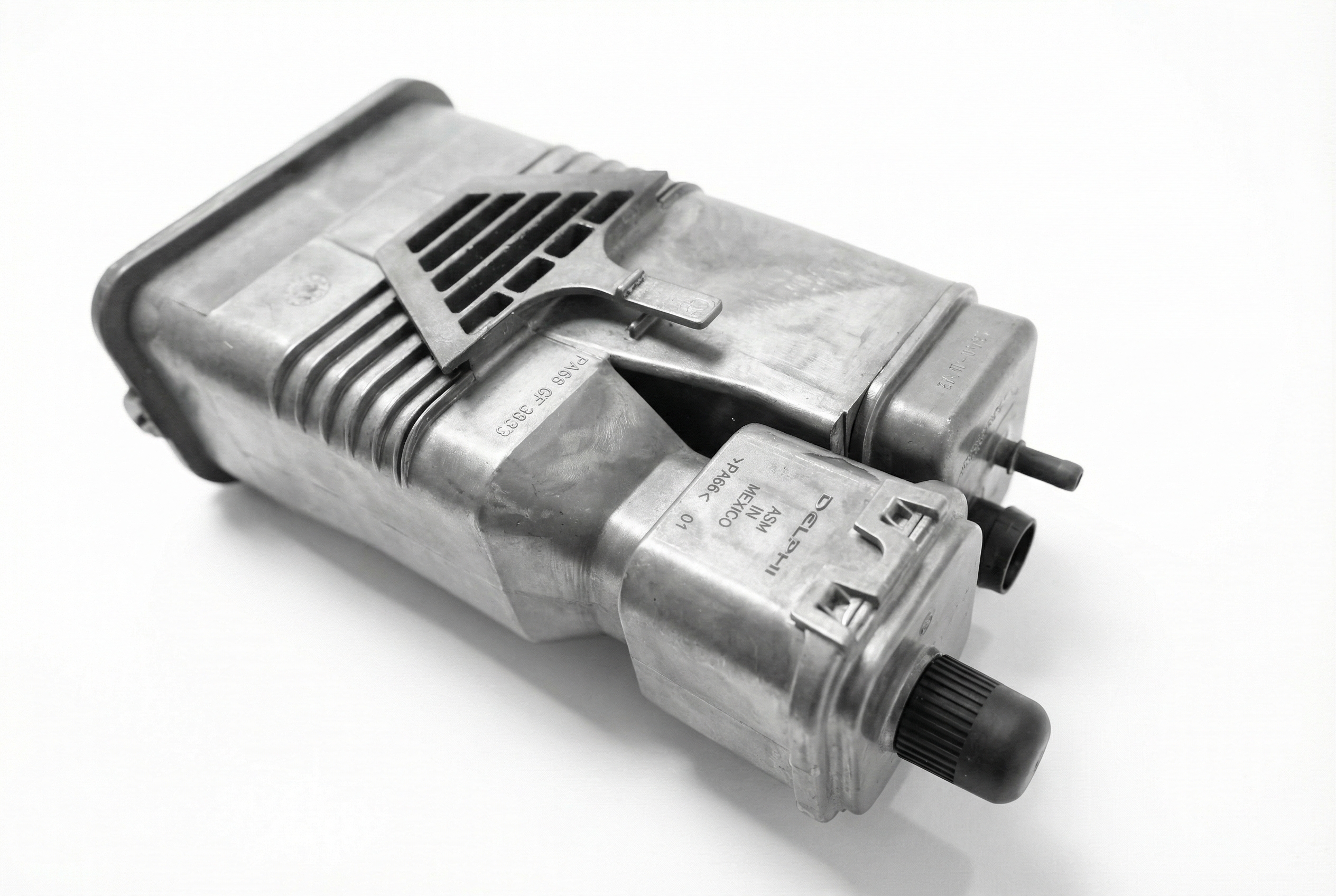
New Aftermarket Parts Available


The information in this article is provided for general reference and educational purposes only. Vehicle specifications, procedures, and part compatibility can vary by production date, trim level, and region. Always consult your vehicle's factory service manual and verify part numbers before purchasing or performing repairs. Safety-critical components such as airbags, seat belts, and braking systems should be installed by a qualified professional.
- Ford F-150:
- 🧭 Diagnostic Flowchart
- 🎬 Helpful Videos
- 🛍️ Shop This Part
- What's Unique About the 1997-2004 Ford F-150
- Symptoms You May Notice
- Most Likely Causes
- Rare But Worth Checking
- Diagnosis Steps
- Parts You'll Likely Need
- Related Codes That Often Appear With This One
- Platform-Specific Known Issues
- Mechanic-Grade Diagnostic Values
- Hidden / Shadow Codes Worth Checking
- Scan Tool Commands That Help
- Wiring & Ground Locations
- Real Owner Repair Stories
- "I Checked Everything" — The Actual Cause
- Model Year Variations Within This Range
- Real Owner Stories
- 1997-2004 Ford F-150 V8
- 1997-2002 Ford Expedition
- 1997-2004 Ford F-150
- 2001 Ford F-150 5.4L
- Related OBD-II Codes
- Frequently Asked Questions
- 🎟️ Get 5% Off