

P0442 on 2008-2011 Ford Focus: EVAP Small Leak Causes and Fixes
This code indicates a small leak in the evaporative emissions system. For the 2008-2011 Ford Focus, this is most often caused by a loose or faulty gas cap, or a cracked EVAP purge valve or hose. Checking the gas cap is the first and easiest step.
- The P0442 code on a 2008-2011 Ford Focus indicates a small leak in the EVAP system.
- Always start your diagnosis by checking the gas cap; ensure it's tight. If the seal is old or cracked, replacing it is a cheap and easy potential fix.
- The most common parts to fail after the gas cap are the EVAP purge valve in the engine bay and the various connecting hoses, which can crack from age and heat.
- The vehicle is safe to drive with this code, but it will not pass an emissions inspection until the leak is repaired.
- For leaks that aren't obvious, a smoke test is the most reliable diagnostic method to find the source of the leak quickly.
What's Unique About the 2008-2011 Ford Focus
The 2008-2011 Ford Focus belongs to the second generation (Mk2) in North America and is built on the Ford C1 platform. Unlike some later models that feature a capless fuel filler system which can have its own unique failure points, this generation uses a traditional gas cap. A very common and simple fix for P0442 on this vehicle is ensuring the gas cap is tightened correctly or replacing a worn-out cap seal. Additionally, the EVAP purge valve and its associated hoses, located near the firewall in the engine bay, are frequent culprits for developing small cracks and causing this specific code. One specific issue noted by owners is an EVAP hose rubbing against the alternator or other components, causing a hole. A critical distinction for this platform is the existence of both Federal (non-PZEV) and Partial Zero Emission Vehicle (PZEV) versions, which use different, non-interchangeable vapor canisters.
Symptoms You May Notice
- Check Engine Light is on.
- A faint smell of gasoline, particularly around the rear of the vehicle or after refueling. NHTSA ODI #10852382 notes a case where the scent of gas was present alongside this code even after a fuel cap change.
- Slightly reduced fuel economy (often not noticeable).
- Difficulty starting after filling the gas tank (less common, but possible if the purge valve is stuck open).
- Replacing the oxygen (O2) sensors. O2 sensors are not part of the EVAP system and will not cause a P0442 code.
- Replacing the catalytic converter. This is an expensive part of the exhaust system and is unrelated to EVAP leaks.
- Assuming the issue is with the capless fuel filler system, as this generation (2008-2011) uses a traditional gas cap.
Most Likely Causes
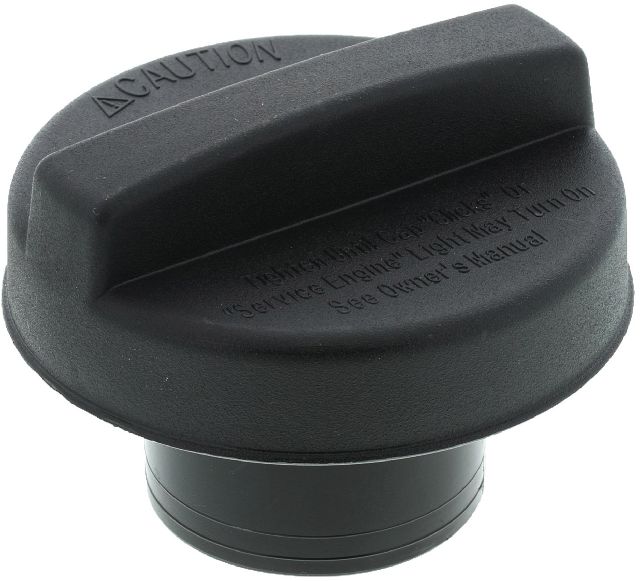
- Loose or Faulty Gas Cap 🔴 High Probability → Shop Fuel Tank Cap The gas cap is a frequently used part and its rubber seal can wear out, crack, or become stiff over time, preventing a proper seal. It may also simply not be tightened properly after refueling. This is the most common and easiest-to-fix cause.
How to confirm: First, ensure the gas cap is tightened until it clicks several times. If the light doesn't turn off after a few days of driving, remove the cap and inspect the rubber seal for cracks, stiffness, or damage. Also, check the fuel filler neck for rust or debris that could prevent a good seal.
Typical fix: Tighten the existing cap. If that doesn't work, replace the gas cap with a new, preferably OEM (Motorcraft), part.
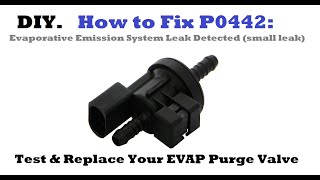
Est. part cost: $10-$30 - Cracked or Leaking EVAP Purge Valve/Solenoid 🟡 Medium Probability → Shop Vapor Canister The purge valve, located in the engine bay on the firewall, is made of plastic and is subjected to constant engine heat and vibration, which can cause the housing or hose connections to crack over time. NHTSA ODI #11540072 describes a P0442 code caused by a faulty purge valve on a similar Ford platform.
How to confirm: Visually inspect the purge valve and its connected hoses for any visible cracks or damage. With the engine running, you can sometimes hear a hissing sound from a leak. A smoke test is the definitive way to confirm a leak from the valve body itself. The valve's resistance can be checked with a multimeter; it should typically be between 15 and 30 ohms. 🎬 Watch: How to test and replace the EVAP purge valve.
Typical fix: Replace the vapor canister purge solenoid/valve assembly. This part is located on the firewall, sometimes behind a heat shield.
Est. part cost: $30-$70 - Cracked or Disconnected EVAP Hoses 🟡 Medium Probability The rubber and plastic hoses in the EVAP system become brittle with age and exposure to heat, leading to small cracks and leaks. A specific issue reported on the Focus is an EVAP hose rubbing against the alternator or subframe, eventually creating a hole. Manufacturer Bulletin #TSB 25-2308 notes that P0442 may be due to a "chaffing or rubbing condition between the fuel vapor canister line and the air vent hose."
How to confirm: Visually inspect all accessible EVAP hoses, from the engine bay to the charcoal canister near the fuel tank. Pay close attention to elbows and connection points. A mechanic in one video found a large hole in a hose rubbing the alternator without 🎬 Watch: See how a rubbing hose causes this common leak. needing a smoke machine. A smoke test is the most effective method for finding hard-to-see leaks.
Typical fix: Replace the cracked section of hose or the entire hose assembly. In some cases, the hose may be discontinued, requiring a custom repair by splicing in a new piece of hose.
Est. part cost: $15-$50 - Faulty Canister Vent Solenoid ⚪ Low Probability → Shop Vapor Canister The vent solenoid is located near the charcoal canister at the rear of the vehicle, above the rear subframe. It can get stuck open due to dirt or age, or fail electrically, preventing the system from sealing for its leak test. Its location makes it susceptible to road debris and corrosion.
How to confirm: The solenoid can be tested with a bidirectional scan tool to command it closed and see if it holds a vacuum or smoke pressure. It can also be removed and tested by applying 12V to see if the valve actuates and seals properly.
Typical fix: Replace the canister vent solenoid. Access can be difficult, sometimes requiring the lowering of the spare tire or rear subframe.
Est. part cost: $40-$80
Rare But Worth Checking
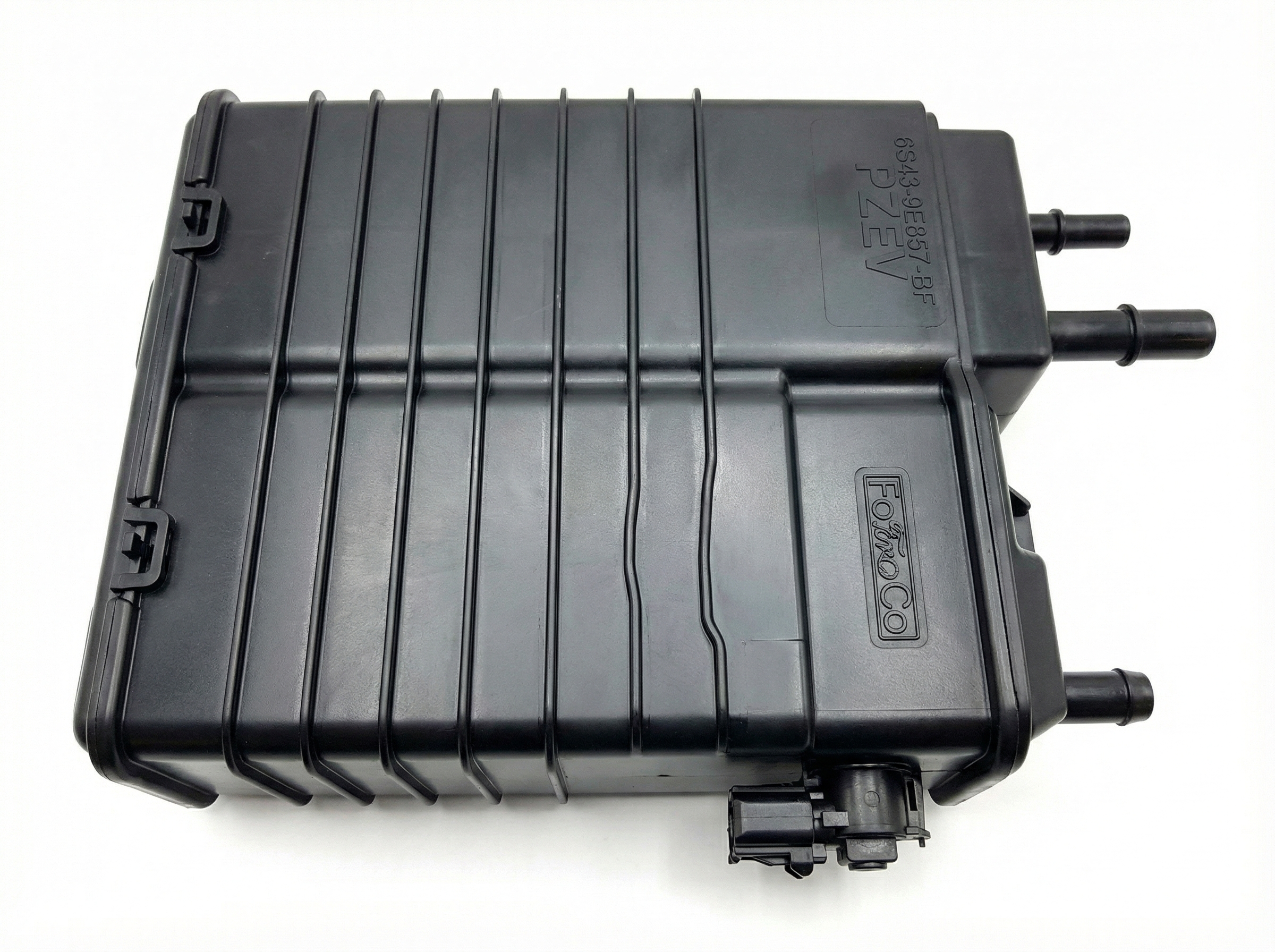
- Leaking Charcoal Canister: → Shop Vapor Canister While less common for a small leak, the plastic housing of the charcoal canister itself can develop cracks over time, especially from road debris impact or material fatigue. Manufacturer Bulletin #SSM 49313 notes that damage to the carbon canister can occur during vehicle transportation, leading to P0442. It is critical to order the correct canister for your vehicle's emissions type (PZEV or Federal).
- Cracked Fuel Filler Neck: → Shop Fuel Filler Neck Rust or physical damage can cause small cracks in the metal fuel filler neck where the gas cap seals, leading to a leak that can trigger P0442. This is more common in areas with road salt.
- Faulty Power Steering Pressure (PSP) Sensor: On some Ford models, the PSP sensor shares a signal return wire with the Fuel Tank Pressure (FTP) sensor. An internal short in the PSP sensor can raise the voltage on this circuit, falsely indicating an EVAP leak to the PCM.
- Severed Fuel Line: → Shop Fuel Line In extreme cases, physical damage can occur to the lines. NHTSA ODI #10351913 reports a case where a mechanic performed a smoke test and found a severed fuel line on top of the system.
Diagnosis Steps
- Check the Gas Cap: Remove and retighten the gas cap, ensuring it clicks multiple times. Clear the code and drive for a few days to see if it returns.
- Inspect the Gas Cap Seal: If the light returns, remove the cap and inspect its rubber seal for any cracks, tears, or signs of being dried out. Also inspect the metal filler neck for rust or dirt that could prevent a seal. Replace the cap if it appears worn.
- Visual Inspection of Engine Bay Hoses: Open the hood and locate the EVAP purge valve on the firewall. Carefully inspect the valve and all connected rubber/plastic hoses for obvious cracks, especially at bends and connection points. Pay special attention to the hose that runs near the alternator, as it has been known to rub and develop a hole.
- Visual Inspection of Underbody: Safely raise the vehicle and inspect the EVAP lines running from the engine to the fuel tank, as well as the charcoal canister (located near the fuel tank, in front of the spare tire well) and its vent solenoid for any visible damage.
- Perform a Smoke Test: If no visual faults are found, a smoke test is the most effective next step. This involves introducing pressurized smoke into the EVAP system's service port (usually near the purge valve) and watching for where it escapes. This will pinpoint the exact location of the small leak. Note: The canister vent solenoid must be commanded closed with a scan tool for the test.
- Test Solenoids: If a smoke test reveals no leaks, the purge or vent solenoids may be leaking internally or not closing properly. They can be tested with a bidirectional scan tool or by applying 12V and checking if they hold vacuum/pressure.
- Check for Electrical Faults: If all else fails, check the Fuel Tank Pressure (FTP) sensor voltage. A reading that is high at rest or doesn't change correctly could indicate a faulty sensor or a wiring issue. As an edge case, disconnect the Power Steering Pressure (PSP) sensor and re-test to rule out a short on the shared signal wire.
Parts You'll Likely Need
- Fuel Cap — This is the most frequent cause due to a worn seal or improper tightening. It's the first part to check and replace.
Trusted brands: Motorcraft, Stant
OEM price range: $20-$35
Aftermarket price range: $10-$20 - Vapor Canister Purge Valve / Solenoid
(OEM #7U5Z-9C915-D (Valve Only))— The plastic body of the valve is prone to cracking from heat and vibration in the engine bay, creating a small leak. This part is located on the firewall.
Trusted brands: Motorcraft, Bosch, Dorman
OEM price range: $50-$80
Aftermarket price range: $30-$60 - EVAP System Hoses — Rubber and plastic hoses become brittle over time and develop small cracks. A specific failure point on the Focus is a hose rubbing through against the alternator or subframe.
Trusted brands: Motorcraft
OEM price range: $25-$70
Aftermarket price range: $15-$40
Related Codes That Often Appear With This One
- P0456 — P0456 indicates a 'very small leak', while P0442 indicates a 'small leak'. They point to the same type of problem, just differing in the detected leak size. It's common to see these codes together or interchangeably depending on the leak's characteristics.
- P0455 — P0455 indicates a 'gross leak'. If you have a large leak (like the gas cap being completely off) it will set P0455, but sometimes a medium-sized leak can be interpreted differently by the system, occasionally appearing with P0442.
Platform-Specific Known Issues
- A known issue is an EVAP hose routed near the engine's accessory belt and alternator, which can rub through over time, causing a leak. A visual inspection in this area is critical.
- The canister vent solenoid is located above the rear subframe, making access for inspection or replacement more difficult than on some other vehicles.
- Vehicles can be either Federal (non-PZEV) or PZEV emissions certified, which use different, non-interchangeable vapor canisters. The VECI label under the hood must be checked before ordering a replacement canister.
Mechanic-Grade Diagnostic Values
- Fuel Tank Pressure (FTP) Sensor Voltage (KOEO, system at atmospheric pressure) — expected: ~2.6 Volts. Failure: A significantly different voltage may indicate a faulty sensor or wiring issue.
- Fuel Tank Pressure (FTP) Sensor Voltage (during purge/vacuum test) — expected: Drops to 1.0 Volts or less. Failure: If the voltage does not drop, the purge valve may not be opening or there's a blockage. If it drops and then rises quickly after the purge valve closes, it indicates a leak.
- Vapor Canister Purge Valve Solenoid Resistance — expected: 15 - 30 Ohms. Failure: A reading far outside this range (open circuit or very low resistance) indicates a failed solenoid coil. A user reported a failing valve reading 10.5 ohms.
- EVAP System Pressure during PCM leak test (monitored via scan tool) — expected: Does not rise above 2.5 in-H2O after being sealed.. Failure: If the pressure rises more than the threshold, the PCM concludes a small leak is present and sets P0442.
Hidden / Shadow Codes Worth Checking
- Mode 6, Test ID $82: This is not a shadow code, but the specific On-Board Diagnostic Monitor Test result for the 0.020" EVAP leak test. Technicians can view the raw data from this test using a professional scan tool to see the actual pressure bleed-up value measured by the PCM, which can confirm how close to the pass/fail threshold the system is. (see via Professional scan tool (like Ford IDS, Forscan, or high-end generic scanners) capable of displaying Mode 6 test data.)
Scan Tool Commands That Help
- Ford IDS / Forscan: EVAP System Test — This is a key-on engine-running (KOER) self-test that can be initiated by the technician to verify a repair is successful without having to perform a full drive cycle and wait for the monitor to run on its own.
- Ford IDS / Forscan: Vapor Management Valve (Purge Valve) Duty Cycle — Allows manual control of the purge valve. A technician can command it open in increments (e.g., 10%, 50%) while monitoring FTP sensor voltage and short-term fuel trims to confirm it is opening, closing, and not stuck.
- Ford IDS / Forscan: Canister Vent Valve On/Off — The vent valve is normally open. This command forces it closed, which is required to seal the EVAP system before performing a smoke test. If smoke immediately escapes from the vent, the solenoid is faulty.
Wiring & Ground Locations
- EVAP Purge Valve Connector — On the firewall in the engine bay, sometimes located behind a removable heat shield.. This is the electrical connection for the purge valve. A loose or corroded connector can prevent the valve from operating, though this typically sets a circuit code (like P0443) rather than a leak code.
- G100 — Left front of the engine compartment.. This is a primary engine compartment ground point. A poor ground here can cause erratic voltage readings for various sensors, including the Fuel Tank Pressure sensor, potentially leading to an incorrect diagnosis.
- EVAP Hose Harness Chafe Point — The hose running from the purge valve down towards the subframe can rub directly against the alternator pulley or body of the alternator.. This is a known, specific failure point on the 2008-2011 Focus that causes a physical hole in the EVAP line, directly causing a P0442 or P0455 leak code.
Real Owner Repair Stories
- YouTube channel 'Anything Auto' (2008 Ford Focus) — Check Engine Light with code P0442.
❌ Tried (didn't work) The mechanic was about to perform a smoke test but did a visual inspection first.
✅ What actually fixed it A visual inspection immediately revealed a large hole in the plastic EVAP hose where it was rubbing directly against the alternator. The mechanic noted the hose assembly is discontinued from Ford and a full replacement would require dropping the subframe. The definitive cause was identified as hose chafing in a poorly routed location.
"I Checked Everything" — The Actual Cause
- A known edge case on Fords is when a smoke test passes and no leaks are found, but the P0442 code persists. The cause can be a faulty Power Steering Pressure (PSP) sensor. The PSP sensor and the Fuel Tank Pressure (FTP) sensor can share a signal return wire. An internal short in the PSP sensor can increase the voltage on this shared line, which the PCM misinterprets as a pressure change in the fuel tank, flagging a phantom leak. The fix is to disconnect the PSP sensor and see if the EVAP monitor passes; if it does, the PSP sensor is the culprit.
Model Year Variations Within This Range
- 2008-2011: Ford produced both Federal (non-PZEV) and Partial Zero Emission Vehicle (PZEV) versions of the Focus. These models have different EVAP system components, most notably the vapor canister. The parts are not interchangeable. The vehicle's emissions certification must be verified via the VECI sticker under the hood before ordering replacement EVAP parts like the canister.
- 2008 vs 2009-2011: Late 2009, 2010, and 2011 models feature a temperature gauge on the instrument cluster, which is absent on 2008 and early 2009 models. This does not affect P0442 diagnosis.
Diagnostic Flowchart
Real Owner Stories
Aggregated from forums and TSBs cited above. Mileages and costs reflect what owners reported in those sources.
2010 Ford Focus SES
Symptoms: Check engine light came on with a P0442 code. Owner was about to take the car in for a smoke test.
What fixed it: Tightened the aftermarket gas cap more than usual, which caused the check engine light to turn off instantly.
Source hint: r/FordFocus on Reddit
2008 Ford Focus
Symptoms: Vehicle triggered a P0442 EVAP leak code.
What fixed it: A mechanic found a hole in an EVAP hose that was rubbing against the alternator. Because the hose was routed between the subframe and body and discontinued by Ford, a custom repair was required to fix the leak.
Source hint: YouTube - '2008 Ford Focus P0442'
Documented NHTSA Reports
- An owner reported in NHTSA ODI #11540072 that their check engine light was caused by a faulty purge valve, noting the vehicle had previously been recalled for this component.
- NHTSA ODI #10852382 describes a situation where the scent of gas was present and the P0442 code remained even after the fuel cap was replaced.
- A manufacturer service bulletin, Bulletin #SSM 49313, notes that damage to the carbon canister occurring during vehicle transportation can lead to DTC P0442.
- NHTSA ODI #10351913 describes a case where a smoke test revealed a severed fuel line on top of the system as the cause for the small EVAP leak.
Related OBD-II Codes
Frequently Asked Questions
Why is the EVAP hose on my 2008-2011 Focus prone to leaking?
I need to replace the vapor canister on my Focus. Are they all the same?
Where is the canister vent solenoid located on this car?
What brand of gas cap should I buy if mine is faulty?
My Focus has a P0442 code and is hard to start after getting gas. What does this mean?
I can't find a replacement EVAP hose for the one rubbing the alternator. What should I do?
Could a power steering issue cause a P0442 code on my Focus?
Helpful Videos

Used OEM Parts in Stock
New Aftermarket Parts Available


The information in this article is provided for general reference and educational purposes only. Vehicle specifications, procedures, and part compatibility can vary by production date, trim level, and region. Always consult your vehicle's factory service manual and verify part numbers before purchasing or performing repairs. Safety-critical components such as airbags, seat belts, and braking systems should be installed by a qualified professional.
- Ford Focus:
- 🧭 Diagnostic Flowchart
- 🎬 Helpful Videos
- 🛍️ Shop This Part
- What's Unique About the 2008-2011 Ford Focus
- Symptoms You May Notice
- Most Likely Causes
- Rare But Worth Checking
- Diagnosis Steps
- Parts You'll Likely Need
- Related Codes That Often Appear With This One
- Platform-Specific Known Issues
- Mechanic-Grade Diagnostic Values
- Hidden / Shadow Codes Worth Checking
- Scan Tool Commands That Help
- Wiring & Ground Locations
- Real Owner Repair Stories
- "I Checked Everything" — The Actual Cause
- Model Year Variations Within This Range
- Real Owner Stories
- 2010 Ford Focus SES
- 2008 Ford Focus
- Documented NHTSA Reports
- Related OBD-II Codes
- Frequently Asked Questions
- 🎟️ Get 5% Off