

P0442 on 2007-2014 GMC Acadia: EVAP Small Leak Causes and Fixes
On a 2007-2014 GMC Acadia, code P0442 is most often caused by a faulty EVAP purge valve on the engine or a loose/defective gas cap. Replacing the purge valve is a common DIY fix costing around $25-$50 for the part. This issue is shared across its platform mates like the Buick Enclave and Chevy Traverse.
- P0442 on a 2007-2014 Acadia points to a small leak in the EVAP (emissions) system.
- Before any complex diagnosis, check that your gas cap is tight and its seal is not cracked. This is a common and simple fix.
- The most likely faulty part is the EVAP purge valve on top of the engine, especially if you also have a P0496 code or trouble starting after getting gas.
- Replacing the purge valve is a beginner-friendly DIY job that requires basic tools and about 20-30 minutes.
- If the gas cap and purge valve are not the issue, a professional smoke test is the best way to find the leak.
What's Unique About the 2007-2014 Gmc ACADIA

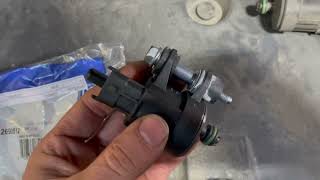
The first-generation GMC Acadia, along with its GM Lambda platform siblings (Buick Enclave, Chevy Traverse, Saturn Outlook), is particularly known for issues with the EVAP purge valve solenoid. This specific part, often identified by part number 12690512, frequently fails by sticking open internally. This failure directly causes the P0442 code and often brings a companion code, P0496 (EVAP Flow During Non-Purge). 🎬 Watch: How to diagnose P0496 and replace the purge valve. Owners often first notice a problem when the vehicle has trouble starting or runs rough immediately after refueling, a classic symptom pointing directly to this faulty valve allowing un-metered fuel vapors into the intake manifold.
Diagnostic Flowchart

Tap your situation to follow the diagnostic path that matches what you're seeing on this vehicle.
Symptoms You May Notice

- Check Engine Light is on.
- Difficulty starting or rough idle immediately after refueling.
- A faint smell of gasoline near the vehicle, especially after parking.
- Slight decrease in fuel economy due to escaping fuel vapors.
- Gas pump nozzle clicks off repeatedly when trying to refuel (more often linked to a faulty vent valve).
- Replacing the charcoal canister when the vent solenoid is the actual problem. The vent solenoid is often attached to the canister but is usually a separate, and much cheaper, part to replace.
- Replacing O2 sensors. This code is strictly related to the EVAP emissions system and has no connection to the oxygen sensors.
- Assuming a smoke test failure at the vent valve means the valve is bad. The vent valve is normally open, so it must be commanded shut with a scan tool before performing a smoke test.
Most Likely Causes

- Faulty EVAP Purge Valve Solenoid 🔴 High Probability → Shop Vapor Canister This component is a well-documented, high-failure-rate item on the 3.6L V6 engine used in the Acadia and its platform mates. It tends to get stuck open internally, allowing fuel vapor to flow when the computer has commanded it closed.
How to confirm: With the engine off, disconnect the purge valve and try to blow through it. If any air passes through, the valve is stuck open and faulty. A professional can use a scan tool to command the valve closed while monitoring fuel tank pressure or using a vacuum gauge; if vacuum builds with the valve commanded off, it's leaking.
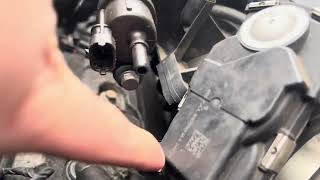
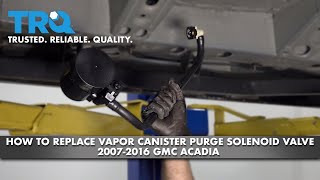
Typical fix: Replace the purge valve solenoid. It is located on the top front of the engine, held by a single 10mm bolt and two quick-disconnect hoses, making it an easy DIY replacement that often takes less than 30 minutes. 🎬 Watch this step-by-step walkthrough for replacing the purge valve.
Est. part cost: $25-$60 - Loose or Faulty Gas Cap 🔴 High Probability → Shop Fuel Tank Cap This is a universal cause for P0442 on any vehicle. The cap's rubber O-ring seal can dry out, crack, or get dirty over time, preventing a proper seal. It can also simply be left loose after refueling.
How to confirm: Ensure the gas cap is tightened until it clicks at least once. Visually inspect the rubber O-ring on the cap for any cracks, dirt, or signs of degradation. If the seal looks worn or is stiff, replacement is the best and cheapest next step.
Typical fix: Tighten or replace the gas cap. It is highly recommended to use an OEM (ACDelco) or high-quality aftermarket cap, as some budget caps are known to have poor sealing properties and may not fix the code.
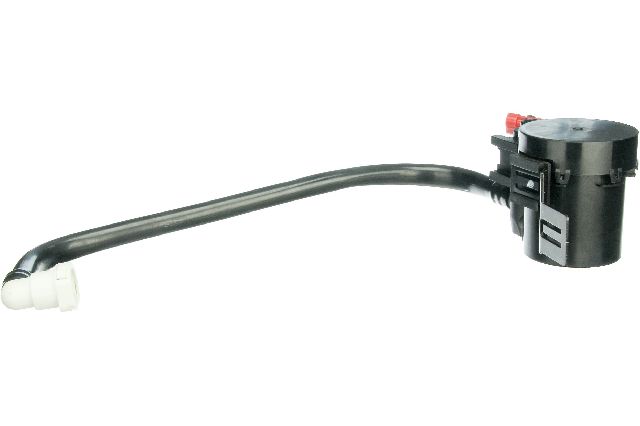
Est. part cost: $10-$30 - Faulty EVAP Vent Valve Solenoid 🟡 Medium Probability → Shop Vapor Canister This valve is located underneath the vehicle near the charcoal canister, exposing it to road salt, water, and grime. This can cause the internal solenoid to fail or get stuck, preventing it from closing when the ECM runs its leak test.
How to confirm: The valve is normally open. A mechanic will use a scan tool to command the valve closed and then perform a smoke test. If smoke exits the vent valve, it has failed to seal. It can also be tested with a power probe; when 12v is applied, the valve should click shut and not allow air to pass through.
Typical fix: Replace the EVAP vent valve solenoid. This part is located near the EVAP canister by the fuel tank and may require safely raising the vehicle for access.
Est. part cost: $25-$75 - Cracked or Disconnected EVAP Hose ⚪ Low Probability Over many heat cycles and years of service, the plastic and rubber lines in the EVAP system can become brittle and develop small hairline cracks, especially at connection points or sharp bends.
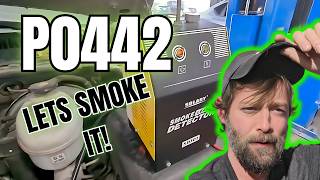
How to confirm: A visual inspection may reveal obvious cracks or loose connections, but tiny leaks are hard to spot. The most effective method is a professional smoke test. A machine fills the EVAP system with visible vapor, and even the smallest leak will be revealed by a trail of smoke. 🎬 See how a pro finds small EVAP leaks using smoke.
Typical fix: Replace the cracked section of hose or reconnect it securely. Small cracks can sometimes be repaired with appropriate sealant, but hose replacement is the correct long-term fix.
Est. part cost: $5-$50
Rare But Worth Checking
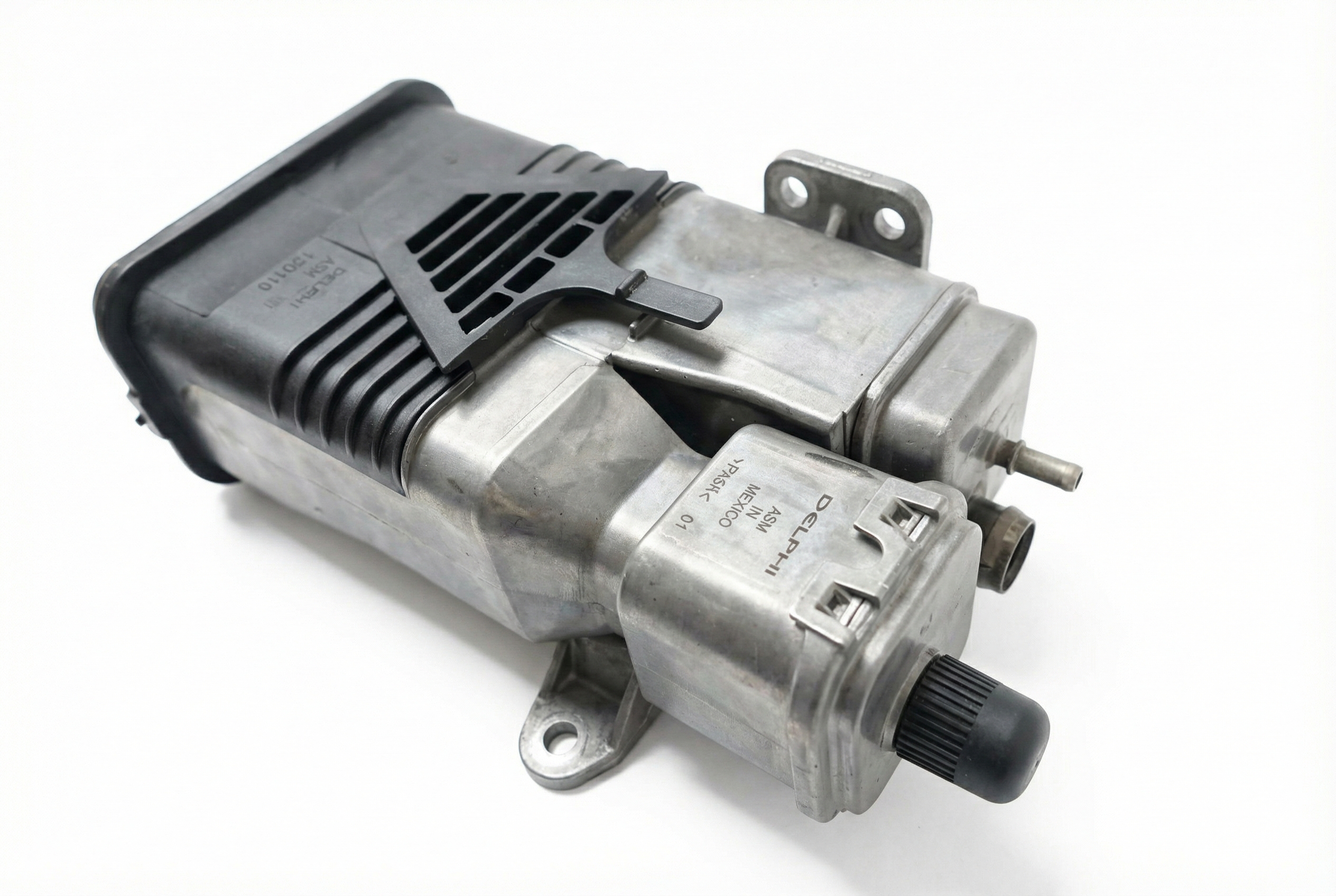
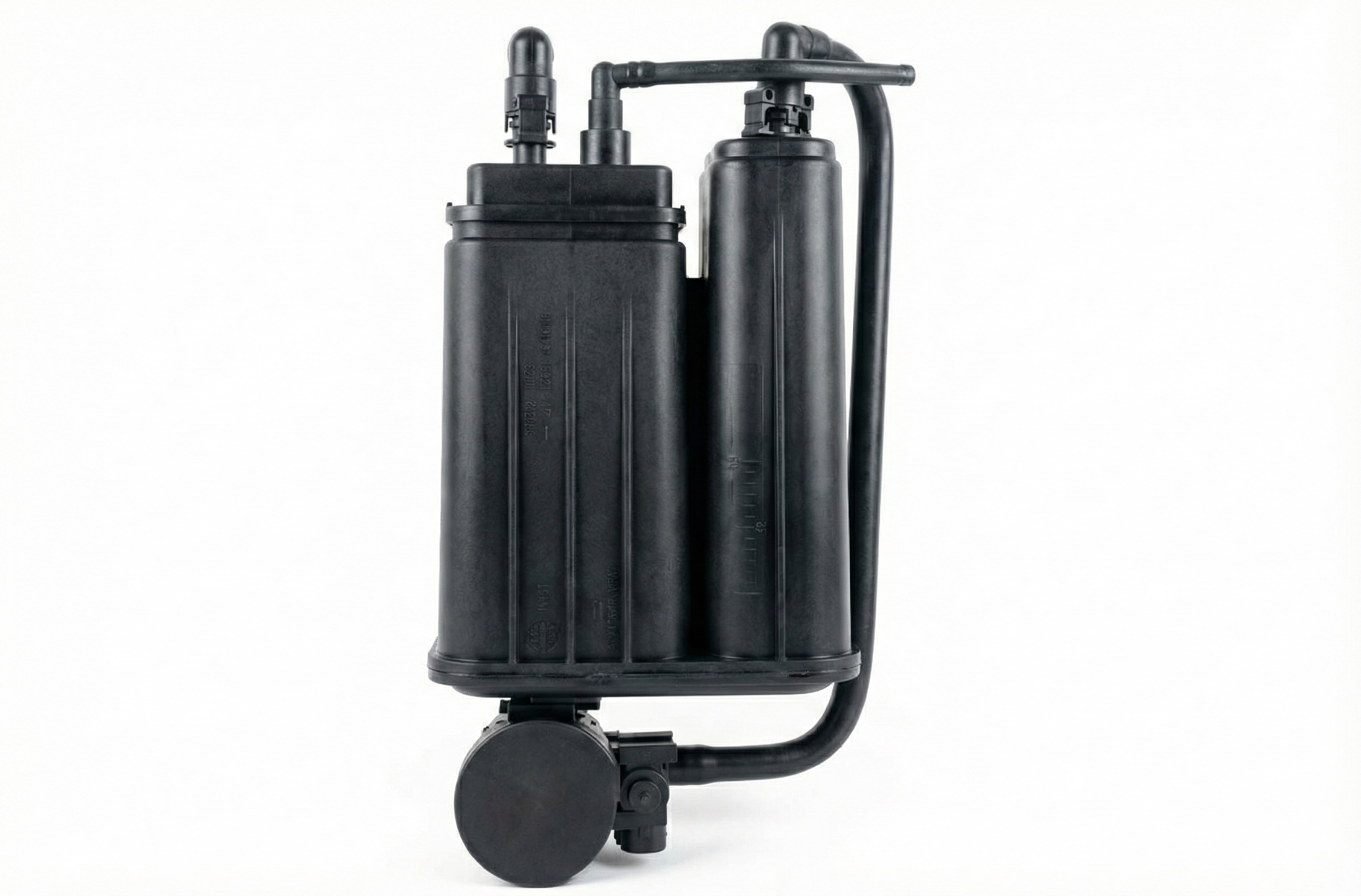
- Leaking Charcoal Canister: → Shop Vapor Canister The plastic housing of the canister itself can develop hairline cracks from age or impact, leading to a leak. This is almost always found with a smoke test after all other, more common components have been ruled out.
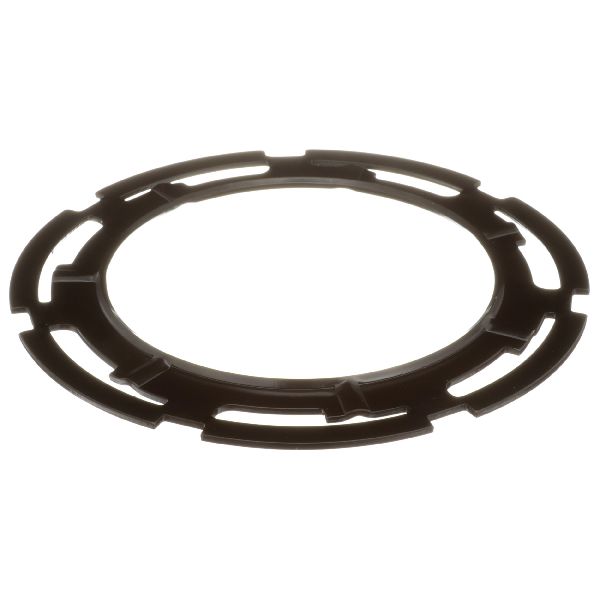
- Cracked Fuel Filler Neck: → Shop Fuel Filler Neck On vehicles in rust-prone areas, the metal tube leading from the gas cap to the tank can corrode and develop small pinholes. This creates a leak that will trigger the P0442 code and may sometimes be accompanied by a fuel smell or visible wetness around the filler neck area after refueling.
Diagnosis Steps
- Check the gas cap. Remove it, inspect the seal for cracks or damage, and reinstall it, ensuring it clicks several times. Clear the code and drive for a few days. If it doesn't return, the cap was the issue.
- If the code returns, perform a visual inspection of the EVAP purge valve on the engine and all accessible EVAP hoses for obvious cracks or disconnections.
- Test the purge valve. With the engine off, remove the valve (one 10mm bolt and two hoses) and try to blow through it. If air passes, it's defective and needs replacement. This is the most common failure.
- If the purge valve tests good, the next step is a professional smoke test. Per TSB 21-NA-124, this is the recommended procedure. The test will pressurize the system with smoke, making leaks from hoses, the vent valve, the charcoal canister, or the fuel tank seals visible.
- During the smoke test, pay close attention to the vent valve solenoid near the tank. The technician should use a scan tool to command it closed to see if it leaks smoke.
- Based on the smoke test results, replace the component identified as leaking.
Parts You'll Likely Need
- EVAP Canister Purge Valve Solenoid
(OEM #12690512 (Supersedes 12610560; is superseded by 12737252))— This is the most common part to fail on the Acadia for this code, often causing the tell-tale symptom of starting issues after refueling.
Trusted brands: ACDelco (OEM), Dorman (e.g., 911-082), Bosch
OEM price range: $40-$60
Aftermarket price range: $25-$45 - Fuel Tank Cap
(OEM #23361898)— A worn or loose gas cap is a very frequent and simple-to-fix cause of a P0442 code. Note: 2011 models had a mid-year change; verify if you have the 1/4 turn cap (first design) or the later design.
Trusted brands: ACDelco (OEM), Stant, Gates
OEM price range: $20-$30
Aftermarket price range: $10-$20 - EVAP Canister Vent Valve Solenoid
(OEM #13575701 (Also see ACDelco 214-2149 for some applications))— This valve, located near the fuel tank, can get stuck open due to exposure to road debris and is the next most likely component to cause a small leak after the purge valve and gas cap.
Trusted brands: ACDelco (OEM), Dorman, Standard Motor Products
OEM price range: $50-$75
Aftermarket price range: $25-$50
Related Codes That Often Appear With This One
- P0496 — This code means "EVAP Flow During Non-Purge" and is a very strong indicator that the purge valve solenoid is stuck open. The ECM detects vapor flow when it expects the valve to be sealed, which is a classic failure mode for this part on the Acadia.
- P0455 — This code indicates a large EVAP leak. If you see both P0442 and P0455, it could mean a component has failed completely (like a vent valve stuck wide open) or a hose has become fully disconnected.
- P0449 — This code specifically points to a malfunction in the EVAP Vent Valve Solenoid control circuit. If you see this code along with P0442, the vent valve or its wiring is the most likely culprit.
Technical Service Bulletins (TSBs) & Recalls
- 21-NA-124: Provides diagnostic tips for finding EVAP leaks related to DTCs P0442 and P0455. It advises technicians to first inspect all EVAP line connections for proper seating and damage. If no visible issues are found, it recommends testing the vent valve for a stuck-open condition before moving on to test the purge valve. It emphasizes using a smoke test to confirm any suspected leaks.
- PIT4943D: Directs technicians to reference a Techlink article from May 2013 titled "Using the Evaporative Emissions System Tester" for diagnosing code P0442. This highlights that specialized equipment (a smoke machine) is the factory-recommended procedure for an accurate diagnosis.
Platform-Specific Known Issues
- Owner Experience: P0442 and P0496 Fixed with Purge Valve: → Shop Vapor Canister An owner on acadiaforum.net with a 2011 Acadia reported receiving both P0442 and P0496 codes, along with the classic symptom of the engine struggling to start after getting gas. Following advice from the forum, they replaced the EVAP purge valve solenoid on the engine (ACDelco part #12610560, which is now superseded). The repair took about 15 minutes, and both the codes and the refueling issue were resolved immediately. This is a highly typical repair story for this platform.
Mechanic-Grade Diagnostic Values
- EVAP Vent Valve Solenoid Resistance — expected: 20 - 50 Ohms. Failure: A reading outside this range, or an open circuit (infinite resistance), indicates a failed solenoid coil.
- Fuel Tank Pressure (FTP) Sensor Voltage (Key On, Engine Off, Gas Cap Off) — expected: ~1.5 Volts. Failure: A significantly different voltage under atmospheric pressure suggests a faulty sensor. The voltage should decrease as vacuum is applied.
- EVAP System Smoke Test Pressure — expected: Not to exceed 0.5 PSI. Failure: Applying pressure higher than 0.5 PSI can damage sensitive EVAP components like the Fuel Tank Pressure sensor.
Scan Tool Commands That Help
- GDS2 / Tech2 / Professional Scan Tool: EVAP Purge/Seal — This is a primary diagnostic function. It commands the vent valve closed to seal the system and then opens the purge valve to see if engine vacuum can pull the fuel tank pressure down. If pressure doesn't drop, there's a blockage. If it drops but won't hold, there's a leak.
- GDS2 / Tech2 / Professional Scan Tool: EVAP Vent Valve Solenoid Control — Used to command the normally-open vent valve to close. This is a required step before performing a smoke test to seal the system. If smoke still exits the vent valve when commanded closed, the valve is faulty.
- GDS2 / Tech2 / Professional Scan Tool: EVAP Purge Solenoid Control (% or On/Off) — Allows a technician to manually open the purge valve to verify it is not stuck. While commanding it open, one can check for vacuum at the valve's inlet port or monitor short-term fuel trims for a rich condition, confirming it is functioning.
Wiring & Ground Locations
- G401 — Near the base of the left 'D' pillar (rear of the vehicle).. This ground is located in the rear of the Acadia, in the general vicinity of the EVAP canister and vent valve. A poor connection here could affect the operation of the vent valve solenoid.
- G303 — Near the base of the left 'B' pillar, behind the trim panel.. This is a major body ground point. While not directly tied to one EVAP component, poor grounding here can cause a variety of difficult-to-diagnose electrical issues with modules that control the EVAP system.
- Vent Valve Wiring — At the EVAP vent valve connector, near the charcoal canister.. The vent valve circuit typically has one wire with 12V+ (key on) and a ground wire that is switched by the Powertrain Control Module (PCM). Verifying 12V+ at the connector is a key step in diagnosing a P0449 or a non-responsive valve.
Real Owner Repair Stories
- YouTube channel 'Flat Rate Mechanic' (2016 GMC Acadia 3.6L (Similar platform and engine)) — P0442 (Small Leak) and P0496 (Flow During Non-Purge) codes were present.
❌ Tried (didn't work) Initial diagnosis pointed directly to the purge valve due to the P0496 code.
✅ What actually fixed it The technician used a scan tool's 'Purge/Seal' function and observed the system pulling a vacuum when it should have been sealed. This confirmed the purge valve was leaking internally. He verified the leak with a vacuum gauge on the disconnected valve. Replacing the EVAP purge valve on the engine resolved both codes.
"I Checked Everything" — The Actual Cause
- A common reason for a P0442 code to persist after a clean smoke test is a faulty Fuel Tank Pressure (FTP) sensor. The sensor may provide incorrect voltage readings to the computer, falsely indicating a leak when the system is actually sealed.
- The EVAP purge or vent valve may leak only under vacuum but seal correctly under the slight pressure of a smoke test. The vehicle's self-test uses engine vacuum, so this failure mode will trigger a code but be invisible to a standard smoke test. Testing the valves with a hand-held vacuum pump can reveal this type of failure.
When the Usual Fixes Don't Work
- While the most common fixes are the gas cap and purge valve, a significant number of cases are resolved only after a standard smoke test comes back clean. In these instances, the fault is often not a physical leak but an electrical or component-specific failure. Technicians report that a faulty Fuel Tank Pressure (FTP) sensor can send false data to the computer, triggering a P0442 code with no actual leak present. Additionally, a purge valve can sometimes pass a pressure-based smoke test but fail under the vacuum-based test the car performs on itself, requiring a different diagnostic approach like a hand vacuum pump test to find the fault.
OEM Part Supersession History
12610560→12690512, which was later superseded by 12737252— Standard part evolution for improved reliability or manufacturing changes.
Heads up: These parts are generally forward-compatible, but using the latest part number (12737252) is recommended.ACDelco 214-2149 (Vent Valve)→N/A— N/A
Heads up: This part number is frequently associated with GM EVAP systems but is for older trucks and cars (approx. 2003-2010) and does NOT fit the 2007-2014 Acadia. Ordering this part will result in an incorrect fit. The correct part number for the Acadia is typically 13575701.
Model Year Variations Within This Range
- 2009-2014: Around 2009, the 3.6L V6 engine was updated from the LLT to the LFX version. While the function and location of major EVAP components like the purge and vent valves are very similar, some specific hose routings or mounting brackets may have minor differences.
- 2011: A mid-year change occurred for the gas cap design. Early 2011 models may use a 1/4 turn cap, while later models use a different design. It is important to verify which style is on the vehicle before ordering a replacement.
Helpful Videos
Used OEM Parts in Stock
New Aftermarket Parts Available


The information in this article is provided for general reference and educational purposes only. Vehicle specifications, procedures, and part compatibility can vary by production date, trim level, and region. Always consult your vehicle's factory service manual and verify part numbers before purchasing or performing repairs. Safety-critical components such as airbags, seat belts, and braking systems should be installed by a qualified professional.
- Gmc ACADIA:
- 🧭 Diagnostic Flowchart
- 🎬 Helpful Videos
- 🛍️ Shop This Part
- What's Unique About the 2007-2014 Gmc ACADIA
- Symptoms You May Notice
- Most Likely Causes
- Rare But Worth Checking
- Diagnosis Steps
- Parts You'll Likely Need
- Related Codes That Often Appear With This One
- Technical Service Bulletins (TSBs) & Recalls
- Platform-Specific Known Issues
- Mechanic-Grade Diagnostic Values
- Scan Tool Commands That Help
- Wiring & Ground Locations
- Real Owner Repair Stories
- "I Checked Everything" — The Actual Cause
- When the Usual Fixes Don't Work
- OEM Part Supersession History
- Model Year Variations Within This Range
- 🎟️ Get 5% Off