

P0442 on 2005 GMC Jimmy Classic: EVAP Small Leak Causes and Fixes
For a 2005 GMC Jimmy Classic, a P0442 code is most often caused by a loose or faulty gas cap, a rusted fuel filler neck, or a bad EVAP vent solenoid. Start by checking the gas cap (ACDelco GT231). If that's not the issue, a new vent solenoid (ACDelco 214-2149) costs around $30-$60, while a filler neck replacement (Spectra Premium FN726) can be more involved but is a very common fix for this specific truck.
- P0442 indicates a small leak in the EVAP (emissions) system.
- Always start by inspecting and tightening the gas cap. A new gas cap is a cheap and easy first step.
- On the 2005 GMC Jimmy, the most likely causes after the gas cap are a rusted fuel filler neck or a faulty EVAP vent solenoid.
- A visual inspection is helpful, but a smoke test is the most reliable method to find the exact source of a small EVAP leak.
- You can continue to drive the vehicle, but the issue must be fixed to pass an emissions test.
What's Unique About the 2005-2005 Gmc JIMMY CLASSIC
The 2005 GMC Jimmy Classic is part of the GM S-series platform (shared with the Chevy Blazer and S-10). A very common issue on these trucks, especially in areas with road salt, is rust. The fuel filler neck is notoriously prone to rusting through, creating the exact type of small leak that triggers a P0442 code. Owners on forums and in repair videos frequently report that after replacing the gas cap, the next most likely culprit is a small rust hole in the filler neck, sometimes hidden at the collar where it meets the gas cap assembly. This requires a close visual inspection or a smoke test to find.
Diagnostic Flowchart
Tap your situation to follow the diagnostic path that matches what you're seeing on this vehicle.
Symptoms You May Notice
- Check Engine Light is on
- A faint smell of fuel, particularly around the rear of the vehicle or near the gas cap
- Failure to pass an emissions inspection
- Difficulty starting the engine immediately after refueling (a less common symptom, often pointing more towards a stuck-open purge valve)
- Replacing the O2 sensors. Oxygen sensors are not part of the EVAP system and will not cause a P0442 code.
- Replacing the fuel pump. While the fuel pump *module* can be the cause due to a rusted top plate or a bad seal, the pump itself is not the cause of an EVAP leak code unless the module's seal is compromised during a replacement.
Most Likely Causes
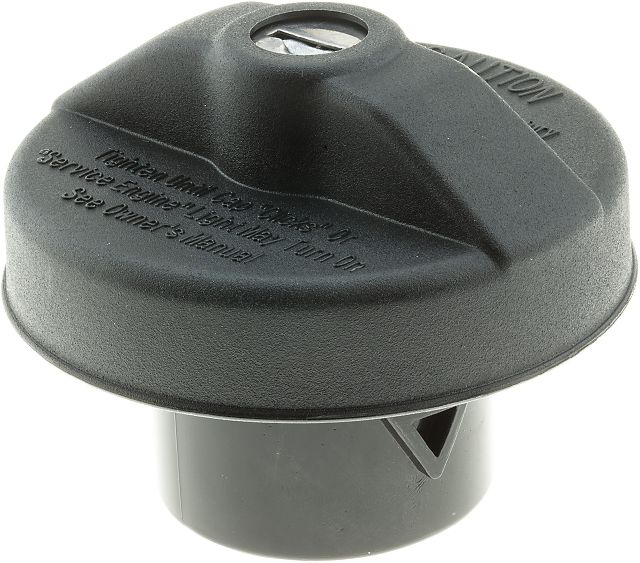
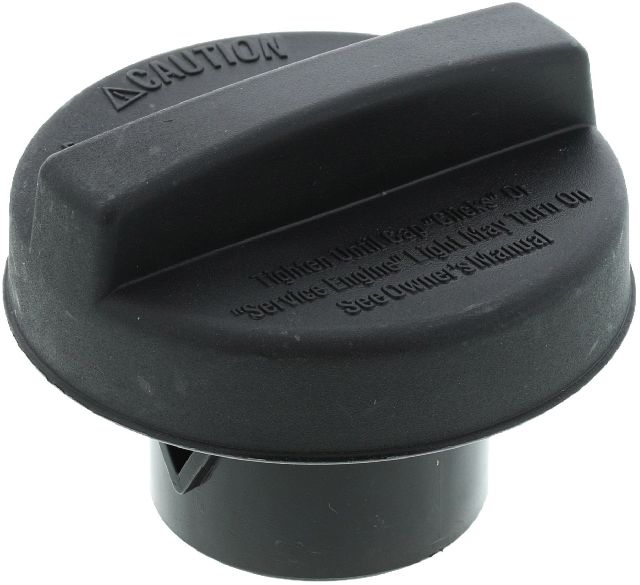
- Loose or Faulty Gas Cap 🔴 High Probability → Shop Fuel Tank Cap The gas cap is a simple mechanical part with a rubber seal that degrades over time from exposure to fuel and weather. It's the most common and easiest-to-fix cause for any EVAP leak code.
How to confirm: Ensure the gas cap is tightened until it clicks at least three times. Inspect the rubber O-ring on the cap for cracks, stiffness, or damage. If the seal looks worn, replacement with an OEM-spec cap like the ACDelco GT231 is the best confirmation.
Typical fix: Replace the gas cap with a new, quality OEM or aftermarket part. Using a known quality brand is recommended as poorly made aftermarket caps can fail to seal properly.
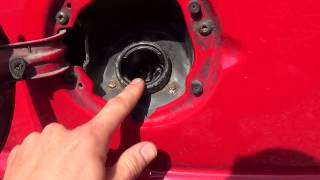
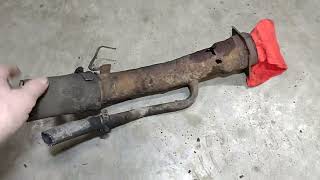
Est. part cost: $15-$30 - Rusted or Cracked Fuel Filler Neck 🔴 High Probability → Shop Fuel Filler Neck The metal fuel filler neck on the S-series/Jimmy platform is highly susceptible to rust, especially in the salt belt. Small pinholes can form, causing a leak that is often missed. A particularly common failure spot is the seal between the metal neck and the outer collar where the gas cap screws on, which can rust and separate.
How to confirm: Visually inspect the entire length of the filler neck, from the gas cap opening down to where it connects to the tank. Pay close attention to the area where brackets are welded and the collar at the top. A smoke test is the most definitive way to confirm a leak here, as smoke will be clearly visible exiting the rust hole.
Typical fix: The rusted filler neck must be replaced. This involves lowering the fuel tank partially to access the connection. 🎬 Watch: Step-by-step guide to replacing a rusted fuel filler neck. Aftermarket replacements like the Spectra Premium FN726 or Dorman 577-821 are widely available. One owner on YouTube successfully used a gas-and-oil resistant sealant on the rusted collar as a temporary fix.
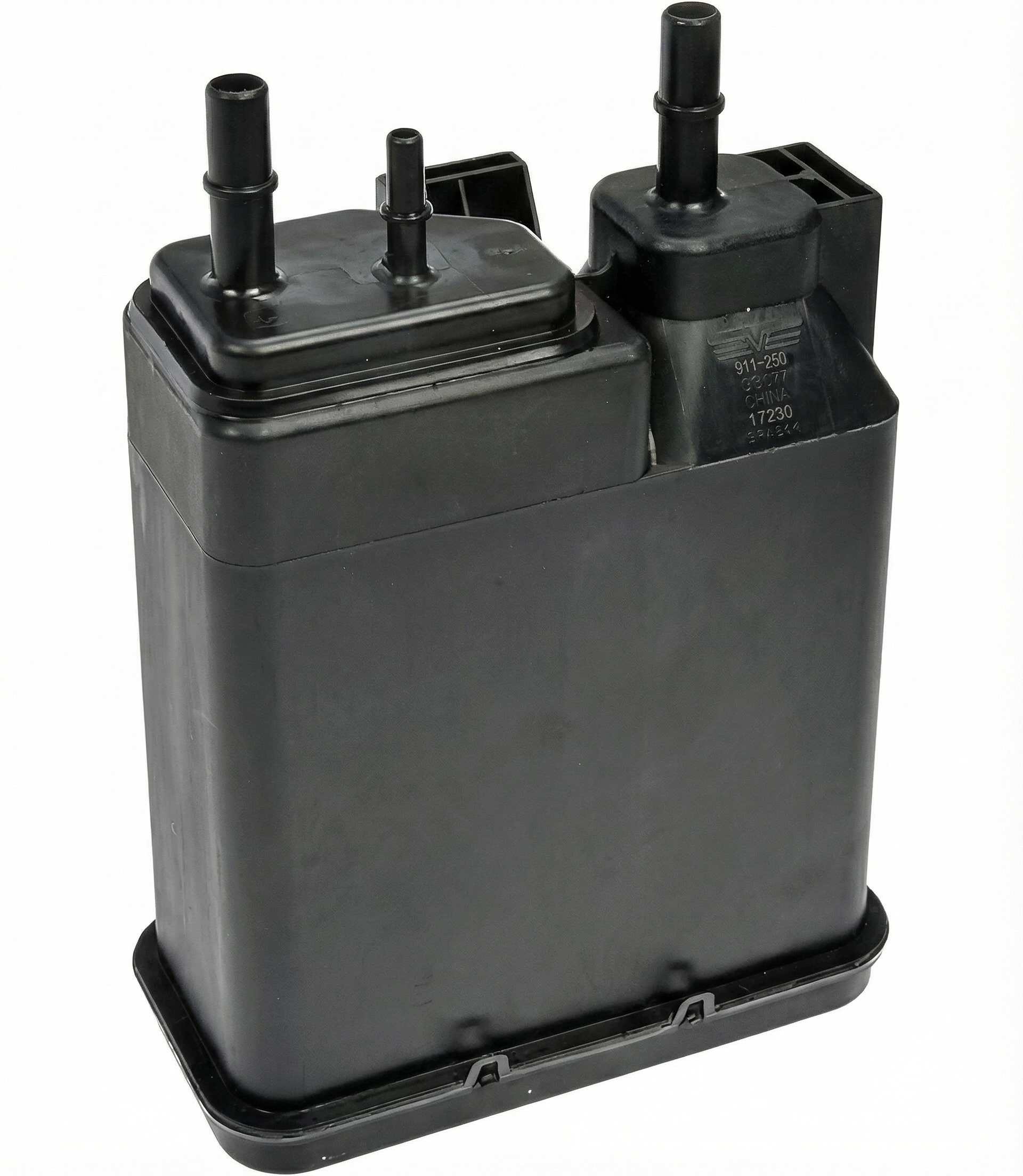
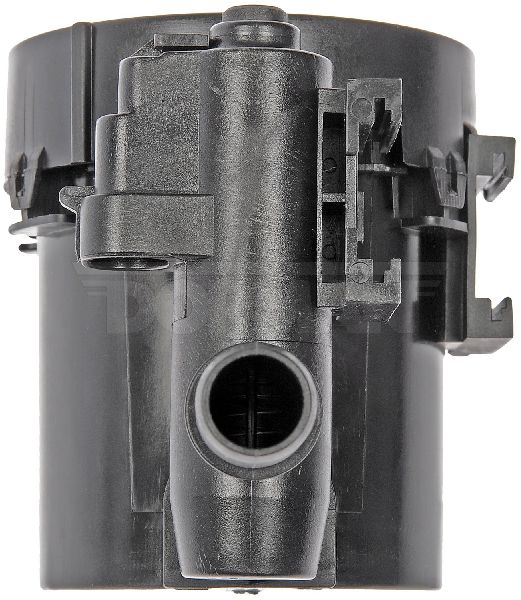
Est. part cost: $50-$120 - Failed EVAP Vent Solenoid 🟡 Medium Probability → Shop Vapor Canister The vent solenoid is located at the rear of the truck, near the charcoal canister and spare tire. Its exposed location makes it vulnerable to road grime, moisture, and corrosion, which can cause it to stick open and create a leak path.
How to confirm: The valve can be tested by applying 12V power to see if it actuates (clicks). A scan tool can also command the valve closed during a smoke test to see if it's sealing. A common failure symptom is difficulty filling the gas tank (stuck closed), though for a P0442 it's more likely stuck open or not sealing completely.
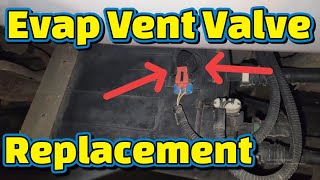
Typical fix: Replace the vent solenoid. It is typically mounted on or near the charcoal canister and is a common DIY repair. 🎬 See how to replace the vent solenoid on your GMC. The ACDelco 214-2149 is the correct OEM replacement part for this vehicle.
Est. part cost: $30-$60 - Failed EVAP Purge Valve/Solenoid ⚪ Low Probability → Shop Vapor Canister The purge valve is located in the engine bay, typically on the intake manifold, where it is less exposed to the elements than the vent valve. While it can fail by sticking slightly open, it's a less common cause for a P0442 on this platform than the gas cap, filler neck, or vent valve.
How to confirm: A purge valve stuck open can cause a rough idle or hard starting after refueling. It can be tested with a hand-held vacuum pump to see if it holds vacuum when closed (de-energized). You can also try blowing through it with it disconnected; if air passes, it has failed.
Typical fix: Replace the purge valve. This is an easy repair with simple hand tools, usually involving one bolt and two hose connections.
Est. part cost: $25-$50 - Cracked or Disconnected EVAP Hoses ⚪ Low Probability Over time, the rubber and plastic hoses that make up the EVAP system can become brittle and crack, especially at connection points and elbows.
How to confirm: Visually inspect all accessible EVAP lines running from the gas tank, along the frame, to the charcoal canister, and up to the engine. A smoke test is the most effective way to find a small hose leak.
Typical fix: Replace the cracked section of hose or the entire line if necessary.
Est. part cost: $5-$30
Rare But Worth Checking
- Cracked Charcoal Canister: → Shop Vapor Canister The plastic housing of the charcoal canister can develop cracks from age or impact, creating a leak. This is usually found with a smoke test after all other common causes have been ruled out.
- Leaking Fuel Tank Pressure (FTP) Sensor Seal: → Shop Fuel Tank The FTP sensor, usually located on top of the fuel pump module, has a seal that can degrade and cause a small leak. This would typically require dropping the tank to access and replace.
- Rusted Fuel Pump Module Top Plate: → Shop Fuel Pump On GM trucks of this era, especially in the rust belt, the metal top plate of the fuel pump module itself can rust through, creating a small fuel and vapor leak. An owner of a 2006 Trailblazer (a related platform) documented this exact failure causing a P0442 after a smoke test led them to the top of the tank. This requires dropping the fuel tank and replacing the entire fuel pump module.
Diagnosis Steps
- Scan for any other stored trouble codes to get a complete picture of the issue.
- Inspect the gas cap. Ensure it is tight and the seal is not cracked or worn. If in doubt, replace it with an OEM part as it's an inexpensive first step.
- Perform a thorough visual inspection of the fuel filler neck from underneath the vehicle. Look for any signs of rust, flaking metal, or wet spots indicating a fuel leak. Pay special attention to the top collar area.
- Visually inspect all accessible EVAP hoses and lines for obvious cracks, disconnections, or damage, particularly at bends and connection points.
- Locate the EVAP vent solenoid near the rear axle/spare tire and inspect its condition and wiring for corrosion or damage.
- Locate the EVAP purge solenoid on the engine and inspect its hoses and wiring.
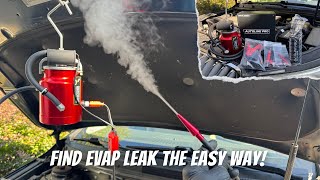
- If no obvious issues are found, the most effective next step is to have an automotive smoke test performed. This involves feeding low-pressure smoke into the EVAP system's service port. The technician must command the vent valve closed with a scan tool to properly seal the system for the test. 🎬 Watch: How to use a smoke machine to find leaks. Smoke will exit from the location of the leak, making it easy to pinpoint.
Parts You'll Likely Need
- Gas Cap
(OEM #ACDelco GT231)— This is the most frequent cause of a P0442 code due to seal degradation. It's the cheapest and easiest part to replace first.
Trusted brands: ACDelco, Stant, Gates
OEM price range: $20-$35
Aftermarket price range: $10-$25 - Fuel Filler Neck
(OEM #15742699 (GM), Spectra Premium FN726, Dorman 577-821)— Extremely common failure point on this platform due to rust, causing a small leak that perfectly matches the P0442 criteria.
Trusted brands: Spectra Premium, Dorman, Lil-Mag
OEM price range: $80-$150
Aftermarket price range: $50-$120 - EVAP Vapor Canister Vent Solenoid
(OEM #ACDelco 214-2149)— This valve is exposed to the elements under the truck and frequently fails by sticking open or not sealing correctly, creating a leak path.
Trusted brands: ACDelco, Dorman, Standard Motor Products (SMP)
OEM price range: $40-$70
Aftermarket price range: $25-$50
Related Codes That Often Appear With This One
- P0455 — This code indicates a large EVAP leak. If a small leak (P0442) worsens, or if there are multiple leaks, it can eventually trigger a P0455. They often share the same root causes.
- P0440 — This is a general EVAP system malfunction code. It can sometimes appear alongside P0442 as the computer tries to narrow down the fault.
Technical Service Bulletins (TSBs) & Recalls
- MIL Illuminated with DTCs P0442 and/or P0455 Set: This bulletin provides technicians with updated diagnostic tips for troubleshooting EVAP system leaks that cause P0442 (small leak) and P0455 (large leak) codes. It emphasizes a systematic approach to testing lines and valves.
- SES Lamp with DTC P0442: This bulletin directs technicians to a specific Techlink article from May 2013 titled 'Using the Evaporative Emissions System Tester.' It suggests that proper use of the smoke machine and test equipment is critical for accurately diagnosing a P0442, implying that improper procedure may be leading to misdiagnosis.
Platform-Specific Known Issues
- The fuel filler neck is a well-documented weak point for rust on the 1995-2005 Jimmy/Blazer platform. It can rust through and cause a P0442 leak even when it appears intact from the outside. A thorough inspection from underneath is critical.
Helpful Videos
Used OEM Parts in Stock
New Aftermarket Parts Available


The information in this article is provided for general reference and educational purposes only. Vehicle specifications, procedures, and part compatibility can vary by production date, trim level, and region. Always consult your vehicle's factory service manual and verify part numbers before purchasing or performing repairs. Safety-critical components such as airbags, seat belts, and braking systems should be installed by a qualified professional.
- Gmc JIMMY CLASSIC:
- 🧭 Diagnostic Flowchart
- 🎬 Helpful Videos
- 🛍️ Shop This Part
- What's Unique About the 2005-2005 Gmc JIMMY CLASSIC
- Symptoms You May Notice
- Most Likely Causes
- Rare But Worth Checking
- Diagnosis Steps
- Parts You'll Likely Need
- Related Codes That Often Appear With This One
- Technical Service Bulletins (TSBs) & Recalls
- Platform-Specific Known Issues
- 🎟️ Get 5% Off