

P0442 on 2003-2010 GMC Savana 1500: EVAP Small Leak Causes and Fixes
For a 2003-2010 GMC Savana, a P0442 code is most often caused by a loose or worn-out gas cap. If a new cap doesn't fix it, the EVAP vent solenoid or purge solenoid are the next most likely culprits. A new gas cap is about $15-$30, while solenoids are typically $30-$80 each. In salt-belt regions, a rusted fuel filler neck is also a common cause.
- P0442 signifies a small leak in the fuel vapor system, which will not stop the van from driving but will cause it to fail an emissions test.
- Always start by inspecting and tightening the gas cap. Replacing it with an OEM ACDelco cap is the most common and cheapest fix.
- If the gas cap isn't the problem, the next most likely causes are the EVAP vent solenoid (under the van) or the EVAP purge solenoid (on the frame or engine).
- In rust-prone areas, carefully inspect the fuel filler neck for corrosion that could cause a leak.
- A professional smoke test is the fastest and most accurate way to locate the leak if it's not one of the common, easily replaceable components.
What's Unique About the 2003-2010 Gmc SAVANA 1500
On these Savana vans and their twin, the Chevrolet Express, 🎬 Watch: A quick overview of diagnosing the P0442 code. the EVAP components are subjected to significant wear due to their placement. The EVAP vent solenoid is mounted on the driver's side frame rail under the vehicle, exposing it to road salt, moisture, and debris, which leads to frequent corrosion and failures. Additionally, in regions where road salt is used, the metal fuel filler neck is highly susceptible to rust, which can create small leaks or a poor sealing surface for the gas cap, triggering this specific code. GM also issued a Technical Service Bulletin (TSB #PI0873) for these vans regarding the fuel cap tether binding, which can prevent the cap from sealing correctly.
Diagnostic Flowchart
Tap your situation to follow the diagnostic path that matches what you're seeing on this vehicle.
Symptoms You May Notice
- Check Engine Light is on
- A faint fuel smell may be noticeable in some cases.
- Possible difficulty starting or a long crank time right after refueling if the purge valve is stuck open.
- Gas pump nozzle may click off repeatedly when trying to refuel if the vent path is restricted, which can be related to vent solenoid issues.
- Replacing the O2 sensors. O2 sensors are not related to the EVAP system and will not fix a P0442 code.
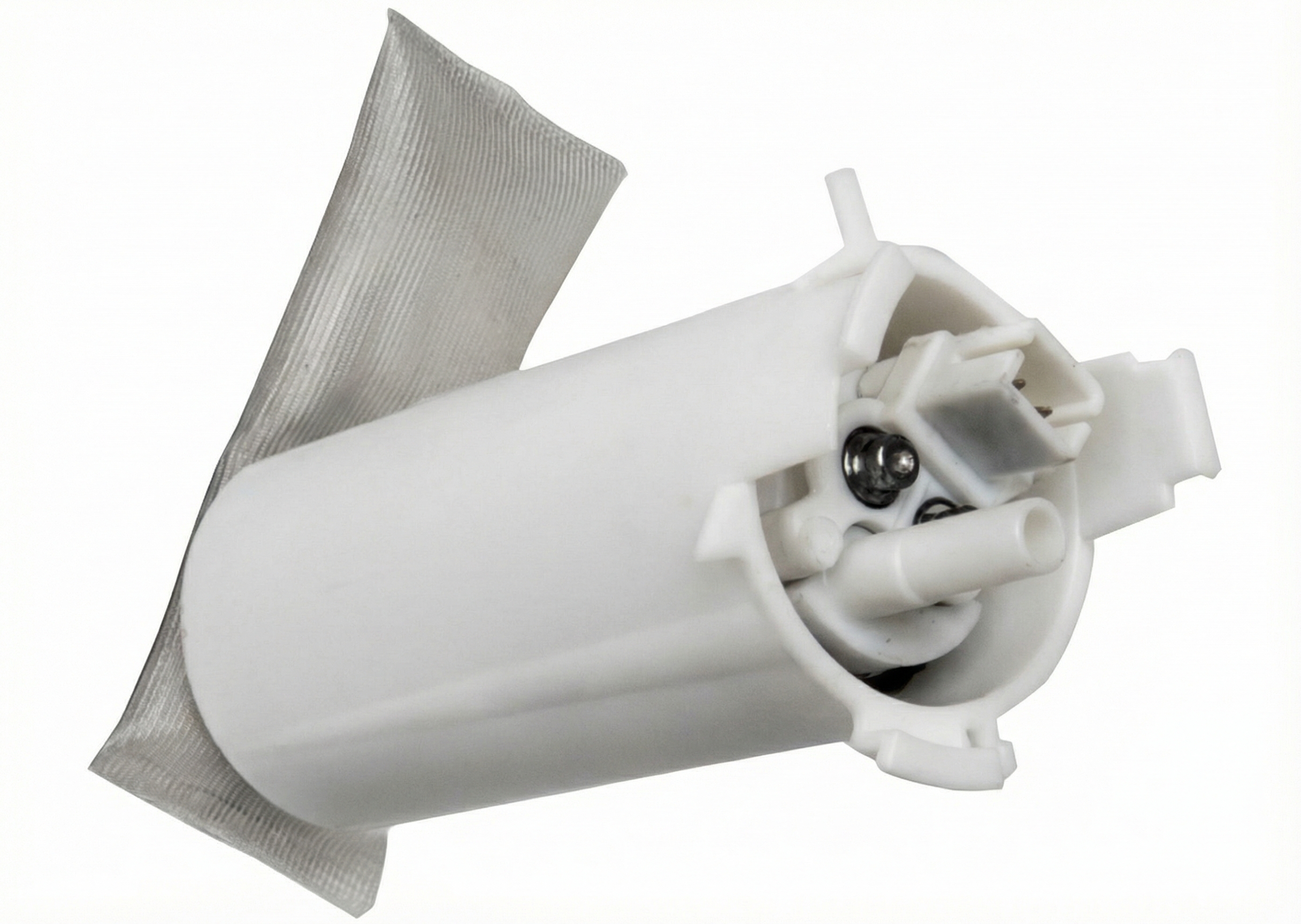
- Replacing the fuel pump. Unless the fuel tank pressure sensor (which is often part of the fuel pump module) or the module's gasket is the specific point of failure, a new pump will not resolve an EVAP leak.
Most Likely Causes
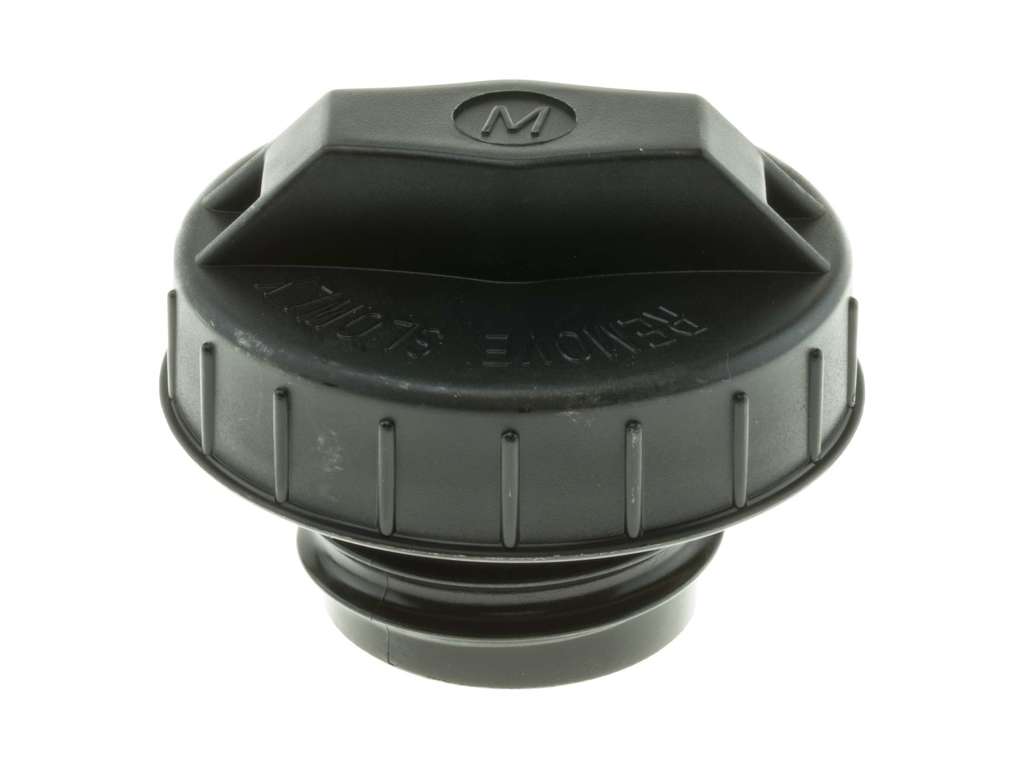
- Loose or Faulty Gas Cap 🔴 High Probability → Shop Fuel Tank Cap The gas cap seal is a simple rubber o-ring that degrades over time with exposure to fuel vapors and weather. It's also the most frequently handled part of the system, making it easy to mis-tighten. Aftermarket caps are a known source of issues. A binding tether is also a known issue on these vans that can prevent a good seal.
How to confirm: Inspect the gas cap's rubber seal for cracks, stiffness, or damage. Ensure the cap clicks at least three times when tightened. If the seal looks worn or the cap is an incorrect aftermarket version, it's suspect. Also check that the tether is not caught under the cap, preventing a good seal.
Typical fix: Replace the gas cap with a new, high-quality OEM or equivalent part. Using an OEM (ACDelco) cap is strongly recommended as some aftermarket caps are known to not seal correctly.
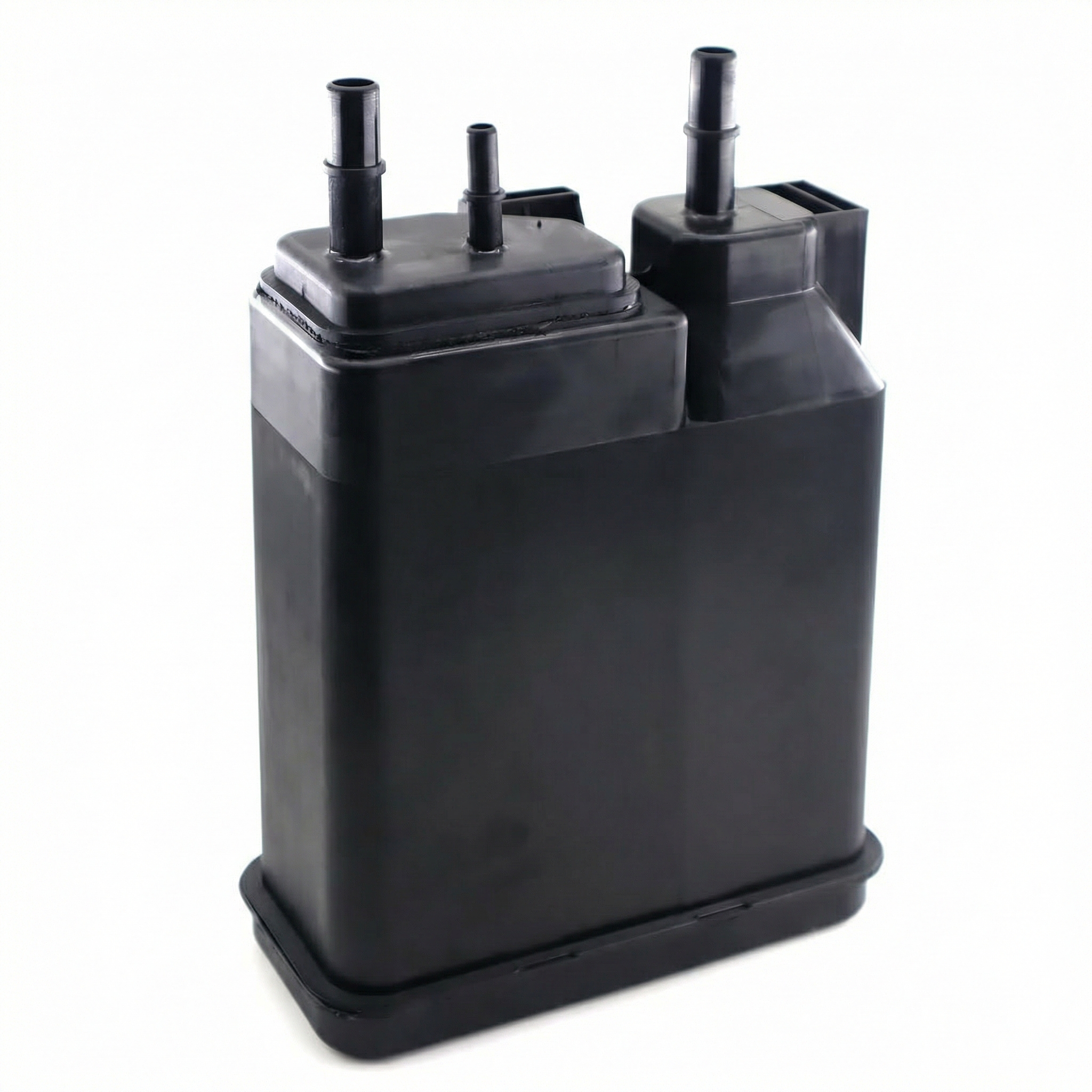
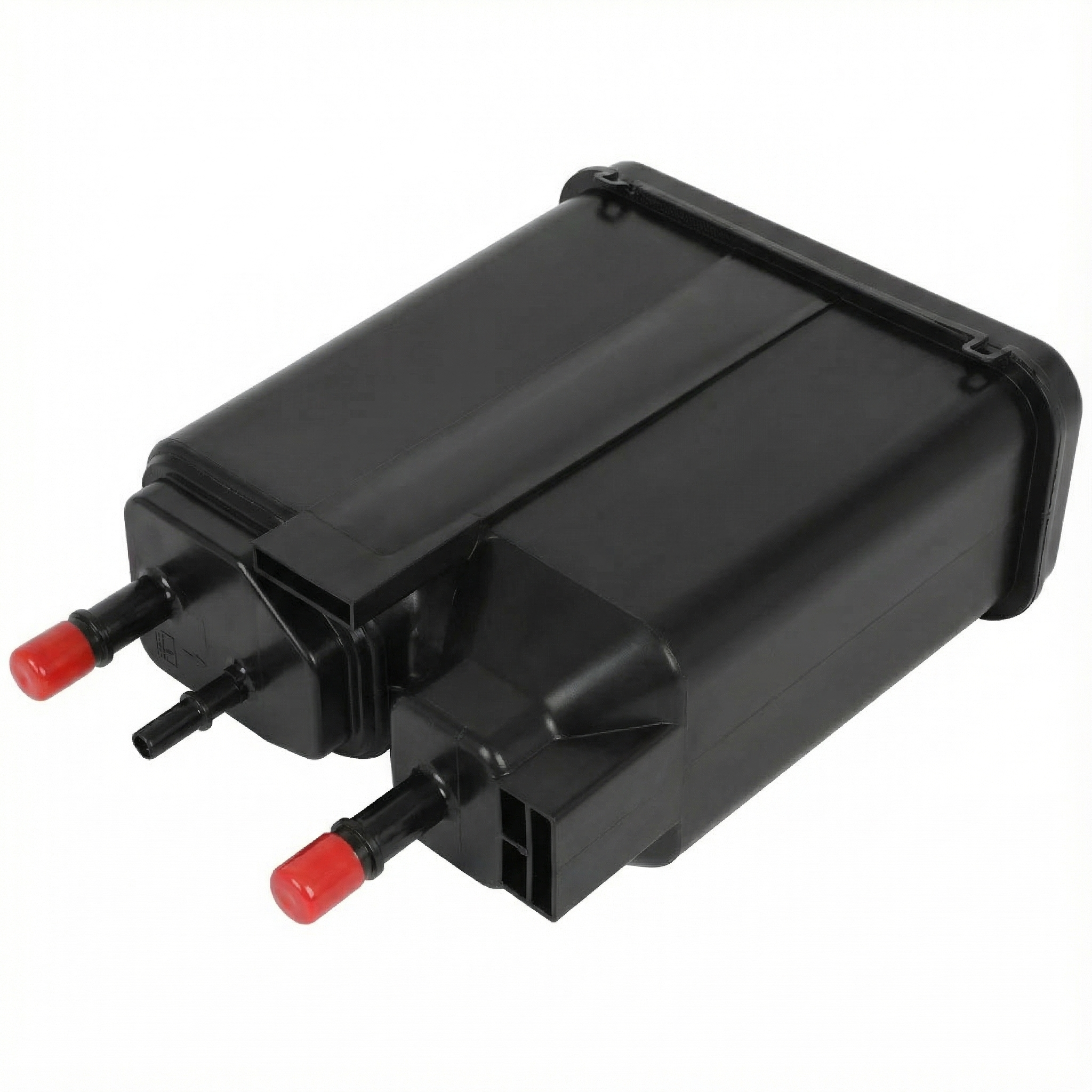
Est. part cost: $15-$30 - Failed EVAP Vent Solenoid 🟡 Medium Probability → Shop Vapor Canister This valve is located under the van on the driver's side frame rail, near the charcoal canister. Its exposure to road salt, water, and debris leads to corrosion and causes the valve to stick open or its seals to fail. This is a very common failure on GM trucks and vans of this era, sometimes leading to a P0449 code as well. GM acknowledged this issue in TSB #09-06-04-028D for similar vehicles.
How to confirm: Visually inspect the valve for heavy rust or physical damage. A professional can command the valve to close with a scan tool and perform a smoke test; smoke exiting the vent valve indicates it's failed. You can also test it on the bench with a 12V power source to see if it actuates (clicks).
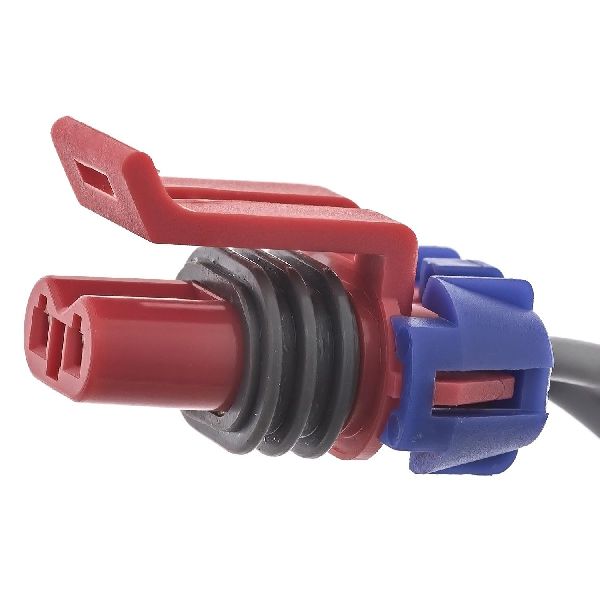
Typical fix: Replace the EVAP vent solenoid. This is a common DIY repair that involves disconnecting a hose and an electrical connector and sliding the valve off its bracket. 🎬 See this walkthrough on replacing the vent solenoid.
Est. part cost: $30-$80 - Failed EVAP Purge Solenoid/Valve 🟡 Medium Probability → Shop Vapor Canister This valve can fail by getting stuck open, closed, or developing a crack in its plastic housing over time due to engine heat and vibration. A stuck-open purge valve is a very common cause of P0442 accompanied by long cranking after refueling.
How to confirm: On earlier models (e.g., 2005), this valve is on the frame rail. On later models (e.g., 2009), it's on the engine intake manifold, often behind the alternator, requiring removal of the interior engine cover ('dog house') for access. It can be tested by removing it and trying to blow through it; if air passes when it is de-energized, it has failed and is stuck open. 🎬 Watch: How to test and replace the purge valve.
Typical fix: Replace the purge solenoid. This is typically an easy repair whether it's on the frame rail or on top of the engine.
Est. part cost: $25-$75 - Rusted or Damaged Fuel Filler Neck ⚪ Low Probability → Shop Fuel Filler Neck In regions with heavy road salt use (the 'Salt Belt'), the metal fuel filler neck is prone to rusting. This can create pinhole leaks in the neck itself or a poor sealing surface for the gas cap. GM has acknowledged this issue in TSB #PIP6038 for related vehicles.
How to confirm: Visually inspect the entire fuel filler neck, from the gas cap opening down to the tank, for signs of rust, flaking metal, or holes. A smoke test will definitively show leaks from this area. Some owners have successfully fixed the issue by sanding the rust off the filler neck sealing surface with a wire brush to allow the gas cap to seal properly.
Typical fix: Replace the fuel filler neck. This is a more involved repair that may require lowering the fuel tank partially. In less severe cases, cleaning the rust off the sealing surface may be sufficient.
Est. part cost: $70-$150
Rare But Worth Checking
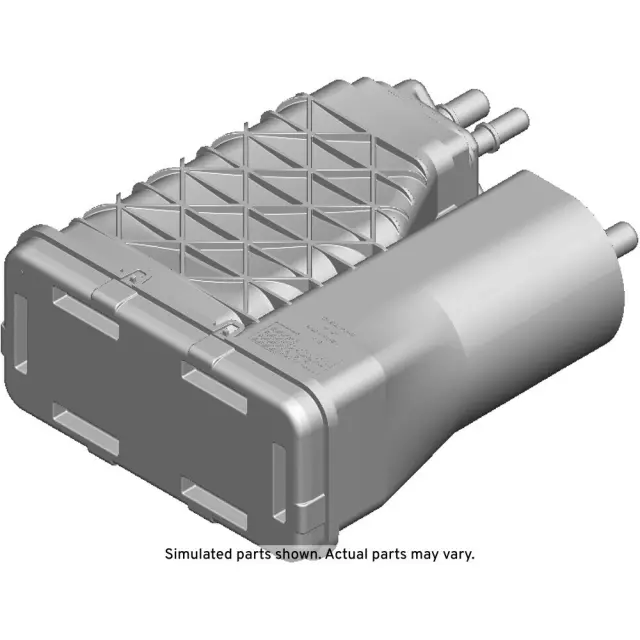
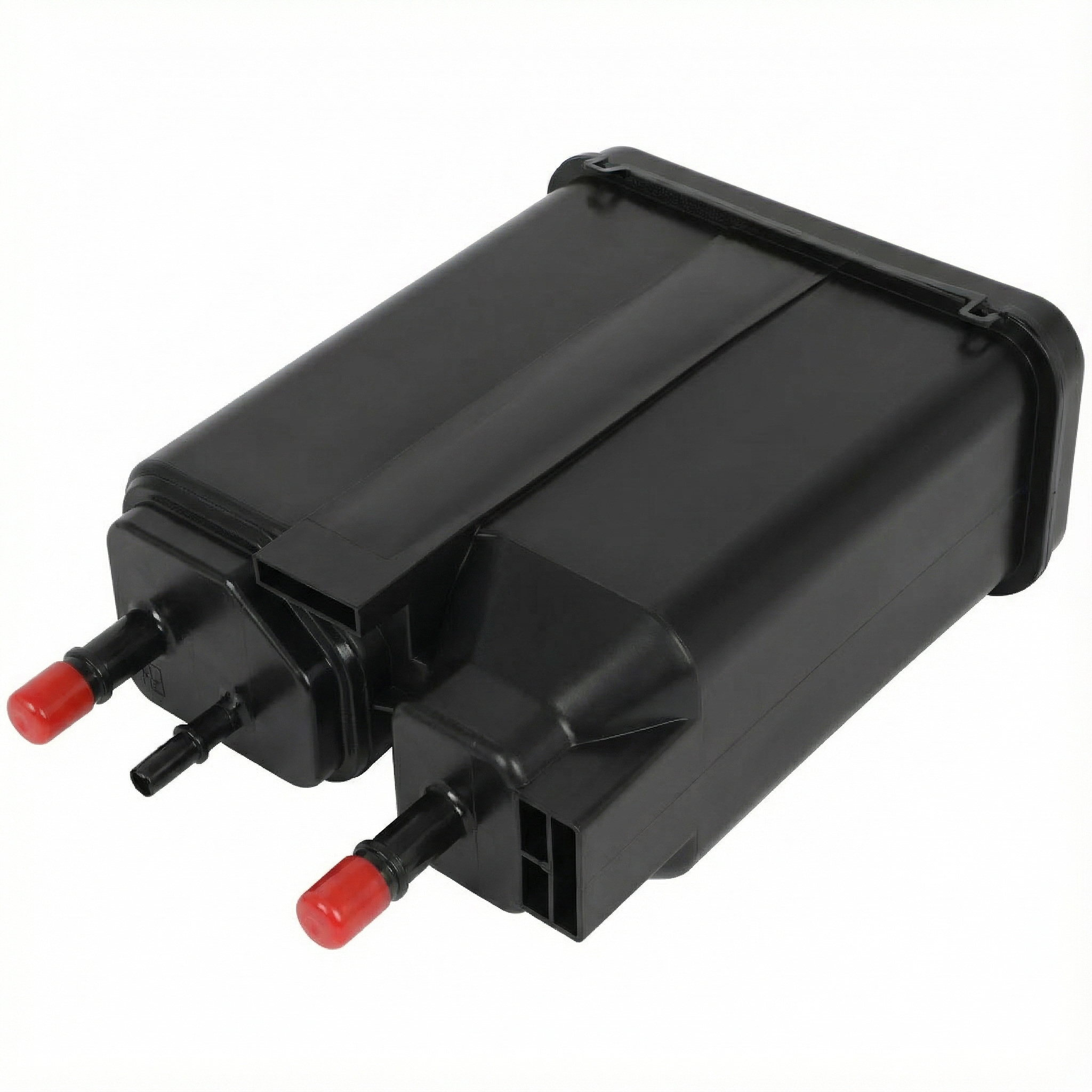
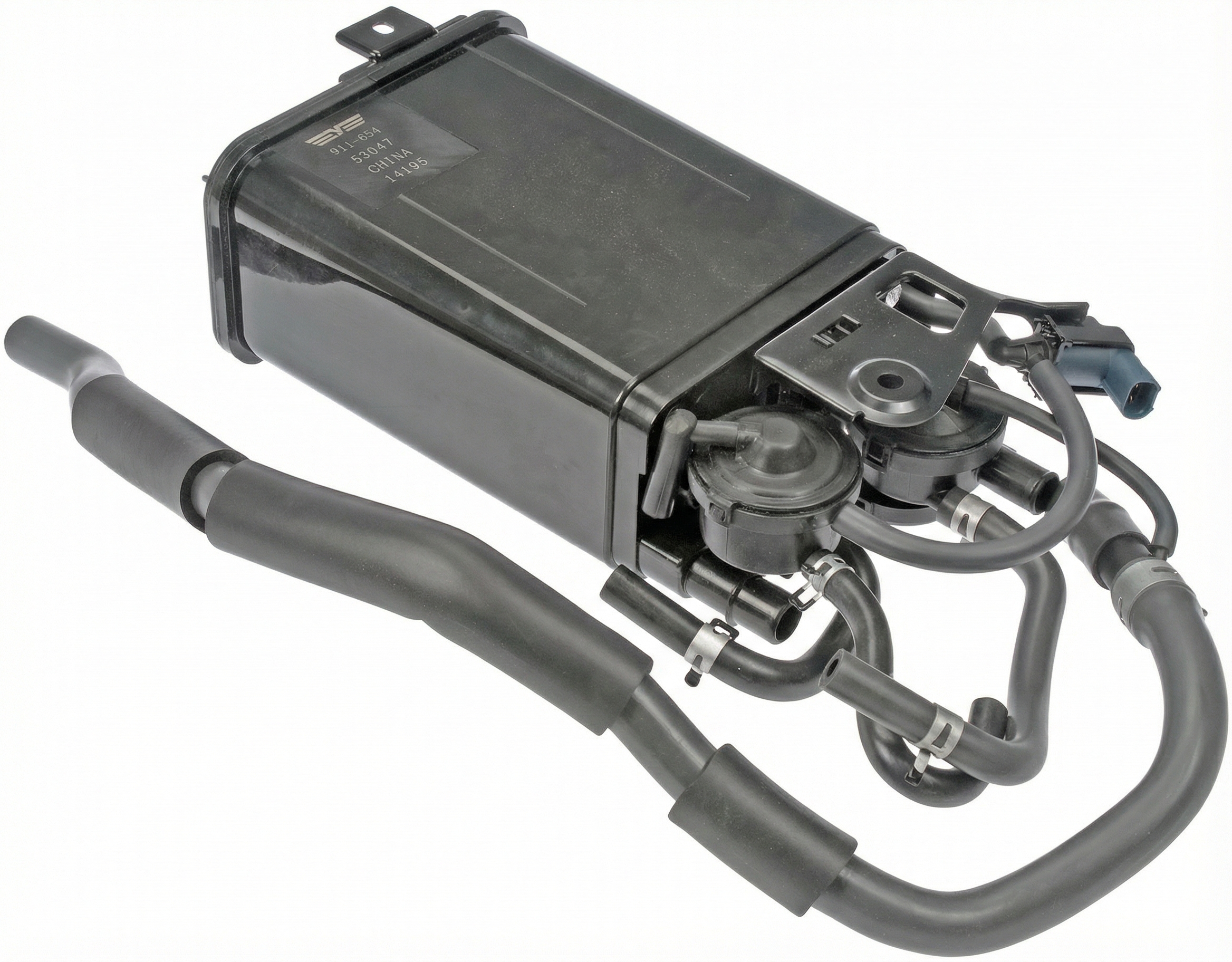
- Cracked EVAP Charcoal Canister: → Shop Vapor Canister While less common for a small leak code, the plastic canister housing can develop fine cracks from age or impact from road debris. This is usually found during a smoke test after all other common components have been ruled out.
- Cracked or Disconnected EVAP Hoses: The various rubber and plastic hoses in the EVAP system can become brittle and crack over time, especially at connection points. A smoke test is the best way to find these leaks, as a visual inspection may miss small cracks that only open under certain conditions.
- Faulty Fuel Tank Pressure (FTP) Sensor: → Shop Fuel Tank In some cases, the EVAP system may be perfectly sealed, but the FTP sensor provides incorrect data to the ECM, causing it to falsely report a leak. This can be a frustrating cause that is only diagnosed after a smoke test shows no leaks.
- Leaking Fuel Tank or Sending Unit Gasket: → Shop Fuel Tank A leak can develop at the seal for the fuel pump/sending unit module on top of the fuel tank. This is less common but can be found with a smoke test if the tank is not completely full.
Diagnosis Steps
- Confirm the P0442 code is present using an OBD-II scanner.
- Inspect the gas cap. Remove it, check the seal for cracks, and ensure it's the correct type for the vehicle. Tighten it until it clicks several times.
- Clear the code and drive for a few days. If the code does not return, the gas cap was the issue.
- If the code returns, perform a thorough visual inspection of all accessible EVAP hoses and lines, especially around the engine bay and along the frame rail leading to the tank. Look for obvious cracks, breaks, or loose connections. Pay close attention to the rubber elbows and connectors.
- Locate and inspect the EVAP vent solenoid under the van, near the charcoal canister. Check for heavy rust or physical damage.
- Locate and inspect the EVAP purge solenoid. Depending on the year/engine, it may be on the frame rail or on the engine itself. Remove it and try to blow through it; if air passes, it's stuck open and needs to be replaced.
- If the leak is not obvious, the most effective diagnostic method is a smoke test. A mechanic will introduce low-pressure smoke into the EVAP service port (often has a green cap under the hood). The leak will be revealed by the point where smoke escapes.
Parts You'll Likely Need
- Gas Cap
(OEM #GT284 (ACDelco))— This is the most common failure point due to wear on the seal and frequent handling. It's the cheapest and easiest first step in diagnosis.
Trusted brands: ACDelco
OEM price range: $20-$35
Aftermarket price range: $15-$25 - EVAP Vent Solenoid
(OEM #25932571)— Its exposed location under the van makes it highly susceptible to corrosion and failure from road debris and weather. The ACDelco equivalent part number is 214-2149.
Trusted brands: ACDelco, Dorman, Standard Motor Products
OEM price range: $40-$60
Aftermarket price range: $30-$50 - EVAP Purge Solenoid / Valve
(OEM #12610560)— This valve cycles frequently and can get stuck or develop leaks in its housing over time. It's a common failure item for this code after the gas cap and vent valve are checked. A stuck-open purge valve is a primary suspect if you also experience long cranking after refueling.
Trusted brands: ACDelco, Dorman
OEM price range: $45-$75
Aftermarket price range: $25-$60
Related Codes That Often Appear With This One
- P0455 — This indicates a large EVAP leak. If a component fails significantly (like a valve sticking wide open or a hose disconnecting), it may present as a P0455 instead of, or along with, a P0442. The NHTSA TSB #21-NA-124 specifically mentions diagnosing both codes together.
- P0449 — This code points to an electrical circuit fault for the EVAP Vent Solenoid. If you see P0449 and P0442 together, the vent solenoid assembly or its wiring is almost certainly the problem.
- P0496 — This code indicates 'EVAP Flow During a Non-Purge Condition' and almost always points to a faulty purge valve that is stuck open, allowing fuel vapors into the intake manifold at the wrong time.
Technical Service Bulletins (TSBs) & Recalls
- 21-NA-124
Platform-Specific Known Issues
- A Technical Service Bulletin (TSB #21-NA-124) was issued by GM to provide technicians with diagnostic tips for finding EVAP leaks that cause P0442 and P0455, indicating this is a recognized issue on these vehicles. The bulletin advises checking lines and connections first, then the vent valve, and finally the purge valve.
- Rust forming on the fuel filler neck where the gas cap seals is a very common problem in salt-belt states, leading directly to a P0442. A real-world fix reported by an owner was to sand the rust off the filler neck to create a smooth surface for a new OEM gas cap to seal against.
- On some model years (e.g., 2009), the purge solenoid is located behind the alternator, making access more difficult than on other years. The job requires removing the interior engine cover ('dog house') to reach it from inside the van.
Mechanic-Grade Diagnostic Values
- EVAP Canister Purge Valve Resistance — expected: 30 to 38 Ohms. Failure: A reading outside this range indicates a failed solenoid coil.
- EVAP Canister Vent Solenoid Resistance — expected: 20 to 30 Ohms. Failure: A reading outside this range (e.g., open circuit or short) indicates a failed solenoid coil. Some sources may state 48-65 Ohms, so comparing to a new part is wise.
- Fuel Tank Pressure (FTP) Sensor Voltage (Key On, Engine Off, Gas Cap Off) — expected: Approximately 1.3V to 1.7V. Failure: A reading that is stuck low (e.g., 0.2V) or high, and does not change when the gas cap is removed, points to a faulty sensor or wiring issue.
- EVAP Vent Solenoid Control Wire Voltage (Key On, Solenoid Commanded OFF) — expected: 12 Volts (Battery Voltage). Failure: If voltage is not present, it indicates a problem with the power feed from the fuse or an open in the circuit.
Scan Tool Commands That Help
- Tech2 / GDS2 or equivalent professional scanner: EVAP Purge/Seal — This function commands the purge solenoid to open and the vent solenoid to close, applying engine vacuum to the entire EVAP system. By monitoring the FTP sensor voltage, a technician can see if the system holds a vacuum. A rapid return to atmospheric pressure (approx. 1.5V) after sealing indicates a leak.
- Tech2 / GDS2 or equivalent professional scanner: EVAP Vent Solenoid ON/OFF — This command manually closes the vent solenoid. It is used during a smoke test to seal the system, allowing the smoke to build pressure and reveal leaks. If the system doesn't seal with the valve commanded ON, the valve itself is likely leaking.
- Tech2 / GDS2 or equivalent professional scanner: EVAP Purge Solenoid Control — Allows the technician to incrementally open the purge valve by percentage. This can be used to verify the valve is responding to commands and is not stuck.
Real Owner Repair Stories
- YouTube video by 'busfixin' (2009 Chevrolet Express 3500 4.8L (sister vehicle)) — Check Engine Light with code P0442.
❌ Tried (didn't work) The owner suspected the gas cap was not the issue and proceeded directly to the purge valve.
✅ What actually fixed it The EVAP purge solenoid/valve was replaced. On this 2009 model, it was located on the engine behind the alternator, requiring removal of the interior engine cover ('dog house') for access.
"I Checked Everything" — The Actual Cause
- In cases where a smoke test reveals no leaks, the issue can be an intermittently failing gas cap seal that holds pressure during a test but fails under normal driving conditions.
- A faulty Fuel Tank Pressure (FTP) sensor can also be the cause. The system may be perfectly sealed, but if the sensor provides incorrect data to the ECM, the computer will falsely report a leak. This is often diagnosed after a smoke test shows no leaks and all valves test good.
OEM Part Supersession History
10382105, 15750484, 22728634→25932571— Part redesign and consolidation for the EVAP Vent Solenoid.
Heads up: Some vendors note that the redesigned part 25932571 may not be correct for all vehicles and advise verifying with a VIN.
Model Year Variations Within This Range
- Approx. 2003-2006: The EVAP Purge Solenoid is often located on the frame rail under the vehicle, near the other EVAP components. A 1A Auto video shows this location on a 2005 Savana.
- Approx. 2007-2010: The EVAP Purge Solenoid was moved to the engine's intake manifold, typically behind the alternator. This requires removing the interior engine cover ('dog house') for access.
Helpful Videos

Used OEM Parts in Stock
New Aftermarket Parts Available


The information in this article is provided for general reference and educational purposes only. Vehicle specifications, procedures, and part compatibility can vary by production date, trim level, and region. Always consult your vehicle's factory service manual and verify part numbers before purchasing or performing repairs. Safety-critical components such as airbags, seat belts, and braking systems should be installed by a qualified professional.
- Gmc SAVANA 1500:
- 🧭 Diagnostic Flowchart
- 🎬 Helpful Videos
- 🛍️ Shop This Part
- What's Unique About the 2003-2010 Gmc SAVANA 1500
- Symptoms You May Notice
- Most Likely Causes
- Rare But Worth Checking
- Diagnosis Steps
- Parts You'll Likely Need
- Related Codes That Often Appear With This One
- Technical Service Bulletins (TSBs) & Recalls
- Platform-Specific Known Issues
- Mechanic-Grade Diagnostic Values
- Scan Tool Commands That Help
- Real Owner Repair Stories
- "I Checked Everything" — The Actual Cause
- OEM Part Supersession History
- Model Year Variations Within This Range
- 🎟️ Get 5% Off