

P0442 on 2000-2004 GMC Savana: EVAP Small Leak Causes and Fixes
The P0442 code on a 2000-2004 GMC Savana indicates a small leak in the EVAP system. The most common and easiest fix is to inspect and tighten or replace the gas cap. If that doesn't solve it, the next likely culprits are the EVAP vent or purge solenoids, though cracked hoses and a rusted fuel filler neck are also common with age.
- P0442 means your Savana has a small leak in the fuel vapor recovery system.
- Always start with the simplest fix: check that your gas cap is tight and the seal is not cracked. An OEM ACDelco cap is the best replacement.
- If the gas cap isn't the issue, the EVAP vent solenoid or purge valve are the next most likely culprits.
- Finding the leak without a smoke machine can be very difficult. A professional diagnosis with a smoke test is often the most time and cost-effective solution.
- This code will not leave you stranded, but it will cause you to fail an emissions inspection.
What's Unique About the 2000-2004 Gmc SAVANA
For this generation of GMC Savana and its sibling, the Chevrolet Express, the EVAP system components are common failure points due to age and exposure. The large, work-van chassis places components like the vent solenoid and charcoal canister in locations susceptible to road debris and corrosion. Accessing the purge solenoid is notably difficult, requiring removal of the interior engine cover ('dog house') to get to the back of the engine. GM has issued technical service bulletins (TSBs) providing diagnostic advice for this code, indicating it's a recognized issue requiring careful diagnosis rather than just replacing parts. [Bulletin #21-NA-124, Bulletin #PIT4943D]
Diagnostic Flowchart
Tap your situation to follow the diagnostic path that matches what you're seeing on this vehicle.
Generation note: The 2000-2004 year range covers the first generation of the GMC Savana, but includes a significant facelift in 2003. While the basic EVAP system function is the same, the exact location and part numbers for components like the vent and purge solenoids may differ between 2000-2002 and 2003-2004 models. For example, the vent solenoid part number 214-2149 is listed for 2003-2010 models. Always verify the part for your specific model year.
Symptoms You May Notice
- Check Engine Light is on
- A faint fuel smell may be noticeable, especially around the rear of the van or after refueling.
- Inability to use the 'auto-fill' lever on a gas pump handle without it clicking off repeatedly. This is often a sign of a blocked vent path, which can occur alongside a leak code.
- A long crank time after refueling. This can happen if the purge valve is stuck open, allowing fuel vapors to flood the engine.
- Replacing the O2 sensors. O2 sensors are not related to the EVAP system.
- Replacing the fuel injectors. While fuel-related, injectors will not cause an EVAP leak code.
- Assuming it's a major engine problem. P0442 is strictly an emissions system issue and rarely affects how the vehicle drives.
Most Likely Causes
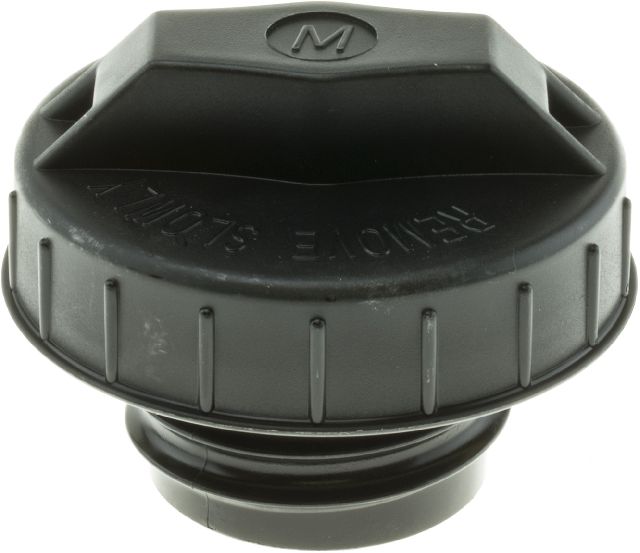
- Loose or Faulty Gas Cap 🔴 High Probability → Shop Fuel Tank Cap The gas cap seal is a simple rubber O-ring that degrades over time with exposure to fuel vapors and weather. It's the most frequently handled part of the system and often the first to fail. Using non-OEM caps can also lead to sealing issues.
How to confirm: Inspect the gas cap for any visible cracks, hardening, or brittleness in the rubber seal. Ensure it is tightened until it clicks at least once. Clean the sealing surface on the filler neck. If the seal looks worn, it's best to replace it. An OEM cap is strongly recommended.
Typical fix: Replace the gas cap. It is highly recommended to use an OEM-quality cap, such as one from ACDelco, as some aftermarket caps may not seal correctly.
Est. part cost: $15-$30 - Faulty EVAP Vent Solenoid 🟡 Medium Probability → Shop Vapor Canister Located near the charcoal canister, usually above the rear axle, this valve is exposed to road dirt, moisture, and debris. It can get stuck open or the internal seal can fail, causing a leak. GM has noted this as a common issue on truck platforms, sometimes issuing kits to relocate the air filter to a cleaner location. Spiders are also known to build nests in the vent lines, causing blockages.
How to confirm: A smoke test is the most reliable method; smoke will exit the valve if it's stuck open. A bi-directional scan tool can be used to command the valve closed (it is normally open) and check if the system can then hold a vacuum. You can also apply 12V power to the solenoid to hear if it clicks, but a click doesn't guarantee it's sealing properly.
Typical fix: Replace the EVAP vent solenoid. This part is often sold as an assembly with a new filter box. Ensure the connecting hoses are clear of debris.
Est. part cost: $30-$60 - Faulty EVAP Purge Solenoid/Valve 🟡 Medium Probability → Shop Vapor Canister This valve is located in the engine bay and controls the flow of vapors to the engine. Over time, it can get stuck open or closed, or develop a leak. TSB PIT4943C specifically calls out checking for an intermittent leak in this component.
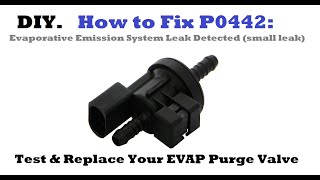
How to confirm: With the engine off, remove the valve and try to blow through it; it should be closed and not allow air to pass. A hand-held vacuum pump is an excellent tool to check if it holds vacuum; a leaky valve will bleed down. A bi-directional scan tool can command it to open and close to verify function.
Typical fix: Replace the purge solenoid. Access on the Savana requires removing the interior engine cover ('dog house').
Est. part cost: $25-$50 - Cracked or Disconnected EVAP Hoses ⚪ Low Probability The rubber and plastic lines that make up the EVAP system become brittle with age and heat cycles, leading to cracks, especially at connection points and elbows.
How to confirm: Perform a thorough visual inspection of all accessible EVAP lines from the engine bay to the fuel tank. A smoke test is the definitive way to find a cracked hose, as smoke will pour out of the leak location.
Typical fix: Replace the damaged section of hose or secure the loose connection. Small sections of vacuum hose are inexpensive.
Est. part cost: $10-$40 - Rusted Fuel Filler Neck ⚪ Low Probability → Shop Fuel Filler Neck In areas that use road salt (the "rust belt"), the metal fuel filler neck can corrode and develop pinhole leaks, especially around the area where the gas cap seals or along the pipe itself. This is a known issue on many vehicles of this era.
How to confirm: Visually inspect the filler neck for rust, especially on the lip where the gas cap O-ring makes contact. A smoke test is the most effective method and will show smoke escaping from the rusted area.
Typical fix: Replace the fuel filler neck. This often requires lowering the fuel tank for access and can be a more involved repair.
Est. part cost: $100-$200
Rare But Worth Checking
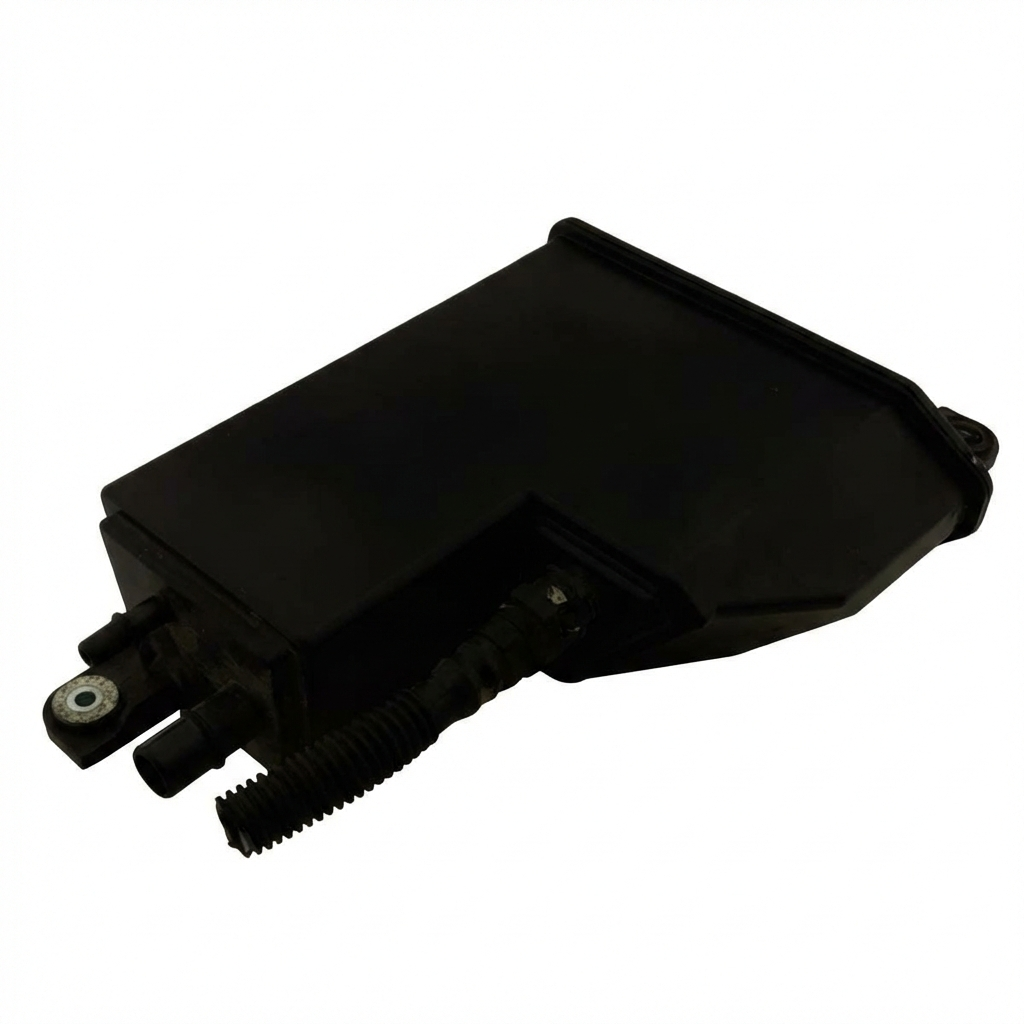
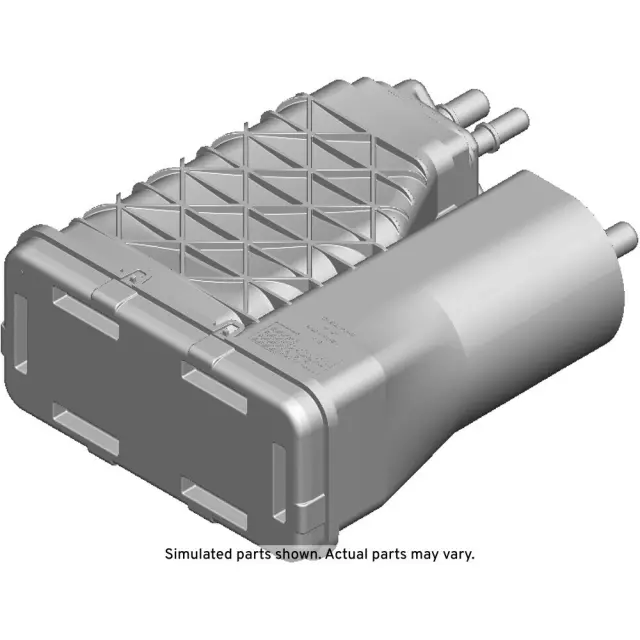
- Cracked Charcoal Canister: → Shop Vapor Canister The plastic housing of the charcoal canister can crack from age or impact from road debris, causing a leak. This is less common than a valve failure but should be checked during a smoke test.
- Leaking Fuel Tank Gasket: → Shop Fuel Tank The gasket that seals the fuel pump/sending unit to the top of the fuel tank can dry out and crack, causing a small vapor leak. This would be visible during a smoke test with smoke emerging from the top of the tank.
- Faulty Fuel Tank Pressure (FTP) Sensor: → Shop Fuel Tank The FTP sensor's job is to report the pressure or vacuum in the EVAP system to the PCM. If the sensor is faulty and gives an incorrect reading, the PCM may interpret this as a leak when none exists. A diagnostic scan tool can monitor the sensor's output to see if it's behaving erratically or not responding to pressure changes during a test.
Diagnosis Steps
- Check the Gas Cap: This is the simplest and most common fix. Remove the gas cap, inspect the seal for cracks or damage, and clean the sealing surface on the filler neck. Reinstall the cap, ensuring it clicks several times. Clear the code and drive for a few days to see if it returns.
- Visual Inspection: Carefully inspect all visible EVAP hoses and lines in the engine bay and underneath the vehicle for obvious cracks, damage, or loose connections. Pay special attention to rubber elbows and connection points.
- Perform a Smoke Test: This is the most effective step. A smoke machine forces low-pressure, UV-dyed smoke into the EVAP service port. The leak will be revealed by the escaping smoke. This is the method recommended in GM's service literature. [Bulletin #PIT4943D]
- Inspect Common Components: Pay close attention to the vent solenoid (near the canister), purge valve (in the engine bay), and the fuel filler neck during the smoke test, as these are the most common leak points.
- Test Solenoids with a Scan Tool: Use a bi-directional scan tool to command the normally-open vent valve to close and the normally-closed purge valve to open. While the vent valve is commanded closed, perform a smoke test. If the system holds pressure, the valve is likely good. If it still leaks, the valve itself is faulty.
- Test Fuel Tank Pressure (FTP) Sensor: While the system is sealed (vent valve commanded closed), monitor the FTP sensor on the scan tool. The pressure should remain steady. If it drops, it confirms a leak. If the pressure reading is erratic or doesn't change when pressure is applied, the sensor itself may be bad.
- Inspect Charcoal Canister and Hoses: While smoke testing, check the body of the charcoal canister for any cracks or damage. Also, remove and inspect the vent hose for blockages, such as spider webs or dirt.
Parts You'll Likely Need
- Fuel Tank Cap
(OEM #15763227)— This is the most common cause of a P0442 code due to its seal wearing out over time. It's the easiest and cheapest part to replace first.
Trusted brands: ACDelco
OEM price range: $20-$30
Aftermarket price range: $10-$20 - Vapor Canister Vent Solenoid
(OEM #214-2149 (For 2003+ models), also known as ACDelco 214-2324)— This valve is a very common failure point on GM trucks and vans of this era. It gets stuck or fails to seal due to its exposed location under the vehicle.
Trusted brands: ACDelco, Dorman, Standard Motor Products (CVS6)
OEM price range: $40-$60
Aftermarket price range: $25-$45 - Vapor Canister Purge Valve
(OEM #1997279 (also known as ACDelco 214-646))— Located in the engine bay, this valve can fail by getting stuck open, causing a constant small vacuum leak that the system detects.
Trusted brands: ACDelco, Delphi
OEM price range: $30-$50
Aftermarket price range: $20-$40
Related Codes That Often Appear With This One
- P0455 — P0455 indicates a 'Gross Leak' in the EVAP system. If a small leak (P0442) worsens, or if the gas cap is left off entirely, the system may log the more severe P0455 code.
- P0440 — This is a general EVAP system malfunction code. It can sometimes appear alongside P0442, indicating a general fault in addition to the detected small leak.
- P0449 — This code specifically points to a fault in the EVAP Vent Valve/Solenoid circuit. It often appears with P0442 if the vent valve is the source of the leak and is also having electrical or functional issues.
Technical Service Bulletins (TSBs) & Recalls
- Bulletin #21-NA-124: Provides diagnostic tips for testing EVAP system leaks related to DTCs P0442 and/or P0455.
- Bulletin #PIT4943D: Refers technicians to a specific article on using an Evaporative Emissions System Tester for diagnosing a P0442 code.
Platform-Specific Known Issues
- Purge Valve Location and Access: → Shop Vapor Canister On the Savana and Express vans, the purge valve is located at the back of the engine, often behind the alternator. Access from the front under the hood is extremely difficult. Mechanics and DIYers report that the only effective way to access and replace it is by removing the interior engine cover, often called the 'dog house'. This adds significant labor time to what is typically a simple repair on other vehicles.
- Spider Nests in Vent Hose/Solenoid: A surprisingly common issue on many vehicles, including GM trucks and vans, is spiders building webs and egg sacs inside the EVAP vent hose or at the outlet of the vent solenoid. This can cause a blockage, leading to a failed EVAP test and codes like P0442 or P0449. When inspecting the vent solenoid, it is crucial to also check the attached hoses for any blockages.
Helpful Videos

Used OEM Parts in Stock
New Aftermarket Parts Available


The information in this article is provided for general reference and educational purposes only. Vehicle specifications, procedures, and part compatibility can vary by production date, trim level, and region. Always consult your vehicle's factory service manual and verify part numbers before purchasing or performing repairs. Safety-critical components such as airbags, seat belts, and braking systems should be installed by a qualified professional.
- Gmc SAVANA:
- 🧭 Diagnostic Flowchart
- 🎬 Helpful Videos
- 🛍️ Shop This Part
- What's Unique About the 2000-2004 Gmc SAVANA
- Symptoms You May Notice
- Most Likely Causes
- Rare But Worth Checking
- Diagnosis Steps
- Parts You'll Likely Need
- Related Codes That Often Appear With This One
- Technical Service Bulletins (TSBs) & Recalls
- Platform-Specific Known Issues
- 🎟️ Get 5% Off