

P0442 on 2016-2023 GMC Yukon: EVAP Small Leak Causes and Fixes
P0442 on a 2016-2023 GMC Yukon indicates a small leak in the evaporative emissions (EVAP) system. The most common causes are a faulty seal on the capless fuel filler neck, a failing EVAP purge valve on the engine, or a bad EVAP vent valve near the fuel tank. A new gas cap is inexpensive, while valves can cost between $25 and $70 for the part.
- P0442 signifies a small leak in the EVAP emissions system.
- Always check the gas cap first; it's the easiest and cheapest fix.
- The most likely parts to fail on a 2016-2023 Yukon are the EVAP purge valve (on the engine) and the vent valve (near the tank).
- While you can inspect components visually, a smoke test is the fastest and most accurate way to find the source of the leak.
- This code will not stop you from driving the vehicle, but it will cause an automatic failure on an emissions test.
What's Unique About the 2016-2023 Gmc YUKON

For the 2016-2023 GMC Yukon, which spans the end of the fourth generation (K2XX platform) and the start of the fifth (T1XX platform), the P0442 code is a common issue often traced back to specific EVAP components. Many of these Yukons feature a capless fuel filler system, which means a traditional loose gas cap isn't the cause; instead, the seal on the filler neck flap can get dirty, worn, or fail to close properly. Additionally, the EVAP purge valve, located on the engine, and the vent valve (solenoid), located near the charcoal canister by the fuel tank, are frequent failure points. GM has issued technical service bulletins, like #21-NA-124, providing diagnostic tips specifically for finding these small leaks by inspecting lines and testing valves in a chronological order.
Diagnostic Flowchart

Tap your situation to follow the diagnostic path that matches what you're seeing on this vehicle.
Generation note: This range covers the fourth generation (2015-2020) and the fifth generation (2021-2023) of the GMC Yukon. While the core function of the EVAP system is the same, component locations and part numbers may differ. The fourth generation often has the vent solenoid near the spare tire, while the fifth generation may have different routing due to the redesigned chassis and new independent rear suspension. Always verify parts for your specific model year.
Symptoms You May Notice
- Check Engine Light is on
- A faint smell of fuel, particularly around the rear of the vehicle
- Difficulty filling the fuel tank (pump clicks off repeatedly) can be a symptom of a stuck vent valve.
- A 'Tighten Fuel Cap' message on the driver information center, even on capless models, can be triggered by the system failing its pressure test.
- Replacing the charcoal canister when the problem is just a faulty vent valve attached to it.
- Replacing O2 sensors, as they are unrelated to the EVAP system.
- Repeatedly replacing the purge valve without checking for underlying wiring issues or poor quality aftermarket parts.
Most Likely Causes

- Loose or Faulty Gas Cap / Capless Fuel Filler Seal 🔴 High Probability → Shop Fuel Tank Cap This is the most common cause for any EVAP leak code. On models with a traditional cap, the rubber O-ring can crack and fail. On newer models with a capless system, the spring-loaded door and its seal can get dirty or worn, preventing a proper seal, a known issue on these platforms.
How to confirm: For traditional caps, inspect the rubber seal for cracks or damage. Ensure it clicks when tightened. For capless systems, clean the filler neck opening and the seal with a clean cloth. Check that the flap moves freely and seals shut. Some owners report the flap feels weak or doesn't snap closed, indicating a failure.
Typical fix: Replace the gas cap or clean the capless filler neck. If the capless seal is damaged or weak, the entire fuel filler neck assembly may need replacement.
Est. part cost: $15-$40 for a cap, $100+ for a filler neck assembly - EVAP Purge Valve Failure 🟡 Medium Probability → Shop Vapor Canister The purge valve (or purge solenoid) is located on the engine and is a very common failure point on GM trucks. It can get stuck open or closed, causing a leak in the system. Owners on forums report replacing this part frequently, sometimes finding that even new parts fail prematurely.
How to confirm: With the engine off, disconnect the valve and try to blow through it. If air passes through, it is stuck open and faulty. A handheld vacuum pump can also be used to confirm it's not holding vacuum. A scan tool can also be used to command the valve open and closed while monitoring system pressure.
Typical fix: Replacement of the purge valve is straightforward. It is typically mounted on the intake manifold with one or two bolts and has two hose connections and an electrical connector.
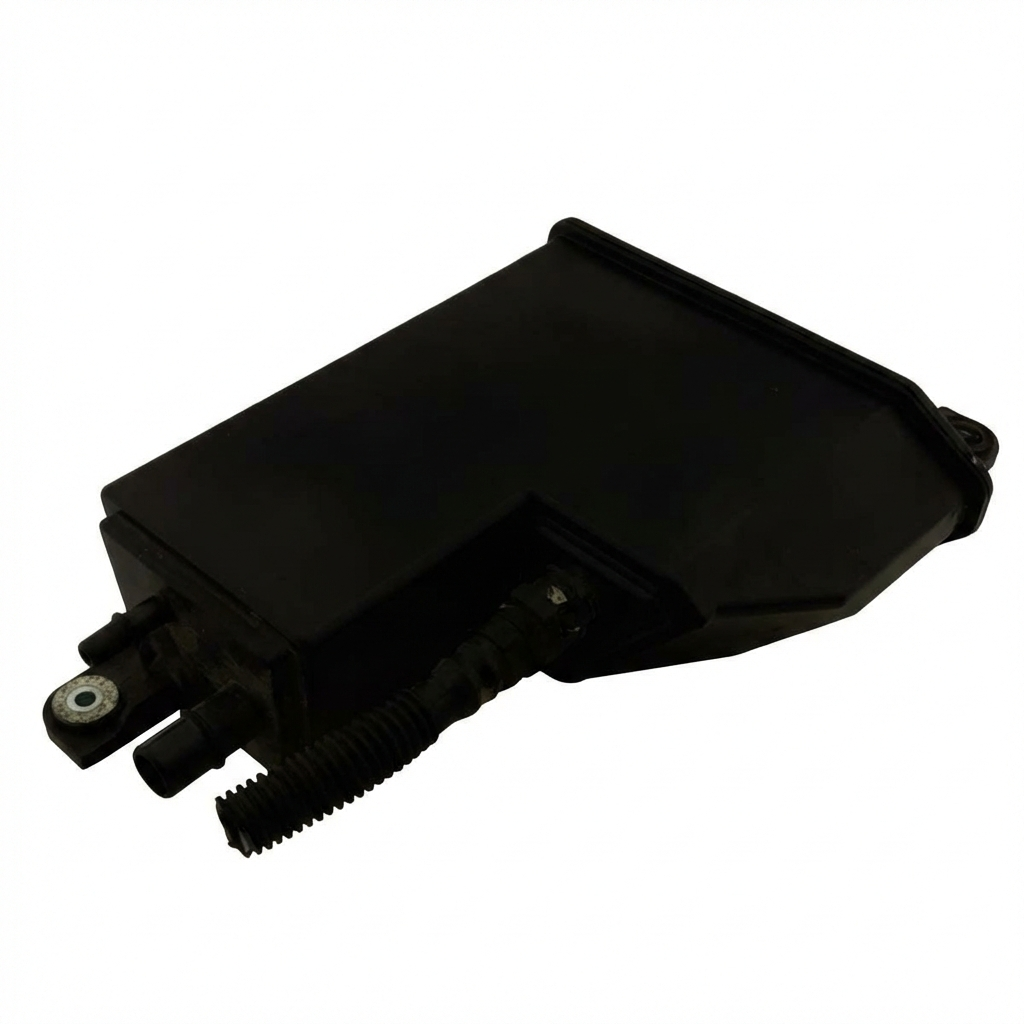
Est. part cost: $25-$70 - EVAP Vent Valve/Solenoid Failure 🟡 Medium Probability → Shop Vapor Canister The vent valve, located near the charcoal canister by the fuel tank, is exposed to road debris and moisture, causing it to fail. It can get stuck open, creating a leak path to the atmosphere. This is a very common failure point noted by owners and mechanics.
How to confirm: This valve is normally open and closes when voltage is applied. Diagnosis often requires a scan tool to command it closed and a smoke machine to see if it's leaking. Visually inspect the valve and its wiring for damage or corrosion. Sometimes the filter box attached to it gets filled with dirt, causing the valve to stick.
Typical fix: Replace the vent valve assembly. This is located near the rear of the vehicle, often above the spare tire, and involves disconnecting hoses and an electrical connector.
Est. part cost: $40-$100 - Cracked or Disconnected EVAP Hose ⚪ Low Probability The plastic and rubber hoses in the EVAP system can become brittle over time due to heat and age, leading to small cracks. Connections can also become loose, particularly at the purge or vent valves.
How to confirm: A visual inspection of all accessible EVAP lines from the engine bay to the fuel tank is the first step. The most effective method is to use an automotive smoke machine, which fills the system with a visible vapor, making even tiny leaks easy to spot. 🎬 See how to find a small EVAP leak using smoke.
Typical fix: Replace the cracked section of hose or the entire hose assembly. Ensure all connections are secure.
Est. part cost: $10-$50
Rare But Worth Checking
- Cracked Charcoal Canister: → Shop Vapor Canister The plastic housing of the charcoal canister can develop hairline cracks from impacts or age, causing a small leak. This is usually found with a smoke test after other common causes are ruled out.
- Leaking Fuel Tank Pressure Sensor: → Shop Fuel Tank The seal on the Fuel Tank Pressure (FTP) sensor, typically mounted on the fuel tank or fuel pump module, can fail and create a small leak. This is less common than valve failures but has been reported by owners after extensive diagnosis.
- Kinked or Cracked Hose at Vent Valve: In some cases, the rubber hose connecting to the vent valve can become kinked or develop a hidden crack due to tension or age, creating a small leak that is hard to spot without manipulating the hose.
Diagnosis Steps

- Check the gas cap or capless filler. For capless systems, clean the seal and opening with a rag and ensure the flap snaps shut securely. For traditional caps, inspect the seal for cracks and retighten it until it clicks. Clear the code and drive for a few days to see if it returns.
- If the code returns, perform a thorough visual inspection of all accessible EVAP hoses and lines under the hood and under the vehicle, looking for obvious cracks, damage, or loose connections.
- Locate the EVAP purge valve on the engine. With the engine off, disconnect the valve and attempt to blow through it. If air passes, the valve is stuck open and needs to be replaced.
- If the purge valve is good, the next step is to inspect the vent valve near the fuel tank. Check its wiring for damage and the attached filter for excessive dirt.
- The most definitive diagnostic step is to use an automotive smoke machine. Introduce smoke into the EVAP service port (usually near the purge valve) and look for where the smoke escapes. This will pinpoint the exact location of the leak, whether it's a hose, valve, canister, or fuel tank seal.
- If a smoke machine is not available, a scan tool that can command the purge and vent valves can help narrow down the issue by systematically sealing and testing parts of the system.
Parts You'll Likely Need
- EVAP Canister Purge Valve
(OEM #12690512)— This is a very common failure point on GM trucks and is relatively easy to access and replace on top of the engine.
Trusted brands: ACDelco, Standard Motor Products, Dorman (911-032)
OEM price range: $40-$70
Aftermarket price range: $25-$50 - EVAP Canister Vent Valve Solenoid
(OEM #25950499 (often sold as a kit))— Its location near the fuel tank makes it susceptible to damage from road debris and weather, causing it to stick open. Often the cause when refueling is difficult.
Trusted brands: ACDelco (214-2149), Dorman (911-064), Wells
OEM price range: $60-$100
Aftermarket price range: $40-$70 - Fuel Cap
(OEM #N/A for most 2016+ models)— For the few models with a cap, the simplest and often most overlooked cause. The seal fails over time, causing a leak. Always start here if applicable.
Trusted brands: ACDelco, Gates
OEM price range: $20-$40
Aftermarket price range: $15-$30
Related Codes That Often Appear With This One
- P0455 — This code indicates a large EVAP leak. If a component fails significantly (e.g., a valve sticks wide open or a hose disconnects), it may trigger both P0442 and P0455. GM TSB 21-NA-124 addresses both codes.
- P0449 — This code specifically points to a fault in the EVAP vent valve solenoid circuit. If you see P0442 and P0449 together, the vent valve is almost certainly the culprit.
Technical Service Bulletins (TSBs) & Recalls
- 21-NA-124: Provides diagnostic tips for dealers to find leaks that cause P0442 and P0455 codes by checking connections and valves in a specific order.
- PIT4943D: Directs technicians to review a Techlink article on using an EVAP system tester for diagnosing P0442.
- 23-NA-073: Notes that vehicles in dusty environments can get clogged EVAP canisters, which can cause similar codes.
Platform-Specific Known Issues
- Capless Fuel Filler Neck Seal: → Shop Fuel Filler Neck On the 2016+ models with a capless fuel system, the flap and its integrated seal are a primary suspect for P0442. Dirt can prevent a good seal, or the spring mechanism can weaken over time, requiring the entire filler neck to be replaced.
- Persistent Code After Part Replacement: Some owners in forums report that the P0442 code returns weeks or months after replacing common parts like the purge valve. This has led to speculation about poor quality aftermarket parts or deeper, harder-to-find leaks in hoses or the fuel tank itself.
Mechanic-Grade Diagnostic Values
- Fuel Tank Pressure (FTP) Sensor Signal Voltage — expected: 1.3V to 1.7V with the sensor at atmospheric pressure (e.g., key on, engine off, fuel cap removed). A common reading for a healthy sensor is ~1.5V.. Failure: A reading significantly outside the 1.3-1.7V range at atmospheric pressure indicates a faulty sensor. For example, a reading of 0.9V or being stuck at a fixed value points to a bad sensor.
Scan Tool Commands That Help
- GDS2 / Tech 2: EVAP Service Bay Test — This is a dealer-level function used to force the EVAP monitor to run in the workshop without performing a full, lengthy drive cycle. It commands the system to seal and pull a vacuum, providing a pass/fail result to verify a repair has been successful.
- Professional Bidirectional Scan Tool: EVAP Purge/Seal — This command allows the technician to manually close the EVAP vent valve and pulse the purge valve to check if the system can build and hold a vacuum, as monitored by the FTP sensor data on the scan tool. It helps isolate a leak to a specific component.
Wiring & Ground Locations
- EVAP Canister Vent Valve Connector — Under the vehicle, near the spare tire, connected to the vent valve solenoid by the charcoal canister.. This connector and its wiring are highly susceptible to corrosion from road salt and moisture. Wires can break *inside* the insulation, appearing visually intact but creating an open circuit. This is a common cause for P0449 and can contribute to P0442 if the valve cannot be commanded closed.
- Underhood Fuse Block — In the engine compartment, on the driver's side.. On some GM trucks, the power supply for the EVAP vent valve solenoid comes from a fuse in this block (sometimes labeled '4WS'). A blown fuse will prevent the vent valve from operating, causing a leak test to fail.
Real Owner Repair Stories
- Tahoe Yukon Forum (2008 GMC Yukon Denali, 115k miles) — Recurring P0442 code, sometimes accompanied by P0455 and P0499. Extended crank time (4-6 seconds) would occasionally occur before the code set.
❌ Tried (didn't work) Replaced EVAP purge valve., Replaced gas cap with a new OEM one., Replaced EVAP vent valve assembly and jumper harness.
✅ What actually fixed it The root cause was a leaky fuel pump gasket on top of the fuel tank. Replacing the entire fuel pump assembly, which included a new gasket, finally resolved all EVAP codes.
"I Checked Everything" — The Actual Cause
- In one documented case, after replacing the purge valve, vent valve, and gas cap without success, the actual cause of a persistent P0442 was a leaking fuel pump sealing gasket on top of the fuel tank. This type of leak can be missed by a standard smoke test, as access is difficult and the leak may only manifest under specific vacuum/pressure conditions not replicated during the test.
When the Usual Fixes Don't Work
- While the most common fixes for P0442 are the gas cap, purge valve, or vent valve, there are documented cases where none of these resolved the issue. In one instance involving a 2008 Yukon, the persistent code was ultimately traced to a leaking fuel pump gasket on top of the tank. This demonstrates that if the code returns after addressing the common culprits, the leak may be in a less common and harder-to-access location, requiring more in-depth diagnosis that may include dropping the fuel tank.
OEM Part Supersession History
12690512 (Purge Valve)→12737252— Standard part revision and update by the manufacturer.
Heads up: The new part number is the correct service replacement. Using old stock is possible but the latest revision is recommended.25950499, 25932566, and others (Vent Valve Assembly)→23481275— Multiple revisions over the years to improve durability and address failures. The assembly may include an updated filter or harness adapter.
Heads up: This part has a long history of superseded numbers. It is critical to use a VIN lookup to get the correct assembly for the specific year, as some kits come with harness adapters for older designs.
Model Year Variations Within This Range
- 2021-2023: These model years are on the new T1XX platform, which features a completely redesigned chassis with an independent rear suspension. While the EVAP system's function is unchanged, the physical location of components like the charcoal canister and vent valve, along with the routing of all EVAP lines, is different from the 2016-2020 models. Diagnostic procedures remain similar, but part access and replacement procedures will vary.
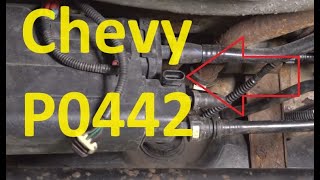
Helpful Videos
Used OEM Parts in Stock
New Aftermarket Parts Available


The information in this article is provided for general reference and educational purposes only. Vehicle specifications, procedures, and part compatibility can vary by production date, trim level, and region. Always consult your vehicle's factory service manual and verify part numbers before purchasing or performing repairs. Safety-critical components such as airbags, seat belts, and braking systems should be installed by a qualified professional.
- Gmc YUKON:
- 🧭 Diagnostic Flowchart
- 🎬 Helpful Videos
- 🛍️ Shop This Part
- What's Unique About the 2016-2023 Gmc YUKON
- Symptoms You May Notice
- Most Likely Causes
- Rare But Worth Checking
- Diagnosis Steps
- Parts You'll Likely Need
- Related Codes That Often Appear With This One
- Technical Service Bulletins (TSBs) & Recalls
- Platform-Specific Known Issues
- Mechanic-Grade Diagnostic Values
- Scan Tool Commands That Help
- Wiring & Ground Locations
- Real Owner Repair Stories
- "I Checked Everything" — The Actual Cause
- When the Usual Fixes Don't Work
- OEM Part Supersession History
- Model Year Variations Within This Range
- 🎟️ Get 5% Off