

P0442 on 2005-2009 GMC Yukon Denali: EVAP Small Leak Causes and Fixes
For a P0442 code on a 2005-2009 GMC Yukon Denali, the most likely cause is a loose or faulty gas cap. If a new gas cap doesn't fix it, the next most common culprits are the EVAP purge valve on the engine (ACDelco 214-1680) or the vent solenoid near the spare tire (ACDelco 214-2149). A new gas cap costs about $15-$30.
- P0442 means a small leak has been detected in the EVAP emissions system.
- Always check the gas cap first. Make sure it's tight and the seal is intact. A new OEM cap is a cheap and easy first step.
- If the gas cap isn't the issue, the problem is most likely the purge valve (on the engine) or the vent valve (by the spare tire).
- This code will not cause driving problems but will result in a failed emissions inspection.
- For hard-to-find leaks, a professional smoke test is the most effective diagnostic tool.
What's Unique About the 2005-2009 Gmc YUKON DENALI
On these GMT800 and GMT900 platform trucks, the P0442 code is extremely common. The primary culprits are well-documented and almost always boil down to three items: the gas cap, the purge valve on the engine manifold, or the vent solenoid located near the spare tire. The vent solenoid, in particular, is exposed to road debris, salt, and moisture under the truck, making it a frequent failure point. Many owners report the original boxy-style vent solenoid fails and is replaced by an updated part (like ACDelco 214-2149) which often includes a relocation hose and filter to move the air intake to a less exposed area. Manufacturer TSBs exist specifically to help technicians diagnose these common EVAP leaks. [⭐] Bulletin #21-NA-124, [⭐] Bulletin #PIT4943D
Diagnostic Flowchart
Tap your situation to follow the diagnostic path that matches what you're seeing on this vehicle.
Generation note: This range covers two Yukon generations: the second-gen (GMT800, 2005-2006) and the third-gen (GMT900, 2007-2009). While the causes of P0442 are the same, the exact part design and location for components like the EVAP vent solenoid may differ slightly. For example, later GMT900 models often use an updated vent solenoid kit with a different harness adapter. However, the diagnostic approach is identical for both generations.
Symptoms You May Notice
- Check Engine Light is on.
- A faint fuel smell may be noticeable, but often there are no symptoms other than the light.
- Extended engine crank time after refueling (points towards a stuck-open purge valve).
- Slightly rough or low idle in some cases.
- Replacing the O2 sensors. Oxygen sensors are not part of the EVAP system and will not cause a P0442 code.
- Replacing the fuel injectors. This is a fuel delivery issue, not an evaporative emissions leak.
- Assuming a smoke test failure means a major component is bad, when it could be a simple cracked hose or loose connection.
Most Likely Causes
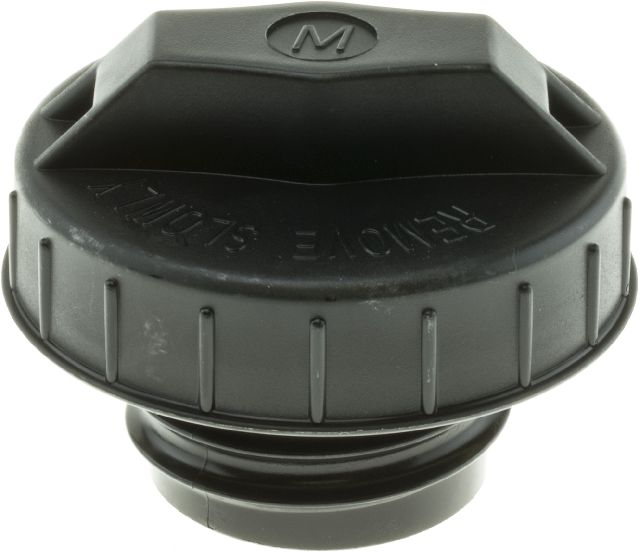
- Loose or Faulty Gas Cap 🔴 High Probability → Shop Fuel Tank Cap This is the most common cause for P0442 on any vehicle. The cap's O-ring seal can dry out, crack, or get dirty over time, or it may simply not have been tightened correctly after refueling.
How to confirm: First, ensure the gas cap is tightened until it clicks several times. Inspect the rubber O-ring on the cap for cracks, stiffness, or debris. Also, check the fuel filler neck for rust or dirt where the cap seals. Clear the code and drive for a few days. If the code does not return, the cap was the issue.
Typical fix: Replace the gas cap with a new, high-quality OEM part (like ACDelco) if tightening it doesn't resolve the issue. Aftermarket caps are a frequent source of new, hard-to-diagnose leaks.
Est. part cost: $15-$30 - Failed EVAP Purge Valve Solenoid 🟡 Medium Probability → Shop Vapor Canister This valve is located on the engine's intake manifold and cycles frequently. Over time, it can get stuck partially open or fail to seal completely, creating a small leak path that the system detects.
How to confirm: The valve is located on the intake manifold, often under the plastic engine cover. It can be removed and tested with a hand-held vacuum pump to see if it holds vacuum when de-energized (it should). A simple test is to remove it and try to blow through it; if any air passes, it's faulty. A scan tool can also command it open and closed to check for function and monitor system pressure. [⭐] Bulletin #21-NA-124
Typical fix: Replacement of the purge valve solenoid. This is a relatively easy part to access and replace on top of the engine, usually held by one bolt. 🎬 Watch: Step-by-step purge valve replacement for P0442 leaks.
Est. part cost: $25-$50 - Failed EVAP Vent Valve Solenoid 🟡 Medium Probability → Shop Vapor Canister Located near the charcoal canister above the spare tire, this valve is highly exposed to road salt, water, and dirt, which causes corrosion and can cause the valve to get stuck open or leak. The original design is particularly susceptible to this.
How to confirm: Visually inspect the valve for cracks or heavy corrosion. A scan tool can command the valve to close during a smoke test; if smoke is seen exiting the valve or its filter, it has failed. You can also remove it and apply 12v power to see if the plunger actuates correctly.
Typical fix: Replace the vent valve solenoid. Accessing it requires lowering the spare tire. 🎬 See how to install the updated vent valve solenoid. It is highly recommended to use the updated ACDelco kit (214-2149) which may include a new harness and a filter relocation hose for better longevity.
Est. part cost: $30-$70 - Cracked or Disconnected EVAP Hoses ⚪ Low Probability Rubber and plastic lines can become brittle with age and heat cycles, leading to small cracks, especially at connection points, elbows, and areas where they might rub against the frame or other components.
How to confirm: A visual inspection may reveal obvious cracks, but tiny leaks are hard to spot. The most effective method is a smoke test, which forces smoke through the EVAP system, making even tiny leaks visible as smoke escapes.
Typical fix: Replace the cracked hose section or re-secure the connection. Sometimes simply trimming a cracked end and re-clamping is sufficient.
Est. part cost: $10-$40
Rare But Worth Checking
- Rusted Fuel Filler Neck: → Shop Fuel Filler Neck Rust and corrosion on the metal filler neck can create an uneven surface, preventing the gas cap from creating a perfect seal, even if the cap itself is new. This requires a close visual inspection of the neck's sealing surface.
- Leaking Fuel Pump Module Gasket: → Shop Fuel Pump A forum user on Tahoe Yukon Forum reported a persistent P0442 was finally resolved by replacing the fuel pump assembly and its gasket on top of the tank, which had developed a leak. This is often a last resort after all other common components have been checked.
- Cracked Charcoal Canister: → Shop Vapor Canister While uncommon, the plastic body of the charcoal canister can develop cracks from age or impact, leading to a leak. A smoke test is the best way to confirm a leak from the canister body itself.
Diagnosis Steps
- Check the Gas Cap: Ensure it is tight and clicks multiple times. Inspect the seal for cracks or wear. If in doubt, replace it with an OEM cap. Clear the code and drive.
- Visual Inspection: If the code returns, visually inspect the EVAP purge valve on the engine and the vent valve and hoses near the spare tire. Look for obvious cracks, damage, or loose connections.
- Scan Tool Test (If available): Use a scan tool to command the vent valve closed and monitor the Fuel Tank Pressure (FTP) sensor. The system should hold a vacuum. TSB PIT4943D provides detailed steps for this professional-level diagnosis. [⭐] Bulletin #PIT4943D
- Test the Purge Valve: Remove the purge valve from the intake manifold. Try to blow air through it. If any air passes, the valve is bad and must be replaced.
- Perform a Smoke Test: If the leak source is still not obvious, the most reliable diagnostic step is a smoke test. A mechanic can perform this service, or low-cost machines are available. This will force smoke 🎬 Watch: How to find a hidden small EVAP leak. through the system and reveal the exact location of the small leak, whether it's a hose, the canister, or a valve.
Parts You'll Likely Need
- Gas Cap
(OEM #GT295 (20915990))— This is the most frequent cause of a P0442 code due to a worn seal or improper tightening.
Trusted brands: ACDelco
OEM price range: $20-$30
Aftermarket price range: $15-$25 - EVAP Vapor Canister Purge Valve
(OEM #12597567 (Superseded by 12610560))— This valve on the engine intake is a common failure point that gets stuck open, causing a persistent small leak.
Trusted brands: ACDelco (214-1680), Dorman (911-032)
OEM price range: $35-$50
Aftermarket price range: $25-$40 - EVAP Vapor Canister Vent Solenoid
(OEM #25932571 (Superseded by part numbers like 23481275 in kits))— Located under the vehicle, this valve is prone to failure from dirt and moisture, causing it to stick open. The replacement is often an updated design.
Trusted brands: ACDelco (214-2149), Dorman (911-019)
OEM price range: $40-$70
Aftermarket price range: $30-$50
Related Codes That Often Appear With This One
- P0455 — P0455 indicates a 'Gross EVAP Leak'. If a component fails significantly (e.g., a hose comes completely off or a valve is stuck wide open), you may see this code instead of, or along with, P0442.
- P0449 — P0449 specifically points to a malfunction in the EVAP vent valve solenoid control circuit. If you see P0442 and P0449 together, it strongly suggests the vent valve or its wiring/connector is the problem.
- P0496 — P0496 indicates 'EVAP Flow During a Non-Purge Condition,' which almost always points directly to a faulty purge valve solenoid that is stuck open or leaking when it should be closed.
Technical Service Bulletins (TSBs) & Recalls
- Bulletin #21-NA-124: Provides diagnostic tips for testing EVAP system leaks related to DTCs P0442 and/or P0455. It advises a chronological investigation: check lines and connections first, then the vent valve for a stuck-open condition, and finally the purge valve.
- Bulletin #PIT4943D: Directs technicians to an article on using an EVAP system tester for diagnosing DTC P0442. It details a process of closing the EVAP system with a scan tool, starting the vehicle, and monitoring the tank pressure sensor for changes to isolate a leaking purge solenoid without a smoke machine initially.
Platform-Specific Known Issues
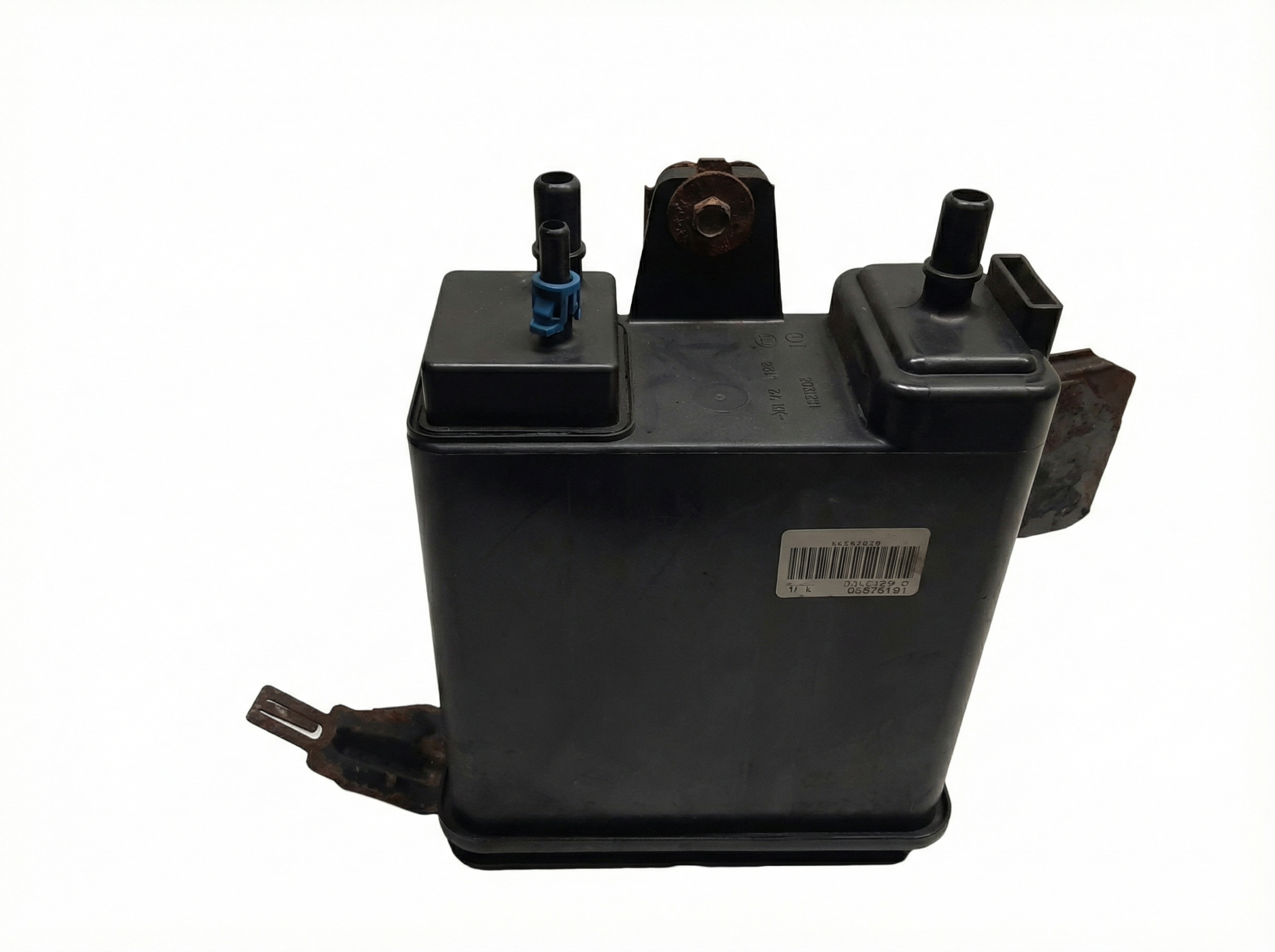
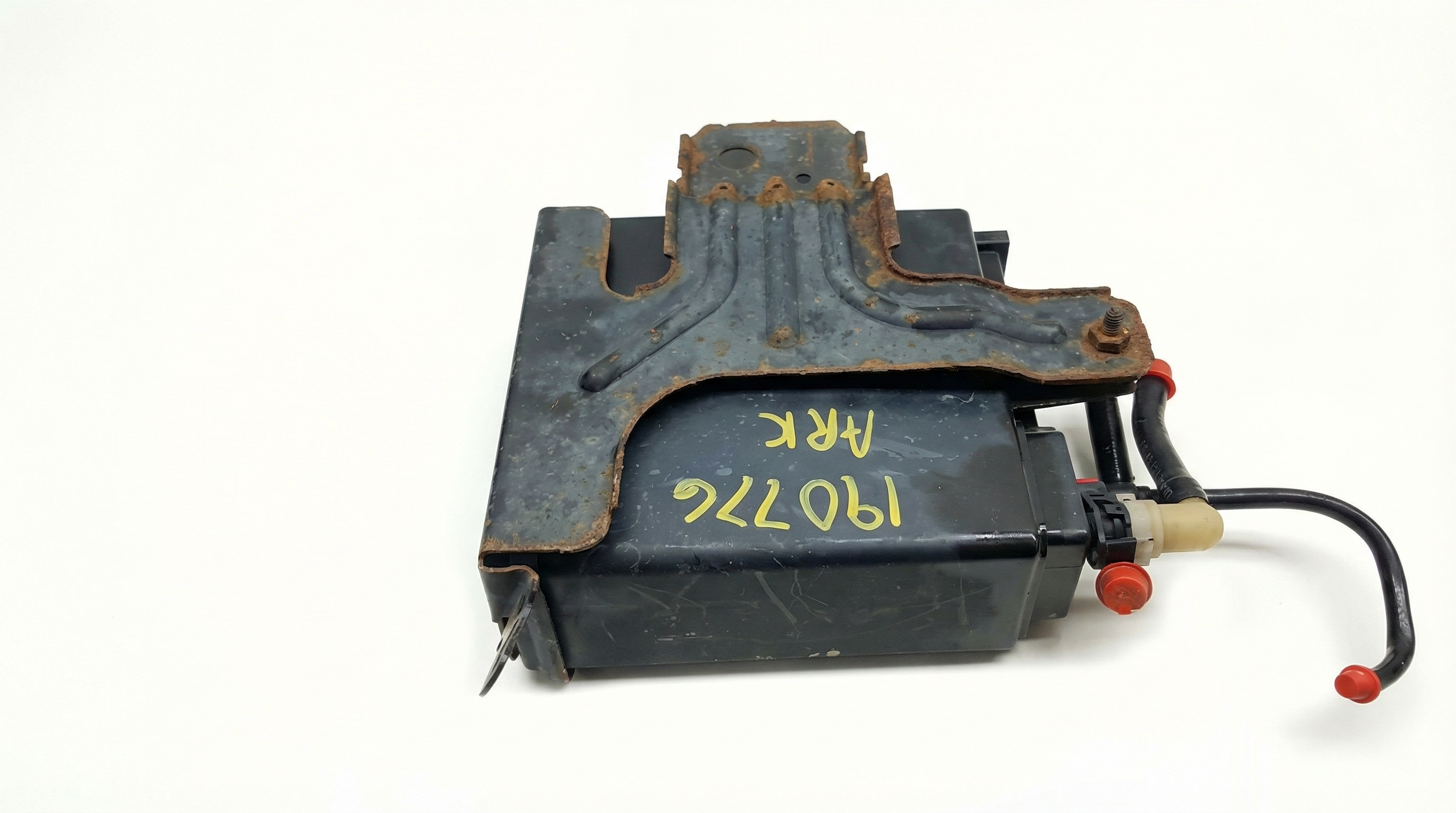
- The original-style EVAP vent solenoid is a known weak point on this platform. It is a black, box-shaped valve that sits directly on the charcoal canister. It is prone to ingesting dirt and water, causing it to fail and stick open. The updated replacement part is often a round valve that comes with a length of hose and a small filter box, designed to relocate the air intake to a higher, more protected location in the chassis, preventing future failures.
Mechanic-Grade Diagnostic Values
- Fuel Tank Pressure (FTP) Sensor Voltage at atmospheric pressure (Key On, Engine Off, gas cap removed) — expected: ~1.5 Volts. Failure: A reading significantly different, such as 0.9V or 2.8V, indicates a faulty or miscalibrated sensor.
- EVAP Canister Purge Valve Solenoid Resistance — expected: 15 to 30 Ohms. Failure: A reading far outside this range indicates a damaged internal coil.
- EVAP Vent Valve Solenoid Circuit Voltage (at the connector) — expected: Approximately 12V on both the power feed and the control wire when the solenoid is commanded OFF.. Failure: Low or zero voltage on the control wire when OFF can indicate an open circuit or a bad driver in the ECM.
Scan Tool Commands That Help
- GM Tech2 / GDS2: EVAP Service Bay Test — This is a guided, automated test that commands the purge and vent solenoids to seal the system, applies engine vacuum, and monitors for a leak down. It's the factory-prescribed method to verify a leak exists and to confirm a repair without having to perform a full drive cycle. The test requires specific conditions, such as fuel level between 15-85% and a cold engine.
- Professional Scan Tool (e.g., Autel): EVAP Vent Solenoid On/Off (Bi-Directional Control) — Used during a smoke test to command the vent solenoid closed, sealing the system. If smoke still exits the vent, the solenoid is confirmed to be leaking. It can also be used to check the integrity of the solenoid's electrical circuit.
- Professional Scan Tool (e.g., Autel): EVAP Purge Solenoid Duty Cycle Control — Allows a technician to manually command the purge valve to open at varying percentages while monitoring the Fuel Tank Pressure (FTP) sensor. This confirms the valve is physically responding to the ECM's command and that the FTP sensor is reading the resulting vacuum change.
Wiring & Ground Locations
- EVAP System Fuses (Under-hood) — In the main fuse block in the engine compartment on the driver's side.. For the 2007-2014 GMT900 platform, the EVAP system components are powered by specific fuses. Fuse #4 (15A) and Fuse #5 (15A) are commonly cited as being for the EVAP system. A loss of power here would typically set a circuit code (like P0449) but should be checked.
- EVAP Canister Purge Solenoid Connector — On the intake manifold, often under the plastic engine cover. It is a 2-wire female connector.. This connector provides power and control to the purge solenoid. A poor connection or corroded pins can cause intermittent operation or circuit codes.
- EVAP Canister Vent Solenoid Connector — Near the spare tire, connected to the vent solenoid. The wiring harness is often updated with the replacement solenoid kit.. The wiring in this location is highly susceptible to damage from road debris and corrosion. Technicians report finding broken wires inside the insulation near the connector, which can cause an open circuit (P0449) and prevent the valve from closing, leading to a P0442 leak code.
Real Owner Repair Stories
- Tahoe Yukon Forum user 'Fless' (2009 Yukon XL 2500 6.0L) — Permanent P0442 code present, but no Check Engine Light. EVAP monitor would not set.
❌ Tried (didn't work) Replaced gas cap., Replaced purge solenoid., Replaced vent solenoid and charcoal canister (which was full of dirt)., Had a shop perform a smoke test (no leaks found)., Had a shop perform an overnight vacuum test (held vacuum).
✅ What actually fixed it The user ultimately found the fix by replacing the Fuel Tank Pressure (FTP) sensor on top of the fuel tank. A forum member suggested this, noting that if the sensor itself is leaking internally, it will cause a code without showing any smoke externally. - Tahoe Yukon Forum user 'Logan5' (Not specified, but GMT900 platform) — EVAP codes and a Fuel Tank Pressure reading of 0.9V / 5 mmHg with the vehicle off, when it should be near 1.5V / 0 mmHg.
❌ Tried (didn't work) Initial diagnosis was confusing because the sensor seemed to be working (voltage changed with vacuum) but was reading incorrectly at rest.
✅ What actually fixed it Replaced the Fuel Tank Pressure (FTP) sensor. The new sensor read 1.5V at rest. After installation, the user ran the 'Service Bay Test' with a Tech2, which passed, confirming the fix.
"I Checked Everything" — The Actual Cause
- In a detailed forum thread, an owner replaced nearly every common EVAP component (purge valve, vent valve, canister, gas cap) and had a professional smoke test performed, which found no leaks. The persistent P0442 was finally resolved by replacing the Fuel Tank Pressure (FTP) sensor on top of the fuel tank. The theory is that the sensor itself can develop an internal leak that the system detects, but a smoke test will not reveal it as no smoke escapes the vehicle.
OEM Part Supersession History
25932571 (and others)→ACDelco Kit 214-2149 (or 214-2324 for later models)— The original box-style vent solenoid was prone to failure from water and debris intrusion. The updated kits often feature a new solenoid design and a relocation hose to move the filter/air inlet to a cleaner, more protected location higher up the chassis, near the fuel filler neck.
Heads up: The replacement kits like 214-2149 may come with a different electrical connector, requiring the use of an included harness adapter to fit the vehicle's existing wiring.12597567→12610560 (ACDelco 214-1680)— Standard part evolution and design updates for the EVAP Purge Valve Solenoid.
Model Year Variations Within This Range
- 2005-2006 (GMT800): The EVAP Purge Valve is located on the intake manifold and is relatively easy to access. The replacement procedure typically involves removing an 8mm bolt.
- 2007-2009 (GMT900): The EVAP Purge Valve is still on the intake manifold but may be secured with a 10mm nut and have slightly different hose connections. The vent solenoid replacement often involves an updated kit (like ACDelco 214-2149) that includes a hose to relocate the air filter up near the fuel filler neck for better protection from road debris.
Helpful Videos

Used OEM Parts in Stock
New Aftermarket Parts Available


The information in this article is provided for general reference and educational purposes only. Vehicle specifications, procedures, and part compatibility can vary by production date, trim level, and region. Always consult your vehicle's factory service manual and verify part numbers before purchasing or performing repairs. Safety-critical components such as airbags, seat belts, and braking systems should be installed by a qualified professional.
- Gmc YUKON DENALI:
- 🧭 Diagnostic Flowchart
- 🎬 Helpful Videos
- 🛍️ Shop This Part
- What's Unique About the 2005-2009 Gmc YUKON DENALI
- Symptoms You May Notice
- Most Likely Causes
- Rare But Worth Checking
- Diagnosis Steps
- Parts You'll Likely Need
- Related Codes That Often Appear With This One
- Technical Service Bulletins (TSBs) & Recalls
- Platform-Specific Known Issues
- Mechanic-Grade Diagnostic Values
- Scan Tool Commands That Help
- Wiring & Ground Locations
- Real Owner Repair Stories
- "I Checked Everything" — The Actual Cause
- OEM Part Supersession History
- Model Year Variations Within This Range
- 🎟️ Get 5% Off