

P0442 on 2003-2007 Honda Accord: Causes and Fixes for a Small EVAP Leak
For a 2003-2007 Honda Accord, P0442 is most often caused by a loose or worn-out gas cap. Start by tightening or replacing the gas cap with an OEM part (17670-SDA-A02) for about $25-$40. If that doesn't work, the next most likely causes are a faulty engine-bay mounted EVAP purge valve or the under-car EVAP vent solenoid. A smoke test is the most definitive way to find the leak if these common parts are not the cause.
- Always start with the simplest and most common fix: inspect, tighten, or replace the gas cap with an OEM part.
- If the gas cap isn't the issue, the purge valve (in the engine bay) and the vent solenoid (under the car) are the next most likely culprits.
- The presence of a Honda-specific code P1457 alongside P0442 strongly suggests the problem is with the canister vent solenoid.
- A smoke test is the most efficient way to find the leak if it's not one of the top three common components.
- Avoid using aftermarket gas caps, as they are a frequent source of sealing problems on this model.
What's Unique About the 2003-2007 Honda Accord
On the 7th generation Honda Accord, the P0442 code is a very common issue with well-documented causes. Unlike some vehicles where the cause is obscure, the diagnostic path for this Accord is straightforward. The issue almost always traces back to one of three components: the gas cap, the engine-bay-mounted purge valve, or the under-car vent solenoid near the charcoal canister. Owner forums and mechanic experiences for this specific model have created a reliable, high-probability repair sequence. The frequent pairing of this code with the Honda-specific P1457 code often points directly to a failure in the canister vent solenoid area.
Symptoms You May Notice
- Check Engine Light is on
- A faint fuel smell near the gas cap or rear of the vehicle (less common).
- Difficulty starting or a long crank time immediately after refueling (points to a stuck-open purge valve).
- Vehicle will fail an emissions test.
- Replacing the O2 sensors. O2 sensors are not related to the EVAP system.
- Replacing the catalytic converter. This is an expensive and unrelated repair.
- Immediately replacing the charcoal canister. While it can be the cause, it's less likely than the gas cap or valves and should be diagnosed last unless code P1457 is also present.
Most Likely Causes
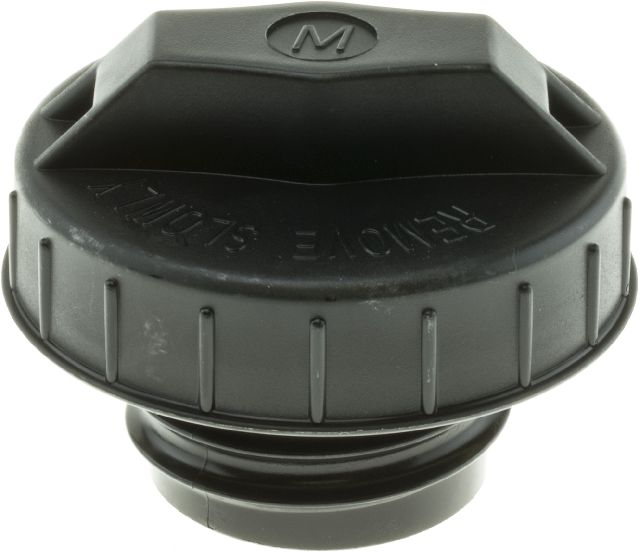
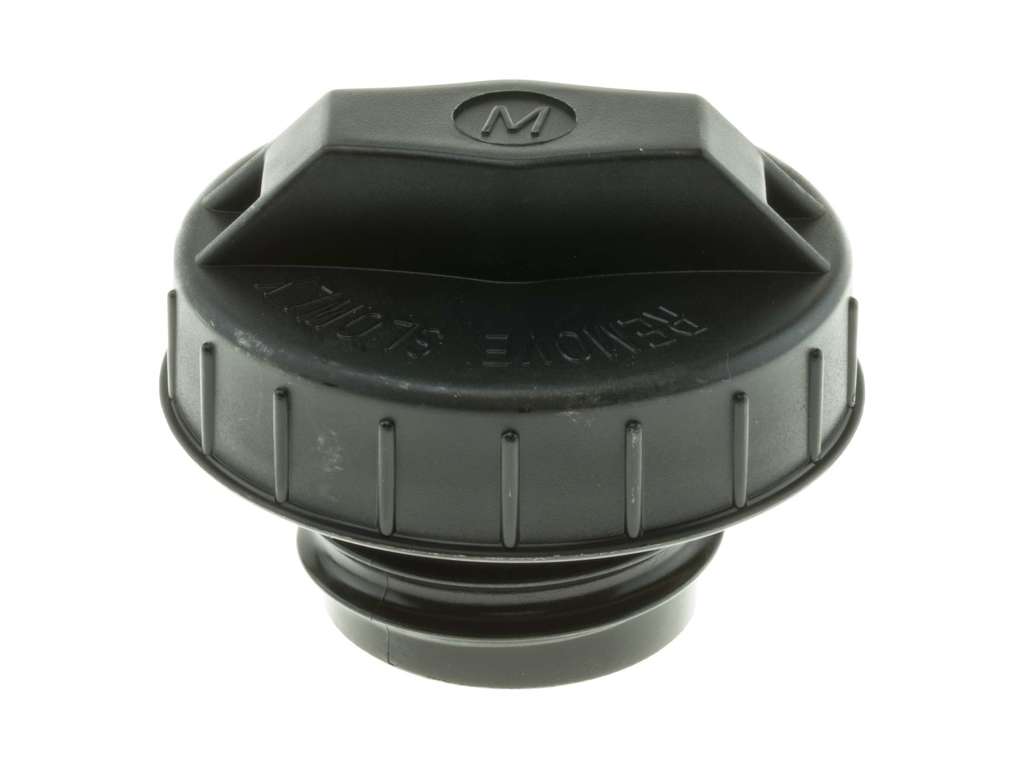
- Loose or Worn Gas Cap 🔴 High Probability → Shop Fuel Tank Cap The rubber O-ring seal on the gas cap degrades over time, becoming hard, cracked, and brittle, which prevents a proper seal. Aftermarket caps are also notorious for not sealing as well as the factory part, making an OEM replacement highly recommended.
How to confirm: First, ensure the cap is tight (at least one click). Inspect the rubber seal for cracks, stiffness, or damage. If the seal is compromised or if you are using a non-OEM cap, it's the primary suspect. A temporary test can be to wrap the seal with a plastic bag to see if it helps, but this is not a permanent fix. 🎬 Watch: 6 DIY methods to fix a P0442 code on a budget.
Typical fix: Replace the gas cap with a new, OEM (Original Equipment Manufacturer) part.
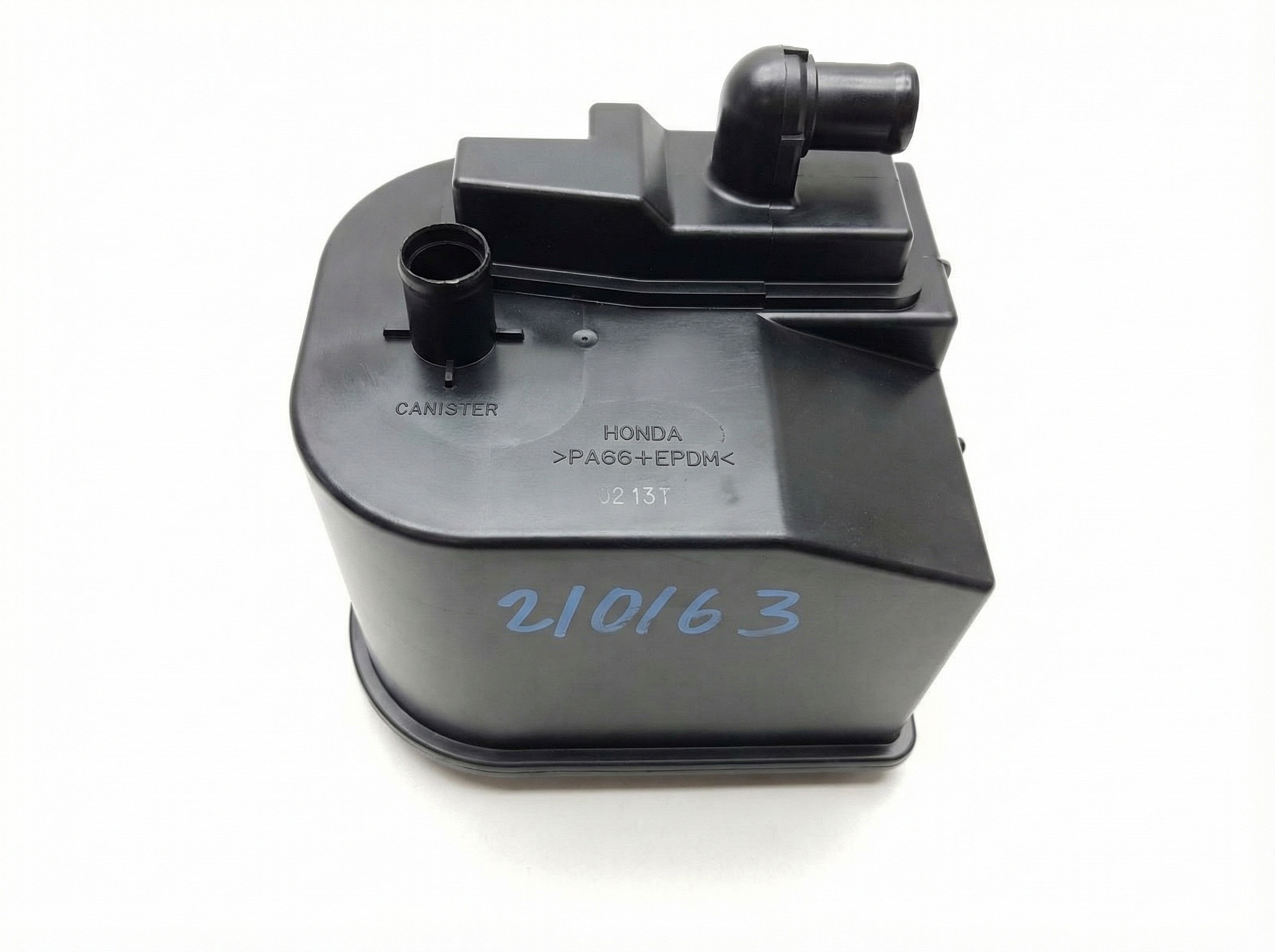
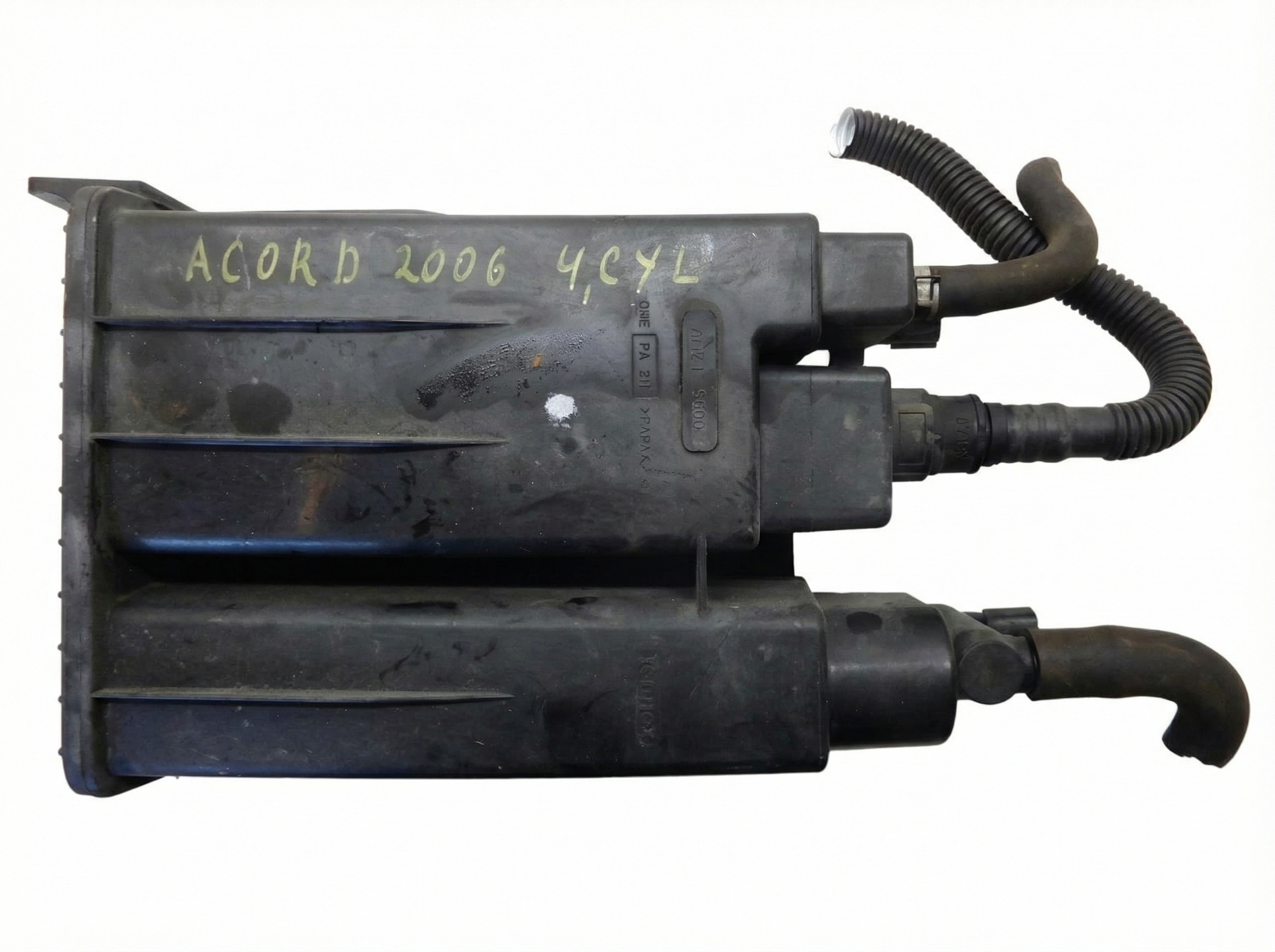
Est. part cost: $25-$40 - Faulty EVAP Canister Purge Valve 🟡 Medium Probability → Shop Vapor Canister This solenoid valve, located in the engine bay, cycles thousands of times and can fail by sticking open or not sealing properly, creating a small leak in the system. A symptom of it being stuck open is a long crank time after filling the gas tank, as fuel vapors flood the intake manifold.
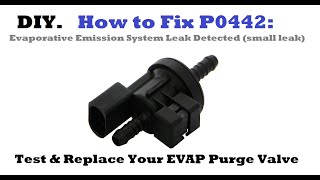
How to confirm: The valve is located in the engine bay. A mechanic can command it open and closed with a scan tool while monitoring system pressure. A DIY method is to remove the valve and try to blow through it; it should be closed (no air passes) when unpowered. You can also apply 12V power to it and listen for a click. 🎬 Watch: How to test and replace the EVAP purge valve.
Typical fix: Replace the EVAP canister purge valve.
Est. part cost: $40-$80 - Faulty EVAP Vent Solenoid / Valve (CVS) 🟡 Medium Probability → Shop Vapor Canister Located under the car near the charcoal canister, this valve is exposed to road grime, salt, and moisture, which can cause it to fail, stick, or for its housing to crack. This is a very common failure point when P0442 is accompanied by P1457.
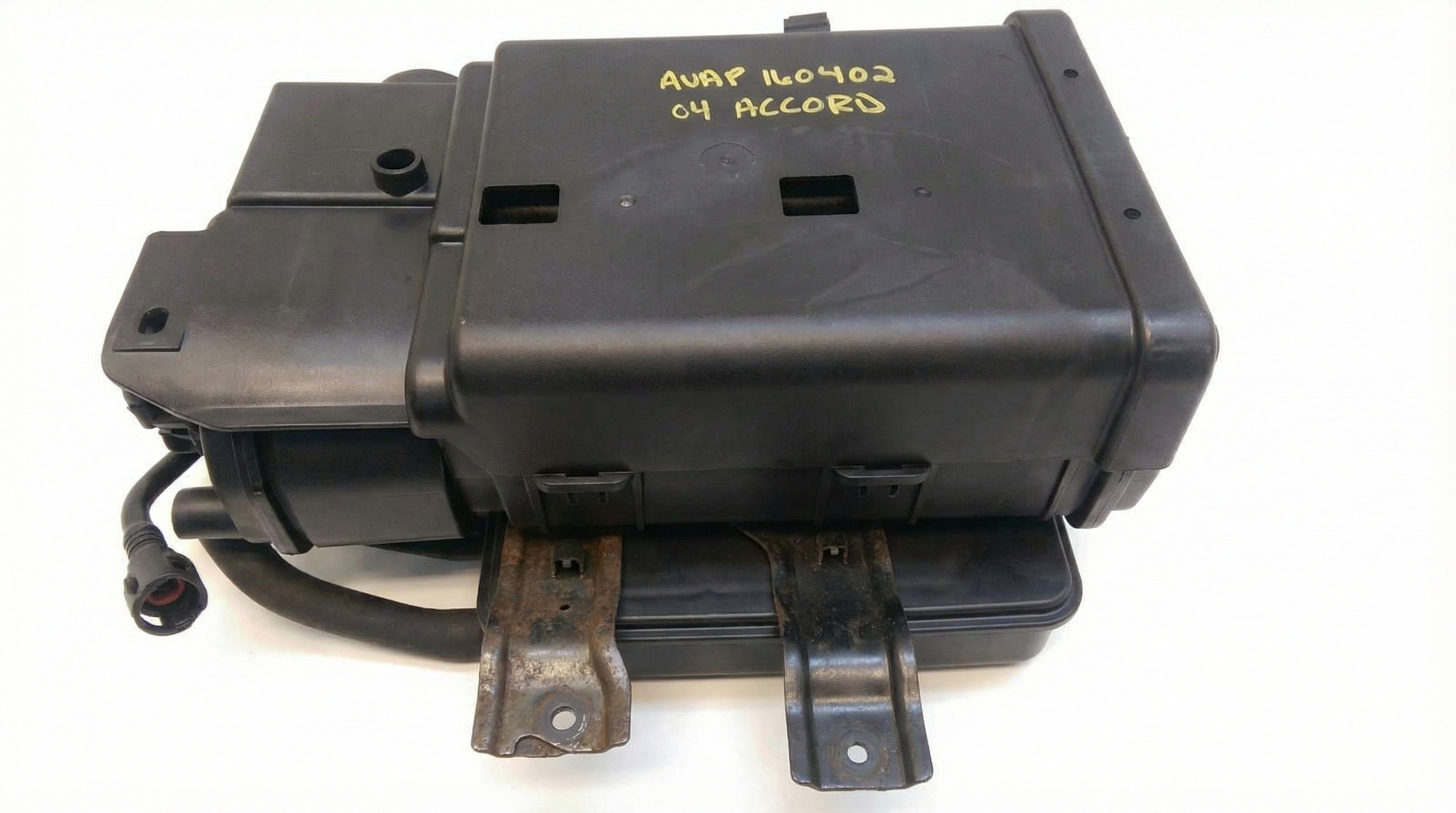
How to confirm: A mechanic can test its function with a bi-directional scan tool. It is normally open and should close when voltage is applied. Visual inspection may reveal cracks in the plastic valve body or corrosion on the electrical connector. It is often replaced along with the charcoal canister as a single unit.
Typical fix: Replace the EVAP vent solenoid. It is sometimes called the Canister Vent Shut (CVS) valve.
Est. part cost: $50-$100 - Cracked or Disconnected EVAP Hose ⚪ Low Probability Rubber hoses, especially in the engine bay and near the canister underneath the car, can become brittle from age and heat cycles, leading to small cracks or loose fittings.
How to confirm: Visually inspect all accessible EVAP hoses for obvious cracks, chafing, or loose connections. A smoke test is the definitive way to find a small hose leak, as the smoke will visibly exit from the point of the leak.
Typical fix: Replace the damaged section of hose.
Est. part cost: $5-$20
Rare But Worth Checking
- Cracked Charcoal Canister: → Shop Vapor Canister The canister itself can develop a hairline crack. This is often the last part to be checked due to its higher cost. Overfilling the fuel tank (topping off after the pump clicks off) can saturate the canister with raw fuel, causing it to fail.
- Rusted Fuel Filler Neck: → Shop Fuel Filler Neck In areas where road salt is used, the metal fuel filler neck (where the gas cap seals) can rust, creating an uneven surface that prevents the cap from sealing properly. This can be cleaned with a wire brush and a light coat of silicone grease can help create a better seal.
Diagnosis Steps
- Check the gas cap. Ensure it is tight and the seal is not cracked or worn. If in doubt, replace it with an OEM cap, clear the code, and drive for a few days.
- Inspect the fuel filler neck for rust or debris where the cap seals. Clean it with a wire brush if corrosion is present.
- If the light returns, visually inspect the EVAP hoses in the engine bay for any obvious cracks, damage, or loose connections.
- Locate and test the EVAP canister purge valve in the engine bay. Remove it and try to blow through it; no air should pass. Apply 12V and it should open (and click).
- Inspect the EVAP vent solenoid and charcoal canister underneath the vehicle (near the driver's side rear wheel) for any visible damage, rust, or cracks.
- If no obvious issues are found, the most effective next step is a smoke test. A mechanic can inject smoke into the EVAP system, and the smoke will exit from the point of the leak, making it easy to identify. 🎬 See how a mechanic finds small leaks using a smoke test.
Parts You'll Likely Need
- Gas Cap
(OEM #17670-SDA-A02)— This is the most frequent cause of P0442. The seal wears out over time. Always use an OEM cap for a guaranteed proper seal.
Trusted brands: Honda (Genuine OE)
OEM price range: $25-$40
Aftermarket price range: $10-$25 - EVAP Canister Purge Valve Solenoid
(OEM #36162-RAA-A01 (for 2.4L 4-Cyl) / 36162-RDV-J01 (for 3.0L V6))— This is the second most common failure point. It's a solenoid located on the intake manifold that can stick open, causing a leak.
Trusted brands: Denso, Standard Motor Products (SMP), Honda (Genuine OE)
OEM price range: $60-$100
Aftermarket price range: $30-$70 - EVAP Vent Solenoid (Canister Vent Shut Valve)
(OEM #17311-SDA-A02)— Located under the car, this valve is prone to failure from exposure to the elements and is a common cause if the gas cap and purge valve are good, especially if code P1457 is also present.
Trusted brands: Dorman (911-717), Standard Motor Products (CVS156), Honda (Genuine OE)
OEM price range: $80-$120
Aftermarket price range: $40-$80
Related Codes That Often Appear With This One
- P0456 — P0456 is 'Very Small Leak Detected'. A leak can sometimes be borderline, causing the computer to set either P0442 or P0456. The diagnostic process is nearly identical.
- P1457 — This is a Honda-specific code for a leak in the EVAP canister area. If you see P0442 and P1457 together, it strongly points to a problem with the canister vent solenoid (CVS) or the canister itself. This is a very common code combination for this vehicle.
- P0455 — This code indicates a 'Large Leak Detected'. While less common to see with P0442, it could appear if a small leak suddenly becomes larger, such as a hose completely disconnecting.
Technical Service Bulletins (TSBs) & Recalls
- Honda Service Bulletin 03-068 - While not for P0442 specifically, this TSB addresses an issue with the EVAP canister in 2003-2004 Accords where a design flaw could lead to fuel intrusion and trigger other EVAP codes like P1457. This is relevant as canister failure is a possible cause.
- Honda Service Bulletin 19-111 - Updates the service manual for 1997-2012 Accords to include information about the 'purge joint,' a non-mechanical resonator designed to reduce noise from the EVAP purge valve. While not a failure point, its presence is often undocumented in diagrams.
Platform-Specific Known Issues
- P0442 and P1457 Combination: It is extremely common for the 7th generation Accord to throw both P0442 and the Honda-specific P1457 code simultaneously. This combination almost always points to a failure in the EVAP canister system located under the car, with the canister vent solenoid (CVS) being the most frequent culprit. The solenoid cracks or sticks due to its exposure to road debris and moisture.
Mechanic-Grade Diagnostic Values
- EVAP Canister Purge Valve Solenoid Resistance — expected: 25 to 55 Ohms. Failure: A reading significantly outside this range (e.g., kilo-ohms or open circuit) indicates a failed solenoid coil.
- EVAP Canister Vent Solenoid Resistance — expected: 48 to 65 Ohms. Failure: Readings outside this range suggest a faulty solenoid. An open circuit (infinite resistance) or a short (zero resistance) confirms failure.
- Fuel Tank Pressure (FTP) Sensor Voltage — expected: 1.0 - 4.0 Volts during monitor test. Failure: Voltage outside this range during the EVAP self-test can indicate a faulty sensor or a wiring issue, preventing the test from running correctly.
- EVAP Purge Solenoid Control Wire Voltage (Backprobed) — expected: Should drop to near 0V when commanded ON by a scan tool.. Failure: If voltage does not drop when commanded, it indicates a problem with the PCM driver or the wiring. If it drops but the valve doesn't click, the valve itself is bad.
Scan Tool Commands That Help
- Honda HDS (or equivalent professional scanner): EVAP System Functional Test — This is a comprehensive, automated test that commands the purge and vent valves to seal the system, monitors pressure bleed-off, and provides a pass/fail result. It's the factory-level method to confirm a leak exists before starting a manual search.
- Bidirectional Scan Tool: EVAP Vent Valve ON/OFF — The vent valve is normally open. To perform a smoke test, you must command the valve CLOSED (ON) to seal the system. This command is essential for trapping smoke and finding the leak. If the valve doesn't respond, the valve or its circuit is faulty.
- Bidirectional Scan Tool: EVAP Purge Valve Duty Cycle Control — Allows a technician to manually open the purge valve by a specific percentage (e.g., 10%, 50%, 100%) to test its function. You can listen for clicking and monitor vacuum changes in the system to confirm it's operating correctly.
Wiring & Ground Locations
- G101 — On the thermostat housing or on the driver's side of the intake manifold.. This is a primary engine harness ground for the ECU and multiple sensors. A corroded or loose G101 can cause erratic sensor readings and unpredictable codes, including issues with the EVAP system components that the ECU controls.
- EVAP Purge Valve Connector — On the EVAP purge solenoid, located on the intake manifold.. For the 2.4L engine, one wire is typically Black/Yellow (12V power from the main relay) and the other is Yellow/Blue (ground-side control from the PCM). Verifying power on the BLK/YEL wire and checking for a ground signal from the PCM on the YEL/BLU wire is a key electrical diagnostic step.
- EVAP Vent Valve Connector — Under the vehicle, on the EVAP canister vent solenoid near the rear driver's side wheel.. This connector is highly susceptible to corrosion from road salt and moisture. A bad connection here will cause a P0442 or, more commonly, a Honda-specific P1457. One pin should have battery voltage with the key on, and the other is the control wire to the PCM.
Real Owner Repair Stories
- 2CarPros Forum User (Unknown Year Mitsubishi (Illustrates a common P0442 issue)) — Persistent P0442 code, fuel leaking from under the car only while actively pumping gas.
❌ Tried (didn't work) Unable to find the leak through standard visual inspection.
✅ What actually fixed it The fuel filler neck was completely rusted out at the bottom where it connects to the tank, causing both a fuel leak during filling and an EVAP vapor leak. Replacing the entire metal fuel filler neck assembly resolved the code and the fuel leak. - DriveAccord.net Forum User (2003-2007 Honda Accord) — P0442 and P1457 codes returning intermittently.
❌ Tried (didn't work) Replacing the gas cap, Replacing the EVAP purge valve (engine bay)
✅ What actually fixed it The final fix was replacing the EVAP Canister Vent Solenoid (CVS) located under the car. The user noted the old valve had a visible crack in the plastic housing, which is a very common failure mode for this part due to its exposed location.
"I Checked Everything" — The Actual Cause
- A common scenario is a smoke test passing, yet the P0442 code returns. This often points to an intermittent failure of a solenoid. The EVAP Canister Vent Solenoid may seal perfectly when cold during the test, but fail to close properly after the car has been driven and the component heats up. Another possibility is a faulty Fuel Tank Pressure (FTP) sensor giving an erroneous reading, making the PCM believe there is a leak when the system is actually sealed.
When the Usual Fixes Don't Work
- While the gas cap is the most common cause, many owners in forums report chasing the P0442 code for months or years after replacing the gas cap. In the 7th generation Accord, if an OEM gas cap doesn't fix the issue, the statistical probability shifts heavily toward the two solenoids: the purge valve in the engine bay and the vent solenoid on the canister. Many experienced technicians will test these two components before even suggesting a smoke test, as they are such common failure points on this specific platform.
Model Year Variations Within This Range
- 2006-2007: The 2006 model year received a facelift which included revised front and rear styling. While the core EVAP system function remained the same, some part numbers for components like the purge valve may differ between the 2003-2005 and 2006-2007 models, particularly between V6 and 4-cylinder engines. For example, the purge valve for the 2005 V6 is 36162-RDV-J01, while the 4-Cyl is 36162-RAA-A01. Always verify the part number with the vehicle's VIN.
Diagnostic Flowchart
Real Owner Stories
Aggregated from forums and TSBs cited above. Mileages and costs reflect what owners reported in those sources.
2006 Honda Accord — 76000 miles
Symptoms: The check engine light was on, which a parts shop diagnosed as code P0442. A repair shop had previously quoted $3200 in repairs but called the check engine light 'inconclusive'.
What fixed it: The owner discovered the gas cap was loose, so they tightened it and turned off the check engine light.
Source hint: Reddit r/MechanicAdvice
2003-2007 Honda Accord
Symptoms: A multi-year battle with codes P1457 and P0442.
What fixed it: After replacing the gas cap and purge valve with no success, the final fix was replacing the canister vent solenoid (CVS valve), which was found to be cracked.
Source hint: driveaccord.net: Thread titled 'Finally fixed P1457 and P0442'
Related OBD-II Codes
Frequently Asked Questions
I have a 2003-2007 Accord and I'm getting both P0442 and P1457. What does this mean?
Does Honda Service Bulletin 03-068 apply to my P0442 code?
My Accord takes a long time to crank right after I fill up the gas tank. Is this related to P0442?
I replaced my gas cap with one from a local auto parts store, but the P0442 code came back. What should I do?
What is the 'purge joint' mentioned in TSB 19-111 for the Accord?
How can I test the EVAP canister purge valve on my Accord at home?
Helpful Videos
![How to Fix P0442 Engine Code in 7 Minutes [6 DIY Methods / Under $3.67]](https://img.youtube.com/vi/KISPTedKJmQ/mqdefault.jpg)
Used OEM Parts in Stock
New Aftermarket Parts Available


The information in this article is provided for general reference and educational purposes only. Vehicle specifications, procedures, and part compatibility can vary by production date, trim level, and region. Always consult your vehicle's factory service manual and verify part numbers before purchasing or performing repairs. Safety-critical components such as airbags, seat belts, and braking systems should be installed by a qualified professional.
- Honda Accord:
- 🧭 Diagnostic Flowchart
- 🎬 Helpful Videos
- 🛍️ Shop This Part
- What's Unique About the 2003-2007 Honda Accord
- Symptoms You May Notice
- Most Likely Causes
- Rare But Worth Checking
- Diagnosis Steps
- Parts You'll Likely Need
- Related Codes That Often Appear With This One
- Technical Service Bulletins (TSBs) & Recalls
- Platform-Specific Known Issues
- Mechanic-Grade Diagnostic Values
- Scan Tool Commands That Help
- Wiring & Ground Locations
- Real Owner Repair Stories
- "I Checked Everything" — The Actual Cause
- When the Usual Fixes Don't Work
- Model Year Variations Within This Range
- Real Owner Stories
- 2006 Honda Accord — 76000 miles
- 2003-2007 Honda Accord
- Related OBD-II Codes
- Frequently Asked Questions
- 🎟️ Get 5% Off