

P0442 on 2012-2017 Hyundai Accent: EVAP Small Leak Causes and Fixes
For a 2012-2017 Hyundai Accent, code P0442 is most often caused by a faulty canister purge valve or a worn-out gas cap. Always check that the gas cap is tight and its seal is intact first. If the cap is good, the purge valve is the next most likely part to fail, costing around $25-$60 for an aftermarket replacement.
- Always start with the simplest fix: check that your gas cap is tight and its seal is not cracked or worn.
- If the gas cap is good, the canister purge valve in the engine bay is the next most likely culprit and is a relatively easy DIY replacement.
- Before buying a new gas cap, inspect the metal filler neck for rust. A corroded surface won't seal properly even with a new cap.
- A professional smoke test is the fastest and most accurate way to find the leak if it's not one of the common components.
What's Unique About the 2012-2017 Hyundai Accent
On this generation of Hyundai Accent (known as the RB series), the most common culprits for a P0442 code are the typical EVAP system components like the purge valve and gas cap. Unlike some other vehicles where a specific hose or canister is a known weak point, the Accent's issues are more standard. However, it's worth noting that corrosion on the fuel filler neck where the gas cap seals can be an issue, preventing a proper seal even with a new cap. Mechanics have noted this as a fix when a smoke test reveals no other leaks.
Symptoms You May Notice
- Check Engine Light is on
- A faint fuel smell near the gas cap or rear of the vehicle
- Slightly reduced fuel mileage
- Difficulty starting the engine immediately after refueling (this often points to a stuck-open purge valve)
- Replacing the O2 sensors. Oxygen sensors are not part of the EVAP system and will not cause a P0442 code.
- Replacing the charcoal canister when only the canister close valve has failed. The valve is often sold separately and is the more likely failure point.
Most Likely Causes
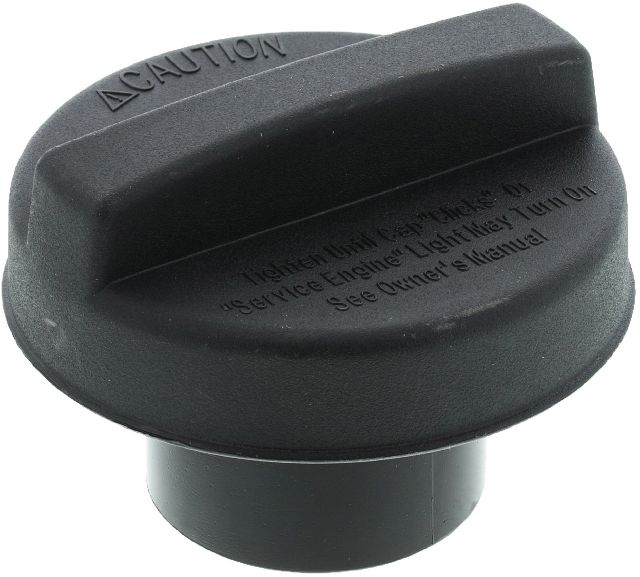
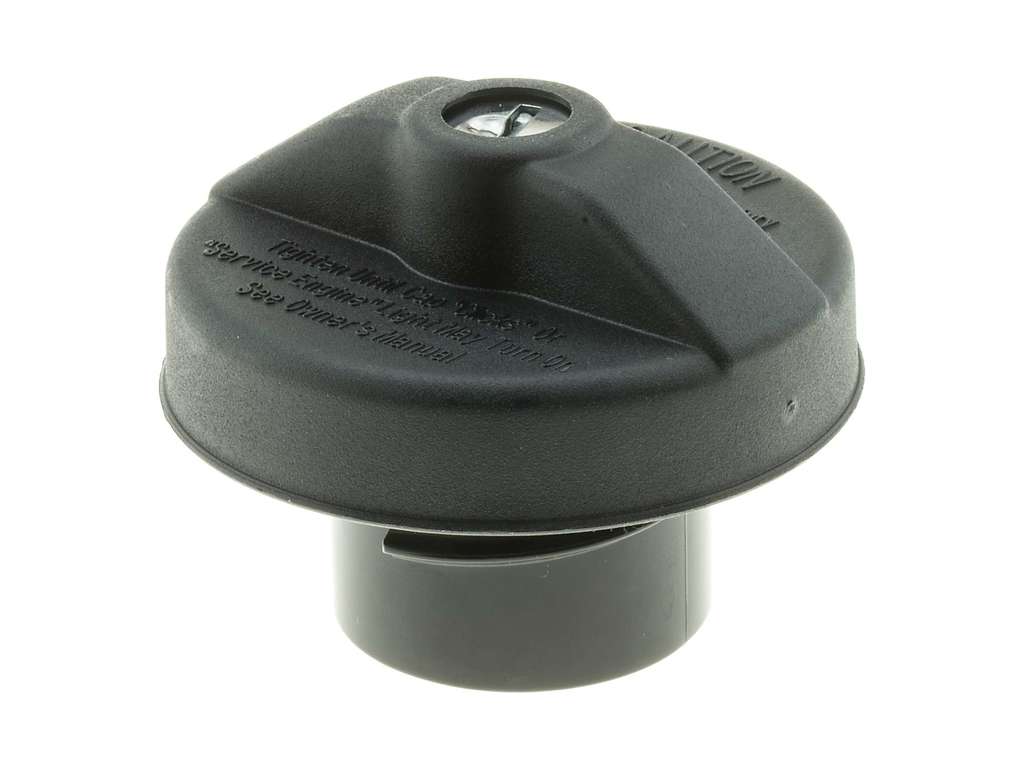
- Loose or Worn-Out Gas Cap 🔴 High Probability → Shop Fuel Tank Cap This is the most common cause on all vehicles. The rubber O-ring seal on the cap degrades over time, losing its ability to hold pressure.
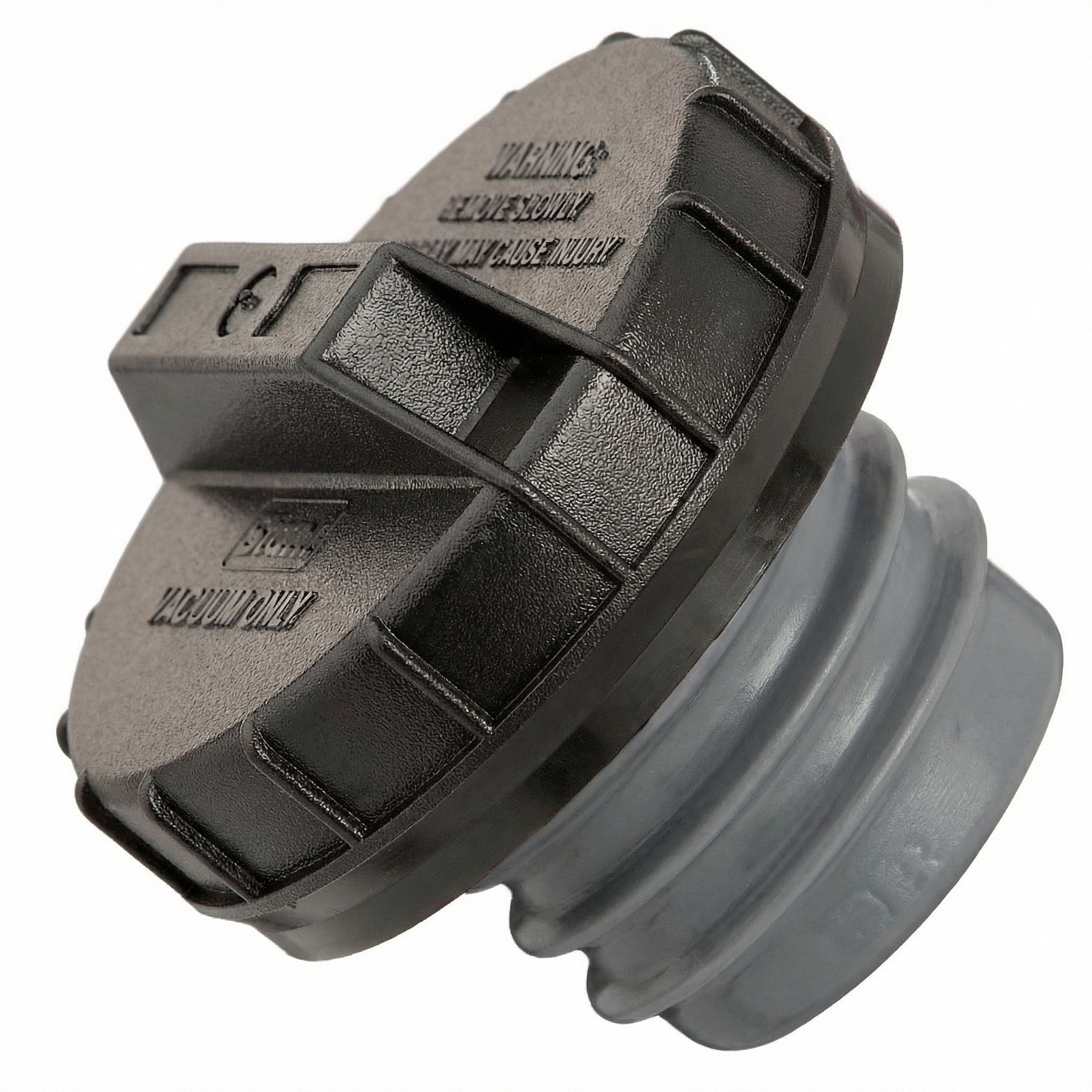
How to confirm: First, ensure the cap is tightened until it clicks several times. Inspect the rubber seal for cracks, stiffness, or damage. If the seal is worn, it's best to replace the cap. Using an OEM cap is highly recommended as some aftermarket caps do not seal correctly.
Typical fix: Replace the gas cap. It is highly recommended to use an OEM (Original Equipment Manufacturer) cap or a high-quality aftermarket equivalent to ensure a proper seal. A manufacturer service bulletin, TSB Bulletin #5NPY6N5B02, notes that the fuel filler cap seal may not provide proper sealing and trigger the Check Engine Light with code P0442.
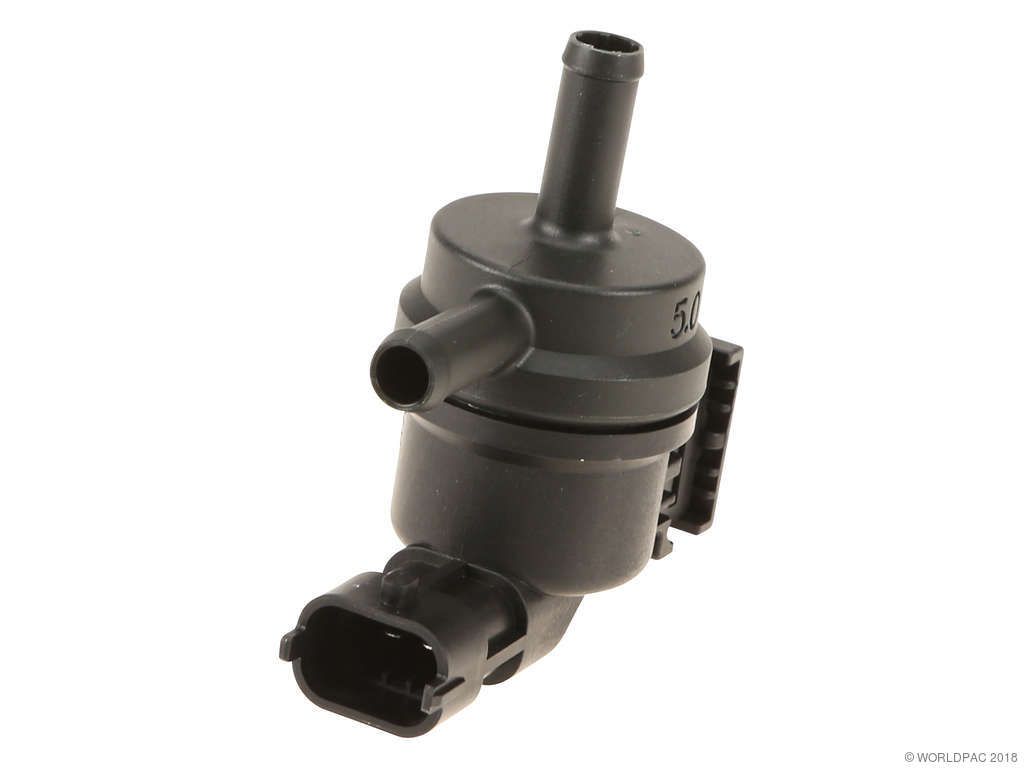
Est. part cost: $15-$35 - Faulty Canister Purge Valve (Purge Solenoid) 🔴 High Probability → Shop Vapor Canister This is a very common failure item on many Hyundai models, including the 1.6L Gamma engine. The valve can get stuck open or closed, or leak internally.
How to confirm: The valve is located in the engine bay, on the passenger side of the intake manifold. With the engine off, you can try to blow through it; it should be closed and not allow air to pass. A hard start after refueling is a strong indicator this valve is stuck open.
Typical fix: Replace the canister purge valve. It is held by a rubber grommet on a bracket and has two hoses and an electrical connector, making it a straightforward DIY replacement. 🎬 Watch: A common fix for the P0442 code on similar Hyundai models.
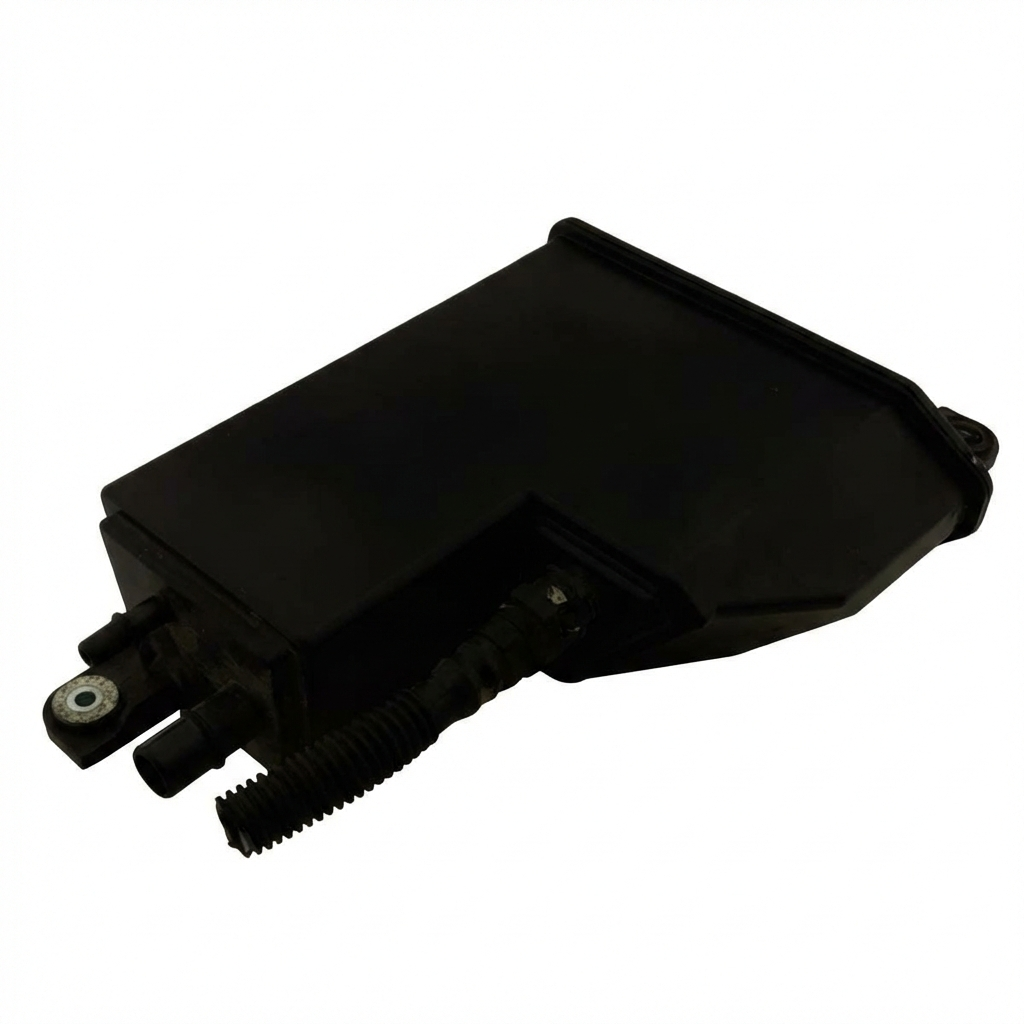
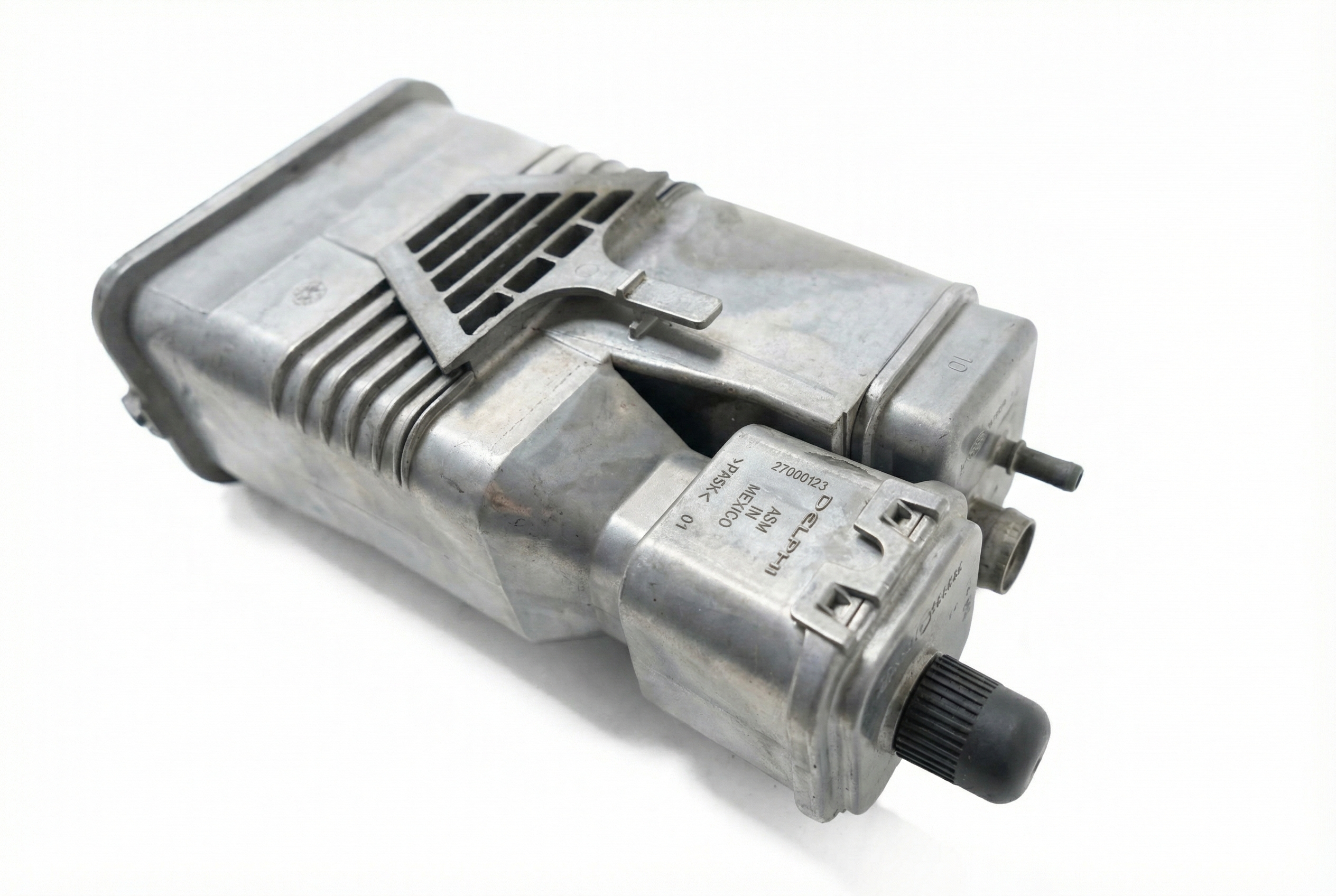
Est. part cost: $25-$80 - Faulty Canister Close Valve (Vent Valve) 🟡 Medium Probability → Shop Vapor Canister This valve is located near the charcoal canister at the rear of the vehicle, exposing it to road debris and moisture which can cause it to fail or stick.
How to confirm: This valve is normally open. A mechanic can command it closed with a scan tool during a smoke test to see if it seals properly. A DIY test involves applying 12V to the terminals to see if it clicks closed and holds air.
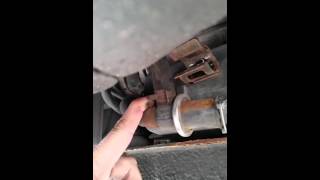
Typical fix: Replace the canister close valve. It is usually mounted on or next to the charcoal canister assembly, located under the rear of the vehicle. 🎬 Watch: How to access and replace the vapor canister vent valve.
Est. part cost: $35-$70 - Rusted Fuel Filler Neck 🟡 Medium Probability → Shop Fuel Filler Neck Corrosion can form on the metal lip of the filler neck where the gas cap seal makes contact, creating an imperfect seal even with a new cap. This is a known issue on Hyundai vehicles of this era. TSB Bulletin #21-01-035H notes that EVAP leakage conditions primarily occur in coastal areas that are subject to corrosion.
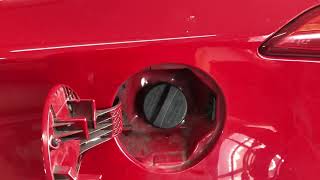
How to confirm: Remove the gas cap and visually inspect the metal rim of the filler neck. Look and feel for any rust, bubbling paint, or pitting that would prevent the rubber seal from sitting flat.
Typical fix: Clean the filler neck surface thoroughly with a Scotch-Brite pad or fine-grit sandpaper to restore a smooth sealing surface. Applying a thin layer of silicone grease can help protect the surface and ensure a good seal. If corrosion is severe, the filler neck must be replaced.
Est. part cost: $0 (for cleaning) or $100-$250 (for neck replacement) - Cracked or Disconnected EVAP Hoses ⚪ Low Probability Over time, the rubber and plastic hoses in the EVAP system can become brittle from heat and age, leading to small cracks, especially at connection points.
How to confirm: Visually inspect all accessible EVAP lines running from the engine bay to the fuel tank area. Look for obvious cracks, especially at bends and connection points. A smoke test is the most effective way to find a small hose leak.
Typical fix: Replace the specific section of the cracked hose. Small cracks can sometimes be sealed temporarily, but replacement is the correct long-term fix.
Est. part cost: $10-$50
Rare But Worth Checking
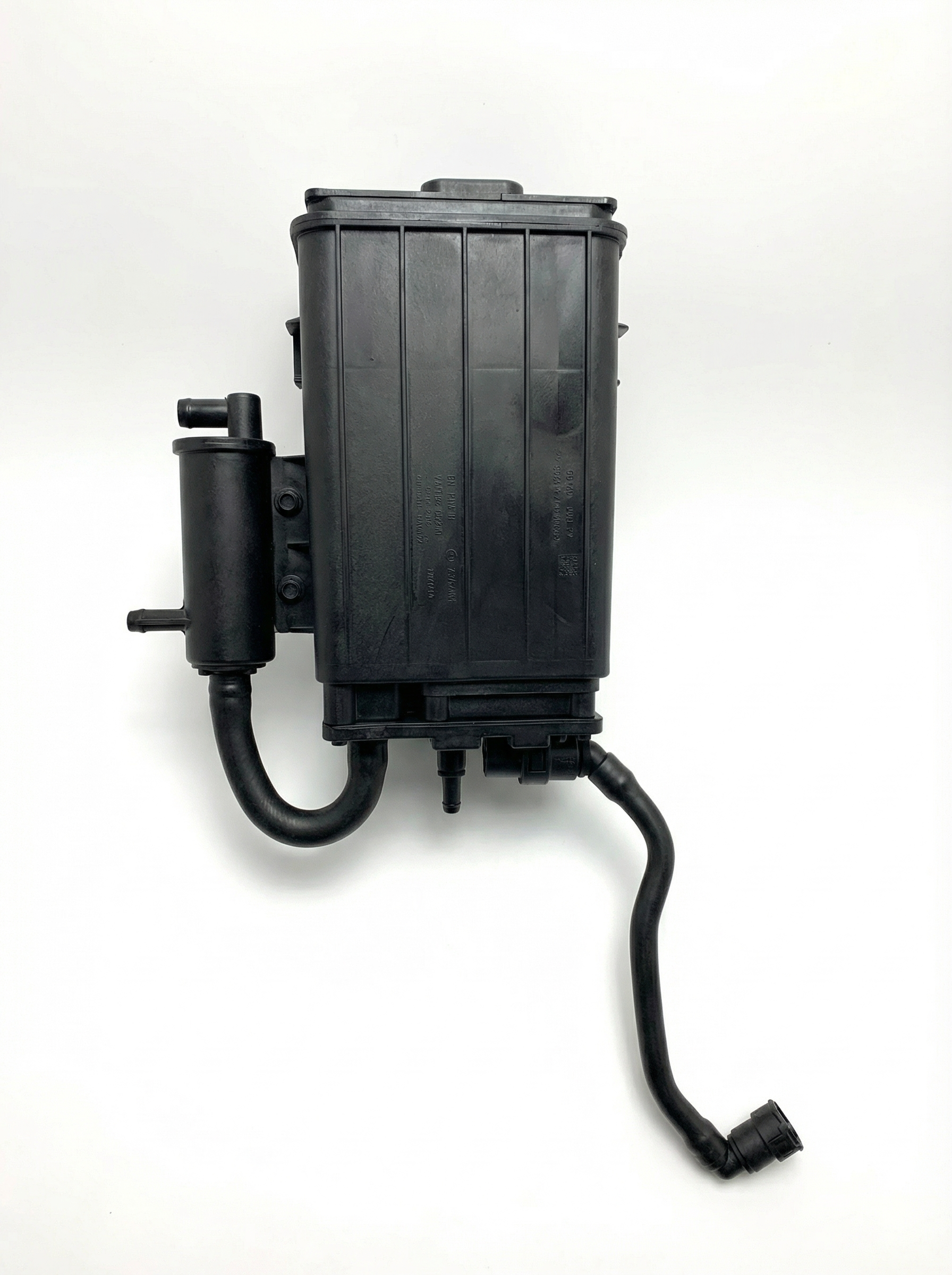
- Cracked Charcoal Canister: → Shop Vapor Canister While not common, a rock or road debris can strike the plastic canister (located near the rear axle), causing a hairline crack that results in a P0442 code.
Diagnosis Steps
- Check the Gas Cap: Remove and reinstall the gas cap, ensuring it clicks multiple times. Inspect the cap's rubber seal for any signs of cracking or wear. If in doubt, replacement with an OEM cap is an inexpensive and common fix.
- Inspect the Fuel Filler Neck: With the cap off, carefully examine the metal lip of the filler neck for any rust or corrosion that could prevent a good seal. Clean it with a Scotch-Brite pad if necessary.
- Visually Inspect Hoses: Check the EVAP hoses in the engine bay, particularly around the purge valve, for any obvious cracks, loose connections, or signs of brittleness.
- Test the Purge Valve: The purge valve is on the passenger side of the engine. Listen for a clicking sound from the valve shortly after a cold start. A hard start after refueling is a strong symptom of a stuck-open purge valve.
- Perform a Smoke Test: This is the most reliable method to find the exact source of the leak. A machine fills the EVAP system with a harmless, visible smoke. Smoke will exit from any cracks or bad seals, pinpointing the fault. This test should be done 🎬 See how to find EVAP leaks and common repair spots. by a professional or an experienced DIYer.
- Inspect the Canister Close Valve: During a smoke test, the close valve (located at the rear of the car) is commanded shut. If it leaks, it needs to be replaced.
Parts You'll Likely Need
- Canister Purge Valve / Purge Control Solenoid
(OEM #28910-26900)— This is a very frequent failure point on Hyundai vehicles, often getting stuck open or closed.
Trusted brands: Genuine Hyundai, Dorman, Standard Motor Products (SMP), Beck/Arnley
OEM price range: $60-$85
Aftermarket price range: $25-$60 - Gas Cap
(OEM #31010-3L600)— The seal on the gas cap is a simple wear item and is the easiest and cheapest part to replace as a first step. An OEM cap is highly recommended.
Trusted brands: Genuine Hyundai, Stant, Motorad
OEM price range: $25-$40
Aftermarket price range: $15-$25 - Canister Close Valve / Vent Valve Solenoid
(OEM #31453-3K500)— This valve, located near the fuel tank, can fail due to exposure to the elements, causing it to stick open. This part number fits, though it's often sold as part of a larger canister assembly.
Trusted brands: Genuine Hyundai, Dorman, SKP
OEM price range: $50-$75
Aftermarket price range: $35-$60 - Fuel Filler Neck
(OEM #31030-1R500)— If the sealing surface for the gas cap is too corroded to be cleaned, the entire neck must be replaced to ensure a proper seal.
Trusted brands: Genuine Hyundai, Spectra Premium
OEM price range: $150-$250
Aftermarket price range: $100-$180
Related Codes That Often Appear With This One
- P0456 — This code indicates a 'very small leak,' and may appear intermittently or precede a P0442 as a leak worsens slightly. TSB Bulletin #5NP-Z2J3V-04 notes that P0442 and P0456 are often found stored together.
- P0455 — This code for a 'large leak' can sometimes appear if a component fails completely, such as a hose becoming disconnected or the gas cap being left off entirely.
Technical Service Bulletins (TSBs) & Recalls
- Hyundai TSB 14-EM-003: This Technical Service Bulletin provides a general diagnostic logic improvement for the EVAP system on various models. While not a direct fix for a specific part, it involves a software update that can improve the accuracy of the leak detection system. It's worth checking if this update has been performed on your vehicle.
- TSB Bulletin #5NPY6N5B02: This manufacturer bulletin identifies that the fuel filler cap seal may fail to provide a proper seal, resulting in DTC P0442.
- TSB Bulletin #21-01-035H: This bulletin notes that EVAP leakage codes like P0442 and P0455 primarily occur in coastal areas subject to corrosion.
- TSB Bulletin #5NP-Z2J3V-04: A manufacturer service bulletin stating that vehicles may experience a check engine warning light with DTCs P0442, P0455, or P0456 stored.
Mechanic-Grade Diagnostic Values
- Canister Purge Valve (solenoid) coil resistance — expected: Approximately 26 Ohms. Failure: A reading that is significantly higher (open circuit) or lower (shorted) than the expected value.
- Canister Close Valve (vent solenoid) coil resistance — expected: Approximately 14-18 Ohms. Failure: A reading that is significantly higher (open circuit) or lower (shorted) than the expected value.
- Fuel Tank Pressure Sensor (FTPS) voltage — expected: Approximately 2.5V with the gas cap off (system at atmospheric pressure).. Failure: Voltage is stuck high (e.g., 5V) or low (e.g., 0V), or does not change when a vacuum is applied to the system during a test.
- Canister Purge Valve manual test — expected: With the valve unplugged, it should be fully closed. No air should pass through when you blow into it.. Failure: If you can blow air through the valve when it is unpowered, it is stuck open and faulty.
Scan Tool Commands That Help
- Hyundai GDS or equivalent professional scanner: Activation Test: Canister Close Valve (CCV) — This command is used to manually close the normally-open vent valve. This is a required first step before performing a smoke test to seal the EVAP system. If the system cannot be sealed, this command helps confirm if the CCV is the point of failure.
- Hyundai GDS or equivalent professional scanner: Special Function: EVAP Leak Test — This is an automated, onboard test routine that the ECM runs to verify the EVAP system is sealed after a repair has been performed. It confirms the fix without needing to complete a full drive cycle. Note that it has strict prerequisites, such as fuel level (15-85%) and engine temperature.
Real Owner Repair Stories
- YouTube channel 'The Flat Rate Mechanic' (2009 Hyundai Elantra (similar EVAP system)) — P0442 Check Engine Light.
❌ Tried (didn't work) A full system smoke test showed no leaks., Purge valve tested okay., Vent valve tested okay.
✅ What actually fixed it The mechanic found significant rust buildup on the fuel filler neck where the gas cap seal makes contact. The code was resolved by cleaning the rust off the neck with a Scotch-Brite pad and applying a thin layer of silicone paste to ensure a good seal. - Reddit user in r/MechanicAdvice (2015 Hyundai Accent GLS 1.6L) — P0455 (Large EVAP Leak) Check Engine Light.
✅ What actually fixed it A repair shop diagnosed a bad canister vent valve. The owner purchased a Dorman 911-811 Vapor Canister Vent Solenoid to have a mechanic install, which is the correct fix for a failed vent valve. - Reddit user in r/MechanicAdvice (2007 Hyundai Accent) — Car won't start or runs very rough immediately after refueling, requires throttle input to stay running. Check engine light was on.
✅ What actually fixed it The user identified the symptoms as a classic sign of a faulty canister purge valve. A commenter confirmed this is a very common failure on Hyundais and the fix is to replace the valve. - NHTSA ODI #11170436 — An owner reported that their check engine light came on with a P0442 code shortly after driving off the lot. Over two years, four mechanics were unable to find the issue despite changing the gas cap twice and performing purge valve service.
- NHTSA ODI #11570498 — An owner reported that common codes including P0442 and P0401 have appeared on their vehicle.
"I Checked Everything" — The Actual Cause
- A common scenario for a persistent P0442, even after a smoke test passes, is a poor seal at the gas cap caused by rust on the fuel filler neck itself. A smoke test may not reveal this if the testing adapter seals differently than the gas cap. A mechanic on a similar Hyundai model performed a smoke test that came back clean, but the final fix was to thoroughly clean the filler neck's sealing surface with a Scotch-Brite pad.
Diagnostic Flowchart
Other Known Issues on This Vehicle
Issues unrelated to this code that are worth knowing about as an owner of this generation:
- Steering Coupler Failure 🟠 Medium — Extremely common. A clicking or clunking noise from the steering column when turning is the primary symptom, usually appearing after 60,000 miles. (Ref: No recall for the Accent, but a well-known issue across many Hyundai/Kia models of this era.)
- Carbon Buildup on Intake Valves 🟠 Medium — A common issue for all Gasoline Direct Injection (GDI) engines, including the 1.6L GDI. Symptoms like rough idle and loss of power can develop over 80,000-100,000 miles.
- Ignition Coil Failure / Wiring Harness Chafing 🟡 Low — The wiring harness for the ignition coils can chafe against a bracket on the transmission, eventually causing misfires or a no-start condition.
- Leaking Rear Shock Absorbers 🟡 Low — The rear shocks are prone to leaking oil prematurely, which can cause a clunking noise over bumps and lead to uneven tire wear.
Used vs. New Parts: Buying Guide for This Vehicle
When a used part is the smart pick: For purely mechanical or structural components like the fuel filler neck or the plastic body of the charcoal canister, a used part from a low-mileage, non-corroded donor vehicle is a cost-effective option. Electronic solenoids can be bought used, but carry more risk.
Donor-vehicle mileage cap: roughly under 60000 miles for the part to have meaningful remaining life.
What to inspect on the donor part:
- For a fuel filler neck, inspect the gas cap sealing surface for any signs of rust, pitting, or damage.
- For any plastic part (hoses, canister), check for brittleness, hairline cracks, or heat discoloration.
- Inspect all electrical connectors for green or white corrosion on the pins.
- Prefer donors from dry climates to avoid corrosion issues on metal components.
OEM-only on this vehicle (don't cheap out):
- Gas Cap: This is the most critical part to buy OEM. Aftermarket gas caps are a very common reason for a P0442 code to persist or return because their seals may not meet the exact pressure specifications required by the Hyundai EVAP system.
Aftermarket brands forum-validated for this vehicle:
- Standard Motor Products (SMP): Often cited as a reliable alternative for EVAP solenoids like the purge valve.
- Dorman: A user reported successfully using a Dorman (911-811) canister vent solenoid.
Real Owner Stories
Aggregated from forums and TSBs cited above. Mileages and costs reflect what owners reported in those sources.
2012 Hyundai Accent
Symptoms: Check Engine Light with code P0442; the owner replaced the fuel cap but the light returned with the same code.
What fixed it: The owner did not report a final fix, but diagnostic suggestions pointed toward a faulty charcoal canister vent valve.
Source hint: Yahoo Answers report in owner_reports
2011 Hyundai Accent
Symptoms: Owner was confused about the physical location of the canister purge valve while attempting a DIY repair.
What fixed it: Confirmed location as the passenger side of the intake manifold to facilitate replacement.
Source hint: https://www.hyundai-forums.com/threads/2011-accent-canister-purge-valve-location.172089/
Related OBD-II Codes
Frequently Asked Questions
Where is the canister purge valve located on my 2012-2017 Hyundai Accent?
Is there a software update for the EVAP system on my Accent?
Why does my Accent have trouble starting only after I fill up the gas tank?
Can I use an aftermarket gas cap to fix the P0442 code?
My gas cap is new but I still have a leak; what else should I check on the filler neck?
Does the Kia Rio share this same EVAP issue?
Helpful Videos

Used OEM Parts in Stock
New Aftermarket Parts Available


The information in this article is provided for general reference and educational purposes only. Vehicle specifications, procedures, and part compatibility can vary by production date, trim level, and region. Always consult your vehicle's factory service manual and verify part numbers before purchasing or performing repairs. Safety-critical components such as airbags, seat belts, and braking systems should be installed by a qualified professional.
- Hyundai Accent:
- 🧭 Diagnostic Flowchart
- 🎬 Helpful Videos
- 🛍️ Shop This Part
- What's Unique About the 2012-2017 Hyundai Accent
- Symptoms You May Notice
- Most Likely Causes
- Rare But Worth Checking
- Diagnosis Steps
- Parts You'll Likely Need
- Related Codes That Often Appear With This One
- Technical Service Bulletins (TSBs) & Recalls
- Mechanic-Grade Diagnostic Values
- Scan Tool Commands That Help
- Real Owner Repair Stories
- "I Checked Everything" — The Actual Cause
- Other Known Issues on This Vehicle
- Used vs. New Parts: Buying Guide for This Vehicle
- Real Owner Stories
- 2012 Hyundai Accent
- 2011 Hyundai Accent
- Related OBD-II Codes
- Frequently Asked Questions
- 🎟️ Get 5% Off