

P0442 on 2016-2021 Hyundai Tucson: EVAP Small Leak Causes and Fixes
For a 2016-2021 Hyundai Tucson, the P0442 code is most often caused by a loose or worn-out gas cap. If tightening or replacing the gas cap doesn't work, the next most likely culprit is a faulty canister purge valve. A new OEM gas cap costs $20-$35, while a purge valve is around $40-$90. These two parts resolve the vast majority of P0442 issues on this platform.
- Always check the gas cap first for a P0442 code. Ensure it's tight and the seal is clean and intact. This solves the problem a majority of the time.
- If a new gas cap doesn't fix the issue, the canister purge valve located in the engine bay is the next most likely and affordable part to replace.
- This code indicates a minor emissions leak and will not stop you from driving the car, but it will cause you to fail an emissions inspection.
- For leaks that are not obvious (gas cap or purge valve), a smoke test performed by a mechanic is the fastest and most cost-effective way to find the source, preventing you from buying unnecessary parts.
What's Unique About the 2016-2021 Hyundai Tucson
The third-generation (2016-2021) Tucson does not have widespread, unique design flaws related to the P0442 code. The causes are typical for most modern Hyundai vehicles, focusing on common wear-and-tear items. While other Hyundai models have known issues with specific components like canister close valves, the Tucson's P0442 faults are most frequently traced back to the simplest parts: the gas cap and the engine-bay-mounted purge valve.
Symptoms You May Notice
- Check Engine Light is on
- A faint fuel smell, particularly when parked in an enclosed space like a garage (less common).
- A 'loose gas cap' warning message on the dashboard, if equipped
- Difficulty starting immediately after refueling (this points strongly to a stuck-open purge valve).
- Replacing the oxygen (O2) sensors, as they are not related to the EVAP system.
- Replacing the fuel injectors, which would typically cause performance issues and different codes (like P030x).
- Assuming a bad fuel pump, which would present as starting or drivability problems, not an EVAP leak code.
Most Likely Causes
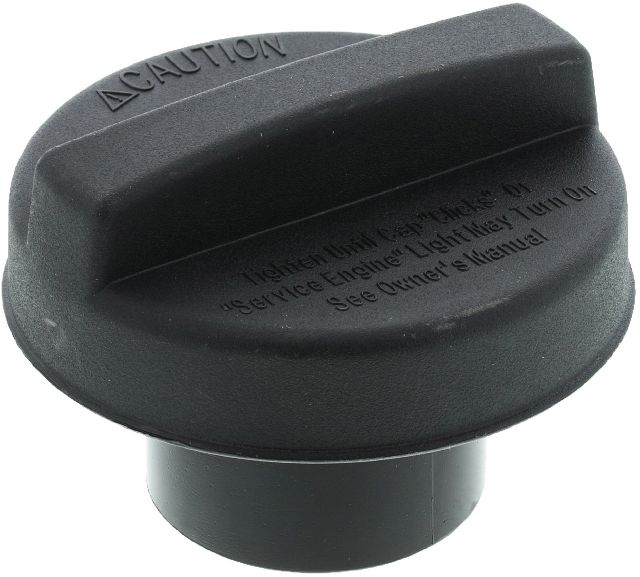
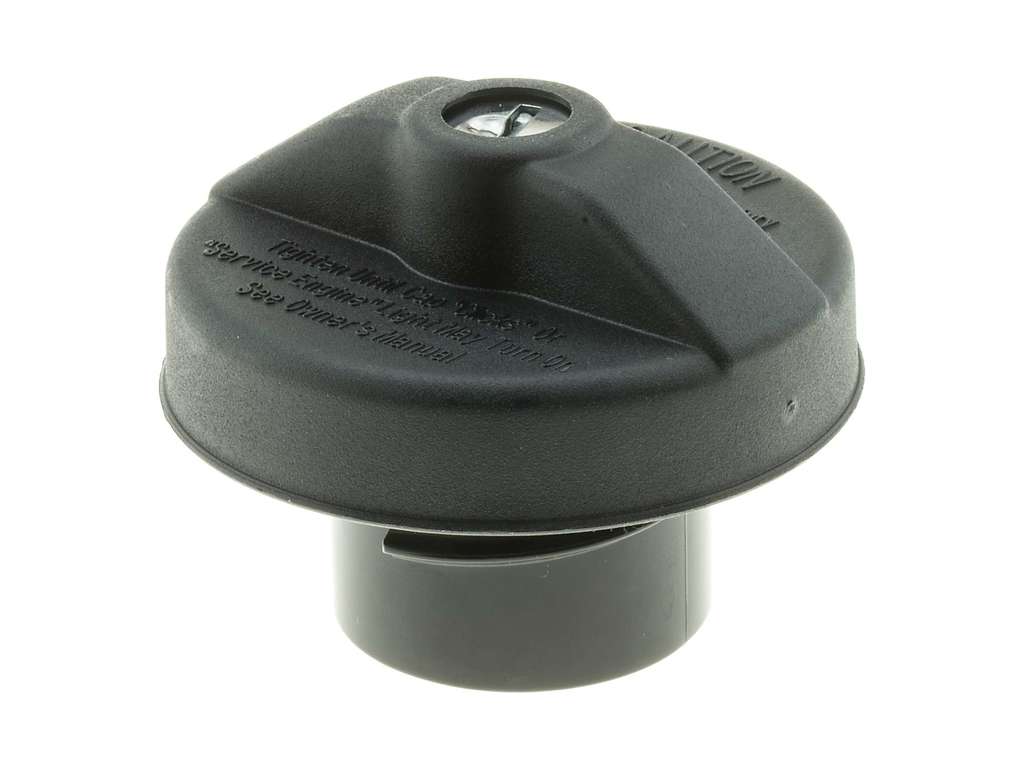
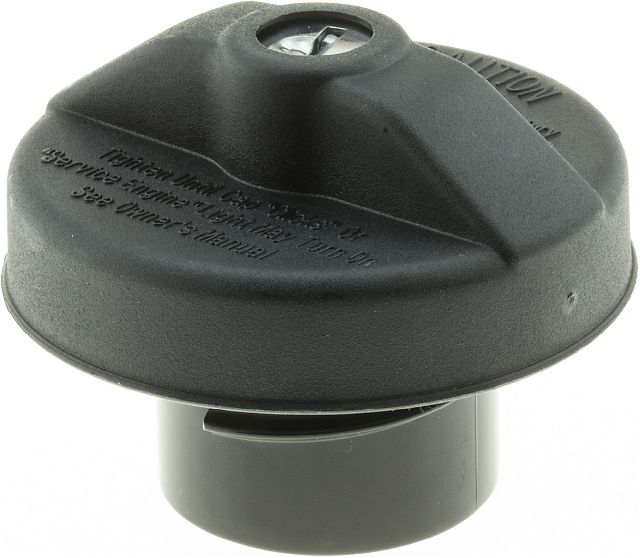
- Loose or Faulty Gas Cap 🔴 High Probability → Shop Fuel Tank Cap The gas cap seal is a simple rubber O-ring that can crack, harden, or get dirty over time, preventing a proper seal. This is the most common cause for P0442 on virtually all vehicles and the easiest first step. Manufacturer TSB Bulletin #5NPY6N5B02 notes that the fuel filler cap seal may not provide proper sealing, triggering a check engine light for P0442.
How to confirm: Inspect the gas cap for any visible cracks or damage to the rubber seal. Ensure it is tightened until it clicks at least once. Check the fuel filler neck for rust or debris that could interfere with the seal. A common failure point is rust building up on the filler neck's sealing surface.
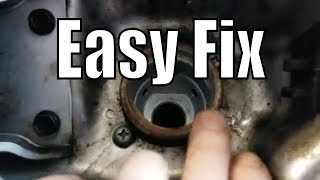
Typical fix: First, try cleaning the seal and filler neck and properly tightening the cap. If the code returns, replace the gas cap with a new OEM part. Using a piece of emery cloth or a Scotch-Brite pad to clean rust off the filler neck sealing surface is a common, effective fix.
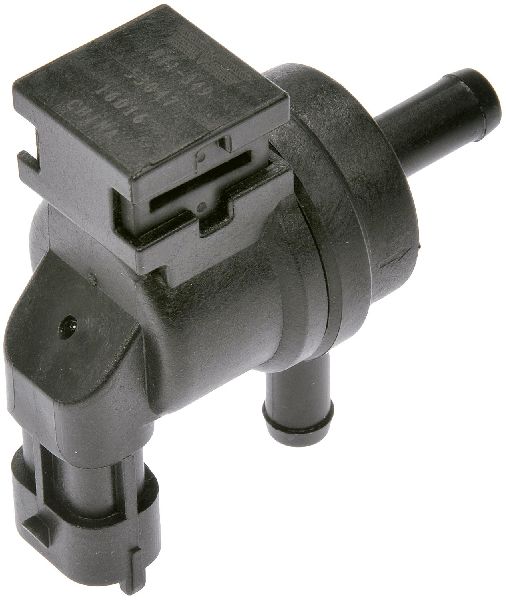
Est. part cost: $20 - $35 - Faulty Canister Purge Valve (Purge Solenoid) 🟡 Medium Probability → Shop Vapor Canister This valve is a common failure point on many Hyundai models. It can get stuck partially open, creating a small, constant leak that the system detects. Its location in the engine bay exposes it to constant heat cycles.
How to confirm: The purge valve is located in the engine bay, typically on or near the intake manifold. With the engine off, disconnect the electrical connector and the two hoses. Try to blow through the valve; if any air passes through, it is stuck open and faulty. It should be normally closed when not powered. A rough start after filling the gas tank is a strong symptom of a bad purge valve.
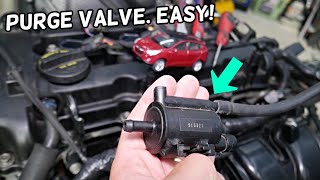
Typical fix: Replace the purge valve. It is usually held by a small bracket and is easy to access and swap out. 🎬 See this walkthrough for the purge valve location and replacement.
Est. part cost: $40 - $90 - Cracked or Disconnected EVAP Hoses ⚪ Low Probability The rubber and plastic hoses in the EVAP system can become brittle and crack over time due to heat and age. A small, hard-to-see crack is a common source for this code.
How to confirm: Visually inspect all accessible EVAP lines, especially the rubber elbows and connectors, for any signs of cracking, splitting, or loose connections. A professional smoke test is the most reliable way to find a leak in a hose.
Typical fix: Replace the damaged section of hose or the entire hose assembly.
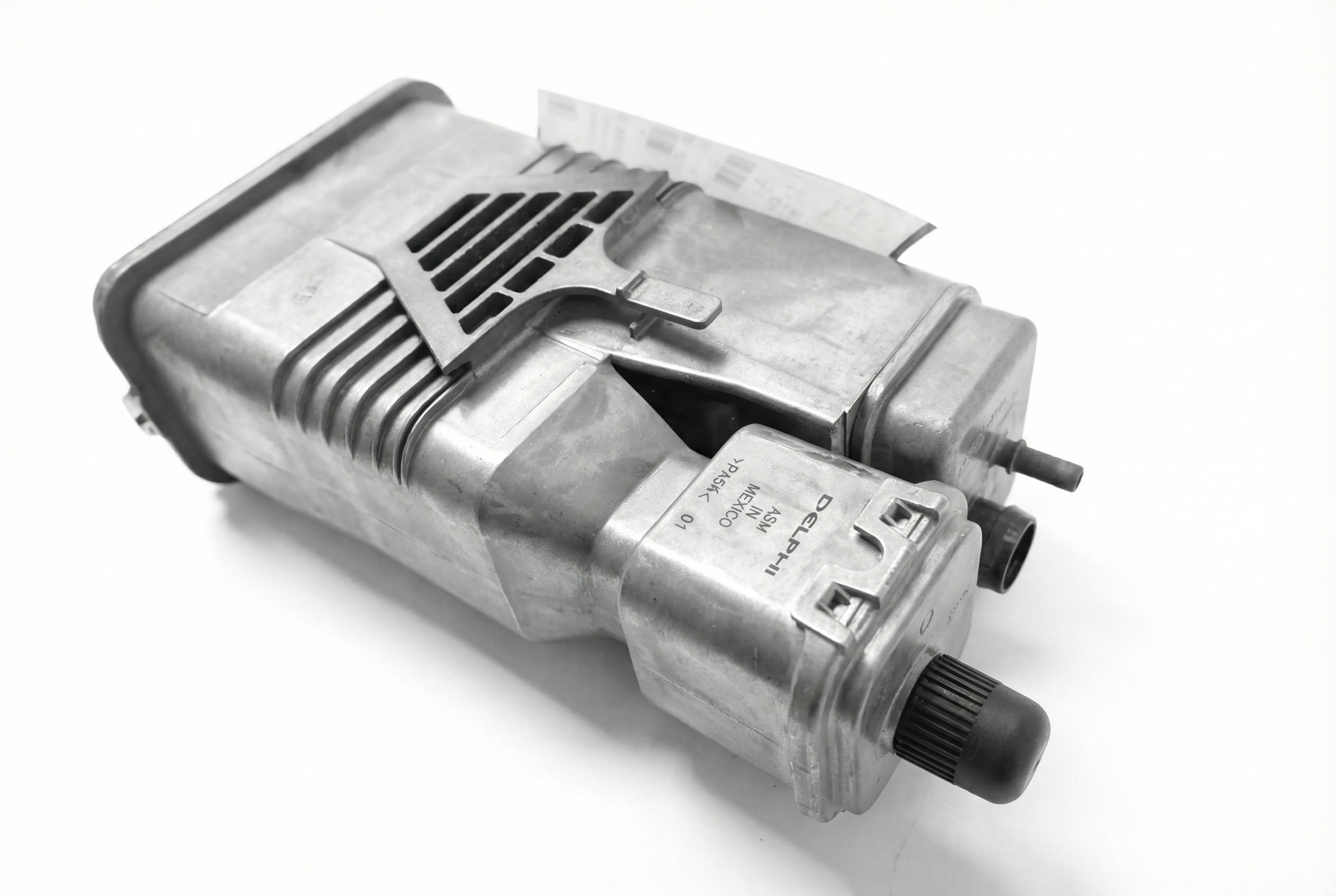
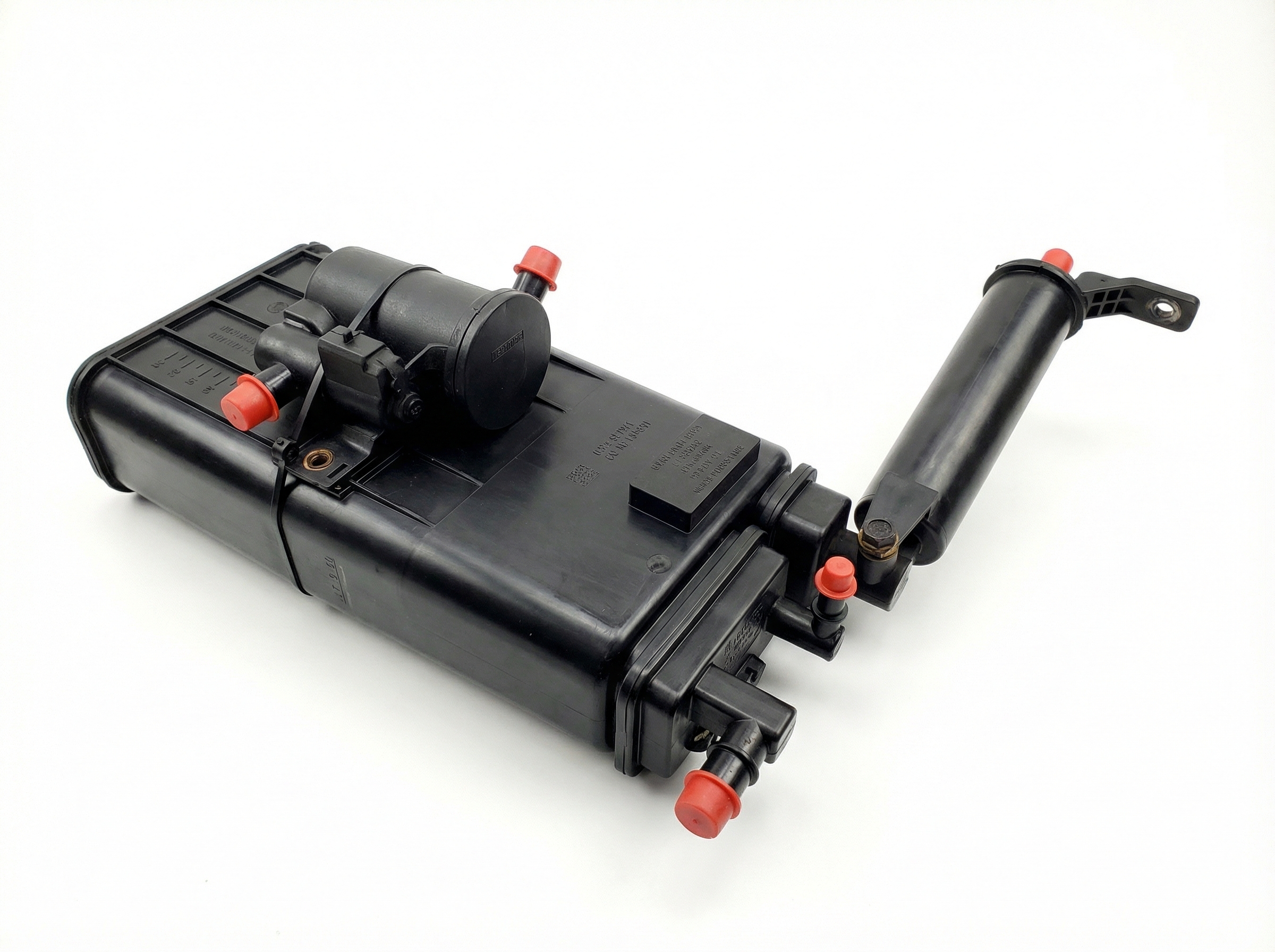
Est. part cost: $10 - $50 - Faulty Canister Close Valve (Vent Valve) ⚪ Low Probability → Shop Vapor Canister Located near the charcoal canister at the rear of the vehicle, this valve can get stuck open due to dirt, debris, or internal failure, preventing the system from sealing for its pressure test. While a common issue on older Hyundai models like the Sonata, it is less frequently the cause for P0442 on the 2016-2021 Tucson compared to the purge valve.
How to confirm: This is more difficult to diagnose without a scan tool that can command the valve to close. A smoke test is the most effective method; if the valve is commanded closed and smoke still escapes from it, the valve is faulty.
Typical fix: Replace the canister close valve. This often requires accessing the charcoal canister assembly near the rear axle.
Est. part cost: $50 - $100
Rare But Worth Checking
- Cracked Charcoal Canister: → Shop Vapor Canister The plastic housing of the charcoal canister itself can develop a hairline crack, especially from physical impact (road debris) or in regions with extreme temperature swings. This is often difficult to spot without a smoke test.
- Leaking Fuel Tank or Filler Neck: → Shop Fuel Tank Rust and corrosion on the fuel filler neck where the gas cap seals can cause a leak. While less common on newer vehicles, it's a well-documented issue and worth inspecting this area closely if the gas cap itself is in good condition. A smoke test will quickly reveal a leak from the neck itself.
Diagnosis Steps
- Read the code with an OBD-II scanner to confirm P0442 is the primary code present.
- Visually inspect the gas cap for cracks, a worn seal, or damage. Clean the filler neck sealing surface, removing any rust with a Scotch-Brite pad or emery cloth.
- Ensure the gas cap is tightened until it clicks several times. Clear the code and drive for a few days to see if it returns.
- If the code returns, purchase and install a new OEM-spec gas cap (Part No. 31010-3L600U or 31010-3L600), clear the code, and drive again.
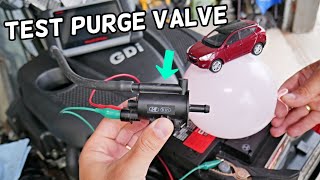
- If the code persists, locate the canister purge valve in the engine bay. With the engine off, disconnect it and try to blow through it. If air passes, it is faulty and needs replacement. 🎬 Watch: How to test the purge control valve yourself.
- Visually inspect all visible EVAP hoses and lines in the engine bay and under the vehicle for obvious cracks or disconnections.
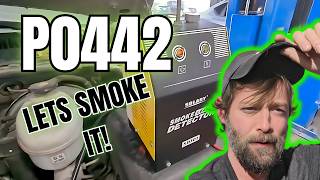
- If no obvious issues are found, the most effective next step is to have a professional perform a smoke test. This involves pumping vaporized smoke into the EVAP system to quickly and accurately reveal the location of any small leaks. 🎬 Watch: How to find a small EVAP leak using smoke.
Parts You'll Likely Need
- Fuel Cap
(OEM #31010-3L600U / 31010-3L600)— This is the most frequent cause of a P0442 code due to the seal wearing out or the filler neck rusting. It's an inexpensive and simple first step in diagnosis.
Trusted brands: Hyundai (OEM)
OEM price range: $20-$35
Aftermarket price range: $15-$25 - Vapor Canister Purge Valve
(OEM #28910-2E000)— This solenoid is a common failure point on Hyundai vehicles and the second most likely cause after the gas cap. It gets stuck open, causing a leak and sometimes a hard start after refueling.
Trusted brands: Hyundai (OEM), Dorman, Bosch
OEM price range: $60-$90
Aftermarket price range: $40-$75
Related Codes That Often Appear With This One
- P0440 — P0440 indicates a general EVAP system malfunction. If the leak test cannot run or provides erratic data, it may be set alongside a specific leak code like P0442.
- P0456 — P0456 indicates a 'very small leak'. The system may first detect a very small leak and later re-classify it as a 'small leak' (P0442), or vice-versa, depending on test conditions.
- P0441 — P0441 indicates 'Incorrect Purge Flow'. This code often appears with other EVAP codes and points more directly toward a malfunctioning purge valve or vent valve, rather than a simple physical leak.
Technical Service Bulletins (TSBs) & Recalls
- While no TSB is specifically for P0442 on the Tucson, Hyundai has issued general EVAP TSBs like 15-EM-003 for other models, which addresses EVAP system testing logic. Another TSB for a different model suggests inspecting the fuel filler pipe for corrosion as a cause for P0442, a technique that is also applicable here.
- Manufacturer TSB Bulletin #21-01-035H notes that EVAP leakage related DTCs like P0442 primarily occur in California coastal areas that are subject to corrosion.
- Manufacturer TSB Bulletin #5NP-Z2J3V-04 confirms that several Hyundai models may experience a check engine warning light with DTC P0442 stored.
Mechanic-Grade Diagnostic Values
- Canister Purge Valve (PCSV) resistance — expected: 18.9 to 22.5 Ohms. Failure: A reading outside of this range indicates a faulty solenoid coil. Used valves can show inconsistent readings even if they click.
- Fuel Tank Pressure Sensor (FTPS) voltage, Key On Engine Off, gas cap removed — expected: Approximately 2.5 Volts (at atmospheric pressure). Failure: A voltage significantly different from 2.5V suggests a faulty sensor, assuming the 5V reference and ground circuits are intact.
- Canister Close Valve (CCV) / Vent Valve resistance — expected: Approximately 20 Ohms. Failure: An open circuit (infinite resistance) or a reading far from the expected value indicates a failed solenoid.
Scan Tool Commands That Help
- Hyundai GDS / Autel or similar advanced scanner: EVAP System Leak Test (Forced Monitor) — To command the vehicle's onboard computer to perform a full, automated EVAP system leak test after a repair to verify the fix without waiting for the natural drive cycle monitor to run.
- Hyundai GDS / Autel or similar advanced scanner: Activation Test: Canister Shut Off Valve (Vent Valve) — To manually command the vent valve closed, sealing the EVAP system. This is a required step before performing a smoke test to ensure the system is not open to the atmosphere. You should hear an audible click from the rear of the vehicle.
- Hyundai GDS / Autel or similar advanced scanner: Activation Test: Canister Purge Valve — To manually cycle the purge valve to check for a response (a faint click). This can help determine if the solenoid is responding to commands from the ECM.
Wiring & Ground Locations
- Canister Purge Valve (PCSV) Connector — In the engine bay, on or near the intake manifold.. The wires at this connector provide power and ground control to the purge valve. On a 2018 Tucson, the wires are Yellow with a Black tracer and a White wire. This is where resistance and voltage tests are performed.
"I Checked Everything" — The Actual Cause
- A very common scenario for a persistent P0442, even after replacing the gas cap, is a rusty fuel filler neck. A smoke test may not reveal a leak at the cap interface, especially if the cap is new. However, corrosion on the metal sealing surface of the filler neck prevents the new cap's rubber gasket from creating a perfect seal. The fix is to thoroughly clean the rust off the filler neck with a Scotch-Brite pad or emery cloth until the surface is smooth and shiny, then apply a light coat of silicone grease to the gas cap seal before reinstalling.
Model Year Variations Within This Range
- 2016-2021: The 2016-2021 Tucson was available with two main engines: a 2.0L MPI and a 1.6L Turbo GDI. While the fundamental EVAP system operation is the same, the exact routing of hoses and the location of components like the purge valve may differ slightly due to the different intake manifold designs. However, the primary failure points (gas cap, purge valve) and diagnostic procedures remain consistent across both engine types.
Diagnostic Flowchart
Other Known Issues on This Vehicle
Issues unrelated to this code that are worth knowing about as an owner of this generation:
- Theta II Engine Failure (2.0L & 2.4L) 🔴 High — Widespread across multiple Hyundai/Kia models of this era. Caused by manufacturing debris leading to connecting rod bearing failure. Can result in engine knocking, seizing, or fire. (Ref: Multiple recalls (e.g., NHTSA 17V226000) and a class-action lawsuit settlement led to extended warranties and a Knock Sensor Detection System (KSDS) software update.)
- 7-Speed Dual-Clutch Transmission (DCT) Hesitation/Failure 🟠 Medium — Common on 1.6T models. Owners report hesitation, shuddering, or a complete failure to move from a stop, especially in hot weather. (Ref: Hyundai issued recalls (e.g., NHTSA 16V628000) and TSBs to reprogram the Transmission Control Module (TCM), which often resolves the issue.)
- ABS Module Fire Risk 🔴 High — Affects a large number of 2016-2021 Tucsons. The Anti-lock Brake (ABS) Hydraulic Electronic Control Unit (HECU) can corrode internally and cause an electrical short, leading to a fire risk even when the vehicle is off. (Ref: NHTSA Recall 20V543000. Owners were advised to park outdoors and away from structures until the recall repair (installing a new fuse) was performed.)
- Excessive Oil Consumption 🟠 Medium — Often a precursor to Theta II engine failure. Owners report needing to add oil frequently between changes. This is linked to piston ring issues and cylinder wall scoring. (Ref: Covered under the engine failure class-action lawsuit and extended warranties for affected VINs.)
Used vs. New Parts: Buying Guide for This Vehicle
When a used part is the smart pick: For this repair, using used parts is generally not recommended. The most common failure items (gas cap, purge valve) are wear-and-tear components that are inexpensive to buy new. A used gas cap will have a seal of unknown age and condition. A used purge valve may have internal wear or coil degradation that isn't visible.
Donor-vehicle mileage cap: roughly under 30000 miles for the part to have meaningful remaining life.
What to inspect on the donor part:
- For a purge valve, ensure the plastic housing is not cracked and the hose nipples are intact.
- Check that the electrical connector pins are clean and not corroded.
- Avoid parts from vehicles in salt-belt regions, as corrosion is a major factor in EVAP component failure.
OEM-only on this vehicle (don't cheap out):
- Fuel Cap: Aftermarket gas caps are a notorious source of EVAP codes. It is strongly recommended to use a genuine Hyundai (OEM) cap to ensure a perfect seal.
Aftermarket brands forum-validated for this vehicle:
- Bosch (for Purge Valve)
- Dorman (for Purge Valve)
Brands owners have reported issues with on this vehicle:
- Generic, unbranded gas caps from online marketplaces.
Real Owner Stories
Aggregated from forums and TSBs cited above. Mileages and costs reflect what owners reported in those sources.
2019 Kia Sportage (Platform Mate)
Symptoms: Recurring P0442 code even after the gas cap was replaced.
What fixed it: Checking the fuel vent hose that runs parallel to the filler neck for holes.
Source hint: Reddit - r/kiasportage: A user with a 2019 Sportage (platform mate) reported a recurring P0442 code...
2009 Hyundai Elantra (General Hyundai Context)
Symptoms: P0442 code persisting even when the gas cap appeared to be in good condition.
What fixed it: Cleaning rust off the fuel filler neck sealing surface with a Scotch-Brite pad.
Source hint: YouTube - The Flat Rate Mechanic: A video on an '09 Elantra with P0442 demonstrates the importance of cleaning rust off the fuel filler neck...
Hyundai Sonata Owner Report
Symptoms: Check engine light with a P0442 code shortly after driving off the lot.
What fixed it: An owner reported in NHTSA ODI #11170436 that they struggled for two years with this code, changing the gas cap twice and the purge valve without a resolution from multiple mechanics.
Hyundai Veloster Owner Report
Symptoms: Check engine light illumination with multiple codes.
What fixed it: According to NHTSA ODI #11570498, an owner found that P0442 was one of the common codes appearing during a diagnostic reading.
Related OBD-II Codes
Frequently Asked Questions
Is there a specific gas cap part number I should use for my 2016-2021 Tucson to fix P0442?
Does Hyundai have a TSB for EVAP issues that applies to the Tucson?
My Tucson has a rough start only after I fill up the gas tank; is this related to P0442?
I see a 'loose gas cap' message on my dashboard. Does this mean I definitely need a new cap?
Is the P0442 code related to the Theta II engine recalls on the 2016-2021 Tucson?
Where is the purge valve located on the 2016-2021 Tucson for testing?
Helpful Videos
Used OEM Parts in Stock
New Aftermarket Parts Available


The information in this article is provided for general reference and educational purposes only. Vehicle specifications, procedures, and part compatibility can vary by production date, trim level, and region. Always consult your vehicle's factory service manual and verify part numbers before purchasing or performing repairs. Safety-critical components such as airbags, seat belts, and braking systems should be installed by a qualified professional.
- Hyundai Tucson:
- 🧭 Diagnostic Flowchart
- 🎬 Helpful Videos
- 🛍️ Shop This Part
- What's Unique About the 2016-2021 Hyundai Tucson
- Symptoms You May Notice
- Most Likely Causes
- Rare But Worth Checking
- Diagnosis Steps
- Parts You'll Likely Need
- Related Codes That Often Appear With This One
- Technical Service Bulletins (TSBs) & Recalls
- Mechanic-Grade Diagnostic Values
- Scan Tool Commands That Help
- Wiring & Ground Locations
- "I Checked Everything" — The Actual Cause
- Model Year Variations Within This Range
- Other Known Issues on This Vehicle
- Used vs. New Parts: Buying Guide for This Vehicle
- Real Owner Stories
- 2019 Kia Sportage (Platform Mate)
- 2009 Hyundai Elantra (General Hyundai Context)
- Hyundai Sonata Owner Report
- Hyundai Veloster Owner Report
- Related OBD-II Codes
- Frequently Asked Questions
- 🎟️ Get 5% Off