

P0442 on 2008-2013 Infiniti G37: EVAP Small Leak Causes and Fixes
For a P0442 code on a 2008-2013 Infiniti G37, the most likely cause is a loose or faulty gas cap. If tightening or replacing the cap doesn't work, the next most common failure is the EVAP canister vent control valve, located near the charcoal canister at the rear of the car. A smoke test is the most reliable way to find the exact source of the leak.
- Always check the gas cap first for code P0442. Ensure it's tight and the seal is in good condition. This is the easiest and most common fix.
- If the gas cap is not the issue, the next most likely culprit on a G37 is the EVAP canister vent control valve, located at the rear of the car.
- A smoke test is the most reliable way to diagnose the exact location of a small EVAP leak, saving time and preventing the replacement of incorrect parts.
- This code will not stop you from driving the car, but it will cause you to fail an emissions inspection.
- When replacing the gas cap or EVAP valves, using OEM or high-quality aftermarket brands like Bosch or Hitachi is recommended for best results.
What's Unique About the 2008-2013 Infiniti G37
On the Infiniti G37 (V36 platform), the P0442 code is a very common issue. Infiniti has released several Technical Service Bulletins (TSBs) acknowledging this, often pointing owners to first check the gas cap. Beyond the cap, this platform is known for failures of the EVAP vent control valve (sometimes called a vent solenoid) located at the rear of the vehicle by the charcoal canister. This valve can get stuck open or fail electronically due to dirt or age, creating the small leak the system detects. Many owner forums for the G37 and its platform mates confirm this is a frequent point of failure.
Diagnostic Flowchart
Tap your situation to follow the diagnostic path that matches what you're seeing on this vehicle.
Symptoms You May Notice
- Check Engine Light is on
- A faint fuel smell may be noticeable, especially when parked in an enclosed space like a garage.
- In rare cases where the purge valve is stuck open, the car may have a long crank time after refueling because the engine is being flooded with fuel vapors.
- If the vent valve is stuck closed, you may experience difficulty filling the fuel tank (the pump nozzle clicks off repeatedly).
- Replacing the purge valve in the engine bay when the more common failure is the vent valve at the rear of the car.
- Replacing the entire charcoal canister when only the serviceable vent valve attached to it has failed.
- Assuming the gas cap is good without closely inspecting the rubber seal for fine cracks or checking the filler neck for rust.
Most Likely Causes
- Loose or Faulty Gas Cap 🔴 High Probability → Shop Fuel Tank Cap This is the most common cause for any vehicle and is specifically mentioned in Infiniti TSB #ITB09012F and #ITB13-044J as the primary check for P0442. The rubber O-ring on the cap can crack and deteriorate over time, preventing a proper seal.
How to confirm: Ensure the gas cap is tightened until it clicks at least three times. Inspect the rubber O-ring seal on the cap for cracks, hardening, or damage. Also, inspect the fuel filler neck opening for rust or debris that could prevent a good seal.
Typical fix: Tighten or replace the gas cap. It is highly recommended to use an OEM (Original Equipment Manufacturer) cap, as some aftermarket caps may not seal correctly. If the filler neck is rusted, it can be cleaned with a wire brush to create a better sealing surface.
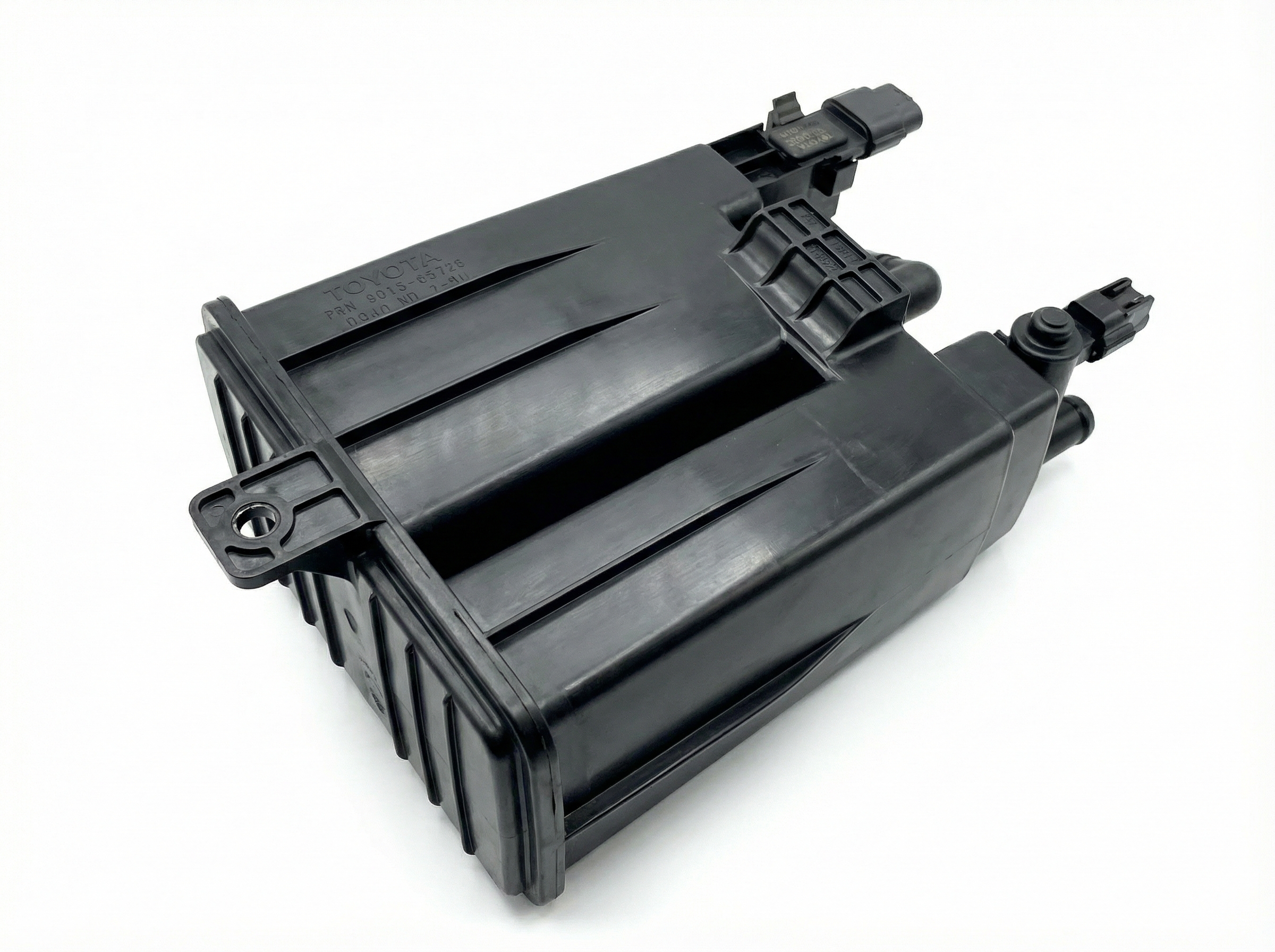
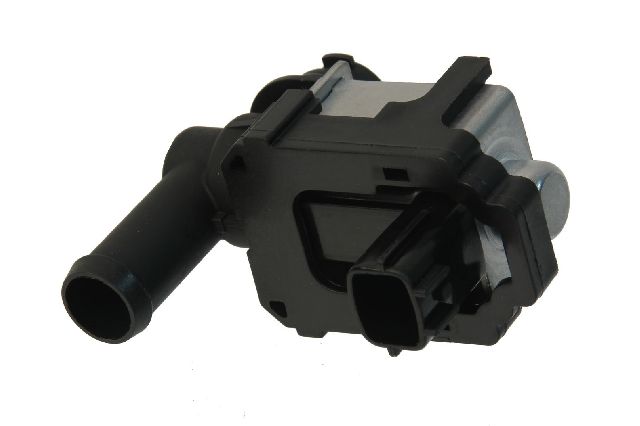
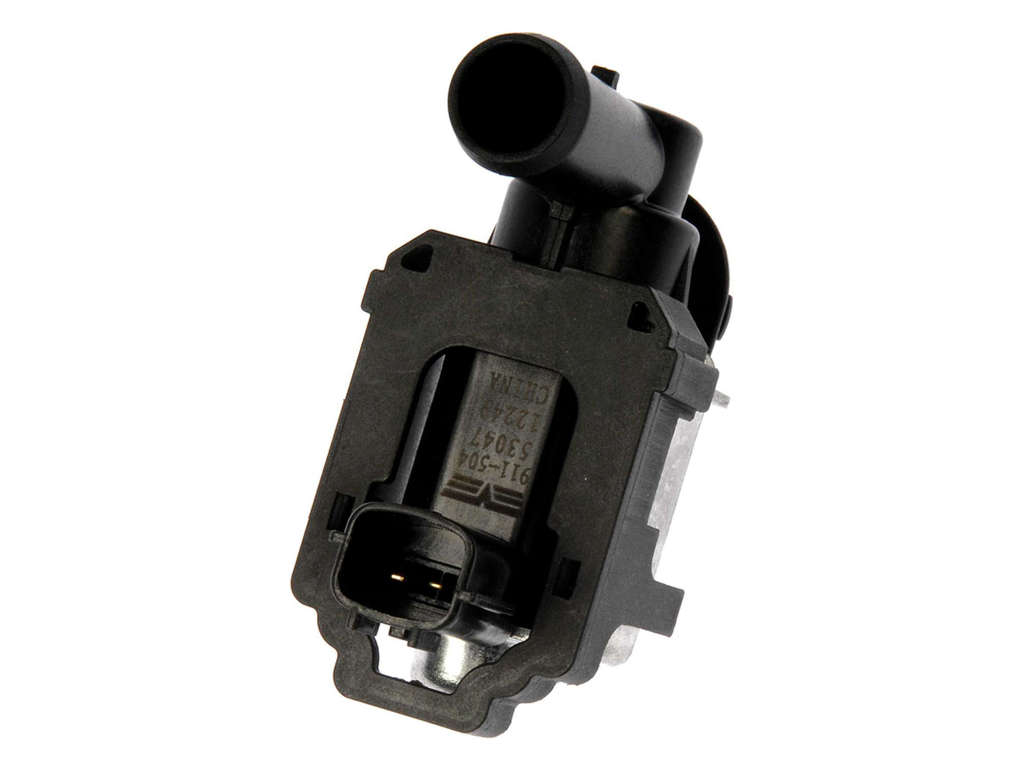
Est. part cost: $25-$40 - Failed EVAP Canister Vent Control Valve/Solenoid 🟡 Medium Probability → Shop Vapor Canister Vent Valve This is a widely reported failure point on the G37 and related Nissan/Infiniti platforms. The valve, located near the charcoal canister at the rear of the car, can get stuck open due to dirt or internal electronic failure, causing a persistent small leak.
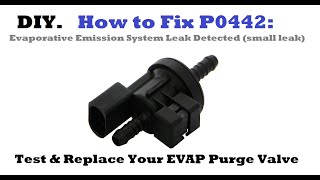
How to confirm: A smoke test is the most reliable method and will show smoke leaking from the valve. A technician can also command the valve to close with a scan tool; if it doesn't click or seal, it's faulty. You can also remove the valve and apply 12V power to it; it should click closed. If it doesn't, or if it's stuck open without power, it has failed.
Typical fix: Replace the EVAP canister vent control valve. This part is located on or next to the charcoal canister under the rear of the vehicle, often behind a plastic splash shield.
Est. part cost: $50-$120 - Failed EVAP Canister Purge Volume Control Solenoid Valve ⚪ Low Probability → Shop Vapor Canister This valve, located in the engine bay, can also fail, but it is less common for causing a small leak code than the rear vent valve. A failure here can sometimes cause drivability issues like a rough idle or long crank after refueling.
How to confirm: With the engine off, the valve should be closed. Remove the valve and try to blow through it; if air passes, it's stuck open and faulty. You can also test its resistance with a multimeter (a good reading is around 36 ohms) or apply 12V to see if the solenoid clicks.
Typical fix: Replace the purge valve. It is typically mounted on or near the engine's intake manifold, making it relatively easy to access.
Est. part cost: $60-$140 - Cracked or Disconnected EVAP Hoses ⚪ Low Probability Over time, the rubber and plastic hoses in the EVAP system can become brittle from heat and age, leading to cracks and small leaks, especially at connection points.
How to confirm: A visual inspection may reveal obvious cracks, but a smoke test is the definitive way to find a small hose leak. The smoke will escape from any crack or loose connection, making it easy to spot.
Typical fix: Replace the damaged section of hose or the entire hose assembly.
Est. part cost: $10-$50
Rare But Worth Checking
- Cracked Charcoal Canister: → Shop Vapor Canister The plastic housing of the charcoal canister can develop hairline cracks from road debris impact or age, causing a leak. This is almost always found during a smoke test as it's difficult to see otherwise.
- Leaking Fuel Tank Filler Neck: → Shop Fuel Tank The metal pipe leading to the gas tank can rust and develop pinhole leaks, especially in regions that use road salt. This may also be accompanied by a fuel smell or visible fuel leakage when refueling.
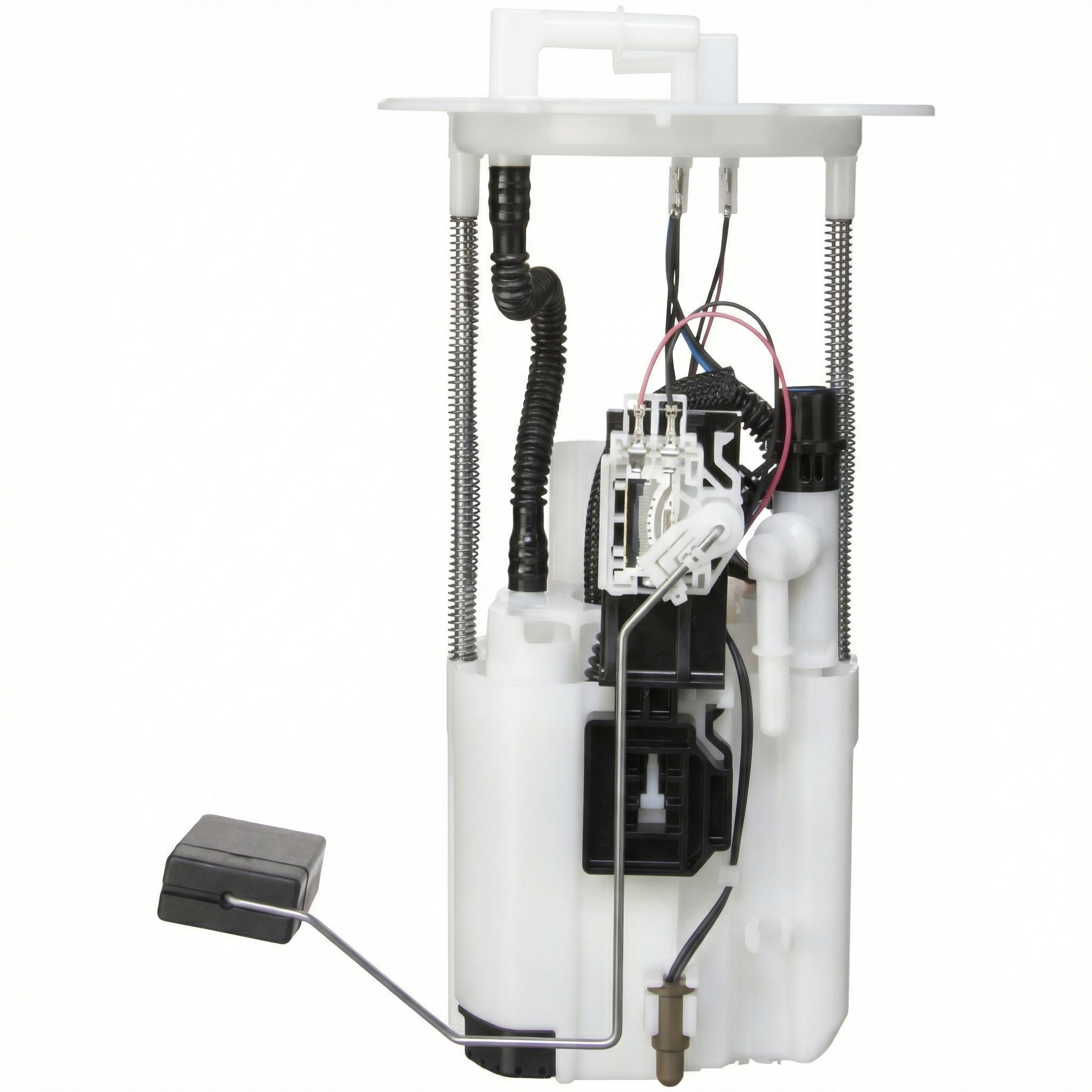
- Fuel Tank Sending Unit O-Ring: → Shop Fuel Tank The O-rings that seal the fuel pump and sending unit assemblies to the top of the gas tank can fail or be improperly seated after a fuel pump replacement, causing a leak.
Diagnosis Steps
- Check the gas cap. Remove it, inspect the seal for damage, and reinstall it, ensuring it clicks several times. Clear the code and drive for a few days to see if it returns.
- Inspect the fuel filler neck sealing surface for any rust or debris. If corrosion is present, clean it thoroughly with a wire brush.
- If the code returns, visually inspect all accessible EVAP hoses in the engine bay and under the car for obvious cracks, disconnections, or damage.
- The most effective next step is to have an automotive smoke test performed. A machine injects non-toxic smoke into the EVAP system's service port, which is typically near the purge valve in the engine bay.
- Observe where the smoke escapes. Common leak points are the gas cap seal, the vent control valve near the canister, the purge valve in the engine bay, or any of the connecting hoses.
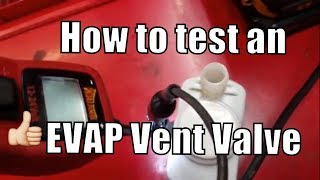
- If the vent or purge valve is suspected, it can be tested. The vent valve (rear) should be open with no power and closed when 12V is applied. The purge valve (engine bay) should be closed with no power and open when 12V is applied.
- Once the leak is identified, replace the faulty component.
Parts You'll Likely Need
- Fuel Filler Cap
(OEM #17251-1LA0A)— This is the most frequent and simplest fix, as confirmed by Infiniti TSBs. The seal wears out over time.
Trusted brands: Infiniti (OEM)
OEM price range: $30-$40
Aftermarket price range: $15-$25 - EVAP Canister Vent Control Valve
(OEM #14935-JF00B)— A very common failure point on this platform that causes a small leak when it gets stuck or fails electronically. This part number supersedes previous versions like 14935-JF00A and 14935-AM60B.
Trusted brands: Dorman, Hitachi, Bosch, Infiniti (OEM)
OEM price range: $60-$110
Aftermarket price range: $45-$80 - EVAP Canister Purge Volume Control Solenoid Valve
(OEM #14930-JK20B)— Located in the engine bay, this valve can also stick open and cause a leak, though it's less common than the vent valve for this specific code.
Trusted brands: Dorman, Standard Motor Products, Infiniti (OEM)
OEM price range: $150-$200
Aftermarket price range: $50-$100
Related Codes That Often Appear With This One
- P0456 — This code indicates a 'very small leak,' and can appear alongside or interchangeably with P0442 as the leak size is on the borderline between the two thresholds.
- P0455 — This code indicates a 'gross leak.' If a component fails catastrophically (like a hose completely disconnecting or a faulty gas cap), you might see this code instead of or along with P0442.
Technical Service Bulletins (TSBs) & Recalls
- ITB09012F: Notes that a loose fuel fill cap may be the cause for P0442, P0455, and P0456 codes and instructs technicians to confirm the cap is tight before proceeding with further diagnostics.
- ITB13-044J: An updated, general bulletin for 2012 and newer models regarding EVAP leak DTCs P0442, P0455, and P0456, providing a diagnostic flowchart that begins with checking the gas cap.
- ITB13-044g: An amended bulletin for 2012 and newer models regarding the same EVAP leak codes, reinforcing the diagnostic procedure.
Platform-Specific Known Issues
- Real-World Repair Story: Gas Cap and Filler Neck: → Shop Fuel Tank Cap On the G35Driver forum, a user reported getting the P0442 code. After replacing the gas cap didn't solve the issue, they inspected the fuel filler neck more closely and found it was rusted where the cap seals. By sanding down the rust to create a smooth surface, the new cap was able to seal properly and the code was resolved. This highlights the importance of checking both the cap and the neck.
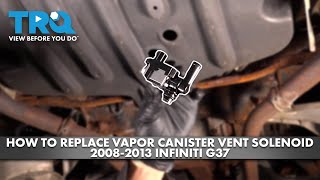
- DIY Vent Valve Replacement: Multiple YouTube videos and forum posts on MyG37.com show owners successfully replacing the rear EVAP vent control valve. The part is located under the car, near the rear axle, attached to the charcoal canister. Access requires safely jacking up the rear of the vehicle, and the valve is typically held on by a single bolt or a twist-lock mechanism after disconnecting the electrical connector and hose.
Mechanic-Grade Diagnostic Values
- EVAP Canister Purge Volume Control Solenoid Valve Resistance — expected: Approximately 36 ohms at 55-60°F. Resistance will vary with temperature.. Failure: An open circuit (infinite resistance) or a reading far outside the expected range indicates a bad solenoid coil.
- EVAP Canister Vent Control Valve Resistance — expected: Between 20 and 30 ohms.. Failure: A reading outside this range indicates a damaged solenoid winding.
- Fuel Tank Pressure (FTP) Sensor Voltage (KOEO) — expected: Approximately 1.3V to 1.7V with the gas cap off (atmospheric pressure). The ideal value is often cited as 1.5V.. Failure: A voltage stuck high (near 5V) or low (near 0V) regardless of actual tank pressure points to a faulty sensor or wiring issue.
Scan Tool Commands That Help
- Infiniti CONSULT-III plus: WORK SUPPORT >> EVAP SYSTEM CLOSE — This command, referenced in TSB ITB09012F, manually closes the EVAP canister vent control valve to seal the entire system, which is a required first step before performing a pressure or smoke test.
- Infiniti CONSULT-III: ACTIVE TEST >> VENT CONTROL/V — This bidirectional control allows a technician to toggle the rear vent valve ON and OFF to listen for an audible 'click', confirming the solenoid is mechanically functioning. Lack of a click indicates a failed valve.
- Infiniti CONSULT-III: ACTIVE TEST >> PURG VOL CONT/V — This command allows for the active duty-cycle control of the purge valve in the engine bay to verify its operation and check for vacuum response at the service port.
Wiring & Ground Locations
- EVAP Canister Vent Control Valve — Under the rear of the vehicle, mounted on or directly next to the EVAP charcoal canister.. This is a primary failure point. Knowing its location is key for visual inspection, testing, and replacement.
- EVAP Control System Pressure Sensor — Under the vehicle, near the EVAP canister.. A faulty sensor can mimic a leak. Its location is needed for voltage testing and replacement.
- Body Control Module (BCM) — Behind the right side kick panel.. The BCM is a central hub for vehicle electronics and can be involved in the logic that sets EVAP codes. It's a key location for checking several wiring harness connectors.
- Grounds M66 / M67 — Located behind the left kick panel / left end of the dash area.. Poor grounds can cause erratic behavior in sensors and solenoids. While not specific to one EVAP component, checking major grounds in the area is a valid step for hard-to-diagnose electrical issues.
Real Owner Repair Stories
- G35Driver Forum (2005 Infiniti G35 (platform mate with similar EVAP system)) — Check Engine Light with P0442 code.
❌ Tried (didn't work) Replacing the gas cap with a new one.
✅ What actually fixed it The user closely inspected the fuel filler neck and found it was rusted where the gas cap O-ring is supposed to seal. They sanded the rust off the filler neck to create a smooth surface, allowing the new cap to form a proper seal. This resolved the P0442 code.
"I Checked Everything" — The Actual Cause
- In cases where a comprehensive smoke test shows no visible leaks, the root cause can be a faulty Fuel Tank Pressure (FTP) sensor. The system is mechanically sealed, so it passes the smoke test, but the sensor provides incorrect voltage readings to the ECM. The computer interprets the incorrect pressure signal as a physical leak, triggering the P0442 code. Diagnosis requires testing the sensor's voltage output directly.
OEM Part Supersession History
14935-AM60B (and earlier versions)→14935-JF00A, 14935-JF00B, 14935-JF00C, 14935-JF00E, 14935-JF01C, 14935-JF02C— Design improvements to increase durability and prevent sticking due to dust and moisture.
Heads up: The newer parts are generally backward-compatible and are the recommended replacement.14930-JK20B→14930-JK20E— Revisions to the engine-bay mounted purge solenoid for improved reliability.
Model Year Variations Within This Range
- 2012-2013: Models from 2012 and newer feature a 'Loose Fuel Cap' warning light or message in the instrument cluster, as noted in TSB ITB13-044. This provides the driver with an initial warning before a P0442 code is triggered after multiple drive cycles. 2008-2011 models do not have this specific warning and will only illuminate the Check Engine Light.
Helpful Videos

Used OEM Parts in Stock

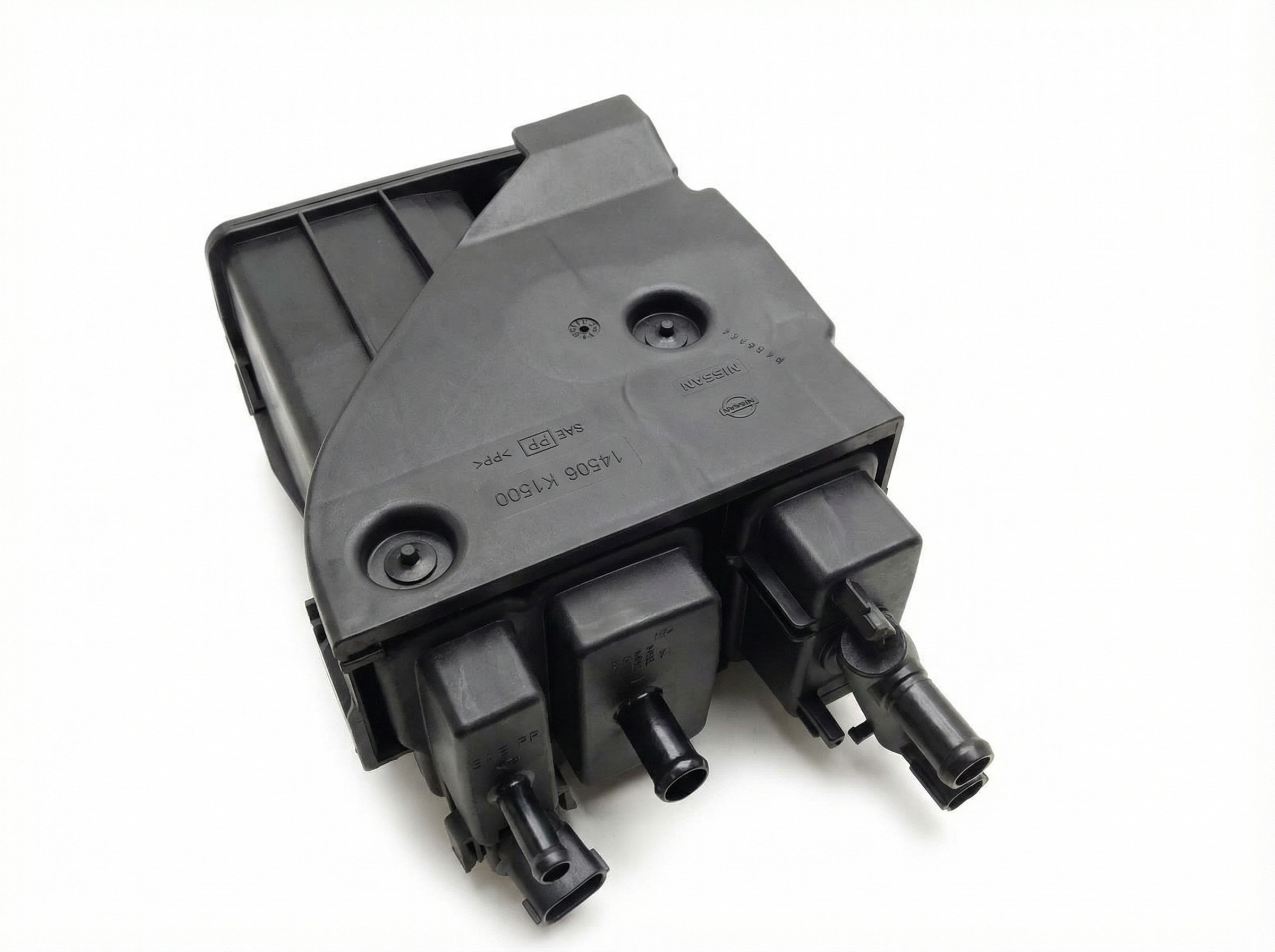
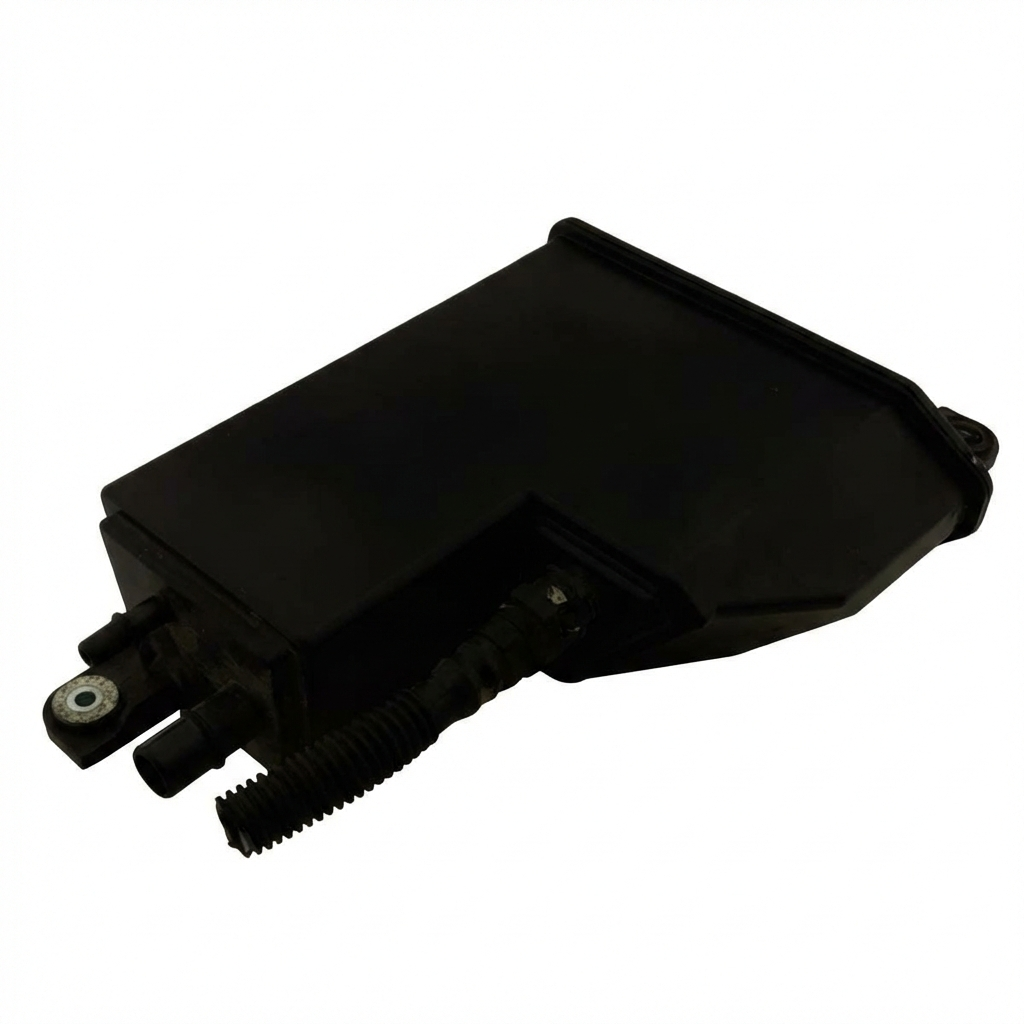
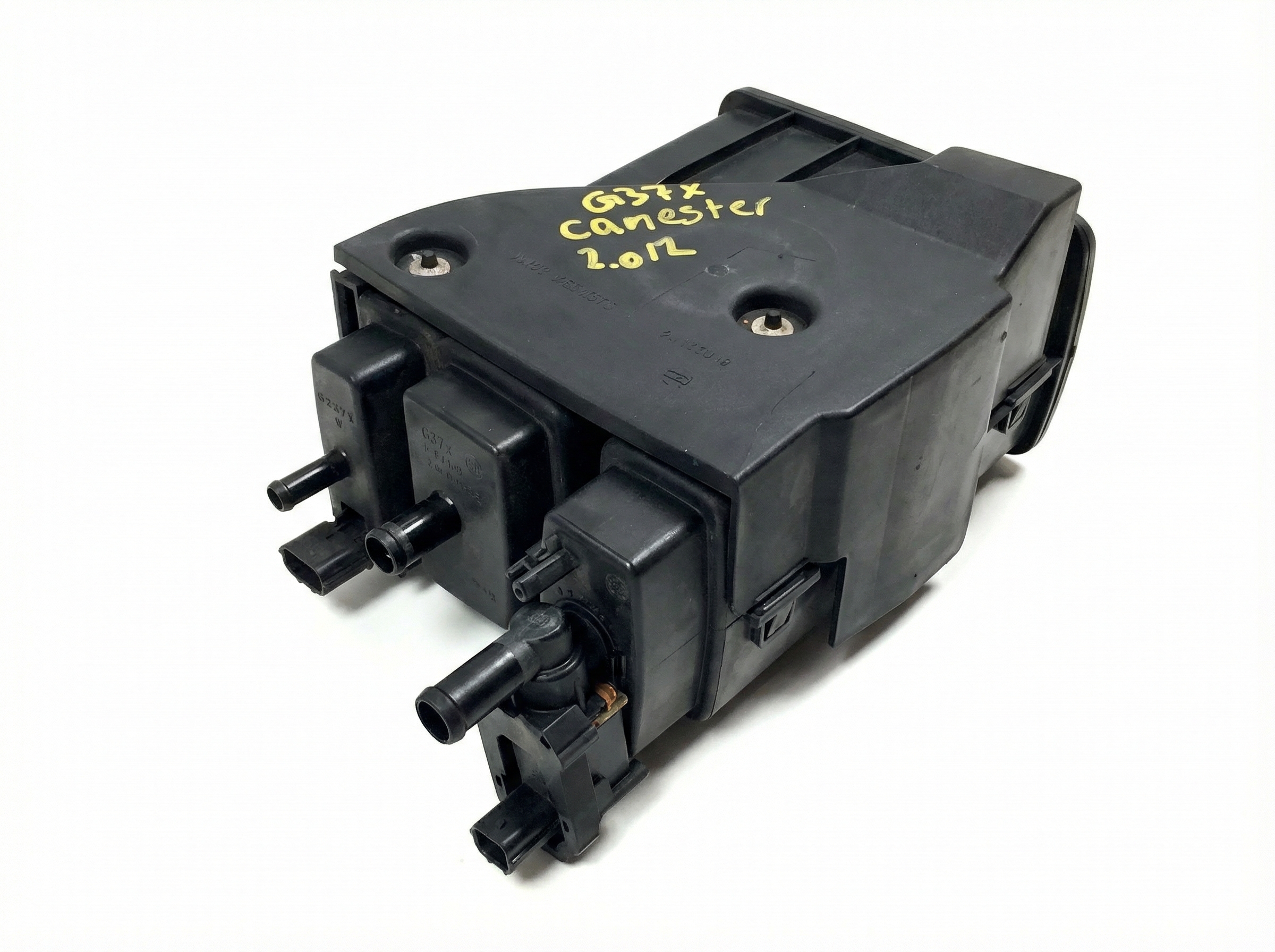
New Aftermarket Parts Available

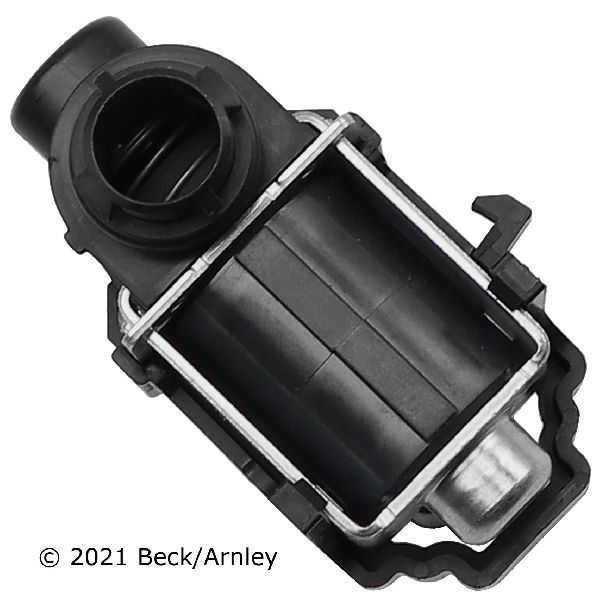

The information in this article is provided for general reference and educational purposes only. Vehicle specifications, procedures, and part compatibility can vary by production date, trim level, and region. Always consult your vehicle's factory service manual and verify part numbers before purchasing or performing repairs. Safety-critical components such as airbags, seat belts, and braking systems should be installed by a qualified professional.
- Infiniti G37:
- 🧭 Diagnostic Flowchart
- 🎬 Helpful Videos
- 🛍️ Shop This Part
- What's Unique About the 2008-2013 Infiniti G37
- Symptoms You May Notice
- Most Likely Causes
- Rare But Worth Checking
- Diagnosis Steps
- Parts You'll Likely Need
- Related Codes That Often Appear With This One
- Technical Service Bulletins (TSBs) & Recalls
- Platform-Specific Known Issues
- Mechanic-Grade Diagnostic Values
- Scan Tool Commands That Help
- Wiring & Ground Locations
- Real Owner Repair Stories
- "I Checked Everything" — The Actual Cause
- OEM Part Supersession History
- Model Year Variations Within This Range
- 🎟️ Get 5% Off