

P0442 on 2011-2016 Kia Forte Koup: EVAP Small Leak Causes and Fixes
For a 2011-2016 Kia Forte Koup, a P0442 code is most often caused by a loose or faulty gas cap. If that's not the issue, the next most common culprits are the canister purge valve or the charcoal canister itself, which is known to crack. A new OEM gas cap is about $20-$35, while a purge valve can be around $50-$80. The charcoal canister is a more expensive repair, often discovered after the simpler fixes fail.
- Always start with the simplest fix for P0442: check that the gas cap is tight. If the code returns, replace it with an OEM cap.
- The second most likely culprit is the canister purge valve located in the engine bay, which is an affordable and DIY-friendly replacement.
- If the gas cap and purge valve don't fix the issue, especially on a 2014-2016 model, the charcoal canister itself is likely cracked and will need to be replaced.
- A smoke test is the most effective and definitive way to locate the exact source of a small EVAP leak, saving time and money on replacing incorrect parts.
What's Unique About the 2011-2016 Kia Forte Koup
The 2011-2016 Kia Forte Koup spans two generations, but the EVAP system components are common failure points across both. A particularly notable issue on the second-generation models (2014+) is the charcoal canister housing, which can develop stress cracks around its metal mounting bolt inserts. This creates a hard-to-find leak that perfectly matches the P0442 code definition. This is often misdiagnosed after a new gas cap and purge valve fail to resolve the issue, as confirmed by numerous owner experiences.
Diagnostic Flowchart
Tap your situation to follow the diagnostic path that matches what you're seeing on this vehicle.
Generation note: This range covers the first generation (TD, 2011-2013) and the second generation (YK, 2014-2016) of the Forte Koup. While many EVAP components are similar, a known issue of the charcoal canister cracking near its mounting points is more frequently reported on the second-generation models. This issue is also common on the platform-mate Hyundai Elantra from the same era.
Symptoms You May Notice
- Check Engine Light is on
- A faint smell of fuel (in some cases)
- Possible difficulty starting or extended cranking immediately after refueling (if the purge valve is stuck open).
- Replacing the charcoal canister when the actual fault is a simple cracked hose or a faulty purge valve.
- Repeatedly replacing the gas cap with aftermarket versions that do not seal correctly, leading to the code returning.
- Assuming the gas cap is the problem when the fuel filler neck itself is rusted and cannot create a seal.
Most Likely Causes
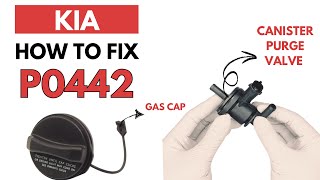
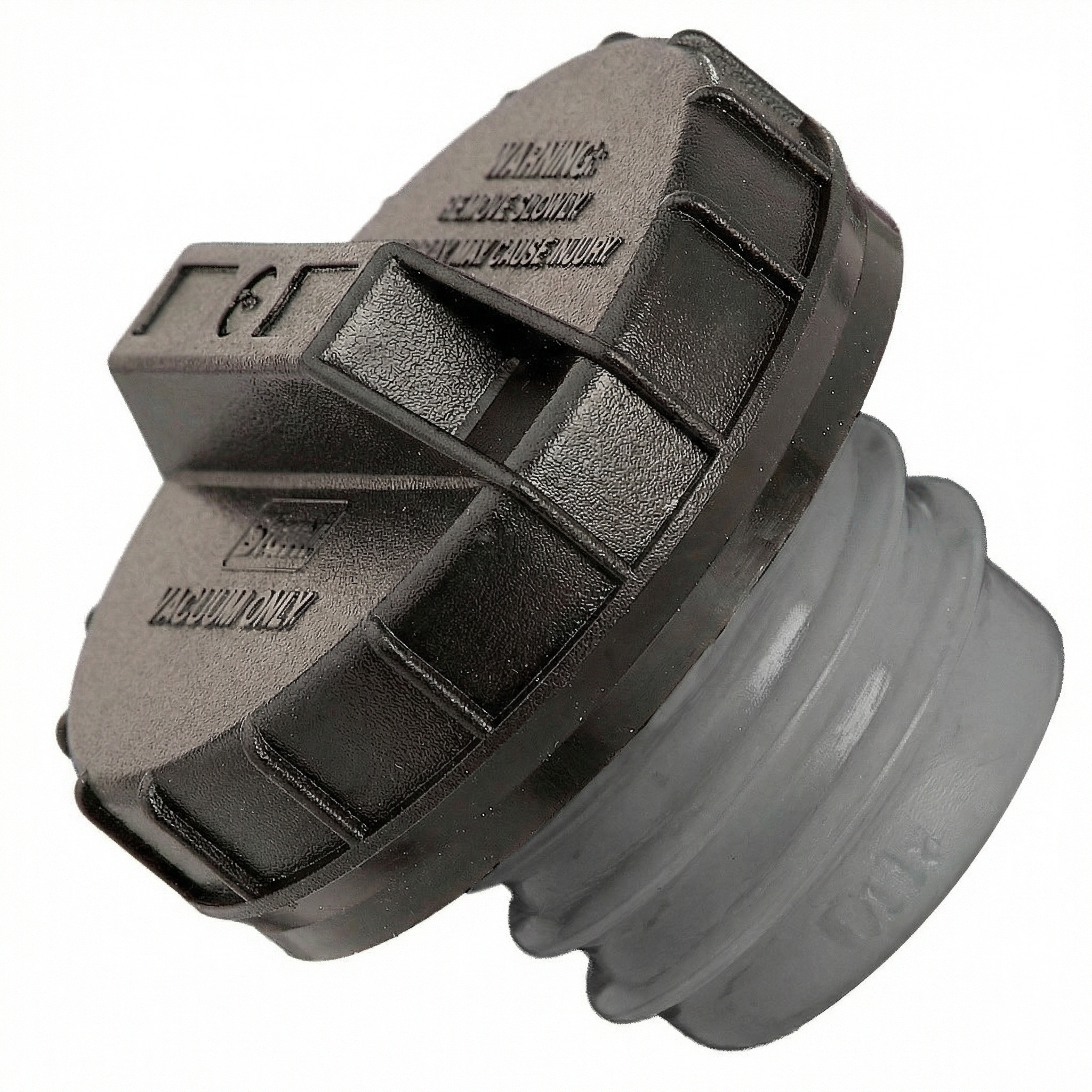
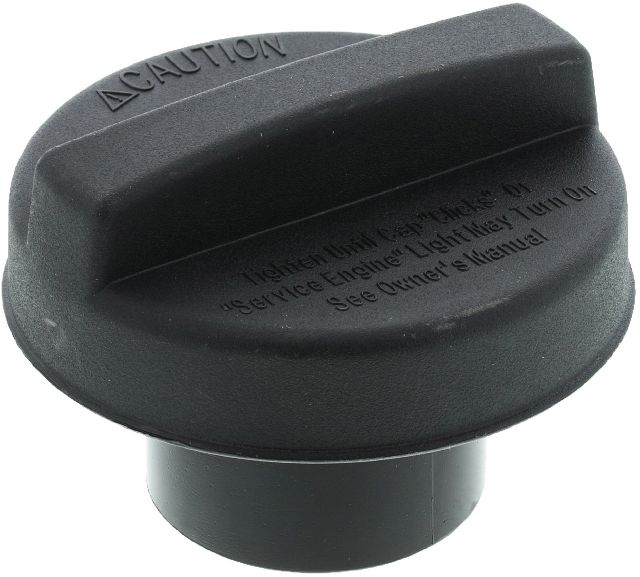
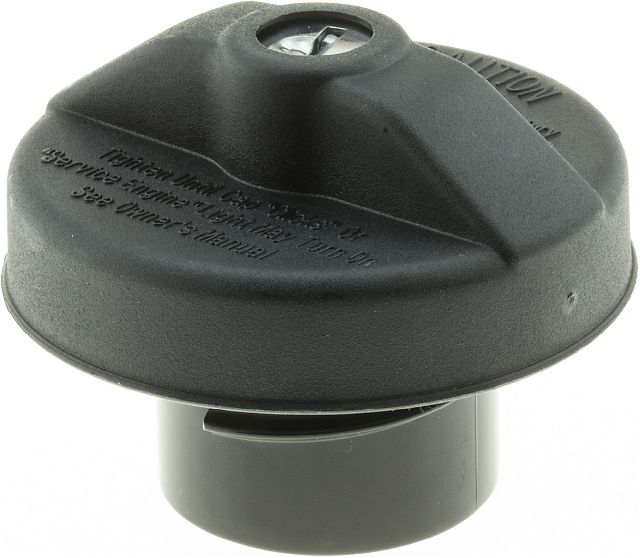
- Loose or Faulty Gas Cap 🔴 High Probability → Shop Fuel Tank Cap The gas cap seal is a simple rubber O-ring that degrades over time, becoming hard and brittle, which prevents a proper seal. Aftermarket caps are a frequent source of recurring P0442 codes because their seals may not meet OEM specifications.
How to confirm: First, ensure the cap is tightened until it clicks. Inspect the rubber seal for cracks or damage. Also, check the fuel filler neck for rust or debris that could prevent a good seal. If the light returns after clearing the code, the cap is likely faulty.
Typical fix: Replace the gas cap. It is highly recommended to use a Genuine Kia/Hyundai OEM part (Part No. 31010-3L600U) to ensure a proper seal and avoid repeat issues.
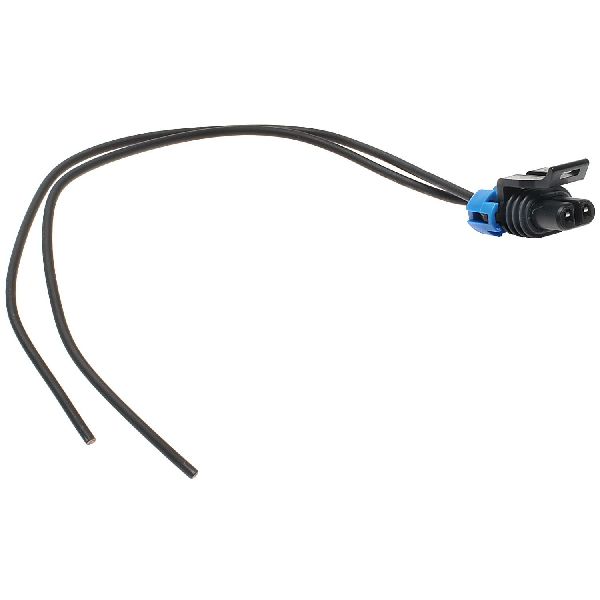
Est. part cost: $15-$35 - Failed Canister Purge Valve (PCSV) 🟡 Medium Probability → Shop Vapor Canister This solenoid valve, located in the engine bay, cycles thousands of times and can get stuck partially open, creating a small leak path.
How to confirm: With the engine running, disconnect the vapor line from the valve and feel for suction at the valve's port; there should be no vacuum at idle. Another test is to remove the valve and try to blow through it; if air passes, it is stuck open and faulty. A symptom of this failure is often difficulty starting the car after refueling.
Typical fix: Replace the canister purge valve. It is located in the engine bay near the throttle body and is typically easy to access and replace.
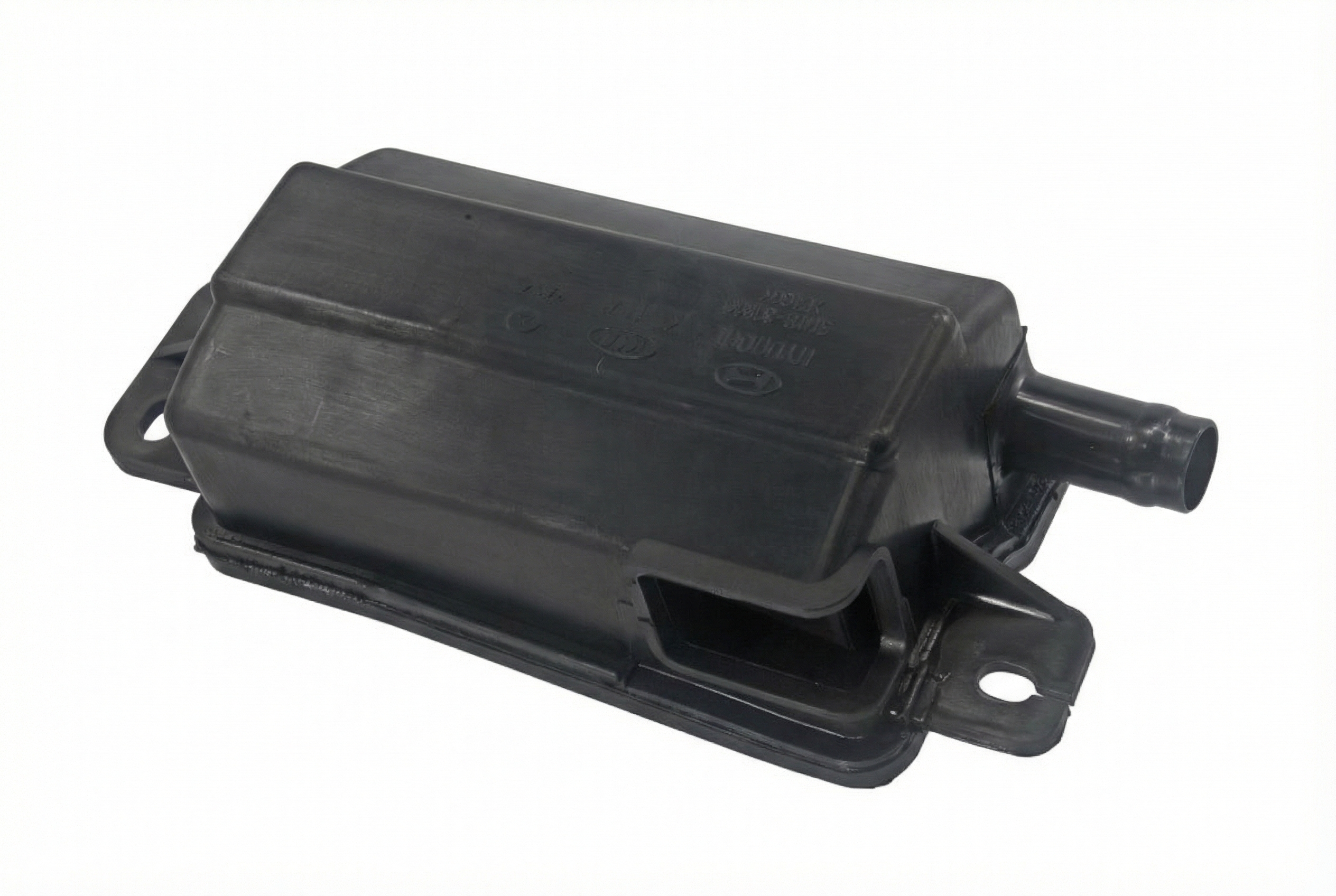
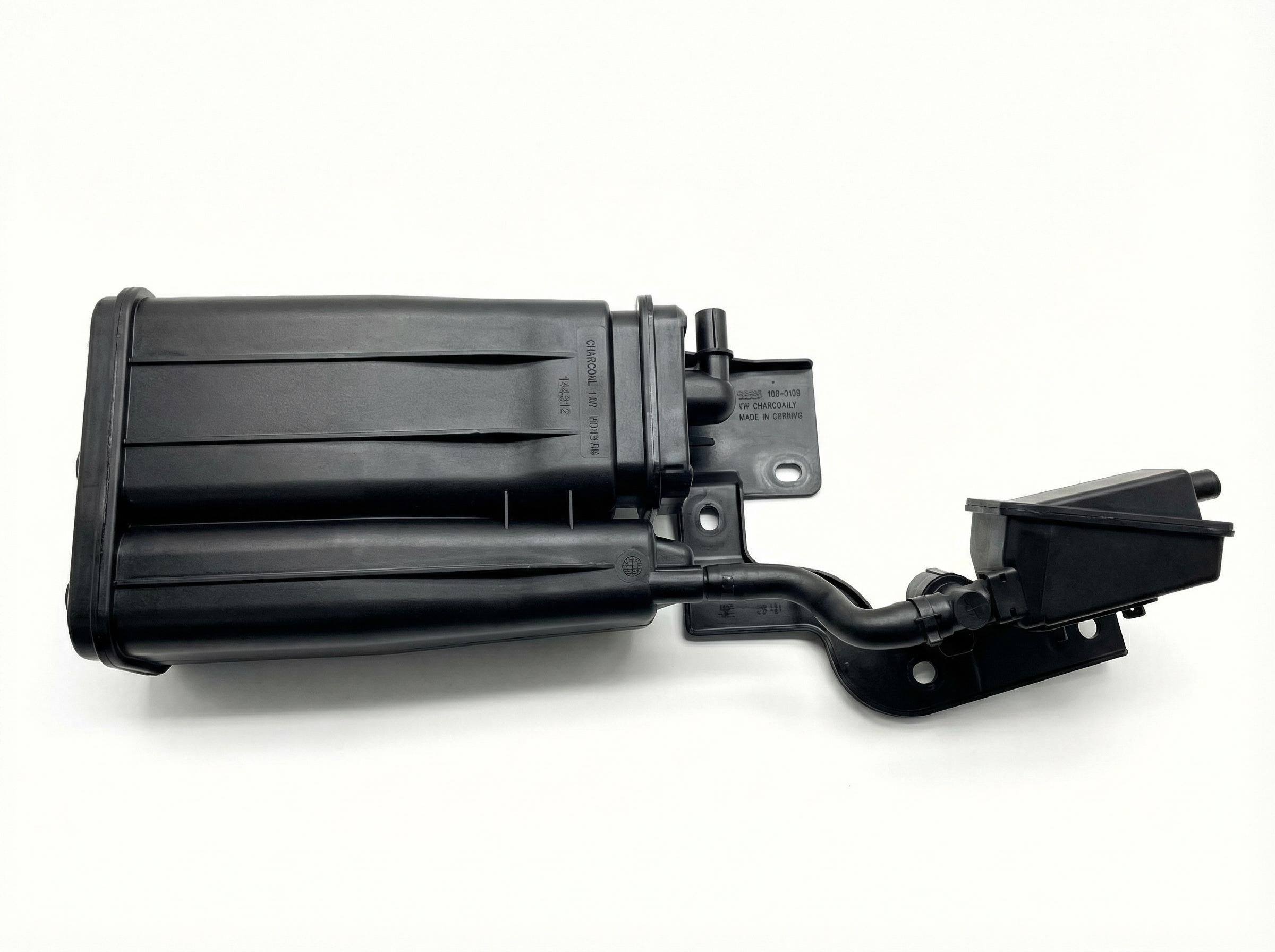
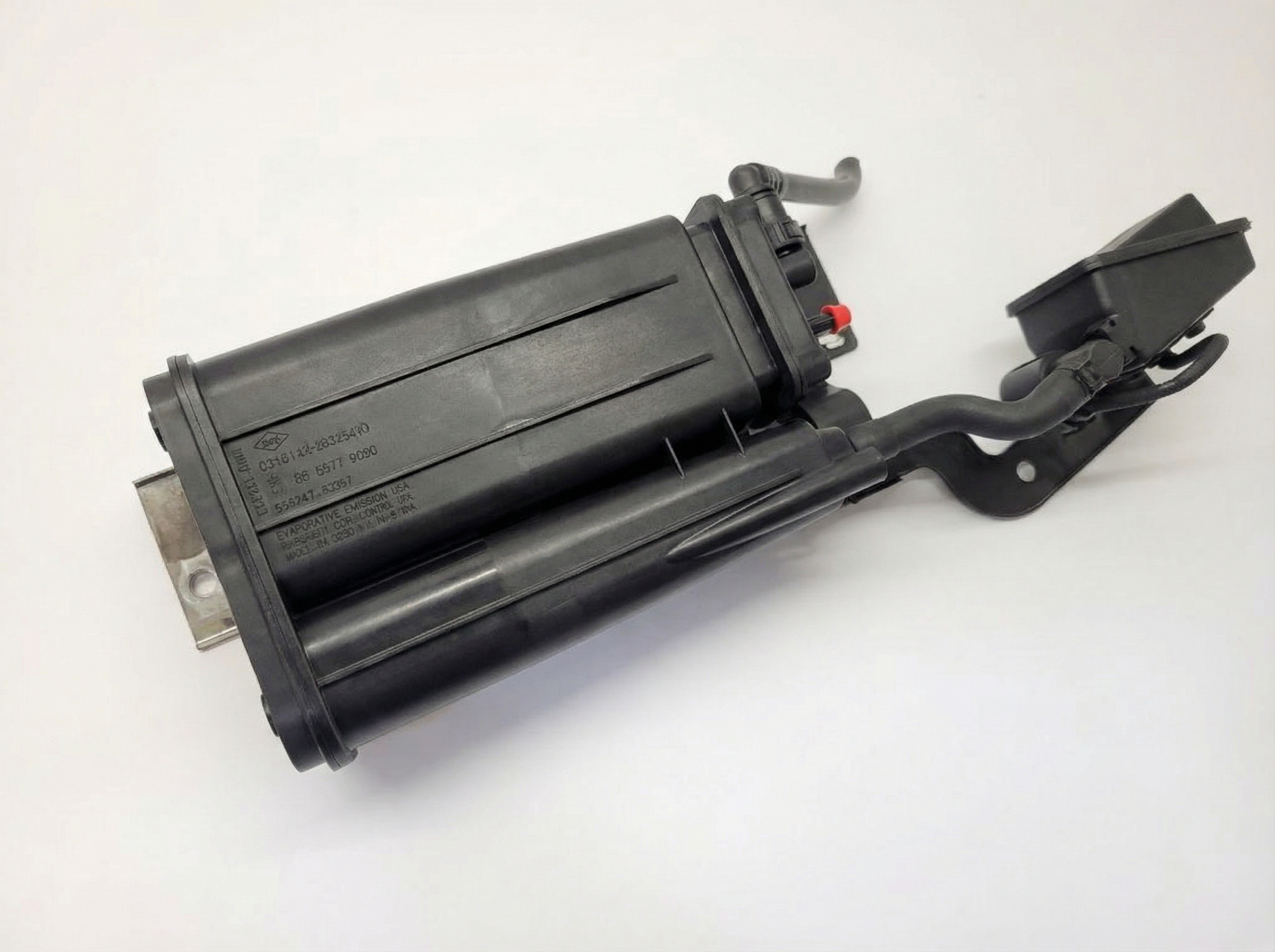
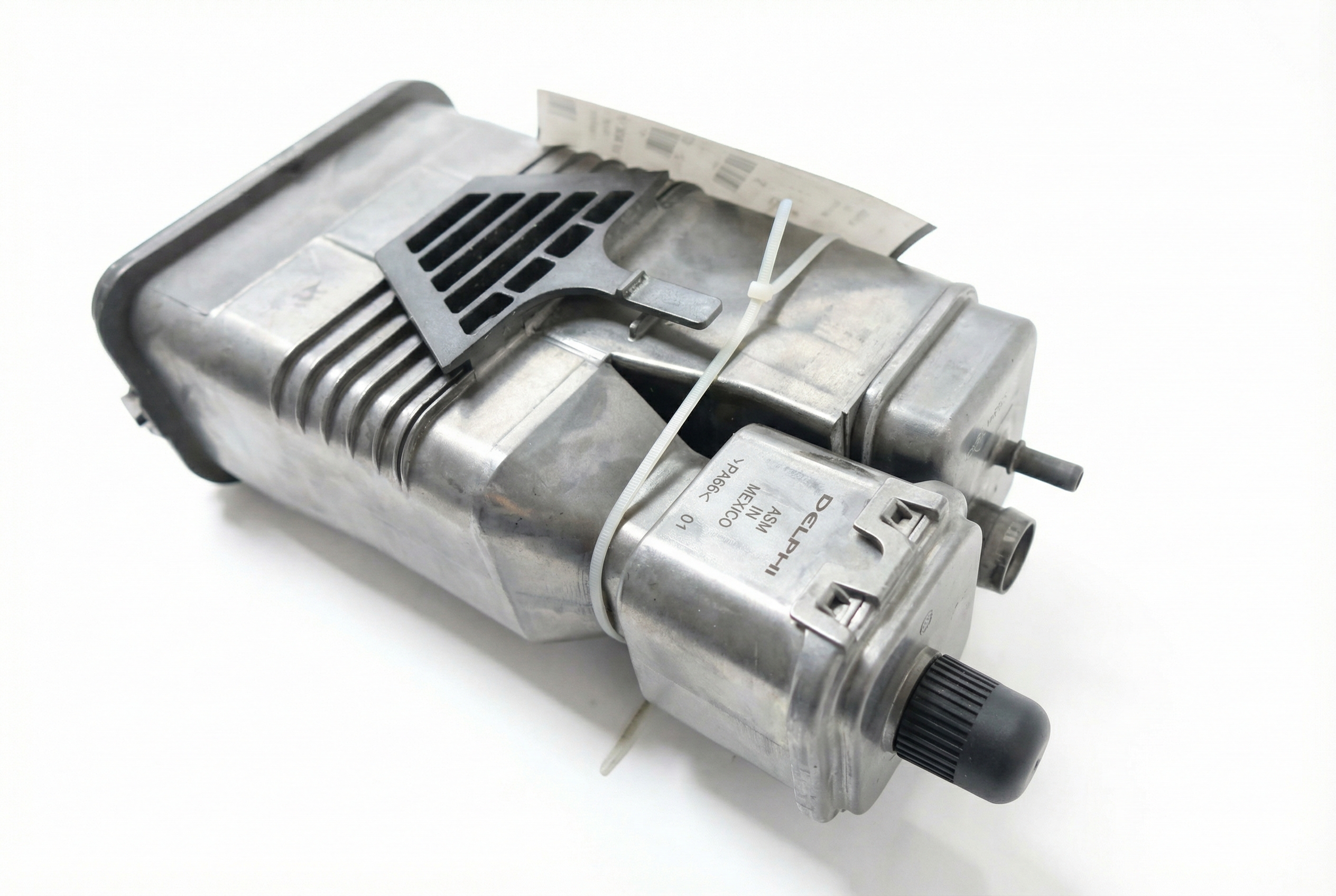
Est. part cost: $50-$122 - Cracked Charcoal Canister 🟡 Medium Probability → Shop Vapor Canister On second-generation models (2014-2016), the plastic housing of the charcoal canister can develop stress cracks around the metal inserts for the mounting bolts. Corrosion of the inserts expands and cracks the plastic, causing a small leak.
How to confirm: This leak is often invisible until the canister is removed for inspection. A smoke test is the most definitive way to confirm, as smoke will seep from the cracks near the bolts. Owners often find this after replacing the gas cap and purge valve without success.
Typical fix: Replace the charcoal canister assembly. This part is located underneath the rear of the vehicle, near the fuel tank. Some owners have attempted to epoxy the cracks, but this repair often fails.
Est. part cost: $240-$300 - Failed Canister Close Valve (CCV) ⚪ Low Probability → Shop Vapor Canister Located under the car on or near the charcoal canister, this valve is exposed to road debris and moisture, which can lead to corrosion and failure, causing it to not seal properly during the EVAP self-test.
How to confirm: The valve is normally open and should close when voltage is applied. A scan tool with bidirectional controls can command it closed for testing. A smoke test will show a leak from the vent port if the valve fails to seal.
Typical fix: Replace the canister close valve. It is often attached to the charcoal canister or located nearby.
Est. part cost: $55-$70 - Cracked or Disconnected EVAP Hose ⚪ Low Probability Rubber hoses can become brittle and crack with age and heat exposure, especially connections in the engine bay or near the fuel tank.
How to confirm: Visually inspect all accessible EVAP lines for obvious cracks or loose connections. A smoke test is the most effective method to pinpoint a small hose leak.
Typical fix: Replace the damaged section of the hose and secure the clamps.
Est. part cost: $10-$50
Rare But Worth Checking
- Leaking Fuel Tank Pressure Sensor (FTPS): → Shop Fuel Tank The sensor itself can fail, but more commonly the seal or O-ring where it mounts to the fuel tank can degrade and cause a small leak.
- Rusted Fuel Filler Neck: → Shop Fuel Filler Neck In areas with heavy road salt use, the metal fuel filler neck can rust where the gas cap seals, developing pits and an uneven surface that prevents a proper seal. This can be cleaned with a Scotch-Brite pad as a temporary fix, but may require replacement if heavily corroded.
Diagnosis Steps
- Verify the gas cap is tight. If it is, inspect the cap's seal for any cracks or deformities and the filler neck for rust. If in doubt, replace it with an OEM part.
- Clear the code and drive for a few days to see if it returns. If it does, proceed with further diagnosis.
- Visually inspect the canister purge valve (PCSV) in the engine bay and all connected hoses for visible cracks or damage.
- Test the purge valve for proper function. It should be closed at idle (no vacuum passing through). You can remove it and try blowing through it; if air passes, it's bad.
- Lift the vehicle and visually inspect the charcoal canister, canister close valve (CCV), and all EVAP hoses underneath the car for damage or corrosion. Pay close attention to the mounting points of the charcoal canister on 2014+ models.
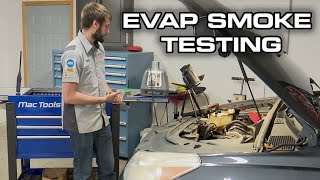
- If no obvious issues are found, perform a smoke test. This involves feeding low-pressure smoke into the EVAP system (usually via the purge valve line) to see where it escapes. This is the most reliable way to find small leaks in hoses or the canister itself.
Parts You'll Likely Need
- Gas Cap
(OEM #31010-3L600U)— This is the most common failure point for small EVAP leaks. The seal wears out over time. Using an OEM cap is strongly recommended as aftermarket versions are known to cause issues.
Trusted brands: Genuine Kia, Genuine Hyundai
OEM price range: $20-$35
Aftermarket price range: $15-$25 - Canister Purge Valve / Solenoid
(OEM #28910-2E000)— This valve frequently gets stuck partially open, causing a persistent small leak. It's a common failure item and relatively easy to replace.
Trusted brands: Genuine Kia/Hyundai, Dorman, Standard Motor Products (SMP)
OEM price range: $40-$60
Aftermarket price range: $30-$50 - Vapor Canister
(OEM #31420-A7000)— The plastic housing is known to crack near the mounting points, especially on 2014-2016 models, creating a small leak that is difficult to find without a smoke test.
Trusted brands: Genuine Kia
OEM price range: $240-$300
Aftermarket price range: $180-$250 - Canister Close Valve (CCV)
(OEM #31430-1Y000)— This valve, located under the car, can fail to seal due to corrosion or debris, causing a leak during the system's self-test.
Trusted brands: Genuine Kia/Hyundai, Standard Motor Products, Dorman
OEM price range: $55-$75
Aftermarket price range: $40-$60
Related Codes That Often Appear With This One
- P0456 — This code indicates a 'very small leak,' which is a slightly smaller leak size than P0442. They share the exact same causes and diagnostic procedures, and are often triggered by the same faults, like a cracked charcoal canister.
- P0455 — This indicates a 'large leak.' If a gas cap is left very loose or a major component like a hose becomes completely disconnected, it may register as a large leak instead of a small one.
- P0441 — This code for 'Incorrect Purge Flow' often points directly to a malfunctioning canister purge valve, which can also cause a P0442 if it gets stuck partially open.
Technical Service Bulletins (TSBs) & Recalls
- PS469: PITSTOP: MANUAL EVAPORATIVE EMISSIONS TEST FOR HARD TO FIND/SMALL LEAKS
Platform-Specific Known Issues
- Cracked Charcoal Canister Housing: → Shop Vapor Canister A known issue for the 2014-2016 Forte is the charcoal canister housing developing cracks around the mounting bolts, leading to a P0442 or P0456 code. This is often discovered after replacing the gas cap and purge valve doesn't solve the problem. Owners report that corrosion of the metal inserts for the bolts causes them to expand and crack the plastic housing.
- TSB for Hard-to-Find Leaks: Kia issued Technical Service Bulletin (TSB) PS469, which provides a procedure for a manual EVAP test to find hard-to-detect small leaks associated with codes like P0442, P0455, and P0456, for when the standard self-test does not find a fault (NTF).
Helpful Videos
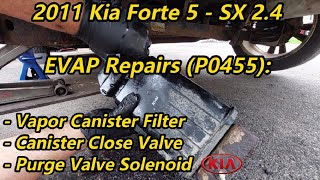
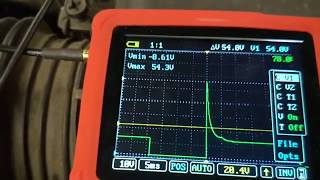
![How to Fix KIA P0442 Engine Code in 3 Minutes [2 DIY Methods / Only $4.67]](https://img.youtube.com/vi/g0DfzEcXoJA/mqdefault.jpg)



Used OEM Parts in Stock

New Aftermarket Parts Available


The information in this article is provided for general reference and educational purposes only. Vehicle specifications, procedures, and part compatibility can vary by production date, trim level, and region. Always consult your vehicle's factory service manual and verify part numbers before purchasing or performing repairs. Safety-critical components such as airbags, seat belts, and braking systems should be installed by a qualified professional.
- Kia FORTE KOUP:
- 🧭 Diagnostic Flowchart
- 🎬 Helpful Videos
- 🛍️ Shop This Part
- What's Unique About the 2011-2016 Kia Forte Koup
- Symptoms You May Notice
- Most Likely Causes
- Rare But Worth Checking
- Diagnosis Steps
- Parts You'll Likely Need
- Related Codes That Often Appear With This One
- Technical Service Bulletins (TSBs) & Recalls
- Platform-Specific Known Issues
- 🎟️ Get 5% Off