

P0442 on 2011-2015 Kia Sorento: EVAP Small Leak Causes and Fixes
For a 2011-2015 Kia Sorento, a P0442 code is most often caused by a loose or worn-out gas cap. If a new, genuine Kia gas cap doesn't fix it, the next most likely culprit is a faulty canister purge valve in the engine bay, which is a common failure on this platform and costs about $40-$90 for the part. If neither of those solves the issue, a smoke test is recommended to find leaks in hoses, the canister close valve, or the fuel filler neck.
- Always start by inspecting and tightening the gas cap. If it's old or the seal is cracked, replace it with a genuine Kia part.
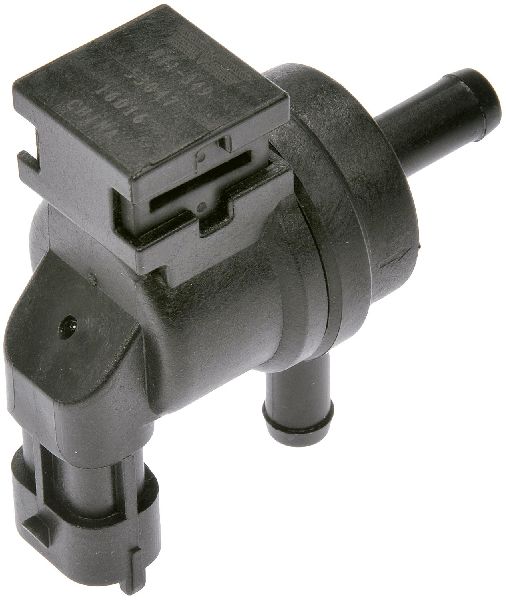
- If the gas cap doesn't solve the problem, the canister purge valve (PCSV) in the engine bay is the next most likely cause and is a common failure on the 2011-2015 Sorento.
- For persistent leaks, especially on vehicles from snowy climates, suspect a rusted fuel filler neck or a faulty canister close valve at the rear of the car.
- A professional smoke test is the fastest and most accurate way to find the leak if it's not the gas cap or purge valve.
What's Unique About the 2011-2015 Kia Sorento
On this generation of Sorento, while the gas cap is always the first thing to check, the canister purge valve (PCSV) located in the engine bay is a very frequent point of failure that leads to a P0442 code. This is a shared issue with its platform-mate, the Hyundai Santa Fe. Additionally, vehicles used in regions with road salt are prone to rust on the fuel filler neck, which can prevent the gas cap from sealing properly and cause a persistent leak that is often misdiagnosed.
Generation note: This range covers the second generation (XM) Sorento. However, a major facelift occurred for the 2014-2015 model years, which could result in different part numbers for some EVAP components. The platform switched from a truck-base to a car-based unibody for the 2011 model year. Always verify parts with your vehicle's VIN.
Symptoms You May Notice
- Check Engine Light is on
- A faint fuel smell may be noticeable, but this is not always present
- Vehicle will automatically fail an emissions inspection
- In rare cases where the purge valve fails significantly, a rough idle or difficulty starting may occur.
- Replacing the gas cap with a cheap aftermarket version that doesn't seal properly, leading the owner to believe the cap was not the problem.
- Replacing the canister purge valve without first confirming it is stuck open, as other leaks are also possible.
- Performing a smoke test without commanding the canister close valve (vent valve) to the closed position, which can lead to a misdiagnosis of a large leak or no leak found when the valve itself is the issue.
Most Likely Causes
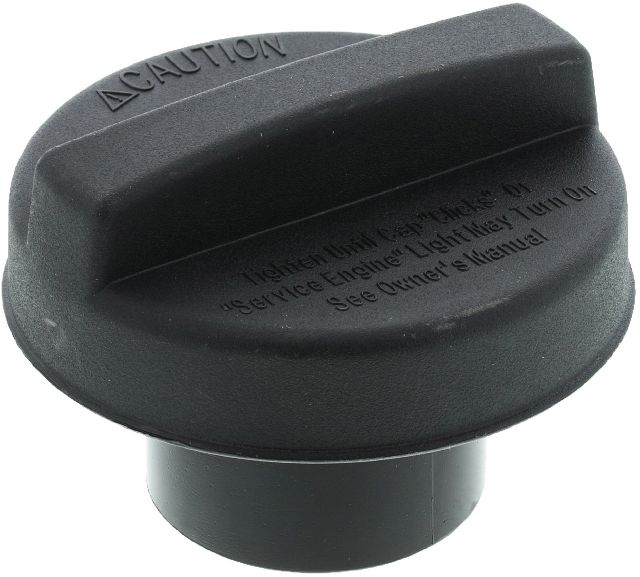
- Loose or Faulty Gas Cap 🔴 High Probability → Shop Fuel Tank Cap The gas cap is used frequently and its rubber seal degrades over time from exposure to fuel vapors and weather. Aftermarket caps are also known to cause sealing issues, a point corroborated by owner experiences.
How to confirm: Ensure the cap is tightened until it clicks several times. Inspect the rubber O-ring seal for cracks, stiffness, or damage. Check the fuel filler neck for rust or debris that could prevent a seal.
Typical fix: Tighten the cap. If the seal is damaged or the code returns, replace the gas cap with a genuine OEM part for the best results. A Reddit user confirmed an aftermarket cap failed to fix their EVAP code, while an OEM cap did. NHTSA ODI #10058467 describes a similar situation where a Kia owner experienced recurring P0442 codes specifically related to a fuel cap leak.
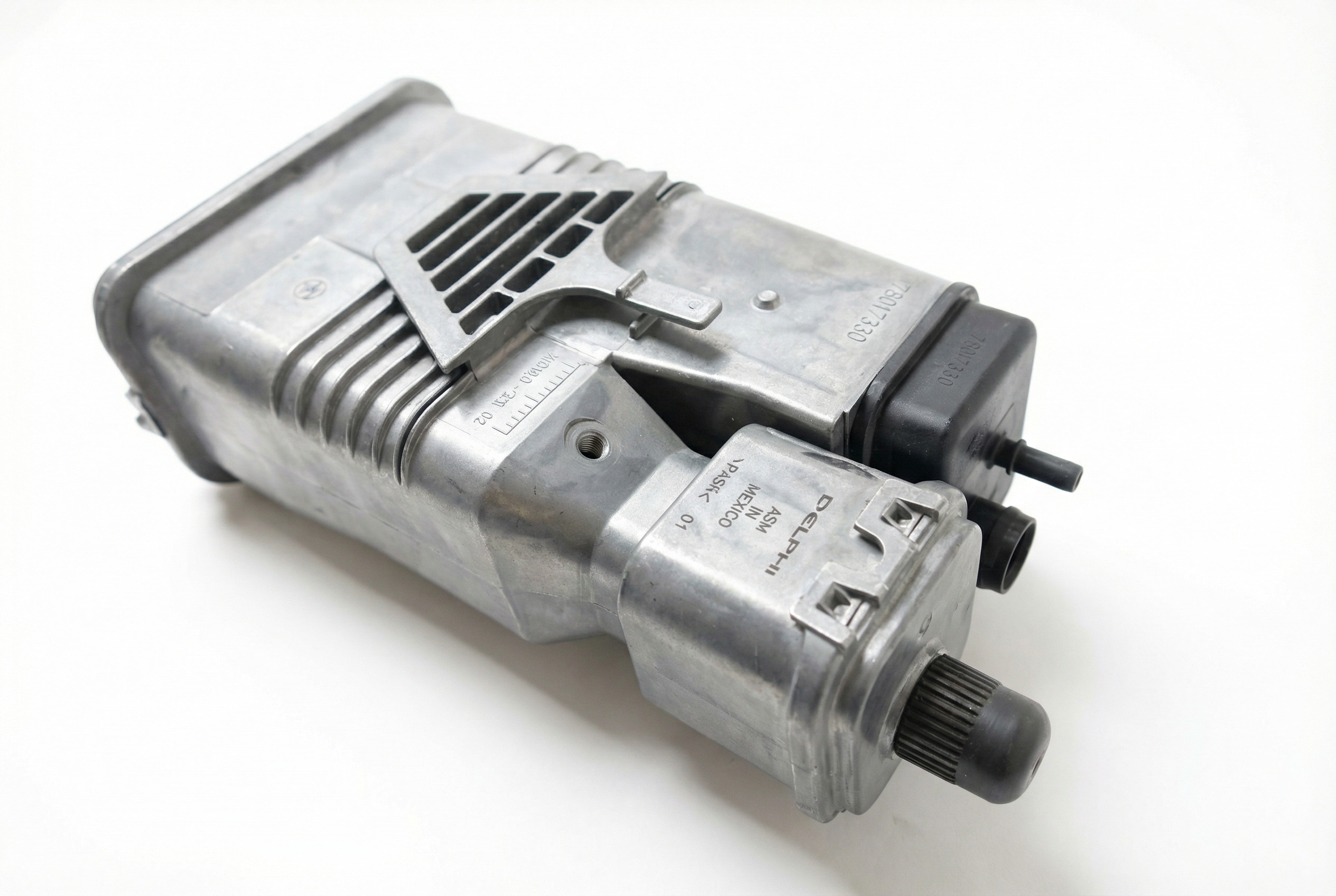
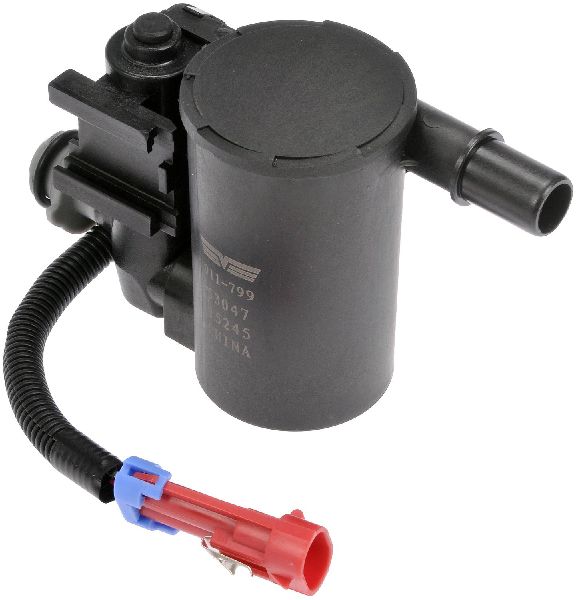
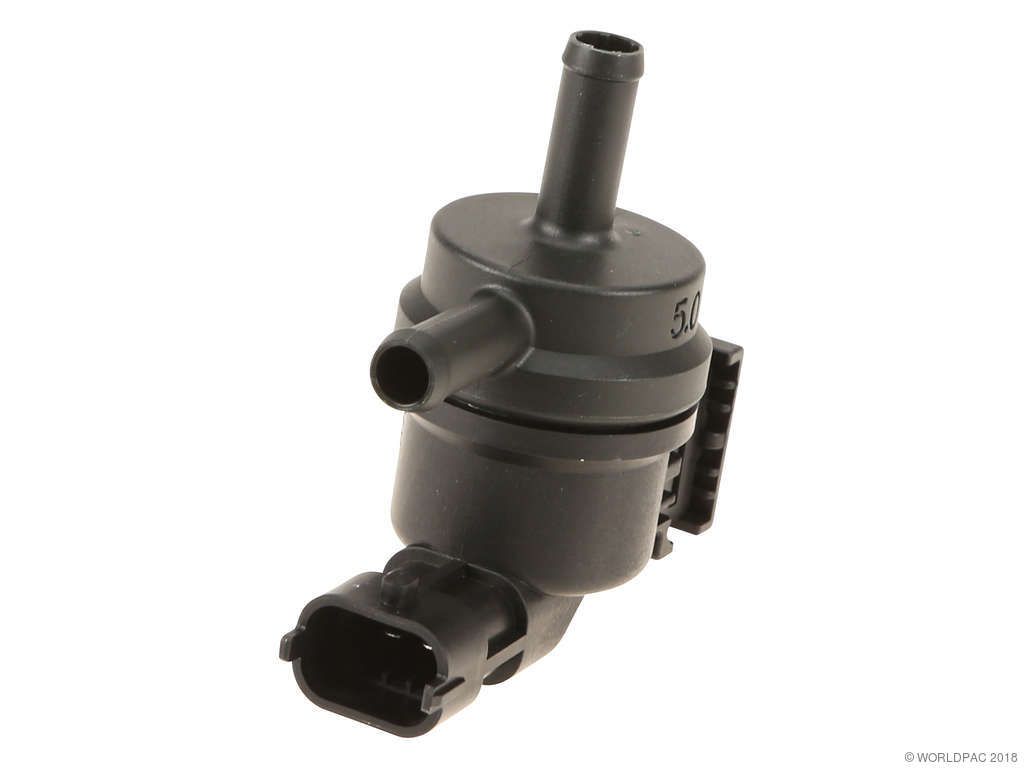
Est. part cost: $20-$40 - Faulty Canister Purge Valve (PCSV) 🔴 High Probability → Shop Vapor Canister This solenoid valve is a very common failure point on Kia and Hyundai models of this era. It gets stuck partially open, creating a small leak path when it should be sealed.
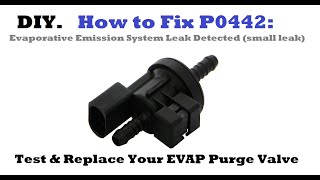
How to confirm: Locate the valve in the engine bay, typically near the intake manifold. 🎬 Watch: How to test and replace the purge valve With the engine idling, disconnect the EVAP hose coming from the rear of the car. Place your finger over the port on the valve; if you feel any suction, the valve is stuck open and must be replaced. This test is a common DIY diagnostic step shown in multiple repair videos.
Typical fix: Replace the canister purge valve. It is held in place by a bracket and two hose clamps, making it a relatively simple DIY replacement.
Est. part cost: $40-$90 - Faulty Canister Close Valve (CCV) 🟡 Medium Probability → Shop Vapor Canister Located near the charcoal canister at the rear of the vehicle, this valve can get stuck open due to dirt, debris, or internal failure, creating a leak. It is exposed to road elements, which can accelerate failure.
How to confirm: This is best confirmed with a smoke test. A mechanic can command the valve closed with a scan tool; if smoke still passes through it, the valve is faulty. A Reddit user with P0442 and P0456 codes that did not clear after a gas cap replacement and a 'no leaks found' smoke test was advised this could be a sticking vent valve. NHTSA ODI #10150202 notes a case where a dealer diagnosed a P0442 and P0455 by identifying that both the gas cap and the canister were not sealing properly.
Typical fix: Replace the canister close valve. This requires safely raising the rear of the vehicle to access the charcoal canister assembly.
Est. part cost: $50-$100 - Cracked or Disconnected EVAP Hoses ⚪ Low Probability Over time, the rubber and plastic hoses that make up the EVAP system can become brittle and develop small cracks, especially at connection points and bends.
How to confirm: A thorough visual inspection may reveal obvious cracks or loose connections. However, small, hard-to-see leaks are best found using a professional smoke test, which forces smoke through the system and makes leaks visible.
Typical fix: Replace the cracked section of hose or the entire hose assembly. Ensure all connections are secure.
Est. part cost: $10-$50
Rare But Worth Checking
- Rusted Fuel Filler Neck: → Shop Fuel Filler Neck In regions where road salt is used ('Salt Belt'), the metal pipe leading to the gas tank can rust and develop pinhole leaks that trigger a P0442 code. This is often found only after a smoke test when other common parts have been replaced. A Toyota TSB for a similar issue notes that corrosion on the sealing surface is a key inspection point.
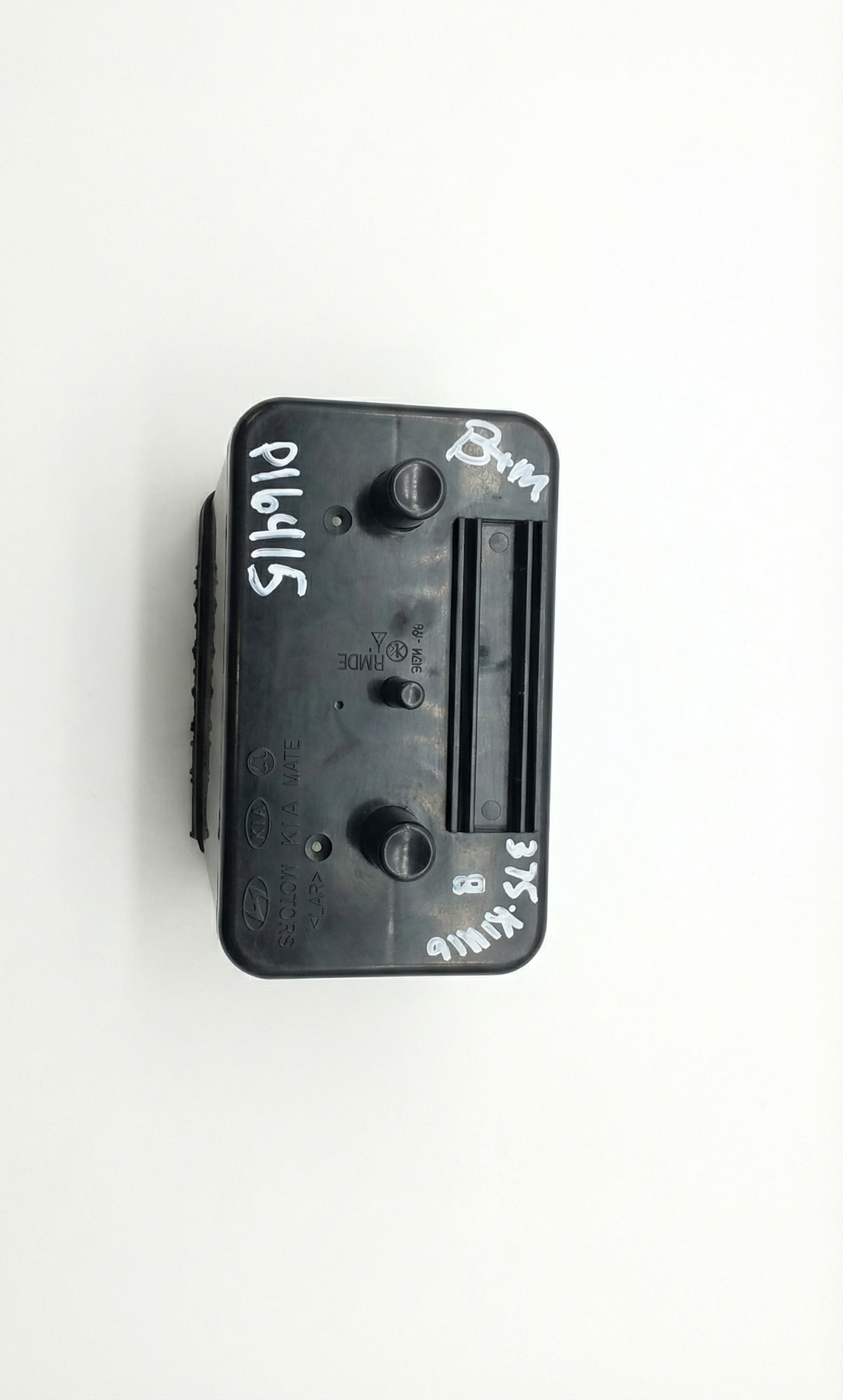
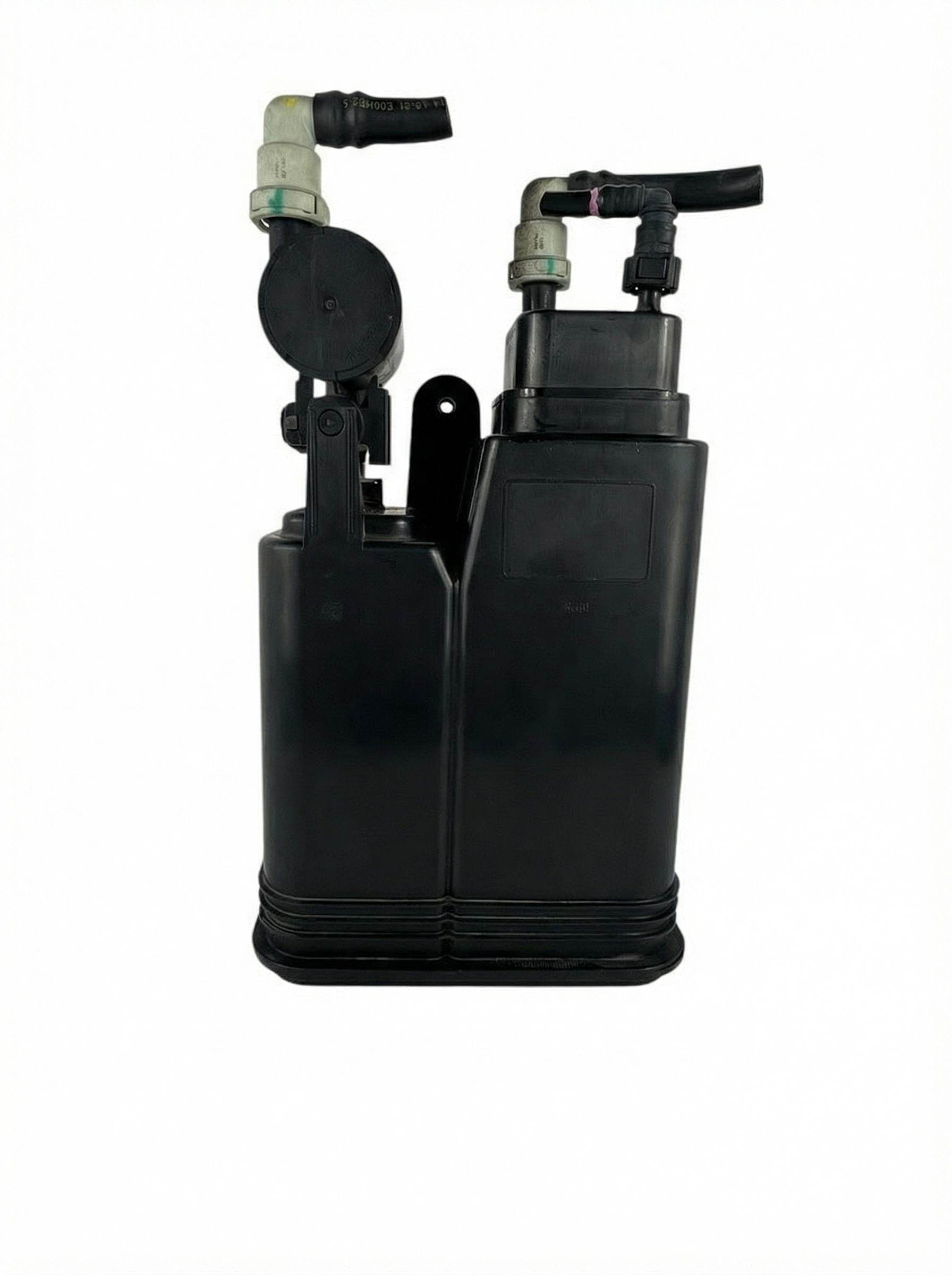
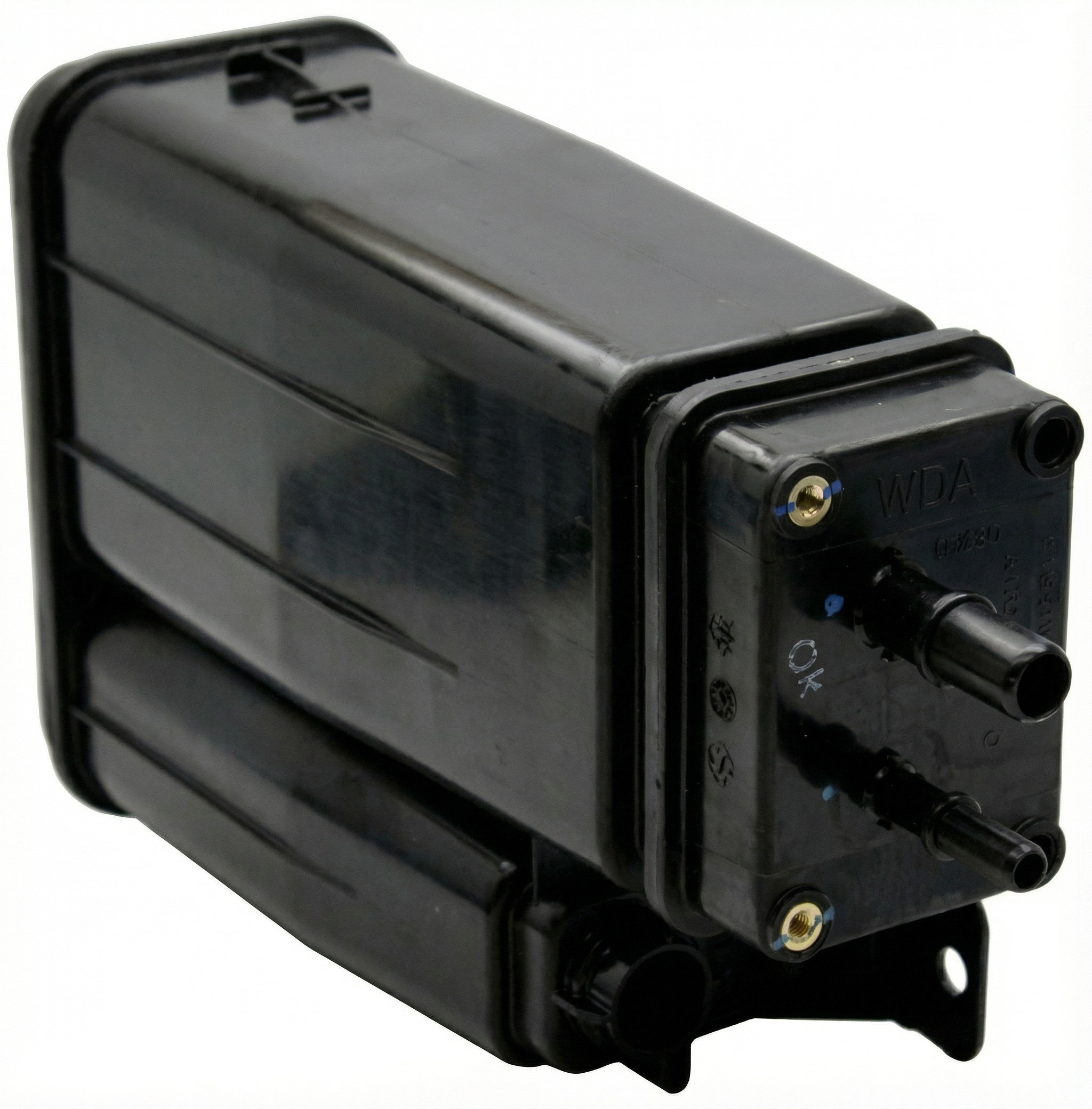
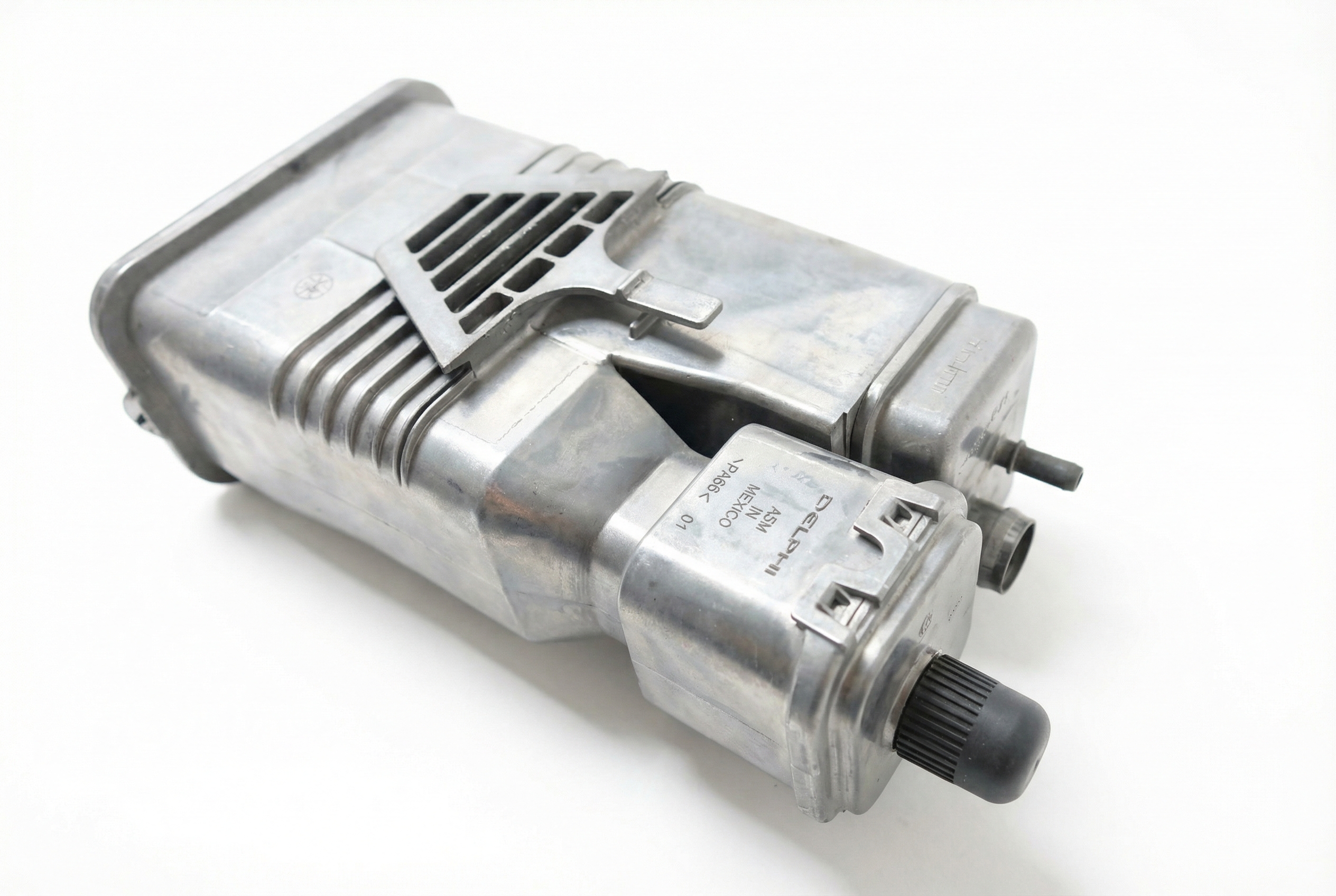
- Cracked Charcoal Canister: → Shop Vapor Canister While uncommon, the plastic housing of the charcoal canister (located under the rear of the vehicle) can be damaged by road debris or stress from corroded mounting brackets, causing it to crack and leak.
- Fuel Pump Seal Damage: → Shop Fuel Pump Manufacturer service bulletins, such as TSB Bulletin #PS567_R2 and TSB Bulletin #TTV21I4, have identified that P0442 and P0456 codes can sometimes be caused by damage to the fuel pump seal, which may require a manual EVAP test to locate.
Diagnosis Steps
- Check the Gas Cap: Remove the gas cap, inspect the seal for cracks or damage, and clean the sealing surface on the filler neck. Reinstall the cap, ensuring it clicks multiple times. Clear the code and drive for a few days.
- Test the Canister Purge Valve (PCSV): If the code returns, locate the PCSV in the engine bay. Start the engine and let it idle. Disconnect the EVAP hose coming from the canister to the valve. If you feel vacuum on the valve's port, it is stuck open and needs to be replaced.
- Visually Inspect Hoses: Carefully inspect all visible EVAP hoses and lines in the engine bay and under the vehicle for obvious cracks, damage, or loose connections.
- Perform a Smoke Test: If no obvious issues are found, the most reliable next step is a professional smoke test. As noted in TSB Bulletin #PS469, if a standard self-test results in "no trouble found" despite a MIL for P0442, a manual EVAP test is recommended for hard-to-find small leaks. This test will pressurize the system with smoke, revealing the exact location of any hard-to-find leaks, 🎬 Watch a professional smoke test find multiple Sorento leaks such as a cracked hose, a faulty canister close valve, a rusted filler neck, or a cracked charcoal canister.
Parts You'll Likely Need
- Gas Cap
(OEM #31010-3L600U)— This is the most frequent cause of a P0442 code due to seal degradation. Using a genuine OEM cap is highly recommended for a proper seal.
Trusted brands: Kia (Genuine OEM)
OEM price range: $25-$40
Aftermarket price range: $15-$30 - Canister Purge Valve / Purge Control Solenoid Valve (PCSV)
(OEM #28910-3C200 (for 3.5L V6), 28910-2G000 (common for 2.4L I4))— This is a very common failure item on this Sorento platform. It gets stuck open, creating a persistent small leak.
Trusted brands: Kia (Genuine OEM), Bosch, Standard Motor Products, Duralast
OEM price range: $70-$90
Aftermarket price range: $30-$60 - Canister Close Valve (CCV)
(OEM #31430-0W000, 31453-3Q500)— This valve at the rear of the car can fail and stick open, causing a leak that is often found with a smoke test after checking the gas cap and purge valve.
Trusted brands: Kia (Genuine OEM), Dorman
OEM price range: $70-$120
Aftermarket price range: $40-$80
Related Codes That Often Appear With This One
- P0456 — This code indicates a 'very small leak.' It shares the exact same causes as P0442, and the two codes often appear together if the leak size is on the borderline between the two thresholds.
- P0455 — This code indicates a 'large leak.' If a small leak (P0442) worsens, or if a component fails completely (like a disconnected hose), the system may register it as a large leak.
- P0441 — This code means 'Incorrect Purge Flow' and often points directly to a malfunctioning canister purge valve, which can also cause a P0442 leak if it's stuck partially open.
Technical Service Bulletins (TSBs) & Recalls
- TSB ENG125: While not directly for P0442, this TSB for Lambda V6 engines notes that oil leaks can be misdiagnosed, a reminder of the importance of thorough diagnosis.
- TSB SA171: Notes potential for oil pressure switch leaks in very cold temperatures on some Sorento (XM) vehicles. While unrelated to EVAP, it shows how environmental factors can affect components.
- TSB Bulletin #PS567_R2: Discusses how P0442 and P0456 can be triggered by fuel pump seal damage, providing revised information for technicians.
- TSB Bulletin #PS469: Provides a manual evaporative emissions test procedure for hard-to-find small leaks when a standard self-test results in no trouble found (NTF) despite a P0442 code.
- TSB Bulletin #TTV21I4: A technical highlight bulletin that references P0442 and P0456 codes occurring in conjunction with fuel pump seal damage on Kia vehicles.
Platform-Specific Known Issues
- Owner Experience: Aftermarket Gas Cap Fails to Fix Code: → Shop Fuel Tank Cap A Reddit user reported that after getting an EVAP code, their first attempt at a fix was an aftermarket gas cap, which did not resolve the issue. Only after switching to a genuine OEM gas cap did the code clear and stay off for over a year, highlighting the importance of using OEM parts for proper sealing.
- Forum Consensus: Purge Valve is the Go-To Second Step: → Shop Vapor Canister Across multiple forums and repair videos for Kia and its sister brand Hyundai, owners and mechanics consistently point to the canister purge valve (PCSV) in the engine bay as the most likely culprit after the gas cap has been ruled out. The simple finger-suction test is widely cited as a reliable confirmation method.
- Owner Experience: P0442 & P0456 Persist After Smoke Test: A 2011 Sorento owner on Reddit reported that codes P0442 and P0456 would not clear even after replacing the gas cap and having a smoke test performed that found no leaks. Forum advice pointed to a potentially sticking Canister Close Valve (CCV) as the next logical cause.
Mechanic-Grade Diagnostic Values
- Canister Close Valve (CCV) Solenoid Resistance — expected: Approximately 23-26 Ohms. Failure: A reading significantly higher (open circuit) or lower (short circuit) than the expected range indicates a failed solenoid coil.
- Fuel Tank Pressure Sensor (FTPS) Signal Voltage - KOEO, Gas Cap OFF — expected: Refer to KGIS (Kia Global Information System) for exact spec, but should be around 2.5V at atmospheric pressure.. Failure: A reading significantly different, such as 1.8V, indicates a faulty sensor that is incorrectly reporting a vacuum or pressure, which can trick the ECU into setting a leak code.
- Fuel Tank Pressure Sensor (FTPS) Signal Voltage - Manual EVAP Test — expected: During a manual purge test where the PCSV is grounded for 25 seconds, voltage should be greater than 1.5V.. Failure: If the voltage drops below 1.5V during this test, it indicates a restriction in the EVAP system, not a leak.
Hidden / Shadow Codes Worth Checking
- Mode $06, Test ID $82: This is not a trouble code, but a monitor for the PCM's self-test of the EVAP system for a 0.020" leak. A technician can view the raw test data to see if the system is marginally failing the test, even before the P0442 code is set and the Check Engine Light comes on. (see via An advanced OBD2 scanner or a professional tool like the Kia GDS that can display Mode $06 data.)
Scan Tool Commands That Help
- Kia GDS (Global Diagnostic System) or similar advanced bidirectional scanner: Actuation Test: Purge Control Solenoid Valve (PCSV) — Use this to command the PCSV to open and close on demand. A technician can listen for the valve clicking and verify with a vacuum gauge that it seals completely when commanded closed, definitively testing its function without removal.
- Kia GDS (Global Diagnostic System) or similar advanced bidirectional scanner: Actuation Test: Canister Close Valve (CCV) — This command forces the normally-open CCV to close. This is a critical step before starting a smoke test to ensure the system is sealed for the test. It also allows a technician to confirm the valve is not stuck by listening for the click and observing smoke behavior.
- Any scan tool with bidirectional control and live data: EVAP System Test (Manual) — With the engine running, command the CCV (vent valve) ON (closed) and the PCSV (purge valve) OFF (closed). Monitor the Fuel Tank Pressure (FTP) sensor data. If the pressure (vacuum) begins to drop, it indicates the PCSV is leaking vacuum from the intake manifold into the EVAP system, confirming it is stuck open.
Wiring & Ground Locations
- Canister Close Valve (CCV) Wiring — The wiring harness leading to the CCV, located near the charcoal canister at the rear of the vehicle, under the car.. This wiring is exposed to road salt, moisture, and debris, making it susceptible to corrosion and physical damage. A real-world repair for persistent EVAP codes on a 2013 Sorento was fixing frayed wires at this connector that were missed during initial inspections.
- PCSV, CCV, FTPS Component Locations — PCSV: In the engine bay, near the intake manifold. CCV: Near the charcoal canister under the rear of the vehicle. FTPS: On the fuel tank or integrated with the fuel pump assembly.. Knowing the physical location is the first step to testing the components and inspecting their wiring connectors for damage or corrosion.
Real Owner Repair Stories
- Reddit user in /r/KiaSorento (2013 Kia Sorento, V6, 150k miles) — Check Engine Light with codes P0455 (Large Leak) and P0447 (Vent Control Circuit Open), fluctuating MPG readings.
❌ Tried (didn't work) Replaced gas cap with OEM part, Replaced Canister Purge Valve (PCSV), Replaced PCV valve
✅ What actually fixed it Discovered frayed wires at the Canister Close Valve (CCV) connector. Splicing and repairing the wires resolved the codes and restored normal system function. - Reddit user in /r/mechanics (2011 Kia Sorento) — Persistent P0442 and P0456 codes.
❌ Tried (didn't work) Replaced gas cap, Performed a smoke test which found 'no leaks'
✅ What actually fixed it The user was seeking advice after initial steps failed. The top-voted advice from mechanics was that the likely cause, despite the 'clean' smoke test, was a sticking Canister Close Valve (Vent Valve) that wasn't sealing properly during the system's self-test but may have been manually closed or functioned intermittently during the smoke test.
"I Checked Everything" — The Actual Cause
- A common scenario for a persistent P0442 is when a smoke test reveals no leaks. In this case, the fault is likely not a physical hole in a hose. The two most probable causes are: 1) A faulty Fuel Tank Pressure Sensor (FTPS) providing incorrect voltage readings, tricking the computer into thinking there's a leak. For example, it might read 1.8V at atmospheric pressure when it should read ~2.5V. 2) An intermittently sticking Canister Close Valve (CCV) that seals during the manual smoke test but fails to seal during the vehicle's automated self-test.
OEM Part Supersession History
31453-3K500→31430-0W000— Part Correction
Heads up: Part number 31453-3K500 is for other Kia models (Optima, Sportage) and is often incorrectly listed for the 2011-2013 Sorento. The correct Canister Close Valve for the 2011-2013 Sorento is 31430-0W000. Using the wrong part will result in fitment or function issues.
Model Year Variations Within This Range
- 2014-2015: The 2014 model year marked a significant facelift. Part numbers for EVAP components like the Canister Close Valve may differ from the 2011-2013 models. For example, one CCV part fits up to 2014, while a different one is listed for 2015-2018 models, confirming a change at the facelift.
- 2014-2015 (Dec 2012 - Dec 2014 production): A Technical Service Bulletin (TSB-FUE033) was issued for a faulty Fill Level Limit Valve (FLLV) inside the fuel tank that could cause EVAP codes (specifically P0455) on these specific production dates, indicating a potential design change or issue unique to the facelift models.
Diagnostic Flowchart
Other Known Issues on This Vehicle
Issues unrelated to this code that are worth knowing about as an owner of this generation:
- Catastrophic Engine Failure (Theta II 2.4L & Lambda 3.3L/3.5L) 🔴 High — Widespread, occurring as early as 60,000 miles. Led to multiple class-action lawsuits and recalls. (Ref: Multiple recalls (e.g., 17V-224, 23V877000) and a lifetime engine warranty extension for vehicles that received a Knock Sensor Detection System (KSDS) software update.)
- Peeling / Delaminating Paint (Especially 'Snow White Pearl') 🟡 Low — Very common, particularly on white vehicles. Owners report paint bubbling and flaking off in large sections, often starting around 80,000 miles. (Ref: No official recall, but many owners have reported success in getting Kia to cover repainting costs on a case-by-case basis after persistent complaints to corporate customer service.)
- Engine Compartment Fire Risk (HECU Short Circuit) 🔴 High — Affects a broad range of 2011-2015 models. The Hydraulic Electronic Control Unit (HECU) can short circuit, causing a fire while parked or driving. (Ref: Recall 21V-519 and others. Owners are advised to park outside and away from structures until the recall repair is performed.)
- Faulty Ignition Coils 🟠 Medium — Common issue causing rough running, misfires, and check engine lights, often between 30,000-60,000 miles. The rear bank of coils on V6 models is difficult to access.
- Failing AC Compressor Clutch 🟠 Medium — A frequently reported problem where the AC clutch fails, causing the air conditioning to stop working even if refrigerant levels are normal.
Used vs. New Parts: Buying Guide for This Vehicle
When a used part is the smart pick: For purely structural, non-electronic, and non-rubber components, a used part can be a cost-effective option. This includes items like the fuel filler neck (if sourced from a dry, rust-free climate) or the plastic charcoal canister housing (must be carefully inspected for cracks or damage).
Donor-vehicle mileage cap: roughly under 80000 miles for the part to have meaningful remaining life.
What to inspect on the donor part:
- For a fuel filler neck, inspect the gas cap sealing surface for any rust, pitting, or damage.
- For a charcoal canister, check the plastic body for any hairline cracks, especially around mounting tabs and hose ports.
- Verify the part numbers on the used component match the original part exactly.
OEM-only on this vehicle (don't cheap out):
- Gas Cap: Aftermarket gas caps are notoriously problematic and frequently fail to provide the precise seal required by the EVAP system, leading to a repeat of the P0442 code. Always use a genuine Kia OEM cap.
Aftermarket brands forum-validated for this vehicle:
- Bosch (for valves)
- Standard Motor Products (SMP) (for valves and sensors)
- Dorman (for valves)
Brands owners have reported issues with on this vehicle:
- Unbranded or 'white-box' gas caps from online marketplaces are highly likely to fail.
Real Owner Stories
Aggregated from forums and TSBs cited above. Mileages and costs reflect what owners reported in those sources.
2011 Kia Sorento
Symptoms: The vehicle was throwing codes P0442 and P0456. A smoke test was performed but showed no leaks, and a new gas cap did not resolve the issue.
What fixed it: The owner was advised that the issue was likely a sticking Canister Close Valve (CCV).
Source hint: reddit.com (r/AskMechanics) thread titled 'My 2011 Kia Sorento is throwing OBD2 codes P0442/P0456'
2011-2015 Kia Sorento
Symptoms: EVAP code present; owner initially attempted a repair with an aftermarket gas cap.
What fixed it: Replacing the aftermarket cap with a genuine OEM gas cap cleared the code for over a year.
Source hint: Reddit user experience cited in 'Owner Experience: Aftermarket Gas Cap Fails to Fix Code'
Kia Owner Report
Symptoms: Check engine light illuminated with P0442 and P0455 codes.
What fixed it: As documented in NHTSA ODI #10150202, the dealer identified a flaw in material and replaced both the gas cap and the canister to resolve the sealing issues.
Related OBD-II Codes
Frequently Asked Questions
Can I use an aftermarket gas cap to fix the P0442 code on my Kia Sorento?
How can I tell if my Sorento's Canister Purge Valve (PCSV) is the cause of the leak?
My 2011 Sorento has P0442 and P0456, but a smoke test found no leaks. What should I check next?
Is there a TSB for oil leaks on the Sorento that might be confused with other issues?
Does the P0442 code cause drivability issues on the 2011-2015 Sorento?
Are there any manufacturer bulletins regarding fuel pump seals and P0442?
Helpful Videos
![How to Fix KIA P0442 Engine Code in 3 Minutes [2 DIY Methods / Only $4.67]](https://img.youtube.com/vi/g0DfzEcXoJA/mqdefault.jpg)
Used OEM Parts in Stock
New Aftermarket Parts Available


The information in this article is provided for general reference and educational purposes only. Vehicle specifications, procedures, and part compatibility can vary by production date, trim level, and region. Always consult your vehicle's factory service manual and verify part numbers before purchasing or performing repairs. Safety-critical components such as airbags, seat belts, and braking systems should be installed by a qualified professional.
- Kia Sorento:
- 🧭 Diagnostic Flowchart
- 🎬 Helpful Videos
- 🛍️ Shop This Part
- What's Unique About the 2011-2015 Kia Sorento
- Symptoms You May Notice
- Most Likely Causes
- Rare But Worth Checking
- Diagnosis Steps
- Parts You'll Likely Need
- Related Codes That Often Appear With This One
- Technical Service Bulletins (TSBs) & Recalls
- Platform-Specific Known Issues
- Mechanic-Grade Diagnostic Values
- Hidden / Shadow Codes Worth Checking
- Scan Tool Commands That Help
- Wiring & Ground Locations
- Real Owner Repair Stories
- "I Checked Everything" — The Actual Cause
- OEM Part Supersession History
- Model Year Variations Within This Range
- Other Known Issues on This Vehicle
- Used vs. New Parts: Buying Guide for This Vehicle
- Real Owner Stories
- 2011 Kia Sorento
- 2011-2015 Kia Sorento
- Kia Owner Report
- Related OBD-II Codes
- Frequently Asked Questions
- 🎟️ Get 5% Off