

P0442 on 2007-2012 Lexus ES 350: EVAP Small Leak Causes and Fixes
For a 2007-2012 Lexus ES 350, code P0442 most often means a loose or faulty gas cap. Always check this first. If the cap is okay, the next most likely causes are a cracked EVAP hose or a failing purge valve. A new OEM gas cap is about $30 and is the most common fix.
- Start with the simplest solution: check and tighten your gas cap. If the code returns, buy a new OEM gas cap (P/N 77300-06040).
- P0442 will not leave you stranded or harm your engine, but it will cause you to fail an emissions test.
- If the gas cap isn't the fix, the problem is likely a cracked rubber hose or a faulty purge valve (P/N 25860-31070).
- A professional smoke test is the fastest way to find the leak if it's not the gas cap.
What's Unique About the 2007-2012 Lexus ES
On the 2007-2012 Lexus ES 350, the EVAP system components are generally robust, but like any vehicle, rubber and plastic parts degrade over time. The most common failure points are simple and accessible, such as the gas cap and the engine-bay-mounted purge valve. Unlike some vehicles where the entire system is buried, key components on the ES 350 are relatively easy to inspect and service, making diagnosis more straightforward. This platform shares its EVAP system design with the Toyota Camry and Avalon of the same era, making parts and diagnostic knowledge widely available.
Symptoms You May Notice
- Check Engine Light is on. On this platform, the VSC and TRAC OFF lights may also illuminate alongside the Check Engine Light when an EVAP code is set.
- A faint fuel smell may be noticeable, particularly in an enclosed space like a garage.
- In rare cases, if a vent valve is stuck, you might have difficulty refueling (the pump clicks off repeatedly).
- Replacing the charcoal canister when the actual problem is a small, inexpensive hose leak or a faulty gas cap.
- Replacing O2 sensors or other unrelated emissions parts without performing a proper EVAP system diagnosis with a smoke test.
Most Likely Causes
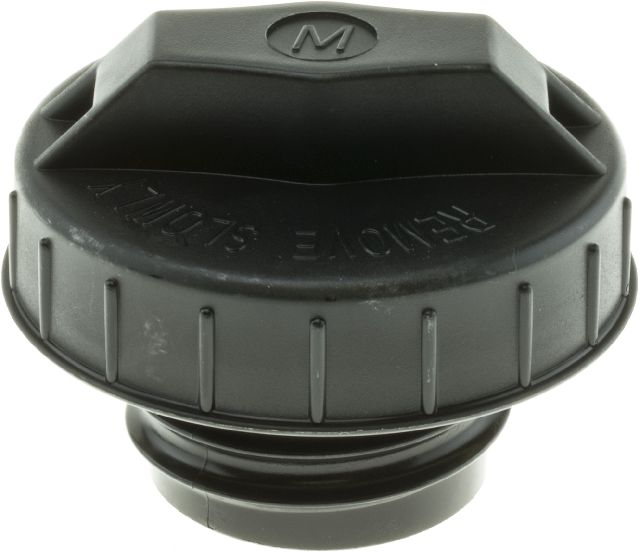
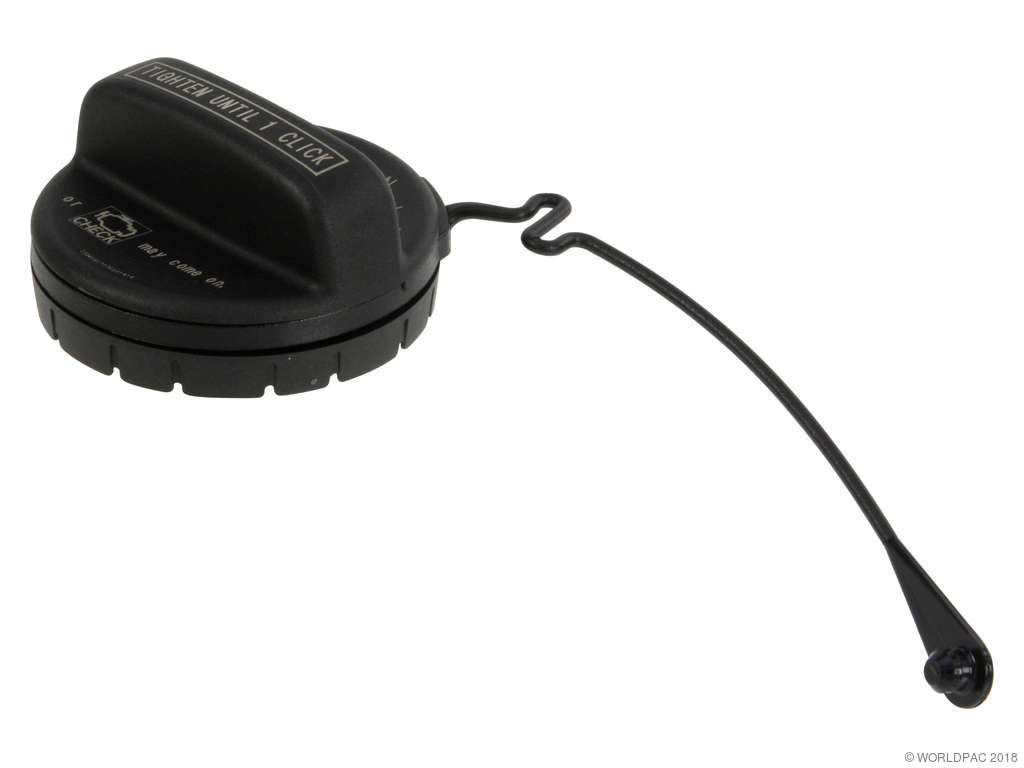
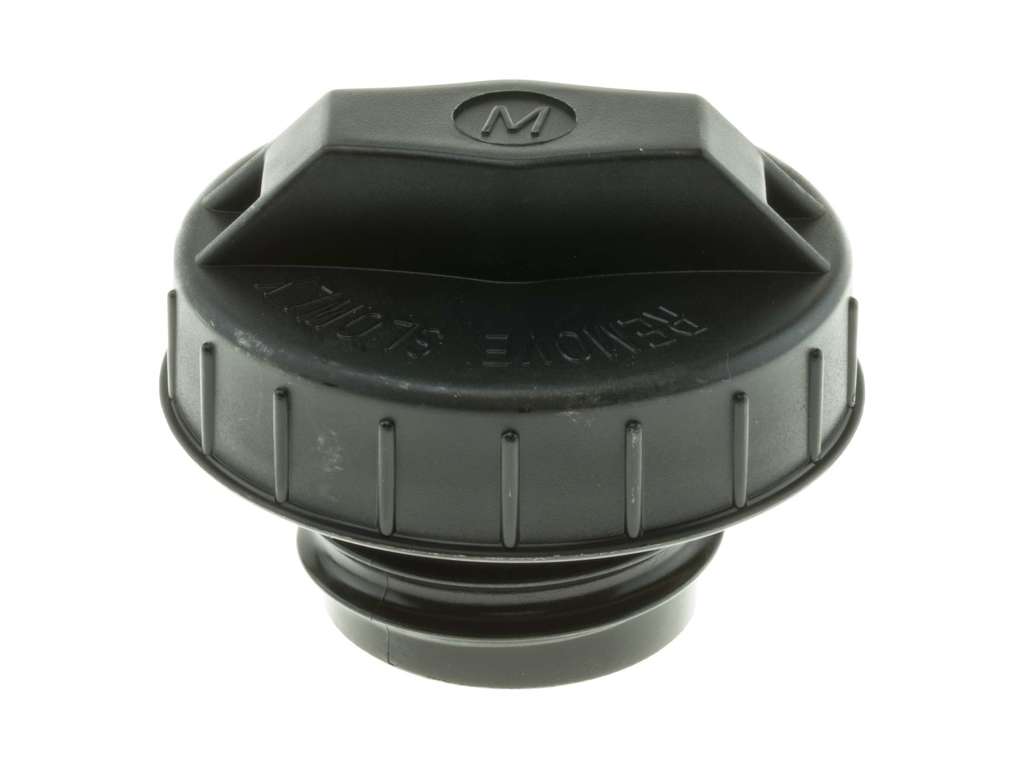
- Loose, Worn, or Incorrect Gas Cap 🔴 High Probability → Shop Fuel Tank Cap The gas cap is used frequently and its rubber O-ring seal can crack, harden, or wear out over time. Using a non-OEM cap is a very common cause of this code, as aftermarket caps often don't seal to the precise tolerances required by the Toyota/Lexus EVAP system.
How to confirm: Ensure the cap is tightened until it clicks several times. Inspect the rubber seal on the cap for cracks, stiffness, or debris. If the light returns after tightening and clearing the code, the cap is likely faulty. Many owners report that simply replacing the cap with a genuine OEM part resolves the issue immediately.
Typical fix: Replace the gas cap with a new, genuine OEM part (Lexus/Toyota P/N: 77300-06040).
Est. part cost: $25-$40 - Cracked or Disconnected EVAP Hose 🟡 Medium Probability Rubber hoses in the engine bay and under the car are exposed to heat cycles and the elements, causing them to become brittle and crack over time. The most common failure points are the small vacuum lines connected to the purge valve in the engine bay.
How to confirm: Visually inspect all accessible EVAP hoses, especially the small rubber elbows and connectors near the purge valve (under the engine cover) and around the charcoal canister (rear of the car), for any visible cracks or loose connections. A smoke test is the most definitive way to find a small hose leak.
Typical fix: Replace the cracked section of hose. This is often a very low-cost repair if you can locate the leak.
Est. part cost: $5-$30 - Faulty Vapor Canister Purge Valve (VSV) 🟡 Medium Probability → Shop Vapor Canister
How to confirm: The purge valve (or Vacuum Switching Valve - VSV), located in the engine bay on this model, can be tested to see if it's stuck open. When the engine is off, the valve should be closed and hold a vacuum. A simple test is to remove it and try to blow through it; if air passes, it's stuck open and faulty. A professional can command it open and closed with a scan tool to verify function.
Typical fix: Replace the purge valve assembly. This is a relatively simple DIY job on the ES 350. The OEM part is often made by Denso.
Est. part cost: $50-$150 - Faulty Canister Vent Valve / Solenoid ⚪ Low Probability → Shop Vapor Canister
How to confirm: This valve is located near the charcoal canister at the rear of the vehicle. It is normally open and closes when the system runs its leak test. It can get stuck or fail electronically. Diagnosis typically requires a scan tool to command the valve and a smoke machine to confirm the leak.
Typical fix: Replace the vent valve. On some models, it is integrated into the charcoal canister assembly, requiring the replacement of the entire unit.
Est. part cost: $100-$300
Rare But Worth Checking
- Cracked Charcoal Canister: → Shop Vapor Canister The plastic housing of the canister itself can develop fine cracks from age or impact from road debris, creating a leak that is difficult to spot without a smoke test. Replacement can be expensive.
- Rusted Fuel Filler Neck: → Shop Fuel Filler Neck In areas with heavy road salt use, the top of the filler neck where the gas cap seals can corrode, preventing a proper seal even with a new cap. The surface must be clean and smooth for the cap's gasket to work.
Diagnosis Steps
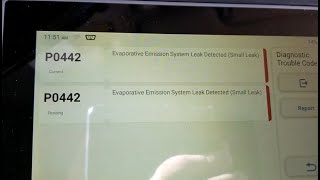
- Check the Gas Cap: Remove and reinstall the gas cap, ensuring it clicks several times. Clear the code and drive for a few days. If the light returns, proceed to the next step. 🎬 Watch: A step-by-step guide to troubleshooting Toyota P0442 codes.
- Inspect and Replace the Gas Cap: Remove the cap and carefully inspect the rubber O-ring for cracks, tears, or hardening. Given the high probability and low cost, many owners opt to replace it with a genuine OEM cap (P/N 77300-06040) as the primary diagnostic step.
- Visual Inspection: Visually inspect all accessible EVAP hoses in the engine bay (under the plastic engine cover) and under the vehicle near the charcoal canister for obvious cracks, damage, or disconnections.
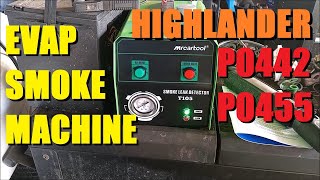
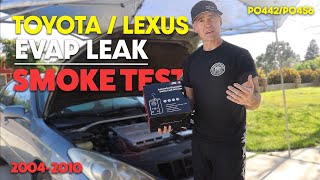
- Professional Smoke Test: If the simple checks don't reveal the issue, the most effective next step is a professional smoke test. A machine fills the EVAP system with a visible, inert vapor, and the leak will be revealed by smoke exiting the faulty component. 🎬 See how a smoke machine quickly pinpoints hidden EVAP leaks.
- Test Valves: During the smoke test, a technician can use a scan tool to cycle the purge and vent valves to confirm they are sealing correctly. The purge valve can also be removed and tested manually by applying 12V power to see if it clicks open and closed.
Parts You'll Likely Need
- Fuel Cap
(OEM #77300-06040)— This is the most frequent cause. The seal wears out over time, and it's the easiest and cheapest part to replace first. Using a non-OEM cap is a common mistake that triggers this code.
Trusted brands: Lexus (OEM), Toyota (OEM), Denso
OEM price range: $25-$40
Aftermarket price range: $15-$30 - Vapor Canister Purge Valve / Solenoid
(OEM #25860-31070)— This valve is electronically controlled and cycles frequently, leading to eventual failure. It can get stuck open, creating a small leak. On the ES 350, it's accessible in the engine bay.
Trusted brands: Denso, Aisan, Standard Motor Products
OEM price range: $90-$130
Aftermarket price range: $50-$90
Related Codes That Often Appear With This One
- P0455 — A large leak (P0455) might be detected first, and after a repair (like replacing a very bad hose), a smaller, secondary leak could be found, triggering P0442.
- P0456 — This indicates a very small leak. It's common to see these codes together or interchangeably depending on the specific test conditions when the leak was detected.
- P0441 — This code indicates incorrect purge flow, often caused by a faulty purge valve, which can also cause a leak that triggers P0442.
Technical Service Bulletins (TSBs) & Recalls
- LSC 9LG: Limited Service Campaign for the VVT-i oil line replacement on 2007-2008 ES 350 models.
- Warranty Enhancement Program ZLD: Extended warranty coverage for melting/sticky dashboards on 2007-2008 ES 350 models.
Platform-Specific Known Issues
- Owner Experience: Chasing P0442 on ClubLexus: A user on ClubLexus reported getting a P0442 code. They first replaced the gas cap, which fixed the issue for several months before the code returned. They then inspected vacuum hoses under the engine cover. The next step recommended by the community was to inspect hoses near the charcoal canister at the rear of the car, followed by a smoke test as the definitive diagnostic step if the visual inspection reveals nothing. This highlights the common diagnostic path owners take, starting with the gas cap and moving to visual inspection before requiring professional tools.
Mechanic-Grade Diagnostic Values
- Purge Valve (VSV) Coil Resistance — expected: 23 to 26 Ω at 20°C (68°F). Failure: A reading outside this range, or an open circuit (infinite resistance), indicates a failed valve coil.
- Fuel Tank Pressure (FTP) Sensor Voltage — expected: Approximately 2.5V with key on, engine off (atmospheric pressure). Voltage decreases as vacuum is applied.. Failure: No 5V reference signal at the connector, or a signal that does not change when pressure/vacuum is applied to the system.
- Mode $06 Test ID $02, Component ID $03 — expected: Value should be below the maximum test limit specified in the scan tool.. Failure: A test value exceeding the limit indicates a failure in the EVAP leak check for the fuel tank and canister area.
Hidden / Shadow Codes Worth Checking
- Mode $06, Test ID $02/$03: This is not a DTC, but rather raw data from the onboard EVAP leak monitor test. It shows the measured pressure change value during the test cycle. Technicians can view this data with an advanced scan tool to see if the system is passing or failing the leak test before a DTC is officially set. (see via An OBD-II scan tool that supports Mode $06 data, such as Toyota Techstream.)
Scan Tool Commands That Help
- Toyota Techstream: Active Test: Control the Fuel Pump / Speed — Used to check the operation of the fuel pump to ensure the system is pressurized before conducting other fuel or EVAP system tests.
- Toyota Techstream: Utility -> Evaporative System Check — This is the primary bidirectional command for this code. It allows a technician to manually command the EVAP system to run its leak test procedure without waiting for the automatic 5-hour 'cold soak' cycle. The tool closes the vent valve, operates the purge valve to create a vacuum, and then displays the pressure decay over time, allowing for immediate verification of a leak or confirmation of a repair.
- Toyota Techstream: Active Test: Control the Purge VSV — This allows the technician to manually open and close the purge valve to check its function. While observing fuel tank pressure or listening for a click, this test can confirm if the valve is responding to commands or is stuck.
Wiring & Ground Locations
- Purge Valve (VSV) Connector — In the engine bay, on top of or near the intake manifold, connected to the purge valve. It is a 2-wire connector.. A loose or corroded connector can prevent the purge valve from operating correctly, potentially causing it to remain partially open and create a leak path that triggers P0442.
- Canister Pump Module Connector — Near the left side of the trunk, connected to the charcoal canister assembly.. This connector powers the vent valve and contains the wiring for the fuel tank pressure sensor. Damage to this wiring or connector can cause multiple EVAP codes, including P0442, by providing false pressure readings or preventing the vent valve from closing during the self-test.
Real Owner Repair Stories
- ClubLexus user 'z3pilot99' (2004 Lexus ES 330 (similar 3MZ-FE engine and EVAP layout)) — P0442 code that persisted after replacing the gas cap.
❌ Tried (didn't work) Replacing the gas cap., Temporarily taping a cracked EVAP hose.
✅ What actually fixed it The rubber EVAP hose located above the intake manifold, running from a green splice to the hard lines near the front injectors, had become brittle and crumbled upon inspection. Replacing this small section of hose resolved the P0442 code. - ClubLexus user (2005 Lexus LX470) — P0442 code along with VSC and TRAC lights, after fixing other EVAP codes (P0446, P0455, P0441).
❌ Tried (didn't work) Replacing the pressure sending valve on the charcoal canister., Replacing the gas cap.
✅ What actually fixed it The user was advised that a sticking purge valve that doesn't close completely during the self-test is a likely cause, as is rust on the fuel filler neck preventing a good seal. The final fix was not explicitly posted, but these were the next mechanic-recommended steps after the common fixes failed.
"I Checked Everything" — The Actual Cause
- In some cases, a smoke test may not reveal a leak if the issue is an intermittently sticking valve. For example, the purge valve solenoid may test fine when cold but stick slightly open when hot, creating a leak path only under specific operating conditions. The smoke test is usually performed on a static, cold vehicle and may miss this type of failure.
- A faulty fuel tank pressure (FTP) sensor can report a pressure drop to the ECU, causing it to believe there is a leak when there isn't one. The system would pass a smoke test because there is no physical leak, but the code will return because the sensor is providing bad data.
OEM Part Supersession History
25860-31070→This part number appears to be stable for the specified vehicle range with no common supersessions noted.— N/A77300-06040→This part number is stable for the gas cap. However, it was part of a design change from earlier tetherless caps. Ensure the replacement matches the vehicle's filler neck design.— N/A
Heads up: Using a non-OEM or incorrect aftermarket cap is a very common cause of P0442, as they often fail to meet the precise sealing requirements.
Model Year Variations Within This Range
- 2007-2009 vs 2010-2012: The Lexus ES 350 received a mid-cycle refresh for the 2010 model year, which included updated styling and features. However, there is no evidence to suggest significant changes were made to the 2GR-FE engine's core EVAP system design or the common causes of P0442 within this generation. The primary components like the purge valve, canister, and gas cap remained largely the same.
Diagnostic Flowchart
Other Known Issues on This Vehicle
Issues unrelated to this code that are worth knowing about as an owner of this generation:
- Rupturing VVT-i Oil Line 🔴 High — Common on 2007-2009 models. The original rubber hose degrades, leading to a sudden, massive oil leak that can destroy the engine if not caught immediately. (Ref: Limited Service Campaign (LSC 9LG) was issued to replace the rubber hose with an all-metal line. The campaign has expired, but the repair is critical.)
- Melting / Sticky Dashboard 🟡 Low — Extremely common on 2007-2008 models, especially in hot, humid climates. The dashboard material degrades, becoming shiny, sticky, and prone to cracking. (Ref: Warranty Enhancement Program ZLD extended coverage, but has since expired. Replacement is purely cosmetic but very expensive.)
- Transmission Hesitation or Harsh Shifting 🟠 Medium — Some owners report issues with the U660E 6-speed automatic transmission, including hesitation on acceleration, rough shifts, or a 'flare' between gears. Can sometimes be addressed with a fluid level check or software update, but some cases required transmission replacement.
- Water Pump Failure 🟠 Medium — The water pump on the 2GR-FE can be prone to premature failure, often identified by a pink crusty residue around the pump pulley or a grinding noise.
Used vs. New Parts: Buying Guide for This Vehicle
When a used part is the smart pick: For this repair, used parts are generally not recommended. The most common failure items (gas cap, rubber hoses) are inexpensive to buy new. For more expensive components like the charcoal canister or purge valve, a used part carries a high risk of having the same age-related failure (brittle plastic, worn seals) as the part being replaced.
Donor-vehicle mileage cap: roughly under 80000 miles for the part to have meaningful remaining life.
What to inspect on the donor part:
- For a charcoal canister, inspect the plastic housing meticulously for any hairline cracks or stress marks, especially around mounting points.
- Check that all hose nipples are intact and not cracked or broken.
- If possible, verify the donor vehicle did not have any EVAP-related trouble codes.
OEM-only on this vehicle (don't cheap out):
- Gas Cap: Aftermarket gas caps are a frequent cause of P0442 codes on Toyota/Lexus vehicles due to improper sealing. Always use a genuine OEM cap.
Aftermarket brands forum-validated for this vehicle:
- Denso: Denso is an original equipment supplier for Toyota/Lexus, and their aftermarket parts (like the purge valve) are considered equivalent to OEM quality.
- Standard Motor Products (SMP): A well-regarded aftermarket brand for electronic components like purge valves and solenoids.
Brands owners have reported issues with on this vehicle:
- Unbranded or 'white-box' gas caps and electronic sensors from online marketplaces should be avoided, as their quality and calibration are often poor.
Real Owner Stories
Aggregated from forums and TSBs cited above. Mileages and costs reflect what owners reported in those sources.
2007-2012 Lexus ES 350
Symptoms: Check Engine Light (P0442) along with VSC and TRAC OFF lights. The owner replaced the gas cap, which resolved the issue for several months before the code returned.
What fixed it: The owner was advised to inspect vacuum hoses under the engine cover and near the charcoal canister at the rear of the car, followed by a professional smoke test.
Source hint: ClubLexus.com: https://www.clublexus.com/forums/es-1st-to-6th-gen-1990-2018/623250-code-p0442-vsc-cel-trac-off-lights.html
2007-2012 Lexus ES 350
Symptoms: P0442 code triggered. The owner performed a DIY diagnostic process.
What fixed it: Started with gas cap replacement and moved to a visual inspection of hoses under the car.
Source hint: ClubLexus.com: https://www.clublexus.com/forums/es-1st-to-6th-gen-1990-2018/971239-got-a-p0442-ce-light.html
Related OBD-II Codes
Frequently Asked Questions
Why are my VSC and TRAC OFF lights on along with the Check Engine Light for a P0442 code?
Which specific gas cap part number should I use for my Lexus ES 350 to fix this small leak?
Does the Limited Service Campaign LSC 9LG for the VVT-i oil line apply to my 2007-2012 ES?
Is there a warranty extension for the sticky or melting dashboard on my 2007-2008 Lexus ES?
Where is the purge valve located on the ES 350 if I want to test it myself?
Can a rusted fuel filler neck cause a P0442 on this vehicle?
Helpful Videos

Used OEM Parts in Stock
New Aftermarket Parts Available


The information in this article is provided for general reference and educational purposes only. Vehicle specifications, procedures, and part compatibility can vary by production date, trim level, and region. Always consult your vehicle's factory service manual and verify part numbers before purchasing or performing repairs. Safety-critical components such as airbags, seat belts, and braking systems should be installed by a qualified professional.
- Lexus ES:
- 🧭 Diagnostic Flowchart
- 🎬 Helpful Videos
- 🛍️ Shop This Part
- What's Unique About the 2007-2012 Lexus ES
- Symptoms You May Notice
- Most Likely Causes
- Rare But Worth Checking
- Diagnosis Steps
- Parts You'll Likely Need
- Related Codes That Often Appear With This One
- Technical Service Bulletins (TSBs) & Recalls
- Platform-Specific Known Issues
- Mechanic-Grade Diagnostic Values
- Hidden / Shadow Codes Worth Checking
- Scan Tool Commands That Help
- Wiring & Ground Locations
- Real Owner Repair Stories
- "I Checked Everything" — The Actual Cause
- OEM Part Supersession History
- Model Year Variations Within This Range
- Other Known Issues on This Vehicle
- Used vs. New Parts: Buying Guide for This Vehicle
- Real Owner Stories
- 2007-2012 Lexus ES 350
- 2007-2012 Lexus ES 350
- Related OBD-II Codes
- Frequently Asked Questions
- 🎟️ Get 5% Off