

P0442 on 2009-2013 Mazda 6: EVAP Small Leak Causes and Fixes
For a 2009-2013 Mazda 6, the P0442 code is most often caused by a loose or worn-out gas cap. Before buying any parts, tighten the cap, clear the code, and drive for a few days. If it returns, a new OEM gas cap is a common, inexpensive fix. If the cap isn't the issue, the next most likely culprits are the canister vent solenoid at the rear of the car or the purge solenoid in the engine bay.
- Always start with the simplest fix: check that the gas cap is tight. If the light comes back, a new OEM gas cap is the most likely and cheapest repair.
- If the gas cap isn't the issue, the next most likely culprits are the EVAP purge valve (in the engine bay) or the vent valve (at the rear of the car).
- This code does not indicate a serious mechanical problem and you can continue to drive the car, but it will need to be fixed to pass an emissions inspection.
- A smoke test is the most reliable way to find the exact source of a persistent leak if visual inspection and valve testing do not reveal the problem.
What's Unique About the 2009-2013 Mazda 6
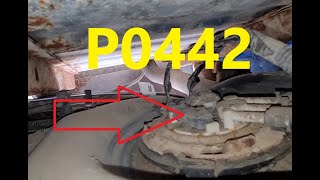
The second-generation Mazda 6 (2009-2013) does not have a single, universally documented pattern failure for the P0442 code, unlike some other vehicles. However, owner forums and mechanic databases show a strong tendency to blame either the gas cap or one of the two main EVAP solenoids. For this Mazda 6, the causes are general and align with typical EVAP system issues. Diagnosis should follow a standard procedure, starting with the easiest and most common culprits like the gas cap and moving toward more complex components like the purge or vent valves. A smoke test is the most definitive way to find the leak if visual inspection and component testing fail. Notably, 2009-2012 models were subject to a recall for spider webs 🎬 Watch: A real-world diagnosis of P0442 on a 2012 Mazda 6 blocking the EVAP vent line, which can also cause EVAP system codes.
Symptoms You May Notice
- Check Engine Light is on
- A faint smell of fuel, particularly around the gas cap area or rear of the car (less common)
- For some models, a 'gas cap' warning light may also illuminate on the dashboard.
- Replacing the charcoal canister when the actual problem is a much cheaper vent solenoid attached to it.
- Replacing EVAP valves without first confirming the gas cap is sealing properly.
- Using a cheap aftermarket gas cap that doesn't seal correctly, leading to a repeat code.
Most Likely Causes
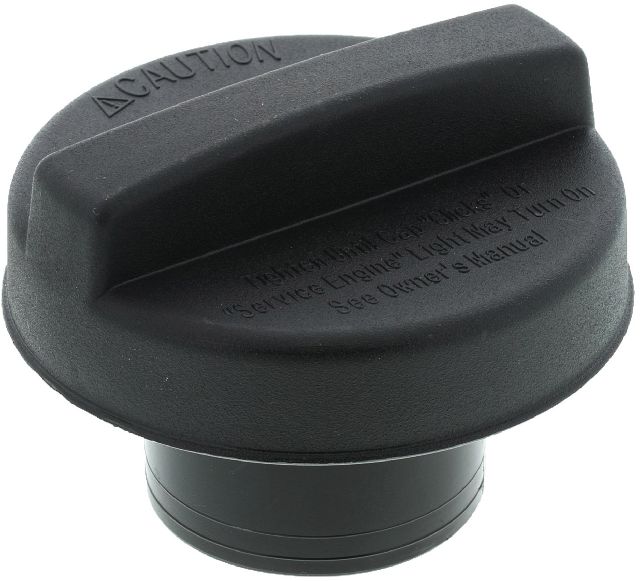
- Loose or Faulty Gas Cap 🔴 High Probability → Shop Fuel Tank Cap The gas cap seal is a rubber component that degrades over time due to age and exposure to fuel vapors. It is the most frequently moved part of the EVAP system, making it a common failure point. Many owners and mechanics strongly recommend using an OEM cap, as aftermarket versions can fail to provide a perfect seal, causing the code to return.
How to confirm: Ensure the gas cap is tightened until it clicks several times. Inspect the rubber seal on the cap for cracks, stiffness, or damage. Check the fuel filler neck for rust or debris that could prevent a good seal.
Typical fix: If tightening doesn't work, replace the gas cap with a new OEM part from the dealer. This is the most recommended first step before attempting more complex repairs.
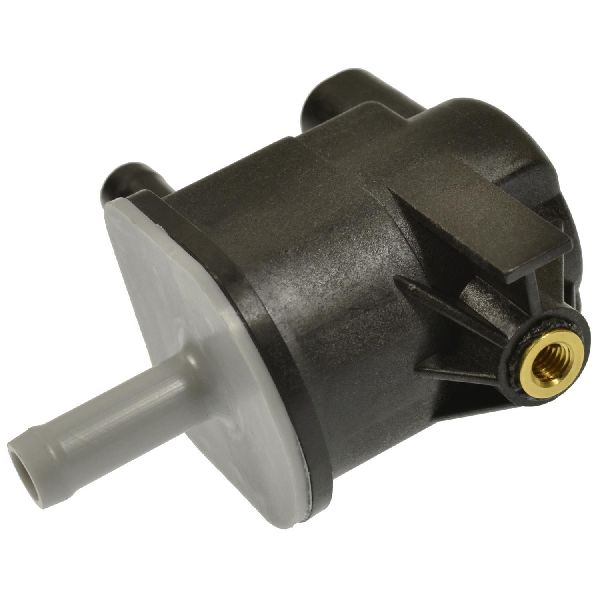
Est. part cost: $20-$40 - Faulty EVAP Canister Vent Solenoid/Valve 🟡 Medium Probability → Shop Vapor Canister Located near the charcoal canister at the rear of the car, this valve is normally open and closes to seal the system for testing. It is exposed to road debris and moisture, which can cause it to fail and not seal properly. This is a very common failure point on many Mazda vehicles of this era.
How to confirm: Remove the valve and test it. When not energized (no voltage), it should be open. When 12V is applied, it should click shut and not allow any air to pass through. Forum users report being able to blow a tiny amount of air through a faulty valve even when it clicks shut, which is enough to trigger the P0442 code.
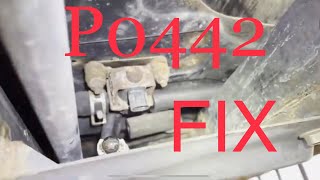
Typical fix: Replace the canister vent solenoid. On the Mazda 6, it is located near the rear subframe, above a protective plate. 🎬 See how to test the vent valve for common leaks
Est. part cost: $45-$95 - Faulty EVAP Purge Solenoid/Valve 🟡 Medium Probability → Shop Vapor Canister This valve, located in the engine bay, controls the flow of fuel vapors to the engine. It can get stuck open or closed, or develop a small internal leak, which the system detects as a fault. If the valve sticks open, it can sometimes cause difficulty starting the engine immediately after refueling.
How to confirm: With the engine off, disconnect the valve and try to blow through it; it should be closed and not allow air to pass. You can also apply 12V to its connector to see if it clicks open and closed. A professional may use a scan tool to command the valve while observing system pressure.
Typical fix: Replace the purge solenoid valve. It is typically an easy part to access in the engine compartment, connected to the intake manifold. 🎬 Watch: How to test the purge valve with no tools
Est. part cost: $70-$110 - Cracked or Disconnected EVAP Hoses ⚪ Low Probability The plastic and rubber hoses that make up the EVAP system can become brittle with age and heat cycles, leading to small cracks, especially at connection points. A user on Mazdas247 with a similar platform found cracked hose ends near the vent valve to be the cause.
How to confirm: Visually inspect all accessible EVAP lines running from the fuel tank, to the charcoal canister, and up to the purge valve in the engine bay. Look for obvious cracks or loose connections. The most definitive method is a smoke test, which forces smoke into the system to reveal the exact location of any leaks.
Typical fix: Replace the cracked section of hose or reconnect a loose fitting.
Est. part cost: $10-$50
Rare But Worth Checking
- Cracked Charcoal Canister: → Shop Vapor Canister While less common for a small leak, the plastic body of the charcoal canister itself can develop hairline cracks over time. A smoke test is the best way to confirm this.
- Faulty Fuel Tank Pressure (FTP) Sensor: → Shop Fuel Tank In some cases, the system may be perfectly sealed, but a faulty FTP sensor sends incorrect readings to the computer, tricking it into thinking there is a leak.
- Leaking Fuel Tank or Filler Neck: → Shop Fuel Tank Rust or physical damage can cause a small leak in the fuel tank or the metal filler neck where the gas cap seals. This is more common in areas with heavy road salt usage. A smoke test would easily identify this.
- Failed Fuel Pump Lock Ring: → Shop Fuel Pump Although documented on a different model, NHTSA ODI #11439442 notes that a failed fuel pump lock ring can cause P0442 and P0455 codes, accompanied by a strong smell of gasoline fumes around the rear of the car after driving.
Diagnosis Steps
- Read the code with an OBD-II scanner to confirm P0442 is present. Note any other codes, like P0455, P0456, or P0457.
- Inspect the gas cap. Remove it, check the seal for cracks, and clean the filler neck. Reinstall it, ensuring it clicks multiple times. Many experts recommend replacing it with an OEM cap as a first step regardless of appearance.
- Clear the code with the scanner and drive the vehicle for a few days to see if the Check Engine Light returns. If it does not, the issue was the cap.
- If the light returns, perform a thorough visual inspection of all accessible EVAP hoses and lines between the engine bay and the rear of the vehicle. Look for any visible cracks, damage, or loose connections.
- Locate the purge solenoid in the engine bay. Test its function by applying 12V to see if it actuates. Check if it's leaking internally by trying to blow through it when de-energized.
- Locate the vent solenoid near the charcoal canister at the rear of the car. Test its function similarly; it should be open when de-energized and hold air completely when 12V is applied. A very slight leak when closed is enough to cause the code.
- If no obvious faults are found, the most effective next step is to have a professional perform a smoke test. This test will pressurize the EVAP system with vaporous smoke, making even the smallest leaks visible as smoke escapes.
Parts You'll Likely Need
- Fuel Cap
(OEM #GS3L-42-250B)— This is the most common failure point for P0442 due to its frequent use and seal degradation over time. Aftermarket caps are often cited as unreliable.
Trusted brands: Mazda (OEM)
OEM price range: $25-$40
Aftermarket price range: $15-$30 - Vapor Canister Purge Solenoid
(OEM #LF15-18-741)— This valve cycles frequently and can fail internally, causing a leak. It's a common cause after the gas cap has been ruled out.
Trusted brands: Mazda (OEM), Dorman, Standard Motor Products
OEM price range: $80-$100
Aftermarket price range: $40-$70 - Canister Vent Solenoid
(OEM #L502-18-740A (Note: Part numbers can vary, verify with VIN))— Its location under the car exposes it to the elements, leading to corrosion or failure, preventing it from sealing the system for the leak test. This is a widely reported fix in owner forums for P0442.
Trusted brands: Mazda (OEM), Dorman (911-711), Standard Motor Products (CP773)
OEM price range: $70-$95
Aftermarket price range: $40-$60
Related Codes That Often Appear With This One
- P0455 — A P0455 (Large EVAP Leak) code may appear if the small leak worsens over time. Often, the root cause is the same (e.g., a valve failing completely or a hose becoming fully disconnected).
- P0456 — A P0456 (Very Small EVAP Leak) code is very similar and can be caused by the same components. The difference is the size of the leak detected by the PCM, with P0456 indicating a leak smaller than 0.020 inches.
- P0457 — Indicates an EVAP leak detected due to a loose or missing fuel cap. This often appears alongside P0442 if the cap is the root cause.
Platform-Specific Known Issues
- Real Owner Experience: Vent Solenoid Fix: A user on Reddit with a 2012 Mazda5 (which shares components with the Mazda6) reported fixing a persistent P0442 code by replacing the canister vent solenoid at the rear of the car. The part cost around $50 from RockAuto (Standard Motor Products CP773) and was a straightforward DIY job requiring the removal of a protective plate.
- Real Owner Experience: Testing the Vent Solenoid: On Mazdas247, a 2012 Mazda 5 owner fixed a P0442 code by replacing the canister vent solenoid (Dorman 911-711). The crucial diagnostic step was removing the valve and applying 12V to the connector. Although the valve clicked, the owner could still blow a tiny amount of air through it, indicating it wasn't sealing completely. This minute leak was enough to trigger the 'small leak' code.
Technical Service Bulletins (TSBs) & Recalls
- Bulletin #01-002-18-3417: A manufacturer service bulletin notes that some vehicles may have MIL illumination with DTCs P0441, P0442, P0455, or P0456 stored in memory. The bulletin provides a specific repair procedure to determine the location of the evaporative system leak.
Mechanic-Grade Diagnostic Values
- EVAP Canister Purge Valve Resistance — expected: 30 - 38 Ohms (when engine is cool). Failure: A reading significantly outside this range, or an open circuit (infinite resistance), indicates a failed solenoid coil.
- EVAP Canister Vent Solenoid Resistance — expected: 48 - 65 Ohms. Failure: A reading outside this range suggests the solenoid winding is faulty.
- Purge Solenoid Connector Voltage — expected: One of the two pins should show battery voltage (approx. 12V) with the Key On, Engine Off (KOEO).. Failure: Absence of voltage indicates a problem with the wiring or a blown fuse upstream of the solenoid.
Scan Tool Commands That Help
- Mazda IDS / FORScan: EVAP System Leak Test — This is a guided diagnostic function that commands the various EVAP solenoids to run the vehicle's onboard leak test on demand. It's used to confirm the presence of a leak without waiting for the PCM to run the test during a normal drive cycle.
- Advanced Scan Tool (e.g., Autel, Snap-on): Actuation Test: Canister Vent Valve/Solenoid — This command allows the technician to manually close the normally-open vent valve. This is critical before performing a smoke test to ensure the system is sealed. It also confirms the solenoid is receiving a signal and is actuating (clicking).
Wiring & Ground Locations
- Canister Vent Solenoid Valve — Below the right rear of the luggage compartment, near the charcoal canister.. This is the physical location of a primary component. Its exposure under the car makes it and its connector susceptible to corrosion and damage.
- G15 — Under the rear seat.. This is a key ground point for rear-body components. A corroded or loose G15 could potentially affect the operation of the nearby canister vent solenoid or fuel tank pressure sensor.
- G8 — At the left end of the dashboard.. This is a primary ground point for dashboard and forward-cabin electronics. While less likely to be the sole cause for P0442, a fault here could cause erratic behavior in the instrument cluster or PCM.
- Purge Solenoid Connector — In the engine bay, mounted on or near the intake manifold. It is a 2-wire connector.. This is the connection point for the purge solenoid. Verifying power and ground at these pins is a fundamental step in diagnosing a faulty solenoid vs. a wiring issue.
Real Owner Repair Stories
- Mazdas247 Forum User 'dougsey' (2012 Mazda 5 (shares EVAP components with Mazda 6)) — Check Engine Light with code P0442.
❌ Tried (didn't work) Checking the gas cap.
✅ What actually fixed it Replaced the canister vent solenoid (Dorman 911-711). The user tested the old part by applying 12V power; it clicked, but he could still blow a tiny amount of air through it, confirming it was not sealing 100% when commanded closed. This small internal leak was the cause of the code. - NHTSA ODI #11187055: An owner reported that their car could not pass inspection because code P0442 (small leak) keeps coming up, describing it as a common problem with Mazda cars.
"I Checked Everything" — The Actual Cause
- A smoke test will identify physical leaks in hoses, the canister, or seals. However, if the smoke test passes, the P0442 code is likely caused by a component that is leaking internally or providing false data. The most common culprit in this scenario is a faulty Fuel Tank Pressure (FTP) sensor that sends incorrect readings to the PCM, tricking it into thinking there is a leak when the system is actually sealed.
OEM Part Supersession History
N/A for P0442→CA07-20-370H (for 3.7L V6)— An updated purge solenoid valve was released to address a P1450 code ('Unable to Bleed Up Fuel Tank Vacuum').
Heads up: While this TSB is for a different code (P1450), it demonstrates that Mazda made running changes to EVAP components on this platform. It's crucial to verify the correct part number for your specific engine and year, as the 2.5L (LF15-18-741) and 3.7L engines use different parts.
Model Year Variations Within This Range
- 2009-2012 (with 2.5L engine): These models were subject to a recall because Yellow Sac spiders were found to build webs in the EVAP canister vent line, causing a blockage and triggering EVAP fault codes. This is a unique, model-year-specific issue to check before proceeding with standard diagnostics.
Diagnostic Flowchart
Other Known Issues on This Vehicle
Issues unrelated to this code that are worth knowing about as an owner of this generation:
- Internal Water Pump Failure (V6 Engine) 🔴 High — A known major failure point for the 3.7L V6. Failure can occur around 100,000 miles, leaking coolant into the engine oil, leading to catastrophic engine failure. A class-action lawsuit was filed regarding this issue. (Ref: No recall, but a class-action lawsuit was certified.)
- Melting/Sticky Dashboard 🟠 Medium — Common in vehicles exposed to high heat and humidity, the dashboard material can degrade and become sticky or shiny, causing a distracting glare. (Ref: Mazda issued a warranty extension (not a recall) for this issue for a period of 10 years from the original warranty start date.)
- Front Subframe Corrosion 🔴 High — Affects 2009-2010 models primarily in salt-belt states. The front cross-member can rust excessively, potentially causing the lower control arm to detach. (Ref: NHTSA Campaign ID: 18V632000)
- Faulty Airbag Control Unit 🔴 High — On 2009-2010 models, the airbag control unit could fail due to moisture intrusion, preventing airbags from deploying in a crash. (Ref: NHTSA Campaign ID: 16V594000)
- Faulty Cooling Fan Control Module 🟡 Low — Reported on models up to 2012, a failing fan control module can cause the engine to overheat. Symptoms typically appear after 100,000 miles.
Used vs. New Parts: Buying Guide for This Vehicle
When a used part is the smart pick: Used EVAP solenoids (both purge and vent) from a junkyard can be a cost-effective option, as they are generally reliable electronic components. However, it is critical to test them before installation by applying 12V power to confirm they 'click' and checking that they seal properly against air pressure.
Donor-vehicle mileage cap: roughly under 80000 miles for the part to have meaningful remaining life.
What to inspect on the donor part:
- For solenoids, check that the plastic housing is not cracked and the electrical connector pins are clean and free of corrosion.
- For hoses, ensure the rubber is still pliable and not brittle or cracked, especially at the ends.
- Avoid parts from vehicles that show signs of major impact near the component's location.
OEM-only on this vehicle (don't cheap out):
- Fuel Cap: This is the most critical part to buy directly from the manufacturer (OEM). Forum and mechanic consensus strongly indicates that aftermarket gas caps often have sealing issues on this vehicle, leading to a quick return of the P0442 code.
Aftermarket brands forum-validated for this vehicle:
- Dorman (specifically 911-711 for the vent solenoid)
- Standard Motor Products (SMP)
- Bosch
Brands owners have reported issues with on this vehicle:
- Generic or unbranded aftermarket gas caps are frequently reported as problematic.
Real Owner Stories
- Mazdas247 Forum User 'dougsey' (2012 Mazda 5 (shares EVAP components with Mazda 6)) — Check Engine Light with code P0442.
❌ Tried (didn't work) Checking the gas cap.
✅ What actually fixed it Replaced the canister vent solenoid (Dorman 911-711). The user tested the old part by applying 12V power; it clicked, but he could still blow a tiny amount of air through it, confirming it was not sealing 100% when commanded closed. This small internal leak was the cause of the code.
Aggregated from forums and TSBs cited above. Mileages and costs reflect what owners reported in those sources.
2012 Mazda 5 (2.5L I4)
Symptoms: Persistent P0442 code.
What fixed it: Replacing the canister vent solenoid at the rear of the car (Standard Motor Products CP773).
Cost: $50-$50
Source hint: Reddit (r/mazda) thread titled '2012 2.5L P0442 fix'
2012 Mazda 5 (2.5L I4)
Symptoms: P0442 code; owner found they could blow a tiny amount of air through the vent valve even when it clicked shut during a 12V test.
What fixed it: Replacing the canister vent solenoid (Dorman 911-711).
Source hint: Mazdas247.com forum citation
2012 Mazda 5 (2.5L I4)
Symptoms: P0442, P0455, and P0457 codes present simultaneously.
What fixed it: Replacing the rear canister vent solenoid (part CP773) after other attempts failed.
Source hint: Reddit (r/mazda) URL: https://www.reddit.com/r/mazda/comments/agv69k/2012_25l_p0442_fix/
Related OBD-II Codes
Frequently Asked Questions
Can I use an aftermarket gas cap from a local auto parts store to fix P0442 on my Mazda 6?
Where is the EVAP canister vent solenoid located on the 2009-2013 Mazda 6?
My Mazda 6 has trouble starting specifically after I fill up the gas tank; is this related to P0442?
The vent solenoid on my Mazda 6 clicks when I test it with 12V. Does that mean it is definitely good?
Is there a common major engine issue I should be aware of on the 3.7L V6 Mazda 6 while I'm fixing this EVAP code?
What is the most definitive way to find the leak if replacing the gas cap doesn't work?
Helpful Videos

We Have This Part in Stock


The information in this article is provided for general reference and educational purposes only. Vehicle specifications, procedures, and part compatibility can vary by production date, trim level, and region. Always consult your vehicle's factory service manual and verify part numbers before purchasing or performing repairs. Safety-critical components such as airbags, seat belts, and braking systems should be installed by a qualified professional.
- Mazda 6:
- 🧭 Diagnostic Flowchart
- 🎬 Helpful Videos
- 🛍️ Shop This Part
- What's Unique About the 2009-2013 Mazda 6
- Symptoms You May Notice
- Most Likely Causes
- Rare But Worth Checking
- Diagnosis Steps
- Parts You'll Likely Need
- Related Codes That Often Appear With This One
- Platform-Specific Known Issues
- Technical Service Bulletins (TSBs) & Recalls
- Mechanic-Grade Diagnostic Values
- Scan Tool Commands That Help
- Wiring & Ground Locations
- Real Owner Repair Stories
- "I Checked Everything" — The Actual Cause
- OEM Part Supersession History
- Model Year Variations Within This Range
- Other Known Issues on This Vehicle
- Used vs. New Parts: Buying Guide for This Vehicle
- Real Owner Stories
- 2012 Mazda 5 (2.5L I4)
- 2012 Mazda 5 (2.5L I4)
- 2012 Mazda 5 (2.5L I4)
- Related OBD-II Codes
- Frequently Asked Questions
- 🎟️ Get 5% Off