

P0442 on 2006-2010 Mazda MAZDA5: EVAP Small Leak Causes and Fixes
For a 2006-2010 Mazda5, code P0442 usually means a small leak in the EVAP system. The most common fixes are tightening or replacing the gas cap, or replacing a faulty canister vent valve located at the rear of the vehicle. A new OEM-spec gas cap is under $30, while a vent valve can cost around $50 for the part and is a known failure point on this platform.
- P0442 on a 2006-2010 Mazda5 indicates a small leak in the EVAP (emissions) system.
- Always check the gas cap first. Make sure it's tight and the seal isn't cracked or worn. This is the easiest and most common fix.
- If the gas cap isn't the issue, the next most likely culprit on this specific vehicle is the canister vent valve located at the rear of the car, near the spare tire area.
- While you can drive with this code, your vehicle will not pass an emissions inspection until the leak is repaired.
- A professional smoke test is the fastest and most accurate way to find the leak if it's not obvious.
What's Unique About the 2006-2010 Mazda MAZDA5
The first-generation Mazda5 (2006-2010) shares its platform and many EVAP components with the Mazda3 of the same era, and they have very similar EVAP system layouts. While a loose gas cap is always the first suspect, many owners of both the Mazda5 and Mazda3 report that the canister vent valve (also called a vent solenoid) is a frequent point of failure. This valve is located at the rear of the car, near the charcoal canister and above a central jacking plate, where it is exposed to road grime, salt, and moisture, which can cause it to fail and leak over time.
Diagnostic Flowchart
Tap your situation to follow the diagnostic path that matches what you're seeing on this vehicle.
Symptoms You May Notice
- Check Engine Light is on
- A faint smell of fuel, particularly around the rear of the vehicle or after refueling (less common).
- Vehicle will fail a state emissions inspection.
- Replacing the purge valve in the engine bay when the actual problem is the vent valve at the rear of the car. Many owners and videos suggest the purge valve first, but on the Mazda5, the rear vent valve is a very common culprit.
- Replacing parts without confirming the leak source. A smoke test is the most definitive way to avoid replacing good parts.
Most Likely Causes
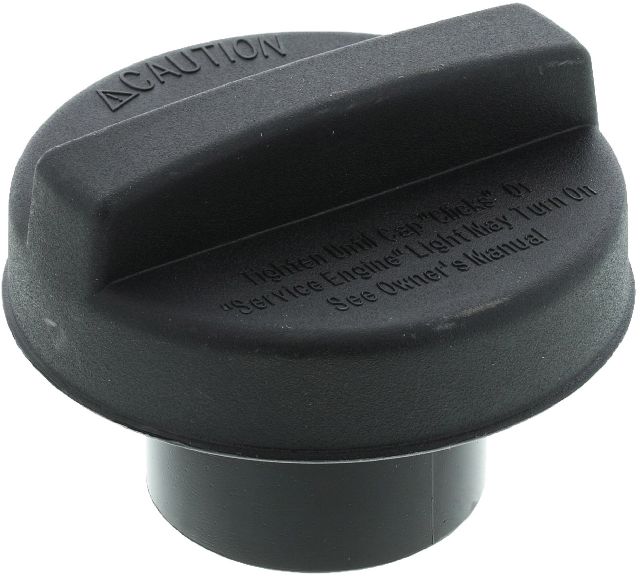
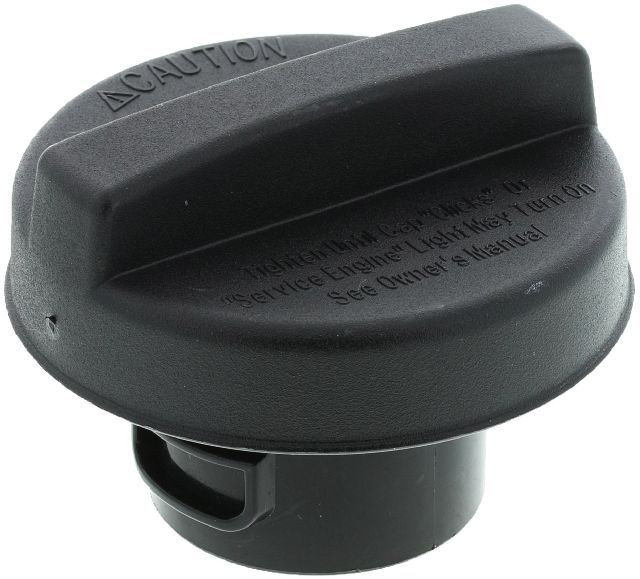
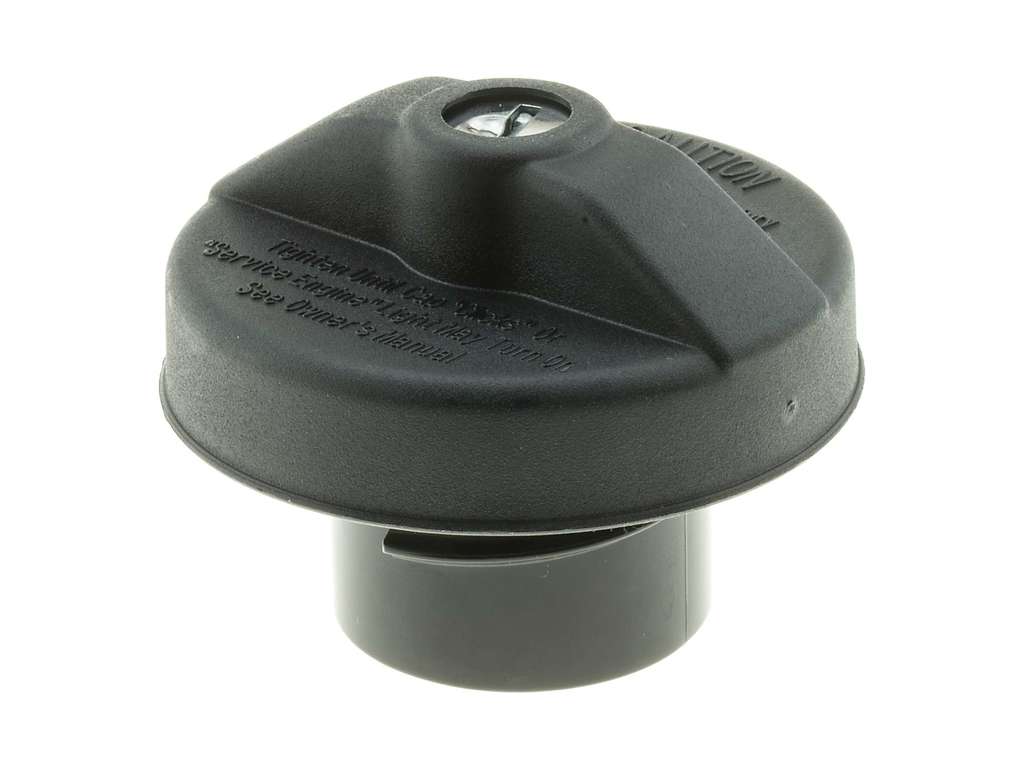
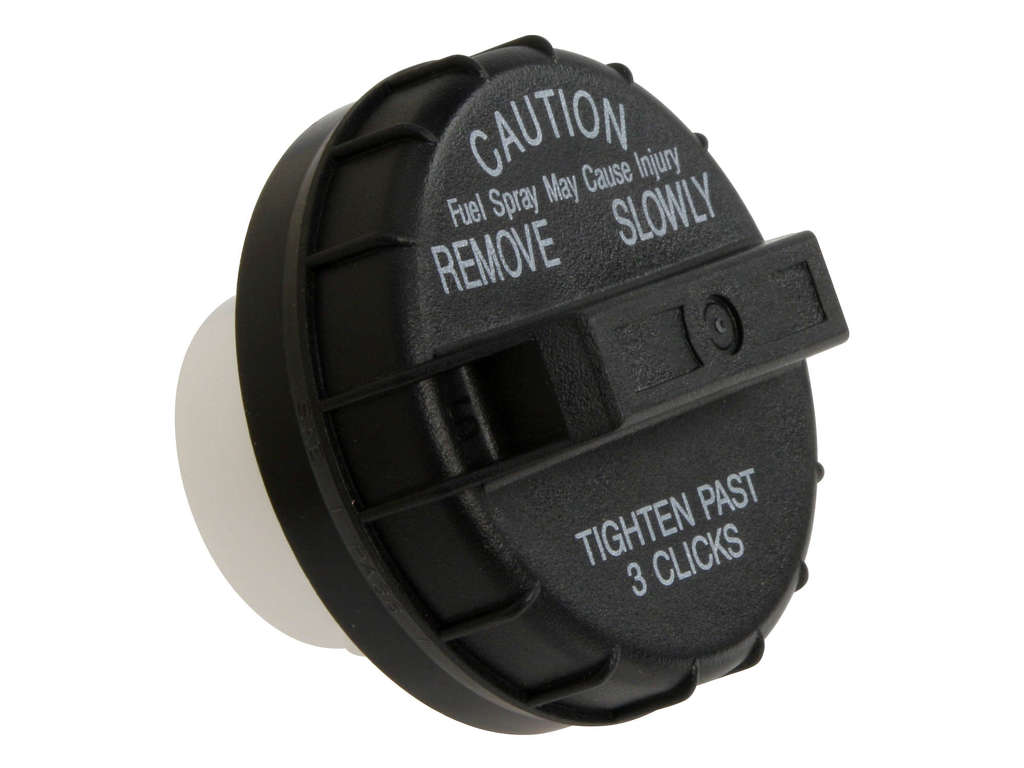
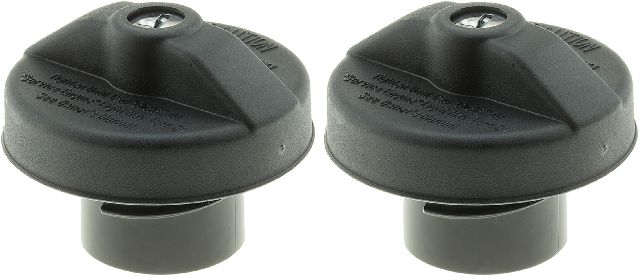
- Loose or Faulty Gas Cap 🔴 High Probability → Shop Fuel Tank Cap This is the most common cause for any vehicle. The rubber O-ring on the cap can dry out, crack, or get dirty, preventing a proper seal. It is always recommended to use an OEM-spec cap, as aftermarket ones can sometimes fail to seal correctly.
How to confirm: First, ensure the cap is tightened until it clicks at least once. If the light returns, remove the cap and inspect the rubber seal for any cracks, stiffness, or damage. Also, check the metal rim of the fuel filler neck for rust or debris that could prevent a seal.
Typical fix: Tighten the cap correctly. If the seal is damaged or the cap is incorrect, replace it with a new OEM-spec gas cap. The code may need to be cleared with a scanner, or it may clear itself after several drive cycles.
Est. part cost: $15-$30 - Failed Canister Vent Valve / Solenoid 🟡 Medium Probability → Shop Vapor Canister This valve is located at the rear of the vehicle, above a central jacking plate, where it's exposed to the elements. Corrosion and dirt from road spray cause the valve to stick or fail to seal completely, creating a small leak that triggers P0442. This is a very common failure on both the Mazda5 and its platform-mate, the Mazda3.
How to confirm: The valve can be removed and tested. When unpowered (in its default closed state), you should not be able to blow air through it. Many owners report that even though the old valve clicks when 12v power is applied, it still allows a tiny amount of air to pass through when it should be sealed, confirming it's the source of the leak. A professional smoke test will also quickly identify a leaking vent valve.
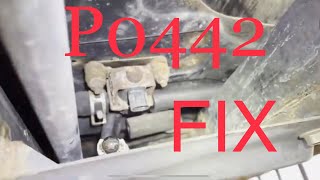
Typical fix: Replace the canister vent valve. This requires raising the rear of the vehicle for access. On the Mazda5, there is often an access hole in the jacking plate that allows a socket extension to reach 🎬 Watch this walkthrough for replacing the canister vent valve. one of the 10mm nuts holding the valve.
Est. part cost: $45-$70 - Failed Purge Valve / Solenoid ⚪ Low Probability → Shop Vapor Canister The purge valve is located in the engine bay and is less exposed than the rear vent valve, but it can still fail by getting stuck open or closed, causing a leak in the system.
How to confirm: Remove the valve from its hoses. It should be closed when the engine is off. Try blowing through it; if air passes, it's stuck open and is faulty. A scan tool can also command the valve to open and close to check for an audible click.
Typical fix: Replace the purge valve. It's easily accessible in the engine bay, typically near the intake manifold.
Est. part cost: $50-$110 - Cracked or Disconnected EVAP Hoses ⚪ Low Probability Over time, the rubber and plastic hoses that make up the EVAP system can become brittle and crack, especially at connection points or where they are exposed to the elements.
How to confirm: A visual inspection may reveal obvious cracks or loose connections. However, small leaks are often invisible to the naked eye and are best found using a professional smoke test, which forces smoke through the system to reveal the leak's location.
Typical fix: Replace the specific section of cracked hose or secure the loose connection.
Est. part cost: $10-$50
Rare But Worth Checking
- Cracked Charcoal Canister: → Shop Vapor Canister The charcoal canister itself can develop cracks from road debris impact. It's located near the vent valve at the rear of the car. A smoke test is the best way to confirm a crack in the canister body.
- Rusted Fuel Filler Neck: → Shop Fuel Filler Neck In regions with heavy road salt use, the metal fuel filler neck (the pipe the gas cap screws onto) can rust, creating a poor sealing surface for the cap. Inspect the rim where the cap's O-ring sits for corrosion or pitting. It can sometimes be cleaned with a wire brush to restore a good seal.
- Faulty Fuel Tank Pressure (FTP) Sensor: → Shop Fuel Tank While less common, the FTP sensor itself can fail or provide inaccurate readings, leading the ECU to believe there is a leak when one doesn't exist. This usually requires more advanced diagnostics with a scan tool to monitor sensor data.
Diagnosis Steps
- Check the Gas Cap: Remove and reinstall the gas cap, ensuring it clicks. Clear the code and drive for a few days. If it returns, inspect the cap's seal for damage and the filler neck for rust. Consider replacing it with an OEM cap as an inexpensive first step.
- Visual Inspection: Visually inspect the accessible EVAP hoses in the engine bay and around the fuel tank area for obvious cracks, disconnection, or damage.
- Test the Purge Valve: Locate the purge valve in the engine bay. Disconnect it and try to blow through it. If air passes, it has failed and needs to be replaced.
- Test the Canister Vent Valve: Safely raise the rear of the vehicle. The vent valve is located above a center plate near the rear axle. Remove it and test if it's leaking internally by attempting to blow through it while it is unpowered. It should be completely sealed.
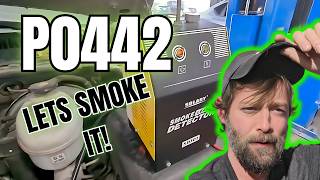
- Perform a Smoke Test: If the above steps do not reveal the cause, the most effective method is a smoke test. A mechanic will inject pressurized smoke into the EVAP system (often through a service port near the purge valve). The smoke will escape from the location of the leak, making it easy to pinpoint, 🎬 See how a smoke test finds hidden EVAP leaks. whether it's a tiny hose crack, a faulty valve, or a cracked canister.
Parts You'll Likely Need
- Gas Cap
(OEM #L502-15-909 (Verify with VIN))— This is the most frequent and simplest cause of a P0442 code due to a worn-out seal.
Trusted brands: Mazda OE, Stant, Motorad
OEM price range: $25-$40
Aftermarket price range: $15-$25 - Canister Vent Valve / Solenoid — A common failure point on the Mazda5, this valve gets stuck or fails to seal due to its exposed location at the rear of the vehicle.
Trusted brands: Dorman (911-711), Standard Motor Products (CP773)
OEM price range: $80-$120
Aftermarket price range: $45-$70 - Canister Purge Valve / Solenoid
(OEM #LF15-18-741 (Verify with VIN))— Located in the engine bay, this valve can get stuck open, causing a constant small vacuum leak. It's a less common but still possible cause.
Trusted brands: Mazda OE, Dorman, Bosch
OEM price range: $100-$135
Aftermarket price range: $50-$90
Related Codes That Often Appear With This One
- P0455 — This code indicates a 'Large EVAP Leak'. It can appear with P0442 if the leak is intermittent or on the borderline between small and large. A very loose gas cap or a completely failed valve can trigger both.
- P0456 — This code indicates a 'Very Small EVAP Leak'. It's part of the same family of codes and points to a similar set of potential failures, just at a different leak-size threshold. It's common to see this code appear for the same reasons as P0442.
Technical Service Bulletins (TSBs) & Recalls
- 01-002-18-3417: This TSB, which applies to the 2006-2010 Mazda5, does not identify a specific faulty part. Instead, it provides dealers with a detailed, step-by-step diagnostic procedure for locating the source of various EVAP leaks (P0441, P0442, P0455, P0456). It confirms that diagnosing these leaks is a common service action and involves using tools like an ultrasonic leak detector.
Platform-Specific Known Issues
- Canister Vent Valve Failure: → Shop Vapor Canister The canister vent valve, located near the rear axle, is particularly susceptible to failure on the Mazda5. Owners frequently report that replacing this part (e.g., Dorman 911-711) resolves the P0442 code after checking the gas cap. The key diagnostic is removing the valve and finding you can blow a small amount of air through it when it should be closed.
- Real Owner Experience: On Mazdas247.com, a user with a 2012 Mazda5 reported solving their P0442 code by replacing the canister vent solenoid. The crucial finding was that although the old valve clicked when power was applied, it still allowed a tiny amount of air to pass through when it should have been sealed.
Mechanic-Grade Diagnostic Values
- EVAP Canister Purge/Vent Solenoid Coil Resistance — expected: 15 - 30 Ohms. Failure: A reading of infinite resistance (open circuit) or well outside the expected range indicates a failed coil.
Scan Tool Commands That Help
- Mazda M-MDS or advanced bidirectional scanner (Autel, Snap-on): EVAP System Service Bay Test / Activation Test — This function is used to manually control EVAP components to properly test the system. To perform a smoke test, the technician must command the Canister Vent Valve to close (it is normally open). The command may be listed as 'EVAPCV ON', '100% duty cycle', or changing status from 'Venting' to 'Not Venting'. This allows the system to be sealed and pressurized with smoke to find leaks.
Wiring & Ground Locations
- G14 — Rear of engine.. A poor ground connection at this point could potentially affect the operation of engine-mounted sensors or the PCM, which controls the EVAP system.
- G11 — Under the front passenger's seat.. This ground point could be related to various body control modules or sensors. Verifying its integrity is a good step in diagnosing complex electrical issues.
- EVAP System Leak Detection Pump — Under the rear of the vehicle, near the charcoal canister.. This is a key component of the EVAP system. Knowing its physical location is essential for visual inspection of the component and its associated hoses and connectors.
Real Owner Repair Stories
- Mazdas247.com user 'dougsey' (2012 Mazda 5 with 109k miles) — P0442 (Small EVAP Leak)
❌ Tried (didn't work) Checking the gas cap.
✅ What actually fixed it Replacing the canister vent solenoid at the rear of the car (Dorman 911-711). The user confirmed the old part was bad by removing it and finding he could blow a tiny amount of air through it when it was supposed to be closed, even though it still clicked when 12V was applied. - YouTube user 'Kevin Bergeron' (Mazda 5 (year not specified, but first generation body style)) — P0442 code
❌ Tried (didn't work) Replacing the gas cap., Considering the purge valve in the engine bay, which is a common but often incorrect suggestion online for this car.
✅ What actually fixed it Replacing the canister vent valve at the rear of the car, under the center plate (Dorman 911-711). The user noted that overfilling the gas tank may have damaged the original valve's seal. - Reddit user '[deleted]' (2012 Mazda 5 with 75k miles) — P0442, P0455, P0457 codes and 'gas cap' warning light.
✅ What actually fixed it Replacing the valve at the rear of the vehicle by the charcoal canister (the canister vent valve) with Standard Motor Products part CP773.
"I Checked Everything" — The Actual Cause
- In some cases, a valve may pass a pressure-based smoke test but fail under vacuum. A leaking purge valve is a known cause for P0442 on some Mazda vehicles and can be tested with a hand-held vacuum pump to see if it holds vacuum when closed.
- If a smoke test reveals no leaks, the next most likely culprits are components that don't cause a physical leak path but report one to the ECU. The most common is a faulty Fuel Tank Pressure (FTP) sensor providing incorrect readings.
OEM Part Supersession History
LF3T-18-741→LF3T-18-741 (current)— This is the OEM part number for the Canister Vent Valve, commonly replaced by aftermarket parts like Dorman 911-711 and Standard Motor Products CP773.
Heads up: While Dorman 911-711 is officially listed for the 2012-2015 Mazda5, owner reports confirm it is a functional replacement for the 2006-2010 models as well.
Model Year Variations Within This Range
- 2006-2010: No significant variations in the EVAP system, causes, or fixes for P0442 have been documented between the pre-facelift (2006-2007) and facelift (2008-2010) models of the first-generation Mazda5.
Helpful Videos
We Have This Part in Stock


The information in this article is provided for general reference and educational purposes only. Vehicle specifications, procedures, and part compatibility can vary by production date, trim level, and region. Always consult your vehicle's factory service manual and verify part numbers before purchasing or performing repairs. Safety-critical components such as airbags, seat belts, and braking systems should be installed by a qualified professional.
- Mazda MAZDA5:
- 🧭 Diagnostic Flowchart
- 🎬 Helpful Videos
- 🛍️ Shop This Part
- What's Unique About the 2006-2010 Mazda MAZDA5
- Symptoms You May Notice
- Most Likely Causes
- Rare But Worth Checking
- Diagnosis Steps
- Parts You'll Likely Need
- Related Codes That Often Appear With This One
- Technical Service Bulletins (TSBs) & Recalls
- Platform-Specific Known Issues
- Mechanic-Grade Diagnostic Values
- Scan Tool Commands That Help
- Wiring & Ground Locations
- Real Owner Repair Stories
- "I Checked Everything" — The Actual Cause
- OEM Part Supersession History
- Model Year Variations Within This Range
- 🎟️ Get 5% Off