

P0442 on 2006-2010 Mazda MX-5: EVAP Small Leak Causes and Fixes
This code indicates a small leak in the evaporative emissions system. The most common and cheapest fix is to inspect and tighten or replace the gas cap. If that doesn't solve it, the next most likely cause is a faulty purge valve solenoid in the engine bay.
- The P0442 code on your MX-5 points to a small leak in the emissions system and is not a critical mechanical issue.
- Always start your diagnosis with the gas cap. Check that it's tight and the seal is in good condition. This is the most common and cheapest fix.
- If a new gas cap doesn't solve the problem, the purge valve solenoid in the engine bay is the next most likely culprit.
- For hard-to-find leaks, a smoke test performed by a mechanic is the most reliable way to pinpoint the exact source and avoid replacing unnecessary parts.
What's Unique About the 2006-2010 Mazda MX-5
For the 2006-2010 'NC' generation MX-5, the P0442 code is a straightforward emissions issue with no unique platform-specific quirks. The causes and diagnostic procedures are typical for Mazda vehicles of this era. The most common culprits are standard EVAP components like the gas cap and purge solenoid, which are known failure points across many different models. Mazda has issued a general technical service bulletin (01-002-18-3417) for this and related EVAP codes, indicating a recognized pattern and a defined diagnostic process. A key vehicle-specific detail is the use of different purge valve solenoids between the NC1 (2006-08) and NC2 (2009-10) sub-generations.
Diagnostic Flowchart
Tap your situation to follow the diagnostic path that matches what you're seeing on this vehicle.
Symptoms You May Notice
- Check Engine Light is on.
- A faint fuel smell may be noticeable, though this is less common.
- In rare cases, difficulty starting after refueling. This can be caused by a stuck-open purge valve allowing excess vapors into the intake.
- Gas pump nozzle clicks off repeatedly during refueling (this can indicate a blocked or saturated charcoal canister).
- Replacing oxygen (O2) sensors, as they are unrelated to the EVAP system.
- Replacing the charcoal canister when the actual fault is a much cheaper hose or solenoid. A smoke test is crucial to avoid this.
Most Likely Causes
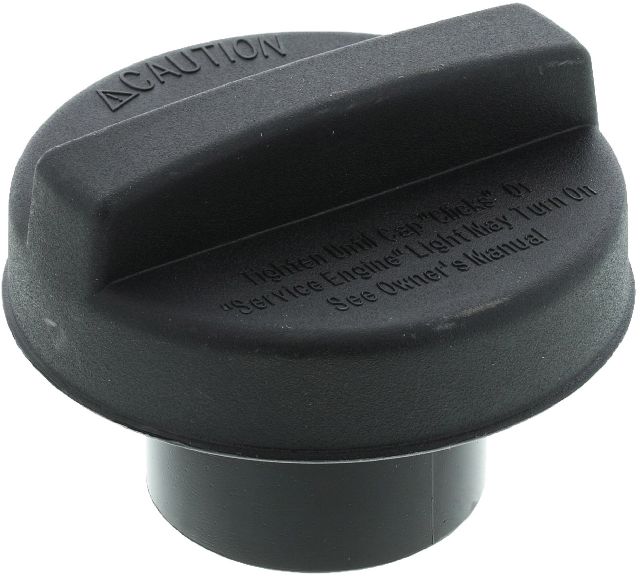
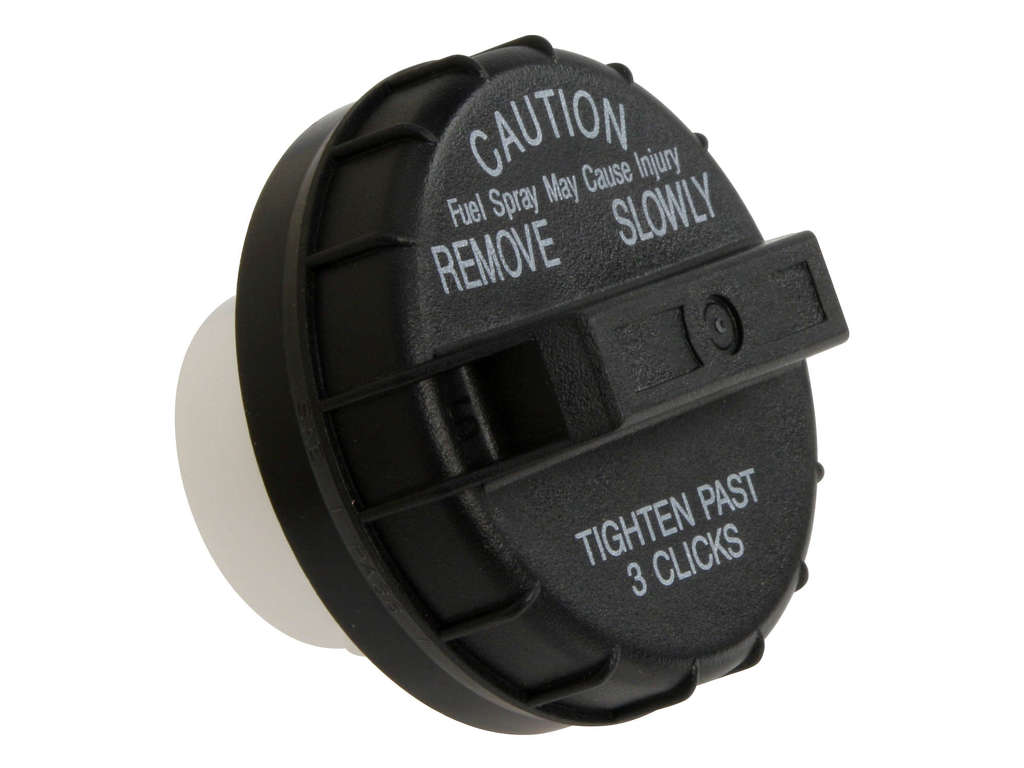
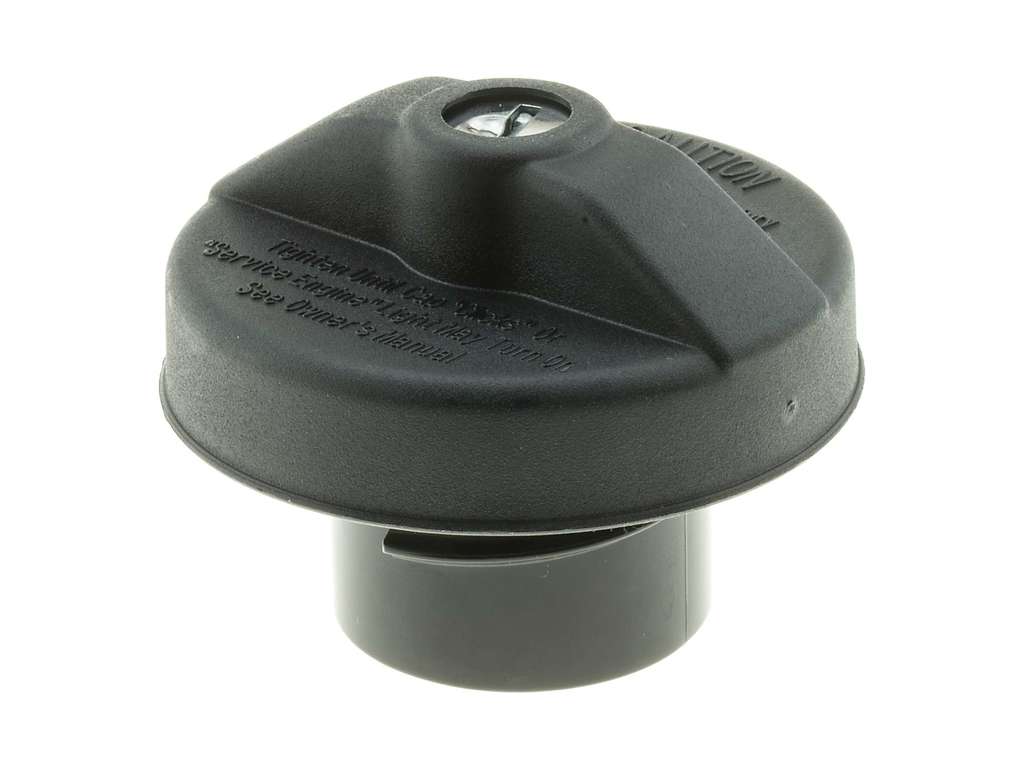
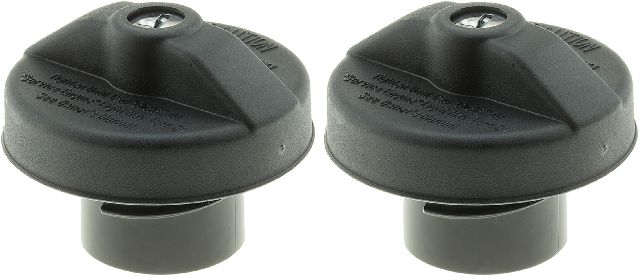
- Loose or Faulty Gas Cap 🔴 High Probability → Shop Fuel Tank Cap The gas cap seal is a rubber component that can dry out, crack, or become worn over time, preventing a proper seal. This is the most common cause for any EVAP leak code.
How to confirm: Ensure the gas cap is tightened until it clicks. Inspect the rubber O-ring on the cap for any cracks, stiffness, or damage. If the seal looks compromised, it's best to replace it. Also inspect the fuel filler neck for rust or debris that could prevent a good seal.
Typical fix: Replace the gas cap. It is highly recommended to use a genuine OEM cap (Part No. FE02-42-250B) to ensure a proper seal, as many owners report that aftermarket caps fail to solve the problem.
Est. part cost: $20-$50 - Faulty Vapor Canister Purge Valve/Solenoid 🟡 Medium Probability → Shop Vapor Canister This solenoid, located in the engine bay, can get stuck open or closed, or develop a small internal leak, which prevents the EVAP system from sealing correctly during its self-test. A stuck-open valve can also cause hard starting after refueling.
How to confirm: The valve is located on the driver's side of the engine bay, near the dipstick. With the engine off, you can remove the valve and try to blow through it; it should be closed and not allow air to pass. A professional can command it to open and close with a scan tool to verify operation.
Typical fix: Replace the purge valve solenoid. This is a simple repair involving disconnecting two hoses and an electrical connector. For 2006-2008 (NC1) models, use OEM part LFG1-18-741B. For 2009-2010 🎬 Watch: Step-by-step purge valve replacement for NC1 models. (NC2) models, use OEM part L518-18-741.
Est. part cost: $80-$130 - Cracked or Disconnected EVAP Hoses 🟡 Medium Probability The rubber hoses in the EVAP system, both in the engine bay and near the fuel tank, can become brittle and develop small cracks over time due to heat and age.
How to confirm: A visual inspection may reveal obvious cracks or loose connections, especially at rubber elbows. However, the most effective method is a smoke test, where a mechanic injects pressurized smoke into the EVAP system and looks for where it escapes.
Typical fix: Replace the cracked section of hose and secure the clamps.
Est. part cost: $10-$50 - Faulty Canister Vent Solenoid ⚪ Low Probability → Shop Vapor Canister This valve, located near the charcoal canister at the rear of the car, can fail and not close properly when the system runs its leak test. While a common issue on the related Mazda5, it appears less frequent on the MX-5.
How to confirm: The valve can be removed and tested. When unpowered, it should be closed and not allow air to pass. Apply 12V power to the terminals; it should click open. If it leaks when closed or fails to open with power, it is faulty.
Typical fix: Replace the canister vent solenoid. On the related Mazda5, Dorman part 911-711 is a common replacement.
Est. part cost: $45-$90
Rare But Worth Checking
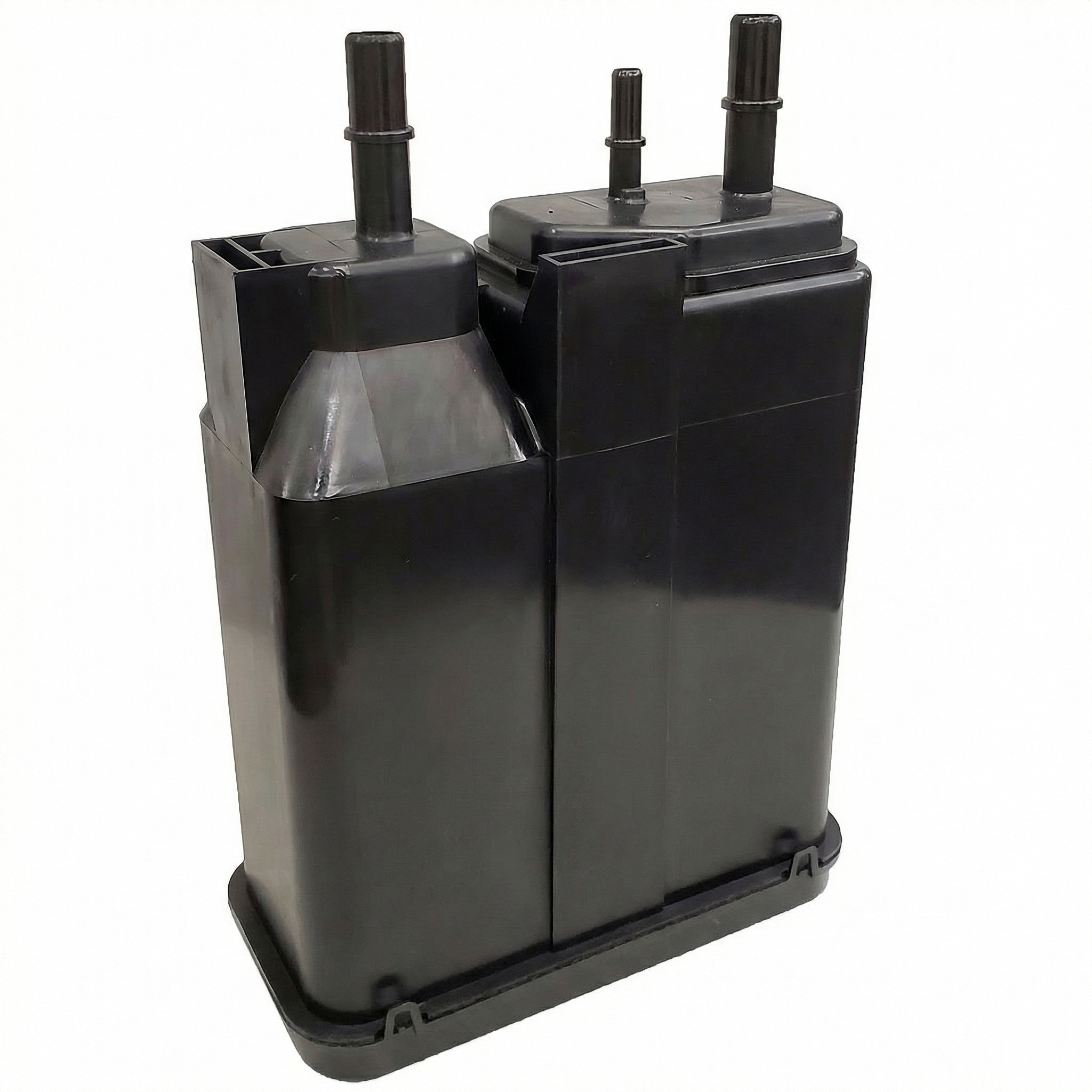
- Cracked Charcoal Canister: → Shop Vapor Canister The canister itself (OEM Part No. L3P5-13-970) can develop a hairline crack from road debris or age, causing a leak. This is often found only with a smoke test after all other components have been checked. This part is shared with the 2006-2015 Mazda5.
Diagnosis Steps
- Read the code with an OBD-II scanner to confirm P0442 is present.
- Inspect the gas cap. Remove it, check the seal for cracks, and retighten it until it clicks at least three times. Many owners recommend replacing it with a new OEM cap (Part No. FE02-42-250B) as the first step, as aftermarket caps can be unreliable.
- If the code returns, perform a thorough visual inspection of all accessible EVAP hoses in the engine bay and around the fuel tank area for obvious cracks, damage, or loose connections.
- Locate the purge valve solenoid in the engine bay. Listen for a clicking sound when the engine is running or use a scan tool to command it on and off. Check for related symptoms like difficult starts after refueling.
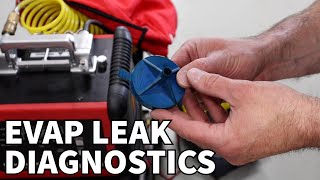
- If simpler checks do not reveal the issue, the most effective next step is a professional smoke test. This will pressurize the system with visible smoke, making even the smallest leaks 🎬 See how a smoke machine identifies hidden EVAP leaks. in hoses, valves, or seals easy to spot.
- Based on the smoke test results, replace the identified leaking component, whether it's a hose, valve, or the gas cap.
Parts You'll Likely Need
- Fuel Tank Cap
(OEM #FE02-42-250B)— This is the most frequent cause of a P0442 code due to the seal wearing out. It's the first, easiest, and cheapest part to replace. Using a genuine OEM part is highly recommended by owners to guarantee a proper seal.
Trusted brands: Mazda (OEM), Gates, Stant
OEM price range: $30-$50
Aftermarket price range: $15-$25 - Vapor Canister Purge Valve Solenoid
(OEM #LFG1-18-741B (2006-2008 NC1))— This valve is a common failure point that gets stuck or develops an internal leak, triggering the P0442 code and sometimes causing hard starts after refueling. Note: 2009-2010 (NC2) models use a different part number (L518-18-741).
Trusted brands: Mazda (OEM), Dorman, Standard Motor Products
OEM price range: $100-$130
Aftermarket price range: $50-$80
Related Codes That Often Appear With This One
- P0455 — Indicates a large EVAP leak. Seeing it with P0442 can mean an intermittent or borderline leak that the system struggles to classify. A failing purge valve is a common cause for this code.
- P0456 — Indicates a very small EVAP leak. This is very similar to P0442 and points to the same set of potential causes, just a smaller leak size.
- P0441 — Indicates incorrect purge flow. This often points more directly to a faulty purge valve or vent solenoid rather than a simple physical leak.
Technical Service Bulletins (TSBs) & Recalls
- Bulletin #01-002-18-3417: Mentions that vehicles may illuminate the check engine light with P0442, P0441, P0455, or P0456 and provides a procedure to determine the location of the evaporative system leak. [⭐ MANUFACTURER TSB — highest authority]
Platform-Specific Known Issues
- Purge Valve Part Number Varies by Model Year: → Shop Vapor Canister The NC generation MX-5 has two sub-generations with different purge valve solenoids. The 2006-2008 (NC1) models use OEM part number LFG1-18-741B. The 2009-2010 (NC2) models use a different part, L518-18-741. It is crucial to verify the correct part for your specific model year before purchasing.
Mechanic-Grade Diagnostic Values
- Canister Vent Solenoid Coil Resistance — expected: 20 to 30 Ohms. Failure: A reading outside this range, especially an open circuit (infinite resistance), indicates a failed solenoid winding.
- Purge Solenoid Control Wire Voltage (Key On, Engine Off) — expected: Battery Voltage (approx. 12V). Failure: A reading of 0V indicates a problem, most likely an open circuit within the solenoid's coil.
Scan Tool Commands That Help
- Mazda IDS / M-MDS or equivalent professional scanner: EVAP System Leak Test / Activation Test — This function is used to command the canister vent valve closed, sealing the EVAP system. This is a required step before performing a smoke test to ensure the system is not open to the atmosphere.
- Mazda IDS / M-MDS or equivalent professional scanner: Purge Solenoid Valve (PSV) Activation — This command toggles the purge valve on and off, allowing a technician to listen for the valve's clicking sound to confirm mechanical operation and test its sealing ability when commanded closed.
Wiring & Ground Locations
- Purge Solenoid Valve — Located on the left (driver's) side of the engine compartment, near the oil dipstick.. This is a primary component for the P0442 code. Knowing its exact location is crucial for inspection, testing, and replacement.
- G1 (Ground Point) — Located on the left rear corner of the engine compartment.. A poor ground at this location could cause erratic behavior or failure of components in the EVAP system, such as the purge solenoid, leading to fault codes.
- Purge Solenoid Connector — The electrical connector on the purge solenoid valve itself.. Corrosion or damage to this connector or its wiring can interrupt the signal from the ECU, causing a failure in the purge valve circuit and triggering EVAP codes.
Real Owner Repair Stories
- YouTube - Auto Etcetera (2006 Mazda Miata (NC1)) — Check Engine Light with codes P0455 (large leak) & P2187 (lean idle), and difficulty starting after refueling.
❌ Tried (didn't work) The owner notes that using non-OEM parts can be problematic, implying an initial attempt may have been with an aftermarket part.
✅ What actually fixed it Replacing the vapor canister purge valve solenoid with a genuine OEM Mazda part (LFG1-18-741B) resolved all symptoms and codes. - YouTube - Kevin Bergeron (Mazda 5 (shares EVAP components with MX-5)) — Check Engine Light with code P0442.
❌ Tried (didn't work) Visually inspecting and testing the purge valve solenoid in the engine bay, which was found to be working correctly.
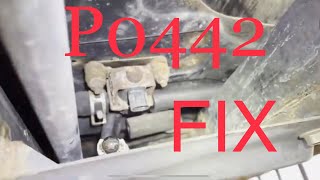
✅ What actually fixed it Replacing the canister vent solenoid (fuel tank vent valve) located at the rear of the car. The owner suspected the original was damaged by overfilling the fuel tank, causing fuel to enter the valve and ruin the internal seal.
"I Checked Everything" — The Actual Cause
- In some cases, a smoke test may not reveal any external leaks from hoses or the canister, yet the P0442 code persists. This can happen if the purge valve solenoid is leaking internally or not sealing correctly when closed. The valve itself is the leak path, allowing vapor to pass into the intake manifold when it shouldn't, which a standard smoke test of the lines might not detect.
OEM Part Supersession History
LFG1-18-741, LFG1-18-741A→LFG1-18-741B— Revision of the purge valve solenoid for 2006-2008 (NC1) models.
Heads up: This part is not compatible with 2009-2010 (NC2) models.N/A→L518-18-741— New part for the 2009 (NC2) facelift.
Heads up: This part is not compatible with 2006-2008 (NC1) models.FEY2-42-250→FE02-42-250B— Revision of the OEM fuel tank cap.
Model Year Variations Within This Range
- 2006-2008 (NC1): Uses vapor canister purge solenoid part number LFG1-18-741B. The electrical connector is also specific to this part.
- 2009-2010 (NC2): Following the 2009 facelift, uses a different vapor canister purge solenoid, part number L518-18-741.
Helpful Videos
Used OEM Parts in Stock
New Aftermarket Parts Available


The information in this article is provided for general reference and educational purposes only. Vehicle specifications, procedures, and part compatibility can vary by production date, trim level, and region. Always consult your vehicle's factory service manual and verify part numbers before purchasing or performing repairs. Safety-critical components such as airbags, seat belts, and braking systems should be installed by a qualified professional.
- Mazda MX-5:
- 🧭 Diagnostic Flowchart
- 🎬 Helpful Videos
- 🛍️ Shop This Part
- What's Unique About the 2006-2010 Mazda MX-5
- Symptoms You May Notice
- Most Likely Causes
- Rare But Worth Checking
- Diagnosis Steps
- Parts You'll Likely Need
- Related Codes That Often Appear With This One
- Technical Service Bulletins (TSBs) & Recalls
- Platform-Specific Known Issues
- Mechanic-Grade Diagnostic Values
- Scan Tool Commands That Help
- Wiring & Ground Locations
- Real Owner Repair Stories
- "I Checked Everything" — The Actual Cause
- OEM Part Supersession History
- Model Year Variations Within This Range
- 🎟️ Get 5% Off