

P0442 on 2011-2015 Mazda MX-5: EVAP Small Leak Causes and Fixes
For a 2011-2015 Mazda MX-5, code P0442 almost always points to a loose or faulty gas cap. Before buying any parts, tighten the cap until it clicks, clear the code, and drive for a few days. If it returns, a new OEM gas cap is the next logical and affordable step. If that doesn't work, the canister vent solenoid above the rear differential is the next most likely culprit.
- P0442 means your MX-5 has a small leak in the emissions system, which won't affect driving but will cause a failed emissions test.
- Always start with the simplest fix: check that your gas cap is tight and the seal is not cracked. This resolves the issue most of the time.
- If a new gas cap doesn't fix it, the next most likely culprit on an NC Miata is the canister vent solenoid located at the rear of the car.
- A smoke test is the most reliable way to find the exact source of the leak without guessing and replacing unnecessary parts.
What's Unique About the 2011-2015 Mazda MX-5
The 2011-2015 MX-5 (NC generation) has a fairly standard EVAP system. However, like many cars, its components are exposed to the elements. The canister vent solenoid, located under the car 'barely starboard and directly over the rear diff', is particularly susceptible to road grime and moisture, which can lead to failure. While the gas cap is the most frequent culprit, owners on forums often point to this vent solenoid as the next most likely part to fail after the cap has been ruled out.
Diagnostic Flowchart
Tap your situation to follow the diagnostic path that matches what you're seeing on this vehicle.
Symptoms You May Notice
- Check Engine Light is on.
- A faint fuel smell may be noticeable, especially around the rear of the car.
- A long crank time or difficulty starting immediately after refueling can be a strong indicator of a faulty (stuck open) purge solenoid valve in the engine bay.
- In rare cases, difficulty refueling where the pump clicks off repeatedly can be a symptom if the canister or vent is clogged.
- Replacing the purge valve in the engine bay when the more common failure is the gas cap or the rear-mounted vent solenoid.
- Replacing parts without confirming the leak location with a smoke test, leading to unnecessary expense.
Most Likely Causes
- Loose or Worn Gas Cap 🔴 High Probability → Shop Fuel Tank Cap This is the most common cause for P0442 on virtually all vehicles. The rubber O-ring seal on the cap can crack, harden, or get dirty over time, preventing a proper seal.
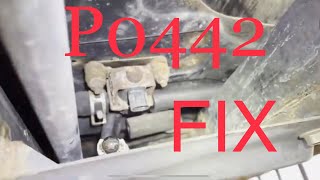
How to confirm: First, ensure the cap is tightened until it clicks several times. If the code returns, remove the cap and visually inspect the rubber gasket for any cracks, stiffness, or debris. Also, check the rim of the fuel filler neck for rust or dirt that could prevent a seal and clean it with a wire brush if necessary. A new OEM cap resolved the issue for many owners. 🎬 See how to diagnose and fix a P0442 code on a Mazda.
Typical fix: Tighten the cap correctly. If that fails, replace the gas cap with a new OEM part (Part No. DR61-42-250B).
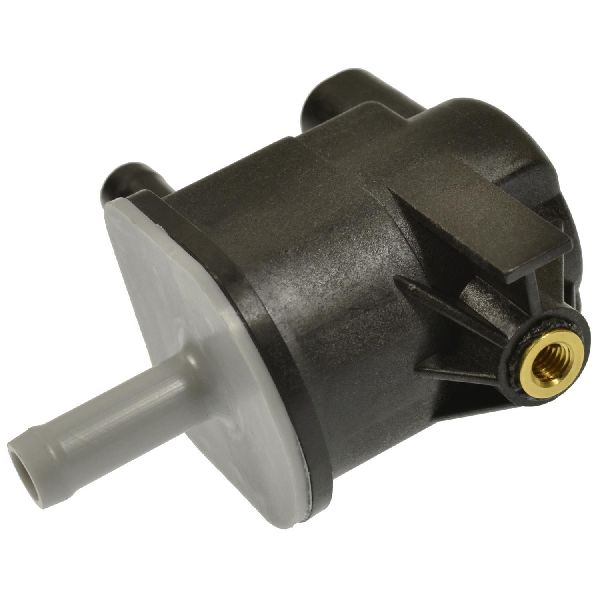
Est. part cost: $25-$50 - Faulty Canister Vent Solenoid (Vent Valve) 🟡 Medium Probability → Shop Vapor Canister This valve is located under the car directly above the rear differential, making it vulnerable to dirt, water, and corrosion which can cause it to stick open or fail to seal properly. Owners of related Mazda platforms have fixed P0442 by replacing this part.
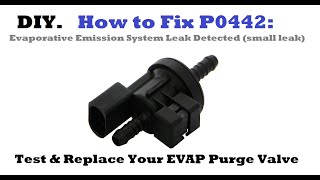
How to confirm: The valve is normally open and closes when 12V is applied. It can be removed and bench-tested by trying to blow through it; with no power, air should pass freely. When 12V from the car battery is applied to its terminals, it should click closed and block all airflow. If air still passes when energized, it's faulty. A smoke test is also an effective way to confirm it's leaking.
Typical fix: Replace the canister vent solenoid. Owners of similar Mazdas have used Dorman 911-711.
Est. part cost: $40-$80 - Faulty Purge Solenoid Valve ⚪ Low Probability → Shop Vapor Canister This valve is located in the engine bay on the driver's side, near the oil dipstick. It can fail by getting stuck slightly open, creating a small leak path to the engine intake.
How to confirm: The valve is normally closed. A key symptom is a long crank or rough idle right after filling the gas tank. To test, disconnect the valve and try to blow through it. If any air passes, it is faulty. You can also feel for vacuum at its port while the engine is running; if suction is present at idle, it's stuck open.
Typical fix: Replace the purge solenoid valve. The OEM part number is LFG1-18-741B. 🎬 Watch: Step-by-step guide to replacing the purge valve solenoid.
Est. part cost: $50-$80 - Cracked or Disconnected EVAP Hoses ⚪ Low Probability Rubber and plastic hoses become brittle with age and heat cycles. A small crack can develop anywhere in the network of hoses running from the fuel tank to the engine bay.
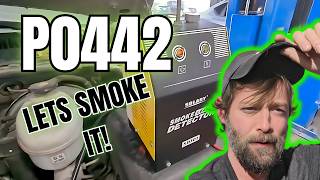
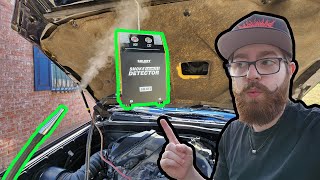
How to confirm: A thorough visual inspection of all accessible EVAP lines is the first step. The most definitive method is to have a professional perform a smoke test, which forces smoke into the EVAP system and makes even the smallest leaks visible. 🎬 Watch: How to perform a smoke test to find hidden leaks.
Typical fix: Replace the cracked section of hose or reconnect a loose fitting.
Est. part cost: $5-$30
Rare But Worth Checking
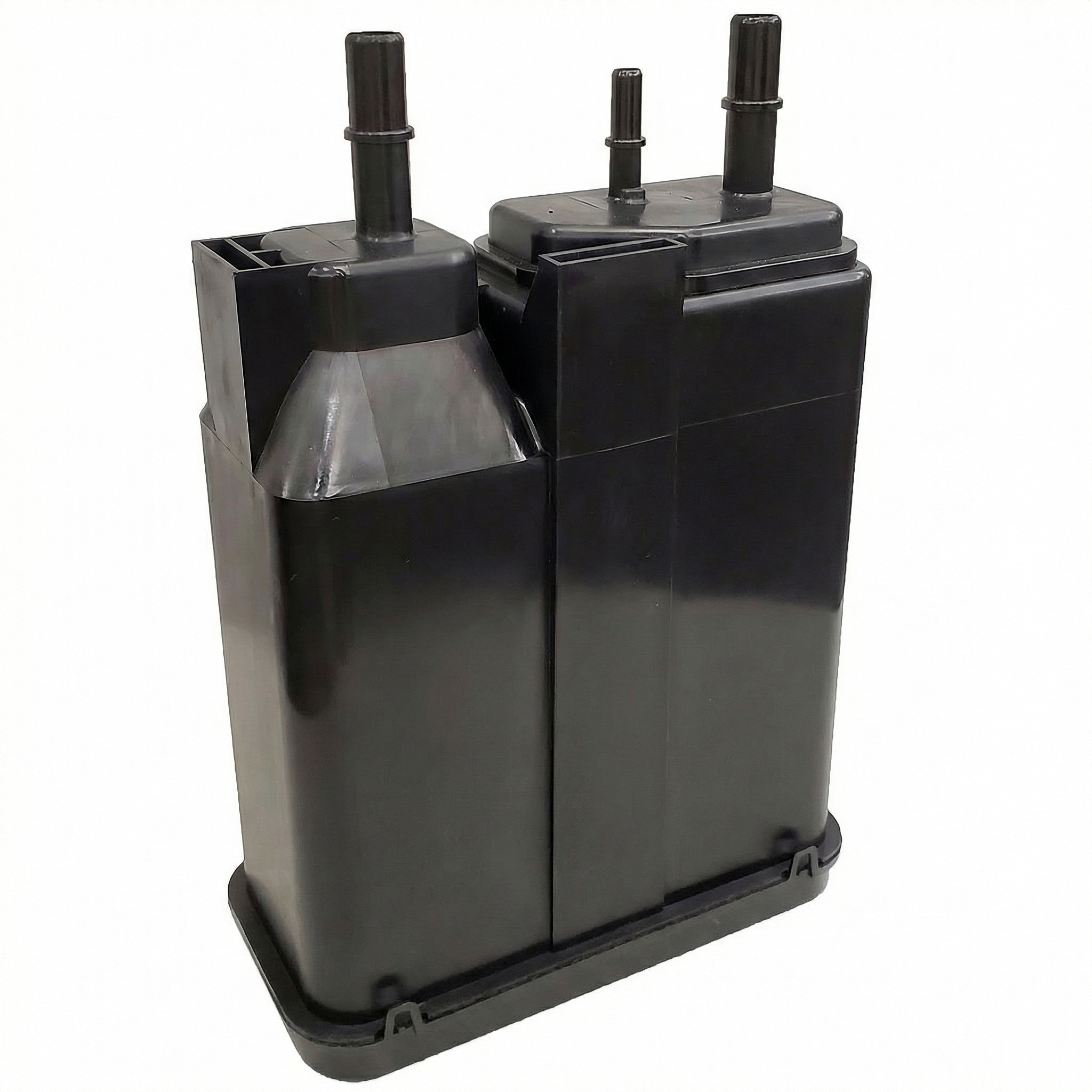
- Cracked Charcoal Canister: → Shop Vapor Canister The plastic housing of the charcoal canister can develop hairline cracks from age or impact from road debris. This is usually found only with a smoke test after all other components have been checked.
- Leaking Fuel Filler Neck: → Shop Fuel Filler Neck Rust and corrosion around the metal fuel filler neck can create a small hole or prevent the gas cap from sealing correctly. This is more common in regions that use road salt. The surface should be cleaned thoroughly when inspecting the gas cap.
- Rodent Damage: Mice and other rodents have been known to build nests in wheel wells or engine bays and chew through plastic EVAP lines, causing leaks.
Diagnosis Steps
- Read the code with an OBD-II scanner to confirm P0442 is the primary code.
- Check the gas cap. Remove it, inspect the seal for damage, and clean the sealing surfaces on both the cap and the fuel filler neck. Reinstall it and tighten until it clicks at least three times.
- Clear the code with the scanner and drive the vehicle for a few days to allow the EVAP system's self-test cycle to complete.
- If the code returns, perform a careful visual inspection of all visible EVAP hoses in the engine bay and under the car, leading to the charcoal canister.
- If no obvious cracks are found, test the purge and vent solenoids. The purge valve (engine bay) should be closed with no power. The vent valve (rear) should be open with no power and closed when 12V is applied.
- If individual component tests are inconclusive, a smoke test is the most effective way to find the source of a small leak. Introduce smoke into the EVAP test port and look for smoke escaping from the gas cap, purge valve, vent solenoid, or any hoses/connections.
- Based on where the smoke escapes or which component fails its bench test, replace the faulty part.
Parts You'll Likely Need
- Fuel Filler Cap
(OEM #DR61-42-250B)— This is the most frequent cause of a P0442 code due to the seal wearing out over time.
Trusted brands: Mazda OE
OEM price range: $35-$50
Aftermarket price range: $15-$25 - Canister Vent Solenoid — Its location under the car makes it prone to failure from dirt and moisture. It's a common failure point after the gas cap is ruled out.
Trusted brands: Dorman (911-711), Standard Motor Products (CP773)
OEM price range: $70-$100
Aftermarket price range: $40-$70 - Purge Solenoid Valve
(OEM #LFG1-18-741B)— Less common to fail than the vent solenoid or gas cap, but it can get stuck open and cause a small leak, often identified by hard starting after refueling.
Trusted brands: Mazda OE, TRQ, Beck Arnley
OEM price range: $60-$90
Aftermarket price range: $30-$60
Related Codes That Often Appear With This One
- P0455 — Indicates a large EVAP leak. If both are present, it could mean an intermittent major failure (like a very loose gas cap) or multiple leak points.
- P0456 — Indicates a very small EVAP leak. This code often points to the same components as P0442, but the leak is smaller and can be harder to find.
Technical Service Bulletins (TSBs) & Recalls
- 01-002-18-3417: A general service bulletin for multiple Mazda models that lists DTCs P0441, P0442, P0455, and P0456. It provides a generic repair procedure to determine the location of an evaporative system leak, typically involving a smoke test.
Platform-Specific Known Issues
- The manufacturer issued a Technical Service Bulletin (TSB #01-002-18-3417) that includes P0442 and outlines a general diagnostic procedure for finding EVAP system leaks, confirming this is a known issue. This TSB is not for a specific faulty part, but rather a guide for technicians to perform a leak test.
- A common owner experience shared on forums is replacing the gas cap, only for the code to return a few days later. This almost always leads to the recommendation of a smoke test to find the true culprit, which is frequently the canister vent solenoid or purge valve.
Mechanic-Grade Diagnostic Values
- EVAP Canister Vent Solenoid Resistance — expected: 48 - 65 Ohms. Failure: A reading outside this range, or an open/short circuit, indicates a faulty solenoid coil.
- EVAP Canister Purge Valve Resistance — expected: 30 - 38 Ohms. Failure: A reading significantly outside this range suggests a problem with the valve's internal coil.
- Fuel Tank Pressure (FTP) Sensor Voltage (KOEO) — expected: ~2.6 - 2.65 Volts. Failure: A voltage that is stuck high or low, or does not change when pressure changes (e.g., removing gas cap), indicates a faulty sensor.
Hidden / Shadow Codes Worth Checking
- P0442:00: This is the Mazda-specific format for the P0442 code. The ':00' suffix is used by the Mazda M-MDS diagnostic system and indicates the specific subtype of the fault. (see via Mazda M-MDS (dealer-level software) or equivalent high-end scan tool.)
Scan Tool Commands That Help
- Mazda IDS / Advanced OBD2 Scanner: EVAP System Test — This is an automated test that commands the solenoids and monitors the fuel tank pressure sensor to verify system integrity without needing a smoke machine.
- Mazda IDS / Advanced OBD2 Scanner: Canister Vent (CV) Solenoid - ON/OFF — The vent valve is normally open. This command forces it closed, sealing the EVAP system. This is a required step before performing a smoke test to ensure the smoke doesn't just exit through the vent.
- Mazda IDS / Advanced OBD2 Scanner: Purge Solenoid Valve (VMV) - ON/OFF or Duty Cycle % — Allows a technician to manually open the purge valve while the engine is running to see if it affects engine idle or fuel trims, confirming if the valve is physically stuck or functioning correctly.
Wiring & Ground Locations
- Purge Solenoid Valve — Located on the left side of the engine compartment, near the oil dipstick.. This is a key electrical component of the EVAP system. A bad connection or damaged wiring here can cause a P0442 or related codes.
- G1 — A chassis ground point located at the left rear corner of the engine compartment.. A corroded or loose ground at this location could potentially affect various engine-bay-mounted sensors and solenoids, including the purge solenoid.
- G7 — A chassis ground point located at the center rear of the engine compartment.. Poor grounding here can cause erratic behavior in engine management components. It should be checked for corrosion and tightness during diagnosis.
Real Owner Repair Stories
- Reddit user 'thecatwasnot' on r/mazdaspeed3 (Mazdaspeed3 (similar EVAP system) with 140k miles) — Persistent P0442 code with no other noticeable symptoms. The car was also running lean (high positive long-term fuel trims).
❌ Tried (didn't work) Smoke tested at least twice (no leaks found), Replaced filler neck, Replaced charcoal canister, Replaced EVAP vent valve, Possibly replaced purge valve
✅ What actually fixed it The P0442 code disappeared after performing an intake valve cleaning, which involved removing the intake manifold and replacing the intake manifold gasket, throttle body gasket, and fuel injector seals. The actual cause was a small vacuum leak at the intake manifold.
"I Checked Everything" — The Actual Cause
- In one documented case on a similar Mazda platform, a persistent P0442 code that passed multiple smoke tests was ultimately resolved by replacing the intake manifold and throttle body gaskets. The root cause was a small, unmetered air (vacuum) leak at the intake manifold, which can confuse the PCM's pressure-based EVAP leak test, leading it to falsely flag an EVAP system fault. This type of leak is often missed because a standard EVAP smoke test pressurizes the system from the fuel tank forward and may not adequately test the intake manifold sealing surfaces.
When the Usual Fixes Don't Work
- While the vast majority of P0442 codes are caused by simple EVAP components like the gas cap or vent solenoid, there are cases where these fixes do not work. In one instance, an owner replaced nearly every common EVAP part (canister, vent valve, filler neck) and performed multiple smoke tests with no success. The final fix was replacing the intake manifold gaskets during an unrelated service. This indicates that in rare situations, the P0442 code can be triggered by a vacuum leak outside the traditional EVAP system boundaries, which the PCM misinterprets as an EVAP leak.
OEM Part Supersession History
DR61-42-250, DR61-42-250A→DR61-42-250B— Standard part revision and improvement by the manufacturer.LFG1-18-741, LFG1-18-741A→LFG1-18-741B— Standard part revision and improvement by the manufacturer.
Helpful Videos
Used OEM Parts in Stock
New Aftermarket Parts Available


The information in this article is provided for general reference and educational purposes only. Vehicle specifications, procedures, and part compatibility can vary by production date, trim level, and region. Always consult your vehicle's factory service manual and verify part numbers before purchasing or performing repairs. Safety-critical components such as airbags, seat belts, and braking systems should be installed by a qualified professional.
- Mazda MX-5:
- 🧭 Diagnostic Flowchart
- 🎬 Helpful Videos
- 🛍️ Shop This Part
- What's Unique About the 2011-2015 Mazda MX-5
- Symptoms You May Notice
- Most Likely Causes
- Rare But Worth Checking
- Diagnosis Steps
- Parts You'll Likely Need
- Related Codes That Often Appear With This One
- Technical Service Bulletins (TSBs) & Recalls
- Platform-Specific Known Issues
- Mechanic-Grade Diagnostic Values
- Hidden / Shadow Codes Worth Checking
- Scan Tool Commands That Help
- Wiring & Ground Locations
- Real Owner Repair Stories
- "I Checked Everything" — The Actual Cause
- When the Usual Fixes Don't Work
- OEM Part Supersession History
- 🎟️ Get 5% Off