

P0442 on 2015-2022 Nissan Altima: EVAP Small Leak Causes and Fixes
On a 2015-2022 Nissan Altima, the P0442 code is most often caused by a loose or worn-out gas cap. Before buying any parts, tighten your gas cap until it clicks and inspect its seal. If that doesn't work, a new genuine OEM gas cap (part numbers like 17251-4B001 or 17251-9N00A, depending on the year) costs about $25-$40 and is the next logical step.
- P0442 means your Altima has a small leak in the emissions system.
- Always check your gas cap first. Make sure it's tight and the seal is in good condition. This fixes the problem most of the time.
- If you need a new gas cap, buy a genuine Nissan part to avoid further issues.
- If the gas cap isn't the problem, the next most likely culprit is the EVAP canister vent control valve.
- The car is safe to drive with this code, but you won't pass an emissions test until it's fixed.
What's Unique About the 2015-2022 Nissan ALTIMA
For modern Nissans, including the Altima, the manufacturer has issued multiple Technical Service Bulletins (TSBs) for EVAP leak codes like P0442, P0455, and P0456. These bulletins guide technicians to follow a specific diagnostic flow, emphasizing that a loose fuel filler cap is a very common trigger and should be checked first. The EVAP Canister Vent Control Valve is a known failure point on many Nissan models, often getting stuck open due to dirt or internal failure, which the system's self-test interprets as a leak.
Diagnostic Flowchart
Tap your situation to follow the diagnostic path that matches what you're seeing on this vehicle.
Generation note: The 2015-2022 year range covers two Altima generations: the 5th Gen facelift (L33, 2016-2018) and the 6th Gen (L34, 2019-2022). The causes and diagnostic principles for P0442 are the same for both, but the physical location and part numbers for components like the vent and purge valves may differ slightly. The L33 platform is also shared with the Nissan Teana in some markets.
Symptoms You May Notice
- Check Engine Light is on.
- A faint fuel smell may be noticeable, but this is less common with a small leak compared to a large leak (P0455).
- A "Loose Fuel Cap" warning may appear on the dashboard, which is a direct indicator Nissan designed to address this common issue.
- Replacing the purge valve when the issue is the gas cap or vent valve. Always start with the simplest and most common cause.
- Replacing parts without confirming the leak location with a smoke test. This can lead to unnecessary expense and frustration.
Most Likely Causes
- Loose or Faulty Gas Cap 🔴 High Probability → Shop Fuel Tank Cap This is the most common cause across all vehicles, and Nissan TSBs specifically highlight it as the first item to check. The rubber O-ring on the cap can crack, harden, or get dirty over time, preventing a proper seal. Aftermarket caps are a frequent source of problems as they may not seal to OEM specifications.
How to confirm: Remove the cap, inspect the rubber seal for any cracks, stiffness, or debris. Clean the seal and the fuel filler neck. Reinstall the cap, ensuring you tighten it until it clicks at least once. Clear the code and drive for a few days to see if it returns. The system may need several drive cycles to re-test.
Typical fix: Replace the gas cap with a new, genuine OEM part. Aftermarket caps are known to cause sealing issues.
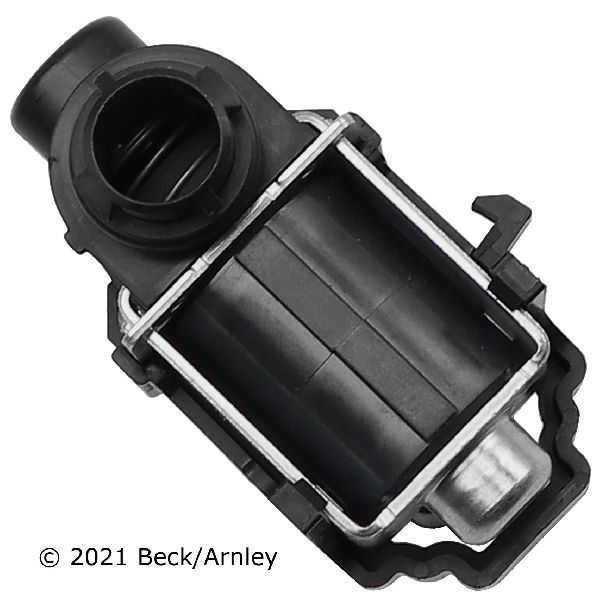
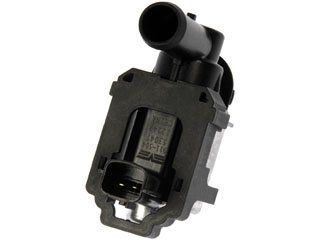
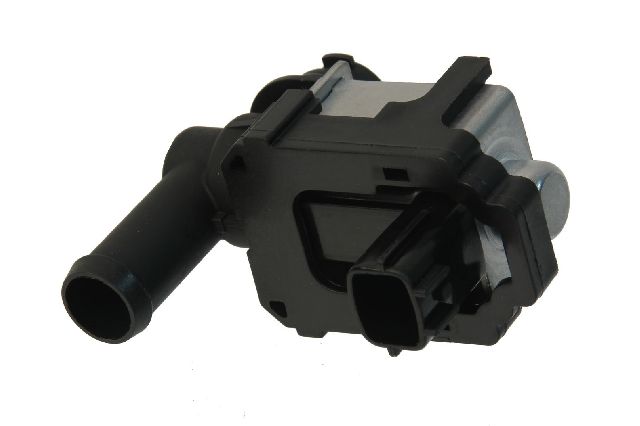
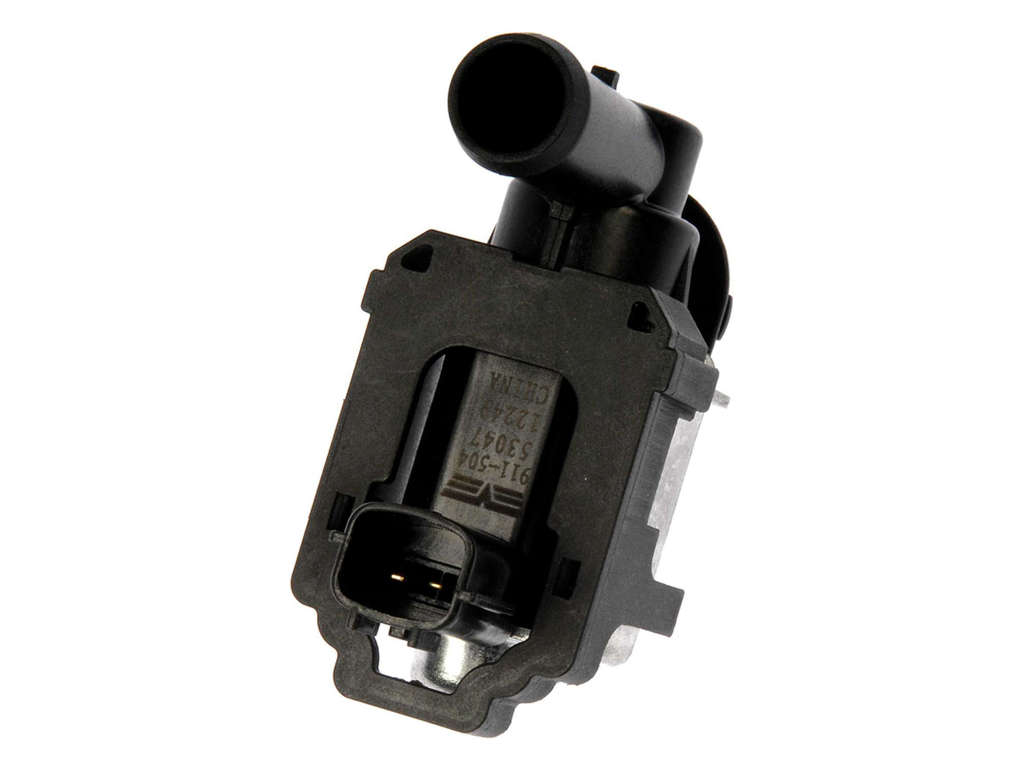
Est. part cost: $25-$40 - Failed EVAP Canister Vent Control Valve 🟡 Medium Probability → Shop Vapor Canister Vent Valve This valve is located near the charcoal canister at the rear of the car and is exposed to road debris and moisture. It can get stuck open or fail electrically, which the system detects as a leak during its self-test. It's a frequent failure point on Nissans, as documented in numerous DIY repair videos and forums.
How to confirm: A mechanic can command the valve to open and close with a bi-directional scan tool to test its function. A DIY method is to remove the valve (located near the rear driver's side wheel) and test it with a 12V power source to see if the solenoid clicks. The definitive diagnosis is a smoke test; if smoke is pumped into the system and it exits the vent valve (when it should be commanded closed), the valve is bad.
Typical fix: Replace the vent control valve. It is often located on or near the EVAP canister under the rear of the vehicle. This is a common DIY repair. 🎬 Watch this step-by-step guide to replacing the vent valve.
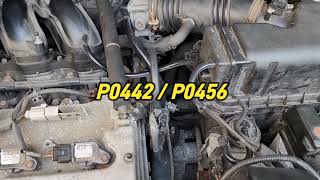
Est. part cost: $60-$90 - Cracked or Disconnected EVAP Hose ⚪ Low Probability Over time, the rubber and plastic hoses in the EVAP system can become brittle from heat and age, leading to small cracks, especially at connection points and bends. A YouTube video on a similar Nissan EVAP leak showed visible cracks in the small vacuum lines near the purge solenoid in the engine bay.
How to confirm: Visually inspect all accessible EVAP lines running from the gas tank to the engine bay. Squeezing or bending the hoses can reveal hidden cracks. A smoke test is the most effective way to find a small, hard-to-see crack.
Typical fix: Replace the cracked section of hose or the entire hose assembly. Silicone vacuum hoses can be a durable replacement for standard rubber.
Est. part cost: $10-$50 - Leaking EVAP Purge Valve/Solenoid ⚪ Low Probability → Shop Vapor Canister This valve is located in the engine bay and controls the flow of a fuel vapors to the engine. While it can fail, it's less common for it to cause a small leak code than the vent valve. A stuck-open purge valve can also cause other symptoms.
How to confirm: With the engine off, disconnect the hose from the valve that leads to the intake manifold and apply a vacuum with a hand pump; it should hold vacuum if it's working correctly. Alternatively, with the engine running and warmed up, disconnect the hose from the canister side and feel for vacuum; there should be a slight vacuum pulse if it's opening correctly. A stuck-open purge valve can also cause a rough idle or difficulty starting after refueling.
Typical fix: Replace the purge valve. This is typically an easy repair located in the engine bay. 🎬 See how to replace the purge solenoid on newer models.
Est. part cost: $40-$80
Rare But Worth Checking
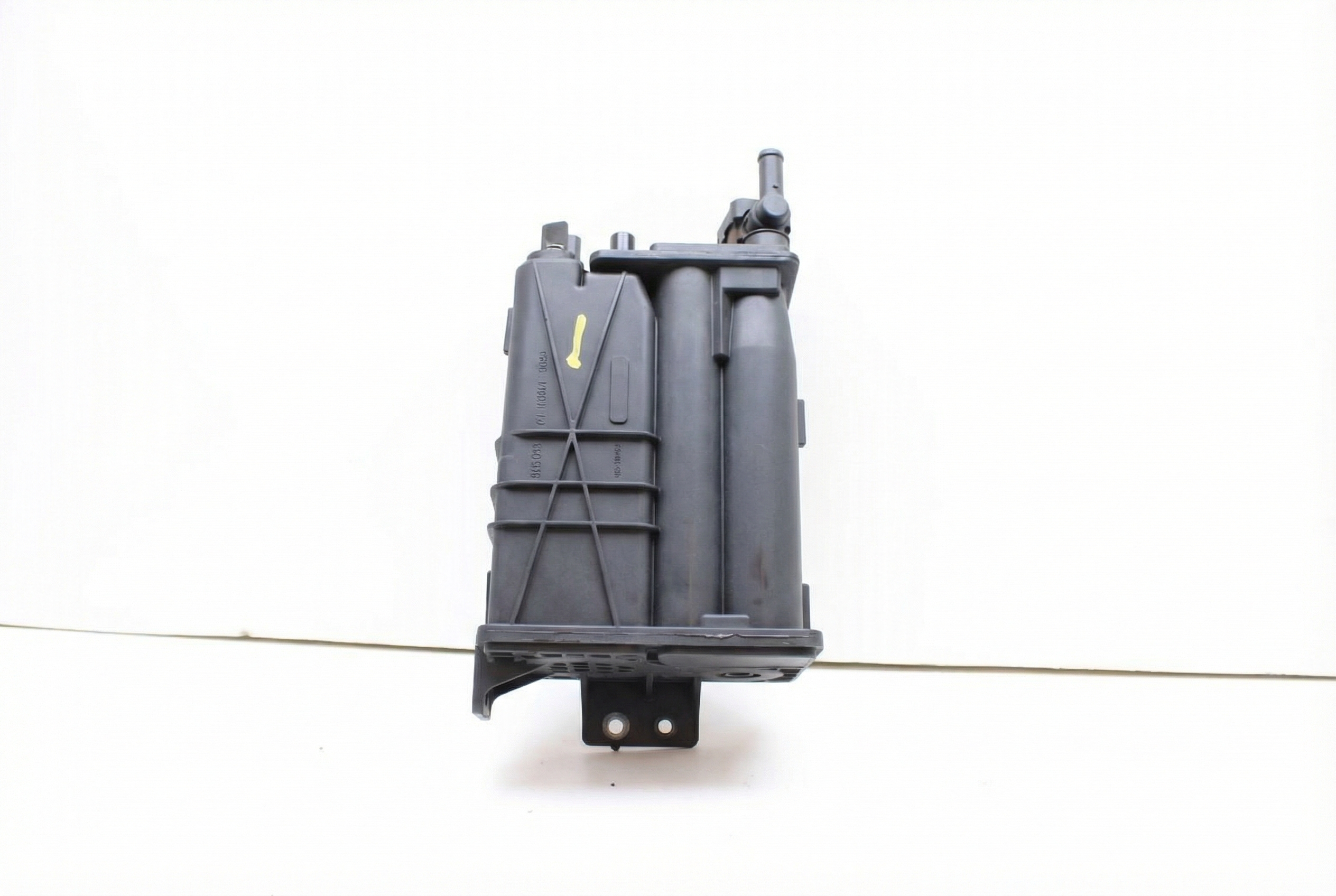
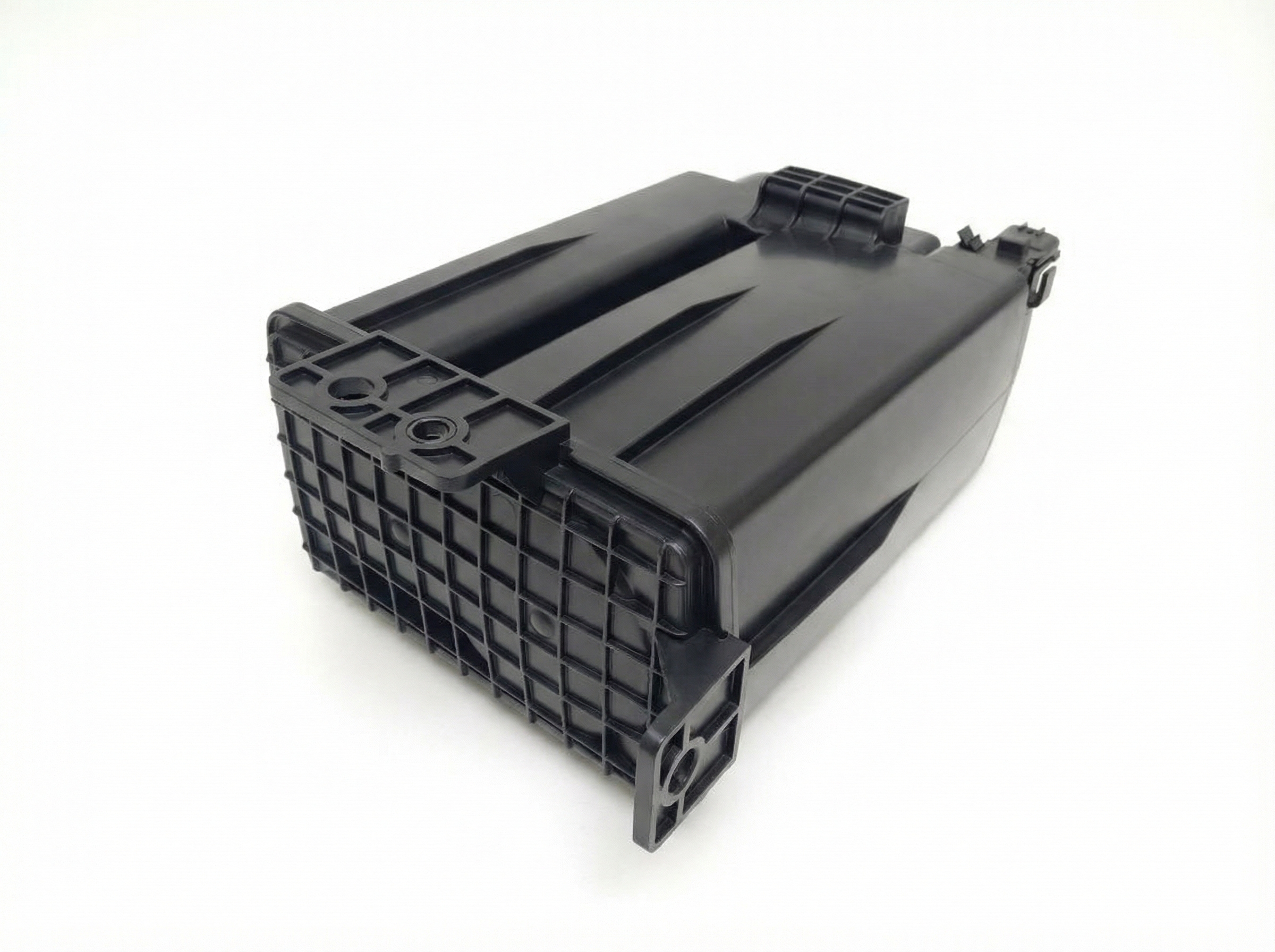
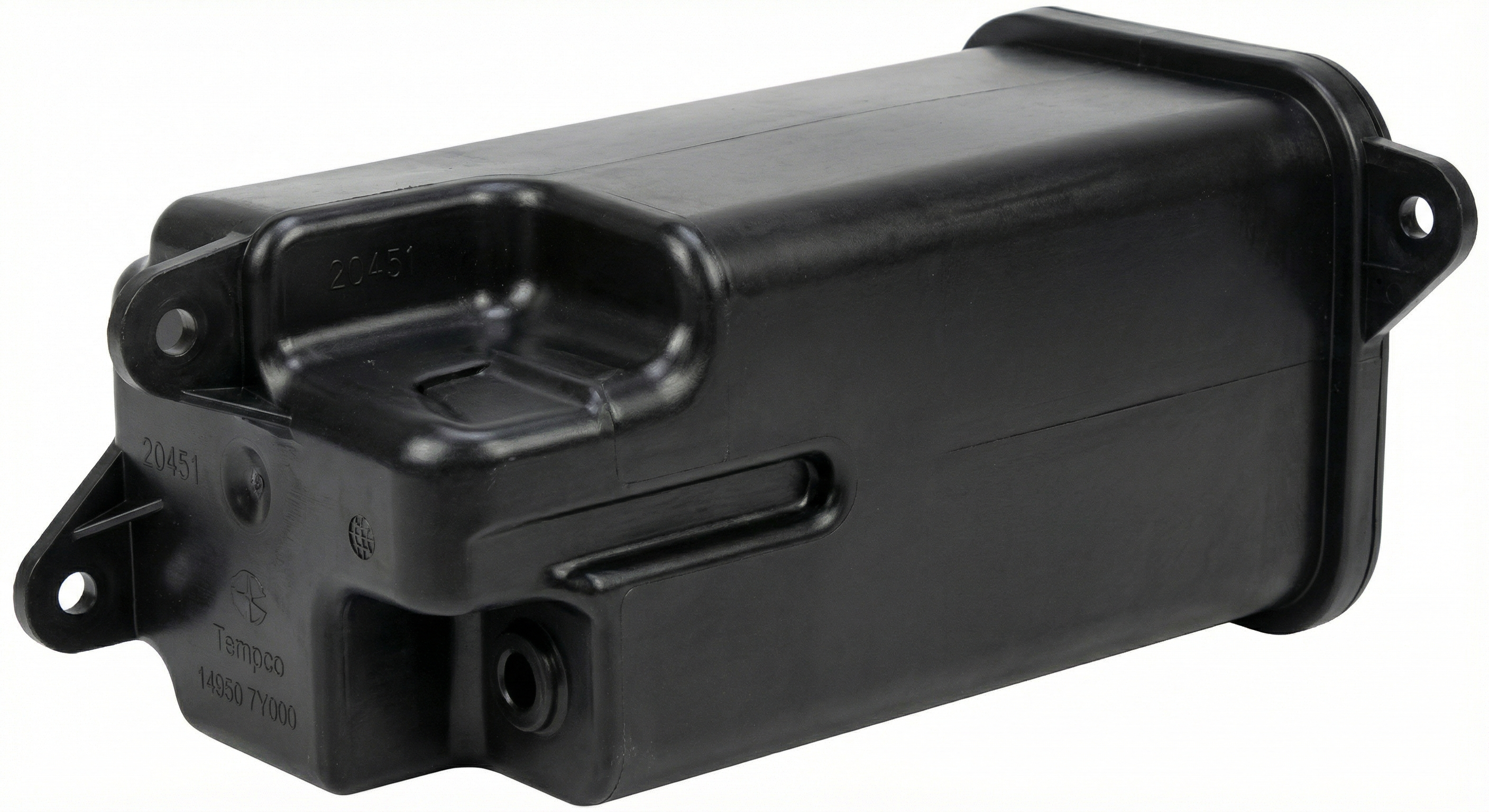
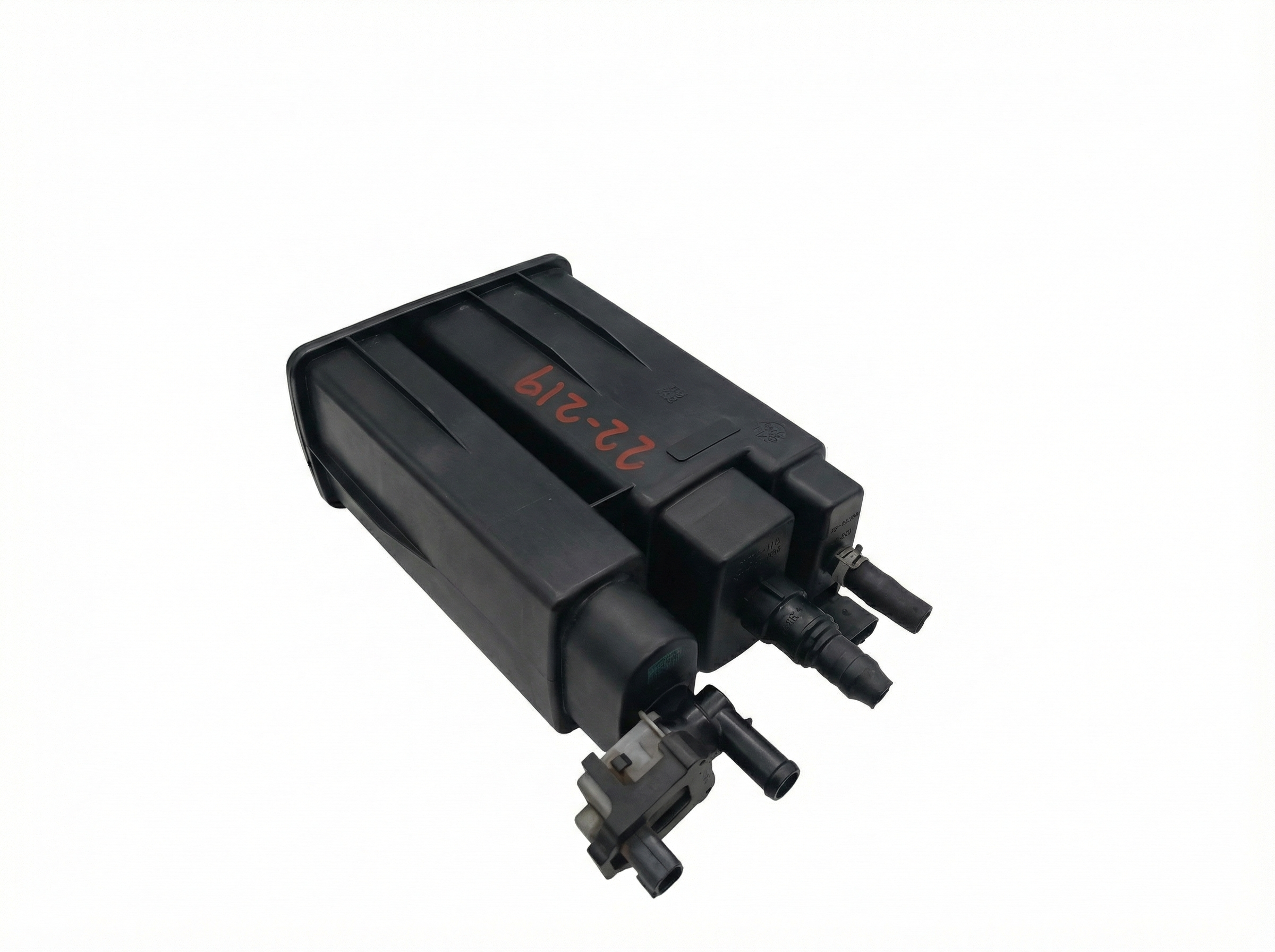
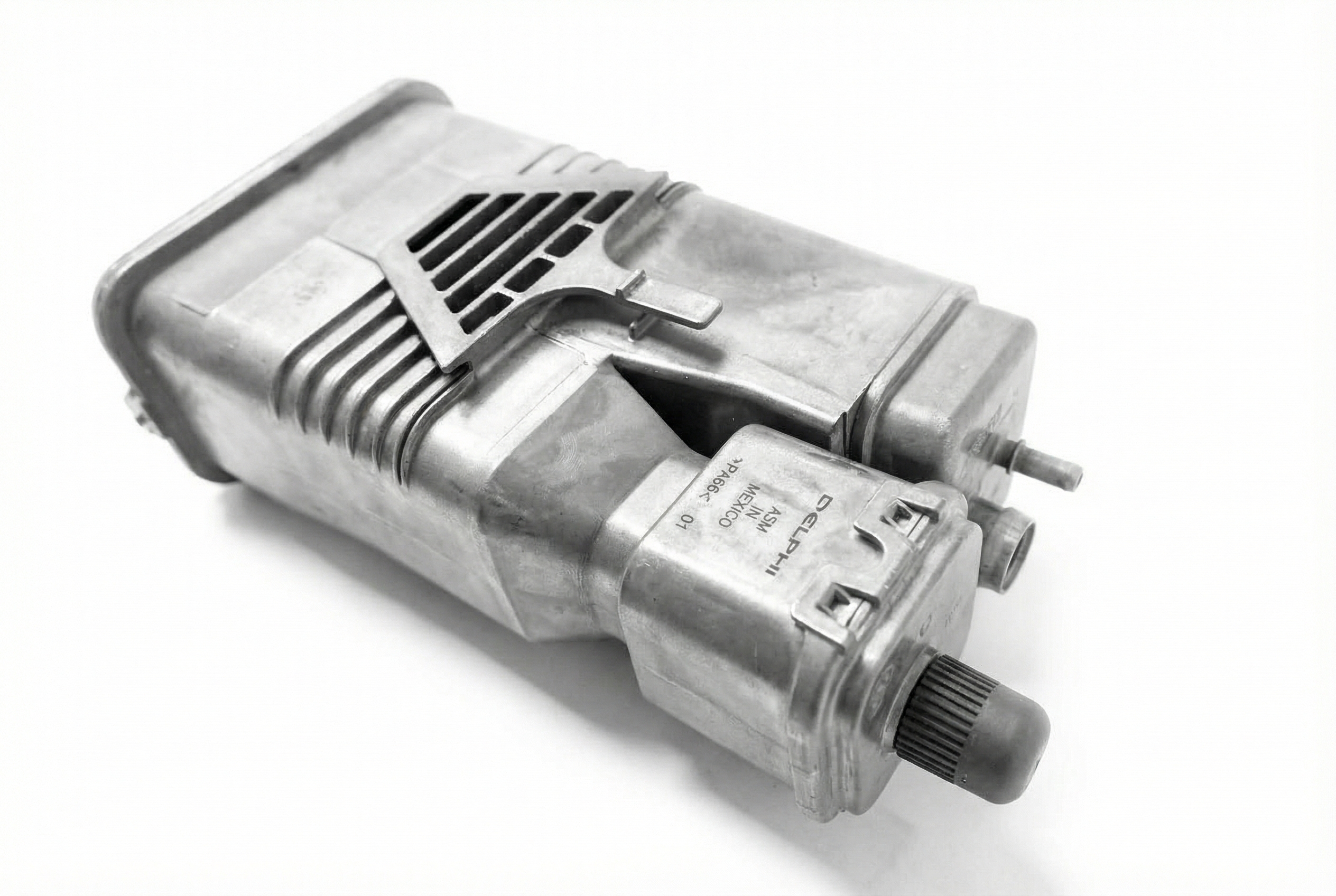
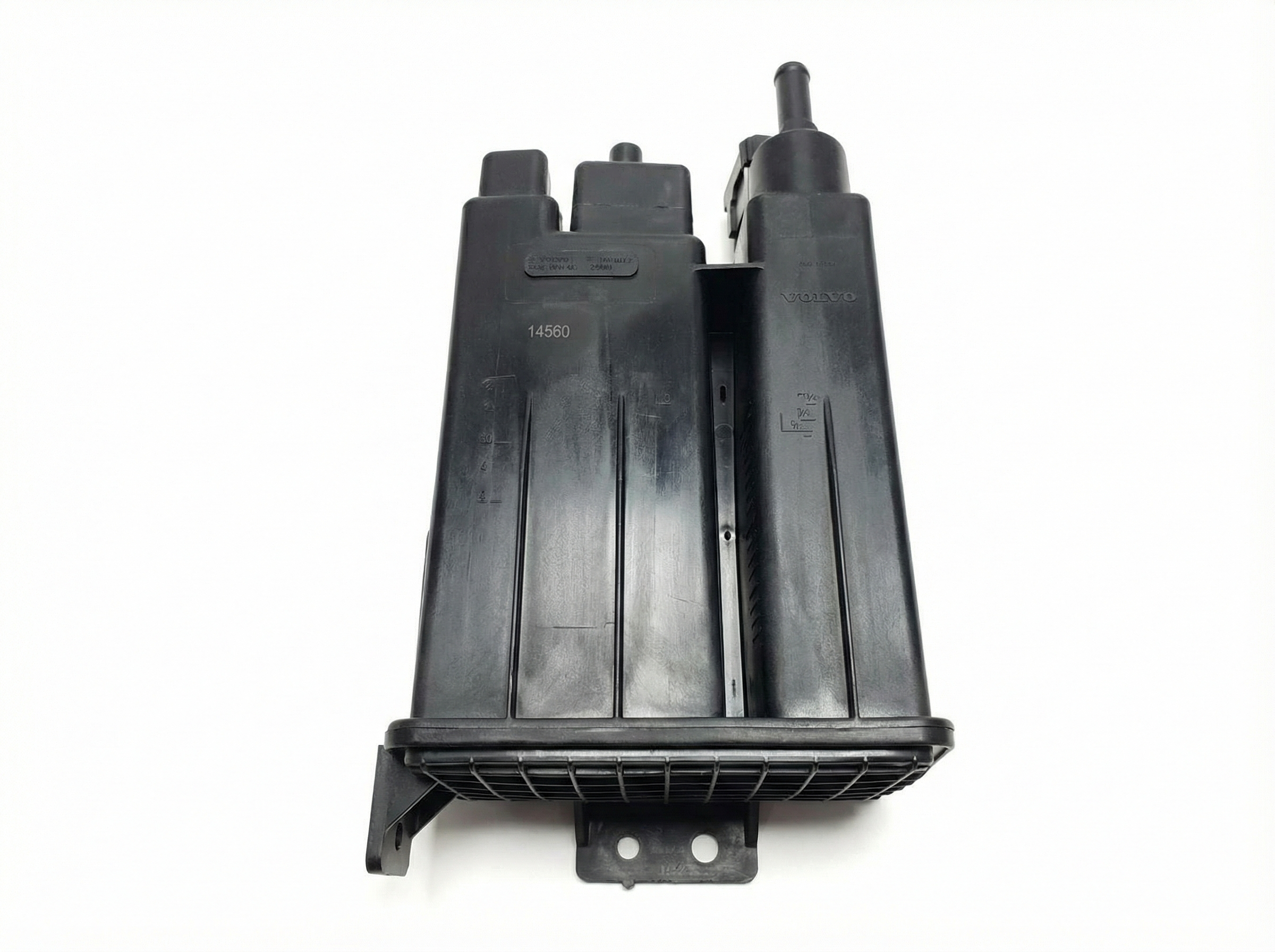
- Cracked Charcoal Canister: → Shop Vapor Canister The canister itself can develop a hairline crack from impact or age. Check for charcoal pellets in the EVAP lines, which is a sure sign the canister has failed internally and needs replacement.
- Rusted or Damaged Fuel Filler Neck: → Shop Fuel Filler Neck In areas with road salt, the metal lip where the gas cap seals can rust or get pitted, preventing a good seal even with a new cap. One forum user recommended cleaning the filler neck with light grit sandpaper or a wire brush to restore a smooth sealing surface.
- Faulty Fuel Tank Pressure (FTP) Sensor: → Shop Fuel Tank The FTP sensor is what the ECU uses to monitor the pressure in the EVAP system. If the sensor provides an incorrect reading, the computer may mistakenly believe there is a leak when there isn't one. This is less common than an actual leak.
Diagnosis Steps
- Read the code with an OBD-II scanner to confirm P0442 is present. Note any other codes, as they can help pinpoint the issue.
- Inspect the gas cap. Ensure it is tightened until it clicks. Remove it and check the rubber seal for cracks, dirt, or damage.
- Clean the fuel filler neck lip where the cap seals. Use a cloth and, if necessary, a wire brush or light sandpaper to remove any rust or debris that could prevent a seal.
- If the gas cap is old or damaged, replace it with a genuine Nissan part. Clear the codes and drive for a few days to see if the light returns.
- If the code comes back, perform a visual inspection of all visible EVAP hoses in the engine bay and under the car for obvious cracks or disconnections. Pay special attention to the small hoses connected to the purge valve in the engine bay.
- If no visual faults are found, the most reliable next step is to have a smoke test performed. This test fills the EVAP system with a harmless, visible smoke, making even the smallest leaks easy to spot. 🎬 Watch a pro find a small leak using a smoke test.
- During the smoke test, pay close attention to the vent valve (near the canister), the purge valve (in the engine bay), all hose connections, and the charcoal canister itself.
- A professional can use a scan tool to command the vent and purge valves to close during the smoke test, which helps isolate different parts of the system to pinpoint the leak. The vent valve is normally open and must be commanded closed to seal the system for the test.
Parts You'll Likely Need
- Fuel Filler Cap
(OEM #17251-4B001, 17251-9N00A (verify by VIN))— This is the most frequent cause of a P0442 code due to a worn seal or improper tightening. Using an OEM cap is highly recommended as aftermarket versions can have sealing problems.
Trusted brands: Nissan Genuine
OEM price range: $25-$40
Aftermarket price range: $10-$20 - EVAP Canister Vent Control Valve
(OEM #14935-JF02C (verify by VIN))— This valve is a common failure point on Nissans, often getting stuck or clogged, which the system interprets as a leak. It is located near the charcoal canister in the rear of the car. Note: Verify part number for your specific year and VIN.
Trusted brands: Nissan Genuine, Bosch, Hitachi
OEM price range: $60-$90
Aftermarket price range: $30-$60
Related Codes That Often Appear With This One
- P0456 — P0456 indicates a 'very small leak.' The same faulty component can trigger either P0442 or P0456 depending on the severity of the leak during the system's self-test. They often appear together.
- P0455 — P0455 indicates a 'gross leak.' If a component fails completely (e.g., a valve sticks wide open or a hose disconnects), it may present as a large leak instead of a small one. It's common to see all three codes mentioned in the same TSBs.
Technical Service Bulletins (TSBs) & Recalls
- NTB13-097J: 'EVAP LEAK DTC P0442, P0455, P0456 INFORMATION' - This bulletin, updated as recently as 2022, provides a specific diagnostic flowchart for these codes on 2012 and newer Nissan vehicles. It explicitly states that a test drive is not part of the diagnosis and will waste time, instead directing technicians to a step-by-step procedure starting with the fuel cap.
- NTB13-097g: 'ALL MODEL YEAR 2012 AND NEWER NISSAN VEHICLES; EVAP LEAK DTC P0442, P0455, P0456 INFORMATION' - An earlier revision from 2019 with similar guidance, confirming the long-standing diagnostic procedure.
- NTB09-020f: '2007-2011 EVAP LEAK DTC P0442, P0455, P0456 INFORMATION' - While for earlier models, this TSB shows that the diagnostic approach (checking gas cap first, then using smoke machine) has been Nissan's standard procedure for many years.
Platform-Specific Known Issues
- Owner Experience with P0442 and P0456: A user on Reddit with a 2010 Altima reported codes P0442 and P0456. After replacing the gas cap didn't solve the issue, another user suggested checking for rust on the fuel filler neck, a common issue in areas where roads are salted. The advice was to clean the neck with light grit sandpaper and apply a little lube to the gas cap seal to ensure a tight fit.
Mechanic-Grade Diagnostic Values
- EVAP Canister Purge Valve Solenoid Resistance — expected: Approximately 15 to 36 ohms, depending on temperature.. Failure: A reading of 0 ohms (short circuit) or infinite/OL (open circuit) indicates a failed solenoid coil.
- EVAP Purge Valve Power Supply Voltage — expected: Battery voltage (approx. 12V) at the connector with the key on.. Failure: Low or no voltage suggests a wiring issue, blown fuse, or problem with the power supply from the ECM/IPDM.
Scan Tool Commands That Help
- Nissan CONSULT (or advanced aftermarket scanner): EVAP System Leak Test — This is a guided diagnostic function that automatically closes the vent valve and monitors the fuel tank pressure sensor to confirm if a leak is present before performing a smoke test. It's the first step in the factory diagnostic procedure after a visual check.
- Nissan CONSULT (or advanced aftermarket scanner): Purge Volume Control Valve Test / Vent Control Valve Test — This bidirectional command allows a technician to manually open and close the purge and vent valves. It's used during a smoke test to isolate different parts of the EVAP system. For example, closing the vent valve seals the system, and if smoke still escapes from it, the valve is confirmed to be faulty.
Wiring & Ground Locations
- EVAP Purge Valve Connector — In the engine bay, typically mounted on or near the intake manifold. It has two hoses and one electrical connector.. A poor connection or damaged wiring at this connector can prevent the purge valve from operating correctly, potentially causing it to remain slightly open and trigger a P0442. Checking for power and ground here is a key diagnostic step.
- EVAP Vent Control Valve Connector — Under the rear of the vehicle, attached to the charcoal canister which is located above the rear subframe.. This component is exposed to road debris and moisture. Corrosion on the connector pins or damage to the wiring harness can cause the valve to fail, leading to a leak code. The connector must be disconnected to replace the valve.
- Fuse Block (J/B) — Located in the passenger compartment, typically on the lower left end of the dashboard.. The EVAP purge valve receives power via a fuse in this block (e.g., a 10A fuse). If there is no power at the purge valve connector, checking the corresponding fuse here is a necessary step before condemning the wiring or ECM.
Real Owner Repair Stories
- YouTube user 'Fixing cars and stuff' (Older model car, but principle applies directly to Altima.) — Persistent P0442 check engine light.
❌ Tried (didn't work) Replacing the gas cap.
✅ What actually fixed it The fuel filler neck, where the gas cap seals, was rusted and pitted. The owner cleaned the entire sealing surface with a wire brush to create a smooth surface, then applied a thin layer of silicone paste to help the new gas cap seal properly. This permanently resolved the code. - YouTube user 'Pissed Off Mechanic' (General P0442 diagnosis, not specific to Altima but demonstrates a common failure.) — P0442 code.
❌ Tried (didn't work) Visual inspection showed nothing.
✅ What actually fixed it The rubber gasket on the original gas cap had multiple small cracks that were not immediately obvious. The user removed the old, cracked gasket with a pick tool and replaced just the gasket, which fixed the leak. This is an alternative to replacing the entire cap.
OEM Part Supersession History
14935-JF00A, 14935-JF00B, 14935-JF00C, 14935-JF00D, 14935-JF00E, 14935-JF01B, 14935-JF01C→14935-JF02C— Component revision and consolidation. The part has been updated multiple times by the manufacturer.
Heads up: The newest part number, 14935-JF02C, is listed as the correct replacement for a wide range of Nissan models, including the Altima, from 2009 through 2025, indicating it is backward compatible with all prior versions.
Model Year Variations Within This Range
- 2019-2022 (L34 Generation): The EVAP purge valve on the 2.5L engine (PR25DD) is mounted with two 10mm bolts near the center of the engine, with an arrow indicating flow direction towards the intake manifold. This location and mounting may differ slightly from the previous L33 generation.
- 2015-2018 (L33 Generation): The EVAP canister vent control valve is located clipped directly onto the charcoal canister, which is positioned above the rear subframe. Replacement involves twisting the valve counter-clockwise to unlock and remove it.
Helpful Videos
![How to Fix P0442 Engine Code in 7 Minutes [6 DIY Methods / Under $3.67]](https://img.youtube.com/vi/KISPTedKJmQ/mqdefault.jpg)
![How to Fix P0442 Engine Code in 3 Minutes [2 DIY Methods / Only $4.67]](https://img.youtube.com/vi/73AR8Tl6YZU/mqdefault.jpg)
Used OEM Parts in Stock
New Aftermarket Parts Available


The information in this article is provided for general reference and educational purposes only. Vehicle specifications, procedures, and part compatibility can vary by production date, trim level, and region. Always consult your vehicle's factory service manual and verify part numbers before purchasing or performing repairs. Safety-critical components such as airbags, seat belts, and braking systems should be installed by a qualified professional.
- Nissan ALTIMA:
- 🧭 Diagnostic Flowchart
- 🎬 Helpful Videos
- 🛍️ Shop This Part
- What's Unique About the 2015-2022 Nissan ALTIMA
- Symptoms You May Notice
- Most Likely Causes
- Rare But Worth Checking
- Diagnosis Steps
- Parts You'll Likely Need
- Related Codes That Often Appear With This One
- Technical Service Bulletins (TSBs) & Recalls
- Platform-Specific Known Issues
- Mechanic-Grade Diagnostic Values
- Scan Tool Commands That Help
- Wiring & Ground Locations
- Real Owner Repair Stories
- OEM Part Supersession History
- Model Year Variations Within This Range
- 🎟️ Get 5% Off