

P0442 on 2012-2016 Nissan NV: EVAP Small Leak Causes and Fixes
For a 2012-2016 Nissan NV, the P0442 code is most often caused by a loose gas cap or a failed EVAP vent control valve. First, tighten the gas cap and clear the code. If it returns, the vent valve (Nissan Part No. 14935-JF02C) near the charcoal canister is the next likely part to replace. This is a common failure across many Nissan vehicles sharing the same platform.
- P0442 on your Nissan NV means a small leak has been detected in the emissions system.
- Always start with the simplest fix: check that your gas cap is tight and the seal is not cracked. Replace it if it looks worn.
- If the gas cap isn't the problem, the next most likely culprit is the EVAP vent control valve located near the rear driver's side wheel.
- This code will not stop you from driving the vehicle, but it will cause you to fail an emissions inspection.
- Using a genuine OEM Nissan gas cap and vent valve is recommended, as the EVAP system is sensitive and aftermarket parts can sometimes fail to seal correctly.
What's Unique About the 2012-2016 Nissan NV
The Nissan NV, built on the F-Alpha platform shared with the Titan and Armada, is particularly susceptible to EVAP system faults. The vent control valve is a known weak point across these models. Nissan has issued multiple technical service bulletins (TSBs) acknowledging EVAP leak codes (P0442, P0455, P0456) across its 2012 and newer vehicle lineup, pointing to a pattern of component issues rather than just random failures. Owners often find that after checking the gas cap, the vent control valve is the root cause.
Diagnostic Flowchart
Tap your situation to follow the diagnostic path that matches what you're seeing on this vehicle.
Symptoms You May Notice
- Check Engine Light is on
- A faint fuel smell, particularly around the rear of the vehicle or near the gas cap.
- A 'Loose Fuel Cap' message on the dash may appear, even if the cap is tight.
- Difficulty starting the vehicle immediately after refueling (long crank time), which can point to a stuck-open purge valve.
- Replacing the purge valve in the engine bay when the more common failure is the vent control valve at the rear of the vehicle.
- Replacing parts without confirming the leak location with a smoke test, leading to unnecessary expense.
Most Likely Causes
- Loose or Faulty Gas Cap 🔴 High Probability → Shop Fuel Tank Cap This is the most common cause for any vehicle. The gas cap seal can wear out, crack, or simply not be tightened correctly after refueling. Nissan TSBs NTB13-097g and NTB13-097J specifically mention a loose fuel filler cap as a primary potential cause for this code and instruct technicians to check it first.
How to confirm: Inspect the gas cap's rubber O-ring for cracks, stiffness, or damage. Ensure the cap is tightened until it clicks several times. Clean the mating surface on the fuel filler neck, as rust or debris can prevent a proper seal.
Typical fix: Tighten the cap. If the seal is damaged or the code returns, replace the gas cap with a new OEM part (Nissan part number family 17251-xxxxx) to ensure a proper seal. Aftermarket caps are sometimes reported to cause sealing issues.
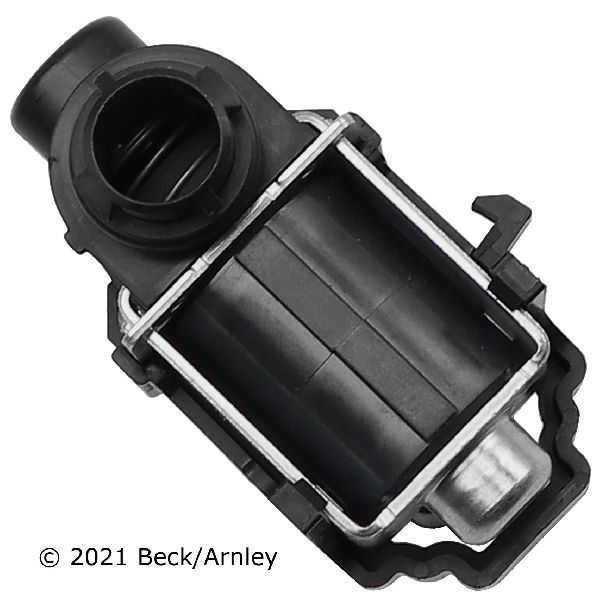
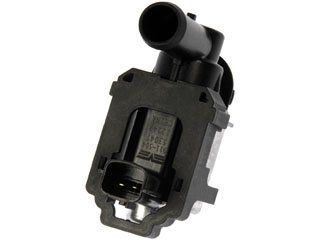
Est. part cost: $15-$35 - Faulty EVAP Vent Control Valve 🔴 High Probability → Shop Vapor Canister Vent Valve This is a notoriously common failure point on many Nissan models, including the NV, Titan, and Armada. The valve gets stuck open or closed due to dirt, moisture, and internal wear, preventing the EVAP system from sealing properly for its self-test. The part has been redesigned by Nissan, with the current part number superseding several older versions, indicating a known issue with the original design.
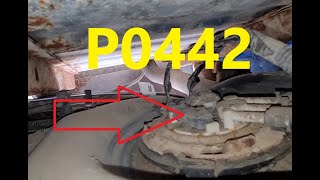
How to confirm: The valve is located near the EVAP canister, often in front of the rear driver's side wheel. It can be tested by applying 12v power to see if the solenoid clicks. When unpowered, it should be closed and not allow air to pass through. 🎬 See how to test and replace the purge valve A scan tool can also command the valve to close for testing purposes.
Typical fix: Replace the EVAP vent control valve. This is a common DIY repair that typically involves twisting the old valve off the canister, disconnecting a hose and an electrical connector, and installing the new one.
Est. part cost: $60-$110 - Cracked or Disconnected EVAP Hoses 🟡 Medium Probability Rubber hoses, especially the small vacuum lines in the engine bay connected to the purge solenoid, can become brittle and crack over time due to age and heat cycles.
How to confirm: Visually inspect all accessible EVAP lines running from the engine bay to the charcoal canister and fuel tank. Squeezing the hoses can reveal hidden cracks. A smoke test is the most effective way to find a small leak that isn't visually obvious.
Typical fix: Replace the cracked section of the hose or the entire hose assembly. Silicone hoses are a durable replacement option.
Est. part cost: $10-$50 - Faulty EVAP Canister Purge Volume Control Solenoid ⚪ Low Probability → Shop Vapor Canister Less common than the vent valve, but this solenoid (usually in the engine bay) can also fail by sticking open or closed, creating a leak path.
How to confirm: Locate the valve in the engine bay, typically mounted on the engine and identified by two hoses and an electrical connector. Test it by applying 12v power to hear it click. When unpowered, it should be closed and not allow you to blow air through it.
Typical fix: Replace the purge solenoid.
Est. part cost: $40-$90
Rare But Worth Checking
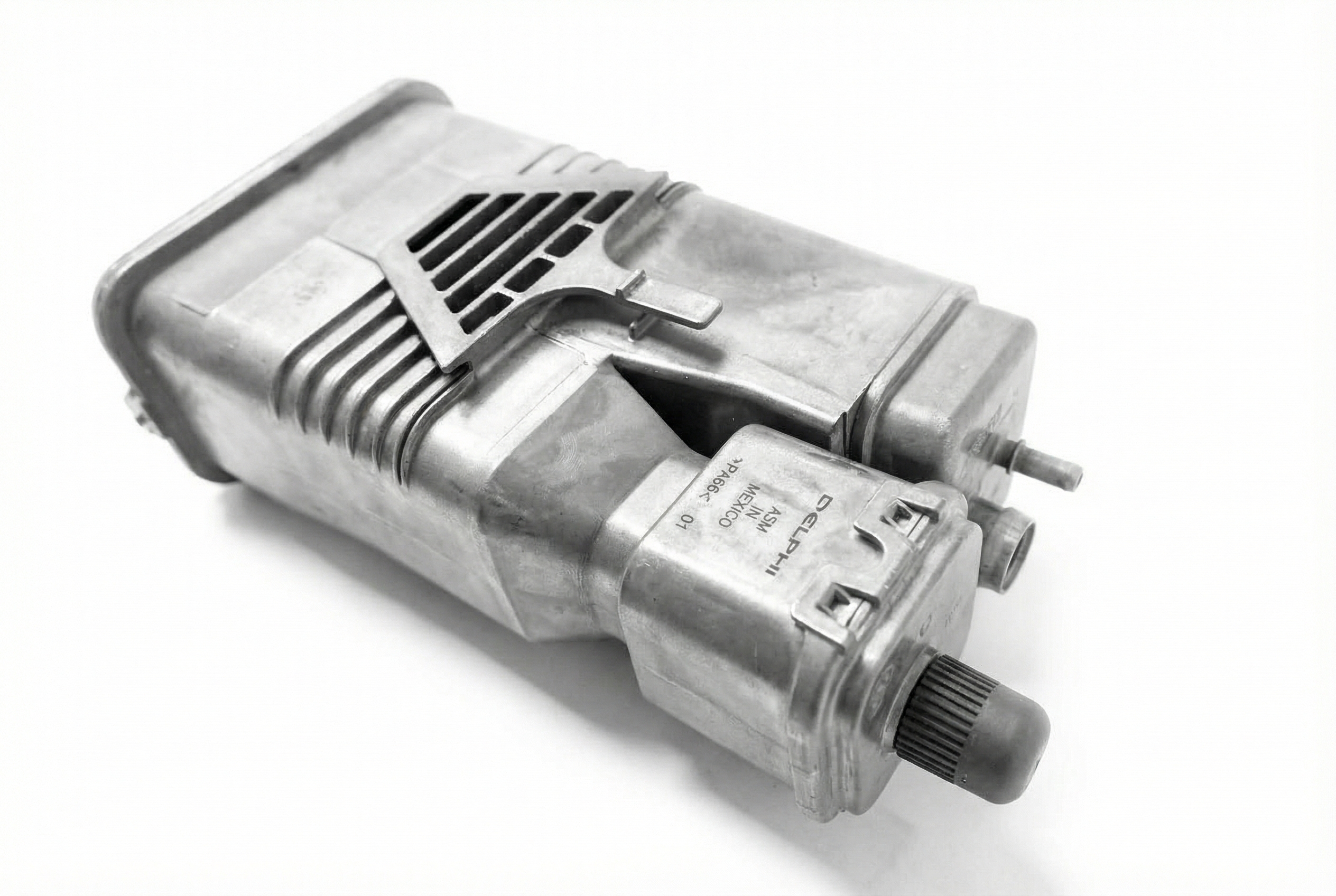
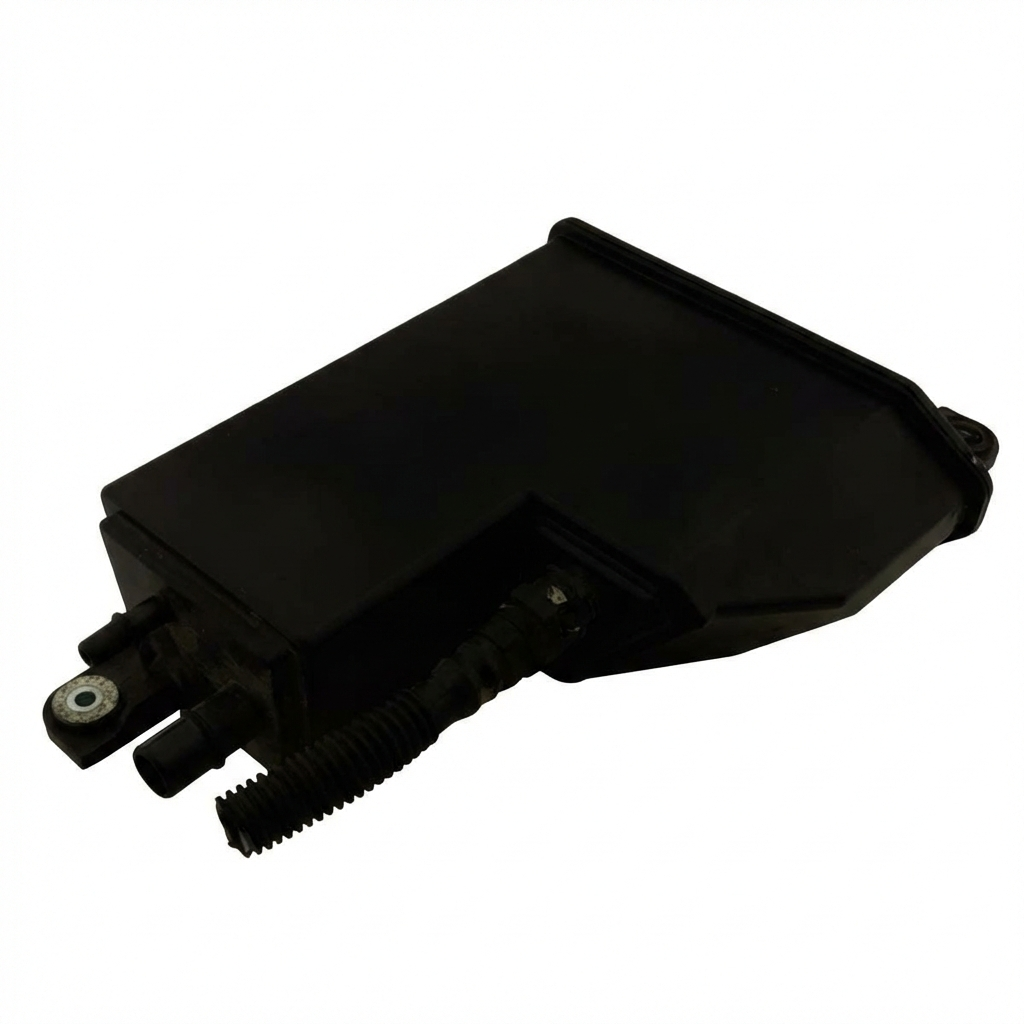
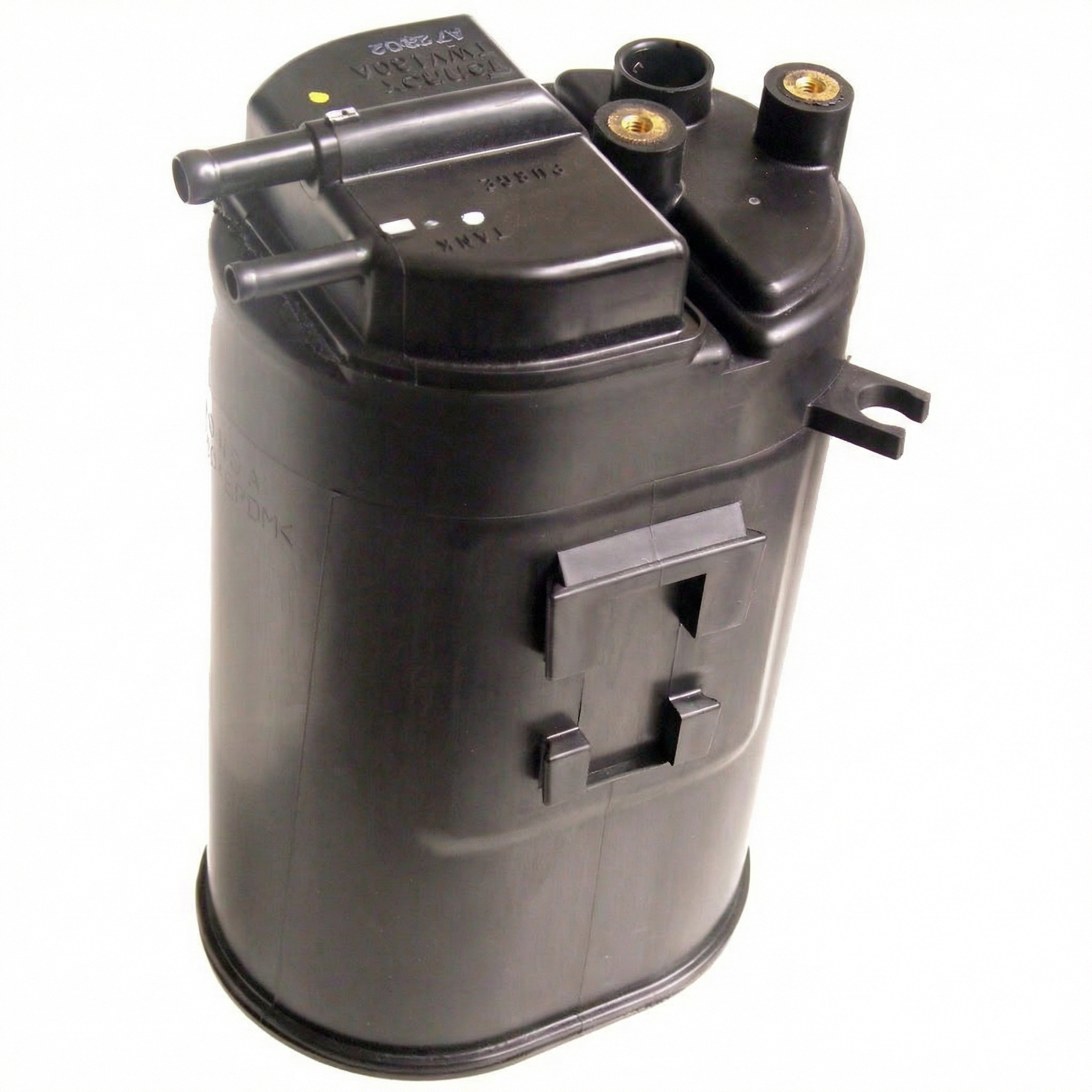
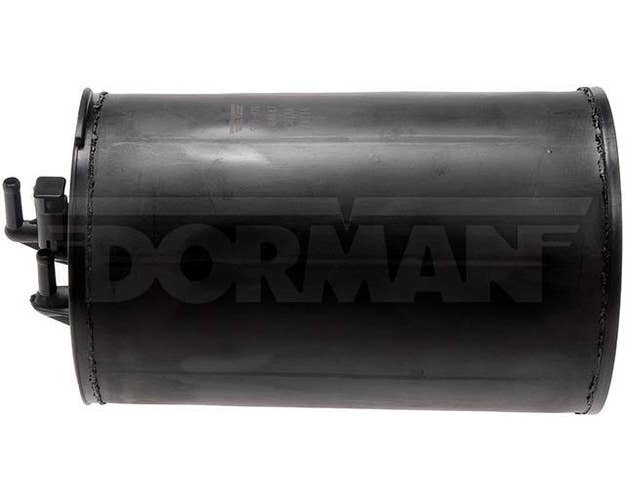
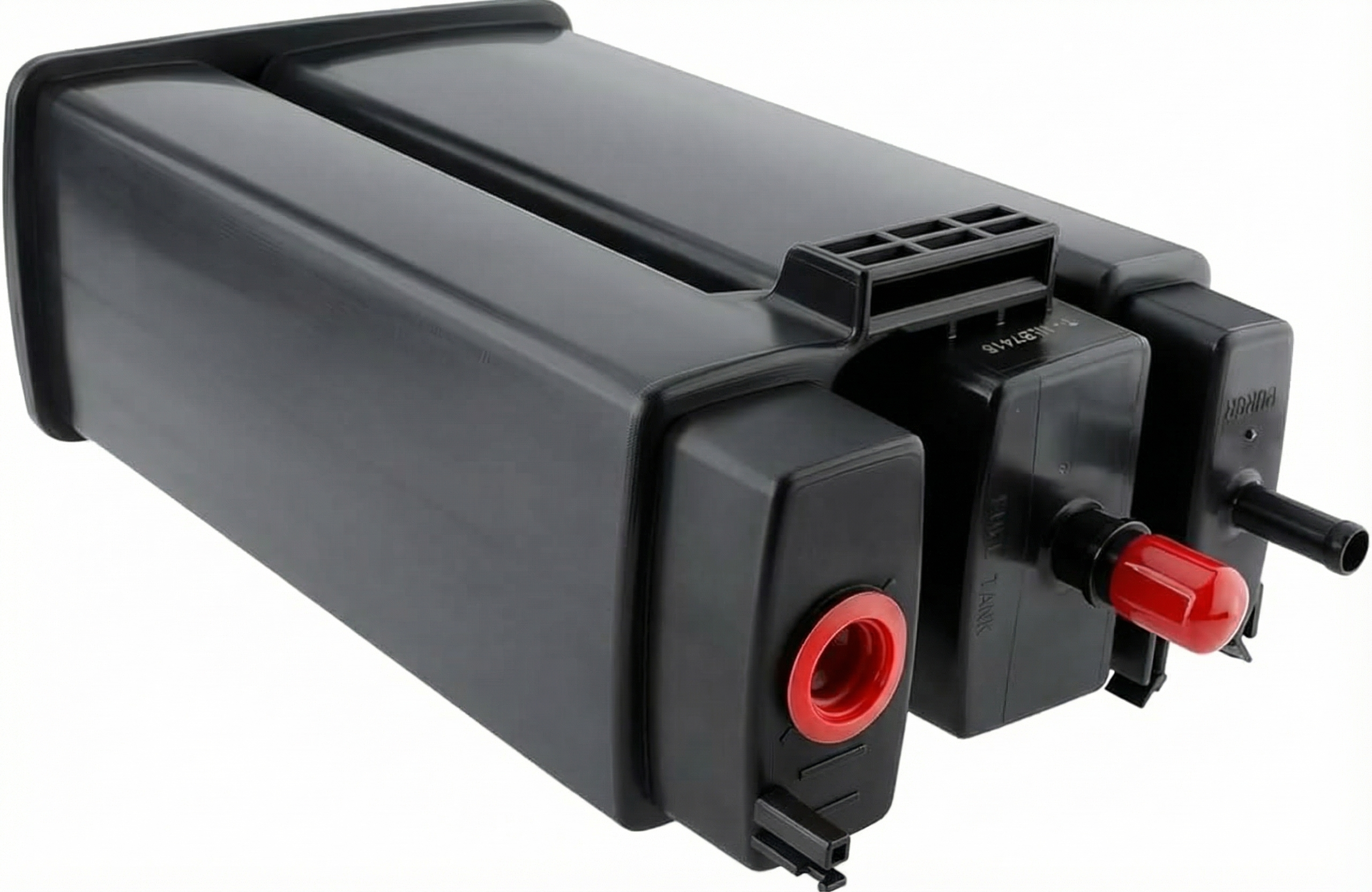
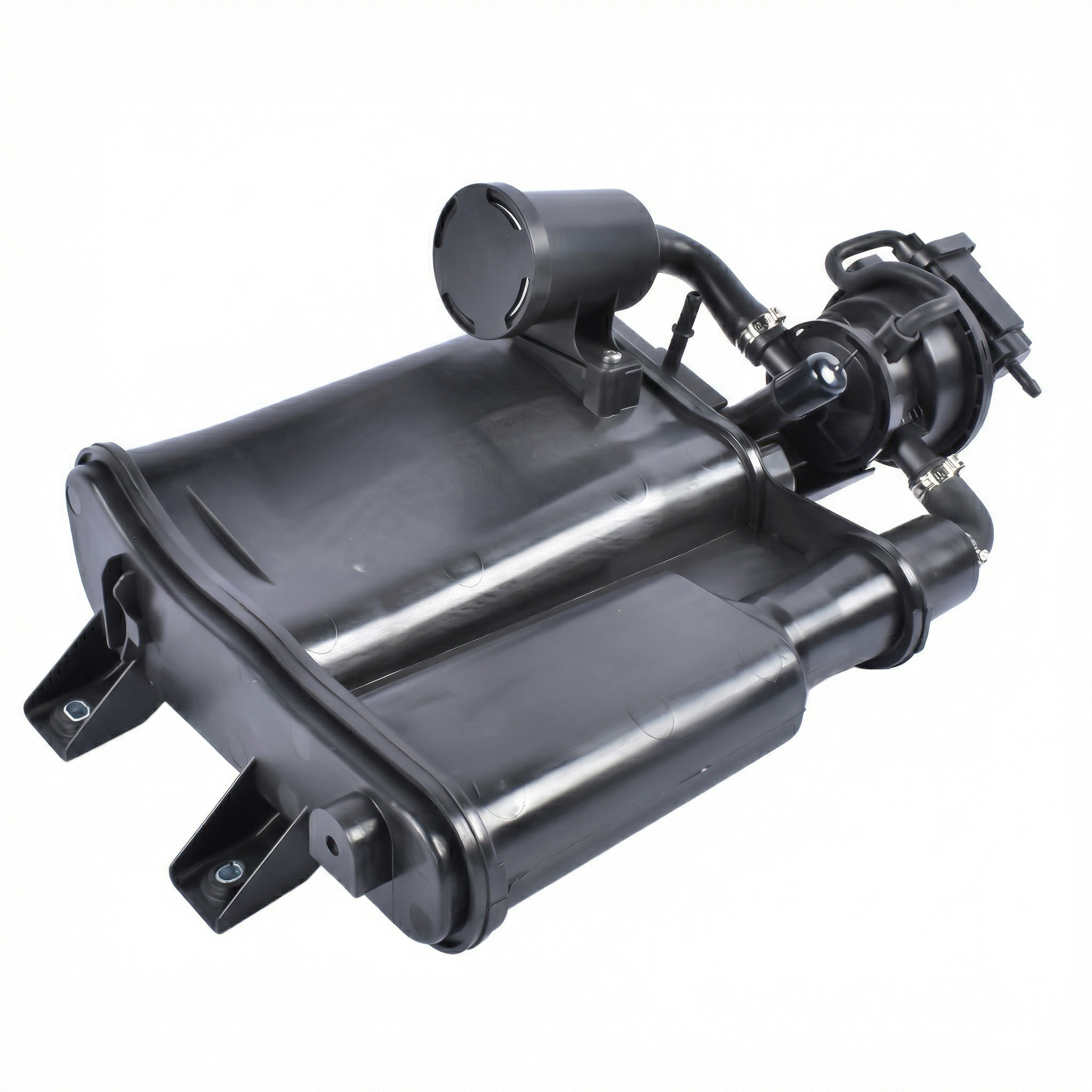
- Cracked Charcoal Canister: → Shop Vapor Canister The plastic housing of the canister can develop cracks from road debris impact or stress, creating a leak. This is usually found with a smoke test.
- Leaking Fuel Tank Filler Neck: → Shop Fuel Tank Corrosion on the metal filler neck where the gas cap seals can create a rough surface that prevents a tight seal, even with a new cap. In severe cases, the neck itself can rust through, causing a visible fuel leak during refueling and a guaranteed EVAP code.
Diagnosis Steps
- Read the code with an OBD-II scanner to confirm P0442 is present and check for any other related codes.
- Inspect the gas cap. Remove it, check the seal for cracks or damage, and clean the filler neck surface. Reinstall the cap, ensuring it clicks multiple times.
- Clear the code with the scanner and drive for a few days to see if it returns. If it does not, the issue was the cap.
- If the code returns, perform a close visual inspection of all EVAP hoses and lines, from the engine bay to the tank. Look for brittle, cracked, or disconnected hoses, particularly the small vacuum lines near the purge valve.
- Locate the EVAP vent control valve, located near the charcoal canister, typically in front of the rear driver's side wheel.
- Visually inspect the vent valve and surrounding hoses for obvious cracks or damage.
- Test the vent valve. With a scan tool, you can command it to close to check if it seals. Alternatively, remove it (usually a simple twist-lock mechanism), apply 12V power, and listen for a click. It should be closed and hold air when no power is applied.
- If the vent valve and gas cap are good, locate and test the purge valve in the engine bay. It should be closed at rest and not allow air to pass through.
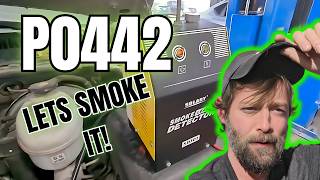
- If no visual leaks are found, the most reliable method for finding the source is to have a professional perform a smoke test. This forces low-pressure smoke through the system and will make any small leak visible. 🎬 Watch: How to find small leaks with a smoke test
Parts You'll Likely Need
- Fuel Cap
(OEM #17251-1LA0A (example, confirm with VIN))— This is the most frequent and simplest fix. The seal wears out over time, causing a small leak. TSBs point to this as the first check.
Trusted brands: Nissan (OEM)
OEM price range: $20-$35
Aftermarket price range: $15-$25 - EVAP Canister Vent Control Valve
(OEM #14935-JF02C)— This is a very common failure point on Nissan vehicles of this era, including the NV and its platform mates, causing P0442, P0455, and P0456 codes. It gets stuck and fails to seal the system for testing. The part has been redesigned, and 14935-JF02C is the latest revision.
Trusted brands: Nissan (OEM), Dorman, Bosch
OEM price range: $80-$110
Aftermarket price range: $60-$90
Related Codes That Often Appear With This One
- P0455 — Indicates a large EVAP leak. Both codes point to the same system, and a failing component can sometimes trigger one code, the other, or both depending on the severity of the leak at the time of the test. Nissan TSBs group these codes together.
- P0456 — Indicates a very small EVAP leak. This often appears with P0442 for the same reasons as P0455, as the computer tries to classify the size of the leak it detects. Nissan TSBs group these codes together.
Technical Service Bulletins (TSBs) & Recalls
- NTB13-097J: EVAP LEAK DTC P0442, P0455, P0456 INFORMATION
- NTB13-097g: ALL MODEL YEAR 2012 AND NEWER NISSAN VEHICLES; EVAP LEAK DTC P0442, P0455, P0456 INFORMATION
- NTB13-097D: ALL MODEL YEAR 2012 AND NEWER NISSAN VEHICLES; EVAP LEAK DTC P0442, P0455, P0456 INFORMATION
Platform-Specific Known Issues
- Nissan has issued multiple revisions of Technical Service Bulletin NTB13-097 (e.g., NTB13-097D, NTB13-097g, NTB13-097J) covering all 2012 and newer vehicles for EVAP leak codes P0442, P0455, and P0456. The bulletin primarily instructs technicians to first check the fuel cap and educate the customer on proper tightening before proceeding with further diagnostics, highlighting how common of a cause it is.
- Owner forums for the Nissan NV and its platform-mate, the Nissan Titan, are filled with threads where P0442 was ultimately solved by replacing the EVAP vent control valve after first checking the gas cap. This is a well-documented pattern failure.
Mechanic-Grade Diagnostic Values
- EVAP Canister Vent Control Valve Solenoid Resistance — expected: Approximately 4.4 Ohms. Note: Some sources for other Nissan models cite 48-65 Ohms, which may apply to a different part revision.. Failure: An open circuit (infinite resistance) or a reading significantly outside the expected range indicates a failed coil.
- EVAP Canister Purge Volume Control Solenoid Resistance — expected: 15 to 30 Ohms (general Nissan specification).. Failure: A reading of OL (Open Loop) or significantly outside the expected range indicates a failed coil.
- Fuel Tank Pressure (FTP) Sensor Voltage (Key On, Engine Off) — expected: Normal range is between 0.5 and 4.5 Volts, with an ideal reading often near 1.5V with the gas cap off (atmospheric pressure).. Failure: Voltage stuck high (near 5V) or low (near 0V) regardless of actual tank pressure can indicate a failed sensor or wiring issue.
Hidden / Shadow Codes Worth Checking
- Mode 6, Monitor ID $3B: This monitor ID specifically relates to the EVAP system's self-test for a 0.040" leak, which directly corresponds to a P0442 code. (see via An advanced OBD-II scan tool that can display Mode 6 test results. It can show if the test has passed, failed, or is incomplete, sometimes before a Check Engine Light is triggered.)
- Mode 6, Monitor ID $3D: This monitor ID is also associated with EVAP system self-tests on Nissan vehicles and can provide supplementary data about the system's ability to hold pressure. (see via An advanced OBD-II scan tool that can display Mode 6 test results.)
Scan Tool Commands That Help
- Nissan CONSULT or advanced aftermarket scanner: EVAP System Leak Test / Vent Valve Control — This bidirectional command is used to manually close the normally-open EVAP vent valve. This seals the system, allowing a technician to perform a pressure or smoke test to check for leaks without having to physically remove and cap off the valve.
Wiring & Ground Locations
- EVAP Canister Vent Control Valve — On the NV series, it is typically located forward of the rear driver's side tire, mounted directly to the charcoal canister.. This exposed location makes the valve and its electrical connector susceptible to moisture, dirt, and corrosion, which is a primary reason for its high failure rate.
- IPDM E/R (Intelligent Power Distribution Module Engine Room) — Generally located in the left rear of the engine compartment.. This module contains the fuses and relays that power the EVAP system components. A loss of power to a valve due to a blown fuse here would cause a system fault, though it would typically set a circuit code rather than just a leak code.
Real Owner Repair Stories
- YouTube channel 'Big Will's Car Care' (Nissan (similar system to NV)) — Check Engine Light with small EVAP leak codes (P0442/P0456).
❌ Tried (didn't work) Initial inspection did not immediately reveal the problem.
✅ What actually fixed it The small vacuum hoses connected to the purge valve solenoid in the engine bay were found to have tiny, hard-to-see cracks. Squeezing the hoses revealed the cracks. Replacing the cracked rubber hoses with new silicone lines resolved the codes.
"I Checked Everything" — The Actual Cause
- In some cases, a smoke test may not reveal any external leaks from hoses, the canister, or the gas cap. The actual cause can be an internally leaking EVAP purge valve. The purge valve is normally closed; if it fails to seal completely, it creates a leak path from the EVAP system into the engine intake. This leak won't show up on an external smoke test unless the valve is specifically isolated and tested.
OEM Part Supersession History
14935-JF00A, 14935-JF00B, 14935-JF00C, 14935-JF00D, 14935-JF00E→14935-JF02C— The EVAP canister vent control valve is a high-failure part. The multiple supersessions indicate repeated redesigns by Nissan to improve durability and sealing against environmental factors like dirt and moisture.17251-1LA0A→17251-1LA0B— Minor revision to the fuel filler cap, likely improving seal material or design.
Helpful Videos
Used OEM Parts in Stock
New Aftermarket Parts Available


The information in this article is provided for general reference and educational purposes only. Vehicle specifications, procedures, and part compatibility can vary by production date, trim level, and region. Always consult your vehicle's factory service manual and verify part numbers before purchasing or performing repairs. Safety-critical components such as airbags, seat belts, and braking systems should be installed by a qualified professional.
- Nissan NV:
- 🧭 Diagnostic Flowchart
- 🎬 Helpful Videos
- 🛍️ Shop This Part
- What's Unique About the 2012-2016 Nissan NV
- Symptoms You May Notice
- Most Likely Causes
- Rare But Worth Checking
- Diagnosis Steps
- Parts You'll Likely Need
- Related Codes That Often Appear With This One
- Technical Service Bulletins (TSBs) & Recalls
- Platform-Specific Known Issues
- Mechanic-Grade Diagnostic Values
- Hidden / Shadow Codes Worth Checking
- Scan Tool Commands That Help
- Wiring & Ground Locations
- Real Owner Repair Stories
- "I Checked Everything" — The Actual Cause
- OEM Part Supersession History
- 🎟️ Get 5% Off