

P0442 on 2017-2021 Nissan NV: EVAP Small Leak Causes and Fixes
For a 2017-2021 Nissan NV, the P0442 code is most often caused by a loose or faulty gas cap. Before buying any parts, tighten the cap, clear the code, and drive for a few days. If it returns, a new OEM gas cap is a cheap and likely fix. If that doesn't solve it, the next most common culprit is the EVAP canister vent control valve located near the fuel tank.
- P0442 signifies a small leak in the EVAP (emissions) system.
- Always check your gas cap first. Ensure it's tight and the seal is intact. This resolves the issue a majority of the time.
- If the gas cap isn't the problem, the next most likely culprit on a Nissan NV is the EVAP canister vent control valve located near the fuel tank.
- The vehicle is safe to drive with this code, but you won't be able to pass an emissions inspection.
- A smoke test is the most reliable professional method to find the exact source of a persistent leak.
What's Unique About the 2017-2021 Nissan NV
On the Nissan NV and other Nissan trucks and vans from this era built on the F-Alpha platform (like the Titan and Armada), the EVAP system components, particularly the vent control valve and charcoal canister, are located near the rear of the vehicle. This location, often behind the rear driver's side wheel and near the fuel tank, makes them susceptible to collecting road debris and moisture. This can lead to premature failure of the vent valve or its O-ring, or clogging of the canister, which are common sources for EVAP leak codes beyond just a simple loose gas cap. Nissan has acknowledged this pattern with TSBs for similar platforms.
Diagnostic Flowchart
Tap your situation to follow the diagnostic path that matches what you're seeing on this vehicle.
Symptoms You May Notice
- Check Engine Light is on
- A faint smell of gasoline, particularly around the rear of the vehicle or when parked in a garage.
- A 'Loose Fuel Cap' message may appear on the dashboard.
- Slight decrease in fuel economy as unburned vapors escape.
- Replacing the charcoal canister when only the vent valve has failed. The vent valve is often sold separately and is the more likely failure point unless the canister itself is physically cracked or saturated with fuel from overfilling.
- Using a cheap aftermarket gas cap which fails to seal properly, leading the owner to suspect a more complex issue when the original problem was indeed the cap.
Most Likely Causes
- Loose or Faulty Gas Cap 🔴 High Probability → Shop Fuel Tank Cap This is the most common cause for any vehicle. The gas cap seal can dry out, crack, or become dirty over time, preventing a proper seal. Nissan TSB NTB13-097J explicitly identifies this as the first thing to check for P0442.
How to confirm: Ensure the gas cap is tightened until it clicks at least once. Inspect the rubber O-ring on the cap for cracks, stiffness, or debris. Also, inspect the mating surface on the fuel filler neck for rust or dirt, which can also prevent a seal.
Typical fix: Tighten or replace the fuel cap. It is highly recommended to use an OEM (Original Equipment Manufacturer) cap, as aftermarket caps are a known source of sealing problems and can cause the code to persist.
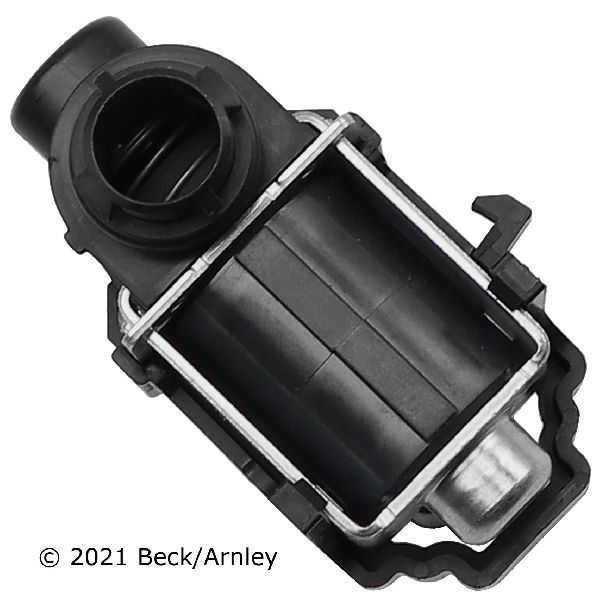
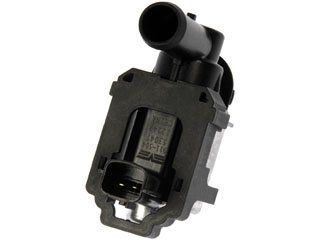
Est. part cost: $20-$50 - Failed EVAP Canister Vent Control Valve 🟡 Medium Probability → Shop Vapor Canister Vent Valve This is a very common failure point on many Nissan models, including platform-mates like the Titan and Pathfinder. The valve can get stuck open or closed due to internal failure or contamination from dust and debris, especially given its location near the rear axle. TSB NTB17-082E specifically calls out a leak at the vent control valve O-ring as a cause for EVAP codes.
How to confirm: A bidirectional scan tool can command the valve to open and close; a click should be audible. It can also be removed and tested by applying 12V power to see if the solenoid actuates; you should hear a distinct click. 🎬 See this walkthrough on how to test and replace the valve. When not energized, it should be open, and when energized, it should be closed and hold a vacuum.
Typical fix: Replace the EVAP canister vent control valve. On the NV, it is located on or near the charcoal canister, which is situated behind the fuel tank, accessible from in front of the driver's side rear tire.
Est. part cost: $70-$150 - Cracked or Disconnected EVAP Hose 🟡 Medium Probability Rubber and plastic hoses become brittle with age and exposure to heat and elements, leading to small cracks that cause leaks. This is especially true for the small vacuum lines near the purge valve in the engine bay.
How to confirm: Visually inspect all accessible EVAP lines. A helpful trick is to gently squeeze or bend the rubber hoses to reveal hidden cracks that aren't visible otherwise. The definitive method is to use a smoke machine, which fills the system with a visible vapor to pinpoint the exact location of the leak. 🎬 Watch: How to find a small leak using a smoke machine.
Typical fix: Replace the cracked section of hose or reconnect a loose fitting. In some cases, if a crack is near the end of a hose, you may be able to trim the cracked portion and re-secure it.
Est. part cost: $10-$40 - Failed EVAP Purge Volume Control Valve/Solenoid ⚪ Low Probability While less common than the vent valve, the purge valve (located in the engine bay) can fail by sticking slightly open, creating a constant small leak into the engine intake.
How to confirm: With the engine off, remove the valve and try to blow through it; it should be closed and not allow air to pass. If air passes, it's faulty. A scan tool can also monitor its operation.
Typical fix: Replace the purge valve.
Est. part cost: $50-$120
Rare But Worth Checking
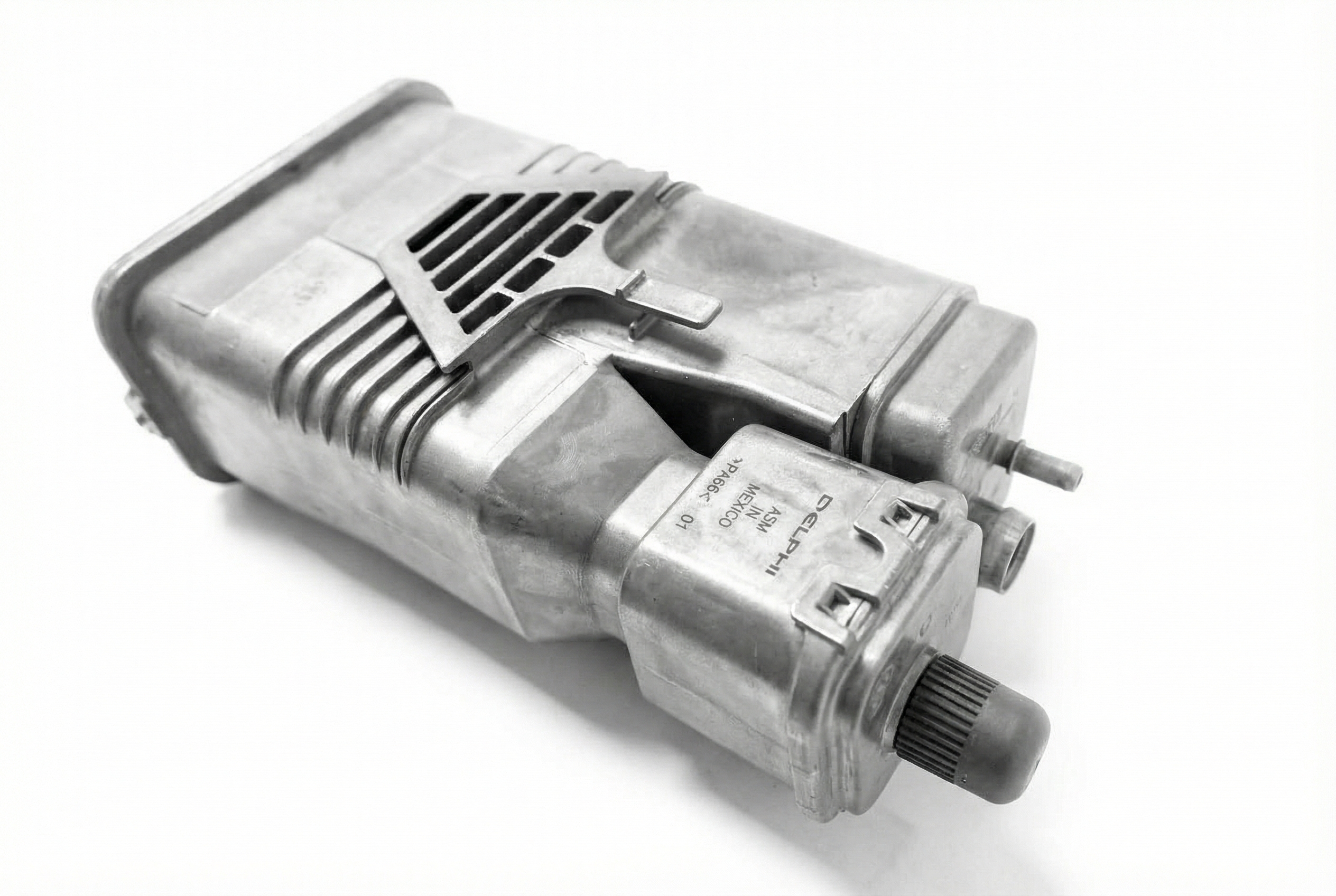
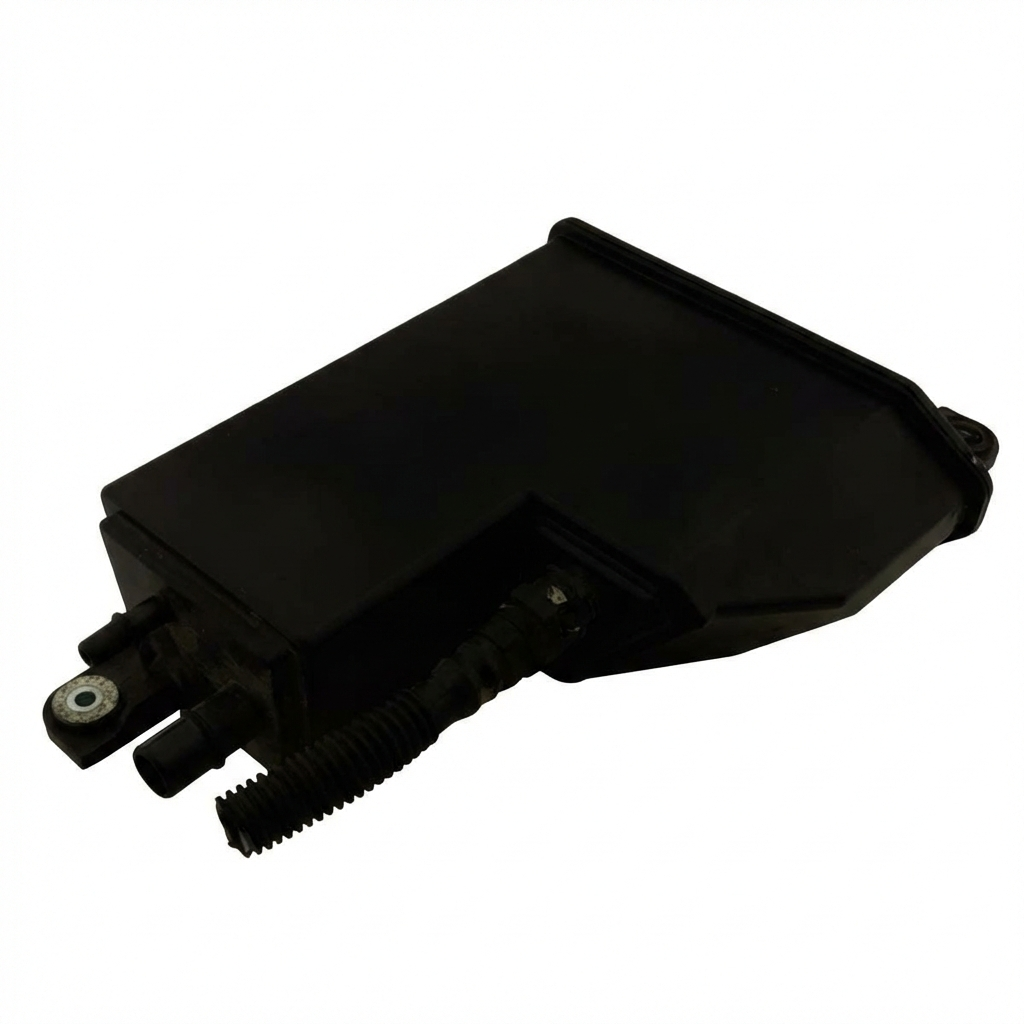
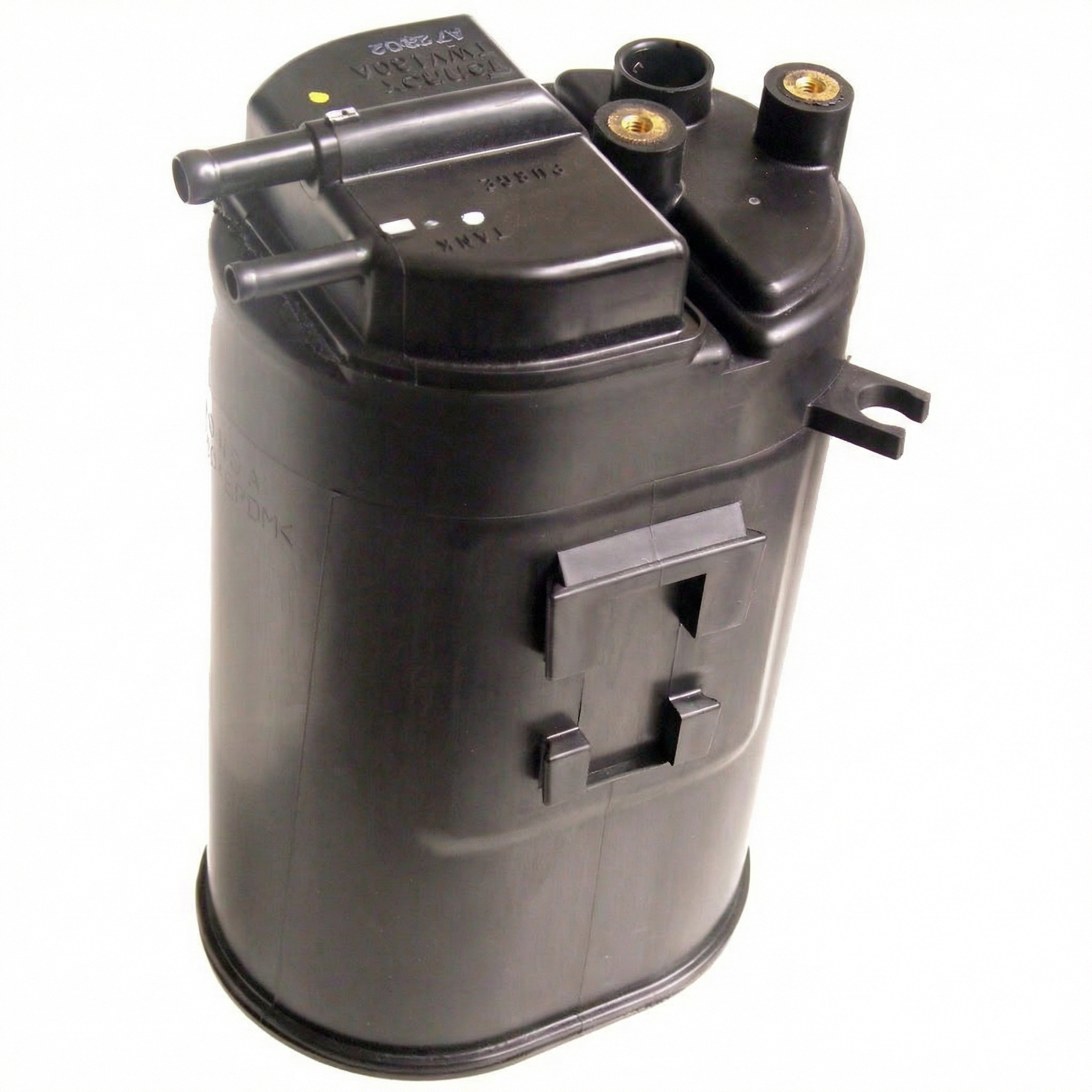
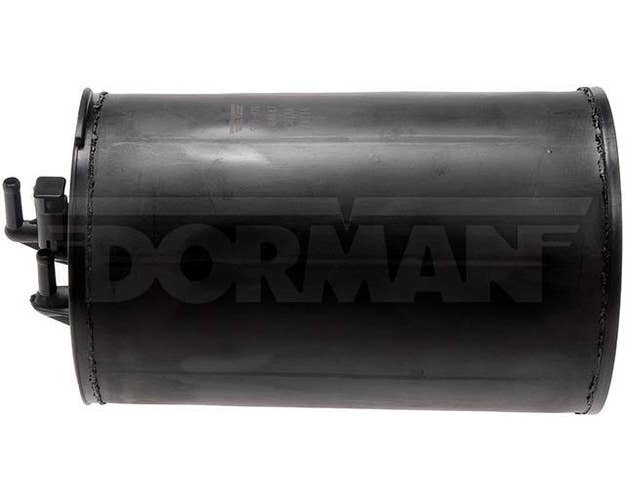
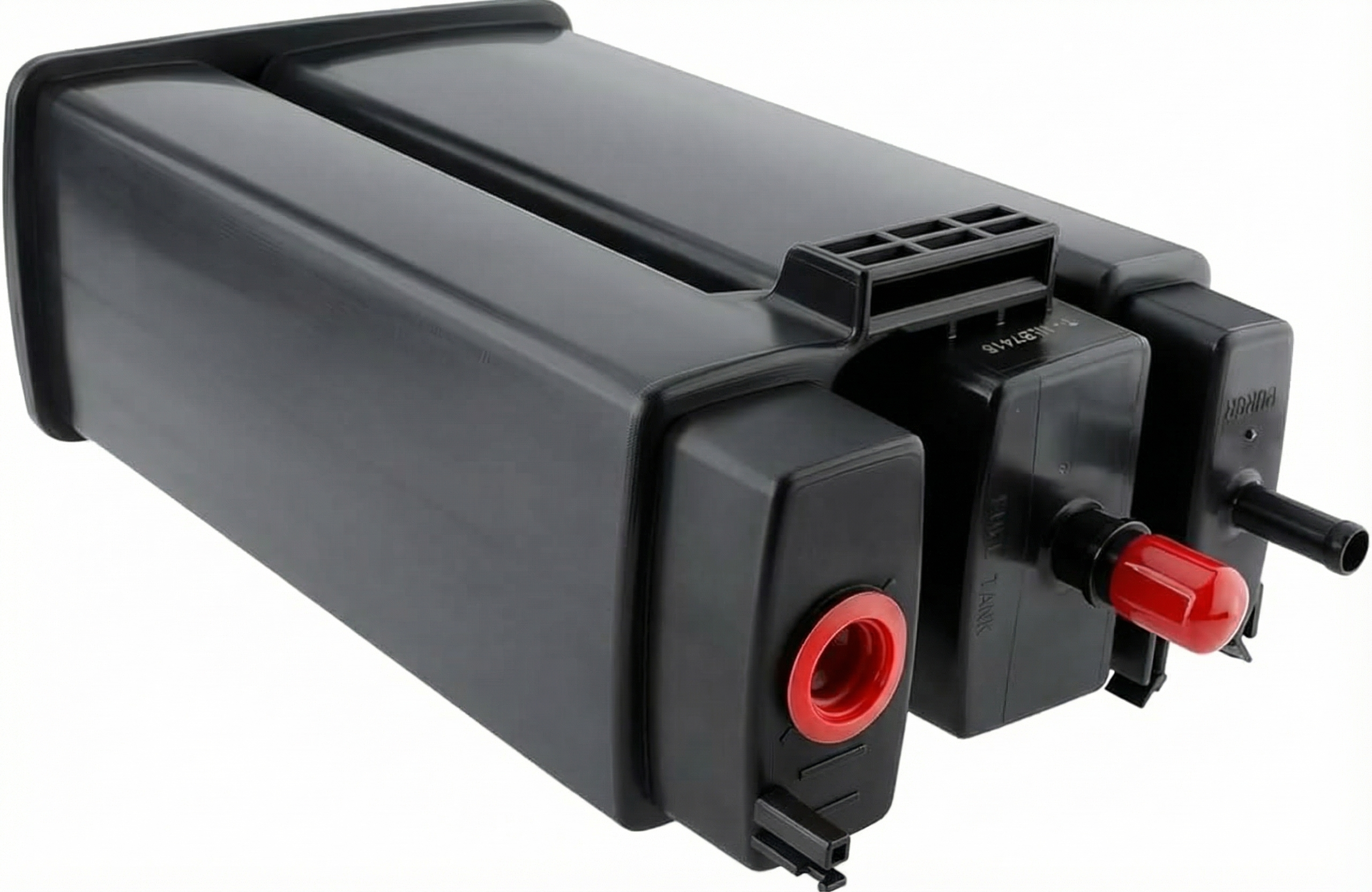
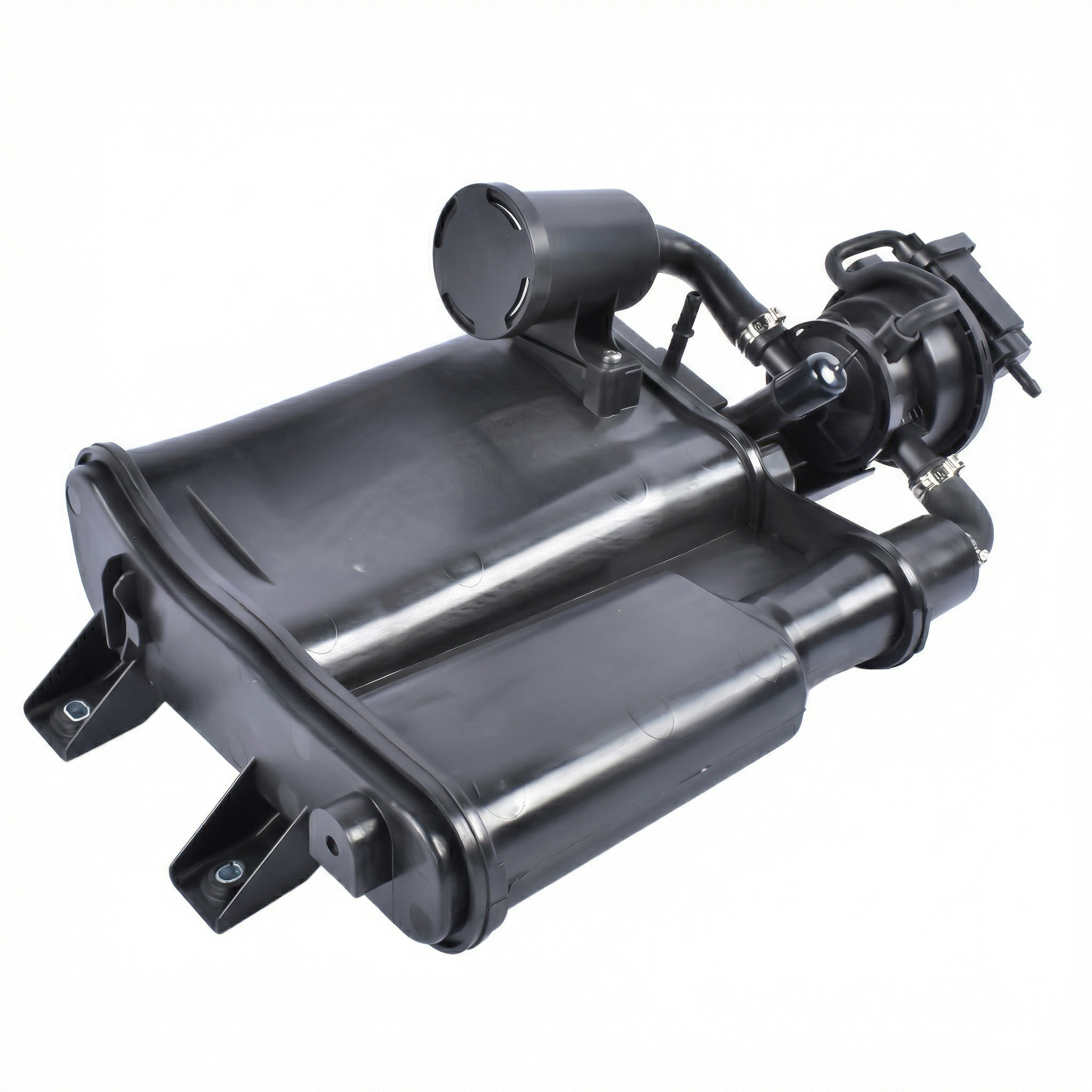
- Cracked Charcoal Canister: → Shop Vapor Canister The plastic housing of the canister itself can develop a hairline crack from age or impact from road debris, causing a leak. This is almost always found during a smoke test after all other components have been checked.
- Leaking Fuel Tank Filler Neck: → Shop Fuel Tank Rust or corrosion on the metal filler neck where the gas cap seals can create an imperfect surface, preventing a proper seal even with a new cap. The surface should be inspected closely and cleaned if any corrosion is present.
Diagnosis Steps
- Read the code with an OBD-II scanner to confirm P0442 is present.
- Inspect the gas cap. Remove it, check the seal for cracks or wear, and reinstall it, ensuring it clicks at least once.
- Clear the code with the scanner and drive the vehicle for a few days to see if the Check Engine Light returns. If it does not, the issue was a loose cap.
- If the light returns, purchase and install a new OEM Nissan fuel cap. This is a low-cost, high-probability fix.
- If the code persists, perform a thorough visual inspection of all EVAP hoses and lines from the fuel tank to the engine for obvious cracks, damage, or loose connections. Squeeze rubber hoses to reveal hidden cracks.
- Locate the EVAP canister vent control valve near the fuel tank, in front of the driver's side rear wheel. Inspect its wiring and consider testing it with a scan tool or by applying 12V power.
- If no obvious faults are found, the most effective next step is to have a smoke test performed. This test introduces smoke into the EVAP system, and any leaks will be made visible as the smoke escapes.
- Based on the smoke test results, replace the leaking component, which could be a hose, valve, O-ring, or the canister itself.
Parts You'll Likely Need
- Fuel Cap
(OEM #17251-1JA0A)— This is the most frequent cause of a P0442 code due to a worn seal or improper tightening. It's the cheapest and easiest part to replace first.
Trusted brands: Nissan (OEM)
OEM price range: $25-$50
Aftermarket price range: $15-$30 - EVAP Canister Vent Control Valve
(OEM #14935-JF02C)— A very common failure item on Nissan vehicles that causes various EVAP codes, including P0442. The valve gets stuck, creating a leak in the system. This part number is widely used across many Nissan models, including the NV's platform mates.
Trusted brands: Nissan (OEM), Bosch, Dorman
OEM price range: $90-$150
Aftermarket price range: $40-$80
Related Codes That Often Appear With This One
- P0455 — Indicates a large EVAP leak. Sometimes a component failure can initially register as a small leak (P0442) and worsen over time to a large leak (P0455). Both codes are often listed together in Nissan TSBs.
- P0456 — Indicates a very small EVAP leak. P0442 and P0456 are closely related, pointing to the same types of failures but differing in the leak size detected by the ECM. Nissan TSB NTB13-097J groups P0442, P0455, and P0456 together with the same initial diagnostic steps.
Technical Service Bulletins (TSBs) & Recalls
- NTB13-097J: EVAP LEAK DTC P0442, P0455, P0456 INFORMATION - This bulletin confirms that a loose fuel filler cap is a primary cause for these codes on 2012 and newer Nissan vehicles and provides a diagnostic flowchart, emphasizing not to waste time with a test drive.
- NTB17-082E: DTC P0456 CAUSED BY EVAP LEAK AT VENT CONTROL VALVE O-RING - Although this TSB is for the related P0456 (very small leak), it is highly relevant as it pinpoints the O-ring on the vent control valve as a specific, known failure point that can also cause a P0442.
Platform-Specific Known Issues
- Vent Valve Location and Access: On the Nissan NV series, the EVAP canister and vent valve are located behind the fuel tank, accessible by looking in front of the rear driver's side wheel, up towards the frame. A YouTube video by 'TheEasiestWayToFix' shows the exact location on a 2012 NV3500, noting you must push a tab up and turn the valve counter-clockwise to remove it.
Mechanic-Grade Diagnostic Values
- EVAP Canister Purge Volume Control Solenoid Valve Resistance — expected: 15 to 30 Ohms (general specification). Failure: A reading significantly outside this range, or an open circuit (infinite resistance), indicates a failed coil in the solenoid.
- EVAP Canister Vent Control Valve Resistance — expected: 48 - 65 Ohms (general approximation for similar Nissan models). Failure: A reading of OL (Open Loop) or infinite resistance indicates a failed coil.
- Fuel Tank Pressure (FTP) Sensor Voltage (Key On, Engine Off) — expected: Approximately 2.5V at atmospheric pressure.. Failure: Voltage should decrease when a vacuum is applied with a hand pump; if the voltage is stuck or does not change, the sensor is faulty. Do not apply excessive vacuum.
Hidden / Shadow Codes Worth Checking
- Mode 6, Monitor ID $3B: This monitor ID relates to the EVAP system leak test for a 0.040" leak, which corresponds to P0442. Viewing the test results can show if the system passed, failed, or is incomplete, sometimes before a full DTC is set. (see via An advanced OBD-II scan tool that can display Mode 6 test results.)
Scan Tool Commands That Help
- Nissan CONSULT or capable bidirectional scanner: EVAP System Leak Test / Vent Valve Activation — This function commands the EVAP vent valve to close, sealing the system. This is a required step before performing a smoke test to ensure the system is sealed and can be properly pressurized with smoke to find a leak.
Wiring & Ground Locations
- General Body Ground — The Nissan Body Builders Guide for the NV series indicates permissible ground locations on the bulkhead, B-pillars, C-pillars, and D-pillars. A general Reddit post for Nissan trucks also mentions grounds on the frame under the driver's side, behind the kick panels, and on the firewall.. A poor ground for the EVAP vent valve, purge valve, or fuel tank pressure sensor can cause erratic operation and trigger false codes. The Nissan Owner's Manual specifically warns against grounding accessories directly to the battery and advises using proper body ground connections.
"I Checked Everything" — The Actual Cause
- In some cases across various makes, a P0442 can be triggered even if a smoke test shows no external leaks. This can happen if the Fuel Tank Pressure (FTP) sensor itself is faulty, providing incorrect readings to the computer. The system holds pressure, but the sensor incorrectly reports a leak, leading to a misdiagnosis. Another possibility is an intermittent failure of the purge valve or vent valve solenoid that doesn't manifest during the test.
OEM Part Supersession History
14935-JF00A, 14935-JF00B, 14935-JF00C, 14935-JF00D, 14935-JF00E, 14935-JF01B, 14935-JF01C→14935-JF02C— Standard part revision and consolidation over time for the EVAP Canister Vent Control Valve.
Heads up: The newest part number, 14935-JF02C, is the correct replacement for the numerous older versions and is widely used across many Nissan models from 2009-2025.
Helpful Videos
Used OEM Parts in Stock
New Aftermarket Parts Available


The information in this article is provided for general reference and educational purposes only. Vehicle specifications, procedures, and part compatibility can vary by production date, trim level, and region. Always consult your vehicle's factory service manual and verify part numbers before purchasing or performing repairs. Safety-critical components such as airbags, seat belts, and braking systems should be installed by a qualified professional.
- Nissan NV:
- 🧭 Diagnostic Flowchart
- 🎬 Helpful Videos
- 🛍️ Shop This Part
- What's Unique About the 2017-2021 Nissan NV
- Symptoms You May Notice
- Most Likely Causes
- Rare But Worth Checking
- Diagnosis Steps
- Parts You'll Likely Need
- Related Codes That Often Appear With This One
- Technical Service Bulletins (TSBs) & Recalls
- Platform-Specific Known Issues
- Mechanic-Grade Diagnostic Values
- Hidden / Shadow Codes Worth Checking
- Scan Tool Commands That Help
- Wiring & Ground Locations
- "I Checked Everything" — The Actual Cause
- OEM Part Supersession History
- 🎟️ Get 5% Off