

P0442 on 2016-2018 Nissan NV200: EVAP Small Leak Causes and Fixes
For a 2016-2018 Nissan NV200, a P0442 code is most often caused by a loose or faulty gas cap. If tightening it doesn't work, a new OEM cap costs about $25-$50. The next most likely cause is a failed EVAP canister vent control valve, a common Nissan issue. A smoke test is the definitive way to diagnose the leak if the gas cap is not the cause.
- P0442 on your NV200 indicates a small leak in the fuel vapor system.
- Always check the gas cap first. Make sure it's tight and the seal isn't cracked. An OEM replacement is a cheap and highly effective first step.
- If the gas cap isn't the problem, the EVAP vent control valve at the rear of the van is the next most likely culprit and a known failure point on Nissans.
- Do not replace any parts without confirming the leak. A professional smoke test is the fastest and most accurate way to find the source of the leak if it's not the gas cap.
What's Unique About the 2016-2018 Nissan NV200
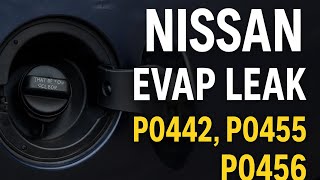
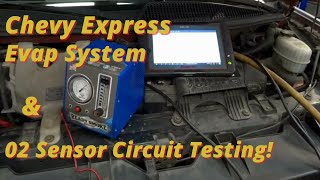
On the Nissan NV200 and its rebadged twin, the Chevrolet City Express, 🎬 See this diagnostic walkthrough for the Chevy Express EVAP system. the EVAP system components, particularly the vent control valve, are located near the rear of the vehicle. This position makes them susceptible to road debris and moisture, which can lead to premature failure of the valve or its O-ring. Nissan has acknowledged this pattern with TSBs that cover a wide range of their vehicles, emphasizing a specific diagnostic procedure using a smoke machine to avoid misdiagnosis 🎬 Watch: How to solve Nissan EVAP codes P0442, P0455, and P0456. and unnecessary parts replacement.
Diagnostic Flowchart
Tap your situation to follow the diagnostic path that matches what you're seeing on this vehicle.
Symptoms You May Notice
- Check Engine Light is on
- A faint smell of gasoline, particularly around the rear of the vehicle.
- A 'Loose Fuel Cap' message may appear on the dashboard.
- In rare cases, difficulty starting immediately after refueling.
- Replacing the charcoal canister when only the vent control valve has failed. The valve is often sold separately and is the more likely failure point.
- Replacing the purge valve in the engine bay before checking the more common vent valve at the rear of the vehicle.
- Replacing any EVAP part without first performing a smoke test to confirm the exact location of the leak.
Most Likely Causes
- Loose or Faulty Fuel Cap 🔴 High Probability → Shop Fuel Tank Cap The fuel cap seal wears out over time from frequent use. Nissan TSB NTB13-097J explicitly lists this as the first and most common cause to check. Aftermarket caps are also a frequent source of leaks.
How to confirm: First, ensure the cap is tightened until it clicks. Remove the cap and inspect the rubber O-ring seal for cracks, stiffness, or debris. Critically, check the filler neck's metal mating surface for any any rust or corrosion that could prevent a proper seal.
Typical fix: Replace the fuel cap with a genuine OEM part. Clean any corrosion from the filler neck surface with a wire brush or emery cloth.
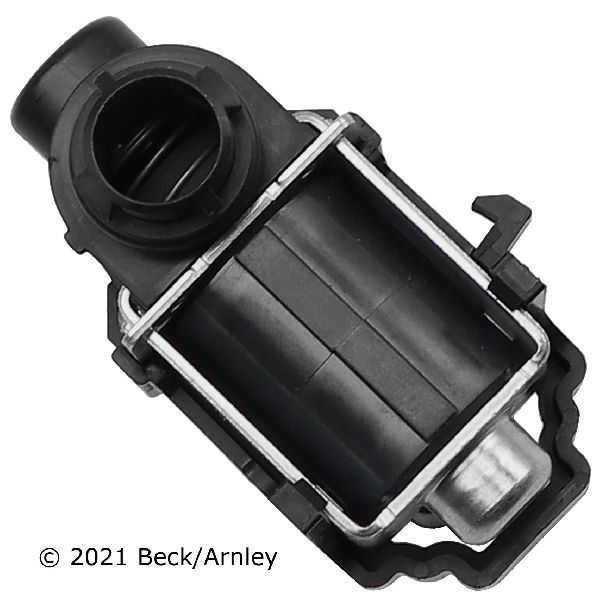
Est. part cost: $25-$50 - EVAP Canister Vent Control Valve Failure 🟡 Medium Probability → Shop Vapor Canister Vent Valve This is a very common failure item on many Nissan vehicles. The valve gets stuck open or closed due to dirt and moisture exposure from its location near the rear of the van, preventing the EVAP system from sealing properly for its self-test.
How to confirm: A smoke test is the most reliable method. Smoke is introduced into the EVAP system, and if it escapes from the vent valve (when commanded closed by a scan tool), the valve is faulty. Alternatively, the valve can be removed and tested by applying 12V power to its terminals; a healthy valve will make an audible 'click' as it actuates.
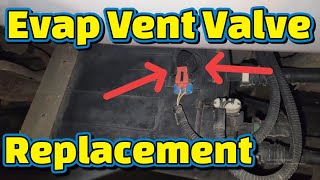
Typical fix: Replace the EVAP canister vent control valve. It is typically located on or near the charcoal canister at the rear of the vehicle, often in front of the driver's side rear wheel.
Est. part cost: $50-$90 - Cracked or Disconnected EVAP Hoses/Lines ⚪ Low Probability Rubber hoses can become brittle and crack with age and exposure to heat and elements. The small vacuum lines in the engine bay near the purge valve are particularly susceptible.
How to confirm: Visually inspect all accessible EVAP hoses for cracks, especially at connection points and elbows. Squeezing or bending the hoses can reveal hidden cracks. A smoke test will definitively show leaks from any hose.
Typical fix: Replace the damaged section of the hose. Silicone hoses can be a more durable replacement.
Est. part cost: $10-$40
Rare But Worth Checking
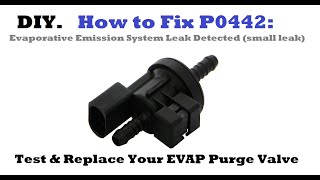
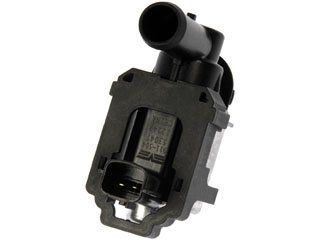
- Leaking EVAP Canister Purge Valve: → Shop Vapor Canister This valve is located in the engine bay on the right side near the throttle body and is less likely to cause a small leak code than the vent valve, but it can fail internally and stick slightly open.
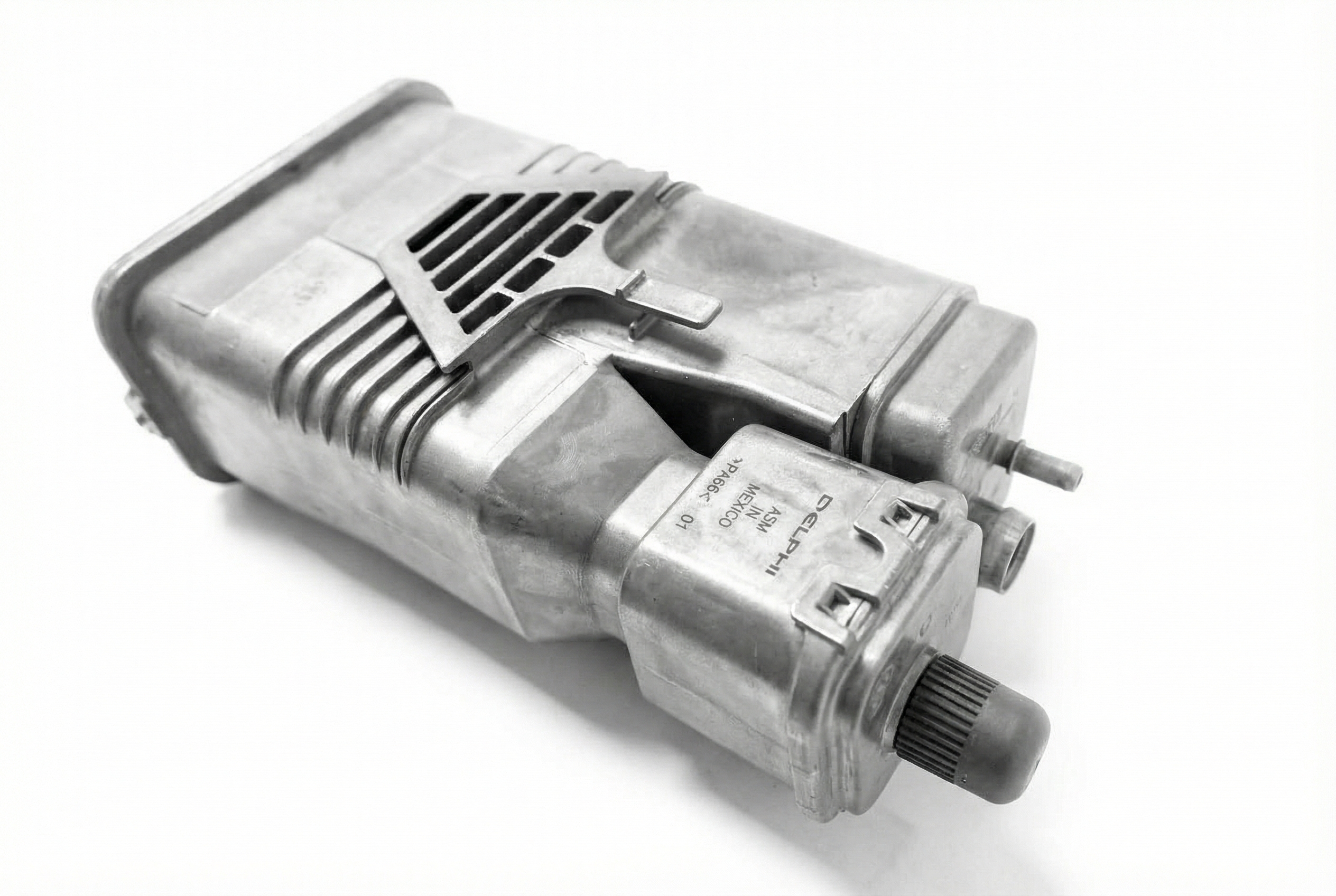
- Cracked EVAP Charcoal Canister: → Shop Vapor Canister The plastic body of the canister can develop hairline cracks from age or impact from road debris. This would be found during a smoke test if no other leak source is apparent and can be a costly repair.
- Leaking Fuel Tank Filler Neck: → Shop Fuel Tank In regions that use road salt, the metal filler neck itself can corrode and develop small pinhole leaks, creating a persistent P0442 code that can be difficult to diagnose without a smoke test. This has been confirmed by owners after other parts were needlessly replaced.
- Leaking Fuel Tank Pressure (FTP) Sensor Seal: → Shop Fuel Tank The sensor that monitors system pressure is located on the EVAP canister assembly and its seal can fail, causing a small leak detectable by a smoke test.
Diagnosis Steps
- Retrieve the P0442 code with an OBD-II scanner.
- Inspect the gas cap. Remove it, check the seal for cracks or damage, and inspect the filler neck for rust. Reinstall the cap, ensuring it clicks at least once. Clear the code and drive for a few days to see if it returns.
- If the code returns, replace the gas cap with a new OEM part as a low-cost, high-probability fix. Aftermarket caps are a known cause of this code.
- If the issue persists, perform a visual inspection of all visible EVAP hoses and lines, from the engine bay to the fuel tank, looking for obvious cracks or disconnections.
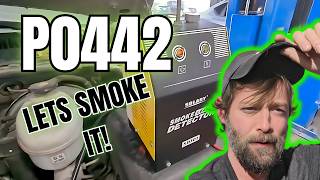
- The most definitive diagnostic step is to perform a smoke test. 🎬 Watch: How to find a small EVAP leak using smoke. This involves injecting smoke into the EVAP service port (often near the purge valve in the engine bay) and watching for where it escapes.
- While the system is filling with smoke, use a bi-directional scan tool to command the EVAP vent control valve (located at the rear by the canister) to close. If smoke exits the valve, it has failed and needs replacement. If you don't have a scan tool, you can remove the valve and test it by applying 12V power to see if it clicks closed.
- If the vent valve is sealed, carefully check for smoke from the purge valve (in the engine bay), the charcoal canister itself, the fuel tank filler neck, the fuel tank pressure sensor seal, and along all EVAP lines.
- Once the leaking component is identified, replace it, clear the codes, and perform a drive cycle to confirm the repair is complete.
Parts You'll Likely Need
- Fuel Filler Cap
(OEM #17251-3LM0B)— This is the most frequent cause of a P0442 code due to a worn seal. Nissan TSBs explicitly state to check this first. This part supersedes 17251-3LM0A.
Trusted brands: Nissan
OEM price range: $25-$50
Aftermarket price range: $15-$30 - EVAP Canister Vent Control Valve
(OEM #14935-JF02C)— This is a known high-failure item on many Nissan vehicles. It gets stuck, preventing the EVAP system from sealing properly for its self-test. This part number is widely used and supersedes 14935jf00a, 14935jf00b, 14935jf00c, 14935jf00d, 14935jf00e, 14935jf01b, and 14935jf01c.
Trusted brands: Nissan, Bosch, Dorman
OEM price range: $60-$90
Aftermarket price range: $45-$70
Related Codes That Often Appear With This One
- P0456 — This code indicates a 'very small leak,' which is a smaller leak than P0442. A failing part, like a deteriorating gas cap seal, might initially trigger P0456 before the leak worsens and triggers P0442.
- P0455 — This code indicates a 'large leak.' If a component like the vent valve fails completely, a hose becomes disconnected, or the gas cap is left off entirely, you may see this code instead of or in addition to P0442.
Technical Service Bulletins (TSBs) & Recalls
- NTB13-097J: 'EVAP LEAK DTC P0442, P0455, P0456 INFORMATION' - This TSB provides the official diagnostic flowchart for all 2012 and newer Nissan vehicles. It mandates starting with the fuel cap and then using a smoke test with a scan tool (like CONSULT-III plus) for further diagnosis. It explicitly states that test drives are not an effective diagnostic method for these codes.
Platform-Specific Known Issues
- Nissan has issued multiple Technical Service Bulletins (e.g., NTB13-097J) for EVAP leak codes P0442, P0455, and P0456. The bulletins strongly advise against diagnosis by test driving, stating it 'will only waste time'. They emphasize using a smoke test to accurately find the leak and warn that any parts replaced under warranty for these codes are subject to automatic return and inspection. If a returned part is found to be functional, the claim will be charged back to the dealer, highlighting the importance of a correct initial diagnosis.
Mechanic-Grade Diagnostic Values
- EVAP Canister Vent Valve Solenoid Resistance — expected: 15 - 30 Ohms. Failure: A reading significantly outside this range (open circuit or short) indicates a failed solenoid winding.
- EVAP Canister Purge Valve Solenoid Resistance — expected: 15 - 40 Ohms (varies with temperature). Failure: An open circuit (infinite resistance) or a reading far outside the expected range suggests a faulty valve.
- Mode $06, Test ID $02, Component ID $03 — expected: Varies by specific software, but this value represents the measured pressure change during the EVAP leak test.. Failure: A value exceeding the manufacturer's specified limit for a small leak test will set the P0442 code.
Hidden / Shadow Codes Worth Checking
- Mode $06, Test ID $02/$03: This is not a trouble code but a raw data value from the onboard monitor for the EVAP system leak test. It shows the measured pressure change in the system, which the ECM uses to determine if a leak exists. A technician can view this data to see how close the system is to the failure threshold before a code is set. (see via A professional scan tool capable of displaying Mode $06 data.)
Scan Tool Commands That Help
- Nissan CONSULT-III or equivalent bidirectional scanner: EVAP System Test / Vent Valve Control — This command is critical during a smoke test. The technician commands the vent valve (normally open) to the 'Closed' or 'Not Venting' position. This seals the EVAP system, allowing the smoke machine to build pressure and reveal external leaks.
- Nissan CONSULT-III or equivalent bidirectional scanner: Purge Volume Control Valve Test — This allows the technician to command the purge valve open and closed while monitoring fuel tank pressure (FTP) or system vacuum. With the engine running and vent valve closed, commanding the purge valve off should result in no change in FTP; if vacuum builds, the purge valve is leaking internally.
Wiring & Ground Locations
- Body Control Module (BCM) — Behind the instrument cluster.. The BCM receives inputs from various vehicle systems and can be involved in CAN communication related to emissions components. While not a primary failure point for P0442, knowing its location is useful for advanced electrical diagnosis, as some door and alarm trigger wires are located at its connectors.
- EVAP Canister Purge Valve Connector — In the engine bay, on the top right side of the engine near the throttle body.. This is the primary access point for testing the purge valve's resistance and for checking for the 12V command signal from the ECM. Damage to this connector or its wiring can cause a P0443, but can also be inspected during a P0442 diagnosis.
- EVAP Canister Vent Control Valve Connector — At the rear of the vehicle, on or near the charcoal canister.. This connector and its wiring are exposed to road debris and moisture, making them a potential point of failure. It's where a technician would apply 12V to manually test the valve and check for a command signal during diagnosis.
"I Checked Everything" — The Actual Cause
- In some cases, a smoke test of the EVAP lines from the service port to the gas tank will show no external leaks, yet the P0442 code persists. The hidden cause can be a faulty EVAP canister purge valve (in the engine bay) that is not sealing properly internally. It doesn't leak smoke to the outside, but when the engine is running, it allows a small amount of engine vacuum to be pulled on the EVAP system when it should be closed. The ECM detects this unexpected vacuum via the Fuel Tank Pressure sensor and interprets it as a small leak, setting the P0442 code. The fix is to replace the purge valve.
Helpful Videos
Used OEM Parts in Stock
New Aftermarket Parts Available


The information in this article is provided for general reference and educational purposes only. Vehicle specifications, procedures, and part compatibility can vary by production date, trim level, and region. Always consult your vehicle's factory service manual and verify part numbers before purchasing or performing repairs. Safety-critical components such as airbags, seat belts, and braking systems should be installed by a qualified professional.
- Nissan NV200:
- 🧭 Diagnostic Flowchart
- 🎬 Helpful Videos
- 🛍️ Shop This Part
- What's Unique About the 2016-2018 Nissan NV200
- Symptoms You May Notice
- Most Likely Causes
- Rare But Worth Checking
- Diagnosis Steps
- Parts You'll Likely Need
- Related Codes That Often Appear With This One
- Technical Service Bulletins (TSBs) & Recalls
- Platform-Specific Known Issues
- Mechanic-Grade Diagnostic Values
- Hidden / Shadow Codes Worth Checking
- Scan Tool Commands That Help
- Wiring & Ground Locations
- "I Checked Everything" — The Actual Cause
- 🎟️ Get 5% Off