

P0442 on 2012-2019 Nissan NV2500: EVAP Small Leak Causes and Fixes
The P0442 code on a Nissan NV2500 indicates a small leak in the evaporative emissions (EVAP) system. The most common cause is a loose or faulty gas cap. The second most likely culprit is a failing EVAP canister vent control valve, a known issue on many Nissans. Start by checking the gas cap before moving to more complex diagnostics like a smoke test.
- P0442 on your NV2500 means there's a small leak in the emissions system that traps fuel vapors.
- Always check the gas cap first. Make sure it's tight and the seal is intact. Replacing it with an OEM cap is a cheap and highly effective first step.
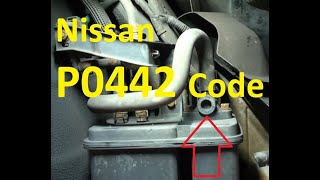
- If the gas cap isn't the issue, the EVAP canister vent control valve, located near the fuel tank, is the next most likely part to have failed.
- While you can drive with this code, you will not pass an emissions test until it is fixed.
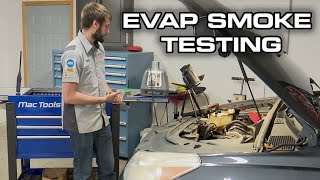
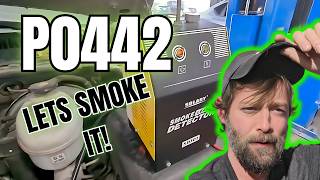
- A smoke test is the most reliable professional method to find the exact source of the leak if it's not obvious.
What's Unique About the 2012-2019 Nissan NV2500
The Nissan NV series is built on the same platform as the Nissan Titan and Armada, sharing many components, including the EVAP system. Nissan has acknowledged the frequency of EVAP leak codes across its 2012 and newer vehicle lineup, including the NV2500, by issuing several Technical Service Bulletins (TSBs). These bulletins, such as NTB13-097J, provide specific diagnostic flowcharts for codes P0442, P0455 (large leak), and P0456 (very small leak), emphasizing that a loose fuel cap is a primary cause. This indicates a platform-wide sensitivity to EVAP system sealing, often related to the gas cap or the EVAP canister vent control valve.
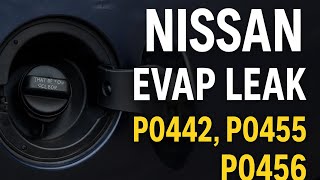
🎬 Watch this quick guide to fixing common Nissan EVAP codes.Diagnostic Flowchart
Tap your situation to follow the diagnostic path that matches what you're seeing on this vehicle.
Symptoms You May Notice
- Check Engine Light is on
- A faint fuel smell, particularly when parked in an enclosed space like a garage.
- A "Loose Fuel Cap" warning message may appear on the dashboard.
- Difficulty starting the engine immediately after refueling.
- Replacing the purge valve in the engine bay when the more common failure point is the vent control valve near the gas tank.
- Replacing the oxygen sensor, which is unrelated to the EVAP system.
- Using a cheap, aftermarket gas cap that does not seal correctly, leading to a persistent code.
Most Likely Causes
- Loose or Faulty Gas Cap 🔴 High Probability → Shop Fuel Tank Cap Nissan TSBs NTB13-097J and NTB13-097g specifically name a loose fuel filler cap as a potential primary cause for this code on all 2012 and newer vehicles. The rubber seal on the cap can crack or degrade over time, preventing a proper seal.
How to confirm: Ensure the gas cap is tightened until it clicks at least once. Inspect the cap's rubber seal for cracks, dirt, or wear. If the seal is damaged or the cap doesn't click, it needs replacement. An OEM cap is strongly recommended as aftermarket caps are a frequent source of sealing issues.
Typical fix: Tighten or replace the gas cap. It is highly recommended to use an OEM (Original Equipment Manufacturer) cap from Nissan.
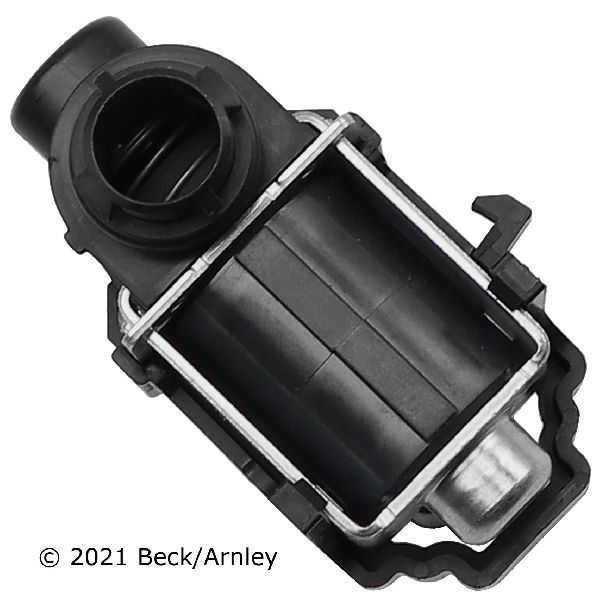
Est. part cost: $20-$50 - Faulty EVAP Canister Vent Control Valve 🟡 Medium Probability → Shop Vapor Canister Vent Valve This is a very common failure point on many Nissan models, including the NV's platform mates like the Titan, Armada, and Frontier. The valve can get stuck open due to dirt and debris, or fail electronically, creating a leak in the system. TSB NTB17-082E specifically addresses a leak at the vent control valve O-ring for code P0456, which is closely related to P0442. Later versions of the TSB advise replacing the entire valve assembly as the O-ring is no longer sold separately.
How to confirm: The valve is typically located near the charcoal canister by the fuel tank. It can be tested with a capable scan tool that can command it to open and close; you should hear a click. A smoke test is the most definitive way to confirm a leak at the valve or its seal. You can also test the valve's internal coil with a multimeter; resistance should generally be between 20 and 30 ohms.
Typical fix: Replace the EVAP canister vent control valve/solenoid. Using a genuine Nissan part is recommended for a lasting repair.
Est. part cost: $40-$120 - Cracked or Disconnected EVAP Hoses ⚪ Low Probability Over time, the rubber and plastic hoses in the EVAP system can become brittle, crack, or disconnect, especially at connection points to components like the purge valve or canister.
How to confirm: Visually inspect all accessible EVAP lines running from the gas tank, to the charcoal canister, and up to the purge valve in the engine bay. Pay close attention to the ends of the hoses where they connect to fittings. A smoke test is the most effective method for finding small, hard-to-see cracks.
Typical fix: Replace the cracked or broken section of hose. In some cases, trimming the cracked end and re-clamping can provide a temporary fix.
Est. part cost: $10-$30 - Leaking EVAP Purge Valve/Solenoid ⚪ Low Probability → Shop Vapor Canister While less common than the vent valve, the purge valve (located in the engine bay) can fail by sticking slightly open, causing a small leak.
How to confirm: With the engine off, a vacuum pump can be used to see if the valve holds vacuum (it should). A scan tool can also be used to command it open and closed while monitoring system pressure. A leaking purge valve can sometimes cause a rough idle immediately after refueling.
Typical fix: Replace the purge valve.
Est. part cost: $30-$100
Rare But Worth Checking
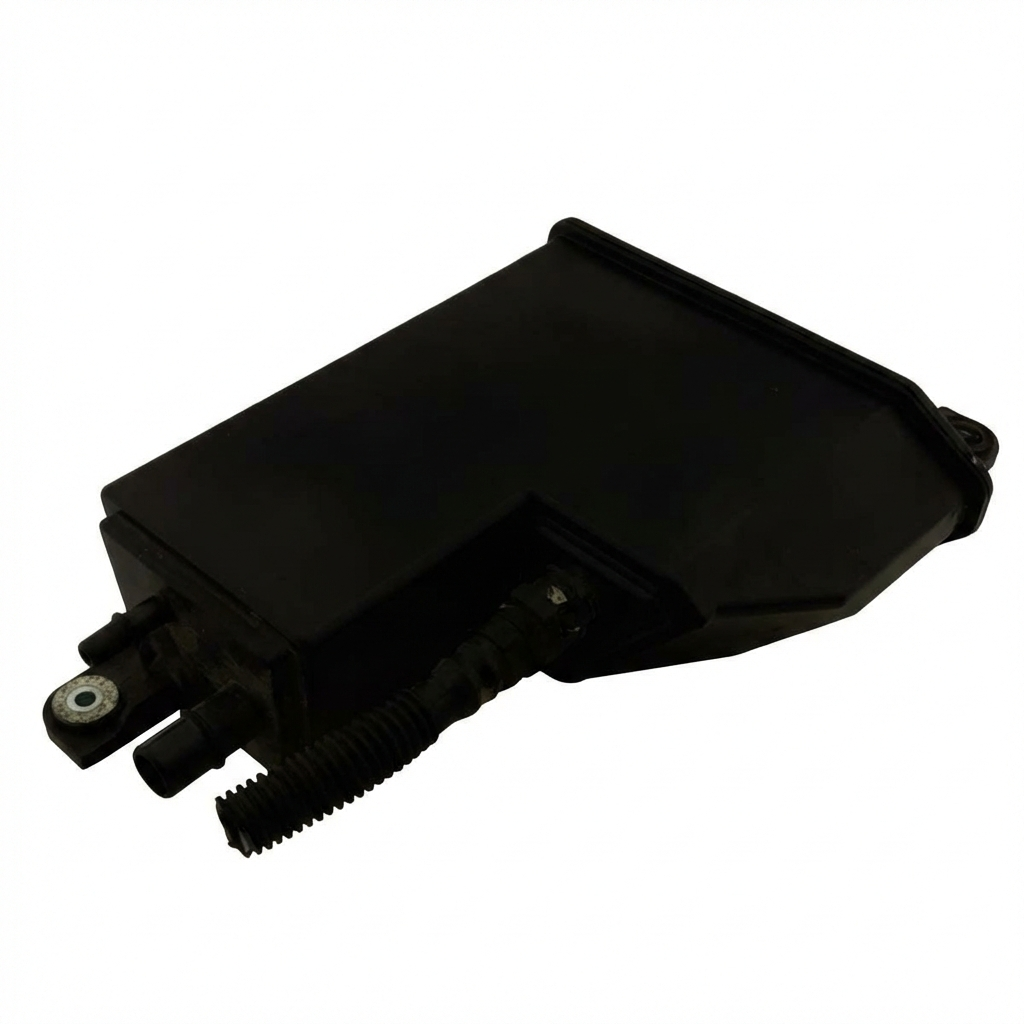
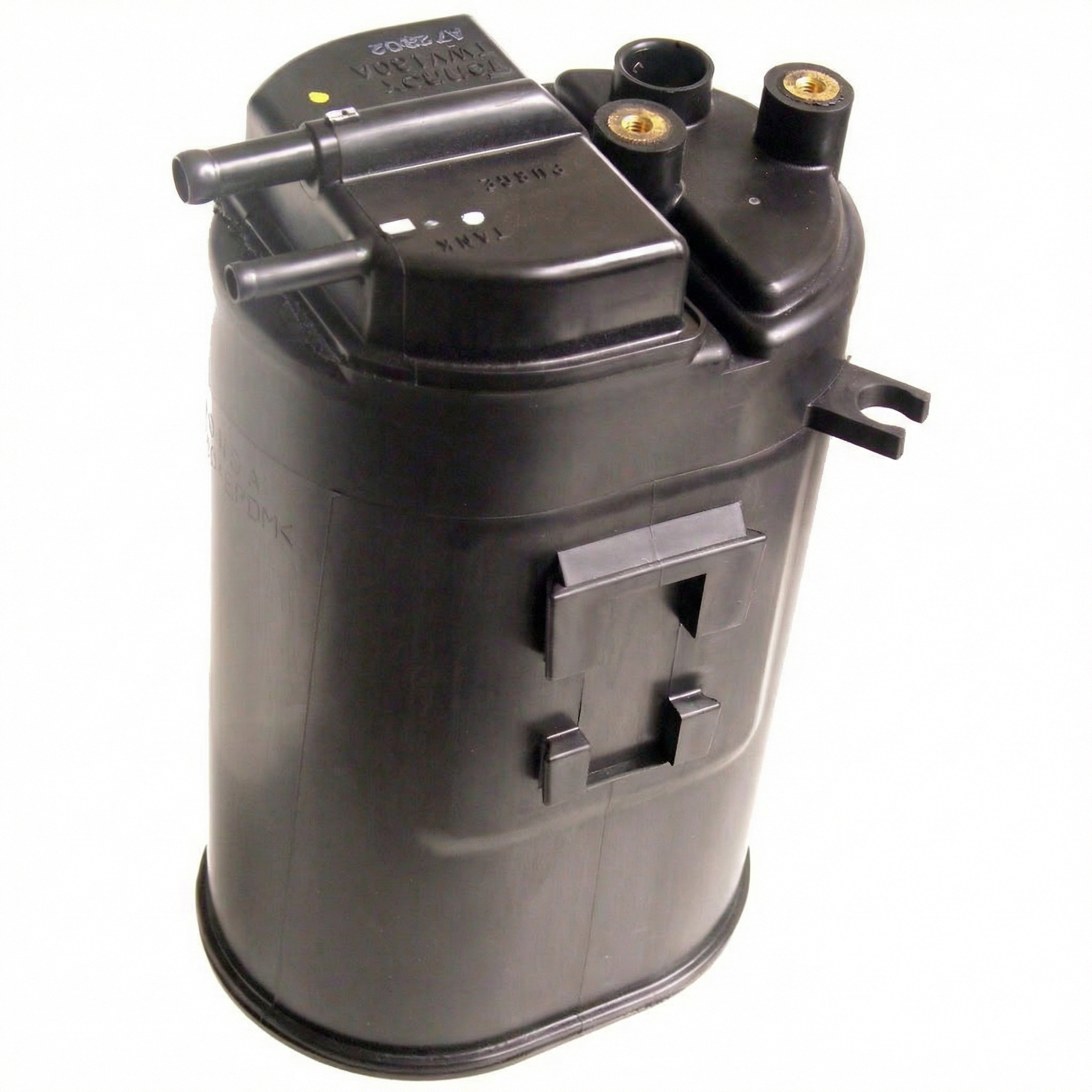
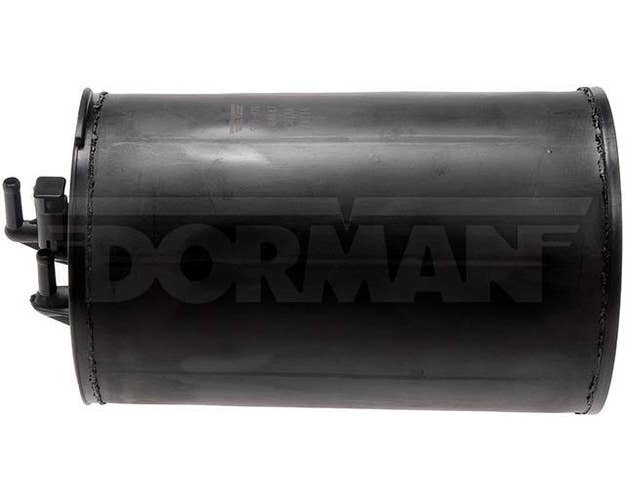
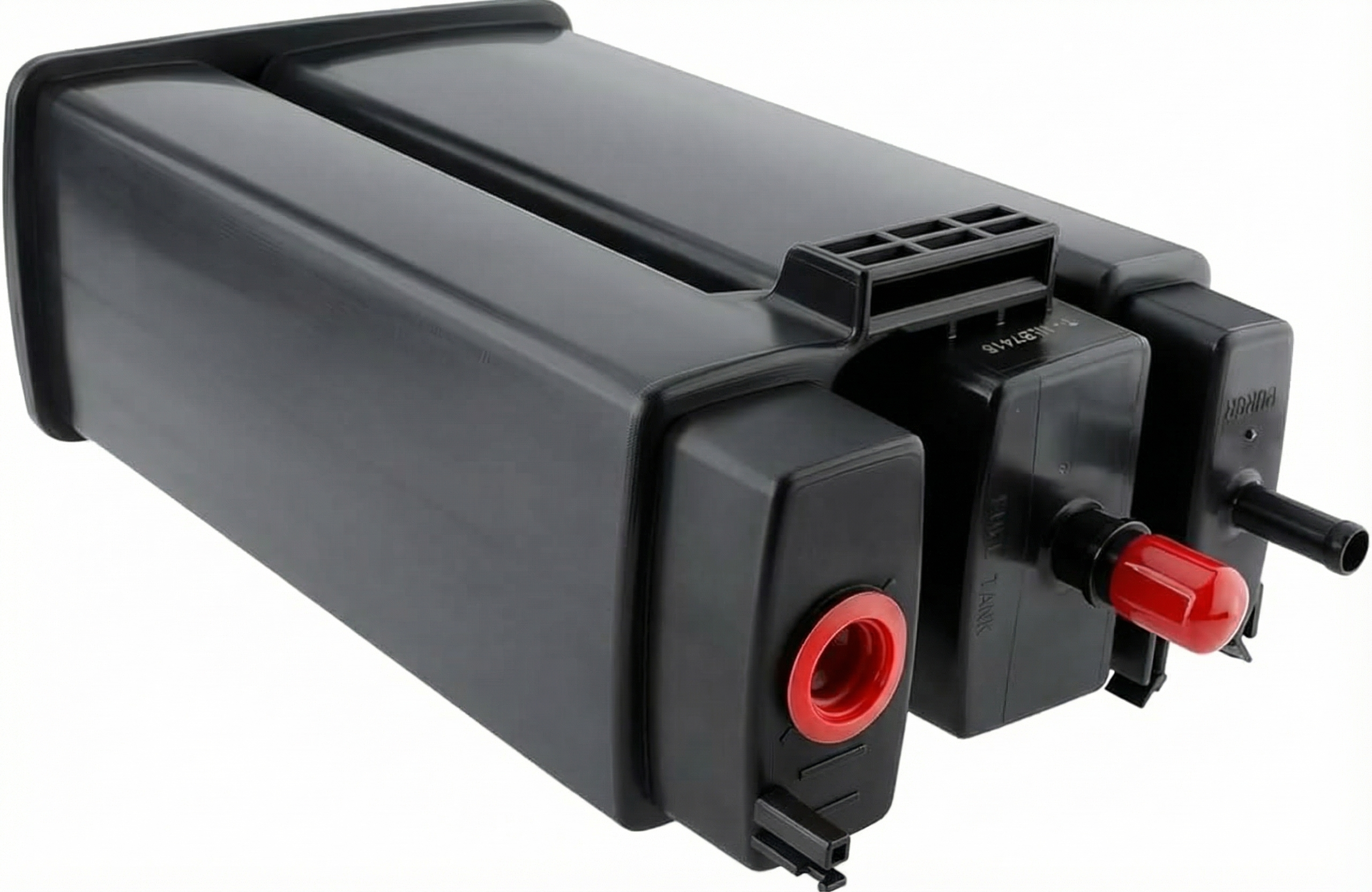
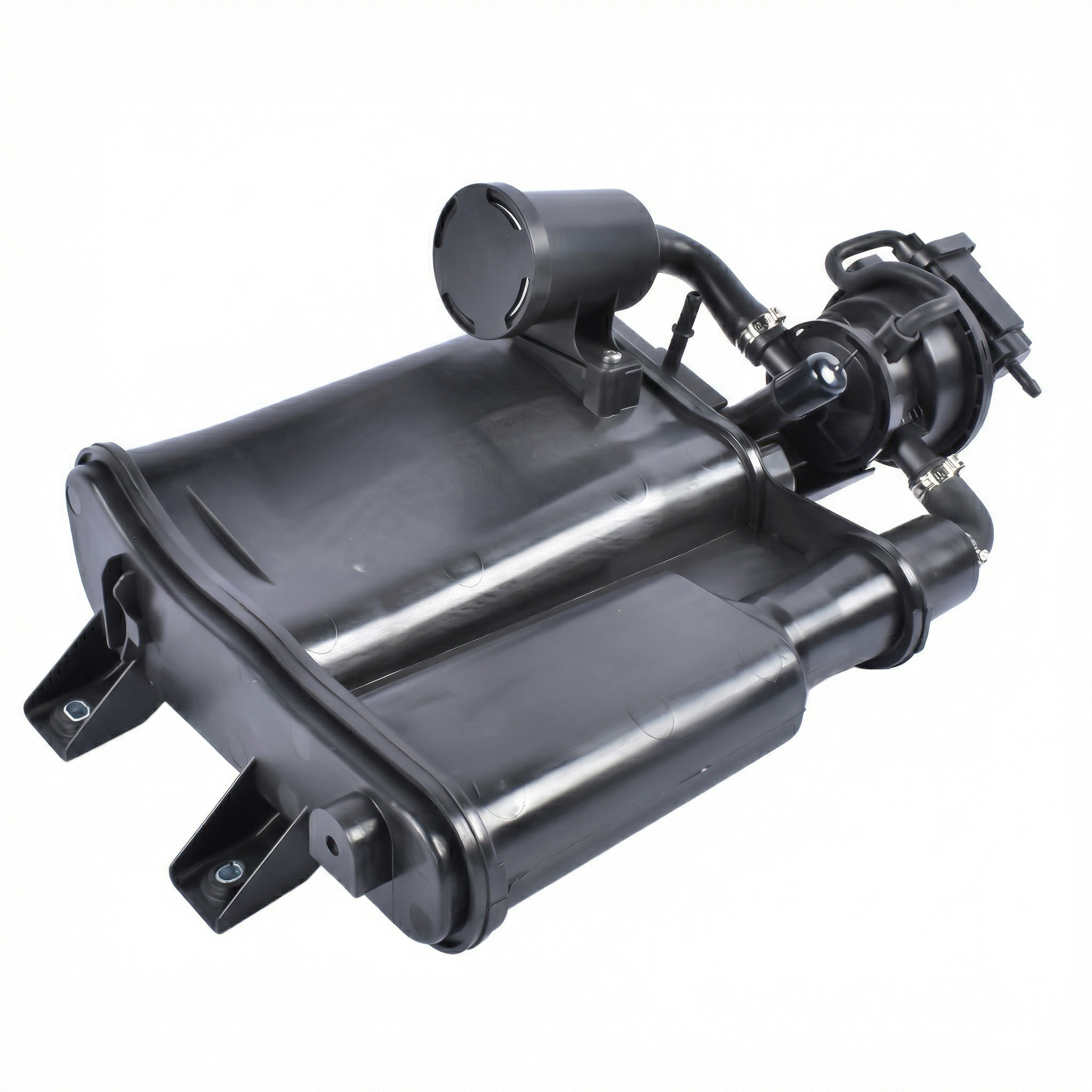
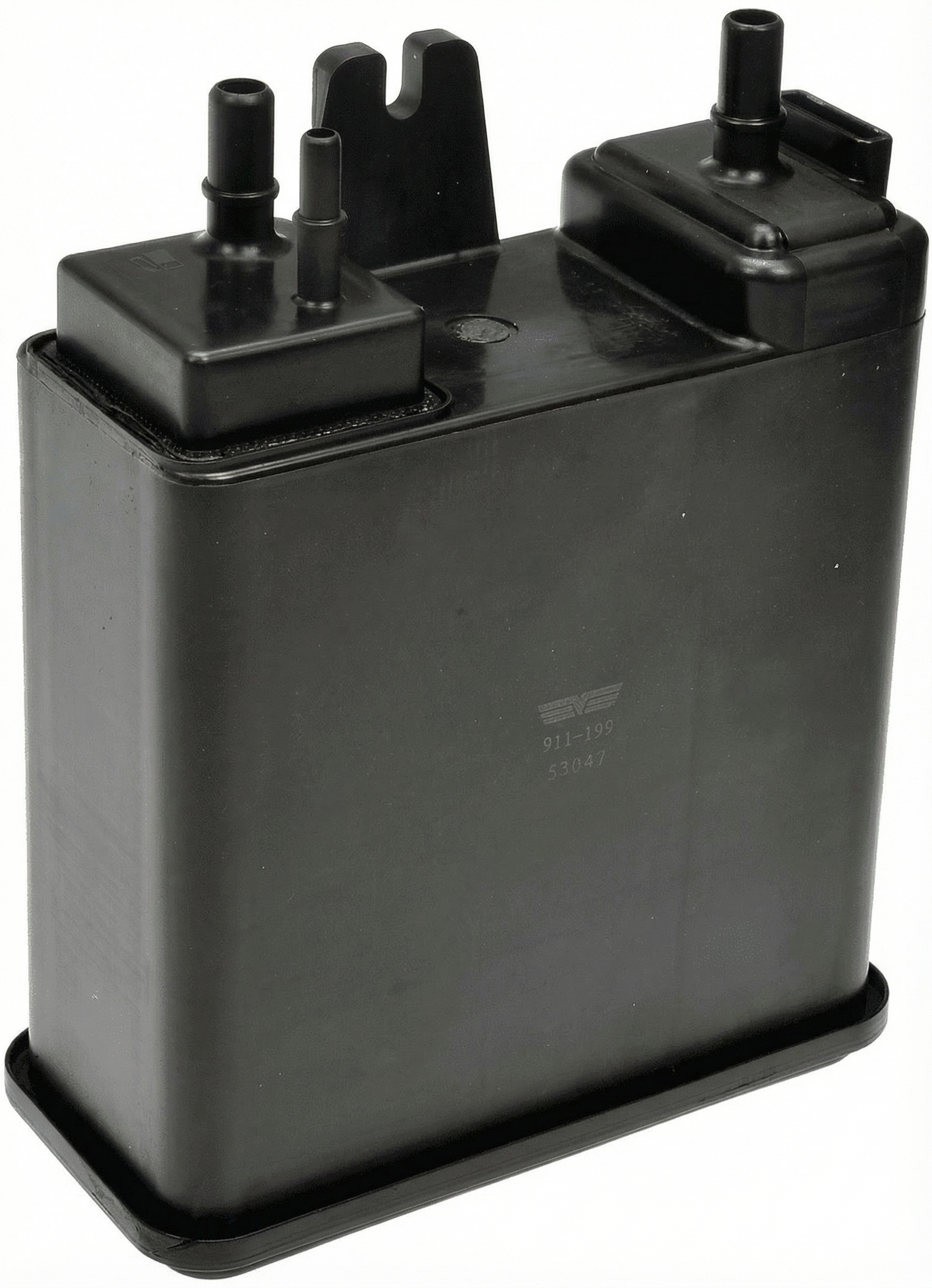
- Cracked Charcoal Canister: → Shop Vapor Canister The plastic housing of the canister can develop cracks from road debris or age, causing a leak. This is usually found during a smoke test.
- Corroded Fuel Filler Neck: → Shop Fuel Filler Neck Rust or corrosion on the lip of the filler neck where the gas cap seals can prevent a proper seal, even with a new cap. This is more common in regions that use road salt. The fix involves cleaning the surface with a wire brush or, in severe cases, replacing the entire filler neck assembly.
Diagnosis Steps
- Read the code with an OBD-II scanner to confirm P0442 is present.
- Inspect the gas cap. Remove it, check the seal for damage, and retighten it until it clicks. Clear the code and drive for a few days to see if it returns.
- If the code returns, replace the gas cap with a new OEM part. This is an inexpensive and high-probability fix.
- Visually inspect all visible EVAP hoses and lines for obvious cracks, damage, or loose connections between the engine bay and the fuel tank. Pay special attention to rubber elbows and connection points.
- Inspect the fuel filler neck for rust or corrosion where the gas cap seals. Clean any light corrosion with a wire brush.
- Locate the EVAP canister vent control valve near the fuel tank and inspect it and its wiring for damage.
- If no obvious issues are found, the most effective next step is to perform a smoke test. This involves injecting smoke into the EVAP service port and looking for where the smoke escapes. This will pinpoint the exact location of the leak.
- Based on the smoke test results, replace the leaking component, which could be a hose, the vent valve, the purge valve, or the canister itself.
Parts You'll Likely Need
- Fuel Filler Cap
(OEM #17251-1PA0B (for 2012 models), 17251-ZZ62D (supercedes earlier parts for 2013+))— This is the most frequent cause of a P0442 code, as identified by Nissan's own service bulletins. The seal wears out over time.
Trusted brands: Nissan (OEM)
OEM price range: $25-$50
Aftermarket price range: $15-$30 - EVAP Canister Vent Control Valve
(OEM #14935-JF00E (superceded by 14935-JF02C))— A common failure item on Nissan vehicles that gets stuck or fails, causing a system leak. Various part numbers exist, but 14935-JF02C is the latest revision for many models including the NV.
Trusted brands: Nissan (OEM), Dorman, Standard Motor Products, Bosch, Hitachi
OEM price range: $60-$150
Aftermarket price range: $40-$100
Related Codes That Often Appear With This One
- P0455 — Indicates a large EVAP leak. This code can appear with P0442 if the leak is intermittent or on the borderline between small and large.
- P0456 — Indicates a very small EVAP leak. All three codes (P0442, P0455, P0456) are addressed together in Nissan's TSBs as they point to the same system with varying leak sizes.
Technical Service Bulletins (TSBs) & Recalls
- NTB13-097J: EVAP LEAK DTC P0442, P0455, P0456 INFORMATION
- NTB13-097g: ALL MODEL YEAR 2012 AND NEWER NISSAN VEHICLES; EVAP LEAK DTC P0442, P0455, P0456 INFORMATION
- NTB13-097D: ALL MODEL YEAR 2012 AND NEWER NISSAN VEHICLES; EVAP LEAK DTC P0442, P0455, P0456 INFORMATION
- NTB17-082E: DTC P0456 CAUSED BY EVAP LEAK AT VENT CONTROL VALVE O-RING
Platform-Specific Known Issues
- Nissan has issued multiple versions of Technical Service Bulletin NTB13-097 (e.g., NTB13-097D, NTB13-097g, NTB13-097J) for all 2012 and newer vehicles, providing a specific diagnostic procedure for EVAP leak codes P0442, P0455, and P0456.
- Another TSB, NTB17-082E, specifically points to the O-ring on the EVAP vent control valve as a source for a P0456 (very small leak), which is highly relevant to diagnosing a P0442. An update to this TSB now recommends replacing the entire valve assembly, as the O-ring is no longer sold as a separate part.
Mechanic-Grade Diagnostic Values
- EVAP Canister Vent Control Valve Solenoid Resistance — expected: 20 - 50 Ohms (typically 20-30 Ohms for many models). Failure: A reading outside this range, or an open circuit (infinite resistance), indicates a failed solenoid coil.
- EVAP Canister Vent Control Valve Connector Voltage — expected: One pin should have battery voltage (approx. 12V) when the ignition is in the ON position.. Failure: No voltage suggests a wiring issue or a blown fuse. The computer controls the valve by switching the ground side.
- Fuel Tank Pressure (FTP) Sensor Voltage — expected: 1.0 - 4.0 Volts during normal operation.. Failure: Voltage outside this range could indicate a faulty sensor, which might incorrectly trigger an EVAP leak code.
Scan Tool Commands That Help
- Nissan CONSULT or capable bidirectional scanner (e.g., Autel): EVAP System Test / Vent Valve Control — This function is crucial for performing a smoke test. The vent valve is normally open, so it must be commanded closed by the scan tool to seal the system. This allows the smoke machine to build pressure and reveal leaks. It also confirms the ECM can control the valve.
Wiring & Ground Locations
- EVAP Canister Vent Control Valve Connector — On the EVAP canister vent control valve, which is typically mounted on or near the charcoal canister, located near the fuel tank and spare tire.. This is the connection point for testing voltage and resistance of the vent valve, a primary cause of P0442. Verifying power (approx. 12V with key on) and ground signal from the ECM is a key diagnostic step.
- Main Engine or Body Grounds — While specific NV2500 diagrams are scarce, common Nissan ground points include the intake manifold to the battery, the cylinder head to the firewall, and various points on the frame rail.. A poor ground connection for the ECM or the EVAP system components can cause erratic behavior or incorrect sensor readings, potentially leading to a false P0442 code. The ECM controls the vent valve via a ground signal.
Real Owner Repair Stories
- YouTube video by 'Fixing cars and stuff' (Older vehicle, but demonstrates a common Nissan issue.) — Persistent P0442 code.
❌ Tried (didn't work) Replacing the gas cap.
✅ What actually fixed it The fuel filler neck was corroded and rusty where the gas cap seal makes contact. The owner cleaned the entire sealing surface thoroughly with a wire brush to restore a smooth surface, which allowed the gas cap to seal properly and resolved the code.
"I Checked Everything" — The Actual Cause
- In some cases, a smoke test may not reveal a leak if the failure is intermittent. For example, an EVAP vent valve solenoid may test fine when cold but fail to seal properly once it warms up during vehicle operation. This can lead to a 'smoke test clean' result while the code persists. In such scenarios, testing the component dynamically (applying power and checking for operation multiple times) or replacing it based on its high failure rate may be necessary.
OEM Part Supersession History
14935-JF00A, 14935-JF00B, 14935-JF00C, 14935-JF00D, 14935-JF00E→14935-JF02C— Component revision and consolidation. The newer part is the current service replacement for a wide range of Nissan vehicles.
Heads up: The latest part number, 14935-JF02C, is the recommended replacement for the previous versions on the NV2500 and its platform mates.
Helpful Videos

Used OEM Parts in Stock
New Aftermarket Parts Available


The information in this article is provided for general reference and educational purposes only. Vehicle specifications, procedures, and part compatibility can vary by production date, trim level, and region. Always consult your vehicle's factory service manual and verify part numbers before purchasing or performing repairs. Safety-critical components such as airbags, seat belts, and braking systems should be installed by a qualified professional.
- Nissan NV2500:
- 🧭 Diagnostic Flowchart
- 🎬 Helpful Videos
- 🛍️ Shop This Part
- What's Unique About the 2012-2019 Nissan NV2500
- Symptoms You May Notice
- Most Likely Causes
- Rare But Worth Checking
- Diagnosis Steps
- Parts You'll Likely Need
- Related Codes That Often Appear With This One
- Technical Service Bulletins (TSBs) & Recalls
- Platform-Specific Known Issues
- Mechanic-Grade Diagnostic Values
- Scan Tool Commands That Help
- Wiring & Ground Locations
- Real Owner Repair Stories
- "I Checked Everything" — The Actual Cause
- OEM Part Supersession History
- 🎟️ Get 5% Off