

P0442 on 2000-2002 Oldsmobile Bravada: EVAP Small Leak Causes and Fixes
P0442 on a 2000-2002 Oldsmobile Bravada indicates a small leak in the EVAP system. The most common and inexpensive fix is replacing a worn or loose gas cap. If that fails, the next likely culprits are the EVAP purge or vent solenoids. On S-10 platform models (2000-2001), a rusted fuel filler neck is also a very common cause.
- P0442 signifies a small leak in the fuel vapor recovery system.
- Always start by checking that the gas cap is tight; if that doesn't work, replace it. This is the most common and cheapest fix.
- Be aware of your model year: 2000-2001 models are different from the 2002 model, and parts are not interchangeable.
- If a new gas cap doesn't solve the issue, the EVAP vent solenoid (under the vehicle) or purge solenoid (in the engine bay) are the next most likely causes.
- A smoke test is the most effective way to find the exact location of a leak if it's not one of the common components.
What's Unique About the 2000-2002 Oldsmobile BRAVADA
The 2000-2002 year range for the Bravada spans two distinct vehicle generations, which can cause confusion. The 2000-2001 models are first-generation, sharing the S-10 platform and 4.3L V6 engine with the Chevy Blazer and GMC Jimmy. The 2002 model was the first year of the second generation, moving to the new GMT360 platform (TrailBlazer/Envoy) with a 4.2L inline-6 engine. While the P0442 code has the same meaning for both, the specific locations and part numbers for EVAP components like the vent and purge solenoids differ between these generations, and each platform has its own common failure points.
Diagnostic Flowchart
Tap your situation to follow the diagnostic path that matches what you're seeing on this vehicle.
Generation note: The 2000-2001 models are the first generation (S-10 platform) with the 4.3L V6 engine. The 2002 model is the second generation (GMT360 platform) with the 4.2L I6 engine. Part locations and designs for EVAP components differ significantly between these two platforms. It is crucial to identify the correct generation before ordering parts.
Symptoms You May Notice
- Check Engine Light is on
- A faint smell of fuel, particularly around the gas cap or rear of the vehicle
- Slight decrease in fuel economy
- Difficulty refueling (gas pump nozzle clicks off prematurely), which can happen if the vent path is blocked or restricted.
- Replacing the charcoal canister when only the vent valve is bad. The vent valve is often serviced separately and is a much more common failure point.
- Replacing the fuel tank pressure sensor when the leak is elsewhere. The sensor is reporting the leak correctly; it is rarely the source of the leak itself.
- Repeatedly replacing the gas cap when the actual leak is a rusted fuel filler neck that prevents any cap from sealing correctly.
Most Likely Causes
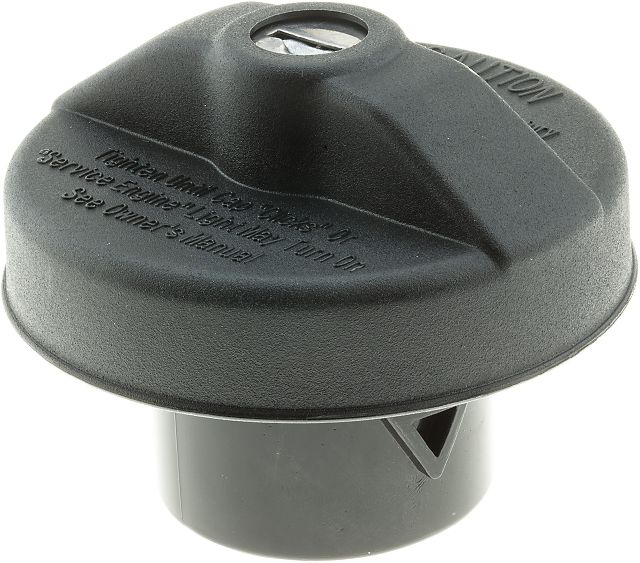
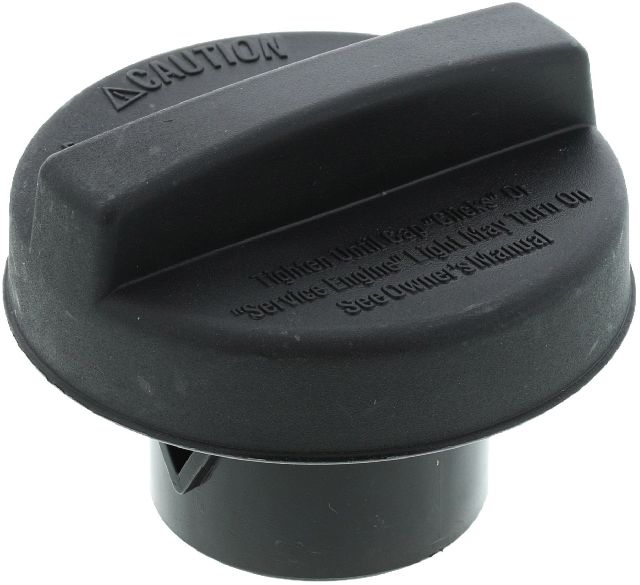
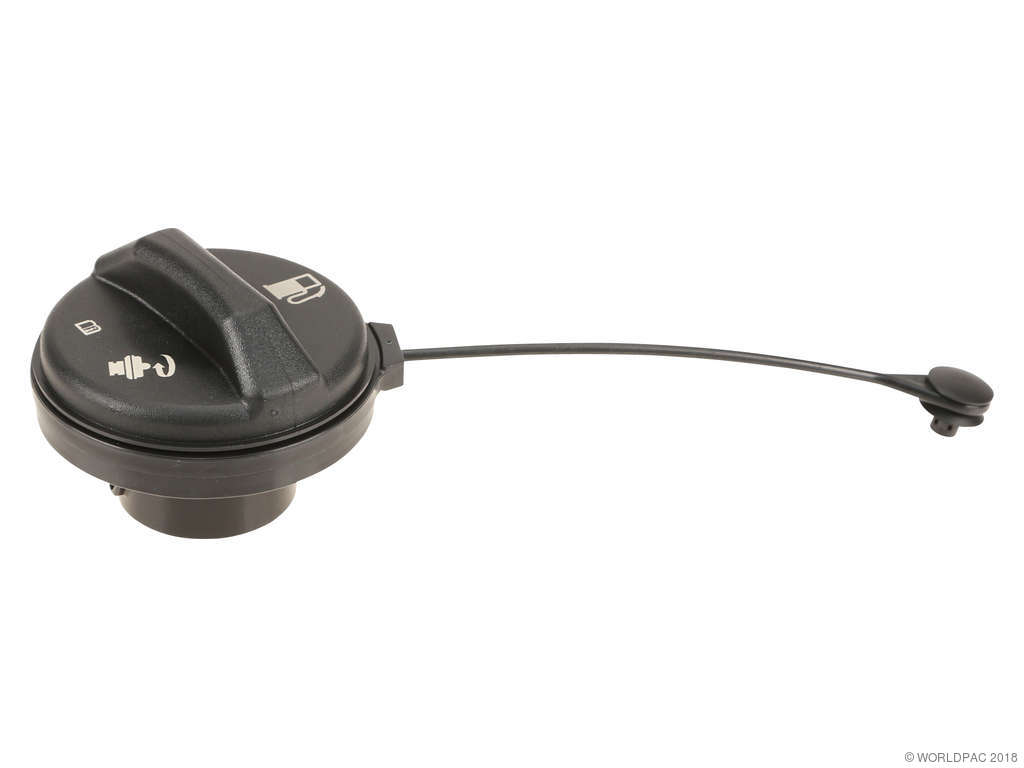
- Loose, Worn, or Incorrect Gas Cap 🔴 High Probability → Shop Fuel Tank Cap The gas cap seal is a simple rubber O-ring that degrades over time due to exposure to fuel vapors and weather, making it the most common failure point for the EVAP system. Using a non-OEM cap can also cause sealing issues.
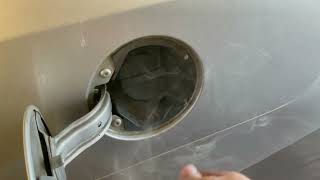
How to confirm: Ensure the cap is tightened until it clicks multiple times. Inspect the rubber seal for cracks, stiffness, or damage. Check the filler neck for rust or debris that could prevent a good seal.
Typical fix: Replace the gas cap with a new, OEM-spec part. This is the cheapest and easiest first step. After replacing, the code must be cleared with a scanner, or it may clear on its own after several drive cycles.
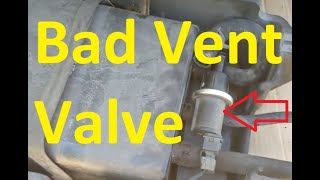
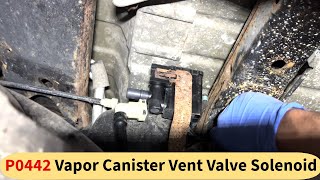
Est. part cost: $15-$35 - Failed EVAP Vent Valve/Solenoid 🟡 Medium Probability → Shop Vapor Canister Located under the vehicle near the charcoal canister, this valve is exposed to road debris, moisture, and salt, causing it to stick open or fail electronically. GM issued a TSB (02-06-04-037) for related codes on these platforms due to dirt and dust clogging the valve, recommending replacement with a kit that relocates the air filter to a cleaner location.
How to confirm: The valve is normally open. A scan tool can command it closed for testing. During a smoke test, if smoke exits the vent valve filter, the valve is stuck open and has failed. It can also be removed and tested with a 12V power source to see if it actuates.
Typical fix: Replace the EVAP vent valve. It is highly recommended to use the updated service kit which includes a new valve and a hose to relocate the filter to a less exposed area, often near the transmission bell housing.
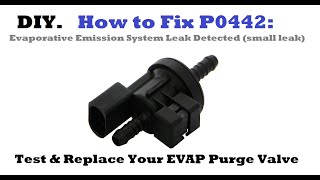
Est. part cost: $25-$70 - Failed EVAP Purge Valve/Solenoid 🟡 Medium Probability → Shop Vapor Canister This valve, located in the engine bay, can get stuck slightly open due to carbon buildup or internal failure, creating a constant small leak that the system detects during its self-test. A symptom of a stuck-open purge valve can be difficulty starting the engine immediately after refueling.
How to confirm: The valve is normally closed. With the engine off, disconnect the hose leading from the valve to the intake manifold and apply vacuum; if it doesn't hold vacuum, it's leaking. Alternatively, you can try to blow through it; if air passes, it has failed. A smoke test may also show smoke entering the intake manifold through a faulty purge valve.
Typical fix: Replace the purge valve/solenoid.
Est. part cost: $20-$50 - Cracked or Disconnected EVAP Hoses ⚪ Low Probability The plastic and rubber hoses in the EVAP system can become brittle and crack with age and heat exposure, especially at connection points and elbows.
How to confirm: A thorough visual inspection of all EVAP lines from the gas tank to the engine is required. A smoke test is the most effective method, as it will make even tiny cracks visible as smoke escapes.
Typical fix: Replace the cracked section of hose or the damaged connector.
Est. part cost: $5-$30
Rare But Worth Checking
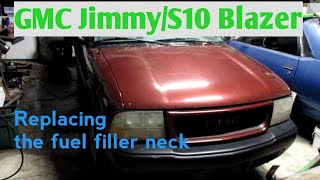
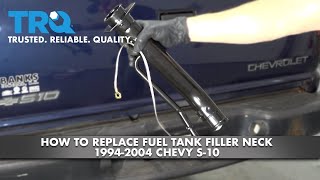
- Rusted Fuel Filler Neck: → Shop Fuel Filler Neck Especially common on the S-10 platform (2000-2001 models) in areas with road salt. The metal fuel filler neck can rust through, creating holes that cause a leak and prevent the gas cap from sealing properly. A smoke test will quickly reveal leaks from pinholes in the neck.
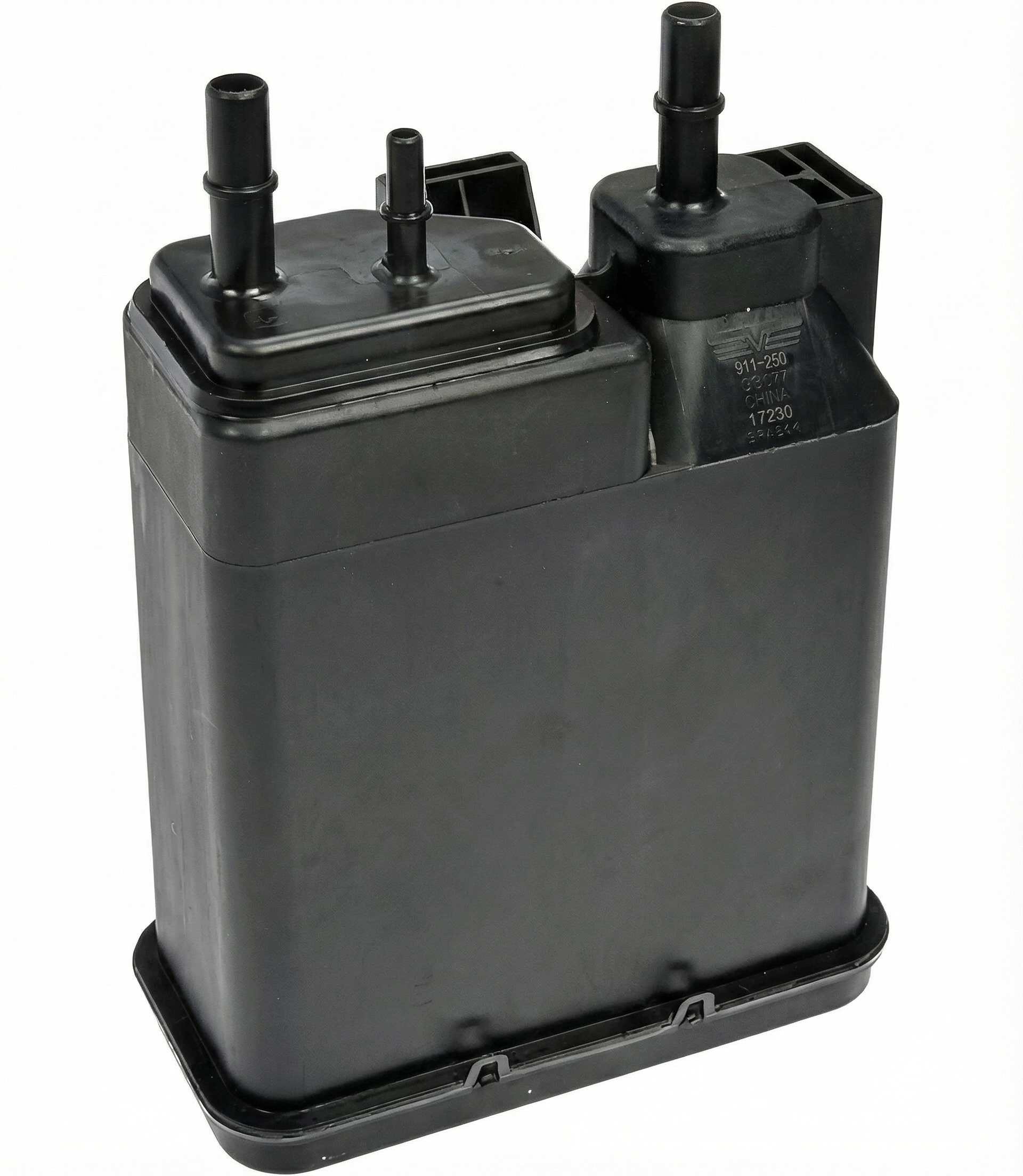
- Cracked Charcoal Canister: → Shop Vapor Canister The plastic housing of the charcoal canister can develop hairline cracks from age or impact from road debris, creating a leak.
- Leaking Fuel Tank Pressure (FTP) Sensor Seal: → Shop Fuel Tank The seal or O-ring for the FTP sensor, typically located on top of the fuel tank as part of the fuel pump module, can degrade and cause a small leak.
Diagnosis Steps
- Visually inspect the gas cap for damage and ensure it is tightened properly (at least three clicks). Check the filler neck sealing surface for rust or debris.
- If the gas cap looks old or worn, replace it with an OEM-quality cap, clear the code, and drive for a few days to see if the light returns. This is the most common and cheapest fix.
- If the light returns, perform a thorough visual inspection of all accessible EVAP hoses and lines in the engine bay and under the vehicle, looking for obvious cracks, damage, or loose connections.
- For 2000-2001 models, pay close attention to the fuel filler neck for signs of rust and perforation.
- Locate the EVAP purge solenoid in the engine bay. Test it to ensure it is closed at rest and not leaking vacuum.
- Locate the EVAP vent solenoid near the charcoal canister under the vehicle. Inspect it and its filter for damage or blockage.
- For a definitive diagnosis, perform a smoke test. Introduce smoke into the EVAP service port (usually a green cap near the purge solenoid).
- Watch for smoke escaping from any part of the system: hoses, the gas cap seal, the purge or vent valves, the charcoal canister, or the fuel tank itself. The source of the smoke is the source of the leak.
Parts You'll Likely Need
- Gas Cap
(OEM #ACDelco GT294 (for GMT360 platform, 2002) or ACDelco GT231 (for S-10 platform, 2000-2001))— This is the most frequent cause due to the natural wear of its rubber seal. It's the first part to check and replace.
Trusted brands: ACDelco, Stant
OEM price range: $20-$40
Aftermarket price range: $10-$25 - EVAP Vent Valve / Solenoid
(OEM #ACDelco 214-2242 (or kit 19258957) for GMT360 (2002); ACDelco 214-2149 for S-10 (2000-2001))— Its location under the vehicle makes it prone to failure from dirt and moisture, causing it to stick open. A known issue addressed by a GM TSB.
Trusted brands: ACDelco, Dorman, Standard Motor Products
OEM price range: $40-$80
Aftermarket price range: $25-$50 - EVAP Purge Valve / Solenoid
(OEM #ACDelco 214-1680 (for GMT360, 2002); ACDelco 214-641 (for S-10, 2000-2001))— This valve can fail internally and get stuck partially open, creating a persistent small leak.
Trusted brands: ACDelco, Bosch, Dorman
OEM price range: $30-$60
Aftermarket price range: $20-$45
Related Codes That Often Appear With This One
- P0440 — Evaporative Emission System Malfunction. This is a more general EVAP system code that can appear alongside P0442.
- P0455 — Evaporative Emission System Leak Detected (Large Leak). If a small leak (P0442) worsens, or if there are multiple small leaks, it may eventually be flagged as a large leak.
- P0449 — Evaporative Emission System Vent Valve/Solenoid Circuit Malfunction. This electrical code points directly to a problem with the vent valve circuit and often accompanies a P0442 if the valve is the cause of the leak.
Technical Service Bulletins (TSBs) & Recalls
- PIT4943D: Directs technicians to review a specific Techlink article on using an Evaporative Emissions System Tester for proper diagnosis of a P0442 code. [MANUFACTURER TSB — highest authority]
- 02-06-04-037J: While officially for DTC P0446, this TSB is highly relevant as it addresses a root cause of many EVAP codes, including P0442. It describes a common failure where the EVAP vent valve gets clogged with dirt and recommends replacing it with a kit that relocates the air filter to a cleaner location to prevent recurrence.
Platform-Specific Known Issues
- Rusted Fuel Filler Neck (2000-2001 S-10 Platform): → Shop Fuel Filler Neck The metal fuel filler neck on the S-10 based Bravada is highly susceptible to rusting through, especially in the salt belt. This creates a leak that a new gas cap cannot fix. A visual and smoke test inspection of the neck is critical if a new gas cap doesn't solve the P0442 code. A YouTube video by 'Qualiteck' on a 2004 Trailblazer (same GMT360 platf
Mechanic-Grade Diagnostic Values
- Fuel Tank Pressure (FTP) Sensor Voltage — expected: Approximately 1.4V to 1.6V with the key on, engine off, and the gas cap removed (at atmospheric pressure).. Failure: A voltage that is stuck and does not change when the system is sealed and vacuum is applied by the purge valve during a test. For example, if the purge valve is commanded open and the FTP voltage does not change, it could indicate a blockage, a stuck-closed purge valve, or a faulty sensor.
- EVAP Purge Solenoid Resistance — expected: Typically between 18 and 30 Ohms for many GM vehicles of this era. This value can vary, so comparing to a known-good part is recommended.. Failure: A reading of infinite resistance (open circuit) or very low resistance (short circuit) indicates a failed solenoid coil.
- EVAP Vent Solenoid Resistance — expected: Typically between 14 and 30 Ohms. The specific value can vary by part manufacturer.. Failure: A reading of infinite resistance (open circuit) or very low resistance (short circuit) indicates a failed solenoid coil.
Scan Tool Commands That Help
- Tech2 / Professional Scan Tool: EVAP System Test (or Service Bay Test) — This is a bidirectional control function that allows the technician to manually command the EVAP components to operate, which is essential for diagnosis. The command sequence typically involves: 1. Closing the EVAP Vent Solenoid (which is normally open). 2. Commanding the EVAP Purge Solenoid to open by a certain percentage to draw a vacuum on the sealed system. 3. Sealing the system by closing the Purge Solenoid. 4. Monitoring the FTP sensor voltage to see if the vacuum holds. A rapid loss of vacuum indicates a leak.
- Tech2 / Professional Scan Tool: Vent Solenoid Control — Used to command the vent solenoid closed to seal the system for a smoke test. If smoke immediately exits the vent filter after commanding it closed, the solenoid has failed and is stuck open.
Wiring & Ground Locations
- G114 / G117 (2000-2001 S-10 Platform) — These are engine block grounds located on the rear of the engine. G114 is on the left rear, and G117 is on the right rear of the engine block.. The Powertrain Control Module (PCM) and various sensors, including those in the EVAP system, rely on clean ground connections. A corroded or loose engine ground can cause erratic sensor readings and incorrect operation of solenoids, potentially leading to false diagnostic codes.
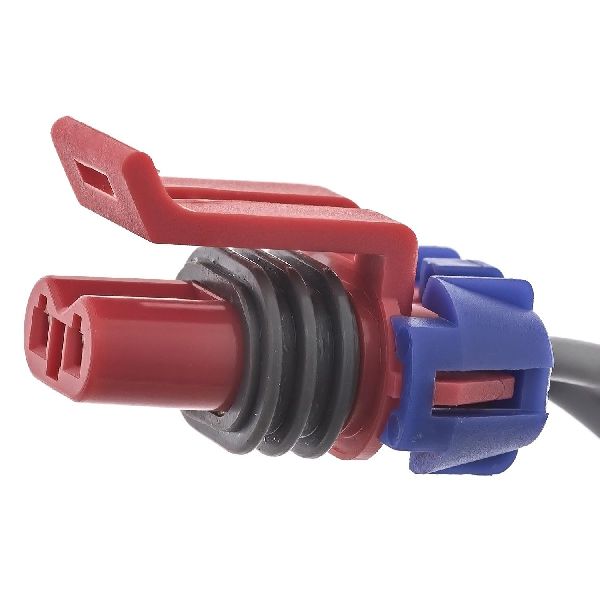
- Purge Solenoid Connector (2002 GMT360 Platform) — On the 4.2L I6 engine, the purge solenoid is located on the driver's side of the engine.. This is the electrical connection for the purge solenoid. When testing, one pin should have 12V+ with the key on, and the other pin is the ground control wire from the PCM. Checking for voltage here is a key step in diagnosing a non-responsive solenoid.
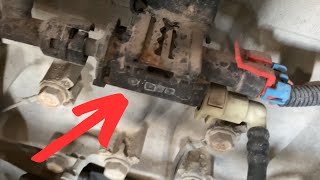
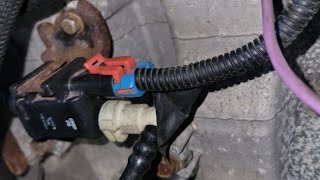
- Vent Solenoid Connector (Both Platforms) — Located near the charcoal canister, typically above the rear axle near the spare tire.. This connector provides power and ground to the vent solenoid. A corroded connector or damaged wiring in this exposed location can cause an electrical fault (like P0449) or prevent the valve from closing, leading to a P0442 leak code.
Real Owner Repair Stories
- 2CarPros Forum Post (2000-2005 Mitsubishi Eclipse (demonstrates a common issue also seen on S-10 platform)) — Persistent P0442 code, visible fuel leak from under the car only when actively pumping gas.
❌ Tried (didn't work) Initial diagnosis could not locate the leak through standard checks.
✅ What actually fixed it The metal fuel filler neck was completely rusted out on the bottom, hidden from easy view. Replacing the entire fuel filler neck assembly resolved both the fuel leak during fill-ups and the P0442 code. - YouTube video by 'Fix it Angel' (2002 GMC Envoy (GMT360 Platform)) — Vehicle would not accept fuel at a normal rate; the gas pump nozzle would constantly click off.
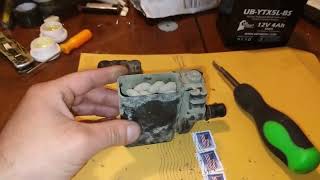
✅ What actually fixed it The owner disassembled the EVAP vent valve assembly and found it was clogged with insect cocoons/nests. After cleaning out the debris and testing the solenoid with a 12V battery to confirm it still functioned, the assembly was reinstalled, which resolved the slow-fueling issue. This demonstrates that a physical blockage can cause EVAP system symptoms even without setting a leak code initially.
"I Checked Everything" — The Actual Cause
- In some cases, a system may pass a pressure-based smoke test but fail the vacuum-decay test run by the vehicle's PCM. This can happen if a component, like the purge or vent valve, seals adequately under slight positive pressure but leaks under a slight vacuum. A technician on the ScannerDanner forum noted this possibility, suggesting that testing the solenoids by applying vacuum with a hand pump can sometimes reveal a leak that a smoke machine does not.
OEM Part Supersession History
Varies by year/platform→GM Service Kit P/N 19258957 (or similar, e.g., 19352776)— The original EVAP vent valve design was prone to contamination from road dust and moisture, leading to codes P0442, P0446, and P0449.
Heads up: The service kit is not a direct replacement; it is a relocation kit. It includes a new sealed valve, a filter box, and tubing. The new valve is installed in a more protected location (e.g., on the frame rail), and the filter box is routed to a high, dry area, often above the transmission, to draw in clean air.
Model Year Variations Within This Range
- 2000-2001: These S-10 platform models use the 4.3L V6 and have EVAP components like the vent solenoid (ACDelco 214-2149) and purge solenoid (ACDelco 214-641) specific to that powertrain. They are highly prone to rusted fuel filler necks.
- 2002: This first-year GMT360 platform model uses the 4.2L I6. The EVAP components are different, including the vent solenoid (ACDelco 214-2242) and purge solenoid (ACDelco 214-1680). The vent solenoid is located near the gas tank and is easily accessible from under the right side of the vehicle without removing the spare tire.
Helpful Videos


Used OEM Parts in Stock
New Aftermarket Parts Available


The information in this article is provided for general reference and educational purposes only. Vehicle specifications, procedures, and part compatibility can vary by production date, trim level, and region. Always consult your vehicle's factory service manual and verify part numbers before purchasing or performing repairs. Safety-critical components such as airbags, seat belts, and braking systems should be installed by a qualified professional.
- Oldsmobile BRAVADA:
- 🧭 Diagnostic Flowchart
- 🎬 Helpful Videos
- 🛍️ Shop This Part
- What's Unique About the 2000-2002 Oldsmobile BRAVADA
- Symptoms You May Notice
- Most Likely Causes
- Rare But Worth Checking
- Diagnosis Steps
- Parts You'll Likely Need
- Related Codes That Often Appear With This One
- Technical Service Bulletins (TSBs) & Recalls
- Platform-Specific Known Issues
- Mechanic-Grade Diagnostic Values
- Scan Tool Commands That Help
- Wiring & Ground Locations
- Real Owner Repair Stories
- "I Checked Everything" — The Actual Cause
- OEM Part Supersession History
- Model Year Variations Within This Range
- 🎟️ Get 5% Off