

P0442 on 2000-2004 Pontiac Sunfire: EVAP Small Leak Causes and Fixes
On a 2000-2004 Pontiac Sunfire, code P0442 is most often caused by a loose or worn-out gas cap. If a new gas cap (~$15) doesn't fix it, the next most likely culprits are a faulty EVAP purge or vent solenoid. A rusted fuel filler neck where the cap seals is also a very common, often overlooked, cause on these cars.
- P0442 on a Sunfire means the computer has detected a small leak in the fuel vapor system.
- Always check the gas cap first; a new, quality cap is a cheap and easy first step.
- If the cap doesn't fix it, the purge solenoid (engine bay) and vent solenoid (rear of car) are the next most likely parts to fail.
- Crucially, inspect the fuel filler neck for rust where the cap seals. This is a very common failure on these cars that a new cap won't solve.
- A smoke test is the best way to find the exact source of the leak if it's not obvious.
What's Unique About the 2000-2004 Pontiac SUNFIRE

For the J-body platform, which the Sunfire and its sibling the Chevrolet Cavalier are built on, the P0442 code is a very common issue as the vehicles age. The plastic and rubber components of the EVAP system, such as hoses and valve seals, become brittle over time and develop small cracks. Beyond the gas cap, the most frequent failure points are the easily accessible purge solenoid in the engine bay, the vent solenoid near the fuel tank (and its wiring), and corrosion on the fuel filler neck which prevents the gas cap from sealing.
Diagnostic Flowchart

Tap your situation to follow the diagnostic path that matches what you're seeing on this vehicle.
Symptoms You May Notice

- Check Engine Light is on
- A faint smell of gasoline around the vehicle
- Difficulty refueling (gas pump nozzle clicks off before the tank is full)
- Hard starting after refueling (engine cranks for a long time before starting)
- Failing a vehicle emissions test
- Replacing the O2 sensors. Oxygen sensors are not related to the EVAP system.
- Replacing the fuel injectors. While fuel-related, injectors will not cause an EVAP leak code.
Most Likely Causes

- Loose or Faulty Gas Cap 🔴 High Probability → Shop Fuel Tank Cap The rubber O-ring seal on the gas cap degrades and cracks over time, preventing a proper seal. This is the most common cause for P0442 across all vehicles.
How to confirm: First, ensure the cap is tightened until it clicks multiple times. If the light returns, inspect the rubber seal on the cap for any cracks, stiffness, or damage. Often, the easiest test is to simply replace it with a new one. Always use a quality OEM or aftermarket cap.
Typical fix: Replace the gas cap. It is highly recommended to use an OEM (ACDelco) or high-quality aftermarket cap to ensure a proper seal. An ACDelco GT281 is a common replacement.
Est. part cost: $10-$25 - Faulty EVAP Purge Valve / Solenoid 🟡 Medium Probability → Shop Vapor Canister This solenoid is a common failure point on many GM vehicles of this era. It can become stuck partially open, creating a small, constant leak.
How to confirm: The valve is located in the engine bay. On the 2.2L OHV engine (pre-2003), it's typically on top of the engine near the intake manifold. On the 2.2L Ecotec (2003+), it's mounted on the driver's side of the engine. With the engine off, remove the valve and try to blow through it. If air passes through, the valve is stuck open and is faulty. A scan tool can also command the valve to open and close to check its function.
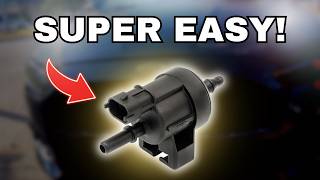
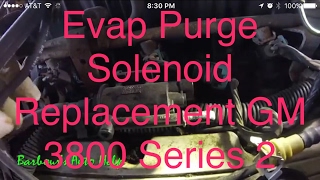
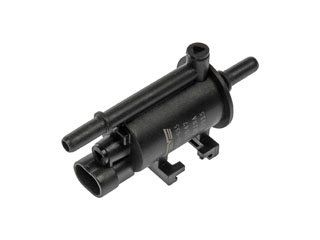
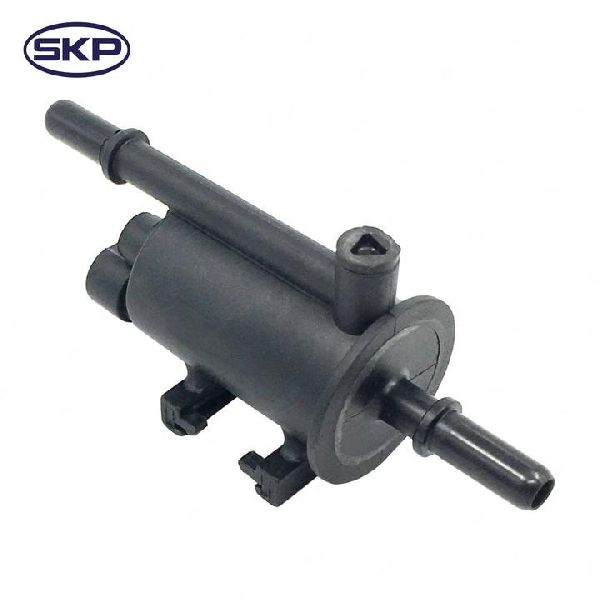
Typical fix: Replace the EVAP purge valve. This is generally an easy repair that takes less than 30 minutes. 🎬 See how to replace your purge valve like a pro. The common ACDelco part number is 214-641.
Est. part cost: $25-$70 - Faulty EVAP Vent Valve / Solenoid 🟡 Medium Probability → Shop Vapor Canister Located near the charcoal canister by the fuel tank, this valve is exposed to road debris and moisture, causing it to fail or stick open. The wiring to the solenoid is also a known failure point.
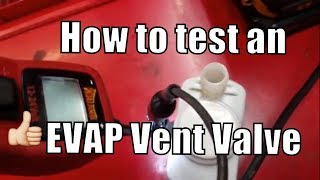
How to confirm: The valve should be normally open and close when voltage is applied. A failure can cause it to not seal properly during the EVAP system test. This part is also a common cause of difficulty when refueling. On J-body cars, it's worth tugging on the wires to the solenoid; they are known to corrode and break.
Typical fix: Replace the EVAP vent valve. This requires safely lifting the vehicle for access. The ACDelco part number is often 214-1091.
Est. part cost: $30-$80 - Leaking or Rusted Fuel Tank Filler Neck 🟡 Medium Probability → Shop Fuel Tank The metal filler neck is highly susceptible to rust, especially in regions that use road salt. The rust creates a rough, uneven surface where the gas cap seals, preventing a proper seal even with a new cap.
How to confirm: Remove the gas cap and visually and physically inspect the lip of the filler neck for rust, pitting, or corrosion. A smoke test will definitively show smoke escaping from the gas cap area if the neck is the problem.
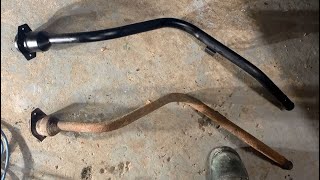
Typical fix: Replace the fuel filler neck. This involves removing the old neck and installing a new one. It's a common enough repair that video guides are available. 🎬 Watch: Step-by-step guide to replacing a rusted fuel filler neck.
Est. part cost: $40-$90 - Cracked or Disconnected EVAP Hoses ⚪ Low Probability The rubber and plastic hoses become brittle with age and heat from the engine, leading to small cracks, especially at connection points and bends.
How to confirm: Visually inspect all accessible EVAP lines running from the engine bay to the fuel tank. A smoke test is the most effective way to find a small leak in a hose that isn't obvious.
Typical fix: Replace the cracked section of the hose or the entire hose assembly.
Est. part cost: $5-$50
Rare But Worth Checking
- Cracked Charcoal Canister: → Shop Vapor Canister The plastic housing of the canister itself can develop a hairline crack, causing a leak. This is usually found with a smoke test.
- Corroded Vent Solenoid Wiring: On some 2000-2002 Sunfires, the EVAP vent solenoid wiring harness was misrouted from the factory, causing it to chafe against the rear ABS wiring harness. This can lead to broken wires and an inoperative solenoid, triggering EVAP codes. A user on Car Talk Community specifically mentions this issue.
Diagnosis Steps

- Read the code with an OBD-II scanner and check for any other pending or active codes.
- Inspect the gas cap. Ensure it is tight. Remove it and check the rubber seal for cracks or damage. If it looks old or worn, replace it with a quality part (e.g., ACDelco GT281).
- Inspect the fuel filler neck. With the cap off, check the metal lip for any signs of rust, bubbling paint, or corrosion that could prevent a good seal.
- If the code returns, perform a visual inspection of the EVAP hoses in the engine compartment, particularly around the purge solenoid. Look for obvious cracks or loose connections.
- Locate the EVAP purge solenoid. On 2.2L OHV engines it's on top near the intake; on 2.2L Ecotec engines it's on the driver's side. Disconnect it and try blowing through it; if air passes, it's stuck open and bad.
- Safely raise the vehicle and locate the EVAP vent solenoid and charcoal canister, which are near the fuel tank, often above the rear axle near the passenger side. Inspect the components and their connecting hoses for damage. Pay close attention to the electrical connector and wires going to the vent solenoid for corrosion or breaks.
- If no obvious issues are found, the most reliable method is to perform a smoke test. This involves injecting smoke into the EVAP system service port and watching for where it escapes, which will pinpoint the exact location of the small leak, such as a rusted filler neck or cracked hose.
Parts You'll Likely Need
- Fuel Cap
(OEM #ACDelco GT281)— This is the most common cause. The seal fails over time, creating a small leak.
Trusted brands: ACDelco, Gates, Stant
OEM price range: $20-$30
Aftermarket price range: $10-$20 - Vapor Canister Purge Valve / Solenoid
(OEM #ACDelco 214-641)— A very common failure point on GM vehicles that causes a leak when it sticks open.
Trusted brands: ACDelco, Delphi, Dorman, Standard Motor Products
OEM price range: $35-$50
Aftermarket price range: $25-$40 - Vapor Canister Vent Valve / Solenoid
(OEM #ACDelco 214-1091)— This valve near the tank often fails due to exposure to the elements, causing a leak or issues with refueling. The wiring is also a known weak point.
Trusted brands: ACDelco, Dorman
OEM price range: $50-$80
Aftermarket price range: $30-$60 - Fuel Filler Neck — Highly prone to rusting where the gas cap seals, causing a persistent P0442 or P0455 code that a new cap won't fix.
Trusted brands: Spectra Premium, Dorman, Lilienthal
OEM price range: $70-$120
Aftermarket price range: $40-$90
Related Codes That Often Appear With This One
- P0440 — P0440 indicates a general EVAP system malfunction and can appear alongside P0442 if the system test fails more broadly. A known wiring issue on 2000-2002 models can also cause a P0440.
- P0455 — This code indicates a large EVAP leak. If a small leak (P0442) worsens, or if the cause is a severely rusted filler neck, it may eventually trigger a P0455.
Technical Service Bulletins (TSBs) & Recalls
- PIT4943D: Mentions that a technician may find DTC P0442 and should refer to a specific article on using an Evaporative Emissions System Tester (smoke machine) for diagnosis.
- 21-NA-124: A GM service bulletin from May 2021 that provides diagnostic tips for P0442 and P0455. It states that a P0442 can be caused by a stuck open purge valve, a stuck open canister vent valve, or an unsealed EVAP system connection.
Platform-Specific Known Issues
- Rusted Fuel Filler Neck: The metal filler neck is a very common failure point on Sunfires and Cavaliers, rusting out where the gas cap seals. This will cause a P0442 that a new gas cap cannot fix. A smoke test often reveals the leak coming from the cap area due to the bad sealing surface.
- Corroded Vent Solenoid Wires: A known issue on 2000-2002 models involves the wiring harness for the rear vent solenoid being routed incorrectly, causing it to chafe and break. A user on a DoItYourself.com forum noted that tugging on the pink and white wires to the so
Mechanic-Grade Diagnostic Values
- EVAP Vent Valve Solenoid Resistance — expected: 20 - 50 Ohms. Failure: A reading of infinity (open circuit) or zero (short circuit) indicates a failed solenoid coil.
- EVAP Purge Valve Solenoid Resistance — expected: Similar to other GM solenoids of the era, likely in the 20-48 Ohm range.. Failure: A reading significantly outside this range, or showing open/short, suggests a faulty coil. This is an educated estimate based on similar components.
- DTC P0442 Run Conditions — expected: Fuel level between 15-85%; Engine Coolant (ECT) and Intake Air (IAT) temps between 4°C-30°C (39°F-86°F) at startup.. Failure: The EVAP monitor will not run if these conditions are not met, preventing the code from clearing even if the fix is correct.
Scan Tool Commands That Help
- GM Tech 2: EVAP Service Bay Test — Used to force the vehicle's computer to run the EVAP leak test in the service bay, verifying a repair without needing a full drive cycle. The test commands the purge and vent solenoids and monitors the fuel tank pressure sensor to confirm system integrity. Note: Per TSB #02-06-04-014, this test was disabled via software updates for many 2000-2002 GM models, including the Sunfire's sister platform cars, due to accuracy issues. If unavailable, a full drive cycle is required.
- GM Tech 2 / Professional Scan Tool: EVAP Purge/Seal — This function allows the technician to manually command the EVAP purge solenoid ON/OFF and the vent solenoid OPEN/CLOSED. This is used to isolate components during a smoke test or to verify solenoid functionality. For example, you can seal the system (close the vent valve) and then apply smoke to see if the vent valve is leaking internally.
Wiring & Ground Locations
- G112 — On the left side of the engine or left rear of the engine, depending on engine type and year.. This is a primary engine ground point. While not exclusively for the EVAP system, a poor connection here can cause erratic behavior in various engine sensors and solenoids that share a common ground path back to the PCM. Verifying this ground is clean and tight is a crucial step in diagnosing any electrical fault in the engine bay.
- EVAP Purge Solenoid Connector — On the purge solenoid itself. On 2.2L OHV (2000-2002), it's on top of the engine. On 2.2L Ecotec (2003-2004), it's on the driver's side of the engine.. This 2-pin connector provides power and control to the purge solenoid. One pin should have 12V+ with the key on, and the other is the ground-side control wire from the PCM. Testing for voltage here confirms the circuit's integrity up to the solenoid.
- EVAP Vent Solenoid Connector — At the EVAP vent solenoid, located near the charcoal canister at the rear of the vehicle.. This connector and its wiring are highly susceptible to corrosion and physical damage due to their exposed location. A known issue on 2000-2002 models involves this harness chafing against the rear ABS wiring, causing an open or short circuit. Checking for 12V+ at the connector and the integrity of the wiring is critical.
Real Owner Repair Stories
- Car Talk Community Forum (2002 Pontiac Sunfire) — Persistent Check Engine Light, initially code P0446, then P0440.
❌ Tried (didn't work) Replaced EVAP Purge Solenoid, Replaced gas cap, Performed maintenance/repair on solenoids again
✅ What actually fixed it The issue was a factory misrouted EVAP vent solenoid wiring harness. It was rubbing against the rear ABS wiring harness near the right rear corner of the fuel tank, causing chafing and an electrical fault. Repairing and rerouting the damaged harness resolved the code. - 2CarPros Forum (2004 Pontiac Sunfire 2.2L) — P0442 code, gas pump nozzle clicks off constantly during refueling.
❌ Tried (didn't work) Replaced the gas cap.
✅ What actually fixed it The owner first replaced the engine-bay purge solenoid, which seemed to fix it for six weeks before the code returned. The final fix was replacing the canister vent valve (solenoid) located next to the charcoal canister at the rear of the car. This cleared the P0442 code, though the refueling issue persisted, suggesting a potential blockage in the canister or vent line as a separate problem.
"I Checked Everything" — The Actual Cause
- A smoke test may come back clean if the issue is an intermittent electrical fault rather than a constant physical leak. On 2000-2002 models, the vent solenoid wiring harness could be chafed and only short out under specific conditions, which a static smoke test would miss. The final fix was repairing the damaged wiring near the rear of the fuel tank.
OEM Part Supersession History
ACDelco 214-641→No direct supersession found, but part is listed as 'Discontinued' by some vendors.— Part lifecycle / age of vehicle.
Heads up: This part number (214-641) is still widely sold and listed as the correct fit for the entire 1999-2005 Sunfire range. However, its 'discontinued' status with some suppliers suggests stock is from older production runs. Ensure you are buying from a reputable source.
Model Year Variations Within This Range
- 2000-2002: These models use the 2.2L OHV (LN2) engine. The EVAP purge solenoid is located on top of the engine near the intake manifold. Also, these years may have the 'EVAP Service Bay Test' disabled in the Tech 2 scan tool software per TSB #02-06-04-014, making diagnosis reliant on drive cycles. These years are also specifically mentioned in relation to a chafed vent solenoid wiring harness at the rear of the vehicle.
- 2003-2004: These models use the 2.2L Ecotec (L61) engine. The EVAP purge solenoid was moved to a bracket on the driver's side of the engine, near the top. The scan tool 'EVAP Service Bay Test' is more likely to be available on these model years.
Helpful Videos
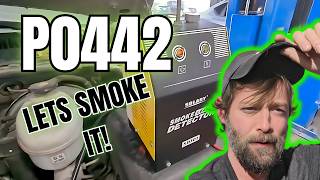
We Have This Part in Stock


The information in this article is provided for general reference and educational purposes only. Vehicle specifications, procedures, and part compatibility can vary by production date, trim level, and region. Always consult your vehicle's factory service manual and verify part numbers before purchasing or performing repairs. Safety-critical components such as airbags, seat belts, and braking systems should be installed by a qualified professional.
- Pontiac SUNFIRE:
- 🧭 Diagnostic Flowchart
- 🎬 Helpful Videos
- 🛍️ Shop This Part
- What's Unique About the 2000-2004 Pontiac SUNFIRE
- Symptoms You May Notice
- Most Likely Causes
- Rare But Worth Checking
- Diagnosis Steps
- Parts You'll Likely Need
- Related Codes That Often Appear With This One
- Technical Service Bulletins (TSBs) & Recalls
- Platform-Specific Known Issues
- Mechanic-Grade Diagnostic Values
- Scan Tool Commands That Help
- Wiring & Ground Locations
- Real Owner Repair Stories
- "I Checked Everything" — The Actual Cause
- OEM Part Supersession History
- Model Year Variations Within This Range
- 🎟️ Get 5% Off