

P0442 on 2009-2010 Saab 9-5: EVAP Small Leak Causes and Fixes
For a 2009-2010 first-generation Saab 9-5, a P0442 code is most often caused by a loose gas cap or brittle, cracked vacuum hoses in the engine bay. Check the gas cap first, then inspect the vacuum lines connected to the EVAP purge valve before suspecting other components. Upgrading the original rubber vacuum lines to 4mm inner diameter silicone hose is a common and highly recommended preventative fix.
- Always check the gas cap first. Ensure it's tight and the seal is intact before proceeding with any other diagnosis.
- On a first-generation (2009 or early 2010) Saab 9-5, the vacuum lines in the engine bay are a highly probable cause of a P0442 code. Inspect them carefully for cracks.
- This code does not affect vehicle safety or drivability, but it will cause an automatic failure on an emissions test.
- A smoke test is the most reliable way to find the exact source of a small EVAP leak if it's not immediately visible.
- Be aware of which generation 9-5 you have for the 2010 model year, as parts and procedures can differ between the first and second generations.
What's Unique About the 2009-2010 Saab 9-5
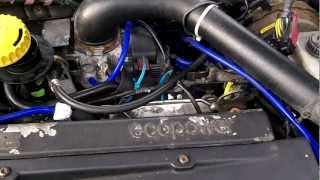
The 2009-2010 model years span two different generations of the Saab 9-5. The first generation (known as the 'OG' 9-5 or 9600 chassis) is particularly prone to brittle vacuum hoses in the engine bay that crack over time. These cracked hoses are a very common source for the P0442 code on this platform, sometimes even more so than the typical gas cap issue. Many owners consider replacing the original rubber lines with more durable 4mm inner diameter silicone hoses as a preventative upgrade. Forum users on SaabCentral and YouTube channels like Trionic Seven document this as a fundamental maintenance item for these cars.
🎬 Watch: Trionic Seven's guide to replacing vacuum lines with silicone.Diagnostic Flowchart
Tap your situation to follow the diagnostic path that matches what you're seeing on this vehicle.
Generation note: The 2009 model year is exclusively the first generation (1999-2010). The 2010 model year is a split year; it includes the end of the first generation and the beginning of the completely redesigned second generation (2010-2011, 9650 chassis). This guide focuses primarily on the first generation, as its EVAP system issues, particularly with vacuum lines, are well-documented and more common. The second generation shares its platform with the Buick LaCrosse and has different EVAP components.
Symptoms You May Notice
- Check Engine Light is on
- A faint smell of fuel, especially around the gas cap area or in a garage.
- A 'Check Gas Cap' message may appear on the dashboard
- Code may appear more frequently when the fuel tank is between 1/4 and 3/4 full, as this is when the EVAP system often runs its self-test.
- Replacing the oxygen (O2) sensors. O2 sensors are not part of the EVAP system and will not cause a P0442 code.
- Replacing the catalytic converter. This is an expensive exhaust component and is unrelated to the fuel vapor system.
Most Likely Causes
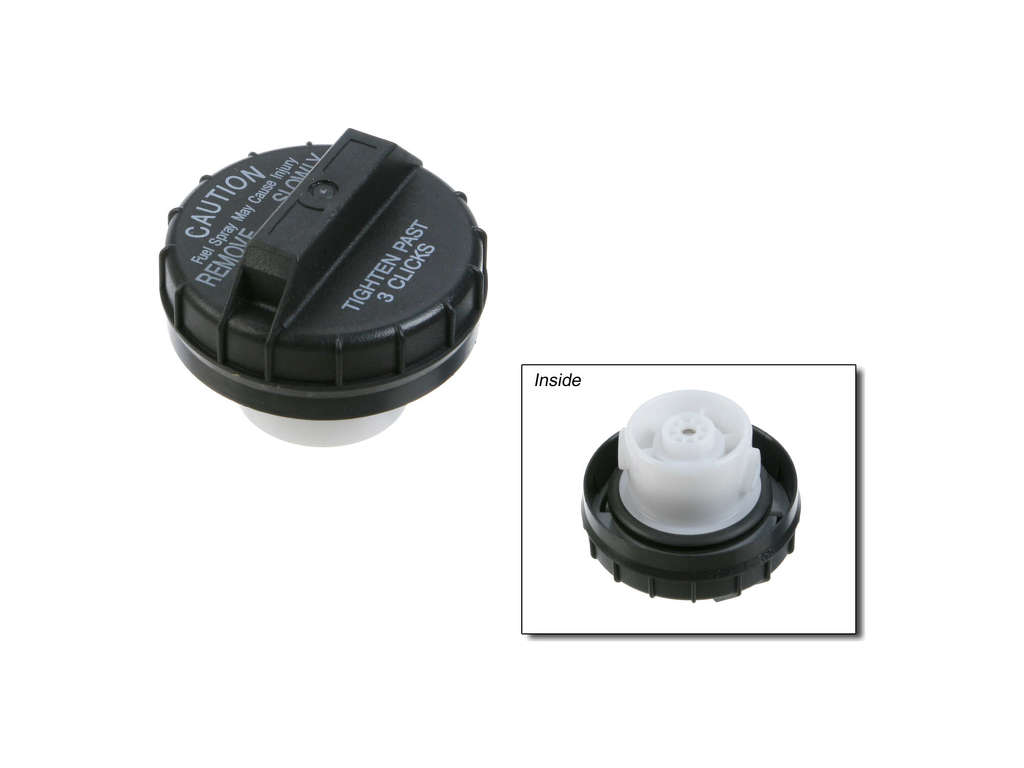
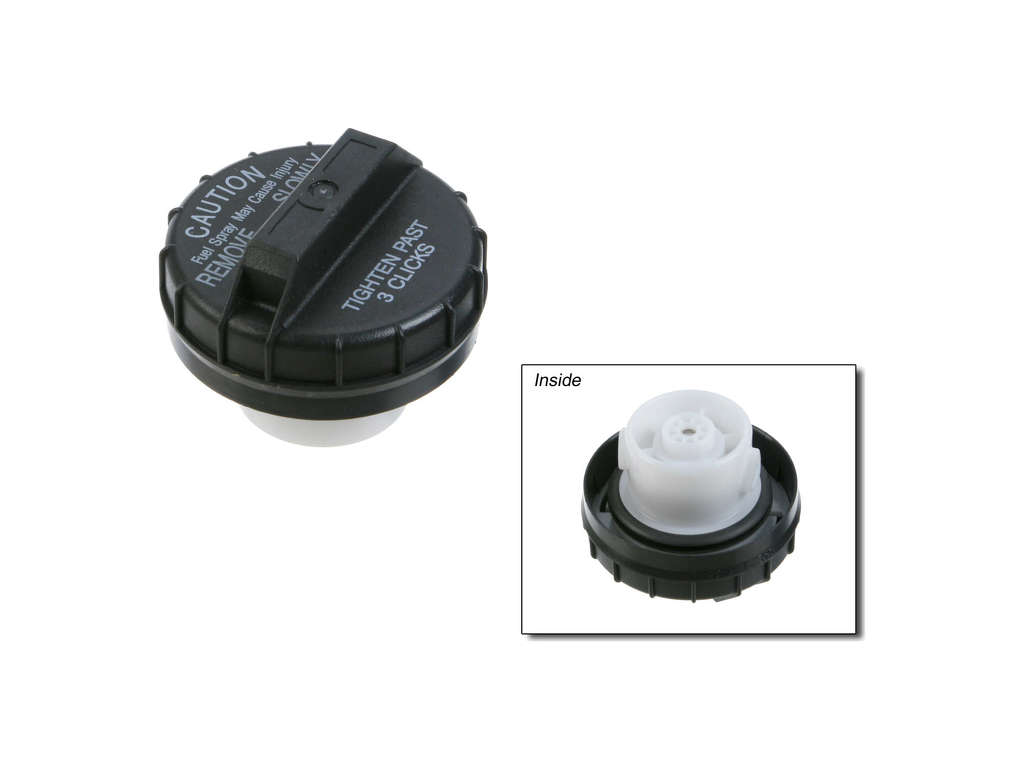
- Loose or Faulty Gas Cap 🔴 High Probability → Shop Fuel Tank Cap This is the most common cause for P0442 on almost any vehicle. The rubber seal on the cap can dry out, crack, or the cap may simply not have been tightened correctly after refueling.
How to confirm: Remove the gas cap and inspect the rubber O-ring for any cracks, stiffness, or damage. Ensure it clicks at least 3 times when tightened. If the seal is damaged, the cap needs replacement. An OEM cap is often recommended as some aftermarket caps do not seal correctly.
Typical fix: Tighten or replace the gas cap.
Est. part cost: $15-$40 - Cracked or Disconnected EVAP Vacuum Hoses 🔴 High Probability → Shop Vacuum Hose The rubber vacuum lines on the first-generation 9-5 are notorious for becoming hard, brittle, and cracking with age and engine heat. The lines around the EVAP purge valve, throttle body, and the check valves are especially vulnerable.
How to confirm: Visually inspect all vacuum lines connected to and surrounding the EVAP purge solenoid, located on the driver's side of the engine bay. Look for visible cracks, breaks, or hoses that have become disconnected. A smoke test is the definitive way to find a leak if it's not visually obvious. Bending the hoses slightly can reveal hidden cracks.
Typical fix: Replace the cracked rubber hoses. Many owners upgrade to more durable silicone vacuum hose (4mm inner diameter is commonly used). The small one-way check valves in these lines can also fail and may need to be replaced.
Est. part cost: $10-$50 for hoses and clamps - Faulty EVAP Canister Purge Valve 🟡 Medium Probability → Shop Vapor Canister The purge valve (or solenoid) controls the flow of fuel vapors to the engine. It can fail by getting stuck slightly open, creating a leak that the system detects. This is a common GM-sourced part that can fail over time.
How to confirm: With the engine running, you can sometimes feel or hear a constant clicking or buzzing from the valve. A more definitive test involves removing the valve and trying to blow through it; if air passes, it's stuck open and faulty. A scan tool can also command it open and closed to test functionality.
Typical fix: Replace the EVAP canister purge valve. It is located in the engine bay and is typically easy to access and replace. 🎬 See this pro walkthrough on replacing your purge valve.
Est. part cost: $40-$90
Rare But Worth Checking
- Leaking EVAP Vent Valve: → Shop Vapor Canister Vent Valve The vent valve, located near the charcoal canister by the fuel tank, can get stuck or fail, but it is less common than the purge valve or hoses in the engine bay. It can get clogged with dust or debris, preventing it from closing properly.
- Cracked Charcoal Canister: → Shop Vapor Canister The plastic housing of the charcoal canister can develop hairline cracks over time, leading to a leak. This is usually found with a smoke test and can be an expensive repair.
- Rusted Fuel Filler Neck: → Shop Fuel Filler Neck In areas with heavy road salt use, the steel fuel filler neck can rust where the gas cap seals, preventing a proper seal even with a new cap. In some cases, pinhole leaks can develop on the neck itself, which may only be visible when the system is pressurized or during refueling.
Diagnosis Steps
- Read the code with an OBD-II scanner to confirm P0442 is present.
- Inspect the Gas Cap: Remove, inspect the seal for cracks, and reinstall it, ensuring it clicks several times. Clear the code and drive for a few days to see if it returns. If the seal is bad, replace the cap, preferably with an OEM part.
- Visual Inspection of Engine Bay Hoses: Carefully inspect the vacuum lines around the EVAP purge valve and throttle body. Pay close attention to the small check valves and any T-fittings. These are a very common failure point on the 9-5. Gently bend the hoses to reveal any hairline cracks that aren't immediately visible.
- Test the Purge Valve: Disconnect the purge valve and attempt to blow air through it. It is a normally closed valve, so if air passes through, it is defective and must be replaced.
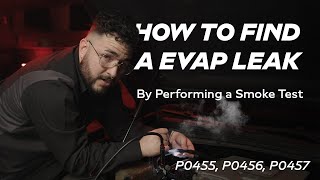
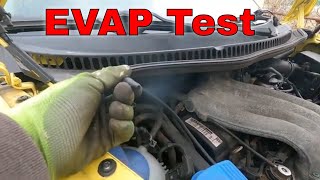
- Perform a Smoke Test: If the leak is not obvious, the most effective method is to introduce smoke into the EVAP system via the service port. The smoke will exit from any cracks or leaks, pinpointing the source. This is the 🎬 Watch: How to find leaks fast using a smoke machine. professional diagnostic method and what the TSB PIT4943D refers to when mentioning an 'Evaporative Emissions System Tester'.
- Inspect Underbody Components: If no leak is found in the engine bay, raise the vehicle and inspect the charcoal canister, vent valve, and hoses running to the fuel tank for damage or rust. Pay special attention to the fuel filler neck for any signs of corrosion or leaks.
Parts You'll Likely Need
- Gas Cap
(OEM #55353527)— This is the most frequent and simplest fix for a P0442 code on any vehicle.
Trusted brands: Genuine Saab, Stant, MotoRad
OEM price range: $25-$40
Aftermarket price range: $15-$25 - Vacuum Hose — The original rubber hoses on the first-gen 9-5 are known to become brittle and crack, causing leaks. Replacing them is a common repair.
Trusted brands: Generic Silicone Hose (4mm ID)
OEM price range: $30-$50 for pre-formed assembly
Aftermarket price range: $10-$20 for 10ft of bulk hose - EVAP Canister Purge Valve
(OEM #25932571)— This valve can get stuck open, creating a small leak in the system. It's a common failure point after the gas cap and hoses have been ruled out.
Trusted brands: Genuine Saab, ACDelco (214-2149), Bosch, VEMO
OEM price range: $60-$90
Aftermarket price range: $40-$70 - EVAP System Check Valve
(OEM #12793343)— The small, one-way check valves integrated into the vacuum hose system can fail or crack, causing a leak. There are several in the system.
Trusted brands: Genuine Saab
OEM price range: $50-$75
Aftermarket price range: $15-$30
Related Codes That Often Appear With This One
- P0455 — P0455 indicates a large EVAP leak. A component failure that starts as a small leak (P0442) can worsen over time and trigger a large leak code.
- P0441 — This code indicates incorrect purge flow, which can be caused by a faulty purge valve that might also be leaking, triggering P0442 simultaneously.
- P0496 — Indicates high purge flow, often caused by a purge valve stuck open. This condition can also be interpreted by the system as a small leak, causing P0442 to be set as well.
Technical Service Bulletins (TSBs) & Recalls
- PIT4943D: Mentions DTC P0442 and advises technicians to use an Evaporative Emissions System Tester for diagnosis. This highlights that leaks can be non-obvious and require a smoke test to locate accurately.
Platform-Specific Known Issues
- A Technical Service Bulletin (TSB), #PIT4943D, was issued for the 2009 model, which directs technicians to use an EVAP system tester (smoke machine) to diagnose a P0442 code, confirming that finding these small leaks is a known issue requiring specific tooling.
Mechanic-Grade Diagnostic Values
- EVAP Canister Purge Valve Resistance — expected: 45 ± 5 Ohms at 20°C (68°F). Failure: A reading significantly outside this range indicates a faulty valve coil.
- EVAP System Pressure Reduction (Phase B of self-test) — expected: System pressure must drop to -600 Pa in under 30 seconds.. Failure: Taking longer than 30 seconds to reach the target vacuum suggests a leak in the system (P0442).
Scan Tool Commands That Help
- Tech 2: EVAP Service Bay Test — To command the vehicle's ECM to run the entire EVAP integrity test sequence on demand in a workshop setting, simulating a drive cycle to verify a leak exists.
- Tech 2 or equivalent advanced scanner: Purge/Seal — To manually command the purge and vent solenoids open or closed. This allows a technician to seal the system and create a vacuum, then monitor the fuel tank pressure sensor data for vacuum decay, which can identify leaks that don't show up in a pressure (smoke) test.
Wiring & Ground Locations
- G2 — On the left-hand structural member behind the headlamp (main battery ground).. A poor main ground can cause erratic behavior in any electronic module, including the ECM which controls the EVAP system.
- G25 — On the gearbox (main battery ground).. Serves as a primary grounding path for the engine and transmission. Corrosion here can lead to various electrical issues.
- G30 — In the engine bay on the side panel in front of the left-hand wheel housing.. A key ground point in the engine bay that could affect nearby components like the EVAP purge solenoid if corroded or loose.
- G7 — On the side of the intake manifold to cylinder 4.. Provides a ground reference directly on the engine, which is critical for sensors and solenoids mounted on the intake manifold.
Real Owner Repair Stories
- YouTube channel 'BWTECH' (2004 Saab 9-5 (same first generation platform)) — Low boost after a Stage 1 tune, suspecting a boost leak related to the EVAP system's check valves.
❌ Tried (didn't work) The owner used the 'bolt mod' (plugging a vacuum line with a bolt) as a diagnostic step to confirm the check valves were bad, not as a failed repair.
✅ What actually fixed it The owner updated the older, two-check-valve EVAP vacuum system to the simpler, more reliable single-check-valve system used on 2005+ models. This involved removing the old brittle hoses and two check valves, and running a new hose with a single new check valve directly from the throttle body to the EVAP solenoid, simplifying the routing and eliminating potential leak points.
OEM Part Supersession History
10382105→25932571— Part revision/update for the EVAP Canister Shut-Off Valve (Vent Valve).12793343→N/A— This part number for the vacuum check valve is cross-referenced with several other numbers (30549633, 4023297, 9326752), indicating it's a widely used component with multiple equivalent part numbers over time.
Model Year Variations Within This Range
- Pre-2005 (First Generation): The EVAP vacuum hose and check valve system used a more complex routing with two check valves. This system is known to be prone to leaks. A common owner modification is to update it to the simpler, single-check-valve design that Saab implemented from 2005 onwards, which reduces potential failure points.
Helpful Videos
We Have This Part in Stock


The information in this article is provided for general reference and educational purposes only. Vehicle specifications, procedures, and part compatibility can vary by production date, trim level, and region. Always consult your vehicle's factory service manual and verify part numbers before purchasing or performing repairs. Safety-critical components such as airbags, seat belts, and braking systems should be installed by a qualified professional.
- Saab 9-5:
- 🧭 Diagnostic Flowchart
- 🎬 Helpful Videos
- 🛍️ Shop This Part
- What's Unique About the 2009-2010 Saab 9-5
- Symptoms You May Notice
- Most Likely Causes
- Rare But Worth Checking
- Diagnosis Steps
- Parts You'll Likely Need
- Related Codes That Often Appear With This One
- Technical Service Bulletins (TSBs) & Recalls
- Platform-Specific Known Issues
- Mechanic-Grade Diagnostic Values
- Scan Tool Commands That Help
- Wiring & Ground Locations
- Real Owner Repair Stories
- OEM Part Supersession History
- Model Year Variations Within This Range
- 🎟️ Get 5% Off