

P0442 on 2006-2007 Saturn ION: EVAP Small Leak Causes and Fixes
For a 2006-2007 Saturn ION, a P0442 code is most often caused by a loose or worn-out gas cap. If that doesn't fix it, the next most likely culprits are a faulty EVAP canister purge valve or vent solenoid. A less common but notable issue on this platform is a cracked fuel filler neck. A new gas cap is under $20, while valves can range from $25 to $70.
- Start with the simplest fix: check that your gas cap is tight. If the light returns, replace the gas cap with a quality part.
- The most common symptoms are just the Check Engine Light and possibly a faint fuel smell. The car is safe to drive.
- If a new gas cap doesn't solve the problem, the canister purge valve (in the engine bay) or the vent solenoid (near the gas tank) are the next most likely culprits.
- A smoke test is the most reliable way to find the leak if it's not one of the common components, and it's the method recommended by GM's technical service bulletin.
What's Unique About the 2006-2007 Saturn ION
The Saturn ION shares its underlying platform (GM Delta) and many components with the Chevrolet Cobalt and Pontiac G5. Because of this, EVAP system parts like the purge and vent solenoids are common across several GM vehicles of this era. While there are no widespread, unique failures specific to the ION's EVAP system, owners often find themselves chasing this code, which can be frustrating to pinpoint without a smoke test. A specific issue noted for this platform is the potential for the fuel filler neck to rust or crack, causing a persistent small leak.
Diagnostic Flowchart
Tap your situation to follow the diagnostic path that matches what you're seeing on this vehicle.
Symptoms You May Notice
- Check Engine Light is on
- A faint smell of fuel, particularly after refueling or when parked in a garage.
- Difficulty starting the car after filling the gas tank (a common symptom of a stuck-open purge valve).
- Gas pump nozzle clicks off repeatedly when trying to refuel (can be a symptom of a faulty vent valve).
- Replacing the oxygen sensor. O2 sensors are not part of the EVAP system and will not cause a P0442 code.
- Replacing the fuel pump. While a fuel pump seal can leak, it is less common than a gas cap or valve failure and should only be considered after a smoke test confirms the leak location.
Most Likely Causes
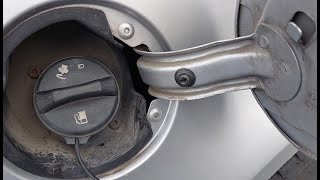
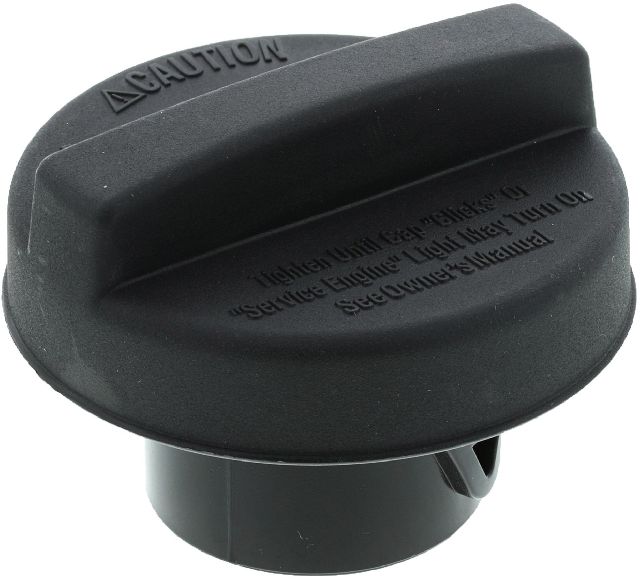
- Loose or Worn Gas Cap 🔴 High Probability → Shop Fuel Tank Cap The gas cap is a frequently used part and its sealing O-ring can dry out, crack, or get dirty over time, preventing a proper seal. Aftermarket caps are also a frequent cause of issues if they don't meet OEM sealing specifications.
How to confirm: First, ensure the cap is tightened until it clicks several times. Inspect the rubber seal on the cap for any cracks, tearing, or debris. Also, inspect the fuel filler neck's sealing surface for dirt, rust, or nicks that could prevent a good seal.
Typical fix: Replace the gas cap. It is highly recommended to use an OEM (ACDelco) or high-quality aftermarket cap (like Stant), as cheaper ones may not seal correctly. After replacing, you may need to complete a few drive cycles for the code to clear.
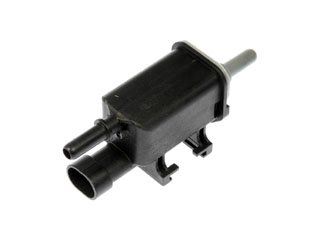
Est. part cost: $10-$25 - EVAP Canister Purge Valve Solenoid Failure 🟡 Medium Probability → Shop Vapor Canister This valve, located in the engine bay, is subject to heat and constant use. It can get stuck open or closed, causing a leak path or preventing the system from purging vapors. This is a very common failure on GM vehicles of this era.
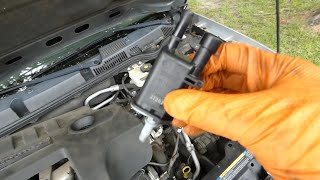
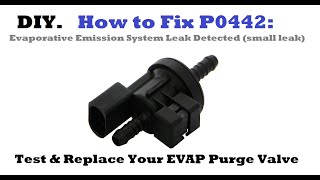
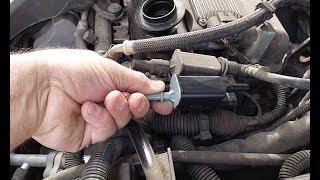
How to confirm: A definitive test is to remove the valve (it's normally closed) and try to blow through it; if air passes, it's stuck open and faulty. A symptom of a stuck-open purge valve is difficulty starting the engine right after refueling. 🎬 See this walkthrough for replacing a faulty purge valve.
Typical fix: Replacement of the purge valve solenoid. This is typically located on or near the intake manifold and is accessible for DIY replacement. A popular aftermarket replacement is the Dorman 911-030.
Est. part cost: $25-$50 - EVAP Canister Vent Valve/Solenoid Failure 🟡 Medium Probability → Shop Vapor Canister Located near the charcoal canister by the fuel tank, this valve is exposed to road debris, dust, and moisture, which can cause it to fail or get stuck. It's a very common failure point on GM trucks and cars.
How to confirm: This valve is normally open and closes when the system runs a test. It can be tested with a scan tool that has bidirectional controls to command it closed during a smoke test. If smoke escapes from the vent valve when it's commanded closed, it has failed.
Typical fix: Replace the vent valve solenoid. It is located near the rear of the vehicle 🎬 Watch: How to replace the canister vent valve solenoid. by the EVAP canister.
Est. part cost: $30-$70 - Cracked or Rusted Fuel Filler Neck ⚪ Low Probability → Shop Fuel Filler Neck The metal fuel filler neck can rust over time, especially in regions that use road salt. The corrosion can create pits on the sealing surface where the gas cap sits, or cause pinhole leaks along the neck itself. There are also reports of the plastic neck cracking where it connects to the tank.
How to confirm: Visually inspect the filler neck for rust, especially on the lip where the gas cap seal makes contact. A smoke test is the most reliable method, as smoke will be seen escaping from the rusted area or cracks.
Typical fix: Replace the fuel filler neck assembly. This is more involved than the other common fixes.
Est. part cost: $50-$150 - Cracked or Disconnected EVAP Hoses ⚪ Low Probability Over time, the rubber and plastic hoses in the EVAP system can become brittle from age and heat, leading to small cracks, especially at connection points and elbows.
How to confirm: A visual inspection of all accessible EVAP lines between the engine and the fuel tank may reveal obvious cracks. However, the most reliable method is a smoke test, which forces smoke into the EVAP system to reveal the exact location of any leaks.
Typical fix: Replace the cracked section of hose or reconnect any loose fittings.
Est. part cost: $5-$30
Rare But Worth Checking
- Cracked Charcoal Canister: → Shop Vapor Canister The canister itself can develop hairline cracks from age or impact from road debris, creating a leak. This is usually found during a smoke test when smoke is seen seeping from the canister body itself.
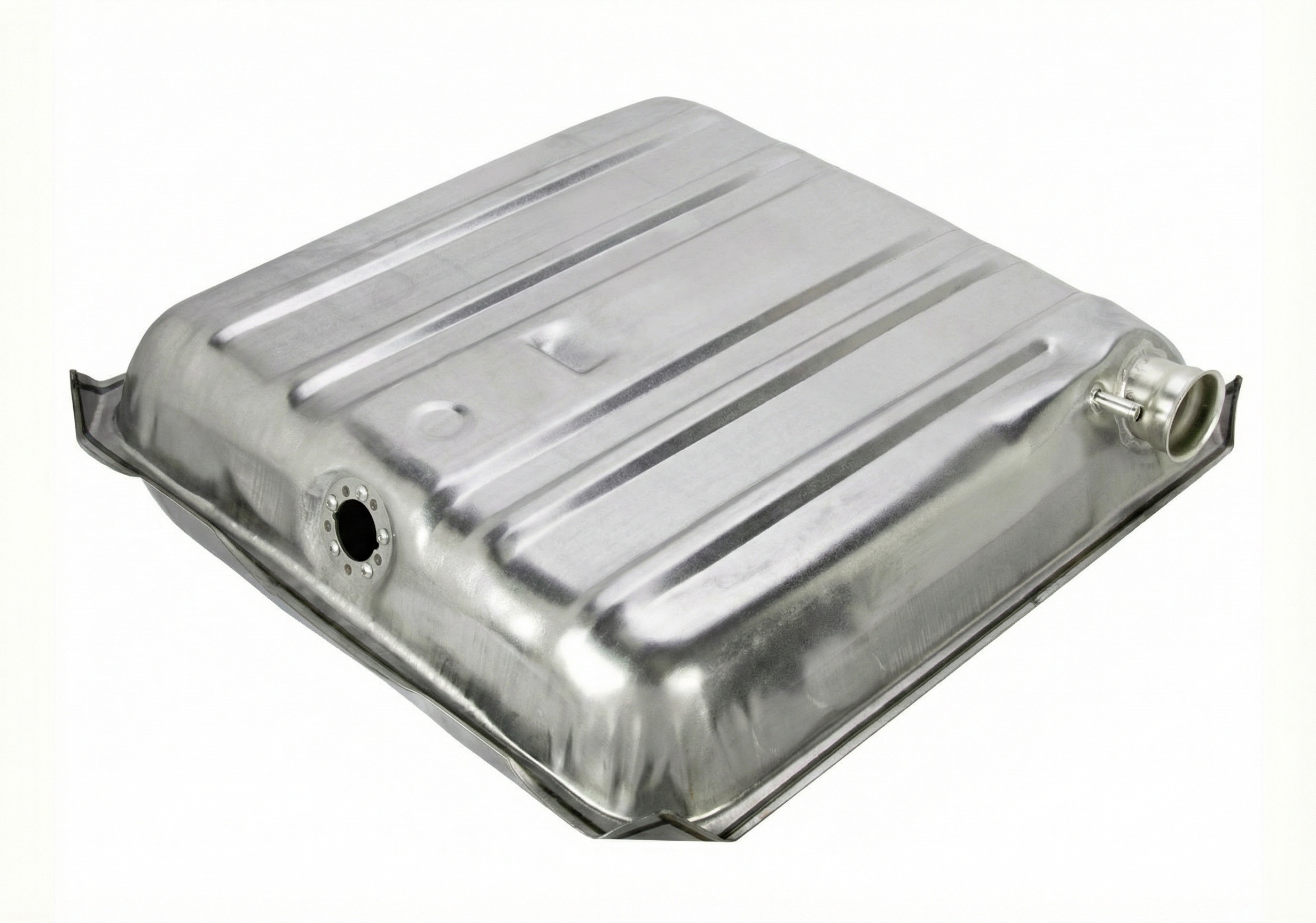
- Leaking Fuel Tank Pressure Sensor Seal: → Shop Fuel Tank The sensor that monitors the pressure in the tank has a seal that can degrade over time, causing a small leak at the top of the fuel tank. This was noted as a possible issue in a detailed diagnostic video for a Saturn Ion.
Diagnosis Steps
- Read the code with an OBD-II scanner to confirm P0442 is present.
- Inspect the gas cap. Remove it, check the seal for damage, and clean the sealing surface on the filler neck. Retighten the cap until it clicks multiple times. Clear the code and drive for a few days to see if it returns.
- If the code returns, replace the gas cap with a new, quality OEM (ACDelco) or equivalent part.
- Visually inspect all accessible EVAP hoses in the engine bay and under the vehicle for obvious cracks, damage, or loose connections.
- Locate and test the canister purge valve in the engine bay. Remove the valve and try to blow air through it. If air passes, the valve is stuck open and must be replaced.
- If the above steps do not resolve the issue, the next most likely parts are the vent solenoid near the fuel tank or a small, hard-to-see leak in a hose or the fuel filler neck.
- At this point, a smoke test is the most effective way to find the leak's exact location. TSB #PIT4943D for this vehicle specifically advises technicians to use an EVAP system tester (smoke machine) for diagnosis, confirming this is the standard professional procedure.
- During the smoke test, pay close attention to the vent solenoid (command it closed with a scan tool), the purge valve, all hose connections, and the entire length of the fuel filler neck.
Parts You'll Likely Need
- Gas Cap
(OEM #GT284 (ACDelco))— This is the most common cause of a P0442 code due to its seal wearing out over time. Using a non-OEM cap is a frequent source of the problem.
Trusted brands: ACDelco, Stant
OEM price range: $20-$30
Aftermarket price range: $10-$20 - EVAP Canister Purge Valve Solenoid
(OEM #12575746 (Superseded by 55562350))— This valve frequently fails by sticking open, causing a constant small leak and often making the car hard to start after getting gas. It's a very common failure on this platform.
Trusted brands: ACDelco, Dorman (911-030)
OEM price range: $35-$50
Aftermarket price range: $25-$40 - EVAP Canister Vent Valve Solenoid
(OEM #214-2149 (ACDelco GM Original Equipment))— This valve, located near the fuel tank, gets stuck or fails due to its exposure to the elements, preventing the EVAP system from sealing properly for its self-test.
Trusted brands: ACDelco, Dorman (911-140)
OEM price range: $50-$70
Aftermarket price range: $30-$55
Related Codes That Often Appear With This One
- P0455 — This code indicates a 'Gross Leak' in the EVAP system. If a component fails completely or the gas cap is left off, you might see this code instead of or along with P0442.
- P0449 — This code specifically points to a fault in the EVAP vent valve/solenoid circuit, which is a common cause of the P0442 leak code.
Technical Service Bulletins (TSBs) & Recalls
- PIT4943D: This Preliminary Information bulletin from GM advises technicians that when a P0442 code is present but a leak cannot be easily found, they should follow a specific diagnostic process using an Evaporative Emissions System Tester (a smoke machine) to properly identify the source of the small leak. It provides detailed steps for pressurizing the system and testing individual components like the purge solenoid.
- EI07238: An Engineering Information bulletin from 2008 for various GM models, including the 2004 Saturn ION, was issued to investigate the root cause of P0442 and P0455 codes where the fuel cap was suspected of not sealing correctly. It instructed technicians to inspect the cap and filler neck sealing surfaces for damage before making repairs.
Platform-Specific Known Issues
- Cracked Plastic Fuel Filler Neck: → Shop Fuel Filler Neck In a YouTube video for a 2007 Saturn Ion, a mechanic demonstrates that after replacing a broken EVAP line, a P0442 code remained. A smoke test revealed the leak was from a crack in the plastic fuel filler neck right where it attaches to the gas tank. This is a difficult leak to spot without a smoke test and can be caused or worsened by wiggling the filler neck during other repairs like a fuel pump replacement.
- Persistent P0442 Despite Multiple Part Replacements: Owners on forums report long-term struggles with P0442 on the Saturn Ion, even after replacing common parts like the gas cap, purge valve, and charcoal canister. In some cases, multiple smoke tests failed to find a leak, leading to frustration and difficulty passing emissions inspections. This suggests the cause can sometimes be intermittent or a non-obvious component like a faulty pressure sensor.
Mechanic-Grade Diagnostic Values
- EVAP Purge or Vent Solenoid Coil Resistance — expected: 15-30 Ohms. Failure: A reading of 0 Ohms (short circuit) or infinite/OL (open circuit).
- Voltage at EVAP Solenoid Connector — expected: 12V (Battery Voltage). Failure: No voltage indicates a wiring issue or a blown fuse.
- Fuel Tank Pressure (FTP) Sensor Voltage — expected: 1.0 - 4.0 Volts (during test conditions). Failure: A voltage that is stuck, erratic, or does not change when a vacuum/pressure is applied to the tank may indicate a faulty sensor.
Scan Tool Commands That Help
- Tech2 / Professional Bidirectional Scanner: EVAP Vent Solenoid ON/OFF — This is critical for performing a smoke test. The vent solenoid is normally open, so it must be commanded 'ON' (closed) to seal the EVAP system and allow it to be pressurized with smoke to find leaks.
- Tech2 / Professional Bidirectional Scanner: EVAP Purge Solenoid Duty Cycle (%) — Used to test the function of the purge solenoid. By commanding it to a specific percentage (e.g., 50%), a technician can listen for a clicking sound to verify it is actuating. It also allows checking if the valve is sealing properly when commanded to 0%.
Wiring & Ground Locations
- EMISS Fuse #10 — In the underhood fuse block, located at the left rear side of the engine compartment.. This 15A fuse supplies power to both the Canister Purge Solenoid and the Canister Vent Solenoid. If this fuse is blown, neither component will function, which can lead to various EVAP codes.
- EVAP Vent Solenoid Wiring — Harness leading to the vent solenoid near the EVAP canister at the rear of the vehicle.. On Saturn Ions, the power wire is typically pink, and the control wire (grounded by the ECM) is white. Checking for 12V on the pink wire with the key on is a primary electrical test.
- Engine Ground Points (e.g., G105, G107) — Various points on the engine block. G105 is cited as being on the lower left rear of the engine, above the starter, and G107 at the rear of the engine for a 2003 model.. The ECM and its related sensors/solenoids rely on clean ground connections. A corroded or loose engine ground can cause erratic behavior in the EVAP system controls, potentially leading to false codes.
"I Checked Everything" — The Actual Cause
- In some documented cases for the Saturn Ion and equivalent GM platforms, owners have reported that multiple professional smoke tests revealed no leaks, yet the P0442 code persisted. After replacing the gas cap, purge valve, and even the charcoal canister, the issue remained unresolved. This scenario strongly suggests the fault is not a simple static leak but may be an intermittent electronic issue or a faulty sensor providing incorrect data to the computer.
- A related EVAP code (P0446) on a Saturn Ion was diagnosed on video, where the technician initially suspected a leak or vent valve issue. However, live data showed the Fuel Tank Pressure (FTP) sensor voltage was not changing as expected. The final fix was replacing the FTP sensor itself, which is located on top of the fuel tank module. This is a classic example of a component failure that mimics a leak.
When the Usual Fixes Don't Work
- Be aware that P0442 on a Saturn Ion can be a very difficult code to resolve. There are multiple owner accounts of chasing this code for years, replacing all the common components (gas cap, purge valve, vent solenoid, canister) without success. In one case, a 2004 Ion owner reported replacing the purge valve, canister, and gas cap (multiple times), and multiple smoke tests at different shops found no leaks, yet the code always returned. This highlights that if the simple fixes don't work, the problem may be more complex, such as a faulty pressure sensor, an intermittent wiring issue, or a hairline crack in a plastic component like the fuel filler neck that only opens under specific conditions.
OEM Part Supersession History
12575746→55562350— Part discontinued and replaced by a newer revision.
Heads up: The original part number 12575746 is confirmed as discontinued by GM.
Helpful Videos
Used OEM Parts in Stock
New Aftermarket Parts Available


The information in this article is provided for general reference and educational purposes only. Vehicle specifications, procedures, and part compatibility can vary by production date, trim level, and region. Always consult your vehicle's factory service manual and verify part numbers before purchasing or performing repairs. Safety-critical components such as airbags, seat belts, and braking systems should be installed by a qualified professional.
- Saturn ION:
- 🧭 Diagnostic Flowchart
- 🎬 Helpful Videos
- 🛍️ Shop This Part
- What's Unique About the 2006-2007 Saturn ION
- Symptoms You May Notice
- Most Likely Causes
- Rare But Worth Checking
- Diagnosis Steps
- Parts You'll Likely Need
- Related Codes That Often Appear With This One
- Technical Service Bulletins (TSBs) & Recalls
- Platform-Specific Known Issues
- Mechanic-Grade Diagnostic Values
- Scan Tool Commands That Help
- Wiring & Ground Locations
- "I Checked Everything" — The Actual Cause
- When the Usual Fixes Don't Work
- OEM Part Supersession History
- 🎟️ Get 5% Off