

P0442 on 2004-2006 Scion xB: EVAP Small Leak Causes and Fixes
On a 2004-2006 Scion xB, code P0442 is most often caused by a loose or faulty gas cap. If a new gas cap doesn't fix it, the next most likely culprits are a cracked vacuum hose or a failed Vacuum Switching Valve (VSV) on the charcoal canister, which corrodes from road salt. A new OEM gas cap costs around $25, and a smoke test is the best way to find other leaks.
- Start with the simplest fix: check that your gas cap is tight. If it's old, replace it with an OEM cap.
- If the gas cap isn't the issue, the leak is most likely a cracked vacuum hose or the VSV (valve) on the charcoal canister under the car.
- Do not replace the expensive charcoal canister unless a smoke test has confirmed it is the source of the leak.
- This code will not stop you from driving the car, but you will fail an emissions test until it is fixed.
What's Unique About the 2004-2006 Scion xB
For the first-generation Scion xB and its platform-mate, the Scion xA, the P0442 code is a very common and well-documented issue. While the gas cap is the number one cause, many owners have discovered that the Vacuum Switching Valve (VSV) attached to the charcoal canister is a frequent point of failure. Its location under the rear of the car exposes it to road salt and moisture, causing the metal valve body to rust, which breaks the seal with its internal O-ring. There is also a critical part number split for the charcoal canister assembly during the 2005 model year, so verifying the correct part is essential if the entire canister needs replacement.
Symptoms You May Notice
- Check Engine Light is on
- A faint smell of gasoline, particularly around the rear of the vehicle or after parking in a garage.
- Difficulty starting the engine immediately after refueling (if the purge valve is stuck open)
- Gas cap warning light on the dashboard, if equipped.
- Replacing the charcoal canister immediately. The canister itself is often durable; the leak is more commonly in an attached valve (VSV), a hose, or the gas cap. Always diagnose with a smoke test before replacing this expensive component.
Most Likely Causes
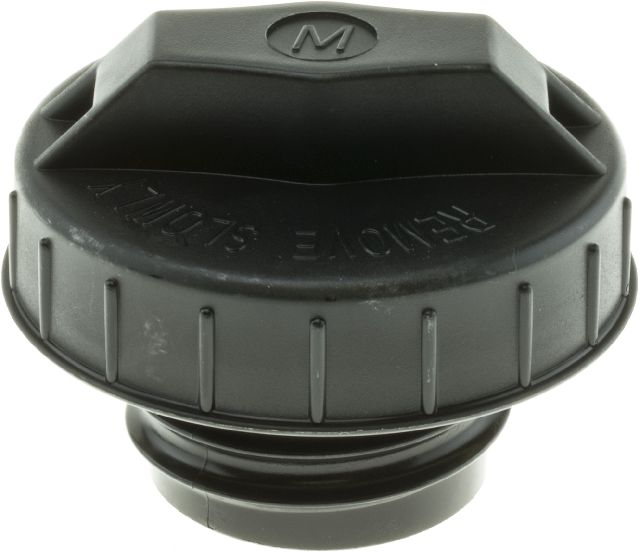
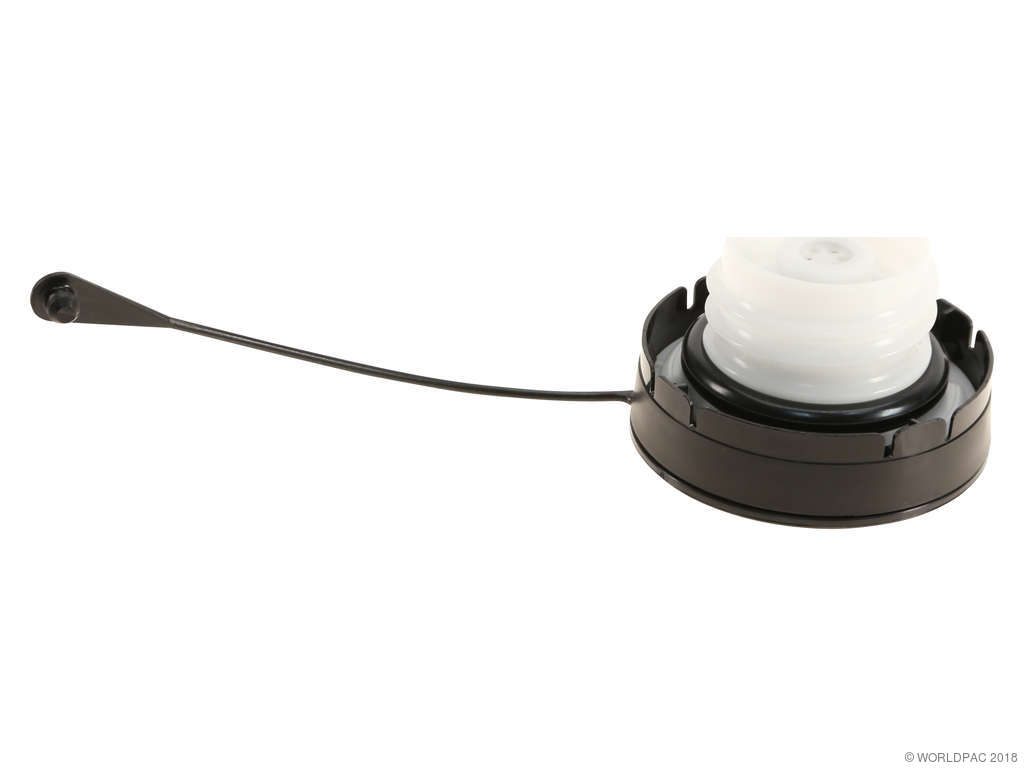
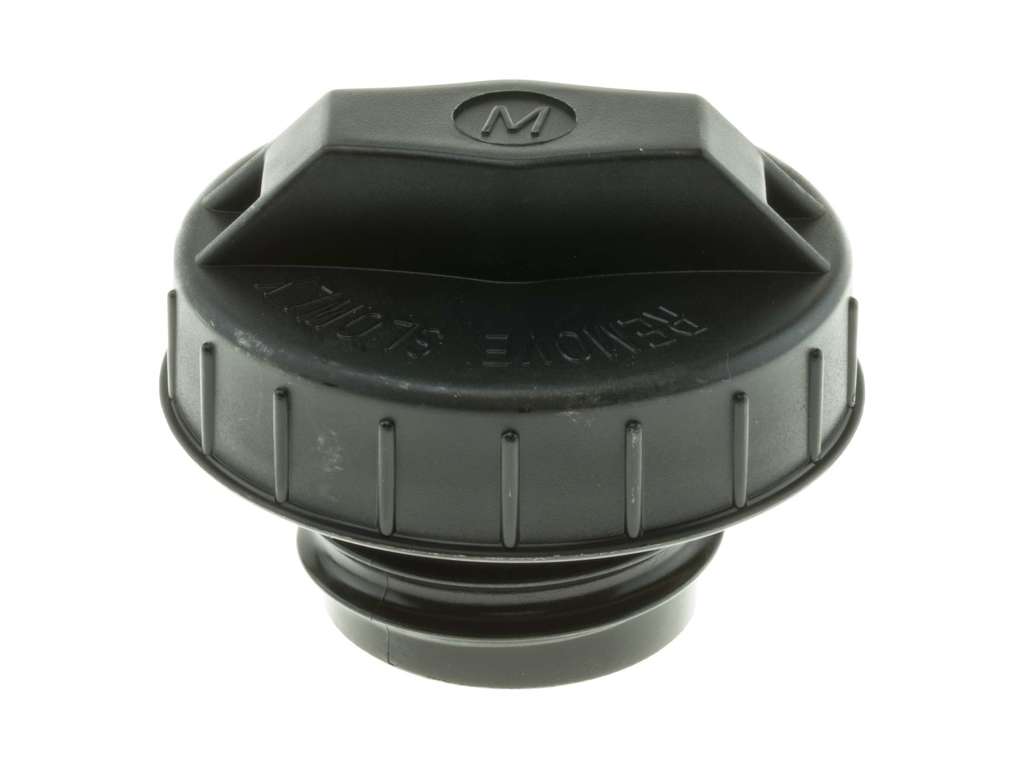
- Loose, Worn, or Incorrect Gas Cap 🔴 High Probability → Shop Fuel Tank Cap The gas cap seal is a simple rubber part that degrades over time, and it's the most frequently removed and re-installed component of the EVAP system. Using a non-OEM cap is a frequent cause of sealing issues.
How to confirm: Ensure the cap is tightened until it clicks several times. Inspect the rubber O-ring on the cap for cracks, stiffness, or damage. Check the fuel filler neck for rust or debris that could prevent a good seal. A new-looking cap can still be faulty if it's a cheap aftermarket version.
Typical fix: Clean the filler neck sealing surface and replace the gas cap with a new OEM part. Aftermarket caps are a known gamble.
Est. part cost: $20-$40 for OEM - Failed VSV (Vacuum Switching Valve) on Charcoal Canister 🟡 Medium Probability → Shop Vapor Canister The VSV is located under the driver's side rear of the car, making it highly susceptible to corrosion from road salt and moisture. The metal body of the valve rusts, preventing the internal O-ring from sealing properly, creating a leak.
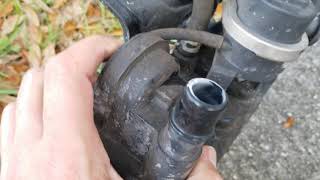
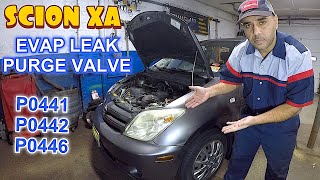
How to confirm: Locate the charcoal canister under the driver's side rear. The VSV is attached to it. Visually inspect for heavy rust or damage. A detailed DIY on ScionLife.com shows how rust forms between the metal solenoid body and the plastic valve housing, compromising the seal. 🎬 Watch: How this owner solved a common xB EVAP leak. A smoke test will show smoke escaping from the valve body. You can also test the solenoid by applying 12v to its terminals; it should click and block airflow when energized.
Typical fix: Replacement is the standard fix. Some owners have successfully disassembled the valve, cleaned the rust from the mating surfaces with a Dremel or sandpaper, applied a thin layer of RTV silicone, and reassembled it to solve the leak.
Est. part cost: $40-$80 for the valve, if available separately. Often sold with the canister. - Cracked or Disconnected EVAP Hoses 🟡 Medium Probability The rubber and plastic hoses become brittle with age and exposure to engine heat and the elements, leading to cracks, especially at connection points to other components.
How to confirm: Visually inspect all accessible EVAP hoses in the engine bay (near the purge solenoid) and around the charcoal canister at the rear of the car. Look for obvious cracks, splits, or loose connections. A smoke test is the best method for finding small, hard-to-see cracks.
Typical fix: Replace the damaged section of hose. Ensure connections are secure.
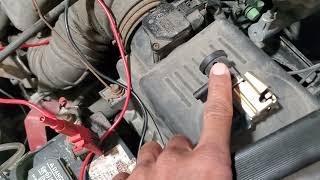
Est. part cost: $5-$20 - Failed Purge Valve/Solenoid ⚪ Low Probability → Shop Vapor Canister This valve, located in the engine bay on the air filter housing, cycles frequently and can eventually fail by sticking open or closed, or developing a leak.
How to confirm: The valve should be closed when the vehicle is off. You can test it with a hand-held vacuum pump to see if it holds vacuum. Applying 12v should cause it to click open. A failure here often presents with code P0441 (Incorrect Purge Flow) as well.
Typical fix: Replace the purge valve.
Est. part cost: $30-$70
Rare But Worth Checking
- Cracked Charcoal Canister: → Shop Vapor Canister The plastic housing of the canister can develop cracks from age or impact. This is an expensive part, so it's important to rule out all other causes first. A smoke test is the best way to confirm a cracked canister.
- Rusted Fuel Filler Neck: → Shop Fuel Filler Neck In areas with heavy road salt use, the metal filler neck where the gas cap seals can rust, creating a rough surface that prevents a proper seal. Owners have reported on Reddit that finding a correct aftermarket replacement can be difficult, with some parts like the Spectra FN1061 having the wrong number of vent tube connections for early 2004-2005 models.
- Leaking Vapor Pressure Sensor: The vapor pressure sensor, which is what the ECM uses to monitor the system pressure, can itself develop a leak through its housing or seal. This is less common than valve or hose failures.
Diagnosis Steps
- Check the gas cap. Ensure it is tight and clicks multiple times. Remove it and inspect the rubber seal for cracks or damage. Clean any rust or debris from the filler neck sealing surface with a wire brush or emery cloth.
- If the gas cap is old, worn, or aftermarket, replace it with an OEM part (Toyota P/N 77300-52030), clear the code, and drive for a few days to see if the light returns.
- If the light returns, perform a thorough visual inspection of all EVAP hoses, both in the engine bay near the purge solenoid and under the rear of the car near the charcoal canister. Pay close attention to connections and bends where cracks are likely to form.
- Inspect the VSV on the charcoal canister for heavy rust on its metal body, which is a strong indicator of a leak.
- If no obvious faults are found, the most effective next step is to have a professional smoke test performed. This involves injecting a harmless, visible smoke into the EVAP system and watching where it escapes. This will pinpoint the exact location of the small leak. A diagnostic smoke test typically costs between $60 and $100.
- Based on the smoke test results, replace the leaking component. If it's the VSV, you can attempt the DIY repair of cleaning the rust or replace the valve/canister assembly.
Parts You'll Likely Need
- Fuel Tank Cap
(OEM #77300-52030)— This is the most common cause of P0442. The seal wears out over time, causing a small leak that the system detects. Always use an OEM cap for best results.
Trusted brands: Toyota Genuine Parts
OEM price range: $20-$40
Aftermarket price range: $10-$25 - Vapor Canister Vent Valve / VSV / Canister Close Valve
(OEM #90910-12271 (Note: This valve is often integrated into or sold with the canister assembly))— This valve, mounted on the charcoal canister, is exposed to the elements and is a known failure point on the Scion xB, often causing a P0442 leak due to corrosion.
Trusted brands: Toyota Genuine Parts, Denso, Aisin
OEM price range: $60-$100
Aftermarket price range: $30-$60 - Charcoal Canister Assembly
(OEM #77740-52070 (2004 - early 2005) or 77740-52100 (late 2005-2006))— While less common, the canister itself can crack or the integrated valves can fail. It's a last resort after checking the gas cap and hoses. Note the part number split in 2005.
Trusted brands: Toyota Genuine Parts
OEM price range: $250-$400
Aftermarket price range: $150-$250
Related Codes That Often Appear With This One
- P0441 — Indicates incorrect purge flow. A faulty purge solenoid or a cracked hose can cause both a leak (P0442) and incorrect flow (P0441).
- P0446 — Indicates a malfunction in the vent control circuit. Since the vent valve (VSV on the canister) is a common failure point for leaks on the xB, it's common to see this circuit code alongside a leak code.
Technical Service Bulletins (TSBs) & Recalls
- While no TSB is specific to the Scion xB for P0442, Toyota TSB EG051-06 for the related Corolla/Matrix describes a similar issue where corrosion on the fuel filler pipe prevents the gas cap from sealing, causing EVAP codes. This highlights a known issue pattern on similar Toyota platforms.
Platform-Specific Known Issues
- A well-documented DIY repair on ScionLife.com (thread titled 'DIY: Fix for P0442') points to the VSV on the charcoal canister as a very common failure point due to corrosion, especially in regions that use road salt. The author details disassembling the valve to clean rust from the internal sealing surface.
- There was a mid-year change for the charcoal canister assembly in 2005. If you need to replace the entire canister, you must verify if your car requires the early version
Mechanic-Grade Diagnostic Values
- Vapor Pressure Sensor Signal Voltage — expected: 0.5V to 4.5V. The ECM supplies a 5V reference.. Failure: Voltage is fixed, or does not change appropriately when vacuum is applied/released. Low voltage indicates low pressure (vacuum), high voltage indicates high pressure.
- Canister Close Valve (CCV) / Vent VSV Functional Test — expected: When 12V is applied to the valve's terminals, an audible click should be heard and airflow through the valve should be blocked.. Failure: No click is heard, or air can still be blown through the valve when 12V is applied, indicating it is stuck open or leaking internally.
- Purge VSV Functional Test — expected: With the vehicle off, the valve should be closed and hold vacuum when tested with a hand-held vacuum pump. When 12V is applied, it should click open.. Failure: Valve does not hold vacuum when unpowered, or does not open when 12V is applied.
Hidden / Shadow Codes Worth Checking
- Mode 6, TID $3B: Represents the test results for the 'Fuel Tank EVAP System Integrity/Leak Test' for a 0.040 inch (1.0 mm) leak, which directly corresponds to the P0442 threshold. (see via An advanced OBD-II scan tool capable of displaying Mode $06 data.)
- Mode 6, TID $81: Also listed as 'Fuel Tank Leak Test: Small' and references DTC P0442. This provides the raw test values from the ECU's last leak check. (see via An advanced OBD-II scan tool capable of displaying Mode $06 data.)
Scan Tool Commands That Help
- Toyota Techstream: Utility: 'Evaporative System Check' — This function allows a technician to manually command the EVAP system components (Purge VSV, Vent VSV/CCV) to run the onboard leak test on demand. It can be used to confirm a leak exists, verify a repair, or isolate a leak to the tank side versus the canister side of the system by observing pressure decay in stages.
Wiring & Ground Locations
- Purge VSV — In the engine bay, mounted directly on the air filter housing.. This is the valve that controls the flow of vapors from the canister to the engine. A leak here or in its associated hoses is a common cause for P0442.
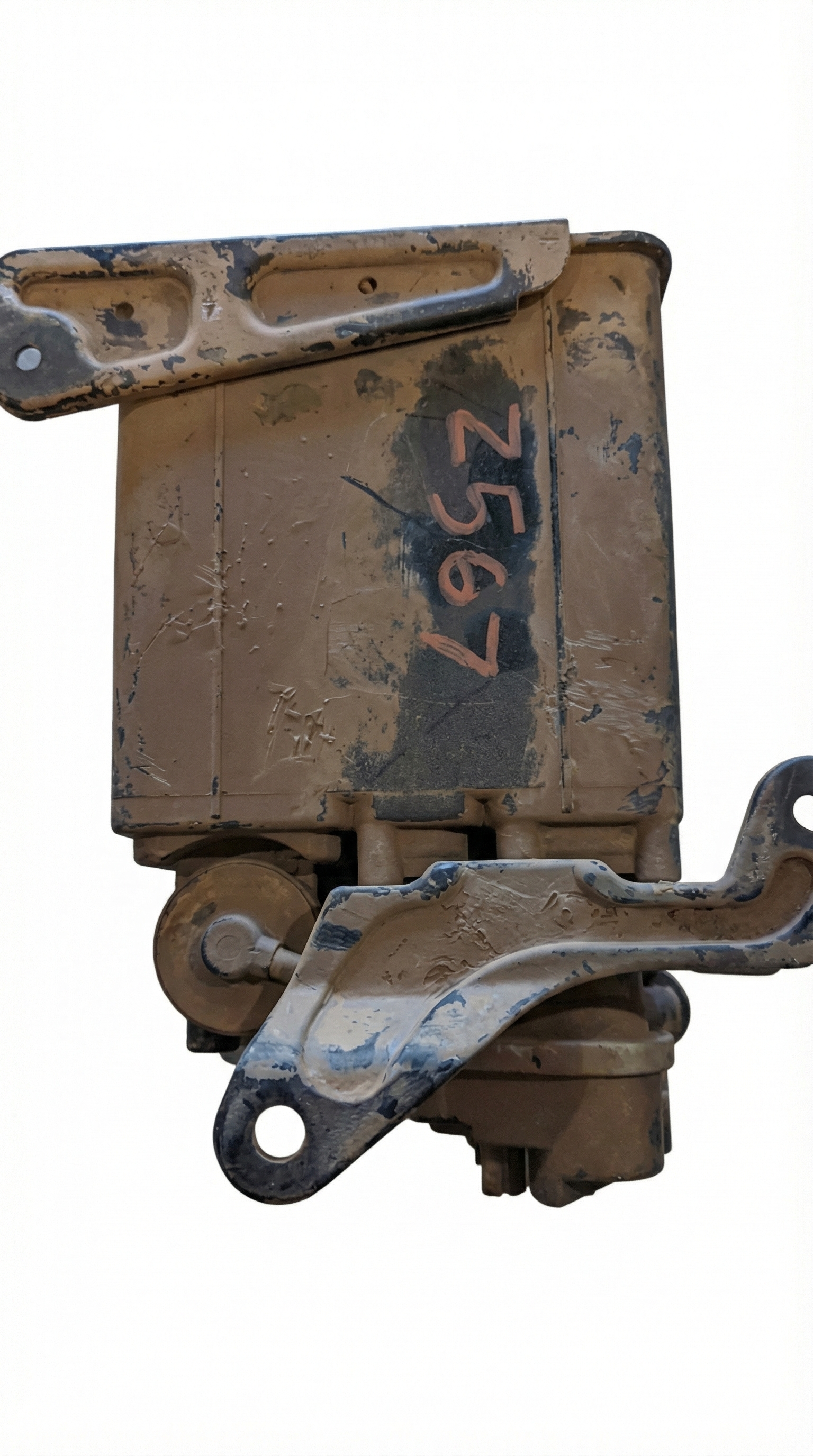
- Charcoal Canister / Vent VSV — Under the rear of the vehicle, on the driver's side, near the fuel tank.. This assembly contains the charcoal bed and the vent valve (Canister Close Valve). The vent valve is a very common failure point due to rust, causing a P0442 leak.
- Ground Point Convention 'B' — Ground points starting with 'B' are located in the Body and Surrounding area, such as the rear of the vehicle where the canister is located.. A poor ground for the canister vent valve (VSV) could cause it to function intermittently, potentially leading to EVAP codes. While a specific ground point isn't identified, checking grounds in the 'B' group near the canister is a valid diagnostic step for electrical faults.
Real Owner Repair Stories
- ScionLife.com Forum, thread 'DIY: Fix for P0442' (1st Generation Scion xB (2004-2006)) — P0442 code, Check Engine Light on.
❌ Tried (didn't work) Having a technician clear the code after suggesting a loose gas cap.
✅ What actually fixed it The leak was from the body of the VSV (vent valve) on the charcoal canister. Rust had formed between the metal solenoid body and the plastic housing, compromising the O-ring seal. The owner disassembled the valve, cleaned the rust off the mating surfaces with a Dremel/sandpaper, applied a thin layer of RTV silicone, and reassembled it. This sealed the leak and resolved the code.
"I Checked Everything" — The Actual Cause
- A standard EVAP smoke test, which uses positive pressure, can sometimes fail to find a leak that the ECU detects during its vacuum-based self-test. Some vehicles have a check valve in the fuel filler neck that can be forced shut by the smoke machine's pressure, effectively isolating the filler neck and gas cap from the test. The ECU, however, pulls a vacuum on the entire system, and a leak at the cap or filler neck would be detected. If a smoke test is clean, a technician should verify that smoke is actually visible at the filler neck opening (with cap removed) to ensure the entire system was tested.
OEM Part Supersession History
90910-12109→90910-12271— Standard part revision/update.
Heads up: Part 90910-12271 is now also listed as discontinued by some Toyota sources, but aftermarket cross-references from brands like Aisin (VST-012) are available.77740-52070 (Charcoal Canister)→77740-52100 (Charcoal Canister)— Mid-year design change.
Heads up: These two canister assemblies are not interchangeable. The change occurred during the 2005 model year, and the only certain way to know which part is needed is by visual inspection of the part on the vehicle or checking the VIN with a dealer.
Model Year Variations Within This Range
- 2004-2005 vs 2006: The advertised engine horsepower dropped from 108 hp to 103 hp in 2006. This was not due to a mechanical change in the 1NZ-FE engine, but rather a change in the SAE (Society of Automotive Engineers) horsepower rating procedure that affected many manufacturers. The engine itself is identical.
- 2005: A critical part change for the charcoal canister assembly (P/Ns 77740-52070 and 77740-52100) occurred mid-way through the 2005 model year. Vehicles produced in 2005 could have either the early or late style part, requiring visual confirmation before ordering a replacement.
Diagnostic Flowchart
Real Owner Stories
Aggregated from forums and TSBs cited above. Mileages and costs reflect what owners reported in those sources.
2004-2006 Scion xA/xB 1st-Gen
Symptoms: Check Engine Light (P0442) and 'Xmas tree on your dash'. Discovered the leak by adding a small amount of pressure to the evap system and spraying soapy water.
What fixed it: Disassembled the VSV (Vacuum Switching Valve) on the charcoal canister, cleaned rust off the O-ring sealing surface.
Source hint: ScionLife.com thread titled 'DIY: Fix for P0442'
Scion xA
Symptoms: CEL 'Small evap leak'
What fixed it: Identified the common culprits as the gas cap, vacuum hoses, and the two VSVs (one in the engine bay, one on the canister).
Source hint: ScionLife.com thread titled 'CEL "Small evap leak"'
Scion xB
Symptoms: Persistent P0442 code that remained even after replacing the gas cap and performing a smoke test.
What fixed it: Replaced the gas cap and had a professional smoke test performed to track down the persistent leak, illustrating that diagnosis can sometimes be tricky.
Source hint: Car Talk Community thread titled 'Scion XB P0442'
2005 Scion xB
Symptoms: Fuel tank filler neck issue preventing proper EVAP sealing.
What fixed it: Attempted to replace the filler neck but struggled to find the correct aftermarket part due to vent hose configuration differences on early-build 2005 models.
Source hint: Reddit (r/ScionxB) thread titled '05 Scion XB Fuel tank filler neck issue..'
Related OBD-II Codes
Frequently Asked Questions
Why shouldn't I just buy a cheap aftermarket gas cap for my Scion xB?
I heard the VSV on the charcoal canister is a common issue. Can I fix it without buying a new one?
Do I need a specific charcoal canister for my 2005 Scion xB?
Is there a TSB for the fuel filler neck on the Scion xB?
I need to replace the fuel filler neck on my early 2005 xB. Are there any issues with aftermarket parts?
Does the Scion xA have the same P0442 issues as the xB?
Helpful Videos
Used OEM Parts in Stock
New Aftermarket Parts Available


The information in this article is provided for general reference and educational purposes only. Vehicle specifications, procedures, and part compatibility can vary by production date, trim level, and region. Always consult your vehicle's factory service manual and verify part numbers before purchasing or performing repairs. Safety-critical components such as airbags, seat belts, and braking systems should be installed by a qualified professional.
- Scion xB:
- 🧭 Diagnostic Flowchart
- 🎬 Helpful Videos
- 🛍️ Shop This Part
- What's Unique About the 2004-2006 Scion xB
- Symptoms You May Notice
- Most Likely Causes
- Rare But Worth Checking
- Diagnosis Steps
- Parts You'll Likely Need
- Related Codes That Often Appear With This One
- Technical Service Bulletins (TSBs) & Recalls
- Platform-Specific Known Issues
- Mechanic-Grade Diagnostic Values
- Hidden / Shadow Codes Worth Checking
- Scan Tool Commands That Help
- Wiring & Ground Locations
- Real Owner Repair Stories
- "I Checked Everything" — The Actual Cause
- OEM Part Supersession History
- Model Year Variations Within This Range
- Real Owner Stories
- 2004-2006 Scion xA/xB 1st-Gen
- Scion xA
- Scion xB
- 2005 Scion xB
- Related OBD-II Codes
- Frequently Asked Questions
- 🎟️ Get 5% Off