

P0442 on 2005-2009 Subaru Outback: EVAP Small Leak Causes and Fixes
For a P0442 code on a 2005-2009 Subaru Outback, first check for a loose or worn gas cap. If that's not the issue, the most likely cause is a rusted fuel filler neck, a very common problem on these cars. A visual inspection behind the right rear wheel is necessary. A replacement filler neck costs between $100 and $250.
- P0442 on a 2005-2009 Outback is a minor issue that won't stop you from driving, but it will cause you to fail an emissions test.
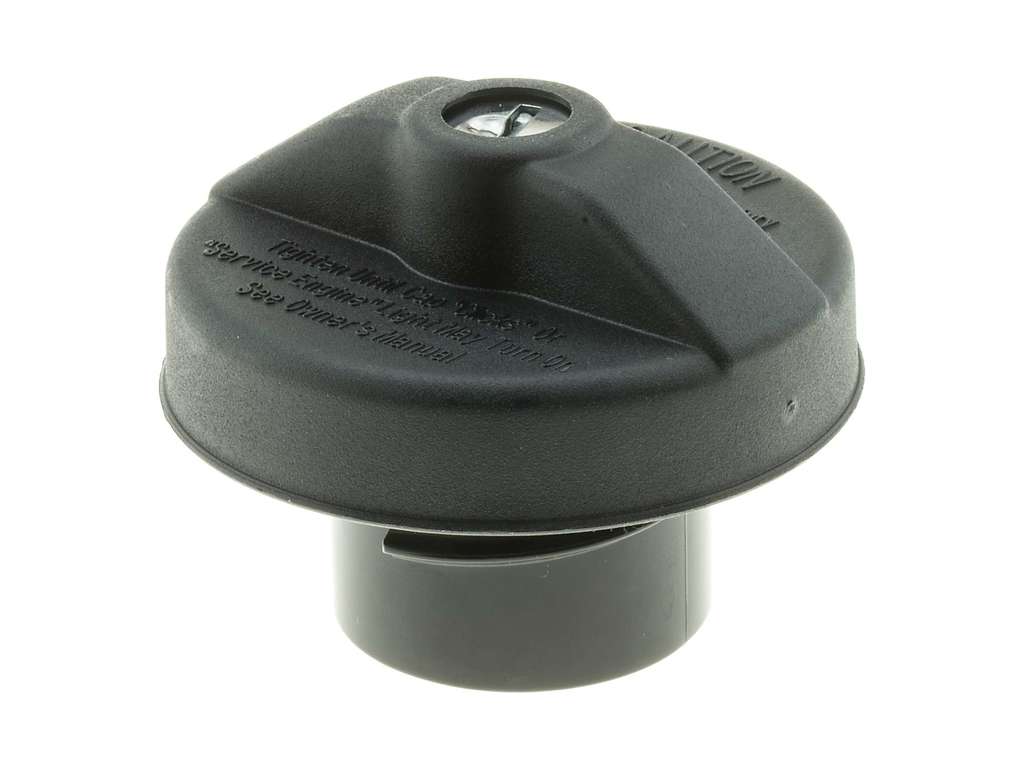
- Always check the gas cap first. Make sure it's tight and the seal isn't cracked. An OEM replacement is best.
- The most likely vehicle-specific cause is a rusted-out fuel filler neck. Inspect it thoroughly by removing the right rear wheel and splash guard.
- If the gas cap and filler neck are fine, other causes include cracked EVAP hoses or faulty purge/vent valves.
- A smoke test is the most effective way for a mechanic to find the exact location of a hard-to-see leak.
What's Unique About the 2005-2009 Subaru Outback
While many cars can get a P0442 from a loose gas cap, the 2005-2009 Outback and its platform-mate, the Subaru Legacy, are particularly known for a specific failure: a rusted fuel filler neck. This metal pipe, which connects the gas cap area to the fuel tank, is prone to corrosion, especially in regions that use road salt. The rust creates small holes that allow fuel vapor to escape, triggering the P0442 code. This issue is so common that it should be the first suspect after checking the gas cap.
Symptoms You May Notice
- Check Engine Light is on
- A faint smell of fuel, especially around the rear of the car or after filling up
- Failing a state emissions inspection
- Difficulty refueling (in cases where a vent valve or canister is clogged)
- Replacing the purge or vent valve when the actual problem is a rusted filler neck. Because the filler neck is a known issue on this platform, it should be inspected before replacing more expensive electronic components.
- Replacing the gas cap without checking the filler neck. While a new gas cap is a cheap first step, many owners replace it only to have the code return because the underlying issue was the rusted filler neck.
Most Likely Causes
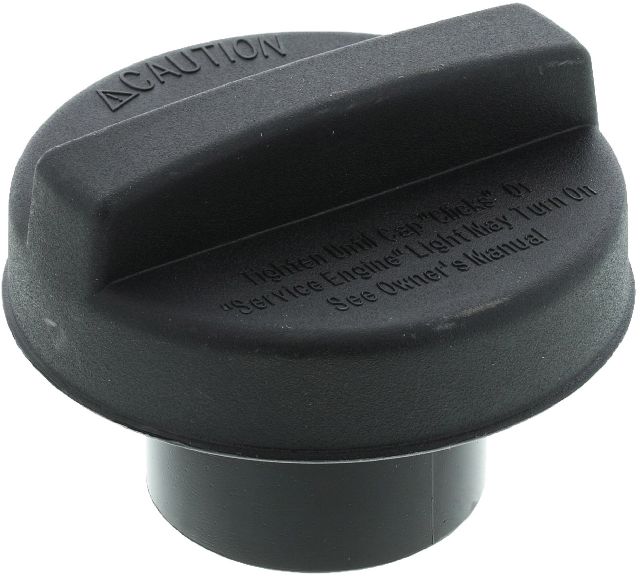
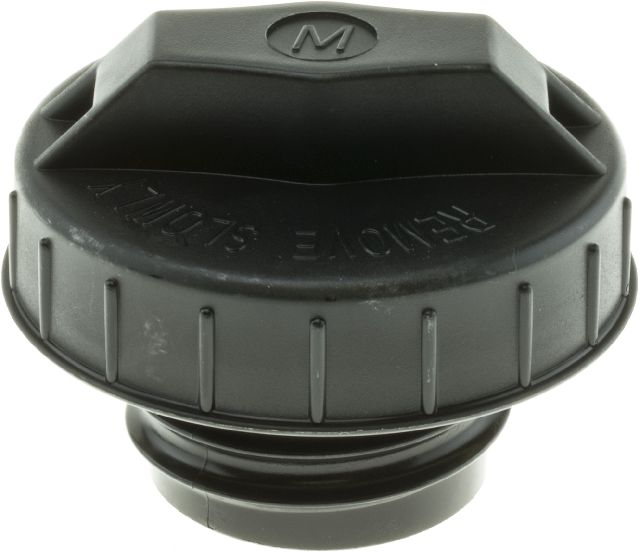
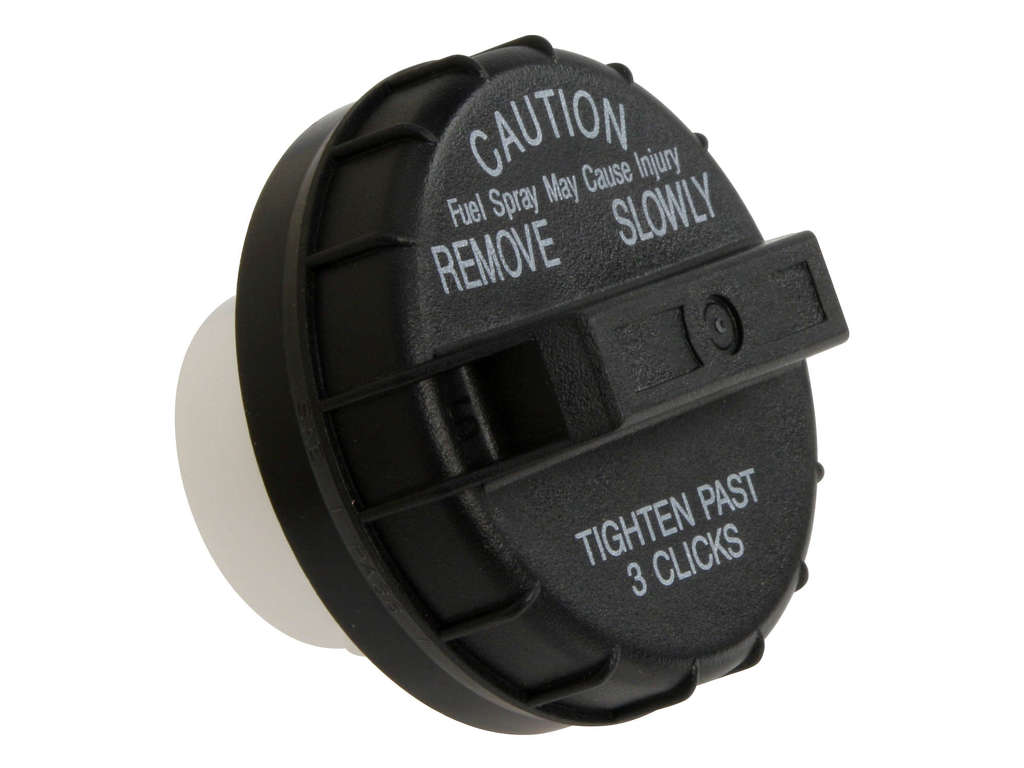
- Loose or Worn Gas Cap 🔴 High Probability → Shop Fuel Tank Cap
How to confirm: Ensure the gas cap is tightened until it clicks at least once. Inspect the rubber O-ring seal on the cap for cracks, hardening, or damage. Check the mating surface on the filler neck for rust or debris that could prevent a good seal.
Typical fix: Tighten the cap. If the seal is damaged, replace the entire gas cap. It is highly recommended to use an OEM cap from Subaru, as some aftermarket caps may not seal correctly and continue to cause issues.
Est. part cost: $25-$50 - Rusted Fuel Filler Neck 🔴 High Probability → Shop Fuel Filler Neck These vehicles were built with a metal filler neck that is highly susceptible to rusting through, particularly in the 'salt belt'. Debris and moisture get trapped behind a plastic shield in the wheel well, accelerating corrosion on the underside of the pipe where it's not easily visible.
How to confirm: Remove the right rear wheel and the plastic splash guard in the wheel well. Visually inspect the entire metal filler neck, paying close attention to the bottom side and any mounting brackets, for rust, flaking, and pinholes. A smoke test will definitively show smoke escaping from this area if it is leaking.
Typical fix: The rusted filler neck must be replaced. This involves disconnecting it from the fuel tank and the body of the car. Aftermarket parts are available, but OEM is often recommended for best fitment.
Est. part cost: $100-$250 - Cracked or Disconnected EVAP Hoses 🟡 Medium Probability Rubber hoses become brittle and crack over time due to age and exposure to heat and fuel vapors. A Subaru technician noted that short rubber fuel/vapor lines located under the intake manifold are a common failure point. Another user identified a specific hose from the intake to the fuel regulator in the engine bay that can crack and cause a P0442.
How to confirm: Visually inspect all accessible EVAP system hoses for cracks, especially at connection points and bends. A smoke test is the most effective way to find a small hose leak.
Typical fix: Replace the cracked section of hose. Small hose sections can be purchased by the foot, or you can buy pre-formed OEM hoses.
Est. part cost: $10-$75 - Faulty Purge Control Solenoid Valve ⚪ Low Probability → Shop Vapor Canister Purge Solenoid
How to confirm: The purge valve is typically located in the engine bay. It can be tested with a hand-held vacuum pump to see if it holds vacuum when closed (de-energized). A professional can command it open and closed with a scan tool to verify operation. A valve stuck slightly open will cause a P0442.
Typical fix: Replace the purge control solenoid valve.
Est. part cost: $50-$120 - Faulty Vent Valve / Solenoid ⚪ Low Probability
How to confirm: The vent valve is located near the charcoal canister at the rear of the vehicle. It is normally open and closes when the system runs a self-test. It can get stuck open or clogged with dirt/debris. A scan tool can command it closed for testing.
Typical fix: Replace the vent valve assembly.
Est. part cost: $70-$150
Rare But Worth Checking
- Cracked Charcoal Canister: → Shop Vapor Canister The plastic body of the charcoal canister can develop cracks from age or impact, but this is less common than valve or hose failures.
- Leaking Fuel Tank Gasket: → Shop Fuel Tank The gasket for the fuel pump sending unit on top of the tank can fail, but this usually produces a much stronger fuel smell and may be accompanied by other codes. This can happen if the fuel pump was replaced and the old, hardened gasket was reused.
- Cracked Plastic Lines on Top of Fuel Tank: → Shop Fuel Tank There are plastic valve fittings and lines on the top of the fuel tank that can become brittle and crack. These are extremely difficult to access as the fuel tank must be dropped for inspection and repair. A smoke test may show smoke coming from the top of the tank area.
Diagnosis Steps
- Read the code with an OBD-II scanner to confirm P0442 is present.
- Check the gas cap. Remove it, inspect the seal for cracks, and retighten it until it clicks several times. Clear the code and drive for a few days to see if it returns. Consider replacing with an OEM cap if it's old.
- If the code returns, perform a visual inspection. The primary target is the fuel filler neck. Remove the right rear wheel and the plastic splash shield to get a clear view of the entire pipe. Look for heavy rust, flaking, or wet spots, especially on the underside.
- While inspecting, check all visible EVAP hoses and lines running from the tank area forward for obvious cracks or disconnections.
- If no visual faults are found, the most reliable next step is a professional smoke test. A machine fills the EVAP system with a harmless, visible smoke under low pressure. The leak will be revealed by the escaping smoke. This is the best way to find tricky leaks in hoses or on top of the fuel tank.
- If the smoke test reveals a leak from the purge or vent valve, those components should be tested and replaced as needed.
- After replacing any parts, clear the code and perform a complete EVAP drive cycle to confirm the repair. This may take several days of normal driving.
Parts You'll Likely Need
- Fuel Filler Neck
(OEM #42066AG04A)— This is the most common failure point specific to this generation of Subaru Outback and Legacy, often rusting through and causing a small EVAP leak.
Trusted brands: Subaru (OEM), Dorman, Spectra Premium, Liland Global
OEM price range: $200-$250
Aftermarket price range: $100-$180 - Gas Cap
(OEM #42031AE020 (for 2005 models), 42031AG00A (for 2006-2009 models))— A worn out gas cap seal is the most common cause of P0442 on any vehicle. It's a cheap and easy first step in diagnosis.
Trusted brands: Subaru (OEM), Stant
OEM price range: $25-$40
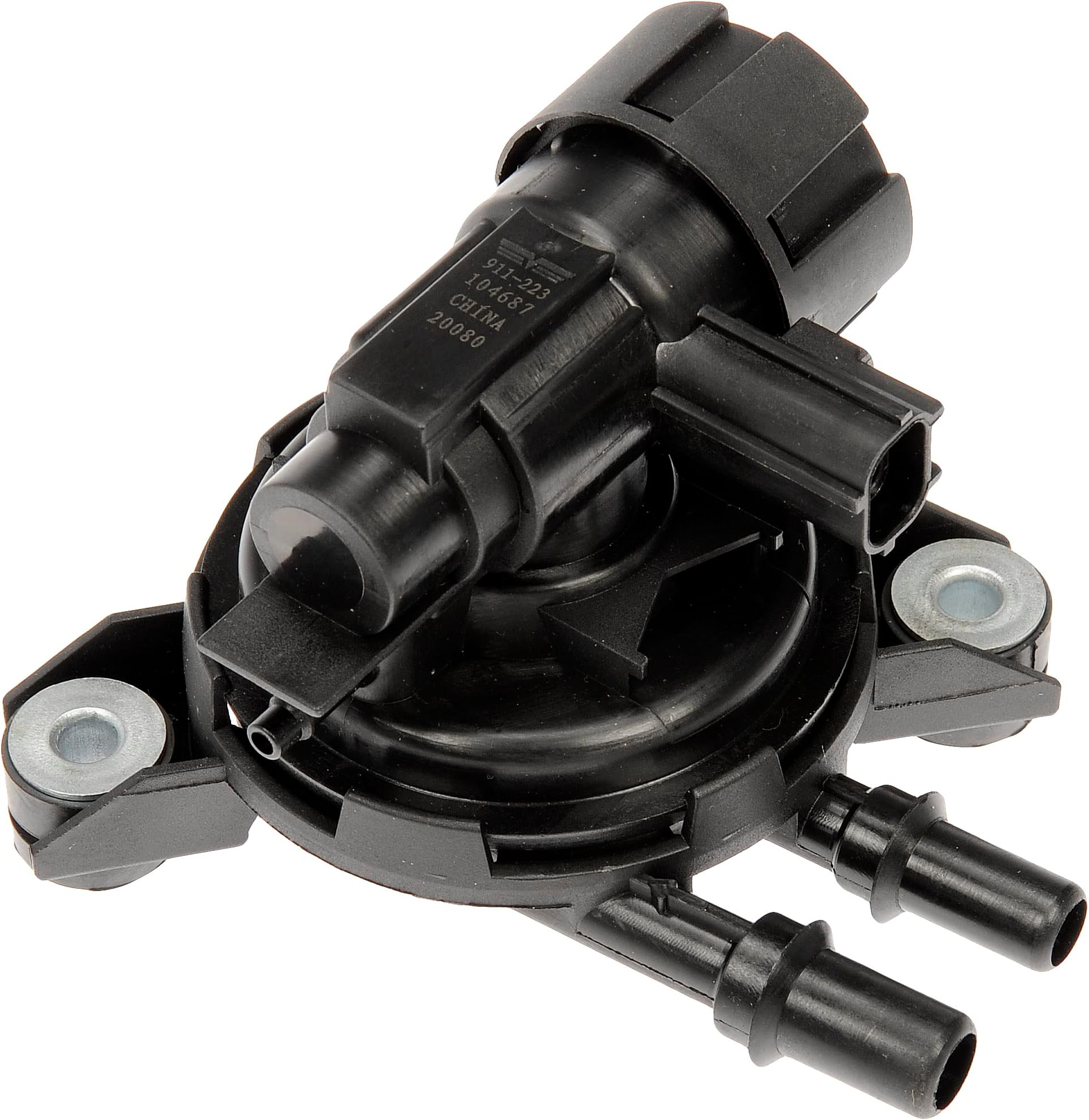
Aftermarket price range: $15-$25 - Vapor Canister Purge Valve
(OEM #42084AA150)— Can get stuck open, creating a constant small leak path from the EVAP system to the intake manifold.
Trusted brands: Subaru (OEM), Denso, Dorman
OEM price range: $80-$120
Aftermarket price range: $40-$70
Related Codes That Often Appear With This One
- P0457 — This code indicates a leak detected due to a loose or missing fuel cap. It often appears for the same reasons as P0442, such as a bad cap seal or a rusted filler neck that prevents the cap from sealing properly.
- P0455 — This code indicates a large EVAP leak. If a small leak from a crack in the filler neck or a hose worsens over time, it can eventually trigger a P0455 instead of a P0442.
- P0456 — This code indicates a very small EVAP leak. It is part of the same family of codes as P0442 and can be caused by the exact same components, just a smaller-sized leak is detected by the system.
Platform-Specific Known Issues
- The fuel filler neck is highly prone to rusting out behind the right-rear wheel well, causing P0442 and other EVAP codes. This is the most significant vehicle-specific issue for this code.
- Short rubber hoses under the intake manifold can become brittle and crack, causing an intermittent fuel smell and EVAP codes.
Mechanic-Grade Diagnostic Values
- EVAP Vent Valve / Solenoid Coil Resistance — expected: 30 - 50 Ohms. Failure: A reading outside this range, particularly a low reading around 25-26 Ohms or an open circuit, indicates a failing or failed solenoid, even if it still clicks.
- Fuel Tank Pressure (FTP) Sensor Voltage (Key ON, Engine OFF) — expected: Approximately 1.5V (typically acceptable between 1.3V - 1.7V) with the gas cap off (at atmospheric pressure).. Failure: A reading stuck low (near 0V) or high (near 5V) regardless of pressure indicates a faulty sensor or wiring issue.
- Purge Valve Solenoid Coil Resistance — expected: Approximately 26-33 Ohms.. Failure: A reading significantly outside this range, or an open/short circuit, indicates a failed solenoid coil.
Scan Tool Commands That Help
- Subaru Select Monitor (SSM): Green Connector 'Test Mode' — Connecting the green test connectors under the driver's side dash and turning the key to 'ON' (engine off) puts the vehicle into a test mode. This will cycle all relays and solenoids, including the EVAP purge and vent valves, at one-second intervals. This allows a technician to physically listen to or feel the components to confirm they are mechanically actuating without needing a scan tool.
- Subaru Select Monitor (SSMIII / SSM4): On-Board System Test (for ELCM) — For later models in this range equipped with an Evaporative Leak Check Module (ELCM), this function in the dealer-level scan tool can force the system to run its internal leak detection self-test. This allows a technician to monitor the Evap System Absolute Pressure and ELCM pump/valve data to diagnose leaks.
Wiring & Ground Locations
- Engine Control Module (ECM) — Located behind the right side of the dashboard.. The ECM is the central computer that receives data from EVAP sensors and controls the EVAP solenoids. A poor connection here could mimic a component failure.
- Body Integrated Unit (BIU) — Located to the right of the steering column.. The BIU manages various body-related electrical functions and communicates with the ECM. Wiring issues related to the BIU can sometimes cause communication errors or faulty signals.
- Main Fuse & Relay Box — There is a main fuse box in the engine compartment (left side) and another fuse/relay box at the left end of the dash.. These boxes contain the fuses and relays that supply power to the ECM and EVAP system components. A blown fuse or faulty relay will disable the component.
- Ground Points (General) — Various ground points (e.g., GB-3, GB-7, GB-8) are located throughout the vehicle, including on the right side of the center console, the right side of the dash, and under the front passenger seat.. The EVAP system relies on clean ground connections for its sensors and solenoids. A corroded or loose ground can cause erratic sensor readings or prevent a solenoid from activating correctly, leading to false codes.
Real Owner Repair Stories
- Reddit user on r/subaru (2001 Subaru Forester (similar EVAP system design)) — Persistent P0442 code returning every few days.
❌ Tried (didn't work) Replacing the Knock Sensor (for a different code), Replacing the gas cap with a brand new OEM Subaru cap.
✅ What actually fixed it The user was advised that the most likely cause, after replacing the cap, was a rusted-out fuel filler neck, specifically the metal pipes visible after removing the right rear wheel and a plastic cover. This is the common failure pattern for this era of Subaru. - NHTSA ODI #11535637 (Subaru Forester with similar EVAP design) — An owner reported a strong gas smell and a P0442 "evap leak small" code. Upon inspection, they noted that steel tanks on these vehicles tend to rust where the seam of the tank is, leading to leaks when driven on an incline.
"I Checked Everything" — The Actual Cause
- In some cases, a smoke test may not reveal a leak if the purge valve is the culprit. A purge valve can leak internally, allowing vacuum from the intake manifold to pull on the EVAP system when it shouldn't, but it won't necessarily leak smoke externally. The valve can be tested separately with a hand vacuum pump to see if it holds vacuum when de-energized.
OEM Part Supersession History
42031AE020→42031AG00A— Part number update for the gas cap, corresponding with the 2006 model year refresh.
Heads up: The 2005 model year uses a different gas cap (42031AE020) than the 2006-2009 models (42031AG00A). While they may appear similar, using the wrong cap can lead to sealing issues and persistent P0442 codes.
Model Year Variations Within This Range
- 2005-2009: Some vehicles in this range, particularly those sold in California and other states following CARB standards, may be equipped with PZEV (Partial Zero-Emission Vehicle) emissions equipment. This can sometimes mean different part numbers for EVAP components like the vapor canister compared to Federal emissions vehicles. It is important to verify the vehicle's emissions standard before ordering parts.
- 2005 vs 2006-2009: The gas cap part number changed after the 2005 model year. 2005 models use P/N 42031AE020, while 2006-2009 models use P/N 42031AG00A.
Diagnostic Flowchart
Real Owner Stories
Aggregated from forums and TSBs cited above. Mileages and costs reflect what owners reported in those sources.
2006 Subaru Impreza Outback Sport
Symptoms: Intermittent Check Engine Light (CEL) for P0442, occasional smell of fuel while driving.
What fixed it: The original poster did not report a final fix after replacing the gas cap, fuel tank, valve fuel, valve vent, and canister vent solenoid. A technician suggested checking for leaking rubber fuel lines under the intake manifold or spiders building webs in the EVAP vent hose.
Source hint: Reddit r/MechanicAdvice
2007 Subaru Forester — 61000 miles
Symptoms: Check Engine Light with code P0442.
What fixed it: The dealership diagnosed a fuel-soaked charcoal canister caused by topping off the gas tank and recommended replacement.
Cost: $481.85
Source hint: Ultimate Subaru Message Board
Related OBD-II Codes
Frequently Asked Questions
Why is my 2005-2009 Subaru Outback so prone to the P0442 code?
Should I buy an aftermarket gas cap to fix the P0442 code on my Outback?
How do I inspect the fuel filler neck for rust on my 2005-2009 Outback?
I smell fuel under the hood of my Outback and have a P0442 code. What could it be?
Will the fuel filler neck from a Subaru Legacy fit my Outback?
Can topping off my gas tank cause a P0442 code in my Subaru?
Used OEM Parts in Stock
New Aftermarket Parts Available


The information in this article is provided for general reference and educational purposes only. Vehicle specifications, procedures, and part compatibility can vary by production date, trim level, and region. Always consult your vehicle's factory service manual and verify part numbers before purchasing or performing repairs. Safety-critical components such as airbags, seat belts, and braking systems should be installed by a qualified professional.
- Subaru Outback:
- 🧭 Diagnostic Flowchart
- 🛍️ Shop This Part
- What's Unique About the 2005-2009 Subaru Outback
- Symptoms You May Notice
- Most Likely Causes
- Rare But Worth Checking
- Diagnosis Steps
- Parts You'll Likely Need
- Related Codes That Often Appear With This One
- Platform-Specific Known Issues
- Mechanic-Grade Diagnostic Values
- Scan Tool Commands That Help
- Wiring & Ground Locations
- Real Owner Repair Stories
- "I Checked Everything" — The Actual Cause
- OEM Part Supersession History
- Model Year Variations Within This Range
- Real Owner Stories
- 2006 Subaru Impreza Outback Sport
- 2007 Subaru Forester — 61000 miles
- Related OBD-II Codes
- Frequently Asked Questions
- 🎟️ Get 5% Off