

P0442 on 2003-2008 Toyota Matrix: Causes and Fixes for a Small EVAP Leak
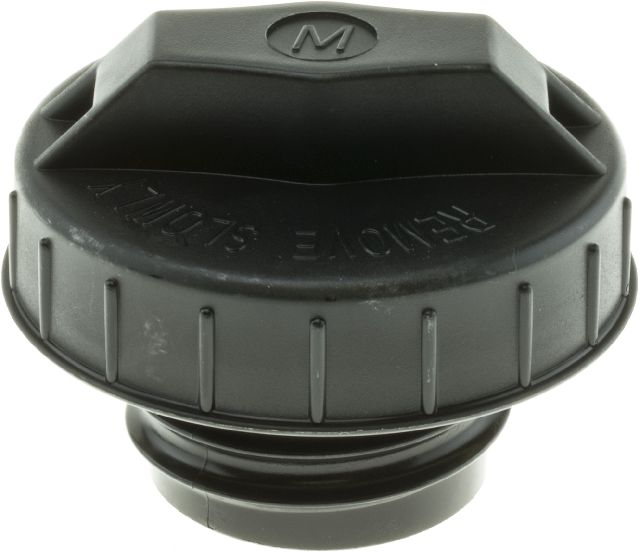
For a 2003-2008 Toyota Matrix, code P0442 is most often caused by a loose or faulty gas cap. Always check this first. If that doesn't fix it, suspect cracked EVAP hoses, a corroded fuel filler neck, or a failing charcoal canister. A new genuine Toyota gas cap is under $30 and is the most common, cheapest fix.
- Always start with the gas cap. Make sure it's tight. If the light comes back, spend the $30 on a new OEM cap before doing anything else.
- If the gas cap doesn't fix it, the next step is a visual inspection of hoses, followed by a smoke test to find the leak.
- The charcoal canister assembly is a common failure point on these cars, but it's expensive. Confirm it's the cause with a smoke test before buying one.
- Check the fuel filler neck for rust or corrosion where the cap seals, as this is a known issue on 2003-2005 models.
What's Unique About the 2003-2008 Toyota Matrix
The 2003-2008 Toyota Matrix (and its siblings, the Pontiac Vibe and Toyota Corolla) is generally reliable, but its plastic and rubber EVAP components become brittle with age. A specific, well-documented issue noted in Toyota service bulletin EG051-06 for 2003-2004 2WD models is corrosion on the fuel filler neck where the gas cap seals. This rust prevents a proper seal and is a known cause of P0442. Otherwise, the causes are typical for most Toyota vehicles from this period, with the charcoal canister assembly being a frequent point of failure after the gas cap. In fact, NHTSA ODI #10354544 notes that failures represented by codes P0440, P0441, and P0442 have been widely reported for Toyota models built from the late 1990s through the mid-2000s.
Symptoms You May Notice
- Check Engine Light is on.
- A faint fuel smell, especially when parked in an enclosed space like a garage.
- Difficulty filling the gas tank (the pump clicks off repeatedly) can occur if a vent valve or hose on the charcoal canister is blocked or has failed.
- A 'whoosh' sound of pressure escaping when opening the gas cap can sometimes be heard, though its absence doesn't rule out a problem.
- Replacing the purge valve (VSV) in the engine bay when the actual problem is a simple cracked hose or bad gas cap. The purge valve is easy to access, so it's often replaced unnecessarily.
- Replacing the gas cap with a cheap aftermarket version. Many aftermarket caps do not seal to OEM specifications and will not fix the code, leading the owner to believe the problem is elsewhere.
Most Likely Causes
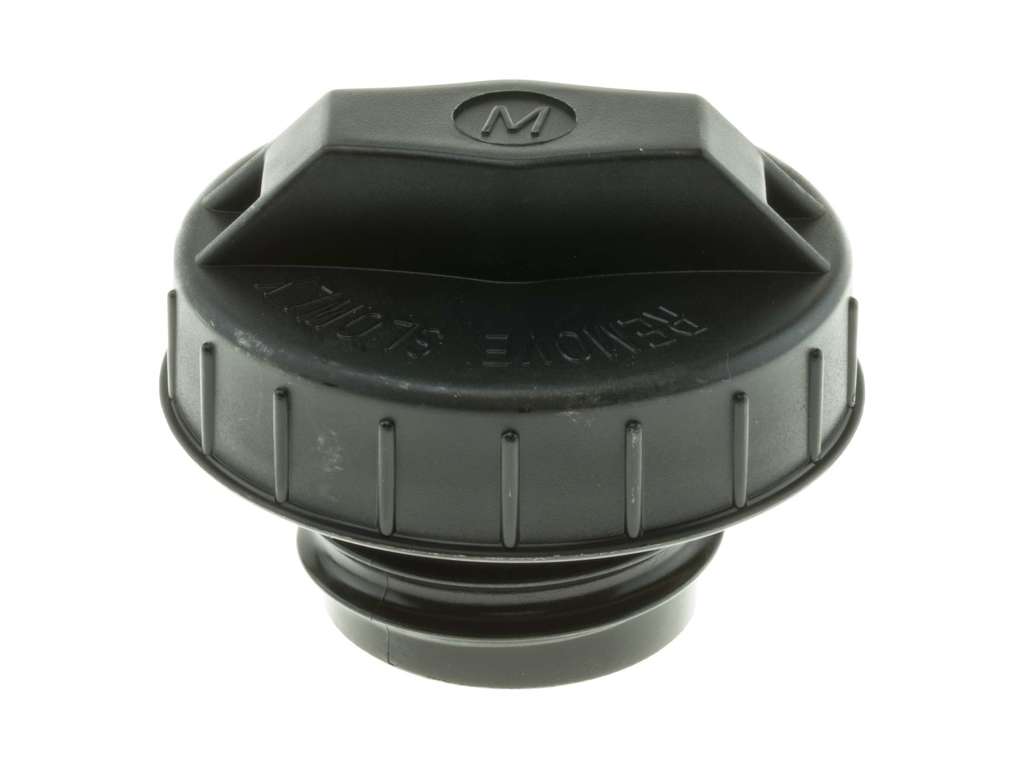
- Loose, Worn, or Incorrect Gas Cap 🔴 High Probability → Shop Fuel Tank Cap This is the most common cause for a P0442 on any vehicle, including the Matrix. The rubber O-ring on the cap hardens, flattens, and cracks over time, preventing a proper seal. Aftermarket caps are a frequent source of problems as they may not seal correctly; an OEM cap is strongly recommended.
How to confirm: First, ensure the cap is tightened until it clicks several times. Inspect the rubber seal for cracks, stiffness, or damage. If the light returns, replacing the cap with a genuine OEM part is the cheapest and easiest next step. A temporary test can be done by cleaning the filler neck rim and the cap seal.
Typical fix: Replace the gas cap with a genuine Toyota part.
Est. part cost: $15-$35 - Corroded Fuel Filler Neck 🟡 Medium Probability → Shop Fuel Filler Neck A Toyota Technical Service Bulletin (EG051-06) specifically calls out that on 2003-2004 2WD Matrix and Corolla models, the sealing surface of the filler pipe can corrode. This creates a rough, pitted surface that the gas cap gasket cannot seal against, causing a small leak. Similar issues with defective fuel fillers causing P0442 have been documented in other Toyota models, as seen in NHTSA ODI #10276828.
How to confirm: Remove the gas cap and inspect the metal lip of the filler pipe that the cap's gasket seals against. Look and feel for rust, pitting, or bubbling paint. You can try cleaning the surface with a wire brush as a temporary measure to see if it improves the seal.
Typical fix: The official fix is to replace the fuel tank filler pipe. Some owners have had success sanding the neck smooth and applying a light coat of grease, but replacement is the permanent solution.
Est. part cost: $100-$200 - Failed Charcoal Canister Assembly 🟡 Medium Probability → Shop Vapor Canister The plastic housing of the canister, located under the rear of the car, can develop hairline cracks from age and road debris. The integrated valves (like the vent valve) can also fail, getting stuck open or closed. This is a very common failure point after many years.
How to confirm: A smoke test is the most effective method; smoke will be seen escaping from a crack in the canister body or from a faulty valve. Shaking the canister might reveal rattling sounds, indicating broken charcoal inside, which necessitates replacement. A Pontiac Vibe owner ultimately fixed their P0442 by replacing the canister after trying all other cheaper fixes. 🎬 Watch: Step-by-step guide to replacing the canister and gas cap.
Typical fix: Replace the entire charcoal canister assembly. Aftermarket versions from brands like Dorman are available but may have questionable long-term reliability compared to OEM.
Est. part cost: $315-$450 - Cracked or Disconnected EVAP Hoses ⚪ Low Probability After 15+ years, the rubber vacuum and vapor hoses become hard, brittle, and prone to cracking, especially at connection points to valves and the canister. A forum member with a Pontiac Vibe reported their issue was a pinhole leak in a corrugated vapor hose under the car.
How to confirm: Visually inspect all accessible EVAP hoses in the engine bay (near the purge valve) and at the rear of the car (near the charcoal canister) for visible cracks or loose connections. A smoke test is the definitive way to find a small hose leak that isn't obvious.
Typical fix: Replace the cracked section of hose. Ensure clamps are secure.
Est. part cost: $5-$20 - Faulty Purge Valve (VSV) ⚪ Low Probability → Shop Vapor Canister The purge valve, or Vacuum Switching Valve (VSV) as Toyota calls it, is located in the engine bay and can get stuck open, creating a small leak. It's less common for a P0442 than other causes but is possible.
How to confirm: With the engine off, remove the valve and try to blow through it; it should be closed and block air flow. You can also test its operation by applying 12V power to its terminals to see if it clicks open and closes correctly. A faulty valve may not click or may remain stuck open even when de-energized.
Typical fix: Replace the purge valve.
Est. part cost: $40-$90
Diagnosis Steps
- Read the code with an OBD-II scanner to confirm P0442.
- Inspect the gas cap. Remove it, check the rubber seal for cracks or hardness, and retighten it until it clicks multiple times. Clear the code. If it returns, proceed.
- Replace the gas cap with a new, OEM (Original Equipment Manufacturer) part. Aftermarket caps are a common failure point and may not solve the problem. Clear the code and drive for a few days.
- Inspect the fuel filler neck sealing surface for any rust or corrosion, as noted in TSB EG051-06. Clean the surface with a wire brush and see if the code disappears after clearing. If corroded, it may need replacement.
- If the code persists, perform a thorough visual inspection of all EVAP hoses in the engine bay and around the charcoal canister at the rear of the vehicle. Look for any obvious cracks, especially at connection points.
- If no obvious damage is found, the most effective next step is a professional smoke test. A mechanic injects low-pressure smoke into the EVAP system to quickly and accurately find the source of the pinhole leak.
- Based on the smoke test results, replace the leaking component. Common culprits found via smoke test are cracked hoses, a cracked charcoal canister, or a faulty canister vent valve.
- After the repair, clear the code and perform a full drive cycle to allow the ECU to re-run its self-test and confirm the fix.
Parts You'll Likely Need
- Gas Cap
(OEM #77300-52030)— This is the most frequent and simplest fix. The original cap's seal degrades over time. Using a genuine Toyota cap is highly recommended for a reliable seal, as aftermarket versions are a known cause of persistent codes.
Trusted brands: Toyota Genuine
OEM price range: $25-$35
Aftermarket price range: $15-$25 - Charcoal Canister Assembly
(OEM #77740-02121 (2003-2004), 77740-02310 (2005-2008 FWD))— This is the most likely major component to fail after the gas cap. The plastic can crack, or the integrated valves can fail. It is a common failure on older Toyotas and often the final fix after other parts are replaced.
Trusted brands: Toyota Genuine, Dorman
OEM price range: $350-$450
Aftermarket price range: $150-$250 - Vapor Canister Purge Valve / Solenoid (VSV)
(OEM #90910-12276)— Though less common for a P0442 alone, this valve in the engine bay can stick open and cause a leak. It's relatively inexpensive and easy to replace, but should be tested before replacement.
Trusted brands: Toyota Genuine, Denso, Standard Motor Products
OEM price range: $70-$100
Aftermarket price range: $30-$60
Related Codes That Often Appear With This One
- P0446 — Indicates a fault in the EVAP system's vent control circuit. The vent valve is often integrated into the charcoal canister assembly. A failing canister or a clogged vent can trigger both a small leak code (P0442) and a vent circuit code (P0446) simultaneously.
- P0441 — Indicates incorrect purge flow. This can be caused by a faulty purge valve or a blockage in a line. Sometimes a component failure can cause both a flow issue and a leak, triggering both codes.
- P0455 — Indicates a large EVAP leak. While P0442 is a small leak, sometimes a component like a gas cap seal or canister crack can fail intermittently, causing the computer to detect different leak sizes at different times.
Technical Service Bulletins (TSBs) & Recalls
- EG051-06 - Describes corrosion on the fuel filler pipe preventing a proper gas cap seal on some 2003-2004 2WD Matrix and Corolla models, and 2005 4WD Matrix models. Recommends inspection and replacement of the filler pipe if corrosion is found.
Platform-Specific Known Issues
- Toyota Service Bulletin EG051-06 notes that the fuel filler neck on 2003-2004 2WD models is prone to corrosion at the sealing surface
Mechanic-Grade Diagnostic Values
- Purge Valve (VSV) Coil Resistance — expected: 15 to 30 Ohms at room temperature.. Failure: A reading far outside this range, or an open circuit (infinite resistance), indicates a failed valve coil.
- Fuel Tank Pressure Sensor Voltage (2005-2008 models) — expected: 5V reference signal from the ECU on one pin, and a ground connection on another.. Failure: Absence of the 5V reference voltage (with key on, engine off) points to a wiring or ECU issue, not a faulty sensor. If 5V and ground are present, but the signal is erratic or non-responsive to pressure changes, the sensor (part of the leak detection pump) is likely bad.
Scan Tool Commands That Help
- Toyota Techstream: Utility -> Evaporative System Check (or 'Automatic EVAP Test') — This function allows a technician to force the vehicle's onboard EVAP leak test to run without waiting for the 5-hour 'cold soak' period. It manually closes the vent valve and operates the purge valve to create a vacuum, then monitors for decay. This is crucial for verifying a repair is successful or for diagnosing an intermittent leak by observing live pressure data during the test.
- Professional Scan Tool (e.g., Snap-on, Autel): Activation Test -> EVAP Vent Valve/Solenoid — When performing a smoke test, the vent valve (normally open) must be commanded closed to seal the system. This bidirectional command allows the technician to close the valve electronically, confirming the valve's function and enabling a proper smoke test. If the valve doesn't close, smoke will simply exit the vent, preventing a valid test.
Wiring & Ground Locations
- EVAP Purge VSV — In the engine bay, typically on the left rear of the engine compartment, connected to the intake manifold via a rubber hose.. This is the valve that controls the flow of stored vapors into the engine. A valve that is stuck open is a direct leak source. Its location in the engine bay makes it susceptible to heat and vibration, and its connector and wiring should be checked for damage.
- Charcoal Canister Assembly — Under the rear of the vehicle, mounted above the rear axle.. This assembly contains the charcoal bed, the vent valve, and on 2005+ models, the leak detection pump and fuel tank pressure sensor. Its location makes it vulnerable to road debris and corrosion, which can cause cracks in the plastic housing or damage to the integrated electrical components and connectors.
- Leak Detection Pump Connector (2005-2008) — A 10-pin connector on the charcoal canister assembly.. This is the critical test point for the fuel tank pressure sensor on later models. Pins 2, 3, and 4 are for the pressure sensor (ground, signal, and 5V reference). Checking for proper voltage and continuity here can diagnose a faulty sensor or a wiring harness issue without removing the entire canister.
Real Owner Repair Stories
- GenVibe forum user (2004 Pontiac Vibe, 160,000 miles) — Check Engine Light with code P0442.
❌ Tried (didn't work) Tightening gas cap, Replacing gas cap, Replacing fuel filler tube (per TSB), Smoke test (which incorrectly suggested a hose), Replacing purge and vent valve solenoids
✅ What actually fixed it Replacing the entire charcoal canister assembly was the final repair that resolved the P0442 code. - NHTSA ODI #10735783 — An owner reported a P0442 code and initially replaced a faulty gas cap at 230,564 miles, though the vehicle later required charcoal canister attention as mileage increased.
"I Checked Everything" — The Actual Cause
- A common failure scenario for a smoke test is when the technician does not properly command the canister vent valve closed using a scan tool. The vent valve is normally open to the atmosphere. If it is not closed, the smoke will simply exit through the vent hose, and the technician will find 'no leak,' when in reality the system was never sealed to begin with.
- In a case involving a Toyota Sienna with a P0442, a technician performed a smoke test and found no leaks in the engine bay or at the canister. The actual leak was a small crack in the fuel tank's overfill check valve assembly, which only became apparent when the fuel tank was dropped and the valve was inspected closely.
OEM Part Supersession History
77740-02121→N/A, part is specific to model years— This charcoal canister is for 2003-2004 models with a steel fuel tank and external fuel tank pressure sensor.
Heads up: This part is not compatible with 2005-2008 models, which use a plastic fuel tank and an integrated leak detection pump/pressure sensor assembly (e.g., 77740-02310).
Model Year Variations Within This Range
- 2003-2004: These models use a steel fuel tank and a more traditional EVAP system. The fuel tank pressure sensor is located on the fuel pump sending unit assembly inside the tank. The charcoal canister (77740-02121) is a simpler design.
- 2005-2008: Toyota switched to a plastic fuel tank. The EVAP system was redesigned to incorporate a Leak Detection Pump (LDP) and an integrated fuel tank pressure sensor as part of the charcoal canister assembly (e.g., 77740-02310 for FWD). Diagnosing pressure sensor codes (like P0451/P0452) on these years requires testing at the canister connector, not at the fuel tank.
Diagnostic Flowchart
Real Owner Stories
Aggregated from forums and TSBs cited above. Mileages and costs reflect what owners reported in those sources.
2004 Pontiac Vibe Base 1.8L — 160000 miles
Symptoms: Check engine light came on showing a P0442 Small Evap Leak code. Tried cheap fixes first like re-tightening and replacing the gas cap, which didn't work.
What fixed it: Replaced the charcoal canister after previously replacing the gas cap, filler neck, and solenoids.
Source hint: GenVibe Forums - Thread '2004 Vibe Base P0442 EVAP LEAK...FIXED'
2004 Toyota Matrix 4 cyl 1.8L
Symptoms: Vehicle triggered both P0442 and P0446 codes simultaneously.
What fixed it: Had a smoke test performed and diagnosed a bad canister vent valve, which is a common failure point when these two codes appear together.
Source hint: CarKiller.com - Thread '2004 Toyota Matrix 4 cyl 1.8L P0442 P0446'
Related OBD-II Codes
Frequently Asked Questions
Does TSB EG051-06 apply to my Toyota Matrix for the P0442 code?
Should I buy an aftermarket gas cap to fix the P0442 code on my Matrix?
Why is my Matrix having difficulty filling up with gas along with the P0442 code?
I own a Pontiac Vibe. Does the P0442 diagnosis for the Matrix apply to my car?
Where is the purge valve located on the 1.8L Matrix, and how do I test it?
Helpful Videos
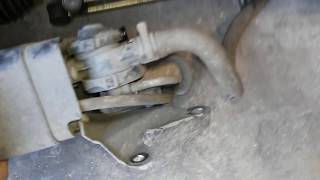
Used OEM Parts in Stock
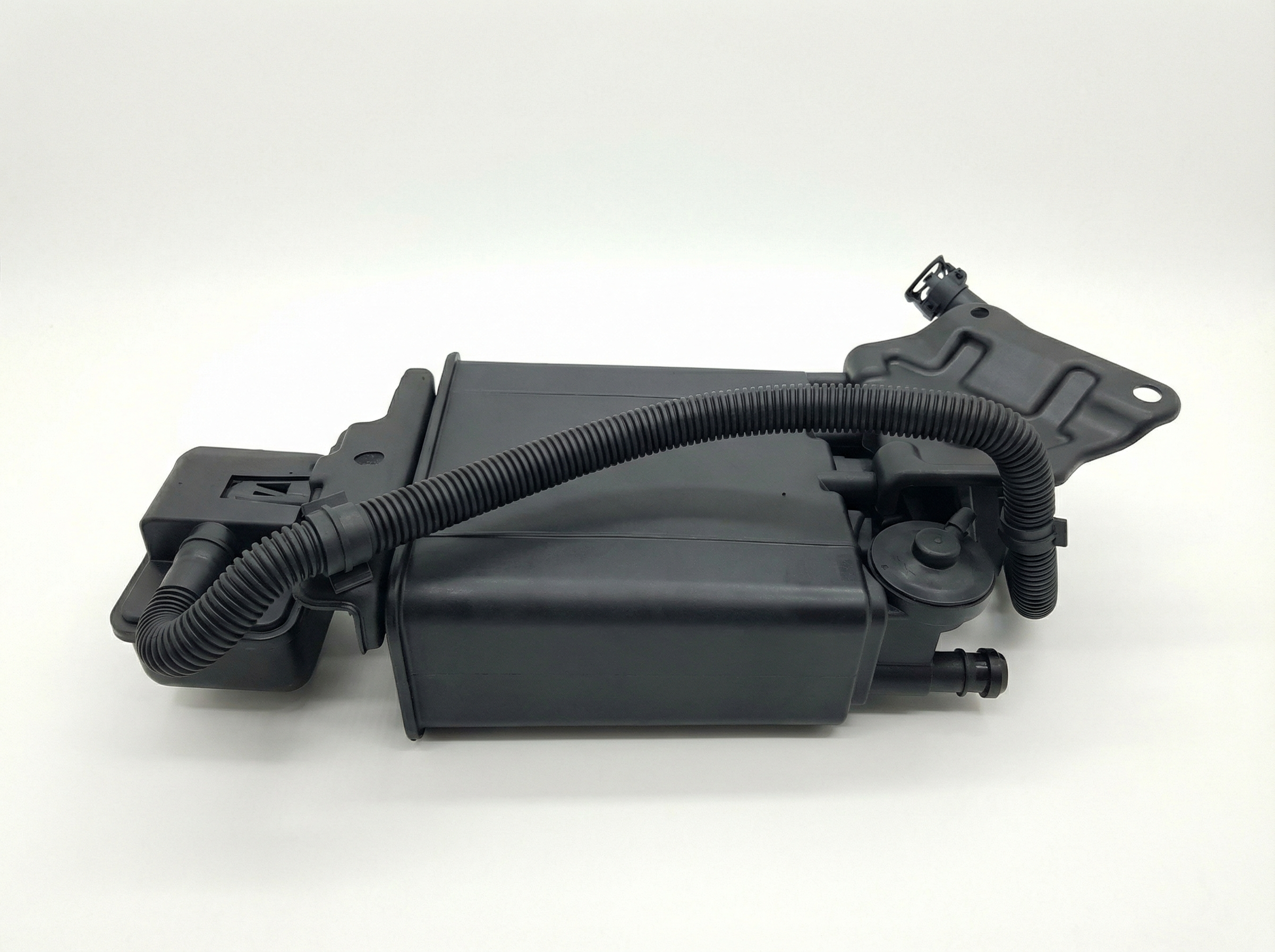
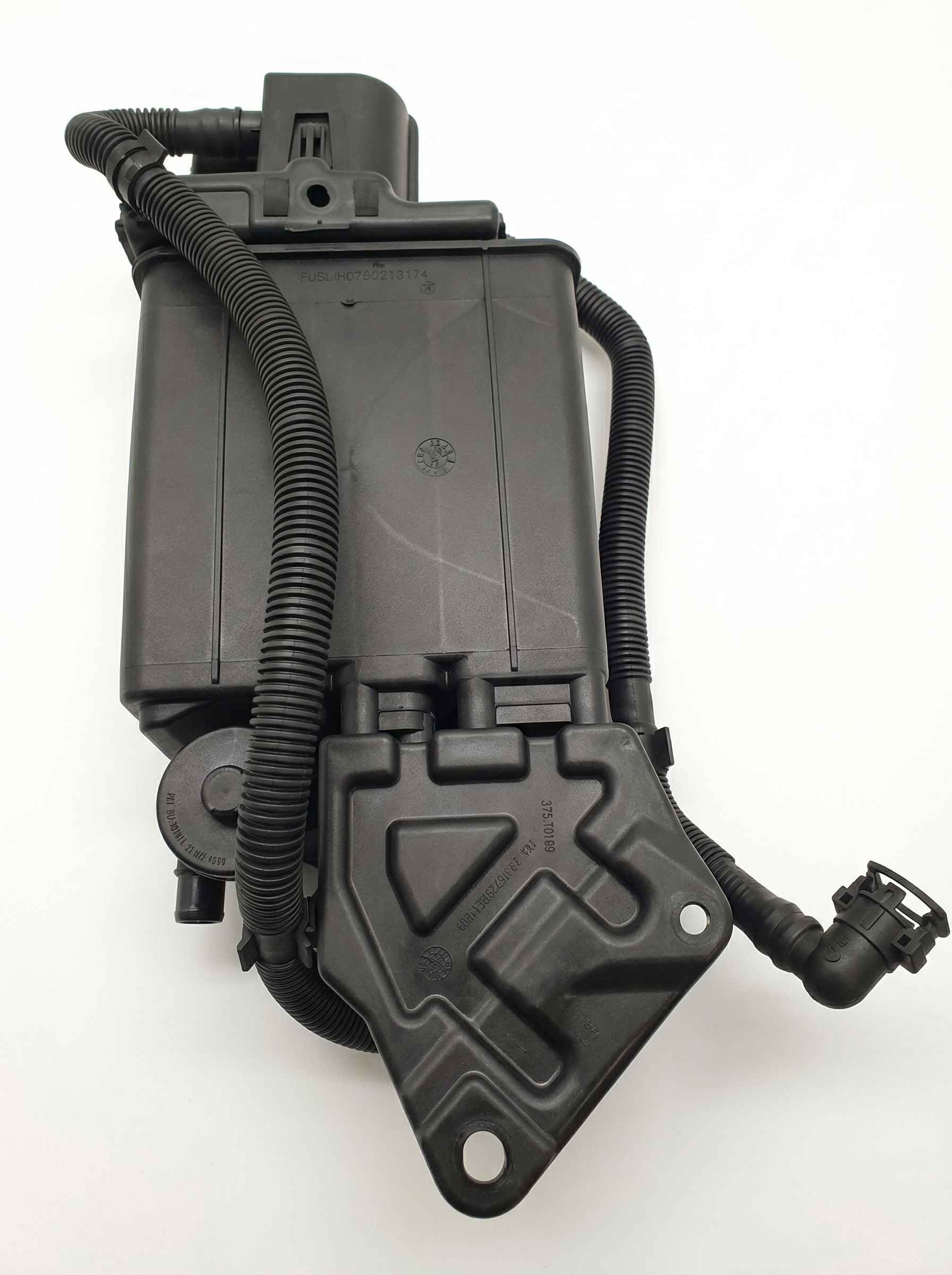
New Aftermarket Parts Available


The information in this article is provided for general reference and educational purposes only. Vehicle specifications, procedures, and part compatibility can vary by production date, trim level, and region. Always consult your vehicle's factory service manual and verify part numbers before purchasing or performing repairs. Safety-critical components such as airbags, seat belts, and braking systems should be installed by a qualified professional.
- Toyota Matrix:
- 🧭 Diagnostic Flowchart
- 🎬 Helpful Videos
- 🛍️ Shop This Part
- What's Unique About the 2003-2008 Toyota Matrix
- Symptoms You May Notice
- Most Likely Causes
- Diagnosis Steps
- Parts You'll Likely Need
- Related Codes That Often Appear With This One
- Technical Service Bulletins (TSBs) & Recalls
- Platform-Specific Known Issues
- Mechanic-Grade Diagnostic Values
- Scan Tool Commands That Help
- Wiring & Ground Locations
- Real Owner Repair Stories
- "I Checked Everything" — The Actual Cause
- OEM Part Supersession History
- Model Year Variations Within This Range
- Real Owner Stories
- 2004 Pontiac Vibe Base 1.8L — 160000 miles
- 2004 Toyota Matrix 4 cyl 1.8L
- Related OBD-II Codes
- Frequently Asked Questions
- 🎟️ Get 5% Off