

P0442 on 1995-2004 Toyota Tacoma: EVAP Small Leak Causes and Fixes
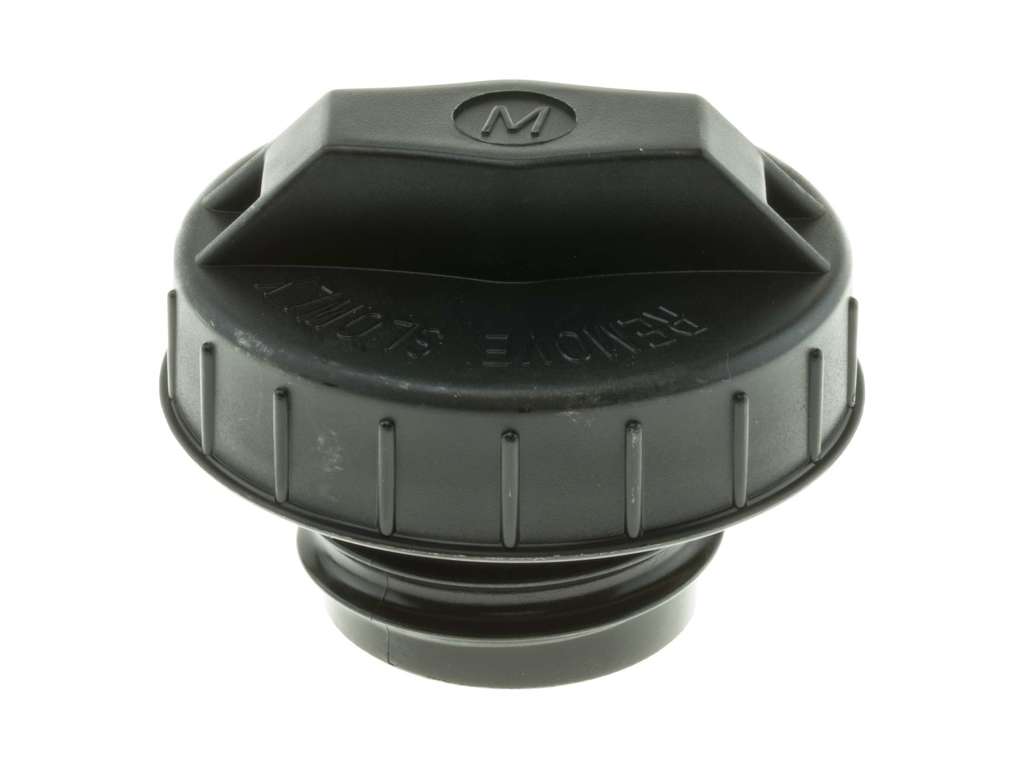
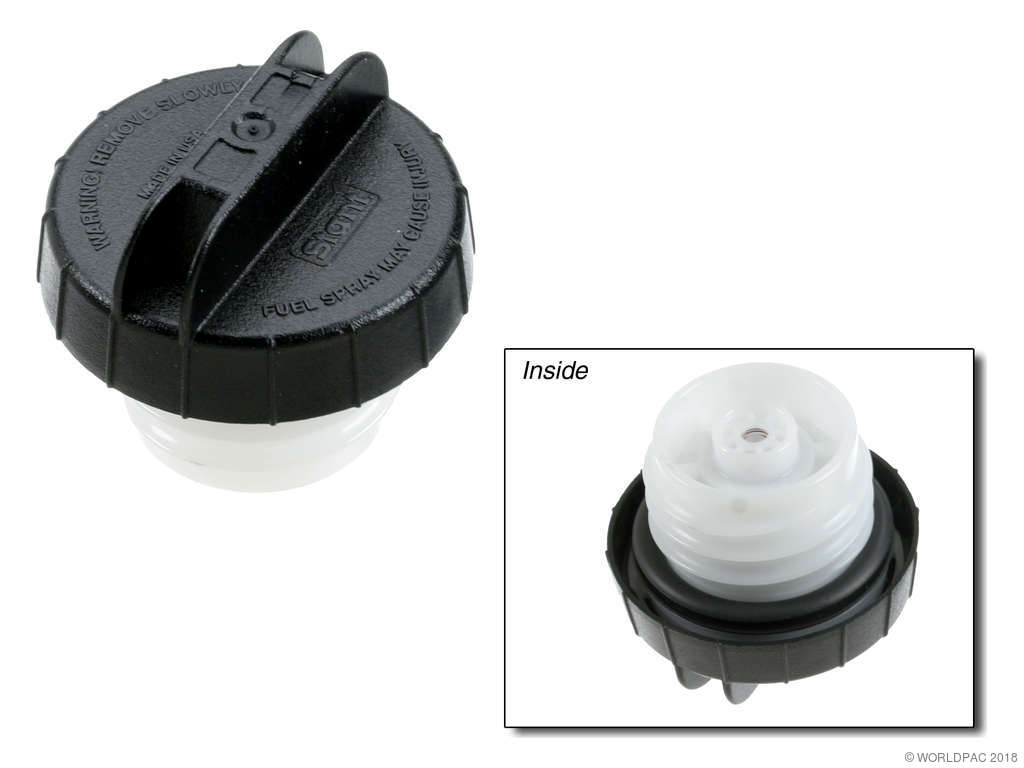
On a first-generation Toyota Tacoma, the P0442 code is most often caused by a loose, worn out, or non-OEM gas cap. Before buying any parts, tighten the cap, clear the code, and see if it returns. If it does, a new genuine Toyota OEM gas cap is the next logical step and costs around $25-$40. Aftermarket caps are a common cause of this code as their seals may not meet Toyota's specifications.
- Always start with the gas cap. It's the cheapest, easiest, and most likely fix. Use a genuine Toyota (OEM) cap for the best results.
- If a new gas cap doesn't fix it, a smoke test is the most cost-effective next step to avoid wasting money on parts you don't need.
- On a 20+ year-old truck, the problem is almost certainly a physical leak from a degraded rubber or plastic part, not a failed sensor.
- Be aware of where your charcoal canister is located. V6 models have it in the engine bay, while 4-cylinder models have it near the fuel tank.
What's Unique About the 1995-2004 Toyota Tacoma
For the first-generation Tacoma, this code is a very common effect of age. After two decades, the original rubber EVAP hoses become brittle and crack, the gas cap seal degrades, and metal components like the filler neck can rust. While the code itself is generic, the causes on this truck are almost always related to the physical decay of these simple components rather than complex electronic failures. Owner experiences on forums like TacomaWorld consistently show that a methodical search for a physical leak, usually with a smoke machine, is key to solving the problem, as opposed to immediately suspecting a sensor.
Symptoms You May Notice
- Check Engine Light is on.
- A faint smell of gasoline may be noticeable, particularly around the rear of the truck near the fuel tank or filler neck, or between the cab and the bed. This is often more apparent after refueling.
- No noticeable impact on drivability or engine performance.
- In rare cases where a stuck-open purge valve is the cause, a rough idle immediately after refueling might occur.
- Replacing the purge valve or other electronic sensors before performing a smoke test. Most P0442 issues on this truck are simple physical leaks, not sensor failures.
Most Likely Causes
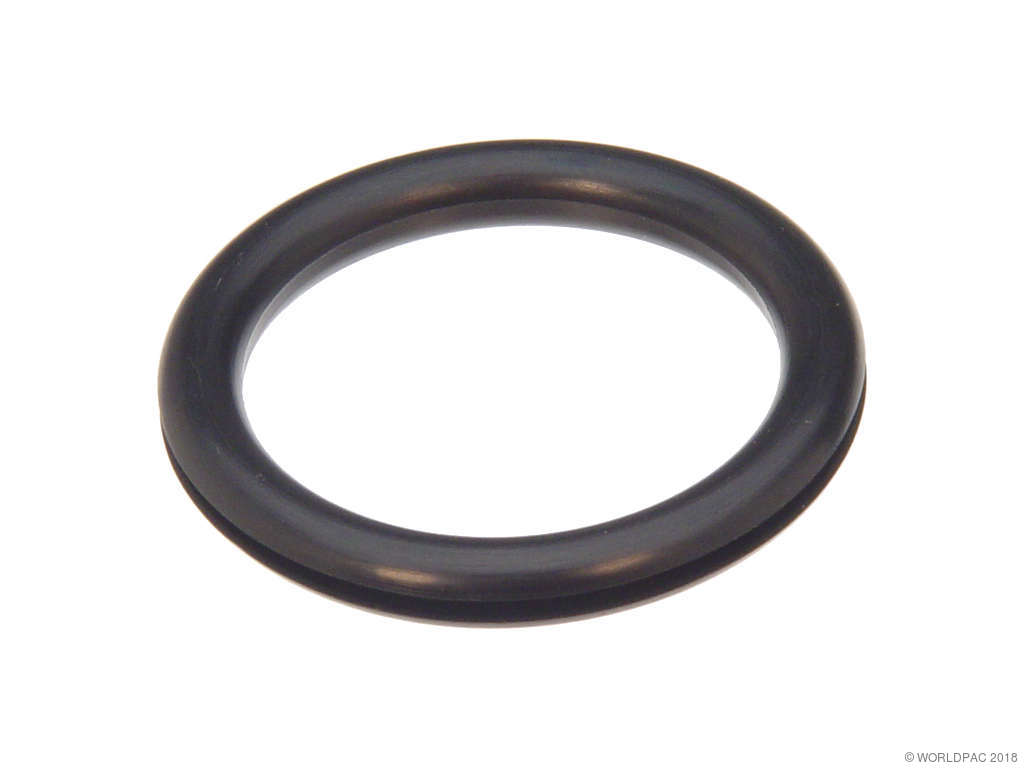
- Loose, Faulty, or Incorrect Gas Cap 🔴 High Probability → Shop Fuel Tank Cap This is the most common cause for any EVAP code. Aftermarket gas caps often use inferior seals that don't meet Toyota's specifications for holding vacuum. The original cap's rubber O-ring also degrades over time, becoming cracked and hard. Multiple owner threads confirm that even new-looking aftermarket caps can fail to seal, while a new OEM cap resolves the issue.
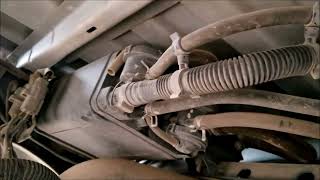
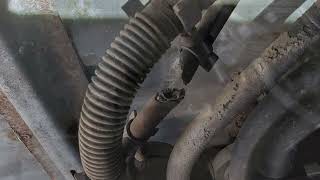
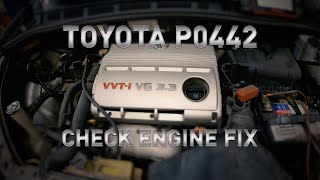
How to confirm: First, ensure your current cap is tight (at least three clicks). Clear the code and drive for a few days. If the code returns, inspect the cap's rubber seal for cracks or stiffness. A smoke test is definitive; even with a new cap, if smoke leaks from the cap area, the problem could be the filler neck surface. 🎬 Watch: How to diagnose and fix a P0442 code. Some owners have had to try multiple new OEM caps to get one that seals perfectly.
Typical fix: Replace the gas cap with a new, genuine OEM part from Toyota. Clean any rust or debris from the filler neck surface where the cap seals. NHTSA ODI #10735783 notes a case where a check engine light for P0442 was resolved by replacing a faulty gas cap.
Est. part cost: $25-$40 - Cracked or Disconnected EVAP Hoses 🟡 Medium Probability The rubber hoses used in the EVAP system are over 20 years old and become hard, brittle, and prone to cracking from engine heat and weather exposure, especially at connection nipples. A common failure point is the vacuum line that runs across the engine to the airbox.
How to confirm: Visually inspect all accessible EVAP hoses in the engine bay (around the purge valve/VSV) and underneath the truck leading to the charcoal canister. Look for obvious cracks, especially at connection points. A smoke test is the most effective way to find a small, hard-to-see crack. Pay close attention to the hoses connected to the VSVs in the engine bay.
Typical fix: Replace the cracked section of hose. It is often wise to replace multiple aging hoses at once. Using silicone spray and a heat gun can help remove old, hardened hoses from plastic nipples without breaking them.
Est. part cost: $10-$50 for bulk vacuum hose - Rusted or Damaged Fuel Filler Neck 🟡 Medium Probability → Shop Fuel Filler Neck The metal filler neck is exposed to the elements and can rust, especially in the rust belt. This creates a rough, pitted surface that prevents the gas cap from sealing properly, even a new OEM one.
How to confirm: Visually inspect the lip of the filler neck for rust or pitting. A smoke test will show smoke escaping from the cap area even with a new, good cap if the neck surface is the problem. Some owners have replaced the filler neck only to find the leak persists, indicating the issue was elsewhere.
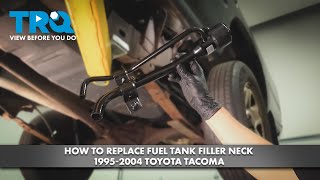
Typical fix: Initially, try cleaning the filler neck surface with a wire brush or emery cloth. If the neck is heavily corroded or has pinhole leaks, it must be replaced. 🎬 Watch: Step-by-step guide to replacing your fuel filler neck. NHTSA ODI #10276828 mentions a defective fuel filler causing a P0442 code on a related Toyota model, citing a manufacturer bulletin for the issue.
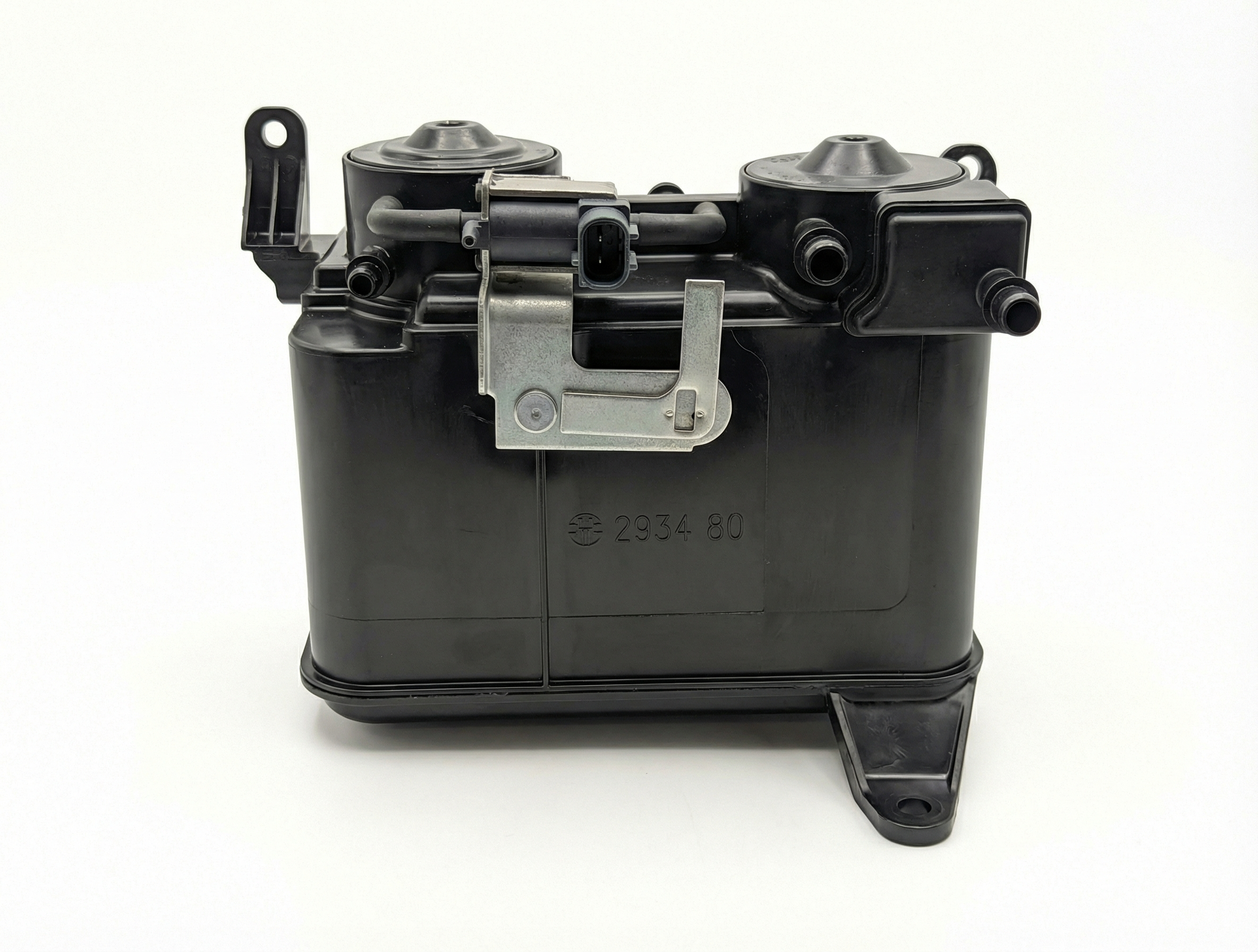
Est. part cost: $100-$200 for an aftermarket filler neck, OEM is more expensive. - Leaking Charcoal Canister or Associated Valves ⚪ Low Probability → Shop Vapor Canister The plastic body of the canister can crack with age or from impact. The valves mounted on or near it (like the vent valve or VSV for pressure switching) can also fail and leak. Repeatedly over-filling the gas tank can saturate the canister with raw fuel, leading to its failure.
How to confirm: A smoke test is the best method. Smoke will be seen exiting from a crack in the canister body or from one of the valves. The location of the canister varies: on 3.4L V6 models, it's typically in the engine bay on the driver's side; on 4-cylinder models, it's often above the spare tire, requiring its removal for access. A bidirectional scan tool can be used to command the valves open and closed to isolate leaks.
Typical fix: Replace the charcoal canister assembly or the specific faulty valve. In one documented case, a loose hose on a newly installed canister was the culprit.
Est. part cost: $200-$400 - Leaking Fuel Tank Gaskets (Rollover Valve/Fuel Pump) ⚪ Low Probability → Shop Fuel Tank The rubber gaskets sealing the fuel pump assembly and the rollover valve (also called Fuel Tank Over Fill Check Valve) on top of the fuel tank can dry rot and crack over time, causing a leak.
How to confirm: This is difficult to diagnose without a smoke test, which will show smoke billowing from the top of the fuel tank. Access requires either removing the truck bed or dropping the fuel tank. Many owners find it easier to unbolt and tilt the bed for access than to drop the tank. A strong fuel smell between the cab and bed is a good indicator of this issue.
Typical fix: Replace the failed gasket(s). A well-documented fix involves replacing the fuel vapor/rollover valve (Part No. 77390-35010) and its associated gasket (Part No. 77177-33010). Another potential leak point is the fuel pump tank seal (Part No. 77169-04010).
Est. part cost: $50-$100 for gaskets and valves.
Diagnosis Steps
- Check the gas cap. Ensure it is tight. If it feels loose, is visibly damaged, or is an aftermarket brand, replace it with a genuine Toyota (OEM) cap. Clean the sealing surface on the filler neck with a wire brush or emery cloth.
- Clear the code with an OBD-II scanner and drive for several days to see if the light returns. If it does not, the cap was the issue. Note that a full Toyota drive cycle may be required for the EVAP monitor to run and clear the code from the system's readiness monitors.
- If the light returns, perform a thorough visual inspection of all EVAP hoses in the engine bay and running along the frame to the fuel tank. Pay close attention to bends and connection points for cracks.
- If no visual damage is found, the most efficient next step is to have the EVAP system smoke tested. This involves injecting pressurized smoke into the system, typically via the green service port in the engine bay. Note: The Schrader valve in this port may be reverse-threaded (turn clockwise to loosen).
- Watch for smoke leaking from any component: gas cap, filler neck, rubber hoses, the charcoal canister, or from the top of the fuel tank.
- Once the source of the smoke is identified, replace the leaking part.
- To test the purge valve (VSV for EVAP) in the engine bay: with the engine off, disconnect the electrical connector and the hose coming from the charcoal canister. Try to blow through the valve; it should be closed and not allow air to pass. If it does, it's faulty.
- For a more advanced diagnosis, consider tilting the truck bed (remove 3 bolts on each side) or dropping the tank to inspect the rollover valve and fuel pump gaskets, which are common but hard-to-reach leak points.
Parts You'll Likely Need
- Fuel Filler Cap (Gas Cap)
(OEM #77310-48020 (supersedes many older numbers))— This is the most frequent failure point. An OEM cap is critical for a proper seal, as aftermarket versions are a known cause of P0442.
Trusted brands: Toyota Genuine
OEM price range: $25-$40
Aftermarket price range: $10-$20 - Charcoal Canister Assembly
(OEM #77740-04010 (2001-2004), 77740-35380 / 77740-35392 (1995-2001))— The plastic canister body can crack from age or impact, and the integrated valves can fail. Part numbers differ significantly between early and late first-generation models.
Trusted brands: Toyota Genuine
OEM price range: $270-$400
Aftermarket price range: $150-$250 - Fuel Tank Over Fill Check Valve (Rollover Valve)
(OEM #77390-35010)— A common, but difficult to access, leak source. The valve itself can fail, but more often the gasket underneath it (77177-33010) deteriorates, causing a leak on top of the fuel tank.
Trusted brands: Toyota Genuine
OEM price range: $40-$60
Aftermarket price range: $20-$40
Related Codes That Often Appear With This One
- P0440 — P0440 indicates a general EVAP system malfunction. It often appears alongside more specific leak codes like P0442 as the system flags multiple related faults.
- P0446 — P0446 points to a problem with the EVAP system's vent control circuit. A failing charcoal canister or vent valve can trigger both a leak code (P0442) and a circuit code (P0446) simultaneously.
Technical Service Bulletins (TSBs) & Recalls
- Toyota TSB EG051-06 - While not for the Tacoma specifically (it covers Corolla/Matrix), this TSB is relevant as it describes the exact problem of filler neck corrosion preventing a proper gas cap seal, leading to P0442. This demonstrates it's a known issue on Toyota vehicles from this era.
Platform-Specific Known Issues
- The location of the charcoal canister differs by engine. On 3.4L V6 models, it is typically located in the engine compartment, making it easy to inspect. On 2.4L and 2.7L 4-cylinder models, it is often mounted above the spare tire/fuel tank, which is harder to access and more exposed to road debris and corrosion.
Documented NHTSA Reports
- NHTSA ODI #10354544 notes that failures represented by codes P0440, P0441, and P0442 have been reported across various Toyota models built from the late 1990s through the mid-2000s.
Mechanic-Grade Diagnostic Values
- VSV for Canister Closed Valve (CCV) Resistance — expected: 25 – 30 Ω at 20°C (68°F). Failure: No continuity (open circuit) or continuity to the valve body (grounded).
- VSV for EVAP (Purge Valve) Resistance — expected: 30 - 34 Ω at 20°C (68°F). Failure: Reading outside of the specified range indicates a faulty coil.
Scan Tool Commands That Help
- Toyota Techstream: Evaporative System Check (Utility) — This automated test sequences the EVAP valves to pull the system into a vacuum and monitors the decay rate. It can isolate a leak to either the fuel tank side or the charcoal canister side of the system by controlling the Tank Bypass VSV. This is extremely useful for narrowing down the search area before performing a smoke test.
- Toyota Techstream: Active Test: Control the VSV for EVAP — This allows a technician to manually open and close the purge valve (VSV for EVAP) located in the engine bay. While the valve is commanded open, you can check if vacuum from the intake manifold is present at the valve's inlet port, confirming the valve is actuating.
- Toyota Techstream: Active Test: Control the VSV for CCV — This command manually operates the Canister Closed Valve (vent valve). This is critical during a smoke test. By commanding the CCV closed, you seal the EVAP system's atmospheric vent, allowing the system to be pressurized with smoke to find leaks.
Wiring & Ground Locations
- Ground Point 'EB' — On the driver's side of the engine block, near the intake manifold.. This is a primary ground point for several engine sensors and actuators, including the EVAP VSVs located in the engine bay. A corroded or loose ground here can cause intermittent or faulty operation of the EVAP solenoids, potentially triggering codes even if the components themselves are good.
- Ground Point 'IE' — On the driver's side fender, near the under-hood fuse/relay box.. This ground point serves the wiring harness that includes circuits for the EVAP system components. Verifying this ground is clean and tight is a crucial step in diagnosing any electrical fault in the EVAP system.
Real Owner Repair Stories
- TacomaWorld Forum User (2003 Toyota Tacoma 2.7L) — Persistent P0442 code for two years.
❌ Tried (didn't work) Replacing gas cap, Replacing fuel filler neck due to corrosion
✅ What actually fixed it The final fix required addressing three separate issues found through systematic testing: 1) A bad gas cap (initial O-ring was cracked). 2) A faulty VSV for CCV (vent valve) that passed a simple function test but failed a low-pressure leak test. 3) A corroded fuel tank that was leaking. The combination of all three was necessary to resolve the code. - TacomaWorld Forum User (2004 Toyota Tacoma) — P0440 and P0442 codes, strong gas smell between cab and bed.
❌ Tried (didn't work) Replacing gas cap (new OEM), Replacing filler neck, Testing purge VSV in engine bay
✅ What actually fixed it The leak was from a completely deteriorated gasket under the Fuel Tank Over Fill Check Valve (also called a rollover valve) on top of the fuel tank. Accessing it required removing the truck bed. Replacing the valve and its gasket solved the codes and the fuel smell. - TacomaWorld Forum User (2003 Toyota Tacoma 3.4L V6) — P0441, P0442, and P0446 codes. Hard starting after refueling.
❌ Tried (didn't work) Replacing the entire charcoal canister assembly with a new OEM part., Testing both EVAP VSVs in the engine bay (they tested good with 34.7 ohms resistance and actuated with 12v).
✅ What actually fixed it The issue was a cracked vacuum hose that was missed during the initial inspection. Even though major components were replaced and tested, a simple physical leak in a hose was the ultimate culprit, highlighting the importance of a thorough smoke test. The user later confirmed finding and fixing the hose leak resolved the codes.
"I Checked Everything" — The Actual Cause
- In one forum thread, a user reported a P0442 code and passed a smoke test. The final fix was replacing the fuel tank vent valve, which is located on top of the tank. The valve itself had a hairline crack that did not show up on the smoke test but would leak under specific vacuum conditions created by the EVAP monitor.
OEM Part Supersession History
Various older gas cap numbers (e.g., 77310-35040)→77310-48020— Consolidation of parts and potential design improvements to the seal.
Heads up: Using non-OEM or incorrect aftermarket caps is a primary cause of P0442. Even if they physically fit, their pressure/vacuum relief characteristics and seal material may not match Toyota's requirements.
Model Year Variations Within This Range
- 1995-2000: On many early first-gen Tacomas, particularly V6 models, the charcoal canister is located in the engine bay on the driver's side, making it and its associated valves/hoses easier to inspect.
- 2001-2004: The EVAP system was updated. The charcoal canister (PN 77740-04010) was moved to a location above the spare tire near the fuel tank. This makes access more difficult, requiring removal of the spare tire. This later system is a more complex 'intrusive' style system with more valves integrated into the canister assembly.
Diagnostic Flowchart
Real Owner Stories
Aggregated from forums and TSBs cited above. Mileages and costs reflect what owners reported in those sources.
Toyota Tacoma (Generation 1)
Symptoms: Triggered a P0442 code along with a P0440 code. Owner needed help diagnosing the EVAP leak.
What fixed it: Removed the truck bed to access the top of the fuel tank and found a leaking fuel pump gasket. Another user in the same thread resolved their issue by finding and replacing a cracked vacuum line.
Source hint: TacomaWorld.com thread titled 'The dreaded p0440 and p0442 code can use some help' (Thread 422203)
Toyota Tacoma (Generation 1)
Symptoms: Persistent P0442 code. The owner experienced frustration with replacing parts, including OEM gas caps, without the code clearing.
What fixed it: Performed a smoke test to properly diagnose the issue, then tilted the truck bed to access and replace a leaking rollover valve on top of the fuel tank.
Source hint: TacomaWorld.com thread titled 'Engine check light code P0442' (Thread 488391)
Toyota Tacoma (Generation 1)
Symptoms: P0442 code requiring extensive troubleshooting to locate a small EVAP leak.
What fixed it: Utilized a dedicated smoke test to pinpoint the exact location of the leak in the EVAP system.
Source hint: TacomaWorld.com thread titled 'P0442 repair troubleshooting log and smoke test' (Thread 850027)
Related OBD-II Codes
Frequently Asked Questions
Where is the charcoal canister located on my 1995-2004 Tacoma?
I replaced my gas cap with a new aftermarket one, but the P0442 code came back. Why?
Does Toyota TSB EG051-06 apply to my Tacoma?
How do I access the fuel tank gaskets and rollover valve to check for leaks?
How do I connect a smoke tester to my Tacoma's EVAP system?
What parts do I need if my rollover valve is leaking?
Helpful Videos
Used OEM Parts in Stock
New Aftermarket Parts Available


The information in this article is provided for general reference and educational purposes only. Vehicle specifications, procedures, and part compatibility can vary by production date, trim level, and region. Always consult your vehicle's factory service manual and verify part numbers before purchasing or performing repairs. Safety-critical components such as airbags, seat belts, and braking systems should be installed by a qualified professional.
- Toyota Tacoma:
- 🧭 Diagnostic Flowchart
- 🎬 Helpful Videos
- 🛍️ Shop This Part
- What's Unique About the 1995-2004 Toyota Tacoma
- Symptoms You May Notice
- Most Likely Causes
- Diagnosis Steps
- Parts You'll Likely Need
- Related Codes That Often Appear With This One
- Technical Service Bulletins (TSBs) & Recalls
- Platform-Specific Known Issues
- Documented NHTSA Reports
- Mechanic-Grade Diagnostic Values
- Scan Tool Commands That Help
- Wiring & Ground Locations
- Real Owner Repair Stories
- "I Checked Everything" — The Actual Cause
- OEM Part Supersession History
- Model Year Variations Within This Range
- Real Owner Stories
- Toyota Tacoma (Generation 1)
- Toyota Tacoma (Generation 1)
- Toyota Tacoma (Generation 1)
- Related OBD-II Codes
- Frequently Asked Questions
- 🎟️ Get 5% Off