

P0442 on 2005-2015 Toyota Tacoma: EVAP Small Leak Causes and Fixes
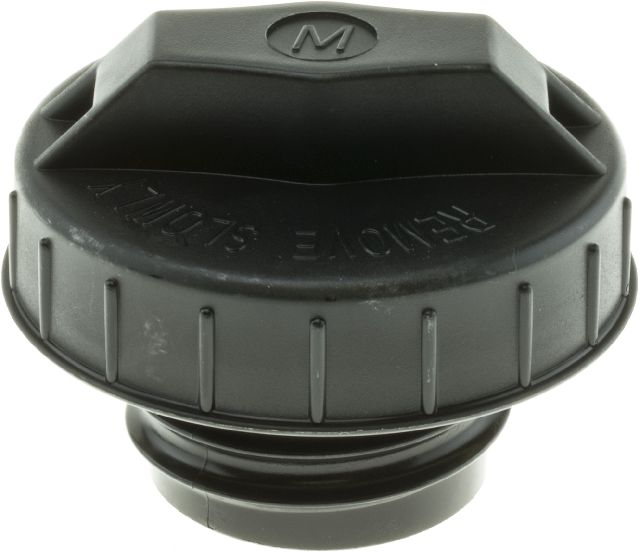
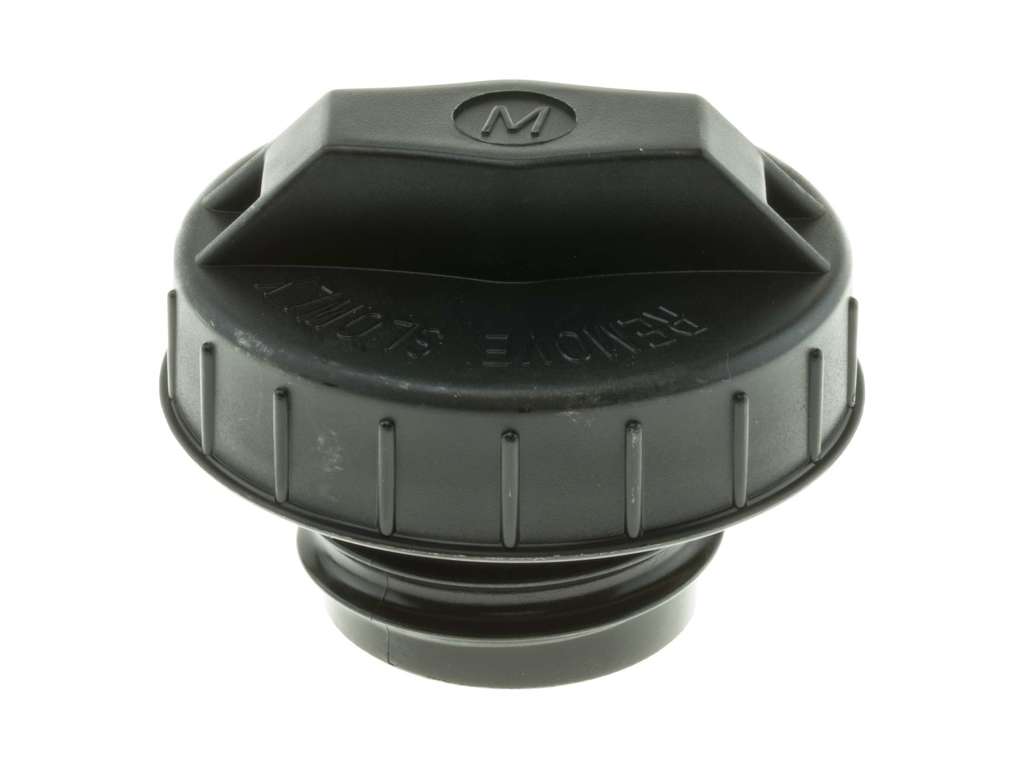
For a 2005-2015 Toyota Tacoma, code P0442 is most often caused by a loose, worn, or non-genuine gas cap. Before buying parts, tighten the cap until it clicks multiple times and clear the code. If it returns, a new OEM gas cap (Part No. 77300-06040) is the most likely fix, costing around $30.
- Always start with the gas cap. Make sure it's tight. If the code returns, replace it with a genuine Toyota (OEM) cap.
- Do not use an aftermarket gas cap, as they are a known cause of this code on Tacomas.
- If a new OEM gas cap doesn't fix the problem, have a smoke test performed to find the leak. This avoids wasting money on parts you don't need.
- This code does not affect engine safety or performance, but it will cause you to fail an emissions test.
- On an older truck, the leak is almost always due to a physically degraded part like a rubber seal, hose, or plastic canister, not a complex electronic failure.
What's Unique About the 2005-2015 Toyota Tacoma
The 2005-2015 Toyota Tacoma (2nd generation) is generally very reliable, but like many vehicles, its EVAP system components are prone to wear over time. Owner experiences on forums like TacomaWorld consistently point to the gas cap as the primary culprit for P0442. While other issues like cracked hoses or faulty valves can occur, the gas cap seal is by far the most common and simple failure point. Using non-OEM (aftermarket) gas caps is a known trigger for this code, as their seals may not meet Toyota's precise specifications for holding a vacuum. One owner on TacomaWorld noted that even after replacing the cap with a new OEM one, a smoke test still revealed a leak at the cap, suggesting the filler neck itself can wear or corrode, preventing a perfect seal.
Generation note: The 2005-2015 model year range covers the entire second generation of the Toyota Tacoma. The causes and fixes for P0442 are generally consistent across this generation, though part numbers for components like the charcoal canister may vary slightly by model year.
Symptoms You May Notice
- Check Engine Light is on.
- A faint smell of gasoline may be noticeable, particularly around the rear of the truck near the driver's side wheel well or between the cab and bed.
- No impact on drivability or engine performance.
- Replacing the charcoal canister or purge valve without performing a smoke test. The gas cap is the most common issue, and a smoke test is the best way to confirm a leak's location before spending money on more expensive parts. Many owners and shops replace expensive parts only to find the code returns because the leak was elsewhere.
Most Likely Causes
- Loose, Faulty, or Incorrect Gas Cap 🔴 High Probability → Shop Fuel Tank Cap The rubber O-ring on the gas cap degrades over time, becoming hard, cracked, or flattened, which prevents a proper seal. Aftermarket caps are a very common cause of this code as they often don't seal as well as the OEM part. This is the first and most important part to check.
How to confirm: Ensure the cap is tightened until it clicks multiple times. Inspect the cap's rubber seal for any cracks or damage. If the code returns after tightening and clearing, replacing the cap is the next logical step. 🎬 See this step-by-step guide on the gas cap solution Some owners report needing to try more than one new OEM cap to find one that seals perfectly.
Typical fix: Replace the gas cap with a new, genuine OEM part (Toyota P/N: 77300-06040). Clean any dirt or rust from the fuel filler neck where the cap seals.
Est. part cost: $25-$40 - Cracked or Disconnected EVAP Hoses 🟡 Medium Probability Over many years and heat cycles, the rubber and plastic hoses in the EVAP system can become brittle and develop small cracks, especially at connection points or in the engine bay where heat is a factor.
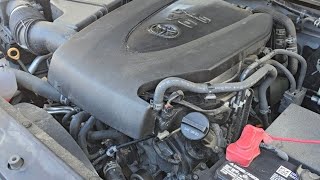
How to confirm: Visually inspect all accessible EVAP hoses running from the fuel tank, to the charcoal canister, and to the engine bay. A smoke test is the most effective way to find a small, hard-to-see leak. The EVAP service port, often a green cap in the engine bay, is the connection point for the smoke machine.
Typical fix: Replace the cracked or damaged section of hose. Ensure all connections are secure.
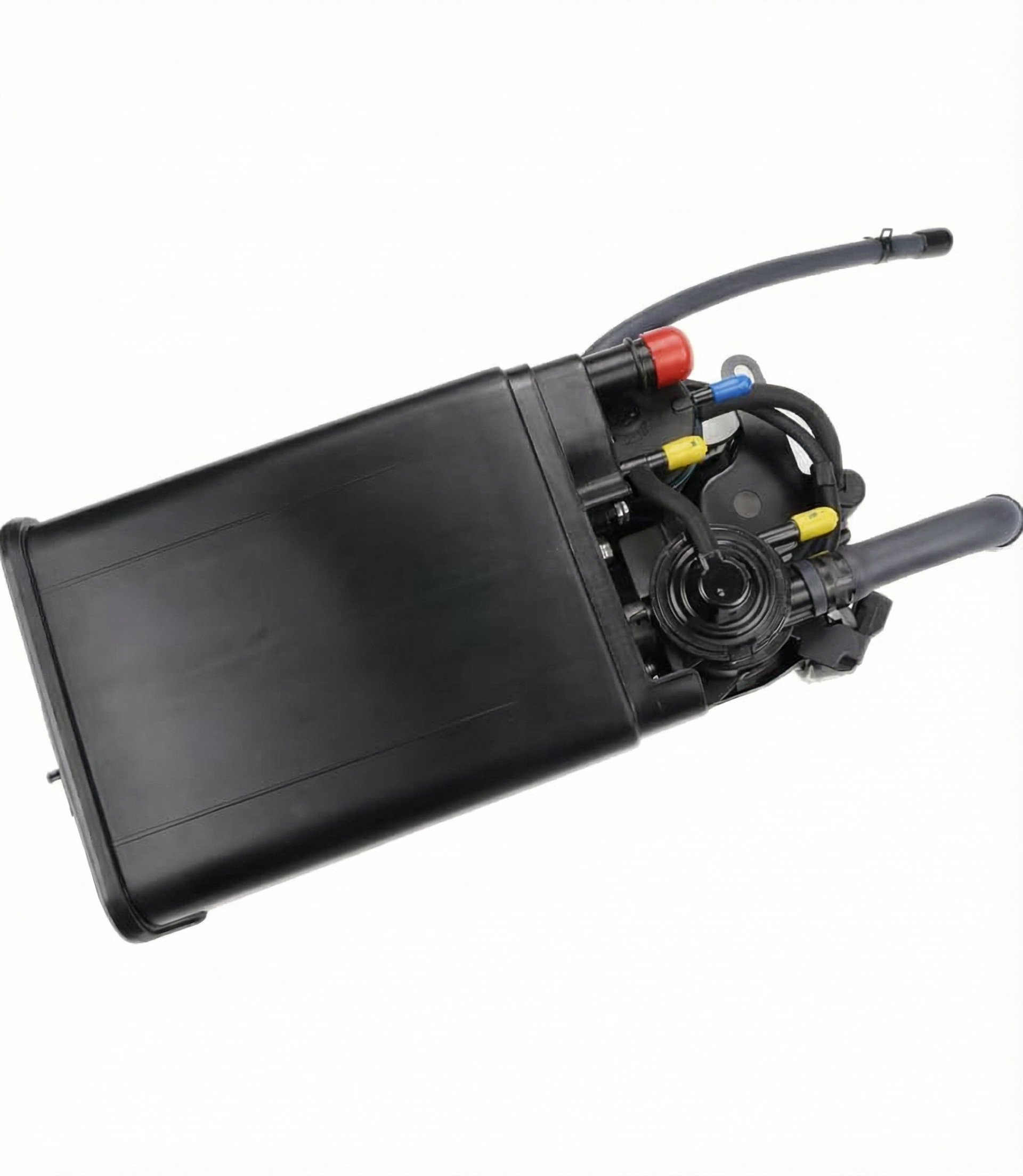
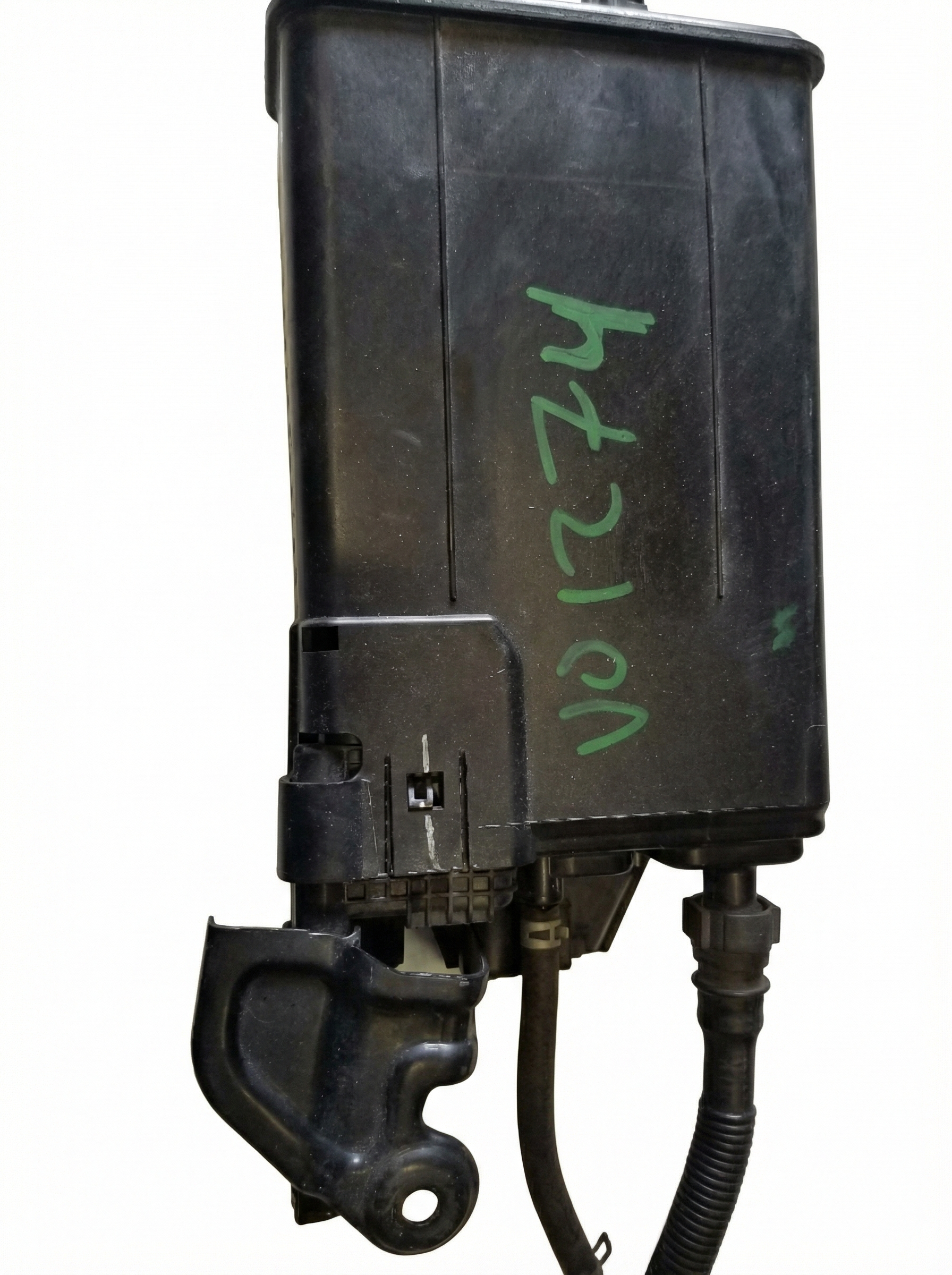
Est. part cost: $10-$50 - Faulty Charcoal Canister or Associated Valves ⚪ Low Probability → Shop Vapor Canister The charcoal canister assembly, located near the fuel tank and spare tire, can develop cracks in its plastic housing from age or road debris. The valves attached to it (like the vent valve) can also fail and stick open or closed.
How to confirm: This is best confirmed with a smoke test. Smoke leaking from the canister body or one of its valves indicates a failure. A bidirectional scan tool like Toyota's Techstream can be used to command the valves to open and close to test their function.
Typical fix: Replace the charcoal canister assembly. This part often includes integrated valves. A common part number for 2005-2012 models is 77740-04020.
Est. part cost: $270-$450 - Leaking Purge Valve (VSV) ⚪ Low Probability → Shop Vapor Canister The purge valve (or Vapor Switching Valve - VSV, in Toyota terminology) is located in the engine bay and controls the flow of fuel vapors to the engine. It can get stuck partially open, creating a small leak.
How to confirm: With the engine off, the valve should be closed. Disconnect the hose on the engine side and start the engine when cold; there should be no vacuum felt. After the engine warms up, the valve should open, and you should feel a vacuum. If you feel vacuum immediately on a cold start, the valve is stuck open and needs replacement.
Typical fix: Replace the purge valve/solenoid.
Est. part cost: $50-$100
Rare But Worth Checking
- Corroded Fuel Filler Neck: → Shop Fuel Filler Neck In regions where road salt is used, the metal fuel filler neck can rust where the gas cap seals, creating an uneven surface that prevents a good seal even with a new cap. A TacomaWorld user confirmed with a smoke test that smoke was leaking from the cap area even with a new OEM cap, pointing to a bad filler neck surface.
- Leaking Fuel Tank Gaskets: → Shop Fuel Tank The gaskets for the fuel pump and fuel tank vent/check valve on top of the fuel tank can degrade and leak. This is often found during a smoke test and may require lifting the truck bed or dropping the tank to access. One owner on TacomaWorld fixed their P0442 and fuel smell by replacing these gaskets after discovering them cracked.
Diagnosis Steps
- Check the Gas Cap: Ensure the gas cap is tight. Remove it, inspect the rubber seal for cracks or hardness, and clean the sealing surface on the filler neck. Reinstall the cap, ensuring it clicks several times.
- Clear the Code: Use an OBD-II scanner to clear the P0442 code.
- Drive the Vehicle: Drive for a few days (multiple drive cycles) to allow the EVAP monitor to run again. If the Check Engine Light does not return, the issue was a loose cap.
- Replace the Gas Cap: If the light returns, the next step is to replace the gas cap with a new OEM part (P/N: 77300-06040). This is the most common fix. 🎬 Watch: Two quick DIY methods to fix this code
- Visual Inspection: If a new cap doesn't solve it, visually inspect all accessible EVAP hoses in the engine bay and under the truck for obvious cracks, damage, or loose connections.
- Perform a Smoke Test: This is the most effective way to find the source of a small leak. A smoke machine forces low-pressure smoke into the EVAP system through a service port (often a green cap in the engine bay). The leak will be revealed by the escaping smoke.
- Test Components: Based on the smoke test results, inspect the leaking component. This could be a hose, the charcoal canister, the purge valve, or a gasket on the fuel tank. A bidirectional scanner can be used to cycle EVAP valves to help pinpoint failures.
- Repair and Retest: Replace the faulty component, clear the code, and drive the vehicle to confirm the fix. A follow-up smoke test after the repair can confirm the system is sealed. 🎬 Watch: A complete walkthrough of troubleshooting and fixing P0442
Parts You'll Likely Need
- Fuel Tank Cap (Gas Cap)
(OEM #77300-06040)— This is overwhelmingly the most common cause of a P0442 code. The original seal wears out, and aftermarket caps are notorious for not sealing correctly.
Trusted brands: Toyota Genuine
OEM price range: $25-$40
Aftermarket price range: $10-$20 - Charcoal Canister Assembly
(OEM #77740-04020)— Can develop cracks or have internal valves fail, causing a leak. This is a less common but significant potential cause, usually confirmed by a smoke test. Part number 77740-04020 fits many 2005-2012 models, but always verify with VIN.
Trusted brands: Toyota Genuine, Denso
OEM price range: $270-$450
Aftermarket price range: $150-$250 - Vapor Canister Purge Valve / Solenoid (VSV)
(OEM #90910-12276)— Located in the engine bay, this valve can fail and leak internally. It's a possible cause if the gas cap and hoses are confirmed to be good.
Trusted brands: Toyota Genuine, Denso
OEM price range: $70-$120
Aftermarket price range: $30-$60
Related Codes That Often Appear With This One
- P0441 — Indicates incorrect purge flow, which can be caused by a faulty purge valve that might also be causing the P0442 leak.
- P0446 — Points to a fault in the vent control circuit, which is part of the charcoal canister assembly. A failing canister can trigger both a leak code (P0442) and a circuit code.
- P0455 — Indicates a large EVAP leak. The same components can cause both codes, but P0455 suggests a more significant failure, like a completely missing gas cap or a large crack in a hose.
Platform-Specific Known Issues
- Charcoal Canister Vulnerability: → Shop Vapor Canister The charcoal canister is located under the bed near the spare tire, making it somewhat vulnerable to damage from road debris or during off-roading, which can lead to cracks and leaks.
Diagnostic Flowchart
Other Known Issues on This Vehicle
Issues unrelated to this code that are worth knowing about as an owner of this generation:
- Frame Rust/Perforation 🔴 High — Very common on 2005-2010 models, especially in cold climates with road salt. Toyota issued a warranty enhancement program, but it has since expired for most vehicles. (Ref: Customer Support Program (CSP) ZKA, Limited Service Campaign (LSC) K0D.)
- Secondary Air Injection System Failure 🟠 Medium — Common on 4.0L V6 models, particularly the 2012 model year. The foam filter in the air pump disintegrates, destroying the pump and potentially the switching valves, forcing the truck into 'limp mode'. Can occur around 100k miles. (Ref: A warranty extension (ZE6) was issued for some Tundra/Sequoia models but not broadly for Tacoma, despite the same issue.)
- Broken Rear Leaf Springs 🔴 High — Common on 2005-2011 models. The original 3-leaf packs were prone to flattening, cracking, or breaking, which could puncture the gas tank. (Ref: Toyota issued a recall (NHTSA Campaign ID: 14V604000) to replace the leaf spring assemblies.)
- Front Timing Cover Oil Leak 🟡 Low — A slow oil seep can develop from the crankshaft seal on the front timing cover. It is usually not a critical leak but can be an annoyance.
- Melting Daytime Running Light (DRL) Lens 🟡 Low — On early 2nd gen models (approx. 2005-2011), the plastic lens over the DRL/turn signal can bubble, crack, or melt from the bulb's heat.
Real Owner Stories
Aggregated from forums and TSBs cited above. Mileages and costs reflect what owners reported in those sources.
2005-2015 Toyota Tacoma
Symptoms: Check engine light for P0442; a smoke test was performed which showed a leak specifically at the gas cap area.
What fixed it: The owner discovered a worn filler neck was preventing the cap from sealing properly, even after the cap was addressed.
Source hint: TacomaWorld.com Thread: 'Engine check light - code p0442'
2005-2015 Toyota Tacoma
Symptoms: The owner noticed a smell of gas coming from the area between the cab and the bed of the truck.
What fixed it: Replacing bad gaskets located on top of the fuel tank, which required pulling the bed off the truck for access.
Source hint: TacomaWorld.com Thread: 'P0442 Fault Code, EVAP Smoke Test, and other questions'
2005-2015 Toyota Tacoma
Symptoms: Code P0442 present; owner used a bidirectional scanner (Techstream) to actuate valves during troubleshooting.
What fixed it: The repair required addressing multiple failure points: a bad gas cap, a faulty Vapor Switching Valve (VSV), and a corroded fuel tank.
Source hint: TacomaWorld.com Thread: 'P0442 Repair/Troubleshooting Log and Smoke Test'
Toyota Owner Report
Symptoms: A check engine light appeared with code P0442. The owner noted that a faulty gas cap was the culprit and replaced it at approximately 230,564 miles.
Source hint: NHTSA ODI #10735783
Toyota Owner Report
Symptoms: The vehicle displayed a MIL "ON" with DTC P0442, indicating a potential issue with the fuel filler.
Source hint: NHTSA ODI #10276828 (Refers to manufacturer bulletin EG022-06)
Documented NHTSA Reports
NHTSA ODI #10354544 notes that failures represented by codes P0440, P0441, and P0442 have been reported across various Toyota models built from the late 1990s through the mid-2000s, highlighting a long-standing pattern with these emission systems.
Related OBD-II Codes
Frequently Asked Questions
What is the specific Toyota part number for a replacement gas cap on my 2005-2015 Tacoma?
I smell gasoline near the driver's side wheel well of my Tacoma; is this related to P0442?
Where is the charcoal canister located on this generation of Tacoma?
How can I test the Vapor Switching Valve (VSV) on my Tacoma's engine?
Is there a specific tool recommended for diagnosing EVAP leaks on the Tacoma?
Does the secondary air injection system failure cause P0442?
Helpful Videos
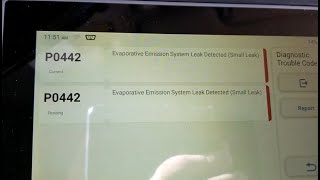
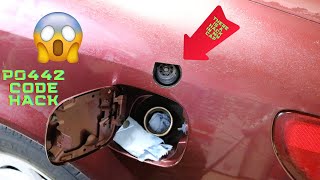
![How to Fix P0442 Engine Code in 3 Minutes [2 DIY Methods / Only $4.67]](https://img.youtube.com/vi/73AR8Tl6YZU/mqdefault.jpg)
Used OEM Parts in Stock
New Aftermarket Parts Available


The information in this article is provided for general reference and educational purposes only. Vehicle specifications, procedures, and part compatibility can vary by production date, trim level, and region. Always consult your vehicle's factory service manual and verify part numbers before purchasing or performing repairs. Safety-critical components such as airbags, seat belts, and braking systems should be installed by a qualified professional.
- Toyota Tacoma:
- 🧭 Diagnostic Flowchart
- 🎬 Helpful Videos
- 🛍️ Shop This Part
- What's Unique About the 2005-2015 Toyota Tacoma
- Symptoms You May Notice
- Most Likely Causes
- Rare But Worth Checking
- Diagnosis Steps
- Parts You'll Likely Need
- Related Codes That Often Appear With This One
- Platform-Specific Known Issues
- Other Known Issues on This Vehicle
- Real Owner Stories
- 2005-2015 Toyota Tacoma
- 2005-2015 Toyota Tacoma
- 2005-2015 Toyota Tacoma
- Toyota Owner Report
- Toyota Owner Report
- Documented NHTSA Reports
- Related OBD-II Codes
- Frequently Asked Questions
- 🎟️ Get 5% Off