

P0442 on 2007-2021 Toyota Tundra: EVAP Small Leak Causes and Fixes
On a 2007-2021 Toyota Tundra, code P0442 is most often caused by a loose or worn-out gas cap. Before attempting any other repairs, tighten the cap and clear the code. If it returns, a new OEM gas cap is the most likely fix, costing around $25-$40. Aftermarket caps are a known source of this code and should be avoided.
- Always start with the gas cap. Make sure it's tight. If the code returns, replace it with a genuine Toyota cap before spending any money on diagnostics.
- A P0442 code will not affect how your Tundra drives, but it will cause an automatic failure on an emissions test.
- If the gas cap doesn't solve the issue, the next step should be a visual inspection of all EVAP hoses for cracks, followed by a professional smoke test to find the leak.
- Do not replace the expensive charcoal canister or other components without first confirming the leak's location with a smoke test.
What's Unique About the 2007-2021 Toyota Tundra
For the second-generation Tundra (2007-2021), the P0442 code follows a typical Toyota pattern where the issue is overwhelmingly related to simple, age-related component failure rather than a complex design flaw. The most common culprits are parts exposed to the elements or constant use, like the gas cap, under-chassis charcoal canister, and engine bay vacuum hoses that become brittle from heat cycles. Unlike some other vehicles, there are no widespread, documented TSBs for this specific code on the Tundra, pointing towards standard wear and tear as the primary driver of this fault. The charcoal canister is particularly vulnerable as it is located under the truck bed, exposed to road debris and moisture.
Generation note: The 2007-2021 year range covers the entire second generation of the Toyota Tundra. This generation received a significant facelift for the 2014 model year, but the core EVAP system components and common causes for P0442 remain consistent across the entire generation. Part numbers for components like the charcoal canister may differ for pre- and post-facelift models and based on fuel tank size.
Symptoms You May Notice
- Check Engine Light is on.
- A faint smell of fuel, especially after parking in an enclosed space like a garage.
- A 'loose gas cap' warning on the dashboard display (on some models).
- A slight decrease in fuel economy, as fuel vapors are escaping instead of being burned by the engine.
- Replacing the expensive charcoal canister before verifying the gas cap is a genuine, functioning OEM part.
- Replacing the purge valve without performing a smoke test to confirm it's the source of the leak.
- Using a cheap, aftermarket gas cap as a replacement, which often fails to meet OEM sealing specifications and does not fix the code.
Most Likely Causes
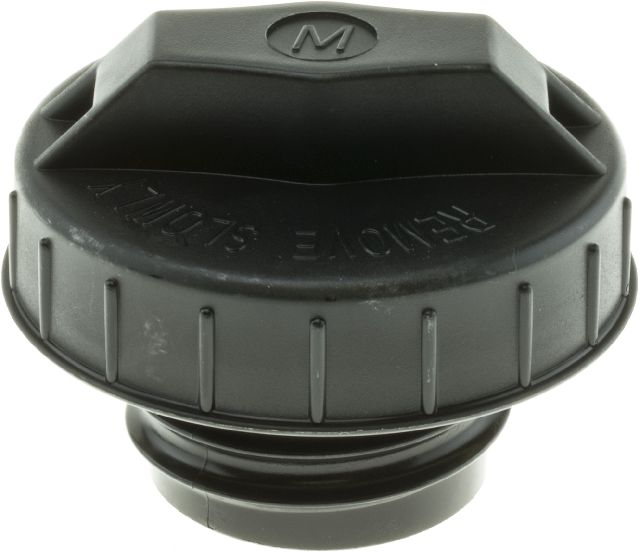
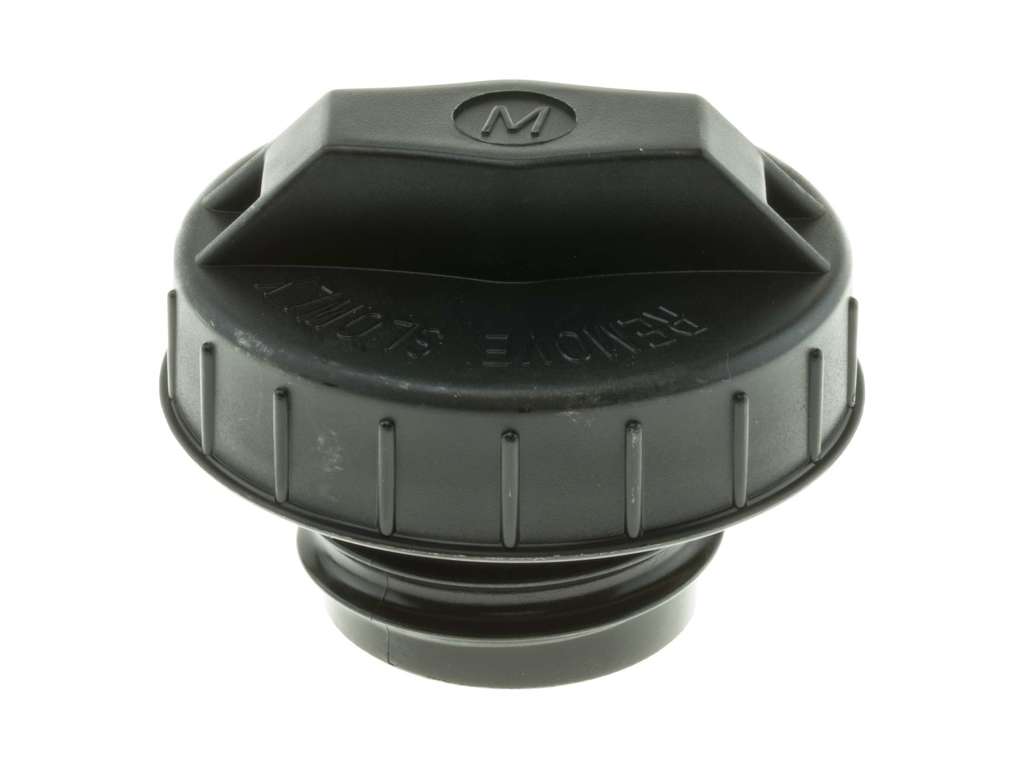
- Loose, Worn, or Incorrect Gas Cap 🔴 High Probability → Shop Fuel Tank Cap The gas cap is used frequently and its rubber O-ring seal degrades over time due to weather exposure and fuel vapors, causing it to crack and lose its sealing ability. Aftermarket caps are a frequent source of this code as they may not meet Toyota's specific pressure requirements and often fail to seal properly.
How to confirm: First, ensure the current cap is tightened until it clicks at least once. Inspect the rubber gasket on the cap for cracks, stiffness, or deformities. If the light returns after tightening and clearing the code, replacing the cap with a genuine OEM part is the next logical step. Some owners report that even a new-looking aftermarket cap was the source of their leak, only resolved by an OEM cap.
Typical fix: Replace the gas cap with a new, OEM (Original Equipment Manufacturer) part.
Est. part cost: $25-$40 - Cracked or Disconnected EVAP Hoses 🟡 Medium Probability Rubber and plastic hoses become brittle over time due to engine heat and exposure to the elements. Small vacuum lines in the engine bay, particularly near the purge valve and along the frame, are susceptible to cracking at the ends or becoming loose at their connection points.
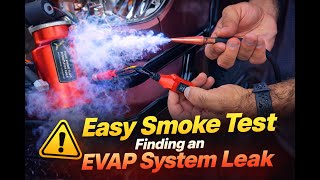
How to confirm: Visually inspect all accessible EVAP hoses in the engine bay and running along the frame to the charcoal canister. Look for obvious cracks, splits, or disconnections. Wiggle the hoses at their connection points; a loose-fitting hose is a likely leak source. A professional smoke test is the definitive way to find a small hose leak. 🎬 Watch: How to find an EVAP leak with a smoke test.
Typical fix: Replace the damaged section of hose. Small vacuum hoses can be bought by the foot, while larger formed hoses may be part-specific. Secure connections with new clamps.
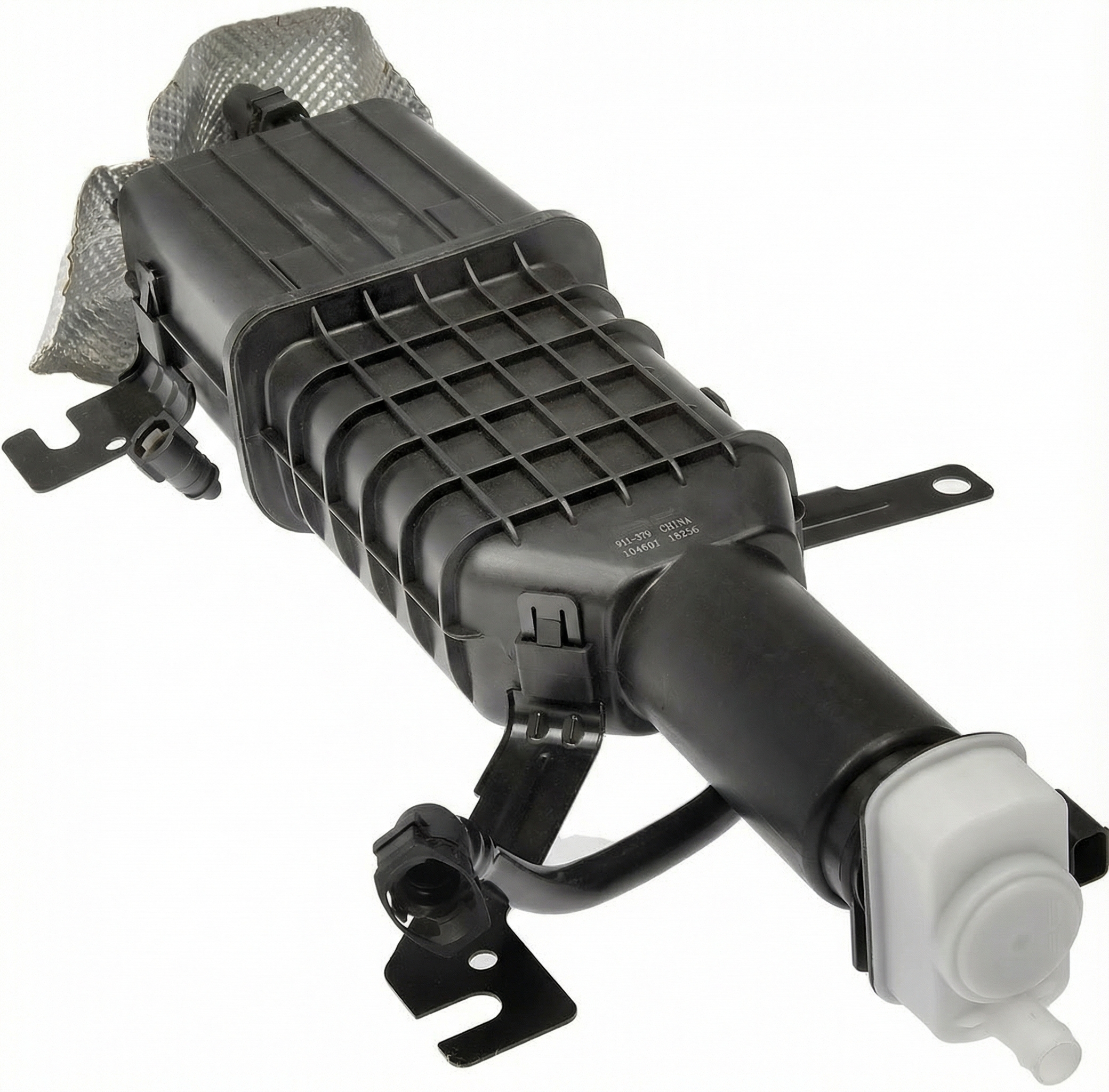
Est. part cost: $10-$50 - Faulty Charcoal Canister Assembly or Vent Valve 🟡 Medium Probability → Shop Vapor Canister The canister is located under the truck near the spare tire, exposing it to road debris, moisture, and potential impacts which can crack the plastic housing. The integrated vent valve solenoid can fail or get stuck, causing a leak. Some owners have reported issues with rust forming around vent ports on related components.
How to confirm: This is difficult to confirm without a smoke test. A smoke machine will force vapor into the EVAP system, and smoke will be seen exiting from any cracks in the canister body or a faulty vent valve seal. Physical inspection may reveal visible cracks on the canister body.
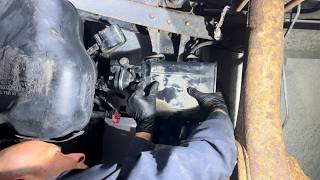
Typical fix: Replace the entire charcoal canister assembly, 🎬 See this step-by-step charcoal canister removal and installation guide. which typically includes a new vent valve.
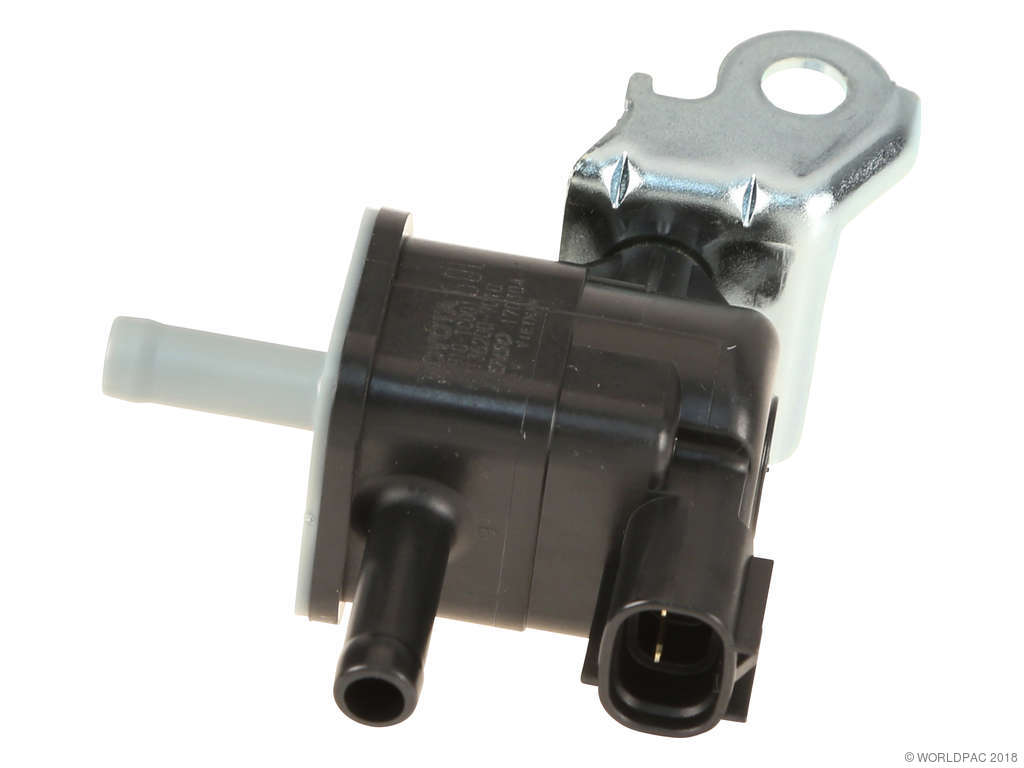
Est. part cost: $350-$600 - Faulty Vapor Canister Purge Valve (Purge Solenoid) ⚪ Low Probability → Shop Vapor Canister The purge valve, located on top of the engine, can fail by getting stuck slightly open, creating a constant small leak. While failure is possible, it is less common for P0442 than a faulty gas cap or canister issue on the Tundra.
How to confirm: With the engine off, the valve should be closed. You can remove the valve and attempt to blow through one of the ports; if air passes, the valve is stuck open and faulty. A scan tool can also be used to command the valve to open and close while observing system pressure.
Typical fix: Replace the purge valve.
Est. part cost: $50-$100
Rare But Worth Checking
- Corroded Fuel Filler Neck: → Shop Fuel Filler Neck Although a known issue on other Toyota models, it's less common on the Tundra. Rust or corrosion on the lip of the filler neck can prevent the gas cap from creating a perfect seal. Check this area when inspecting the gas cap. Some owners have used epoxy as a temporary fix for small rust perforations. As noted in NHTSA ODI #10276828 regarding other Toyota models, a defective fuel filler can trigger code P0442.
- Spider Web Blockage: In rare instances, spiders have been known to build webs inside EVAP vent hoses or the vent valve itself, creating a blockage or restriction that can trigger various EVAP codes. This is more common in vehicles that are parked for extended periods.
Diagnosis Steps
- Check the Gas Cap: Ensure the gas cap is tight. If it clicks when tightened, it's on correctly. If the Check Engine Light is already on, you'll need an OBD-II scanner to clear the code. Drive for a few days to see if the light returns.
- Inspect and Replace the Gas Cap: Remove the cap and inspect the rubber O-ring for any cracks, tears, or excessive hardness. Even if it looks okay, if it's not an OEM cap, it's the number one suspect. Replace with a new OEM cap to eliminate the most common cause.
- Visual Inspection: Carefully inspect all visible EVAP hoses in the engine bay and underneath the truck running from the tank to the canister. Pay close attention to rubber elbows and connection points for any signs of cracking or looseness.
- Smoke Test: If the gas cap and visible hoses are fine, the next step is a smoke test. This is the most effective way to find a small leak. A mechanic will introduce pressurized smoke into the EVAP system via the service port. The smoke will escape from the leak's location, making it easy to spot. This can identify leaks in the charcoal canister, vent valve, purge valve, or hard-to-see hoses.
- Component Testing: Based on the smoke test results, the leaking component can be confirmed. If no smoke test is available, you may proceed to test individual components like the purge valve (by checking if it holds vacuum when closed), but this can lead to unnecessary parts replacement.
Parts You'll Likely Need
- Fuel Tank Cap
(OEM #77300-06040)— This is the most common cause of a P0442 code. The seal wears out over time, causing a small leak that the system detects. Using an OEM cap is highly recommended as aftermarket versions are a known cause of this code.
Trusted brands: Toyota (Genuine OEM)
OEM price range: $25-$40
Aftermarket price range: $15-$25 - Vapor Canister Purge Valve / Solenoid
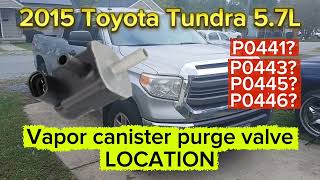
(OEM #90910-TC001 (supercedes older numbers))— Located in the engine bay, this valve 🎬 Watch: How to locate the vapor canister purge valve. can get stuck open, causing a leak. It's a common failure point for EVAP systems, though less so than the gas cap for this specific code.
Trusted brands: Denso, Toyota (Genuine OEM), Standard Motor Products
OEM price range: $70-$120
Aftermarket price range: $40-$80 - Charcoal Canister Assembly
(OEM #77740-0C050 (2007-2013), 77740-0C090 (2013-2021, 26 gal tank), 77740-0C110 (2015-2021, 38 gal tank))— The canister's plastic body can crack from debris strikes, or the integrated vent valve can fail. This is a more expensive repair and should only be performed after a smoke test confirms it is the source of the leak.
Trusted brands: Toyota (Genuine OEM)
OEM price range: $350-$600
Related Codes That Often Appear With This One
- P0456 — P0456 indicates a 'very small leak.' These codes are closely related and can be caused by the same components, with the computer simply classifying the leak size differently during its test. It's common to see both pending or stored together.
- P0441 — P0441 indicates 'Incorrect Purge Flow.' If the purge valve is failing, it can cause both a flow issue and a leak, sometimes triggering both codes.
- P0455 — P0455 indicates a 'large leak.' Sometimes a component failure can start as a small leak (P0442) and worsen over time to become a large leak. It can also appear as a pending code during diagnosis.
Platform-Specific Known Issues
- Owner Experience with Aftermarket Gas Caps: → Shop Fuel Tank Cap A recurring theme in owner forums is the failure of aftermarket gas caps to resolve a P0442 code. Many owners report chasing the issue by replacing other parts, only to find that installing a genuine Toyota OEM gas cap finally solves the problem.
Mechanic-Grade Diagnostic Values
- Vapor Canister Purge Valve / Solenoid Resistance — expected: 15 - 30 Ohms at room temperature.. Failure: Resistance is significantly outside this range, or infinite (open circuit).
- Charcoal Canister Vent Valve / Solenoid Resistance — expected: 20 - 30 Ohms at room temperature.. Failure: Resistance is significantly outside this range, indicating a damaged solenoid winding.
- Vent Valve / Purge Valve Solenoid Function Test — expected: An audible 'click' should be heard from the valve when 12V is applied directly to its terminals.. Failure: No click is heard, indicating the solenoid is mechanically stuck or electrically failed.
- Vent Valve / Purge Valve Connector Voltage (Key On, Engine Off) — expected: One of the two wires in the connector should show battery voltage (approx. 12V).. Failure: No voltage is present, indicating a wiring issue or blown fuse upstream of the valve.
- Charcoal Canister Mounting Bolts Torque — expected: 21 ft-lbs. Failure: N/A
Scan Tool Commands That Help
- Toyota Techstream: Evaporative System Check (Engine and ECT -> Utility -> Evaporative System Check) — This is a powerful bidirectional test to diagnose the entire EVAP system without a smoke machine, or to confirm a repair. The utility commands the vehicle's valves to seal the system, pulls a vacuum, and monitors the pressure decay rate. A healthy system on a similar Toyota model showed a decay rate of approximately 0.097mmHg/sec. The test can also isolate the tank from the canister to narrow down the leak's location.
- Toyota Techstream: EVAP System Check - Vacuum Target — During the automated test, the target vacuum to achieve before the system seals itself for the leak-down test is between -15 and -20 mmHg. If the vacuum goes below -22 mmHg, the vent valve will automatically open to prevent damage to components like the fuel tank.
Wiring & Ground Locations
- Purge Valve (VSV) Connector Wires — On the purge valve solenoid, located on top of the engine.. In a case where rodent damage is suspected or a connector needs to be repinned, knowing the wire colors is critical. On some Tundra models, the wires are reported to be blue with a black stripe and blue with a white stripe.
- Junction Connector J3 — Located in the right kick panel area.. This is a major junction connector for various systems. While not exclusive to the EVAP system, a wiring diagram may show EVAP component wiring passing through this point, making it a potential area to check for corrosion or loose connections if electrical issues are suspected.
- Charcoal Canister Wiring Harness — Connects to the charcoal canister assembly under the truck bed, near the spare tire.. This harness contains the wiring for the integrated vent valve and, on some models, the canister pressure sensor. It is held to the back of the canister by a 12mm nut which should be torqued to 7 ft-lbs upon reinstallation.
Real Owner Repair Stories
- Tundras.com forum user (2004 Toyota Tundra (First Gen, but same principle applies)) — Persistent P0442 and P0456 codes.
❌ Tried (didn't work) Initial visual inspection of hoses.
✅ What actually fixed it Replacing the gas cap with a new, genuine OEM part. The code cleared itself after a day of driving. - Toyota Tundra Forum user 'rouxster70' (2004 Toyota Tundra) — P0442 code
❌ Tried (didn't work) Replacing gas cap, Replacing purge valve, Visual inspection of hoses
✅ What actually fixed it The user pressurized the EVAP test port with 1 psi of air and then cleared the code. The code did not return for at least two months. The theory was that the low pressure was enough to free up a valve that was slightly stuck. - Toyota Tundra Forum user 'w666' (First Gen Tundra) — Recurring P0442 codes.
❌ Tried (didn't work) Not specified, but implied multiple previous attempts.
✅ What actually fixed it The gas tank straps rusted through, causing the tank to drop. Replacing the tank and straps ultimately resolved the leak code, indicating the leak was caused by the tank shifting or being damaged due to the failed straps. - Toyota Owner Report (NHTSA ODI #10735783) — An owner reported a check engine light with code P0442 at high mileage; the issue was diagnosed as a faulty gas cap and resolved by replacing the cap.
"I Checked Everything" — The Actual Cause
- A forum user performed a pressure test on a removed charcoal canister and found no cracks in the main body, but discovered a small leak from one of the small metal 'freeze plugs' on the canister housing. Instead of replacing the entire $650+ assembly, they sealed the leaking plug with RTV silicone and a vacuum cap, which successfully repaired the leak. This type of leak might be missed in a standard smoke test if it's very small or if the canister isn't tested in isolation.
Documented NHTSA Reports
NHTSA ODI #10354544 notes that failures represented by codes P0440, P0441, and P0442 have been reported across various Toyota models built through the early to mid-2000s. These issues involve the systems which limit hydrocarbon emissions from the atmosphere.
Model Year Variations Within This Range
- 2007-2013 vs 2014-2021: The charcoal canister assembly part number is different. For early models (2007-2013), the common part number is 77740-0C050. For later models, the part number changes based on model year and fuel tank size (e.g., 77740-0C090 for 2013-2021 with a 26-gallon tank).
Diagnostic Flowchart
Other Known Issues on This Vehicle
Issues unrelated to this code that are worth knowing about as an owner of this generation:
- Cam Tower Leak 🟠 Medium — Common issue, often appearing as a slow seep or 'sweating' around 80k-100k miles. Many owners live with minor leaks, but significant leaks require a costly repair ($2000-$4000+).
- Secondary Air Injection Pump/Valve Failure 🔴 High — A very common failure, especially on earlier 2nd-gen models. Moisture intrusion into the pumps (located in the passenger fender well) causes them to fail, which can also damage the switching valves under the intake manifold. This can put the truck in 'limp mode'. Repair is expensive ($2000-$3000). (Ref: Toyota issued a warranty extension for this issue on some model years, but not all. Aftermarket bypass kits are a popular, more permanent solution.)
- Water Pump Failure 🟠 Medium — The water pump bearing can fail, leading to a coolant leak (identified by pink crust) or a growling noise from the front of the engine. Failure is common between 70k-100k miles.
- Frame Rust 🔴 High — Primarily affects trucks in cold climates where road salt is used. While the most severe issues were on 1st-gen Tundras, early 2nd-gen models (2007-2008) were also subject to a warranty enhancement program for frame replacement or treatment. (Ref: Warranty Enhancement Program ZH7 for 2007-2008 models.)
- Cracked Exhaust Manifolds 🟡 Low — The stock exhaust manifolds can develop cracks due to heat cycles, causing a ticking noise that is most noticeable on acceleration when the engine is cold.
Used vs. New Parts: Buying Guide for This Vehicle
When a used part is the smart pick: A used charcoal canister assembly from a junkyard can be a cost-effective option, especially if the failure on your truck is a cracked housing. This is a viable choice if the donor vehicle is from a dry, salt-free climate and has relatively low mileage.
Donor-vehicle mileage cap: roughly under 100000 miles for the part to have meaningful remaining life.
What to inspect on the donor part:
- Inspect the plastic body of the canister meticulously for any hairline cracks, especially around mounting tabs and hose connections.
- Check for any signs of rust on the metal 'freeze plugs' or any integrated metal brackets on the canister body.
- Ensure all hose connection ports are intact and not broken or brittle.
- If possible, confirm the donor vehicle did not have EVAP-related codes.
OEM-only on this vehicle (don't cheap out):
- Gas Cap: This is the most critical part to buy new from the OEM (Toyota). Aftermarket gas caps are a well-documented cause of P0442 codes on Toyotas as they often fail to meet the precise pressure-sealing specifications.
Aftermarket brands forum-validated for this vehicle:
- Purge/Vent Valves: Denso is the original equipment supplier for many Toyota electronics and is a reliable choice. Standard Motor Products (SMP) is also a trusted brand among technicians.
- Charcoal Canister: One owner reported buying a Standard Motor Products canister that arrived with a Toyota stamp on the part, suggesting it may be the same as the OEM unit.
Brands owners have reported issues with on this vehicle:
- Generic, unbranded gas caps from online marketplaces or discount auto parts stores should be avoided.
Real Owner Stories
Aggregated from forums and TSBs cited above. Mileages and costs reflect what owners reported in those sources.
2004 Toyota Tundra 5.7L
Symptoms: Check engine light on with code P0442.
What fixed it: Replacing the gas cap with a genuine OEM part after an aftermarket cap failed to solve the issue.
Source hint: Tundras.com thread titled 'p0442-code-1st-gen-2004-5-7l-tundra.56302/'
2007-2021 Toyota Tundra
Symptoms: Chasing a small EVAP leak; replaced several parts without success.
What fixed it: Installing a genuine Toyota OEM gas cap finally solved the problem after aftermarket versions failed.
Source hint: vehicle_specific_issues: Owner Experience with Aftermarket Gas Caps
Related OBD-II Codes
Frequently Asked Questions
I replaced my gas cap with one from an auto parts store, but the P0442 code came back on my Tundra. Why?
Is there a specific area on the Tundra's charcoal canister prone to failure?
Could my Tundra's P0442 code be related to the secondary air injection pump issues common on 2nd-gen models?
Does the 2007-2008 Tundra have any special warranty coverage for frame-related issues that might affect EVAP lines?
Where is the purge valve located on the Tundra's engine if I want to test it for a P0442 leak?
My Tundra dashboard is displaying a 'loose gas cap' warning. Is this the same as a P0442?
Helpful Videos
Used OEM Parts in Stock
New Aftermarket Parts Available


The information in this article is provided for general reference and educational purposes only. Vehicle specifications, procedures, and part compatibility can vary by production date, trim level, and region. Always consult your vehicle's factory service manual and verify part numbers before purchasing or performing repairs. Safety-critical components such as airbags, seat belts, and braking systems should be installed by a qualified professional.
- Toyota Tundra:
- 🧭 Diagnostic Flowchart
- 🎬 Helpful Videos
- 🛍️ Shop This Part
- What's Unique About the 2007-2021 Toyota Tundra
- Symptoms You May Notice
- Most Likely Causes
- Rare But Worth Checking
- Diagnosis Steps
- Parts You'll Likely Need
- Related Codes That Often Appear With This One
- Platform-Specific Known Issues
- Mechanic-Grade Diagnostic Values
- Scan Tool Commands That Help
- Wiring & Ground Locations
- Real Owner Repair Stories
- "I Checked Everything" — The Actual Cause
- Documented NHTSA Reports
- Model Year Variations Within This Range
- Other Known Issues on This Vehicle
- Used vs. New Parts: Buying Guide for This Vehicle
- Real Owner Stories
- 2004 Toyota Tundra 5.7L
- 2007-2021 Toyota Tundra
- Related OBD-II Codes
- Frequently Asked Questions
- 🎟️ Get 5% Off