

P0442 on 2017-2024 VW Jetta: EVAP Small Leak Causes & Fixes
For a 2017-2024 VW Jetta, a P0442 code is most often caused by a faulty gas cap or a failing EVAP purge valve (N80). Start by checking the gas cap for a good seal, which is a free check. If that's not the issue, the N80 valve is the next likely culprit. On 2019+ models with the 1.4T/1.5T engine, this part is difficult to access, leading to high labor costs ($600+), while the part itself is around $70-$180.
- Start with the simplest fix: check that your gas cap is tight and the seal is intact. This solves the problem a surprising amount of the time.
- The N80 EVAP purge valve is the next most likely culprit and is a common failure point on VWs. It's often an affordable and straightforward part to replace.
- If you hear a rattling noise from the rear of the car along with the check engine light, pay close attention to the charcoal canister and leak detection pump, as TSBs suggest this is a known issue.
- For leaks that aren't obvious, a smoke test performed by a qualified mechanic is the fastest and most accurate way to find the source, saving you from replacing unnecessary parts.
What's Unique About the 2017-2024 Volkswagen JETTA

The 2017-2024 Jetta spans two generations, the A6 (Mark 6) and A7 (Mark 7), which have significantly different EVAP system layouts. While the gas cap and N80 purge valve are common culprits on both, the N80 valve on the 1.4T/1.5T engines in 2019+ A7 models is notoriously difficult to access, as it is located under the intake manifold. This placement dramatically increases labor time and cost, with dealer quotes often exceeding $900 for the repair. Additionally, a VW Technical Tip (TT 01-19-06) was issued specifically to address diagnosing this hard-to-reach N80 valve. The "rattle from below the vehicle" mentioned in some service documents often points to a loose charcoal canister or a failing leak detection pump (LDP) assembly near the rear wheel.
Diagnostic Flowchart

Tap your situation to follow the diagnostic path that matches what you're seeing on this vehicle.
Generation note: Yes, this range covers two Jetta generations: - A6 (Mark 6): 2017-2018 models. Common causes are often the gas cap, an easily accessible N80 purge valve in the engine bay, or the leak detection pump located near the charcoal canister. - A7 (Mark 7): 2019-2024 models. These models are also prone to N80 valve and gas cap issues. However, the N80 valve is located under the intake manifold, making replacement a much more involved job. Cracked plastic EVAP lines in the engine bay are also a known failure point. There was also a recall for some 2019-2020 Jettas for a fuel leak related to a suction pump in the EVAP system.
Symptoms You May Notice
- Check Engine Light is on
- A faint smell of gasoline, especially around the gas cap area or after starting the car.
- Difficulty starting the engine immediately after refueling.
- Slightly rough or unstable idle.
- Slight decrease in fuel economy.
- "Check Fuel Cap" message on the instrument cluster, even if the cap seems tight.
- Replacing the O2 sensors. P0442 is an EVAP system code and is not related to the oxygen sensors.
- Assuming a major fuel system problem. The issue is with fuel *vapor* control, not fuel delivery, and usually involves less expensive plastic or rubber components.
Most Likely Causes

- Loose or Faulty Gas Cap 🔴 High Probability → Shop Fuel Tank Cap The gas cap's rubber O-ring is a simple seal that degrades, cracks, or hardens over time, especially in climates with extreme heat, preventing a proper seal. The tether can also get caught under the cap, preventing it from sealing correctly, an issue noted in VW Technical Tip 01-21-01TT.
How to confirm: First, ensure the cap is tightened until it clicks multiple times. If the light returns, visually inspect the rubber seal for cracks or deformities. An aftermarket cap can sometimes be the cause; using a genuine OEM cap is recommended.
Typical fix: Replace the gas cap with a new, OEM-spec part.
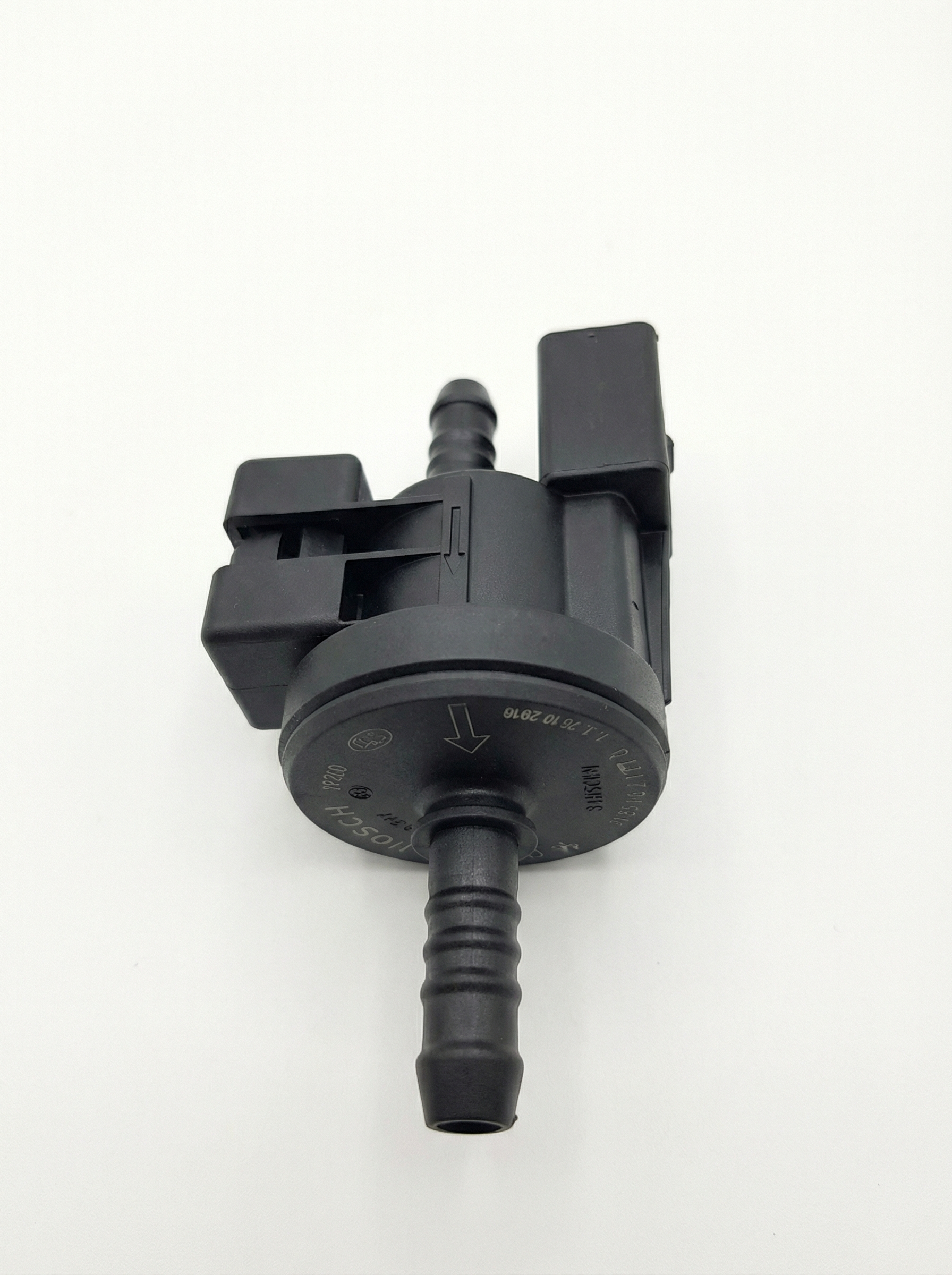
Est. part cost: $25-$45 - Faulty EVAP Purge Valve (N80 Valve) 🔴 High Probability → Shop Vapor Canister This electromechanical valve cycles constantly and is a very common failure point on VWs. It can get stuck open, closed, or develop an internal leak, sometimes due to charcoal debris from a failing canister. On the 1.4T/1.5T engines (2019+), it is located under the intake manifold, making it a labor-intensive repair.
How to confirm: With the engine off, remove the valve (if accessible) and try to blow through it; it should be closed and not allow air to pass. A mechanic can command it open and closed with a scan tool or check for vacuum at the line with the engine running, as detailed in VW's Technical Tip TT 01-19-06. Resistance should be between 15-35 ohms.
Typical fix: Replace the N80 purge valve. On 2017-2018 models, it's a simple DIY job. On 2019+ models, it requires partial or full removal of the intake manifold. The part for the 1.4T often comes as an assembly with attached hoses.
Est. part cost: $40-$180 - Cracked or Damaged EVAP Hoses/Lines 🟡 Medium Probability The plastic and rubber lines carrying fuel vapor become brittle from engine heat and age. The corrugated plastic lines in the engine bay, especially near the N80 valve, are common failure points.
How to confirm: A visual inspection may reveal obvious cracks, especially at connection points. However, small leaks are often invisible. The most effective method is a smoke test, where a mechanic injects low-pressure smoke into the EVAP system to see where it escapes.
Typical fix: Replace the specific section of cracked hose or the entire line assembly.
Est. part cost: $20-$150 - Faulty Leak Detection Pump (LDP) or Seal ⚪ Low Probability → Shop Evaporative Emissions System Leak Detection Pump The LDP, located near the charcoal canister in the rear wheel well, pressurizes the system for leak checks. The pump itself or its seals can fail. The "rattle" mentioned in service bulletins can be a loose LDP or canister bracket.
How to confirm: This typically requires a diagnostic scan tool to actuate the pump and a smoke test to confirm the leak source is the pump or canister area. A bench test can confirm if the pump holds pressure.
Typical fix: Replace the leak detection pump or the entire charcoal canister assembly.
Est. part cost: $100-$250
Rare But Worth Checking
- Cracked Charcoal Canister: → Shop Vapor Canister The canister body can develop hairline cracks from road debris or age. A tell-tale sign of internal failure is finding black charcoal granules in the EVAP lines, especially near the N80 valve.
- Leaking Fuel Filler Neck: → Shop Fuel Filler Neck Corrosion or damage to the metal tube leading to the gas tank can cause a leak that is difficult to spot without a smoke test. Cleaning rust off the sealing surface with a wire brush may resolve the issue.
- ECM Software Issue: In some cases, particularly on related Audi models, a software glitch in the Engine Control Module (ECM) can falsely trigger a P0442 code when no leak is present. An official TSB (2073032) was issued for this, requiring a software update at the dealer. VW also issued a Tech Tip (01-19-09TT) for EVAP faults appearing after a software update, suggesting a specific diagnostic procedure.
Diagnosis Steps
- Check the Gas Cap: Remove, inspect the seal for cracks, and retighten it until it clicks at least three times. Also check that the tether is not caught underneath the cap. Clear the code and drive for a few days to see if it returns.
- Visual Inspection: Look over the engine bay for any obvious cracks or disconnected plastic/rubber hoses connected to the EVAP system, particularly the corrugated lines near the N80 purge valve.
- Test the Purge Valve (N80): Locate the N80 valve. On 2017-18 models, it's accessible on top of the engine. On 2019+ models, access is difficult. If accessible, disconnect it and try to blow through it. If air passes, the valve is stuck open and must be replaced. You can also check the resistance across the two pins; it should be between 15-35 ohms.
- Inspect Hoses Underneath: Safely raise the vehicle and inspect the hoses running to and from the charcoal canister, which is usually located near the rear passenger-side wheel well. Check for cracks and loose connections.
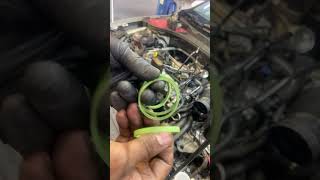
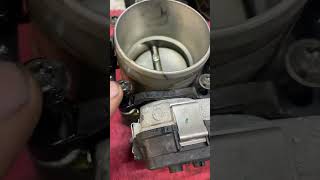
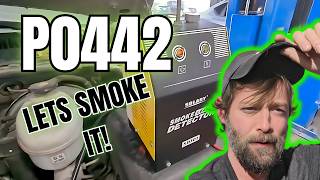
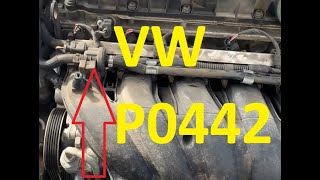
- Perform a Smoke Test: If the leak is not obvious, the most reliable method is to have a professional perform a smoke test. This involves injecting low-pressure, UV-dyed smoke into the EVAP system to precisely locate the source of the leak. 🎬 Watch: How to find a small EVAP leak using a smoke test. This is the definitive way to find cracked hoses, a bad LDP seal, or a cracked canister.
Parts You'll Likely Need

- Fuel Tank Cap
(OEM #5Q0201550L (or 1K0201550F for some A6 models))— This is the most common and simplest cause. The seal wears out over time, causing a small leak. An OEM cap is strongly recommended as aftermarket versions can cause issues.
Trusted brands: Genuine VW, Motorad
OEM price range: $30-$45
Aftermarket price range: $15-$25 - EVAP Canister Purge Valve (N80)
(OEM #04E906517A (A6 1.4T), 05E906517 (A7 1.4T/1.5T, often with hoses))— A very common failure point on VWs. It gets stuck, allowing un-metered vapor flow and causing the system to fail its leak test. Part number varies by engine and year.
Trusted brands: Bosch (OEM supplier), Genuine VW
OEM price range: $70-$180
Aftermarket price range: $40-$90 - Leak Detection Pump (LDP) — The pump responsible for pressurizing the system for leak tests can fail or its seal can degrade. A replacement is often required to fix recurring P0442 or P0457 codes if other components are confirmed good.
Trusted brands: Genuine VW, Dorman (e.g., 310-601 for A6 models)
OEM price range: $120-$250
Aftermarket price range: $80-$150
Related Codes That Often Appear With This One
- P0456 — This code indicates a 'very small leak' in the EVAP system. It's often caused by the same components as P0442, and which code appears can depend on the size of the leak and testing conditions.
- P0455 — This code for a 'large leak' can appear if a small leak worsens over time. It's commonly associated with a gas cap that is completely loose, missing, or has a failed seal.
- P0441 — This indicates 'Incorrect Purge Flow' and often points directly to a malfunctioning N80 purge valve that is either stuck open or closed, a common issue on these vehicles.
Technical Service Bulletins (TSBs) & Recalls
- VW Technical Tip TT 01-19-06: Details a specific procedure for testing the N80 purge valve on 2019+ Jettas where it is located under the intake manifold, acknowledging the difficulty of diagnosis. It advises checking for vacuum at the EVAP line with the engine running to confirm if the valve is stuck open.
- VW Technical Tip 01-21-01TT: Notes that P0442 can be caused by the fuel cap tether getting trapped under the cap seal, preventing a proper seal. It advises inspecting the tether and cap seal for damage during diagnosis.
- Audi TSB 2073032 / 20 24 67: While for an Audi, this TSB is relevant to the platform. It identifies a software issue in the ECM that can cause a false P0442 code. The fix is a software update, not a part replacement.
Platform-Specific Known Issues
- Multiple TSBs (VIN4APIN20241008, VIN4APIN20241121, VIN4APIN20240410, VIN4APIN20240523) link the P0442 code with a 'rattle from below the vehicle,' strongly suggesting a potential issue with a loose or failing charcoal canister or leak detection pump assembly.
- A recall was issued for some 2019-2020 Jetta models for a faulty suction jet pump seal within the fuel tank's EVAP system that could lead to a fuel leak, which could potentially trigger EVAP codes.
Mechanic-Grade Diagnostic Values
- EVAP Purge Valve (N80) resistance — expected: 15 to 35 Ohms. Failure: A reading of infinite resistance (open circuit) or zero resistance (short circuit) indicates a failed valve.
- EVAP Purge Valve (N80) vacuum test (for 2019+ models) — expected: 0 PSI (no vacuum). Failure: Any vacuum reading indicates the valve is stuck open and must be replaced.
Hidden / Shadow Codes Worth Checking
- 16826/P0442/001090: This is the internal fault code used by Volkswagen's diagnostic systems that corresponds to the generic OBD-II code P0442. (see via This code is visible using VAG-specific scan tools like VCDS (VAG-COM) or ODIS (dealership tool).)
Scan Tool Commands That Help
- VCDS (VAG-COM): Basic Settings - Group 071 — This function initiates the Leak Detection Pump (LDP) test sequence, allowing a technician to monitor the system's ability to build and hold pressure and check the status of the LDP's internal reed switch.
- Bi-directional Scan Tool: EVAP Vent Valve - Activate/Close — When performing a smoke test, the normally-open vent valve must be commanded closed to seal the system. This allows the smoke to build pressure and reveal leaks instead of escaping through the vent.
Wiring & Ground Locations
- J909 - Fuel Tank Leak Detection Control Module — Located near the charcoal canister and Leak Detection Pump (LDP) assembly, typically in the rear passenger-side wheel well area.. If all leak tests pass and components like the N80 valve are good, VW Tech Tip 01-19-09TT advises checking the wiring and connections to this module as a final step before replacing the module itself.
Real Owner Repair Stories
- Reddit user dade1701 on r/jetta (2020 Volkswagen Jetta R-Line with 54k miles) — Check Engine Light with code P0442.
❌ Tried (didn't work) The user was planning to check the gas cap first before attempting the purge valve.
✅ What actually fixed it The discussion confirmed for the user that for the MK7 Jetta, the N80 EVAP Purge Valve is located under the intake manifold, requiring its removal for replacement. It was also confirmed that the replacement part is plug-and-play and does not require programming ('coding') to the vehicle. - YouTube channel 'Irfan Chaudhry' (2010 VW Jetta) — Check Engine Light with codes P0442 (small leak) and P0456 (very small leak).
❌ Tried (didn't work) Initial smoke test revealed a major leak from a disconnected air intake hose, which was fixed but did not resolve the EVAP codes.
✅ What actually fixed it A second smoke test, applied directly to the EVAP purge hose, showed smoke coming out of the N80 purge valve itself, proving it was stuck partially open. Replacing the N80 valve resolved the leak, which was confirmed by a final smoke test on the new valve that showed it holding pressure correctly.
"I Checked Everything" — The Actual Cause
- In cases where EVAP faults like P0442 appear after an ECM software update, a standard smoke test may not reveal the issue. VW Technical Tip 01-19-09TT outlines a different diagnostic path: first, check for charcoal particles in the EVAP line near the N80 valve. If found, the charcoal canister has failed internally and must be replaced along with the N80 valve. If no particles are found, perform a vacuum test on the N80 valve. If all tests pass, the final step is to inspect the wiring to the J909 Fuel Tank Leak Detection Control Module or replace the module itself.
Model Year Variations Within This Range
- 2019-2024 vs 2017-2018: The procedure for testing the N80 purge valve differs due to its location. Per VW Tech Tip 01-19-06, testing on a 2019+ Jetta requires a specific adapter (KLI 9210/57) for the vacuum gauge, whereas earlier models use a different set of adapters from the VAG1318 kit. This reflects the different plumbing and access points between the A7 and A6 generations.
Helpful Videos

Used OEM Parts in Stock
New Aftermarket Parts Available


The information in this article is provided for general reference and educational purposes only. Vehicle specifications, procedures, and part compatibility can vary by production date, trim level, and region. Always consult your vehicle's factory service manual and verify part numbers before purchasing or performing repairs. Safety-critical components such as airbags, seat belts, and braking systems should be installed by a qualified professional.
- Volkswagen JETTA:
- 🧭 Diagnostic Flowchart
- 🎬 Helpful Videos
- 🛍️ Shop This Part
- What's Unique About the 2017-2024 Volkswagen JETTA
- Symptoms You May Notice
- Most Likely Causes
- Rare But Worth Checking
- Diagnosis Steps
- Parts You'll Likely Need
- Related Codes That Often Appear With This One
- Technical Service Bulletins (TSBs) & Recalls
- Platform-Specific Known Issues
- Mechanic-Grade Diagnostic Values
- Hidden / Shadow Codes Worth Checking
- Scan Tool Commands That Help
- Wiring & Ground Locations
- Real Owner Repair Stories
- "I Checked Everything" — The Actual Cause
- Model Year Variations Within This Range
- 🎟️ Get 5% Off