

P0442 on 2000-2004 Volvo S40 1.9T: EVAP Small Leak Causes and Fixes
On a 2000-2004 Volvo S40, P0442 is most often caused by a bad gas cap seal or cracked, brittle EVAP vacuum hoses. Start by inspecting the gas cap and cleaning the fuel filler neck. If that doesn't work, a smoke test is needed to find the cracked hose, which is a very common failure point on this specific model.
- P0442 on a 2000-2004 S40 means the car's computer found a small leak in the emissions system that contains fuel vapors.
- Always start with the simplest fix: check that your gas cap is tight. If it's old, replacing it with a new OEM cap is a cheap and effective first step.
- The plastic EVAP hoses on this car are known to get brittle and crack. A visual inspection might find the problem, but a smoke test is the best way to be sure.
- This code will not leave you stranded, but it will cause an automatic failure on an emissions test.
What's Unique About the 2000-2004 Volvo S40
The first-generation Volvo S40 (2000-2004) was a joint-venture with Mitsubishi, sharing a platform with the Mitsubishi Carisma. Its EVAP system is known for having plastic and rubber hoses that become extremely brittle over time due to engine heat and age. While a bad gas cap is a common issue on all cars, on this specific S40, age-related decay of the EVAP lines is a very frequent cause of the P0442 code. Owners often discover broken lines accidentally while working on other parts of the engine, particularly the hard plastic lines connected to the purge valve in the engine bay.
Generation note: The 2000-2004 model years cover the first-generation S40, specifically the facelifted version with the 1.9L turbo engine. A completely redesigned second-generation S40 was introduced in mid-2004 (often called 2004.5) on a different platform. This guide applies only to the first-generation models.
Symptoms You May Notice
- Check Engine Light is on
- A faint fuel smell may be noticeable, particularly when parked in an enclosed space like a garage or around the rear of the car.
- In rare cases, a very slight dip or fluctuation in idle RPM may occur if the leak is from a hose connected directly to the intake manifold.
- Replacing the oxygen (O2) sensors. O2 sensors are not part of the EVAP system and will not cause a P0442 code.
- Replacing the catalytic converter. This is an expensive repair related to efficiency codes (like P0420), not EVAP leak codes.
- Replacing the Mass Airflow Sensor (MAFS). While a faulty MAFS can cause other issues, it is not a direct cause for an EVAP leak code like P0442.
Most Likely Causes
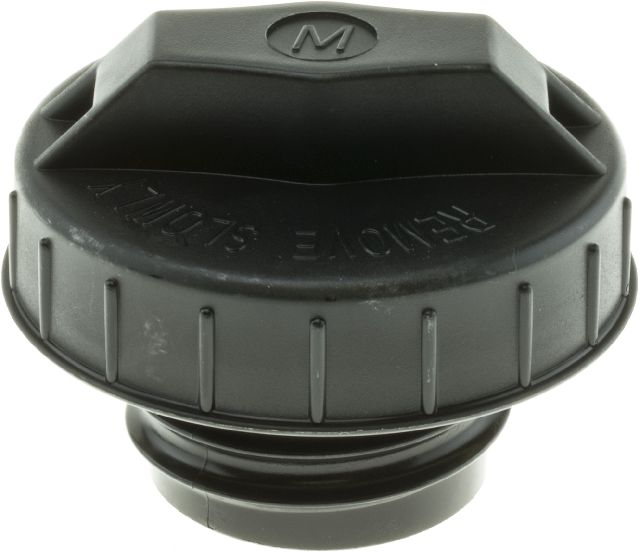
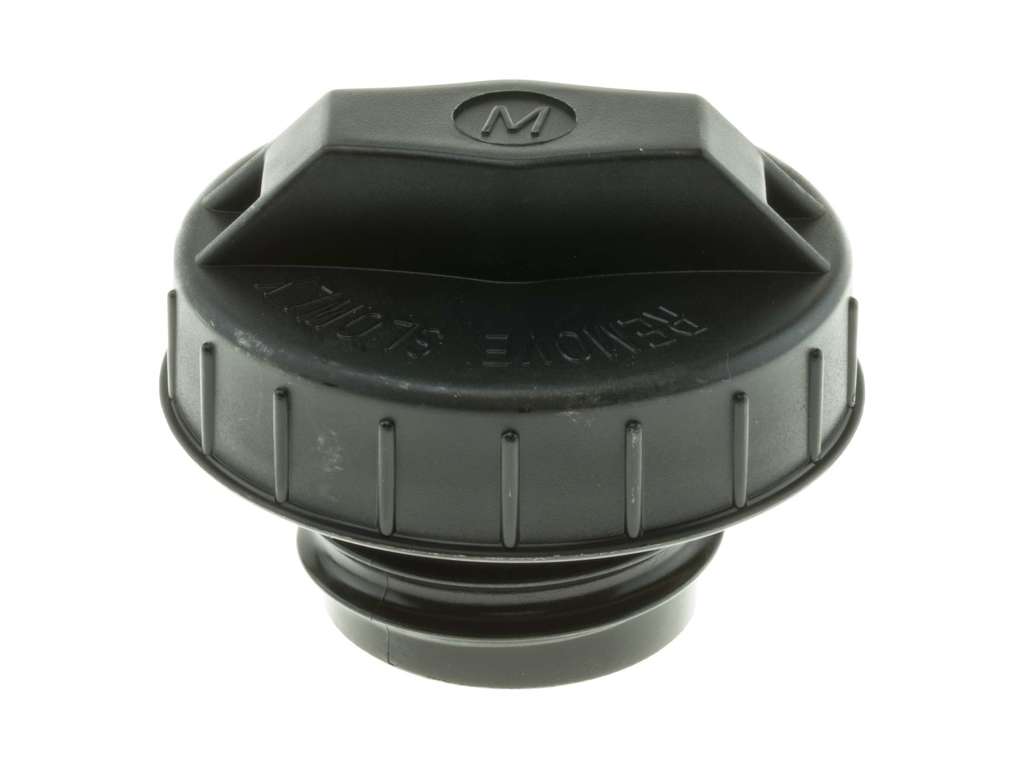
- Loose or Faulty Gas Cap 🔴 High Probability → Shop Fuel Tank Cap The rubber seal on the gas cap can dry out, crack, or become hard over time, preventing a proper seal. This is a common failure point on most vehicles of this age and the easiest to fix. 🎬 Watch: Common leak locations and easy ways to fix them.
How to confirm: Check that the cap clicks at least once when tightened. Remove the cap and inspect the rubber O-ring for any cracks, stiffness, or visible damage. Also, clean the metal fuel filler neck where the cap seals with a cloth, as dirt or rust can prevent a good seal. Some owners have had success cleaning the gasket with a solvent to soften it temporarily.
Typical fix: Replace the gas cap. It is highly recommended to use a Genuine Volvo cap (Part No. 31392044, which supersedes several older numbers) as some aftermarket caps are known to have sealing issues, leading to repeat codes.
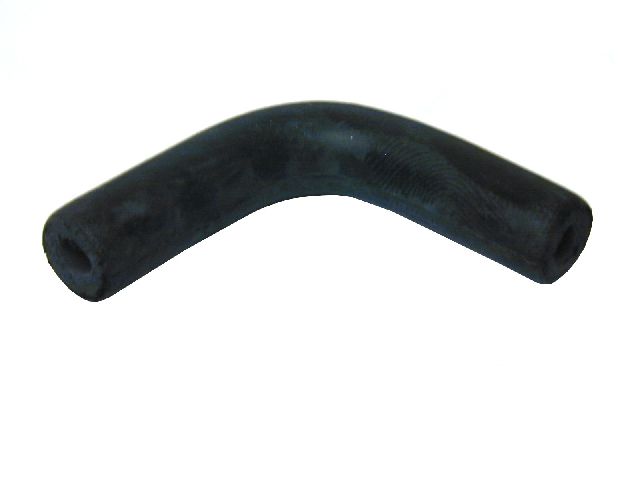
Est. part cost: $25-$50 - Cracked or Brittle EVAP Hoses 🔴 High Probability The plastic and rubber vacuum lines used in the EVAP system on the 1.9T engine are notorious for becoming brittle and cracking with age and engine heat. They can break easily during unrelated maintenance, especially the lines near the purge valve and the 'J-hose' near the charcoal canister.
How to confirm: Visually inspect all accessible EVAP hoses running from the charcoal canister (located ahead of the left rear wheel) to the purge valve in the engine bay. A professional smoke test is the most effective way to find the precise location of a small leak that isn't obvious visually. Pay special attention to the hard plastic lines in the engine bay which often break near the purge valve.
Typical fix: Replace the cracked section of hose. The 'J-hose' connecting to the charcoal canister is a common culprit and can be difficult to access above the rear suspension. For engine bay hoses, generic vacuum hose of the correct diameter can often be used for repairs, but pre-formed OEM hoses may be required for complex shapes.
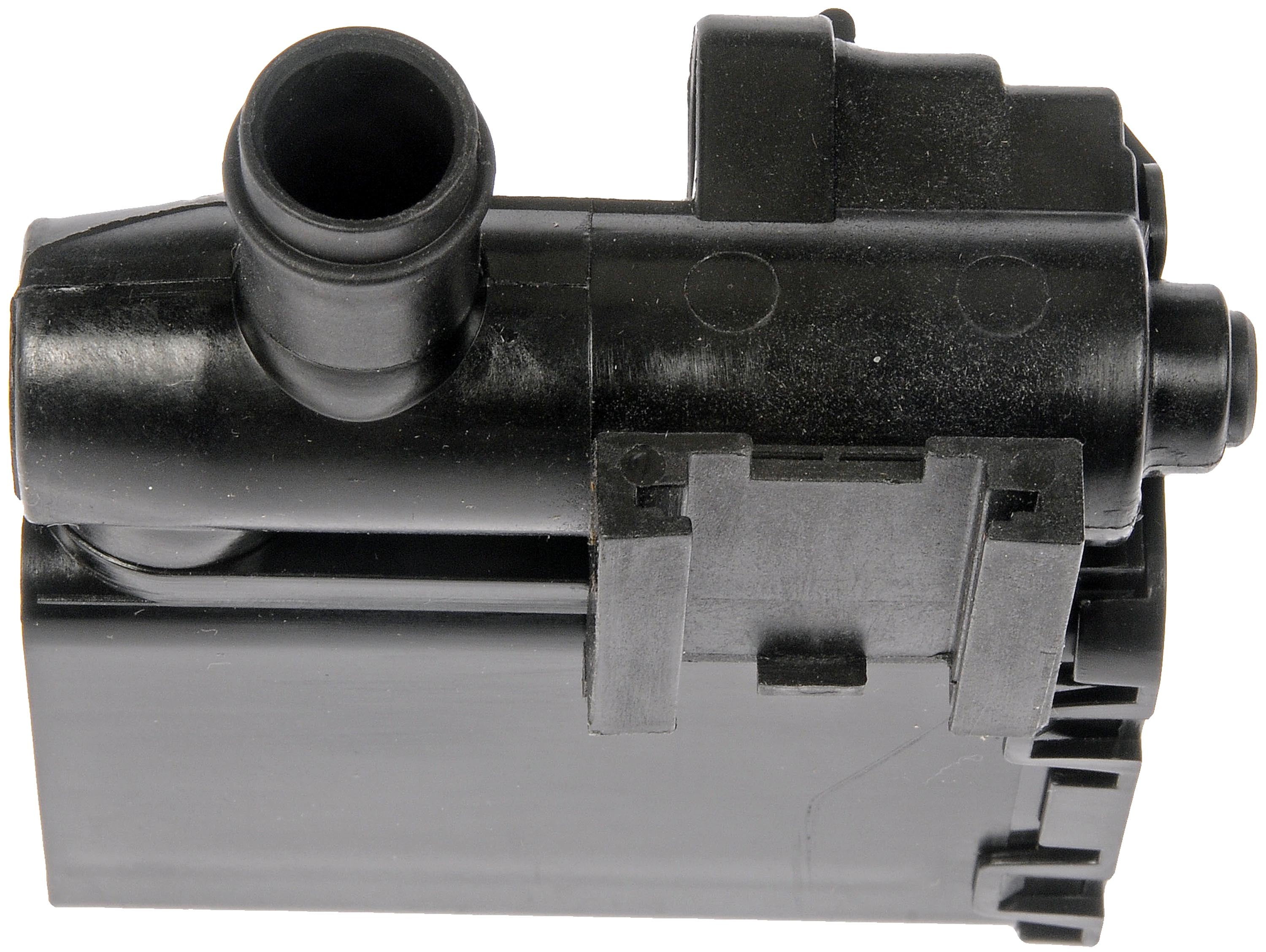
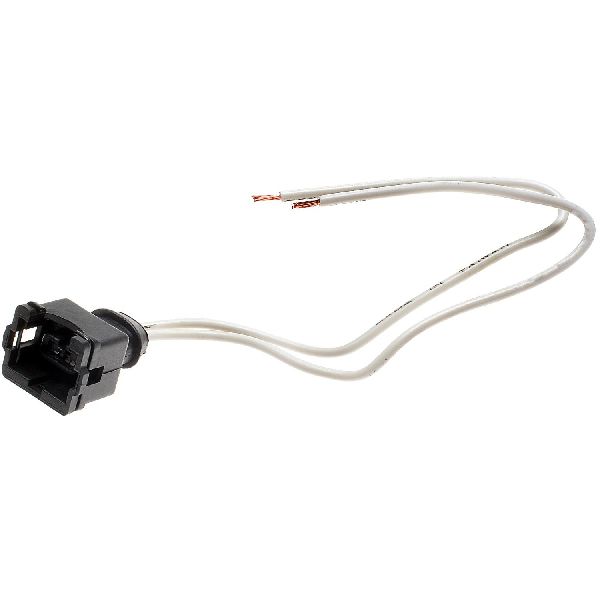
Est. part cost: $10-$100 - Faulty EVAP Purge Valve 🟡 Medium Probability → Shop Vapor Canister The purge valve (or purge solenoid) can get stuck partially open or fail to seal completely, creating a small, persistent leak in the system.
How to confirm: The purge valve is located at the left front of the engine compartment, near the cooling fan. With the engine off, you can try to blow through it; no air should pass. A more definitive test involves applying 12V power to the terminals to see if it clicks open and closed, or using a hand-held vacuum pump to see if it holds vacuum when de-energized.
Typical fix: Replace the EVAP purge valve. The OEM part is made by Bosch.
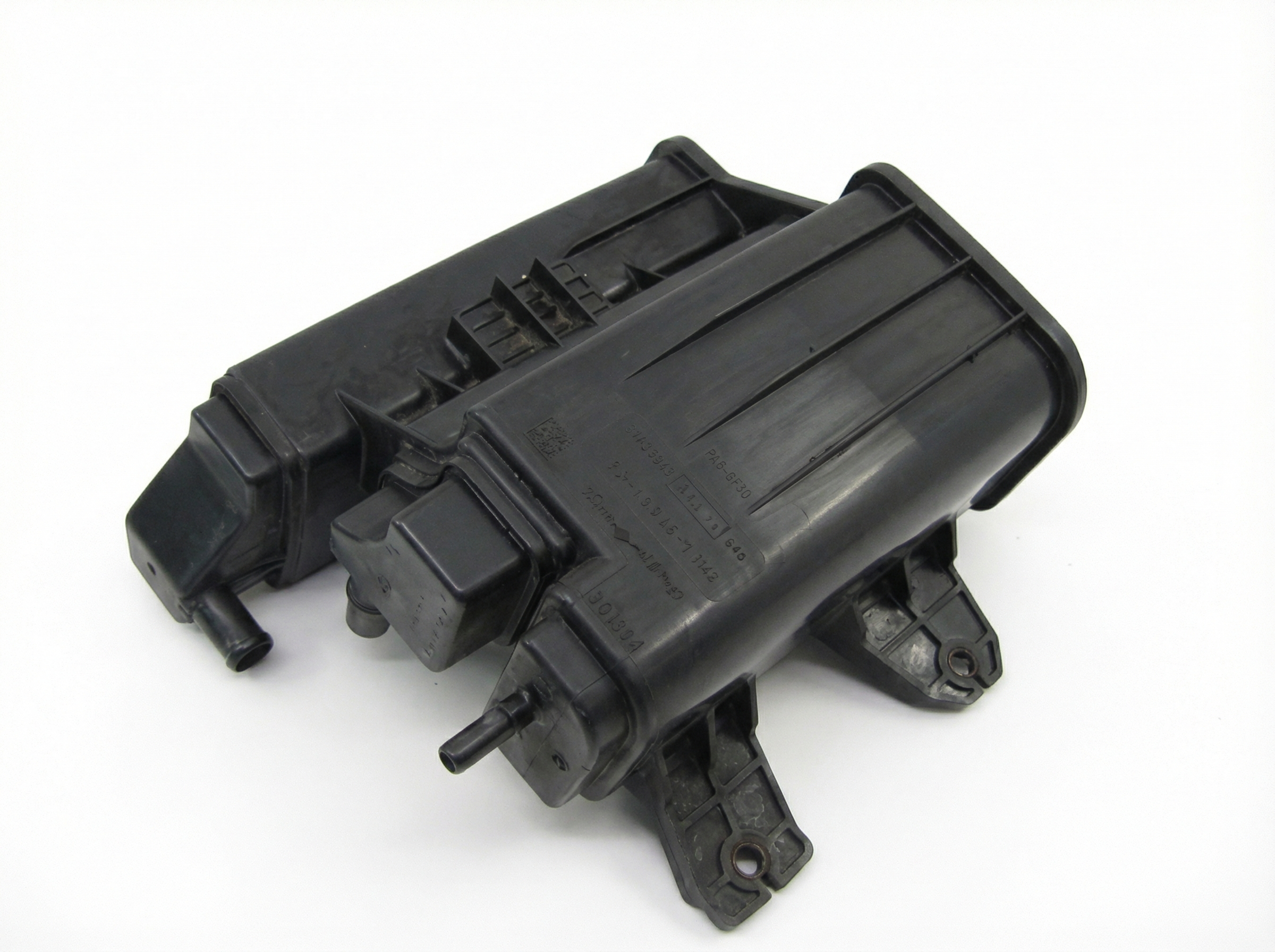
Est. part cost: $50-$120 - Leaking Charcoal Canister ⚪ Low Probability → Shop Vapor Canister The plastic housing of the canister itself can develop cracks over time due to age and exposure to road debris.
How to confirm: The canister is located near the rear of the vehicle, just forward of the left rear wheel well. A smoke test is the best way to confirm a leak in the canister body itself or at one of the hose connections, like the J-hose port.
Typical fix: Replace the charcoal canister.
Est. part cost: $150-$250
Diagnosis Steps
- Read the code with an OBD-II scanner to confirm P0442 is the primary code present.
- Inspect the gas cap. Ensure it is tight and clicks. Remove it and check the seal for cracks or damage. Clean the filler neck surface.
- If the cap looks worn, replace it with a Genuine Volvo part (31392044), clear the code, and drive for a few days to see if the light returns.
- If the light returns, perform a thorough visual inspection of all EVAP hoses in the engine bay and running to the back of the car. Pay close attention to the hard plastic lines and rubber elbows connected to the purge valve.
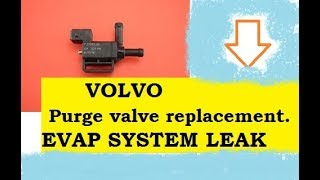
- Locate the EVAP purge valve in the engine bay. With the engine off, disconnect the hoses and try to blow through it. It should be sealed. You can also test it with a 12V source to hear it click. 🎬 Watch: How to test and replace the purge solenoid valve.
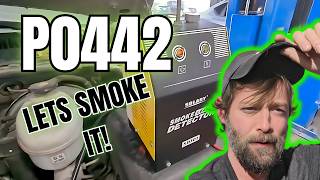
- If no visible leaks are found, the most reliable next step is to have the system professionally smoke tested. This involves injecting vaporized smoke into the EVAP system to quickly reveal the location of any small leaks 🎬 See a pro technician find a hidden small EVAP leak. from hoses, the canister, or valves.
- Based on the smoke test results, replace the specific leaking component. If it's the 'J-hose' at the rear canister, be prepared for a difficult repair as access is tight above the rear suspension.
Parts You'll Likely Need
- Fuel Cap
(OEM #31392044)— This is the most common and easiest fix. The seal fails over time, causing a leak the system can detect. Using an OEM cap is critical to avoid persistent issues.
Trusted brands: Volvo (OEM)
OEM price range: $35-$50
Aftermarket price range: $15-$30 - EVAP Vacuum Hose — The plastic and rubber hoses on this specific model are known to become brittle and crack, representing a very common failure point for the P0442 code, especially lines near the purge valve and the 'J-hose' at the canister.
Trusted brands: Volvo (OEM), Generic vacuum hose
OEM price range: $50-$120
Aftermarket price range: $10-$40 - EVAP Canister Purge Valve
(OEM #Bosch 0280142300 (Verify for specific vehicle))— Can get stuck partially open, creating a constant small leak that the system detects during its self-test.
Trusted brands: Bosch (OEM), Standard Motor Products
OEM price range: $90-$150
Aftermarket price range: $40-$80
Related Codes That Often Appear With This One
- P0455 — This code indicates a 'Large EVAP Leak'. If a hose is badly cracked or has become disconnected, the system may log both a small and large leak code at different times, or escalate from P0442 to P0455 as the leak worsens.
- P0456 — This code indicates a 'Very Small EVAP Leak'. It points to the same type of problem as P0442, just a smaller leak threshold, and the diagnostic process is identical.
Platform-Specific Known Issues
- Brittle Engine Bay EVAP Hoses: The hard plastic vacuum lines in the engine compartment, particularly the ones connecting to the EVAP purge valve, are extremely prone to cracking. A user on volvoforums.com noted that their hose broke into several pieces during a radiator replacement, causing a P0455 (large leak) code. This highlights how fragile these lines become and how easily they can be the source of a P0442 leak.
- Inaccessible 'J-Hose' at Charcoal Canister: → Shop Vapor Canister A specific U-shaped or 'J' hose that connects to the charcoal canister is a frequent failure point. Owners on volvoXC.com and volvoforums.com describe the difficulty in replacing it, as it is located above the rear suspension frame, making access very tight. One owner noted they could feel tears in the hose with their fingers but accessing it for replacement required dropping the exhaust and heat shield.
Scan Tool Commands That Help
- Volvo VIDA (Vehicle Information and Diagnostics for Aftersales): Quick Test of Fuel Tank — This function in the VIDA software allows a technician to command the vehicle's onboard diagnostic system to perform a leak test on the EVAP system. The software will display the results, such as 'System Fine,' 'Minor Leak,' or 'Major Leak,' providing a definitive answer without needing to wait for a full drive cycle.
- Volvo VIDA (Vehicle Information and Diagnostics for Aftersales): Activate EVAP Canister Purge Valve — This bidirectional control allows a technician to manually command the purge valve to open and close. This is used to verify the valve's mechanical operation (listening for a click) and to check if it seals properly when commanded closed, which is a crucial step in diagnosing a stuck-open valve.
Wiring & Ground Locations
- G121 — Located at the center of the firewall in the engine compartment.. This is a major grounding point for multiple engine management components. While not exclusive to the EVAP system, a corroded or loose connection at this point can cause erratic behavior in various sensors and solenoids, potentially leading to incorrect diagnostic readings or intermittent fault codes. A wiring diagram for the 2001 S40 confirms its location.
Real Owner Repair Stories
- volvoforums.com user 'jelwynn' (2001 Volvo S40 1.9T) — Intermittent Check Engine Light with code P0442.
❌ Tried (didn't work) Initial visual check of the gas cap showed no obvious issues.
✅ What actually fixed it The owner used emery cloth to clean the fuel filler neck where the cap seals and cleaned the gas cap's rubber gasket with a strong solvent to soften it. After doing this, the P0442 code did not return for over a month. - Reddit user in r/Volvo (Volvo S40 (year not specified, but relevant to P0442)) — Check Engine Light with code P0442.
❌ Tried (didn't work) Replacing the gas cap.
✅ What actually fixed it The owner replaced the EVAP Vapor Canister Purge Valve, which resolved the P0442 code.
Diagnostic Flowchart
Other Known Issues on This Vehicle
Issues unrelated to this code that are worth knowing about as an owner of this generation:
- Variable Valve Timing (VVT) Solenoid Failure 🟠 Medium — Common as the vehicle ages. Often caused by oil sludge from infrequent oil changes.
- Engine Mount Collapse 🟠 Medium — The hydraulic engine mounts, particularly the right-side mount, are known to wear out and collapse over time, typically after 80,000 miles.
- Automatic Transmission (AW50-42LE) Shift Problems 🔴 High — Reported by numerous owners, can occur at various mileages.
Used vs. New Parts: Buying Guide for This Vehicle
When a used part is the smart pick: For this repair, used parts are generally not recommended for the most common failure items. However, a structural component like the charcoal canister could be sourced from a low-mileage, accident-free donor vehicle if the plastic housing is confirmed to be free of cracks and the hose ports are intact.
Donor-vehicle mileage cap: roughly under 80000 miles for the part to have meaningful remaining life.
What to inspect on the donor part:
- For a charcoal canister, inspect the plastic body for any hairline cracks, especially around the mounting tabs and hose connections.
- Ensure the donor vehicle was not in a rear-end collision, which could have stressed the canister.
- Avoid parts from vehicles in the salt belt, as corrosion can damage hose connections and mounting hardware.
OEM-only on this vehicle (don't cheap out):
- Fuel Cap: Aftermarket gas caps are a well-documented source of recurring P0442 codes on this model. It is strongly recommended to use a genuine Volvo cap to ensure a proper seal.
- EVAP Hoses: Given that age and heat are the primary causes of failure, used rubber and plastic hoses are likely to be just as brittle and failure-prone as the part being replaced. New OEM or quality aftermarket hose is the only reliable option.
Aftermarket brands forum-validated for this vehicle:
- Bosch (for the EVAP Purge Valve, as they are the OEM supplier)
Brands owners have reported issues with on this vehicle:
- Generic or no-name aftermarket gas caps.
Real Owner Stories
Aggregated from forums and TSBs cited above. Mileages and costs reflect what owners reported in those sources.
2001 Volvo S40 1.9T
Symptoms: Check engine light for P0442; owner could feel tears in a U-shaped hose with their fingers but could not easily reach it.
What fixed it: Replacement of the 'J-hose' located above the rear suspension frame.
Cost: $329-$329
Source hint: volvoforums.com - Corroborated that the gas cap, EVAP control valve, canister, and hoses (specifically a 'J-hose') are common causes
2001 Volvo S40
Symptoms: The brittle EVAP lines broke into several pieces while the owner was performing a radiator replacement.
What fixed it: Replacement of the hard plastic vacuum lines in the engine compartment.
Source hint: volvoforums.com - A thread titled 'I need an EVAP hose diagram' from 2016
Related OBD-II Codes
Frequently Asked Questions
Which specific gas cap should I buy for my 2001 Volvo S40 to fix P0442?
Where is the charcoal canister located on the S40, and is it hard to reach?
Can I use generic parts to fix the brittle EVAP lines in the engine bay?
How can I test the EVAP purge valve on my 1.9T engine?
Is there a common failure point for the EVAP system during other maintenance?
Does the Mitsubishi Carisma share this EVAP system issue?
Helpful Videos

Used OEM Parts in Stock
New Aftermarket Parts Available


The information in this article is provided for general reference and educational purposes only. Vehicle specifications, procedures, and part compatibility can vary by production date, trim level, and region. Always consult your vehicle's factory service manual and verify part numbers before purchasing or performing repairs. Safety-critical components such as airbags, seat belts, and braking systems should be installed by a qualified professional.
- Volvo S40:
- 🧭 Diagnostic Flowchart
- 🎬 Helpful Videos
- 🛍️ Shop This Part
- What's Unique About the 2000-2004 Volvo S40
- Symptoms You May Notice
- Most Likely Causes
- Diagnosis Steps
- Parts You'll Likely Need
- Related Codes That Often Appear With This One
- Platform-Specific Known Issues
- Scan Tool Commands That Help
- Wiring & Ground Locations
- Real Owner Repair Stories
- Other Known Issues on This Vehicle
- Used vs. New Parts: Buying Guide for This Vehicle
- Real Owner Stories
- 2001 Volvo S40 1.9T
- 2001 Volvo S40
- Related OBD-II Codes
- Frequently Asked Questions
- 🎟️ Get 5% Off